Standard Barbell Weight Plate Dimensions for Facility
Verifying Manufacturer Standards and QC Protocols for Precision Casting
When sourcing high-volume orders, procurement professionals must evaluate more than just the unit price; the true cost lies in long-term operational reliability. A failure to verify strict manufacturing standards often results in uneven wear patterns or significant barbell imbalance, which can compromise the user experience in premium commercial facilities. To mitigate these risks, buyers should focus on three critical checkpoints: the consistency of the olympic plate diameter across an entire shipment, the uniformity of the casting density, and the precision of the center hole to ensure seamless barbell sleeve compatibility. Without these rigorous quality controls, even slight deviations in weight distribution can lead to premature equipment fatigue and increased maintenance overhead.
Reliable suppliers utilize advanced precision casting techniques to ensure that every unit maintains strict structural integrity under heavy use. For distributors and gym owners, this technical precision is the foundation of product durability. When barbell weight plates dimensions vary even by a few millimeters between batches, it creates a cascading effect of instability during high-intensity training. Ensuring that your factory partner adheres to standardized tolerances prevents the common issue of plates wobbling or failing to sit flush, protecting both your brand reputation and your clients' long-term investment.
To ensure your facility receives a consistent shipment, we recommend implementing a technical inspection checklist during the pre-shipment phase. A professional procurement strategy should demand documented QC protocols that specifically address dimensional stability. Beyond surface aesthetics, the internal density and the precision of the center hole are vital for long-term barbell sleeve compatibility. If the center hole diameter is inconsistent, it can lead to excessive vibration or uneven loading, which accelerates wear on your high-end barbells.
Furthermore, a critical metric for B2B buyers is the bumper plate thickness variance. In high-traffic commercial environments, even a minor deviation in thickness can disrupt the weight distribution across a barbell, creating an unbalanced load. You should verify that the manufacturer adheres to strict tolerance levels—typically within a +/- 1% to 2% margin—to guarantee that plates from different production batches can be used interchangeably. Demanding these specific manufacturing standards during your sourcing process protects your total cost of ownership by reducing the frequency of equipment replacements and maintenance calls.
To streamline your quality assurance process, we have compiled a technical reference for evaluating incoming shipments. This table serves as a benchmark for distinguishing between professional-grade equipment and substandard manufacturing that may pose operational risks in a commercial setting. When auditing a new supplier, use these specific thresholds to determine if their production capabilities meet the high-intensity demands of North American fitness centers.
Table: Dimensional Tolerance Standards for Commercial Grade Plates
| Metric Category | Acceptable Variance (Commercial Grade) | Unacceptable Variance (Substandard) | Procurement Risk Factor |
|---|---|---|---|
| Diameter Variance | ± 1.5mm to 2mm | ± 5mm or greater | Uneven barbell balance and visual misalignment |
| Thickness Consistency | ± 1% to 2% per unit | ± 5% or greater | Improper weight distribution and sleeve wear |
| Weight Deviation | ± 1% of total mass | ± 3% or greater | Inaccurate loading and compliance issues |
Note for Buyers: If a manufacturer cannot provide documented test results regarding these specific barbell weight plates dimensions, it is advisable to request a smaller sample batch before committing to a full container order. Maintaining these strict tolerances is essential for ensuring long-term barbell sleeve compatibility and minimizing the frequency of replacement cycles.
Evaluating Olympic Plate Diameter and Tolerance Thresholds
For facility managers and bulk procurement specialists, the cost of a barbell is rarely found in the initial invoice, but rather in the long-term maintenance of the equipment. A critical factor often overlooked during the sourcing stage is how precise the olympic plate diameter must be to ensure smooth rotation. When manufacturing tolerances deviate from standard specifications, the resulting mismatch creates significant issues for barbell sleeve compatibility.
If the center hole of a bumper plate is slightly oversized or inconsistently cast, it fails to seat properly against the barbell sleeve. This lack of precision introduces mechanical friction and uneven weight distribution during high-impact movements. Over time, this constant vibration and friction lead to uneven wear on the barbell bearings and bushings, significantly shortening the lifespan of your most expensive barbell inventory. For high-traffic commercial gyms, maintaining strict tolerance thresholds during the quality control phase is essential to reducing total cost of ownership and preventing premature equipment failure.
To mitigate these technical risks, procurement officers should demand standardized technical specifications from their manufacturing partners. Discrepancies in diameter or thickness do more than just affect the aesthetic of a weight set; they dictate the center of gravity and the stability of the barbell during heavy lifts. A high-quality production run should maintain a consistent profile across all weight classes to ensure that the load remains balanced and the barbell rotation remains fluid.
The following table serves as a technical reference for evaluating the quality of incoming shipments. When auditing a factory's output, use these standard ranges to verify if the batch meets the requirements for professional-grade commercial facilities.
| Weight Class (Typical) | Standard Diameter | Tolerance Range (±) | Bumper Plate Thickness Impact |
|---|---|---|---|
| 5 kg – 15 kg | 450mm | 1–2mm | Lower thickness; requires high-density rubber to prevent compression |
| 20 kg – 25 kg | 450mm | 1–2mm | Standard thickness; critical for sleeve stability |
| 30 kg+ (Heavy Duty) | 450mm | 2mm | Increased thickness; must maintain structural integrity under high load |
Note for Distributors: Always confirm the tolerance thresholds with your supplier before finalizing a bulk order. Inconsistent thickness across a single weight class can lead to uneven loading, which places undue stress on the barbell sleeves and increases the frequency of maintenance requests from end-users.
Beyond individual plate precision, large-scale distributors must focus on batch consistency to prevent operational headaches. When sourcing high-volume orders, the risk is not just a single defective unit, but a systemic deviation in barbell weight plates dimensions across an entire shipment. If a new batch arrives with a slightly different bumper plate thickness or center hole diameter than your previous stock, the resulting mismatch can disrupt your entire inventory management and increase the frequency of client complaints regarding equipment fit.
To minimize the total cost of ownership, implement a rigorous factory QC inspection protocol before any shipment leaves the warehouse. Effective procurement strategies should include requests for dimensional verification reports and sample testing. Furthermore, consider the logistics impact on shape; improper stacking or insufficient protective packaging during sea freight can lead to subtle warping or compression of rubberized edges. By prioritizing suppliers who demonstrate strict control over these variables, you protect your long-term facility maintenance budget and ensure that every barbell in your facility performs with the same predictable, high-standard stability.
Optimizing Barbell Sleeve Compatibility and Load Capacity
For facility managers and wholesale distributors, the relationship between plate dimensions and equipment longevity is a critical factor in total cost of ownership. While the standard olympic plate diameter ensures a consistent footprint for gym floor layouts, the bumper plate thickness dictates how much stress is placed on the barbell itself. In high-traffic commercial environments, the physical profile of the weight directly impacts barbell sleeve compatibility and the long-term structural integrity of the lifting bars.
When sourcing for high-frequency usage, such as CrossFit boxes or heavy-duty strength training centers, thin-profile plates can lead to uneven load distribution. If plates are too thin relative to their mass, they may create excessive rotational friction or uneven pressure on the sleeves during heavy lifts. Selecting high-quality, precision-molded plates ensures that the weight sits securely, protecting the barbell's bearings and bushings from premature wear and maintaining the structural integrity of your entire strength training inventory.
When evaluating bulk orders, procurement specialists must account for the mechanical interaction between the plate edge and the barbell sleeve. A discrepancy in thickness profiles can lead to accelerated wear on expensive barbell bushings or bearings, effectively shortening the replacement cycle of your high-end lifting bars. To assist in your technical vetting process, we have provided a comparison of common plate profiles and their typical impact on equipment durability.
| Plate Type | Typical Thickness Profile | Sleeve Impact & Load Distribution | Best Use Case |
|---|---|---|---|
| Standard Bumper | Moderate (approx. 50mm) | Balanced distribution; ideal for standard rotation | Commercial Gyms / CrossFit |
| Slim-Profile Bumper | Low (approx. 35mm - 45mm) | Higher density; allows more weight per sleeve | High-Density Training / Small Footprints |
| Cast Iron / Iron Plate | Variable (High Density) | Fixed profile; minimal rotation; high sleeve friction | Traditional Strength / Bodybuilding |
Quality control during factory inspection is vital when sourcing specialized profiles. For distributors, ensuring that the center hole diameter remains consistent with the barbell sleeve diameter is non-negotiable. Even a slight deviation in the inner ring diameter can cause the plate to "wobble" or sit unevenly, leading to uneven load distribution that compromises the barbell's internal components. When negotiating MOQ or shipping specifications, always request detailed tolerance reports to ensure the thickness variations align with your facility's specific barbell inventory.
Beyond the physical dimensions, the long-term maintenance cycles of a commercial facility are often dictated by these subtle technical tolerances. A procurement strategy that overlooks the precision of barbell weight plates dimensions risks higher operational costs due to frequent barbell repairs. If the inner diameter of the plates is inconsistent, the resulting friction and vibration can damage the precision bearings of premium lifting bars, necessitating premature replacement.
To safeguard your long-term facility investment, we recommend incorporating a rigorous QC inspection phase into your sourcing workflow. This should include a verification of the center-hole concentricity and edge thickness uniformity. By prioritizing suppliers who provide strict tolerance levels for both diameter and thickness, distributors can ensure that their inventory maintains high performance across various training modalities. Ultimately, investing in high-precision plate profiles reduces the frequency of equipment downtime and optimizes the overall lifecycle of your strength training assets.
Managing Bumper Plate Thickness for Efficient Storage and Rack Density
For facility managers and distributors, the logistical footprint of weight equipment is often a deciding factor in long-term operational efficiency. While the standard olympic plate diameter ensures universal compatibility with professional barbells, the variation in bumper plate thickness dictates how much vertical or horizontal space your inventory actually occupies. In high-volume training environments where floor space is at a premium, the thickness of the plates directly impacts your rack density and the overall spatial footprint of your strength training zones.
When sourcing for large-scale gym builds or distribution centers, selecting the correct plate profile is a strategic decision rather than a mere aesthetic choice. Thinner plates allow for more weight on a single barbell sleeve, which is excellent for heavy lifting, but thicker, high-durability plates often provide better shock absorption and longevity in high-impact settings. Understanding this trade-off is essential for optimizing storage solutions like vertical trees or horizontal racks.
| Plate Profile Type | Typical Thickness Impact | Storage Efficiency | Best Use Case |
|---|---|---|---|
| Ultra-Slim Competition | Minimal footprint | Highest density per rack | Professional lifting platforms |
| Standard Performance | Moderate footprint | Balanced capacity | Commercial strength gyms |
| Heavy-Duty/High-Impact | Larger spatial footprint | Lower rack density | CrossFit and high-volume facilities |
When evaluating bulk orders, procurement officers must look beyond the weight and consider the weight-to-thickness ratio. A higher density of plates per sleeve can maximize the utility of high-end barbells, but it also demands precise barbell sleeve compatibility. If your facility utilizes premium bars with shorter sleeves, ultra-slim profiles are necessary to avoid overloading the bar's structural integrity or preventing the use of collars. Conversely, in high-traffic CrossFit or functional fitness centers, the increased bumper plate thickness of high-impact models provides essential durability, even if it reduces the total number of plates that can fit on a single bar.
From a logistics perspective, storage rack optimization is a critical variable in your total cost of ownership. Thicker plates, while more robust, will reach rack capacity much faster, potentially requiring more floor-standing storage units or larger footprint footprints. When planning bulk ordering considerations, we recommend a mixed-profile inventory strategy. Sourcing a combination of slim-profile plates for heavy barbell loading and standard-thickness plates for high-impact training allows you to balance maximum barbell capacity with long-term equipment durability and efficient facility organization.
Beyond immediate spatial constraints, the dimensional consistency of your inventory directly influences your long-term TCO (Total Cost of Ownership). Inconsistent manufacturing tolerances across different batches can lead to uneven weight distribution and premature barbell wear. If plates vary significantly in thickness or diameter, the resulting uneven loading can cause micro-stress on the barbell sleeves, potentially shortening the lifespan of your most expensive lifting bars. High-quality QC (Quality Control) during the sourcing process is therefore non-negotiable; ensuring that every unit adheres to strict dimensional standards protects your hardware investment.
Furthermore, procurement specialists must account for the hidden costs of logistics and shipping volume. When ordering in bulk, the physical dimensions of the plates—not just the weight—dictate the efficiency of container loading and warehouse palletization. Thicker, high-impact plates may increase the shipping volume per unit of weight, potentially raising landed costs. By prioritizing suppliers who maintain rigorous manufacturing standards, you ensure that your shipment arrives with uniform dimensions, facilitating smoother inventory integration and predictable maintenance cycles for your facility's strength equipment.
Mitigating Warranty Claims Through Dimensional Consistency
For facility owners and distributors, the true cost of a procurement error extends far beyond the initial invoice. When sourcing high-volume orders, even microscopic deviations in barbell weight plates dimensions can trigger a cascade of operational issues. If the olympic plate diameter deviates from the standard 450mm specification, it creates uneven weight distribution and unpredictable centrifugal forces during heavy lifts. This inconsistency does more than just frustrate athletes; it places undue stress on barbell sleeves and bearing systems.
Furthermore, inconsistent bumper plate thickness across a single shipment can lead to uneven loading on the barbell. This lack of uniformity often results in premature wear on high-end barbell collars and expensive barbell sleeves, leading to frequent maintenance requests. From a procurement standpoint, these technical discrepancies frequently escalate into complex warranty claims, as manufacturers may cite improper use rather than manufacturing tolerances. Ultimately, failing to verify these precise dimensions during the factory inspection stage leads to avoidable operational downtime and diminished trust in your equipment supply chain.
To minimize these risks, procurement managers must implement a rigorous inspection protocol that focuses on technical tolerances rather than just visual aesthetics. During the pre-shipment phase, verifying the precision of the center hole diameter is critical for ensuring seamless barbell sleeve compatibility. If the hole is too tight, it risks scratching premium barbell finishes; if too loose, it creates instability that accelerates bearing fatigue.
The following table provides a benchmark for quality control (QC) inspectors to validate against standard commercial specifications. Using these parameters helps ensure that your bulk orders meet the high durability standards required for professional strength facilities.
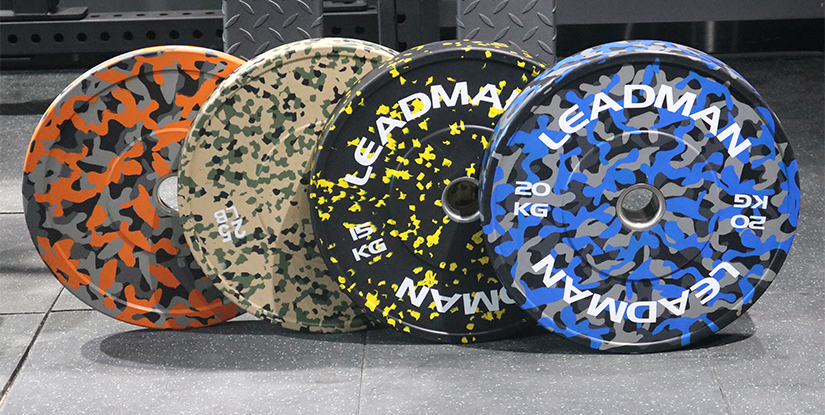
| Metric Component | Standard Specification | Acceptable Dimensional Tolerance | Procurement Impact |
|---|---|---|---|
| Outer Diameter | 450mm | ± 2mm | Prevents uneven centrifugal force |
| Center Hole Diameter | 50.4mm | +0.5mm / -0.0mm | Ensures barbell sleeve compatibility |
| Plate Thickness | Variable (e.g., 45mm–50mm) | ± 1.5mm | Maintains balanced barbell loading |
Adhering to these inspection standards during your B2B procurement process protects your long-term margins. By enforcing strict quality control requirements at the factory level, you reduce the likelihood of receiving non-compliant shipments that could jeopardize your equipment's lifespan and your reputation as a reliable distributor.
Beyond simple measurement, long-term risk mitigation requires a deep dive into factory capability and the robustness of their production lines. When placing large-scale orders, relying on a supplier's word is insufficient; you must demand transparency regarding their QC protocols. A reliable manufacturer should utilize calibrated precision tools to verify every batch, ensuring that standard specifications are met consistently throughout the entire production run, rather than just on a sampling basis.
For distributors and large-scale facility planners, supplier reliability is defined by how a factory manages deviations. High-quality manufacturers implement multi-stage testing—from raw material density checks to final dimensional verification—to prevent the shipment of non-compliant goods. When bulk ordering, it is highly recommended to request detailed inspection reports or even third-party verification. This proactive approach to sourcing strategies ensures that the weight plates arriving at your warehouse or job site are uniform, protecting your equipment's lifespan and reducing the high costs associated with replacement and logistics-heavy returns.
Calculating Landed Costs and Shipping Volume Efficiency
For wholesale distributors and large-scale gym developers, the technical specifications of a single unit are secondary to the logistical impact of a full shipment. While bumper plate thickness is a critical functional metric for barbell sleeve compatibility, it is also a primary driver of your total landed cost. In the world of international procurement, weight is only one part of the equation; the physical volume occupied by your order dictates your freight efficiency.
When sourcing high-density rubber or urethane plates, procurement officers must account for the relationship between product dimensions and volumetric weight. Standardized plate dimensions allow for more predictable container optimization, but variations in thickness can drastically alter how many units fit within a standard 20ft or 40ft HC container. A slight increase in thickness might improve durability, yet it can simultaneously reduce the shipping density of your shipment, leading to higher freight-per-unit costs. To maintain a competitive edge, your landed cost calculation must integrate these dimensional variables early in the RFQ process to ensure that your shipping budget aligns with your inventory volume goals.
To assist in your procurement planning, the following table illustrates how dimensional variations impact logistical throughput. While the olympic plate diameter remains constant at 450mm for standard professional use, the variance in thickness directly dictates your storage footprint and container loadability.
| Plate Type/Profile | Typical Thickness Range | Volume per Unit (Est.) | Shipping Efficiency | Storage Footprint |
|---|---|---|---|---|
| Ultra-Slim Competition | Low (Narrow profile) | Minimal | High (Maximized density) | Compact/Vertical |
| Standard Commercial Bumper | Medium (Standard) | Moderate | Optimized for standard pallets | Standard Rack/Tree |
| High-Durability Urethane | High (Increased thickness) | Significant | Lower (Higher volumetric weight) | Requires deep shelving |
When evaluating quotes, do not merely look at the unit price. A lower price per plate may be offset by a higher shipping cost if the thickness variations result in a lower number of units per container. For distributors managing high-volume inventory, selecting a profile that balances durability with high shipping density is essential for optimizing the total cost of goods sold (COGS) and ensuring efficient warehouse management.
Beyond the physical dimensions, effective procurement requires a strategic approach to Minimum Order Quantity (MOQ) and quality control. Relying solely on low unit prices often leads to hidden expenses in the form of high replacement rates or logistical bottlenecks. To truly optimize the total cost of ownership, buyers should prioritize manufacturers with robust factory capabilities that can offer standardized production runs. High-volume bulk ordering typically provides better leverage for price negotiation, but only if the supplier can maintain strict consistency across all weight increments.
A critical oversight in many procurement workflows is the lack of a rigorous QC inspection protocol regarding barbell sleeve compatibility. Even a millimeter of deviation in the center hole diameter can render a shipment unusable for premium barbell brands, resulting in costly returns or dead stock. We recommend implementing a two-stage verification process: first, a factory-level dimensional audit to ensure diameter and thickness tolerances meet international standards, and second, a pre-shipment check to confirm that the plate profile does not interfere with the barbell sleeve's rotation. By aligning your technical requirements with a supplier's manufacturing precision, you minimize the risk of compatibility issues and ensure your landed costs remain predictable and optimized.