Weight Plates vs Dumbbells: Optimizing Gym Inventory
Distributor Economics: Balancing SKU Breadth and Replenishment Cycles
For a high-growth boutique studio chain, the decision between expanding a dumbbell collection or adding more weight plate sets often comes down to a trade-off between user experience and warehouse logistics. While a diverse range of dumbbells offers high perceived value and quick accessibility for members, it introduces significant complexity to your SKU breadth. Managing dozens of unique dumbbell weights requires specialized racks and precise inventory tracking to ensure no single weight becomes a permanent bottleneck in your supply chain.
In contrast, when evaluating weight plates vs dumbbells from a procurement standpoint, plates offer superior storage footprint efficiency and higher inventory turnover potential. Because plates rely on standardized weight increments—typically spanning from 5lb to 100lb—distributors can achieve higher density in shipping containers and much simpler high-volume replenishment cycles. For large-scale facility planners, prioritizing a robust plate selection often minimizes the long-term administrative burden of tracking hundreds of individual, high-maintenance SKUs.
To optimize long-term margins, procurement managers must look beyond the initial purchase order and analyze the Total Cost of Ownership (TCO). The logistical footprint of each equipment type dictates your long-term commercial fitness inventory management strategy, particularly regarding shipping density and replacement cycles. While dumbbells often require more frequent replacement due to handle wear or coating degradation, weight plates typically offer a longer lifecycle with minimal maintenance requirements, provided the material quality and casting precision are verified during factory inspection.
The following matrix provides a comparative framework to assist in strength training equipment procurement decisions, focusing on the logistical and economic realities of each category:
| Evaluation Metric | Weight Plates (Standard/Bumper) | Dumbbell Sets (Fixed/Adjustable) |
|---|---|---|
| Logistics Efficiency | High density; optimized for container loading | Lower density; high volume-to-weight ratio |
| SKU Complexity | Low; standardized increments | High; requires multiple rack configurations |
| Maintenance Needs | Minimal; primarily surface cleaning | Moderate; handle and grip inspections |
| Replacement Cycle | Extended; highly durable cast/rubber | Variable; dependent on usage intensity |
When planning facility layouts, consider that while dumbbells enhance user flow, plates maximize your capital efficiency by providing high-utility weight increments with a significantly lower administrative overhead.
Effective gym facility layout planning requires a deep understanding of how equipment density affects both floor space and capital expenditure. While a dense dumbbell forest may look impressive, it often complicates lifecycle management due to the high number of individual components subject to mechanical wear. From a procurement perspective, investing in high-grade bumper or cast iron plates provides a more predictable replenishment cycle. Because plates are essentially static, high-durability assets, they offer a superior long-term ROI by reducing the frequency of replacement orders and minimizing the logistical friction associated with frequent, small-batch restocking.
Spatial Efficiency and Floor Plan Optimization for High-Traffic Zones
When executing gym facility layout planning, procurement specialists must reconcile the tension between equipment density and user movement. The fundamental debate of weight plates vs dumbbells often centers on how much square footage is actually "usable" versus "occupied." While dumbbells provide unmatched accessibility for high-frequency movements, their horizontal footprint can rapidly congest high-traffic zones if not managed with specialized racking systems.
Conversely, weight plates offer a superior profile for floor space optimization through vertical integration. By utilizing heavy-duty plate trees or wall-mounted storage, facilities can reclaim valuable floor real estate that would otherwise be lost to sprawling dumbbell racks. For distributors and facility owners, the decision hinges on whether the priority is rapid access or maximizing the total square footage of the training area.
| Storage Configuration | Spatial Profile | Impact on Traffic Flow | Procurement Advantage |
|---|---|---|---|
| Dumbbell Racks | Horizontal/Linear | Can create bottlenecks in narrow aisles | High visibility; easy inventory counts |
| Plate Trees/Walls | Vertical/Compact | Clears central floor paths | Optimizes high-density training zones |
| Integrated Stations | Hybrid/Multi-tier | Consolidates footprint | Reduces total SKU footprint per sq. ft. |
Effective high-traffic zone management requires a strategic mix of vertical storage solutions. For high-volume commercial hubs, we recommend prioritizing vertical plate storage near heavy lifting stations to maintain clear walkways, while reserving dedicated, streamlined zones for dumbbell sets to prevent chaotic floor layouts.
Beyond immediate floor coverage, long-term commercial fitness inventory management requires a granular look at the equipment lifecycle and maintenance overhead. While dumbbells are often more durable due to their single-piece construction, the sheer volume of individual units in a large-scale facility can complicate inventory audits and replacement cycles. In contrast, weight plates—particularly high-grade urethane or rubber-coated options—require specific attention to center-hole integrity and surface wear over years of heavy use.
To maximize procurement efficiency, buyers should evaluate the total cost of ownership (TCO) through the lens of storage density. A facility relying heavily on horizontal dumbbell expansion may face higher logistical costs as the inventory grows. We suggest a hybrid approach: utilize vertical storage for high-mass plates to keep the primary floor plan open, while implementing tiered, high-density racking for dumbbells to ensure both accessibility and orderly movement. This strategy balances the immediate need for user flow with the long-term requirement for scalable, organized equipment housing.
To ensure long-term operational stability, strength training equipment procurement must account for more than just initial unit costs; it must include the logistical overhead of maintenance and organization. High-traffic zones are prone to rapid wear, and the method of storage directly impacts your maintenance windows. For instance, disorganized dumbbell sets often lead to damaged rack rails or chipped coatings, whereas properly managed plate storage—using heavy-duty storage racks—minimizes surface friction and prevents structural fatigue on the storage units themselves.
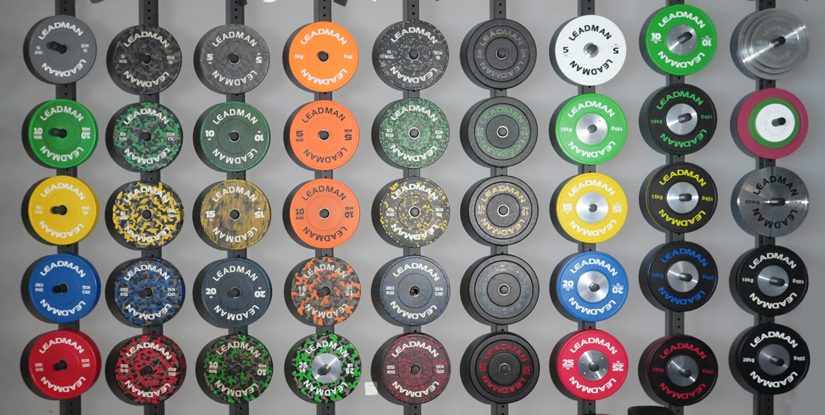
When planning your next facility upgrade or expansion, prioritize floor plan optimization that allows for rapid cleaning and inspection. A layout that integrates vertical plate storage with streamlined dumbbell stations ensures that staff can perform routine equipment checks without disrupting the user flow. By selecting high-grade, standardized equipment with compatible storage accessories, distributors can reduce the complexity of future inventory audits and ensure that the facility remains both professional and highly functional throughout its entire lifecycle.
Durability Profiles: Comparing Material Longevity and Wear Patterns
When evaluating the long-term lifecycle of strength training equipment, procurement officers must distinguish between the wear patterns of modular components and fixed-weight units. The core tension in weight plates vs dumbbells lies in how each handles high-traffic usage and physical impact over time.
Dumbbells, particularly fixed-weight models, often face concentrated stress at the handle-to-head connection point. In high-intensity commercial environments, this can lead to metal fatigue or structural integrity issues if the casting quality is substandard. Conversely, modular weight plates distribute impact across a broader surface area. However, the longevity of plates is heavily dependent on the rubber coating durability. High-grade urethane or vulcanized rubber is essential to prevent chipping and protect the internal steel core from oxidation. For facility managers, understanding these distinct failure points is critical for calculating the true replacement cycles and maintaining a consistent inventory standard across the gym floor.
To streamline commercial fitness inventory management, buyers should look beyond initial purchase prices and focus on the Total Cost of Ownership (TCO). The degradation of equipment is rarely uniform; it is a function of specific mechanical stresses and environmental exposure. For example, the impact of bumper plate usage often centers on the peripheral edges of the plate, where poor-quality rubber can crack under repetitive high-velocity drops. In contrast, dumbbells typically suffer from surface-level degradation, such as dumbbell handle oxidation or grip wear, which can compromise user safety and aesthetic appeal.
The following technical breakdown assists in assessing the long-term maintenance requirements and expected replacement intervals for both equipment types:
| Equipment Type | Primary Wear Factor | Typical Lifespan | Maintenance Level |
|---|---|---|---|
| Bumper Plates | Peripheral impact & coating chipping | High (5–10+ years) | Low (Visual inspection) |
| Fixed Dumbbells | Handle oxidation & head-to-shaft fatigue | Moderate (3–7 years) | Medium (Rust prevention/cleaning) |
Strategic Sourcing Tip: When negotiating with manufacturers, prioritize suppliers who offer high-density urethane coatings for plates and corrosion-resistant plating for dumbbell handles. Investing in superior material specifications during the initial procurement phase significantly reduces the frequency of restocking and minimizes long-term labor costs for facility maintenance.
Effective strength training equipment procurement requires a rigorous approach to quality control that extends far beyond basic aesthetics. To mitigate the risks of premature replacement, buyers must demand technical transparency regarding manufacturing tolerances and surface integrity. For instance, when sourcing weight plates, the coating thickness of the urethane or rubber layer is a non-negotiable metric; a thin or uneven application increases the likelihood of delamination under heavy use, leading to costly structural oxidation.
Similarly, when managing the logistics of heavy replacement, the precision of manufacturing tolerances becomes a critical factor. Inconsistent diameter specifications in plates or uneven weight distribution in dumbbells can lead to uneven wear on barbell sleeves and racking systems, accelerating the degradation of your entire ecosystem. We recommend that facility managers implement a strict QC checklist that includes verifying the weight variance and the durability of the metal-to-coating bond. By prioritizing these technical specifications during the bulk sourcing stage, you can optimize the replacement frequency of your inventory and ensure that your capital expenditure yields a much higher long-term return on investment.
Total Cost of Ownership: Maintenance Windows and Replacement Cycles
When evaluating weight plates vs dumbbells, procurement professionals must look beyond the initial purchase order to the long-term maintenance lifecycle. The fundamental difference lies in how surface wear impacts the equipment's usable lifespan. While dumbbells rely on the structural integrity of a central handle and fixed head attachments, weight plates are subject to surface-level friction and impact stresses. The durability of the coating—whether high-density rubber, premium urethane, or standard cast iron—directly dictates how frequently a facility must budget for replacement or refinishing.
For high-traffic commercial gyms, the wear and tear on dumbbell handles, such as knurling degradation or grip peeling, often requires more frequent specialized attention than the relatively simple surface maintenance of modular plates. Understanding these distinct maintenance profiles is essential for accurate commercial fitness inventory management and long-term CAPEX planning.
| Equipment Type | Primary Wear Factor | Typical Maintenance Profile | Long-term TCO Impact |
|---|---|---|---|
| Fixed Dumbbells | Handle knurling & grip integrity | Periodic inspection of hex/round heads | Higher due to potential component failure |
| Rubberized Plates | Edge chipping & surface abrasion | Routine cleaning; easy to replace | Moderate; highly predictable cycles |
| Urethane Plates | Surface scuffing | Minimal; high resistance to impact | Lowest; premium upfront, low lifecycle cost |
From a strategic sourcing perspective, the choice between these two assets impacts your long-term operational budget. While weight plates generally offer a more predictable depreciation curve, the complexity of dumbbell assembly—specifically the connection between the head and the handle—introduces more variables for quality control inspections. When executing strength training equipment procurement, buyers should prioritize high-grade coatings to mitigate these risks.
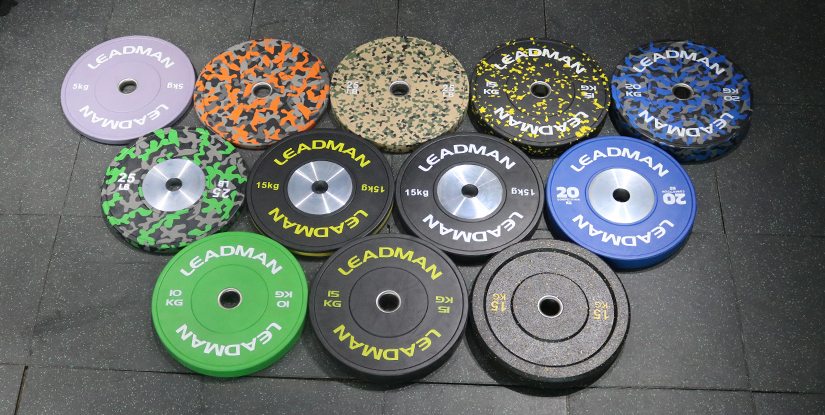
Comparison Table: Maintenance Window & Replacement Cycle
| Equipment Type | Primary Wear Point | Typical Maintenance Task | Expected Lifespan/Replacement Trigger |
|---|---|---|---|
| Cast Iron Dumbbells | Knurling & Handle Coating | Oxidation removal/re-coating | Replace when grip becomes unsafe |
| Rubber-Encased Plates | Outer Edge/Rim Integrity | Surface debris cleaning | Replace upon significant rubber cracking |
| Urethane Dumbbells | Head-to-Handle Bond | Visual structural inspection | Replace if head movement is detected |
| Bumper Plates | Center Hole/Inner Ring | Checking for sleeve fitment | Replace if inner diameter expands |
Effective commercial fitness inventory management requires accounting for these cycles during your annual budget review. For distributors managing large-scale facility rollouts, sourcing equipment with high-impact resistance—such as premium urethane—can significantly lower the frequency of SKU replacement, even if the initial unit cost is higher. This proactive approach ensures that your facility layout remains functional without constant, costly hardware updates.
Optimizing Logistics: Modular Scaling vs. Fixed Inventory
Strategic gym facility layout planning must account for the logistical differences between restocking modular weight plates and full dumbbell sets. While dumbbells offer immediate accessibility, they represent a "fixed" inventory unit. If a facility experiences a sudden surge in demand for a specific weight class, a dumbbell set must be replaced or expanded in its entirety, which can create rigid constraints on your storage footprint and capital allocation.
In contrast, weight plates provide a highly scalable solution for high-traffic environments. The ability to add or subtract incremental mass via modular plates allows for more fluid inventory turnover and efficient space utilization. From a procurement standpoint, sourcing high-quality plates allows for a more granular replenishment strategy; you can order specific weight increments to fill gaps in your existing setups rather than committing to the higher shipping volumes and logistical overhead of full dumbbell racks. For large-scale distributors, this distinction is critical when calculating shipping density and optimizing container loadability for long-term ROI.
Logistics and Procurement: Managing Volume, Weight, and Shipping Dimensions
When evaluating weight plates vs dumbbells from a procurement standpoint, the decision often hinges on the invisible costs of logistics. For distributors and facility owners, understanding the relationship between mass and volume is critical for optimizing landed costs. Weight plates, typically high-density cast iron or rubber-coated steel, offer superior storage density. Because they are flat and stackable, they allow for highly efficient palletization efficiency, minimizing the dead air space within a shipping container. This makes them a preferred choice for bulk procurement where maximizing weight-to-volume ratios is the priority.
Conversely, dumbbells present a more complex profile regarding shipping dimensions. The ergonomic contours and varied handle lengths increase the volumetric weight, often resulting in higher freight costs per unit of actual mass. While dumbbells are easier to deploy on the gym floor, their non-stackable nature requires more specialized crating to prevent damage during transit. Successful strength training equipment procurement requires a calculated balance: choosing plates to optimize container utilization, while strategically sourcing dumbbells to ensure ergonomic variety without inflating your shipping overhead.
To assist in your commercial fitness inventory management, we have synthesized a comparative profile below. This data helps procurement managers anticipate warehouse footprint requirements and calculate the impact of volumetric weight on international freight costs. When planning a large-scale facility rollout, use these benchmarks to estimate your total landed cost and storage capacity needs.
Comparison Table: Shipping & Storage Profile
| Equipment Type | Typical Packaging | Volume/Weight Ratio | Storage Footprint | Freight Complexity |
|---|---|---|---|---|
| Weight Plates | Palletized / Crates | Low (High Density) | Minimal (Vertical Stacking) | Low (Standard LTL/FCL) |
| Dumbbells | Custom Crates / Racks | High (Low Density) | Moderate (Horizontal/Rack) | Moderate (Fragile/Bulky) |
From a gym facility layout planning perspective, remember that while plates offer superior density for long-term storage, dumbbells require more sophisticated organizational systems. High-volume orders for plates can be optimized through heavy-duty palletization, whereas dumbbell shipments may necessitate specialized crating to protect handle integrity and prevent shifting during transit.
Optimizing MOQ and Replenishment Cycles
Beyond physical dimensions, sophisticated commercial fitness inventory management requires a strategic approach to MOQ (Minimum Order Quantity) and replenishment cycles. Because weight plates are highly standardized and stackable, they are ideal for high-volume, bulk orders that leverage economies of scale. When sourcing through a factory-direct model, procurement managers can often secure much lower per-unit costs by meeting higher weight-based thresholds, making them a stable anchor for long-term inventory.
Dumbbells, however, demand a more granular strength training equipment procurement strategy. Given the diversity of weight increments and the specialized packaging required to prevent surface damage, the inventory turnover of a dumbbell set may be more volatile than that of standard plates. Relying on a single massive shipment can lead to high carrying costs and increased risk of SKU obsolescence. To mitigate this, we recommend a tiered replenishment model: maintain a high-density core of weight plates for volume, while utilizing more frequent, smaller-batch orders for premium dumbbells to keep your facility's selection current and responsive to member demand.
Quality Control Standards for High-Volume Strength Training Imports
When managing high-volume procurement, distinguishing between the technical requirements of weight plates vs dumbbells is critical to avoiding long-term liability and premature replacement cycles. While both serve the same fundamental purpose, their manufacturing tolerances and structural demands diverge significantly. For instance, high-quality weight plates demand extreme material density and strict dimensional tolerance to ensure they stack flush without wobbling, which can compromise barbell balance and user safety. In many commercial settings, a weight accuracy of ±1% is the gold standard for precision plates, whereas standard dumbbells may operate within a ±2-3% margin.
Beyond weight accuracy, coating durability becomes a primary concern for procurement officers. Dumbbells, often subject to frequent hand contact and grip friction, require resilient finishes to prevent oxidation and ergonomic degradation. Conversely, weight plates must prioritize structural integrity to withstand high-impact drops and heavy stacking. Failing to vet these specifications during the sourcing phase introduces high-volume procurement risks, such as uneven wear patterns or structural failure, which ultimately increases the total cost of ownership and complicates facility maintenance schedules.
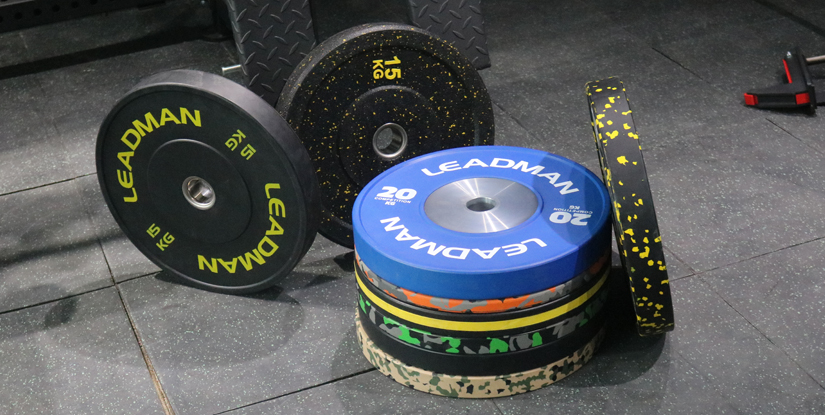
To streamline strength training equipment procurement, buyers should utilize a standardized technical framework to evaluate factory capability. Relying on generic descriptions often leads to discrepancies in facility aesthetics and equipment longevity. A professional-grade inventory requires specific attention to surface treatments and mechanical tolerances to ensure seamless commercial fitness inventory management.
The following table outlines the critical specification benchmarks used to differentiate high-end manufacturing standards for both categories:
| Technical Feature | Weight Plate Requirements | Dumbbell Requirements |
|---|---|---|
| Surface Finish | Heavy-duty powder coating or high-density urethane | Chrome plating or premium urethane encapsulation |
| Edge/Handle Detail | Precision beveling for safe stacking and handling | Ergonomic knurling and high-durability grip durability |
| Weight Deviation | Strict ±1% tolerance for precision loading | Standard ±2-3% tolerance for general use |
| Impact Resistance | High-impact resistant core for drop durability | Reinforced connection points for structural stability |
When vetting suppliers, request specific documentation regarding plate edge beveling and coating thickness. For large-scale distributors, ensuring that the surface finish of dumbbells matches the aesthetic of the weight plates is essential for maintaining a cohesive brand identity across the gym floor.
Logistical integrity is just as vital as manufacturing precision when executing large-scale orders. For procurement professionals, the complexity of gym facility layout planning often begins long before the equipment arrives on-site, starting instead with the rigors of international transit. High-density items like weight plates and dumbbells are subject to extreme physical stress during ocean freight, making shipping container optimization a critical factor in protecting your investment.
To mitigate the risk of transit-related damage, buyers must verify that suppliers adhere to strict pallet stability protocols. Heavy weight plates require reinforced, heavy-duty pallets and specialized strapping to prevent shifting, which can lead to container imbalances or crushed packaging. Furthermore, ensuring high levels of moisture resistance for metal components—such as advanced anti-corrosion coatings or vacuum-sealed packaging—is non-negotiable for preventing oxidation during long-haul maritime transport. Finally, when negotiating MOQ impact on quality consistency, always mandate rigorous bulk order inspection protocols. A professional supplier should provide pre-shipment reports that verify not just the weight accuracy, but also the structural resilience of the packaging, ensuring your inventory arrives ready for immediate deployment.
Vendor due diligence and specification guardrails
When evaluating the long-term cost of ownership, procurement professionals must look beyond the initial unit price and analyze the material science behind the equipment. In high-traffic environments, the discrepancy between weight plates vs dumbbells often manifests in how quickly the surface finishes succumb to wear. While heavy-duty iron or rubber-encased plates are engineered for massive structural integrity to withstand constant impact, dumbbells rely heavily on the quality of their grip coatings and precision casting to prevent premature degradation.
A critical failure point in commercial settings is the breakdown of protective layers. High-grade weight plates typically utilize advanced vulcanized rubber or high-density polyurethane to mitigate shock, whereas dumbbells require superior coating durability on both the heads and the handles to prevent oxidation and grip failure. For distributors and facility owners, sourcing equipment with rigorous quality control standards is essential; failing to verify these coating specifications can lead to accelerated material degradation, increasing your maintenance window and shortening the overall equipment lifecycle.
To standardize your vendor evaluation process, we recommend utilizing a technical specification matrix. This allows your procurement team to move beyond subjective descriptions and focus on quantifiable durability metrics. When comparing the mechanical resilience of weight plates against the surface-level wear of dumbbells, the primary concern shifts from structural impact to tactile longevity and oxidation resistance.
Material Durability & Maintenance Comparison
| Technical Specification | Weight Plates (Bumper/Cast Iron) | Dumbbells (Rubber/Urethane/Steel) |
|---|---|---|
| Surface Finish | Vulcanized rubber or high-density coating | Polyurethane, Neoprene, or Chrome plating |
| Impact Resistance | High; engineered for vertical drop tolerance | Moderate; prone to edge chipping under misuse |
| Replacement Frequency | Low; structural integrity remains stable | Medium; grip and coating wear over time |
| Maintenance Focus | Surface debris and oxidation checks | Handle grip integrity and coating adhesion |
For large-scale orders, ensure your supplier provides detailed data on impact resistance and coating adhesion strength. While weight plates are built for high-volume impact, dumbbells are more susceptible to cosmetic and functional degradation via handle wear. Verifying these specifications during the sampling phase helps minimize long-term replacement frequency and optimizes your inventory turnover rates.
Establishing Technical Guardrails for Procurement
Effective strength training equipment procurement requires moving past surface-level aesthetics to demand strict manufacturing tolerances. When sourcing at scale, the primary risk is not just visual defects, but dimensional inconsistencies that disrupt commercial fitness inventory management. For weight plates, you must specify strict tolerances for the center hole diameter and plate thickness; even a millimeter of deviation can lead to uneven loading on barbells or unstable storage in vertical racks.
For dumbbells, the focus shifts to precision casting and grip uniformity. A professional vendor due diligence process should include a request for specific QC inspection points related to weight distribution and handle concentricity. If a dumbbell head is off-center, it creates ergonomic imbalances that increase liability and user dissatisfaction. We advise buyers to mandate a weight deviation limit—typically within a +/- 1% to 3% range—to ensure professional-grade consistency across an entire set. By establishing these technical guardrails during the RFQ stage, you protect your facility from the hidden costs of substandard manufacturing and ensure a predictable equipment lifecycle.