barbell with weight plates | Optimizing Gym Floor Layout
Spatial Dynamics of High-Traffic Weightlifting Zones
A professional barbell with weight plates configuration represents more than just a single piece of equipment; it is a dynamic unit that dictates the operational footprint of a lifting station. For B2B buyers, understanding the total spatial requirement is essential to ensure long-term facility utility and user safety.
When conducting gym floor planning, procurement specialists must look beyond the static length of the bar. A standard Olympic barbell requires a significant working radius to account for the centrifugal force of rotating plates and the natural sway of commercial barbell sets under heavy loads. Neglecting these dimensions often leads to cramped high-traffic zones where equipment interference becomes a liability.
To maintain optimal movement clearance, we recommend establishing strict safety buffer zones around each lifting station. This involves calculating the bar length plus an additional 1.5 to 2 feet on either end to accommodate plate thickness and potential plate oscillation. By integrating these spatial buffers into your initial layout, you mitigate the risk of collisions and ensure a fluid, professional environment that meets commercial safety standards.
To assist with precise commercial gym layout design, we have provided a technical reference below. This table assists facility managers in calculating the total footprint required for various barbell configurations, ensuring that procurement orders align with the actual spatial capacity of the facility.
| Configuration Type | Standard Barbell Length | Typical Plate Diameter | Total Footprint (Incl. Buffer) |
|---|---|---|---|
| Standard Olympic Setup | 7.2 ft (220 cm) | 17.7 in (450 mm) | ~10.2 ft (3.1 m) |
| Heavy-Duty Training Set | 7.2 ft (220 cm) | 17.7 in (450 mm) | ~11.5 ft (3.5 m) |
| Compact/Specialty Bar | 5.0 ft (152 cm) | 14.0 in (355 mm) | ~7.5 ft (2.3 m) |
When calculating the total footprint, do not overlook the vertical and horizontal requirements for weight plate storage solutions. High-density weight rooms often struggle with disorganized plate accumulation; integrating integrated plate trees or wall-mounted racks into your floor plan is critical. For distributors and gym owners, selecting modular storage that scales with your inventory ensures that the transition from active lifting to storage remains efficient and does not obstruct primary walkways.
Effective floor management requires a strategic approach to how equipment is returned to its station. In high-volume facilities, the primary cause of floor congestion is often not the lifting stations themselves, but the disorganized accumulation of loose plates near high-traffic zones. When users must navigate around scattered weights to reach a station, it disrupts the natural flow of the facility and increases the risk of trips or collisions.
To maximize equipment accessibility and maintain a professional aesthetic, procurement specialists should prioritize integrated weight plate storage solutions that utilize vertical space. Rather than relying on floor-based piles, sourcing heavy-duty, specialized plate trees or wall-mounted racks allows for a much higher density of equipment within a smaller footprint. This decision directly impacts procurement efficiency, as investing in high-quality, organized storage systems reduces long-term maintenance needs and prevents the degradation of your commercial barbell sets caused by improper stacking or environmental exposure.
Optimizing Movement Buffers for Commercial Barbell Sets
When calculating the spatial requirements for a high-traffic strength zone, procurement professionals often focus solely on the footprint of the equipment. However, neglecting the kinetic energy of a heavy barbell with weight plates can lead to premature structural fatigue. In a commercial setting, the impact generated when dropping or even setting down a loaded barbell creates significant shockwaves that travel through the floor and into the sub-structure.
To protect your long-term investment, selecting high-grade commercial barbell sets must be paired with strategic impact absorption layers. Relying on thin mats or standard flooring increases the risk of barbell deformation and accelerated wear on your weight plate storage solutions. From a TCO (Total Cost of Ownership) perspective, investing in high-density rubber flooring or specialized lifting platforms is not an optional luxury; it is a critical safeguard that preserves the structural integrity of your steel and reduces the frequency of equipment replacement cycles.
The technical longevity of your facility depends heavily on the interaction between kinetic impact and surface density. When sourcing for high-volume gyms, procurement specifications should prioritize high-density rubber over thinner, lower-grade foam alternatives. A superior impact resistance profile is essential for mitigating the vibrations that can otherwise loosen the fasteners on your weight plate storage solutions or damage the precision bearings in premium barbell sleeves.
From a maintenance standpoint, the quality of the floor buffer directly dictates the maintenance cycles of your entire strength zone. Low-density surfaces often fail to dissipate shock effectively, leading to localized compression and uneven wear patterns. This degradation not only destabilizes the storage racks but also subjects the barbell sleeves to micro-vibrations that can compromise internal rotation smoothness. For distributors and facility owners, specifying high-density, multi-layered flooring ensures that the kinetic energy from a heavy barbell with weight plates is absorbed at the surface level, effectively extending the operational lifespan of both the flooring and the heavy-duty equipment it supports.
Verifying Material Integrity and Logistics Standards
For procurement managers managing bulk orders, the concern shifts from immediate aesthetics to long-term structural integrity. When sourcing a high-volume barbell with weight plates, the risk of manufacturing defects or transit damage can significantly impact your facility's operational uptime. A robust QC (Quality Control) protocol is non-negotiable; you must verify that the supplier adheres to strict commercial gym standards regarding steel tensile strength and coating durability. This ensures the equipment can withstand the rigors of high-frequency usage without premature oxidation or sleeve deformation.
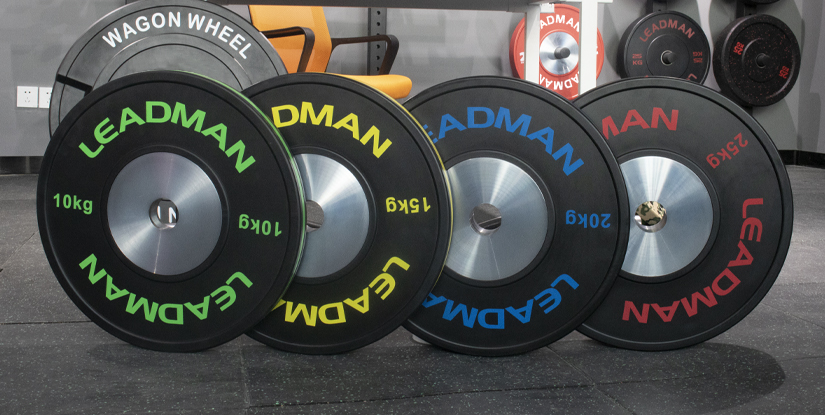
Beyond the factory floor, logistics-related durability is often an overlooked variable in the total cost of ownership. High-quality manufacturers implement specialized packaging protocols specifically designed for international shipping to prevent structural warping during long-haul transit. When evaluating potential partners, request detailed documentation regarding their stress-testing procedures and shipping reinforcement methods. Ensuring that your weight plate storage solutions and heavy steel components arrive in a stabilized state reduces the likelihood of receiving damaged goods, thereby streamlining your inventory turnover and minimizing costly return-to-factory logistics.
Strategic Placement of Weight Plate Storage Solutions
For high-volume commercial facilities, the longevity of your investment depends heavily on how equipment is handled during transitions. Improperly managed barbell with weight plates sets often lead to accelerated wear on both the equipment and the facility itself. When heavy iron or bumper plates are left on the floor or stacked haphazardly in high-traffic zones, the resulting impact and vibration can compromise the structural integrity of the barbell sleeves and cause permanent indentation in the subfloor.
Selecting the right weight plate storage solutions is a critical procurement decision that balances floor protection with operational efficiency. Strategically placing storage near heavy lifting stations reduces the distance plates travel, minimizing the risk of dropping weight during movement. This proactive approach protects your high-value assets and ensures a safer environment for your members.
| Storage Type | Primary Benefit | Durability Factor | Best Use Case |
|---|---|---|---|
| Vertical Plate Trees | Compact footprint | High (Steel construction) | Limited floor space |
| Wall-Mounted Racks | Clears floor area | Moderate (Requires wall anchoring) | Dedicated lifting zones |
| Heavy-Duty Toasters | High capacity | Maximum (Industrial grade) | High-traffic weight rooms |
When sourcing for large-scale gym layouts, prioritize storage units that offer stable bases and high load-bearing capacities. This ensures that even under heavy use, the storage remains stationary, preventing accidental tip-overs that could damage the barbell with weight plates or the surrounding flooring.
Evaluating TCO Through Storage Configuration
Beyond spatial constraints, procurement specialists must evaluate the long-term maintenance frequency and Total Cost of Ownership (TCO) associated with different storage architectures. The choice between vertical storage and horizontal racks often dictates the replacement cycle of your commercial barbell sets. While vertical plate trees are excellent for maximizing square footage, they often subject the lower plates to higher compression stress, which can impact the structural integrity of thinner bumper plate varieties over time.
In contrast, horizontal configurations generally offer superior load-bearing capacity distribution, making them a preferred choice for heavy-duty training environments. Horizontal racks reduce the vertical impact on plate edges, which translates to higher durability and a lower frequency of replacement due to deformation. When negotiating with suppliers, confirm the gauge of the steel used in these units; high-quality, industrial-grade horizontal racks are essential for facilities where heavy barbell movement is constant, as they mitigate the risk of structural fatigue and ensure a longer lifecycle for your entire weight room inventory.
Logistics and Quality Control in Bulk Procurement
When managing large-scale orders for commercial barbell sets, the complexity shifts from simple unit counts to rigorous quality control (QC) and logistics management. Procurement teams must look beyond the individual item and evaluate the entire shipping configuration. For instance, when ordering high volumes, it is essential to verify the MOQ requirements and ensure that the manufacturer provides detailed weight distribution reports for all shipping containers. An unbalanced load during transit can lead to structural damage to both the barbell sleeves and the storage racks, increasing the risk of assembly issues upon arrival.
To mitigate these risks, we advise distributors to demand commercial-grade specifications regarding packaging density and pallet stability. High-quality manufacturers should provide clear assembly instructions and hardware checklists to ensure that heavy-duty storage units are installed with the correct torque and anchoring, preventing future structural failure. By prioritizing suppliers who maintain strict QC protocols for both the product and the logistics of heavy-load shipping, you protect your facility from the hidden costs of damaged goods and inefficient installation timelines.
Scaling Inventory Through Bulk Procurement and MOQ Planning
When scaling a fitness facility or expanding a distribution network, the primary financial pitfall is focusing solely on the unit price of a single barbell with weight plates. For professional buyers, the true metric of success is the Total Cost of Ownership (TCO). High-volume procurement allows you to move beyond simple item costs and address the hidden expenses of logistics and equipment lifecycle management.
A sophisticated procurement strategy prioritizes economies of scale by optimizing shipping density. Rather than placing frequent, small-batch orders that incur repetitive freight charges and administrative overhead, sourcing complete commercial barbell sets in larger quantities maximizes container utilization. By aligning your Minimum Order Quantity (MOQ) with standard shipping configurations, you reduce the landed cost per unit and mitigate the risks of fragmented inventory. This approach ensures that your capital is deployed efficiently, providing a more stable foundation for long-term facility growth and predictable maintenance cycles.
Beyond unit costs, effective gym floor planning requires a calculated balance between stock depth and available square footage. A common oversight in facility expansion is failing to account for the warehouse footprint required to house incoming bulk shipments. While a higher MOQ may lower the individual price per set, it simultaneously increases the demand for organized weight plate storage solutions. If your storage capacity cannot accommodate the volume of a large-scale shipment, you risk cluttering high-traffic training zones, which compromises safety and equipment movement efficiency.
To optimize your return on investment, analyze your inventory turnover rates before committing to large-scale orders. If your facility operates on a rapid replacement cycle, prioritize high-density vertical storage to keep the floor clear. However, if you are a distributor managing long-term stock, ensure your storage infrastructure scales alongside your procurement volume. The goal is to synchronize your order frequency with your physical storage constraints, ensuring that every barbell with weight plates ordered adds value to your floor without creating a logistical bottleneck.
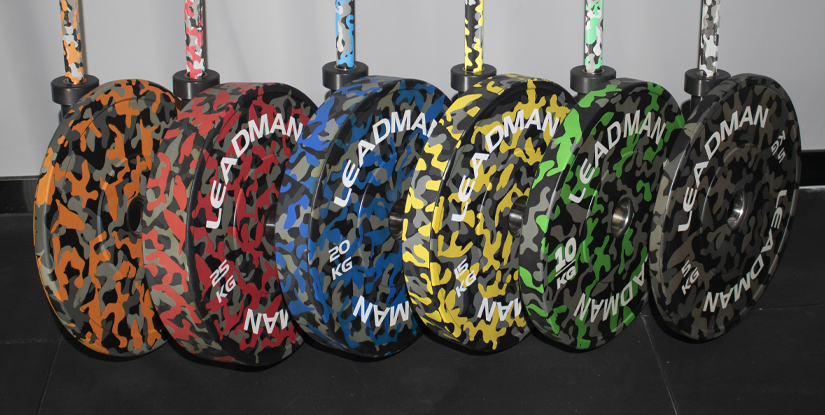
To assist in your budgetary forecasting, the following comparison outlines how different procurement scales impact your landed costs and operational overhead. When selecting a barbell with weight plates for large-scale distribution or facility rollouts, the trade-offs extend far beyond the initial invoice price.
| Procurement Scale | Unit Price | Logistics Cost | Lead Time | Storage Requirement |
|---|---|---|---|---|
| Small-Batch (Low MOQ) | Premium/Retail | High (LTL/Parcel) | Short/Immediate | Minimal/On-demand |
| Standard Wholesale | Competitive | Moderate (LCL) | Standard Production | Dedicated Section |
| Bulk/Container Load | Optimized/Lowest | Low (FCL) | Extended/Planned | High/Warehouse-scale |
Strategic Sourcing Note: While bulk procurement offers the most aggressive pricing, it requires a proactive approach to gym floor planning. Buyers must ensure that their weight plate storage solutions and floor layouts are engineered to handle the increased physical volume of a full container shipment to prevent operational bottlenecks during unboxing and assembly.
Quality Control Standards for Global Export Logistics
For distributors and gym owners, the logistical challenge of importing high-density equipment is significant. A single shipment containing a barbell with weight plates involves immense mass and varying physical dimensions, making the inventory vulnerable to transit-related stress. Without rigorous oversight, the structural integrity of the equipment can be compromised before it even reaches your warehouse floor.
To mitigate the risk of receiving defective or damaged goods, sourcing professionals must demand strict quality control standards from their manufacturing partners. This includes a multi-stage shipment inspection process that goes beyond simple counting. We recommend verifying the tolerance levels of sleeve diameters and the coating thickness of commercial barbell sets to ensure they meet international durability benchmarks. High-volume orders should undergo weight-verification tests and impact-resistance checks to ensure that the heavy components of the barbell with weight plates can withstand the rigors of long-distance sea freight and local distribution without warping or surface degradation.
Effective procurement management requires a transition from general oversight to technical verification. Before final acceptance, inspectors must validate that both the load-bearing components and the peripheral weight plate storage solutions align with the provided manufacturing specifications. Discrepancies in material density or finish quality often only become apparent during high-frequency commercial use, leading to premature replacement costs.
We suggest utilizing a standardized inspection protocol to evaluate the precision of your order. Use the following table to cross-reference physical samples against technical benchmarks during your pre-shipment or arrival inspection:
| Inspection Metric | Critical Focus Area | Acceptable Tolerance/Standard |
|---|---|---|
| Coating Thickness | Chrome or Zinc plating on bar/plates | Uniform application; no visible pitting or unevenness |
| Sleeve Diameter | Barbell sleeve fitment | High-precision tolerance to prevent plate wobble |
| Storage Integrity | Rack load-bearing capacity | Structural stability under maximum weight load |
| Surface Hardness | Weight plate edge/face finish | Consistent texture without sharp protrusions |
Ensuring these tolerance levels are met during the QC phase protects your long-term TCO and minimizes the likelihood of costly returns or logistical disputes.
Mitigating Transit Damage Through Advanced Packaging Protocols
Beyond technical tolerances, the longevity of your inventory depends heavily on the protective measures taken during the transit phase. When coordinating large-scale gym floor planning, procurement managers often overlook how environmental exposure during sea freight can degrade high-end steel. Effective logistics efficiency is not just about speed; it is about ensuring that the barbell with weight plates arrives in a factory-fresh state, free from oxidation or mechanical deformation.
To safeguard your investment, verify that your supplier utilizes high-grade protective packaging designed for heavy-duty international shipping. This should include moisture-resistant barriers, such as VCI (Volatile Corrosion Inhibitor) films or vacuum-sealed polybags, to prevent rust on chrome or iron surfaces during long transoceanic journeys. Furthermore, ensure that bulk shipping protocols include reinforced, heavy-duty corrugated outer cartons and palletization strategies that prevent crushing. A well-structured palletized shipment minimizes vibration stress, ensuring that the structural precision of your commercial equipment remains intact from the factory floor to your final distribution point.
Evaluating Long-Term Value in Strength Equipment Sourcing
For facility owners and distributors, the true cost of a barbell with weight plates is rarely defined by the initial invoice. In a high-traffic commercial environment, procurement logic must shift from upfront savings to the Total Cost of Ownership (TCO). Low-cost alternatives often suffer from accelerated depreciation, leading to premature replacement cycles that disrupt gym floor operations and inflate long-term budgets.
High-quality commercial barbell sets justify their premium through engineered durability. When sourcing, professional buyers should scrutinize the durability of coatings—such as high-grade chrome or black oxide—to ensure resistance against oxidation and daily wear. Furthermore, the bearing longevity within the barbell sleeves is a critical variable; precision-engineered bushings or bearings reduce friction and prevent mechanical failure under heavy loads. By prioritizing these structural specifications, operators can extend maintenance intervals and reduce the frequency of equipment turnover. Ultimately, investing in robust weight sets minimizes the logistical burden of frequent reordering and ensures the equipment remains a reliable asset rather than a recurring expense.
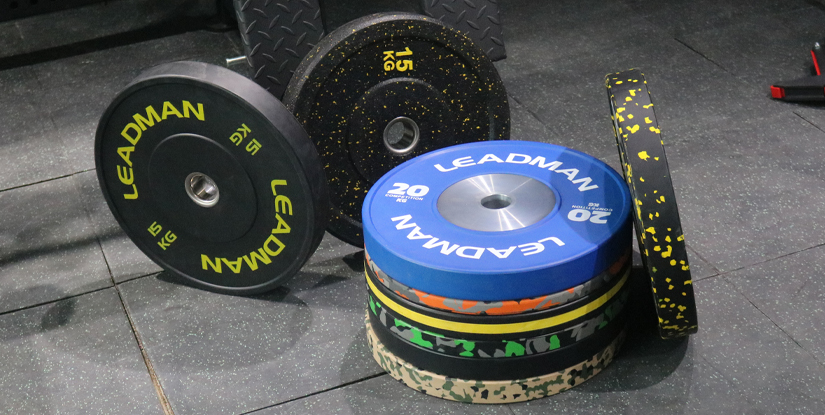
Beyond the individual piece of equipment, the strategic integration of weight plate storage solutions directly impacts the ROI of your spatial footprint. Efficient gym floor planning requires more than just calculating square footage; it demands a cohesive ecosystem where movement paths remain unobstructed. Integrating integrated storage—such as heavy-duty plate trees or specialized racks—minimizes the "clutter radius" around lifting stations. This optimization prevents bottlenecks during peak hours and reduces the risk of accidental damage to the barbell with weight plates, preserving the asset's lifespan.
When scaling operations through bulk procurement, buyers must also account for the hidden costs of logistics considerations. A sophisticated procurement strategy involves vetting a manufacturer’s ability to maintain strict quality control (QC) standards across large-scale shipments. Discrepancies in weight tolerances or sleeve dimensions can render entire batches incompatible with existing racks, leading to wasted space and shipping returns. By selecting suppliers who offer standardized weight increments and rigorous testing protocols, distributors can ensure that their inventory remains a high-performance asset that maximizes both floor utility and long-term profitability.
To facilitate data-driven procurement, we have outlined a comparative framework below. This analysis demonstrates how initial capital expenditure (CAPEX) relates to long-term operational efficiency. For distributors and facility managers, the goal is to identify the inflection point where higher-grade components yield a superior cost-per-use ratio over a multi-year lifecycle.
| Specification Category | Standard Commercial Grade | Premium Commercial Grade |
|---|---|---|
| Barbell Construction | Basic steel with standard knurling | High-tensile alloy with precision knurling |
| Weight Plate Material | Standard rubber-coated iron | High-density vulcanized rubber/urethane |
| Expected Lifespan | 18–36 months (high-traffic) | 60+ months (high-traffic) |
| Replacement Frequency | High (due to coating wear/bending) | Low (optimized for heavy usage) |
| ROI Calculation Factor | Low upfront / High maintenance cost | High upfront / Low total cost of ownership |
The data suggests that while a premium barbell with weight plates requires a higher initial outlay, the reduction in replacement frequency significantly lowers the long-term cost-per-use. In commercial settings where equipment turnover is a constant logistical challenge, sourcing high-spec sets minimizes the disruption to gym floor planning and ensures a more predictable procurement schedule for distributors.
Maximizing Long-Term Returns Through Strategic Sourcing
For professional gym operators and distributors, the procurement logic must shift from simple unit costs to a comprehensive Total Cost of Ownership (TCO) model. While low-cost commercial barbell sets may offer immediate savings on a purchase order, they often fail when subjected to high-frequency usage in a commercial environment. Evaluating a barbell with weight plates solely on the initial invoice price ignores the long-term financial impact of frequent replacement cycles and increased labor costs.
True ROI is found at the intersection of durability and spatial efficiency. High-quality steel construction and precision bearing systems extend maintenance cycles, ensuring the equipment remains operational without constant intervention. Furthermore, considering the spatial requirements of your facility during the sourcing stage prevents costly layout redesigns later. By investing in premium weight plate storage solutions and robust equipment now, you reduce the long-term overhead associated with equipment degradation and suboptimal floor movement.
To facilitate an objective procurement decision, buyers should evaluate how specific equipment dimensions impact the usable square footage of a facility. A mismatched combination of bar length and plate thickness can lead to cluttered training zones or inefficient movement patterns. The following comparison assists in selecting the right configuration based on your facility's specific spatial constraints and long-term utility requirements.
| Equipment Configuration | Standard Bar Length | Typical Plate Profile | Storage Footprint Strategy | Spatial Optimization Benefit |
|---|---|---|---|---|
| Standard Olympic Set | 220cm | Standard 50mm Diameter | Horizontal (Toaster Racks) | Ideal for wide, open-plan lifting zones |
| Compact/Training Set | 180cm - 200cm | Slim-profile/Thin Bumper | Vertical (A-Frame/Tree) | Maximizes floor space in boutique settings |
| High-Density Commercial | 220cm | High-Density/Ultra-Thin | Integrated Rack/Wall Mount | Reduces floor clutter and improves traffic flow |
When sourcing, prioritize weight plate storage solutions that leverage verticality. Utilizing vertical A-frames or wall-mounted systems for your barbell with weight plates can reclaim significant floor area, allowing for higher equipment density without compromising user safety or professional aesthetics.
Pre-Order Verification and Logistics Readiness
Before finalizing a bulk purchase order, distributors must transition from spatial planning to rigorous technical verification. A seamless installation depends on more than just matching dimensions; it requires a strict adherence to quality control standards that prevent mid-installation delays or premature equipment failure. When negotiating with manufacturers, ensure that the Minimum Order Quantity (MOQ) allows for a diverse distribution of weight increments to satisfy various training needs without over-ordering single SKUs.
A professional procurement checklist should prioritize the following technical inspection points:
- Mechanical Integrity: Verify sleeve rotation smoothness and bearing precision to ensure the barbell with weight plates performs under high-velocity movements.
- Coating Durability: Inspect the finish for uniformity to prevent premature oxidation or chipping during high-frequency commercial use.
- Shipping Volume Optimization: Confirm that weight plate distribution within the shipping containers maximizes volumetric efficiency, reducing landed costs per unit.
- Gym Floor Planning Alignment: Cross-reference the final equipment dimensions with your facility's load-bearing zones and designated movement corridors to prevent logistical bottlenecks during the unboxing phase.
By validating these variables during the sourcing stage, buyers mitigate the risks of logistical friction and ensure that the transition from container to gym floor is both efficient and cost-effective.