Kettlebell Manufacturing Process Step by Step: China Factory
Understanding the Kettlebell Manufacturing Process Step by Step
When sourcing equipment for international distribution, professional buyers must validate three critical checkpoints: structural integrity, weight precision, and logistical compliance. A standard kettlebell manufacturing process step by step begins with high-grade material selection to ensure long-term durability in high-traffic commercial environments. For a China factory, maintaining these standards is essential to reducing the landed cost of defective goods and ensuring that every bulk shipment meets the rigorous expectations of global distributors.
The engineering phase is where the foundation of quality is established. To achieve professional engineering standards, the process starts with the precise melting of raw iron, followed by casting into specialized molds. This stage is vital for maintaining material consistency across large production runs. Without strict control during the molten state, the final product may suffer from internal voids or surface irregularities that compromise its commercial lifespan.
Precision Engineering and Weight Accuracy
Once the raw casting is complete, the focus shifts to technical calibration. In a high-tier cast iron kettlebell factory, the primary objective is to ensure absolute weight accuracy. Even slight deviations can lead to significant issues for distributors who sell to premium fitness facilities where weight increments must be exact. This stage involves multiple rounds of grinding, smoothing, and final weight verification to ensure the finished unit matches the specified kilogram or pound rating within a strict tolerance range.
Achieving high-quality commercial kettlebell production requires more than just casting; it requires a systematic approach to surface finishing and handle ergonomics. For an OEM partner, this means refining the handle texture to ensure it remains functional even under heavy use. By focusing on these technical specifications during the kettlebell manufacturing process step by step, manufacturers provide a reliable product that supports the high-volume wholesale needs of gym chains and equipment importers worldwide.
Rigorous Quality Control and Safety Protocols
For distributors managing large-scale inventories, the risk of receiving substandard units can lead to high return rates and damaged brand reputation. Therefore, a professional kettlebell manufacturing process step by step must include a dedicated phase for structural and surface validation. This is not merely a final check but a continuous verification of the product's ability to withstand the physical stresses of a high-intensity commercial gym environment.
The primary focus during the inspection phase is the verification of the handle's structural integrity and the thickness of the protective coating. A reliable supplier will implement strict thickness testing to ensure the powder coating or paint layer is uniform, preventing premature rust and oxidation during transit or long-term storage. This level of scrutiny is a cornerstone of high-volume wholesale kettlebell manufacturing, as it directly impacts the long-term durability and maintenance load for the end-user.
Beyond surface aesthetics, advanced QC protocols involve stress testing the cast components to prevent cracks or brittle failures. For an importer, knowing that the factory performs regular weight-tolerance checks and surface-smoothness audits reduces the need for costly after-sales replacements. When you engage with a professional China factory, these quality benchmarks ensure that your bulk orders arrive ready for immediate commercial deployment, protecting your distributor margins and ensuring product reliability across all global markets.

Technical Comparison of Manufacturing Methods for Bulk Sourcing
Selecting the appropriate manufacturing method is a critical decision for procurement managers, as it directly influences the total cost of ownership (TCO) and the product's lifespan in commercial settings. Different casting techniques offer varying levels of surface smoothness, durability, and cost-efficiency. For those managing high-volume wholesale kettlebell manufacturing, understanding these technical trade-offs is essential to optimizing the landed cost while maintaining a premium brand image for your clients.
The following table compares the most common industry standards used during the kettlebell manufacturing process step by step to assist in your sourcing evaluation.
| Manufacturing Method | Surface Smoothness | Commercial Durability | Cost-Efficiency | Best Suited For |
|---|---|---|---|---|
| Traditional Cast Iron | Moderate (requires grinding) | High (standard for heavy use) | Excellent (high volume) | Standard gym sets and bulk distribution |
| Powder Coated Finish | High (smooth and uniform) | Very High (rust resistance) | Good (mid-range pricing) | Premium studios and high-end facilities |
| Precision Molded Casting | Very High (pre-finished) | High (consistent density) | Moderate (higher MOQ) | Specialized training and boutique brands |
When evaluating your next batch, consider that a cast iron kettlebell factory utilizing advanced powder coating processes can offer a superior aesthetic that reduces maintenance requirements. While traditional casting is highly cost-effective for mass-market commercial kettlebell production, premium OEM orders often specify specialized coatings to ensure the equipment remains aesthetically pleasing and rust-free under rigorous humidity and usage conditions. We recommend requesting a sample or a detailed spec sheet to confirm the surface texture and weight tolerance before finalizing your bulk order.
Material Selection and Casting Standards for Commercial Grade Units
The foundational stage of the kettlebell manufacturing process step by step begins with the rigorous selection of raw materials. For professional distributors and gym equipment importers, sourcing from a reliable China factory is critical because the quality of the iron directly dictates the long-term TCO (total cost of ownership) and safety of the product. Low-grade scrap metal or inconsistent iron alloys can lead to structural weaknesses, cracks, or uneven weight distribution, which increases maintenance costs and diminishes your brand's reputation in the commercial market.
To achieve true commercial-grade durability, a professional cast iron kettlebell factory must utilize high-purity iron and strict raw material standards. This ensures that every unit maintains its structural integrity even under the heavy, repetitive impact typical of high-traffic strength training environments. When managing wholesale kettlebell manufacturing, procurement leads should prioritize suppliers that provide detailed material specifications to justify the initial investment and ensure consistent cast iron quality across all weight increments in a bulk order.
Selecting high-standard materials is not just about strength; it is a strategic move for commercial kettlebell production to minimize replacement cycles and shipping damage. By ensuring the molten metal is free from impurities during the casting phase, a supplier can guarantee a smooth surface finish and precise weight tolerances, which are essential for meeting international commercial fitness standards and maintaining high distributor margins.
Technical Material Grade Comparison for Procurement Evaluation
Evaluating the technical specifications of raw materials is a vital step in the kettlebell manufacturing process step by step. For procurement managers, understanding the difference between standard and high-grade casting is essential to avoid the high replacement costs associated with substandard batches. A professional cast iron kettlebell factory will provide transparency regarding material density and impurity levels to ensure every unit meets the rigorous demands of a commercial gym environment.
The following table provides a technical comparison to assist in your sourcing decisions, helping you distinguish between budget-grade options and professional-grade units suitable for large-scale distribution.
| Technical Specification | Standard Casting Grade | Commercial-Grade Precision | Procurement Impact |
|---|---|---|---|
| Material Density | Variable/Inconsistent | High/Uniform Density | Impacts weight accuracy and balance |
| Impurity Levels | Higher (Silicon/Sulfur) | Minimized (High-Purity Iron) | Reduces risk of surface cracking |
| Casting Consistency | Moderate (Uneven surfaces) | High (Smooth, uniform finish) | Essential for professional hand feel |
| Weight Tolerance | +/- 5% Variance | +/- 1% to 2% Variance | Critical for professional training standards |
| Surface Integrity | Prone to pitting/flaking | High structural stability | Reduces long-term maintenance load |
When coordinating wholesale kettlebell manufacturing, we recommend requesting a material test report or a sample evaluation to verify these technical benchmarks. Ensuring your China factory partner adheres to these high-purity standards will protect your landed cost by reducing the frequency of defective returns and ensuring your inventory remains a premium offering for your clients.
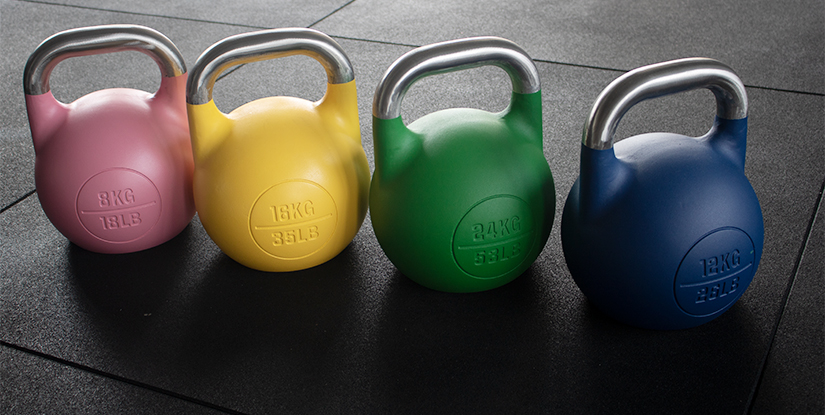
Optimizing Long-Term ROI Through Material Integrity
For large-scale distributors, the kettlebell manufacturing process step by step must prioritize the relationship between material purity and long-term wear resistance. In a high-volume commercial setting, the cost of a single defective batch can be catastrophic to a distributor's margin. Relying on a professional cast iron kettlebell factory that emphasizes high-density iron ensures that the finished product can withstand the rigorous impact of heavy training without developing structural fissures or surface degradation.
Strategic procurement involves looking beyond the initial unit price to calculate the total cost of ownership. When a supplier utilizes standardized, high-purity alloys, the resulting durability and long-term wear resistance significantly reduce the frequency of replacements and customer complaints. This stability in product performance is a key driver of procurement efficiency, allowing importers to maintain a reliable inventory of premium-tier equipment that meets the expectations of professional strength facilities.
To ensure your brand identity remains strong, we recommend that buyers confirm the specific casting standards and impurity control protocols during the initial sourcing phase. Requesting a sample for physical weight-distribution testing and surface inspection is a standard part of a professional wholesale kettlebell manufacturing workflow. By validating these material benchmarks before finalizing a bulk order, you mitigate the risks of high landed costs caused by defective returns and ensure your commercial-grade offerings deliver maximum value to your end-users.
Quality Control Protocols in a Professional Cast Iron Kettlebell Factory
A rigorous kettlebell manufacturing process step by step must prioritize precision to protect your brand reputation and minimize replacement costs. For distributors and importers, relying on a China factory with strict oversight ensures that every unit meets commercial-grade standards. Without standardized testing, bulk shipments often arrive with inconsistent weights or surface defects, leading to high return rates and diminished distributor margins.
A professional cast iron kettlebell factory implements multi-stage inspections to guarantee weight accuracy and structural integrity. This systematic approach mitigates the risks associated with wholesale kettlebell manufacturing, such as handle fractures or uneven casting. By auditing the kettlebell manufacturing process step by step, procurement leads can confirm that the commercial kettlebell production line adheres to international safety benchmarks before the goods leave the factory.
| Inspection Focus | Standard Requirement | B2B Procurement Impact |
|---|---|---|
| Weight Tolerance | Strict deviation limits | Ensures consistent SKU value |
| Handle Smoothness | Zero sharp edges | Reduces liability and injury risk |
| Coating Adhesion | High durability under friction | Lowers long-term maintenance load |
| Casting Density | No internal air pockets | Maintains long-term structural integrity |
To ensure seamless sourcing, we recommend that buyers request a detailed pre-shipment inspection report or a sample evaluation to verify these quality benchmarks. Establishing these protocols early helps optimize your landed cost by preventing costly batch rejections and shipping delays.
Technical Verification Stages for Bulk Orders
Effective commercial kettlebell production requires more than just oversight; it demands a technical validation of each specific production phase. For a professional cast iron kettlebell factory, quality control is not a single event but a continuous monitoring of the kettlebell manufacturing process step by step to prevent compounding errors. A failure in the initial casting stage, for instance, can lead to significant weight discrepancies that jeopardize your entire shipment's compliance with commercial specifications.
During the raw material stage, the purity of the iron melt is verified to ensure structural density. As the process moves to the casting and surface treatment phases, rigorous checks on the surface finish and handle ergonomics are conducted. For those engaged in wholesale kettlebell manufacturing, these technical checkpoints are essential to maintaining a high standard of commercial-grade durability. We advise all procurement leads to confirm the specific inspection frequency and the availability of pre-shipment reports during the initial inquiry stage to ensure your brand identity remains protected through consistent product excellence.
Standardizing Export-Grade Packaging and Final Logistics
The final stage of the kettlebell manufacturing process step by step involves more than just the physical product; it requires professional-grade logistics preparation to protect your investment. For high-volume distributors, the integrity of the export-grade packaging is just as critical as the casting itself. Poorly secured bulk shipments often result in surface abrasions or dented handles during sea freight, which directly impacts your distributor margin protection and increases the likelihood of customer complaints upon arrival.
A reliable China factory utilizes heavy-duty, reinforced corrugated boxes and standardized palletizing methods to optimize container loading efficiency. This ensures that every unit remains secure despite the movement of ocean freight. When managing large-scale wholesale kettlebell manufacturing, we recommend verifying the specific packaging dimensions and pallet configurations during the sampling stage. This transparency allows you to calculate precise container volume and optimize your landed cost, ensuring that your warehouse space is used efficiently and your shipment arrives in pristine, retail-ready condition.
Customization Capabilities: OEM and ODM for Global Distributors
Navigating the kettlebell manufacturing process step by step requires a clear understanding of how customization models impact your brand identity. For professional importers, choosing between OEM and ODM services determines whether you are sourcing a standard product or developing a proprietary asset for your market.
When a China factory provides OEM services, the focus is on precise custom branding of existing high-quality molds. This allows a distributor to apply unique logos, specific color schemes, or specialized packaging to established designs, ensuring a faster time-to-market while maintaining a controlled distributor margin. This is the most efficient path for scaling a wholesale catalog with reliable, industry-standard equipment.
In contrast, ODM services offer a deeper level of integration into the kettlebell manufacturing process step by step. This option is designed for distributors seeking to differentiate through structural innovation, such as unique handle geometries or proprietary coating textures. While ODM requires higher MOQ and longer lead times, it enables the creation of a unique product line that cannot be easily replicated by competitors, effectively elevating your market positioning from a mere supplier of goods to a specialized equipment provider.
| Service Type | Primary Focus | Customization Depth | Typical Lead Time | Market Strategy |
|---|---|---|---|---|
| OEM | Brand Application | Logo, Color, Packaging | Standard Production Cycle | Rapid Market Entry |
| ODM | Product Innovation | Mold Shape, Material, Specs | Extended R&D Phase | Unique Brand Differentiation |
Understanding these distinctions is critical during the commercial kettlebell production planning phase. A well-executed wholesale kettlebell manufacturing strategy balances the speed of OEM with the long-term value of ODM to optimize your total landed cost and inventory turnover.
Selecting the appropriate manufacturing model directly influences your ability to manage technical specifications and long-term inventory risk. For high-volume importers, the decision rests on whether your goal is to optimize the kettlebell manufacturing process step by step for speed or to invest in long-term intellectual property through custom development.
Technical Comparison of Customization Models
| Feature | OEM (Original Equipment Manufacturer) | ODM (Original Design Manufacturer) |
|---|---|---|
| Design Ownership | Factory-owned designs | Buyer-led or proprietary innovation |
| Mold Development | Uses existing factory molds | Requires new mold creation |
| Complexity Level | Standardized weight increments | Custom handle geometry or textures |
| Minimum Order Quantity | Lower MOQ for standard units | Higher MOQ due to tooling costs |
| Lead Time | Short; follows standard production | Extended; includes R&D and prototyping |
| Primary Benefit | Lower entry cost and rapid turnover | High market differentiation |
For distributors managing a large-scale cast iron kettlebell factory sourcing budget, OEM remains the most cost-effective way to scale a catalog without the heavy capital expenditure of new tooling. However, if your brand strategy requires a unique ergonomic grip or a specific weight distribution that sets you apart from standard commercial kettlebell production, the ODM route provides the necessary technical freedom. We recommend conducting a thorough factory audit and requesting a detailed spec sheet before committing to new mold development to ensure your technical requirements align with the China factory's precision capabilities.
Selecting the appropriate manufacturing model directly influences your ability to manage technical specifications and long-term inventory risk. For high-volume importers, the decision rests on whether your goal is to optimize the kettlebell manufacturing process step by step for speed or to invest in long-term intellectual property through custom development.
Impact of Customization on Logistics and Total Cost
Beyond design, technical specifications directly dictate your final landed cost. In wholesale kettlebell manufacturing, even minor adjustments to custom colors or handle finishes can influence the volume-to-weight ratio in shipping containers. For instance, selecting a specific powder coating or specialized paint may require additional drying time or specialized equipment, which can impact the total lead time for . Professional buyers must weigh the aesthetic value of customization against the logistical efficiency of standard configurations to protect their distributor margins. Precision is another critical factor in the kettlebell manufacturing process step by step. When sourcing through a cast iron kettlebell factory, specifying strict weight precision tolerances is vital for commercial-grade certification. A slight deviation in weight can lead to compliance issues in premium markets, potentially increasing your return rates or replacement costs. To mitigate these risks, we advise all procurement leads to implement a rigorous QC protocol that includes pre-shipment inspections and weight verification for every batch. Ensuring that your export packaging is optimized for the specific weight and dimensions of your custom units will further reduce breakage risks and lower your per-unit shipping expenditure during large-scale international transit.
Optimizing Your Sourcing: MOQ, Lead Times, and Export Logistics
Understanding the kettlebell manufacturing process step by step is essential for distributors to align their inventory with market demand. Efficient wholesale kettlebell manufacturing requires a strategic balance between order volume and production speed to maintain healthy cash flow and warehouse turnover.
For professional importers, managing the lead time is often the most critical variable in the commercial kettlebell production cycle. Relying on a China factory that offers transparent scheduling allows for better predictive inventory management, reducing the risk of stockouts during peak fitness seasons or unexpected surges in local demand.
Depending on your business model, you may choose between rapid restocking or high-margin custom orders. The following table outlines how different procurement strategies impact your operational efficiency.
| Procurement Strategy | Typical MOQ | Average Lead Time | Primary Benefit |
|---|---|---|---|
| Standard Stock Orders | Low | Short (2–4 weeks) | Fast market response |
| Custom Brand (OEM) | High | Long (8–12 weeks) | Enhanced brand identity |
| Bulk Raw Material Sourcing | Very High | Extended (12+ weeks) | Lowest landed cost |
When planning a cast iron kettlebell factory direct shipment, buyers must account for the total production cycle, which includes material smelting, casting, and finishing. A well-coordinated sourcing plan ensures that your wholesale shipments arrive in alignment with your local distribution windows, optimizing both your storage costs and your overall ROI.
Navigating the complexities of international trade requires a clear understanding of how kettlebell manufacturing process step by step affects your bottom line. Beyond the physical casting of iron, the logistical layers—including packaging, container loading, and customs documentation—are what determine your final landed cost and profit margins.
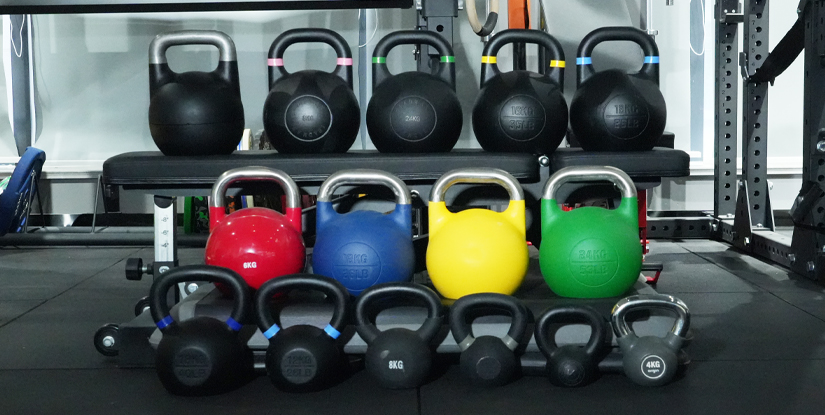
Strategic Decisions: OEM vs. Stock Models
A professional China factory typically offers two distinct paths: purchasing ready-to-ship inventory or engaging in full-scale customization. For distributors looking to scale a unique brand identity, selecting an OEM model provides total control over color, texture, and logo placement. While this requires a higher MOQ and longer lead times, it builds long-term equity in your own label.
Conversely, an ODM approach or standard stock procurement is ideal for rapid market entry or testing new weight ranges. This model minimizes upfront capital expenditure and allows for more agile responses to local fitness trends. Regardless of the path, ensuring your supplier utilizes export-grade packaging is vital to prevent damage during long-distance maritime transit.
To ensure a seamless transition from the production line to your warehouse, we recommend initiating the sourcing process early. Contact our team to request a detailed spec sheet, confirm current MOQ requirements for your specific weight tiers, or schedule a virtual factory audit to verify our quality control standards before your first bulk order.
Strategic Procurement: Evaluating Total Landed Cost and Long-Term ROI
Professional distributors must look beyond the initial unit price when calculating the kettlebell manufacturing process step by step. Relying solely on a low quote from a China factory often leads to unexpected margin erosion due to overlooked variables in the global supply chain.
A common procurement pitfall is failing to distinguish between the factory price and the actual landed cost. While the unit price vs total cost gap might seem small at the order stage, cumulative expenses from logistics, international freight, and customs duties can significantly impact your final distributor margin. For high-volume wholesale kettlebell manufacturing, a thorough sourcing strategy must account for these secondary costs to protect your ROI.
| Cost Component | Definition for B2B Buyers | Impact on Margin |
|---|---|---|
| Ex-Works Price | Base cost at the factory gate | Initial benchmark |
| Logistics & Freight | Sea or air transport to destination port | High volatility |
| Customs & Duties | Import taxes and regulatory fees | Fixed by region |
| Total Landed Cost | Final price of goods at your warehouse | True ROI indicator |
To optimize commercial kettlebell production, we recommend requesting a comprehensive breakdown that includes packaging dimensions and weight. This allows your logistics team to accurately calculate container loading efficiency and prevent the high costs associated with shipping "air" in partially filled containers.
Beyond the immediate logistics, the long-term profitability of your inventory depends heavily on the inherent quality of the production cycle. When evaluating a cast iron kettlebell factory, procurement managers should prioritize the durability of the finish and the structural integrity of the handle. Low-quality casting often results in surface imperfections or uneven weight distribution, which increases the replacement frequency and degrades your reputation as a reliable supplier.
Quality vs. Cost: The Long-Term TCO Perspective
A high-performance kettlebell manufacturing process step by step ensures that every unit meets strict commercial-grade standards. Investing in a superior quality control protocol during the cooling and coating phases may increase the initial unit price, but it drastically reduces the Total Cost of Ownership (TCO) by extending the product lifecycle in high-traffic environments. For distributors, this means fewer returns, lower warranty claims, and higher customer retention.
| Procurement Variable | Low-Cost Alternative Impact | High-Standard Production Impact |
|---|---|---|
| Surface Finish | Frequent chipping and rust issues | Consistent, durable coating longevity |
| Weight Precision | High variance in weight accuracy | Strict tolerance for commercial use |
| Replacement Frequency | High turnover due to wear | Minimal replacement requirements |
| Distributor ROI | Lower margins due to returns | Stable margins via product reliability |
To ensure your procurement strategy aligns with these commercial realities, we suggest requesting a detailed technical spec sheet and a sample approval phase before finalizing your bulk order. Confirming the specific casting method and the thickness of the protective layer will help you verify that the production output meets the rigorous demands of global fitness markets.
Protecting your brand reputation requires more than just finding a low price; it requires a partner capable of sophisticated OEM and ODM services. When a distributor invests in custom branding, the integrity of the kettlebell manufacturing process step by step becomes the foundation of their market identity. A failure in the production chain—such as a structural defect or an inconsistent weight distribution—does not just result in a single defective unit; it results in a damaged reputation for your entire product line.
By choosing a factory that offers high-level customization, you can control the nuances of the product, from handle ergonomics to specialized coating textures. This level of control ensures that your private label stands out in the commercial market, providing a sense of premium reliability that justifies your price point and secures long-term buyer loyalty.
Securing Long-Term Profitability Through Rigorous QC
A robust QC protocol is the most effective way to safeguard your distributor margin. In high-volume wholesale kettlebell manufacturing, even a 2% defect rate can lead to significant losses when factoring in international return shipping and customer dissatisfaction. We recommend implementing a multi-stage inspection process that covers raw material verification, casting precision, and final coating durability. This proactive approach minimizes the risk of receiving sub-standard batches and ensures that every shipment arriving at your warehouse meets the strict expectations of professional gym operators.
To move forward with your procurement planning, please contact us to request a detailed technical specification sheet, confirm current MOQ requirements, or schedule a formal factory audit to verify our production standards firsthand.