Weight Lifting Manufacturers: Installation and Maintenance
Deployment Scenarios for High-Traffic Commercial Facilities
When importing bulk orders for hospitality or large-scale fitness centers, distributors must prioritize weight lifting manufacturers that specialize in heavy-duty construction. High-traffic environments demand equipment that withstands constant mechanical stress to protect your long-term investment and reduce replacement frequency.
Durability Standards for High-Volume Use
For commercial gyms and hotel fitness suites, standard residential gear is insufficient. Professional buyers should vet weight lifting manufacturers specifically for their ability to provide commercial-grade specs, such as reinforced steel gauges and high-density upholstery. Sourcing directly from a China factory allows importers to customize material thickness and coating durability to meet specific regional usage intensities. Ensuring your sourcing strategy focuses on high-traffic durability prevents premature wear, maintaining the facility's aesthetic and functional integrity over several years of heavy use.
Tiered Procurement Comparison for Facility Scaling
Distributors must align their procurement tiers with the intended usage intensity to optimize the total landed cost. Selecting the correct specifications from weight lifting manufacturers ensures that the equipment's lifespan matches the facility's operational demands without overspending on unnecessary features.
| Equipment Tier | Usage Intensity | Maintenance Frequency | Typical Sourcing Model |
|---|---|---|---|
| Standard Commercial | Moderate (Hotel/Apartment Gyms) | Quarterly Inspections | Wholesale Stock Orders |
| Premium Commercial | High (Professional Training Centers) | Monthly Rigorous Checks | OEM Custom Specifications |
| Elite/Competition | Extreme (High-Traffic Performance Hubs) | Bi-Weekly Monitoring | ODM Full Customization |
When scaling a project, consider how MOQ requirements impact your customization options. While standard tiers offer faster lead times, investing in private label or high-spec builds via a factory-direct arrangement can significantly lower the long-term cost per use by extending the replacement cycle in high-intensity environments.
Logistics and Installation Protocols for Large-Scale Deployment
Managing the arrival of heavy steel components requires strict adherence to gym installation standards to ensure structural safety. When coordinating large-scale shipments, professional buyers must account for the extended lead time required for customized heavy-duty builds. It is critical to verify that your chosen weight lifting manufacturers employ rigorous pre-shipment QC protocols to prevent damage during transit. Furthermore, efficient bulk shipping logistics and optimized China factory export standards for container loading are essential to minimize the risk of component misalignment. Integrating these checks into your equipment maintenance scheduling from day one ensures that the initial deployment is both seamless and durable.
Optimizing Floor Layout and Staffing Requirements for Bulk Imports
When distributors manage large-scale procurement, the logistical complexity extends far beyond the weight lifting manufacturers selection process. Efficiently managing a wholesale order requires a strategic approach to site preparation before the shipment arrives at the destination.
Spatial Planning and Logistics Optimization
Successful deployment of heavy strength equipment depends on rigorous pre-arrival calculations. Importers must coordinate with their China factory to obtain precise technical drawings, as the shipping volume and bulk import dimensions directly impact container utilization and landed cost. Beyond mere floor space, professional procurement teams must verify the floor load capacity of the facility to support high-density weight lifting manufacturers equipment. Failure to account for the massive weight of plate-loaded machines and racks during the sourcing phase can lead to structural risks and increased logistics expenses during the final installation phase.
Sourcing Model Comparison: Operational Impact
The choice between standard stock and customized solutions significantly alters your long-term operational overhead. When negotiating with weight lifting manufacturers, buyers must evaluate how different production models influence their staffing requirements and facility management. For instance, while wholesale procurement of standard models offers faster turnaround, OEM or ODM orders often require more specialized technical oversight during the initial setup to ensure custom dimensions align with gym installation standards. Use the table below to assess the resource allocation needed for different procurement strategies.
| Sourcing Model | Typical Space Optimization | Staffing & Technical Expertise | Lead Time & Complexity |
|---|---|---|---|
| Standard Wholesale | High (Standardized footprint) | General maintenance crew | Short (Stock availability) |
| OEM / ODM Customization | Variable (Customized layout) | Specialized technical team | Long (Production & QC cycles) |
To ensure seamless integration, we recommend requesting a detailed technical specification sheet and a 3D layout guide from your supplier. Confirming MOQ and technical tolerances during the sample approval stage will prevent costly spatial errors during the final assembly.
Synchronizing Lead Times and Onsite Labor
Effective procurement requires aligning the production lead time with your local construction milestones. When ordering from weight lifting manufacturers, the timeline must account for the pre-shipment QC phase to ensure no defective units arrive at your site. A well-managed equipment maintenance scheduling plan begins with the installation phase; therefore, importers should verify that factory-direct delivery dates coincide with the availability of certified onsite technicians. Miscalculating this window often leads to idle labor costs or delayed facility openings, making it vital to request a precise production-to-delivery roadmap during the initial sourcing negotiations.
Technical Standards for Professional Gym Installation
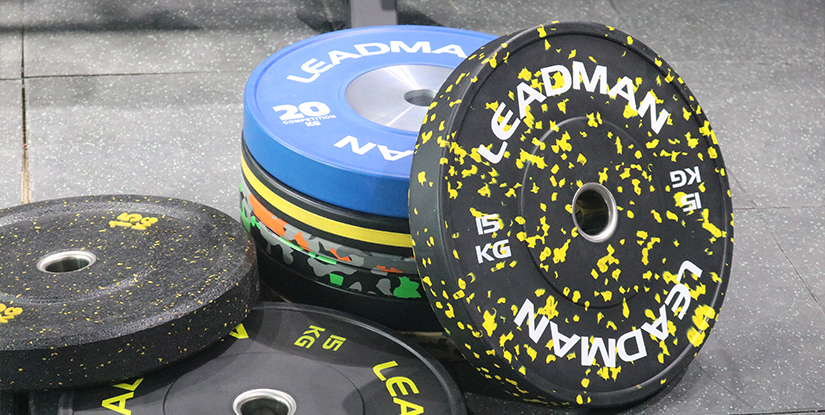
When managing wholesale orders for large-scale fitness facilities, distributors must ensure that weight lifting manufacturers adhere to strict gym installation standards. Improper assembly of heavy-duty racks or smith machines can compromise structural integrity, leading to catastrophic failures. To mitigate these risks, professional sourcing specialists should verify that the China factory provides detailed assembly schematics and torque specifications for every bolt and weld point.
| Procurement Factor | Standard Commercial Grade | Premium Heavy-Duty Grade |
|---|---|---|
| Frame Material | Standard Steel Tubing | Reinforced High-Gauge Steel |
| Welding Quality | Standard MIG Welding | Full-Penetration Precision Welding |
| Installation Rigor | Basic Floor Anchoring | Multi-Point Seismic Anchoring |
| Maintenance Needs | Standard Lubrication | Strict Precision Calibration |
Reliable weight lifting manufacturers prioritize long-term durability by implementing rigorous QC protocols during the production of load-bearing components. For bulk wholesale buyers, confirming that the factory utilizes standardized, high-strength fasteners is essential to prevent long-term mechanical fatigue in high-traffic commercial environments.
Optimizing Equipment Lifespan Through Maintenance Protocols
To protect your investment and reduce the long-term landed cost of heavy equipment, distributors must implement a proactive equipment maintenance scheduling system. Relying on high-quality weight lifting manufacturers ensures that the base technical specifications are robust, but regular oversight is required to manage wear on moving parts and upholstery. We recommend that importers request a detailed maintenance manual during the sourcing phase to ensure all field technicians follow the correct protocols.
| Component Type | Standard Maintenance Interval | Critical Inspection Metric | Typical OEM/ODM Requirement |
|---|---|---|---|
| Bearing & Pivot Points | Monthly | Friction & Noise Levels | Lubrication Specification |
| Cable & Pulley Systems | Quarterly | Cable Fraying/Tensile Strength | Replacement Threshold |
| Structural Bolts/Welds | Bi-Annually | Torque & Surface Cracks | Fastener Tightness Standard |
| Upholstery & Padding | Monthly | Surface Integrity/Tears | Material Durability Rating |
When negotiating with a China factory, ask if they offer OEM/ODM customized maintenance kits or specialized lubricant types tailored to their specific machinery. A well-documented maintenance interval schedule not only preserves the durability of the steel frames but also ensures that your clients' facilities remain compliant with safety regulations. Before finalizing your bulk purchase, always request a technical spec sheet to confirm that all replaceable wear parts are readily available for future service.
Verifying Technical Documentation and Quality Control
Before finalizing bulk shipments, professional importers must validate that their chosen weight lifting manufacturers provide comprehensive technical manuals. These documents should go beyond basic assembly instructions to include precise durability standards and load-bearing tolerances. A reliable factory will supply detailed schematics that assist in long-term equipment maintenance scheduling and part replacement. To ensure high-tier quality, we recommend a strict pre-shipment inspection protocol that verifies both the physical build and the accuracy of the technical documentation provided. Always confirm that the lead time for replacement components is clearly defined in your sourcing contract to avoid operational downtime for your clients.
Factory QC Protocols for Structural Integrity and Safety
For distributors managing high-volume imports, the long-term durability of a shipment depends entirely on the weight lifting manufacturers' internal oversight. When sourcing heavy-duty equipment, ensuring that every unit meets rigorous OEM/ODM standards is critical to preventing premature structural failure and minimizing warranty claims for your clients.
Rigorous Material and Stress Testing
Top-tier weight lifting manufacturers must implement a multi-stage factory QC process that begins with material certification. This ensures that the steel grades used in frames and racks can withstand high-impact loads without deformation. Beyond basic inspections, professional wholesale production lines utilize advanced stress testing to simulate years of heavy usage. By verifying the structural integrity of welds and load-bearing components during the manufacturing phase, weight lifting manufacturers can guarantee that bulk orders arrive ready for high-intensity commercial environments, significantly reducing the risk of mechanical fatigue.
Standard vs. Premium Technical Specifications
When evaluating different supply tiers, importers must distinguish between standard commercial grade and premium heavy-duty builds. A transparent comparison of technical benchmarks helps procurement managers determine if a China factory is meeting the specific load-bearing requirements for high-traffic gyms. The following table outlines the critical differentiation in technical quality control points used during pre-shipment inspection.
| Inspection Criteria | Standard Wholesale Grade | Premium Commercial Grade |
|---|---|---|
| Material Thickness | 11-gauge to 14-gauge steel | 7-gauge to 11-gauge high-tensile steel |
| Welding Strength | Standard MIG welding | Full-penetration robotic TIG/MIG welding |
| Coating Durability | Basic powder coating | Multi-layer electrostatic anti-corrosion coating |
| Component Tolerance | ±3mm deviation allowance | ≤1mm precision tolerance |
To mitigate the risk of structural fatigue, we recommend that all bulk buyers request a detailed material certification and a video of the stress test results before final payment. Confirming these technical benchmarks during the factory audit ensures that your landed cost remains optimized by avoiding costly returns or structural replacements.
Optimizing Lifecycle via Maintenance and Standards
High-quality weight lifting manufacturers do not just focus on the build; they provide the technical foundation for long-term asset management. For distributors, reducing replacement frequency is a direct result of adhering to strict gym installation standards and implementing a consistent equipment maintenance scheduling protocol. When sourcing from China factory production lines, buyers should verify that the supplier provides detailed maintenance manuals and lubrication specifications for all moving parts.
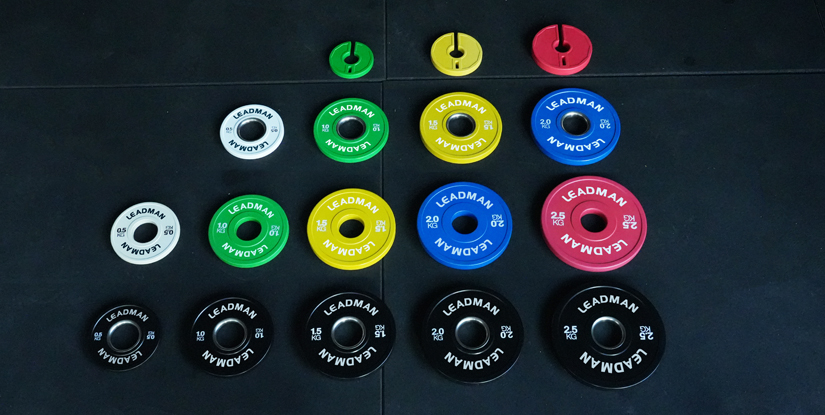
Integrating proactive equipment maintenance scheduling—such as regular bolt torque checks and bearing lubrication—protects the long-term durability of the machinery. By ensuring that initial setups strictly follow gym installation standards, importers can prevent uneven wear that often leads to premature mechanical failure. Ultimately, choosing weight lifting manufacturers that prioritize these technical lifecycles helps stabilize your landed cost and protects your profit margins by minimizing post-sale service liabilities.
Preventative Maintenance Scheduling and Component Replacement
Optimizing your long-term durability depends on more than just the initial purchase; it requires a structured equipment maintenance scheduling protocol. For distributors and gym owners sourcing wholesale orders, understanding how weight lifting manufacturers design for wear and tear is vital for protecting your investment. High-quality factory-direct equipment is engineered to withstand heavy use, but consistent preventative maintenance is the only way to ensure a high ROI and minimize unexpected downtime.
| Maintenance Factor | Standard Stock Sourcing | Premium OEM/ODM Customization |
|---|---|---|
| Component Lifespan | Standard industrial grade | Enhanced high-wear materials |
| Service Intervals | Typical 6-month cycles | Extended intervals with precision parts |
| Replacement Cost | Lower initial, higher frequency | Higher upfront, lower TCO |
| Parts Availability | Standardized global parts | Customized/Proprietary parts |
When negotiating with weight lifting manufacturers, always inquire about the availability of replacement parts for high-wear components like cables, pulleys, and upholstery. A reliable China factory will provide detailed technical spec sheets that outline recommended service intervals, helping you manage the total cost of ownership effectively across your entire fleet.
Standardized Maintenance Checklist for Bulk Inventory
To maintain high performance standards across large-scale gym installations, importers must implement a rigorous inspection routine. Managing a large volume of inventory requires a clear understanding of how often specific parts undergo wear and tear. By aligning your internal protocols with the technical standards provided by your weight lifting manufacturers, you can effectively mitigate liability and extend the lifecycle of your shipment.
| Component Type | Inspection Interval | Replacement Frequency | Critical QC Focus |
|---|---|---|---|
| Steel Cables & Pulleys | Monthly | 6–12 Months | Fraying and tension loss |
| Upholstery & Padding | Quarterly | 12–24 Months | Cracking or seam integrity |
| Moving Bearings/Bushings | Bi-Annually | 2+ Years | Smoothness and lubrication |
| Welds & Frame Joints | Annually | As needed | Structural hairline fractures |
Before finalizing your next wholesale procurement, request a comprehensive technical manual from your supplier. A professional factory will provide detailed documentation regarding the expected durability of high-stress parts, allowing you to budget for replacement costs and maintain optimal gym installation standards throughout the product's lifecycle.
Optimizing Long-Term ROI via Spare Parts Strategy
To protect your margins, your sourcing strategy must extend beyond the initial container shipment. Successful importers coordinate with weight lifting manufacturers to secure a reliable supply of critical components. When ordering in bulk, always confirm the MOQ for components such as specialized bearings or proprietary cables. Relying on a factory-direct source ensures that you are not stranded by local shortages if a specific part fails. Furthermore, verify the lead time for spare parts to prevent extended equipment downtime in your client's facilities.
For distributors seeking a competitive edge, leveraging OEM/ODM support is essential. High-tier weight lifting manufacturers can provide customized parts or branded maintenance kits that align with your private label identity. This level of OEM integration allows you to offer a complete lifecycle solution to your end-users, rather than just a one-time hardware sale. Before finalizing your order, request a formal quote for a "maintenance kit" to ensure you have the necessary stock on hand to meet long-term service demands.
Sourcing Logistics: Lead Times and Export Packaging Stability
For high-volume importers, understanding the correlation between production schedules and transit safety is vital. When coordinating with weight lifting manufacturers, a longer lead time often allows for more rigorous quality control and optimized bulk shipping preparations. High-quality export packaging is not merely an add-on; it is a critical factor in maintaining sea freight stability during long-haul transit from a China factory. By investing in reinforced crating and moisture-proof wrapping, distributors can significantly reduce the risk of structural damage, ensuring the final landed cost remains predictable and minimizing expensive replacement claims upon arrival.
Optimizing Landed Costs via Packaging Configuration
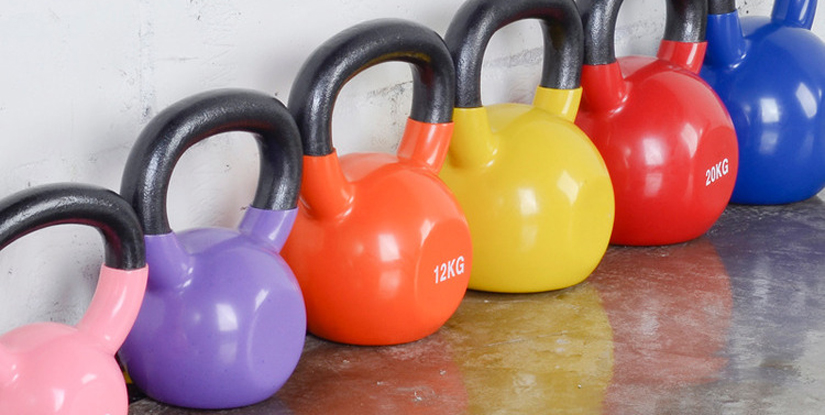
Distributors must evaluate how different shipping methods impact their total procurement budget. Depending on the MOQ and the fragility of the equipment, selecting the appropriate protection level is essential for maintaining margins. Most professional weight lifting manufacturers offer tiered packaging options to balance safety and volume efficiency during sea freight transit.
| Packaging Type | Protection Level | Cost Impact |
|---|---|---|
| Standard Corrugated Boxes | Low (Lightweight items) | Minimal |
| Standard Palletization | Moderate (General Strength) | Low to Medium |
| Heavy-duty Wooden Crates | High (Heavy/Precision Gear) | Medium to High |
| Reinforced Steel/Custom Crates | Maximum (Oversized/Premium) | High |
Before finalizing your wholesale order, we recommend requesting a detailed specification sheet for the crating dimensions. This allows your logistics team to accurately calculate container loading capacity and confirm final shipping costs.
Ensuring Readiness via Pre-Shipment Inspection
To prevent costly on-site delays, importers must synchronize pre-shipment inspection protocols with gym installation standards. Relying solely on factory-direct assurances is insufficient for large-scale projects; instead, professional buyers should mandate a comprehensive QC process that verifies both mechanical integrity and component counts before the container is sealed. This step ensures that all hardware and specialized tools required for assembly are present, preventing mid-installation bottlenecks. Furthermore, aligning your sourcing strategy with a strict equipment maintenance scheduling framework begins at the factory level. By confirming that all moving parts and upholstery are tested under load, you ensure the equipment is ready for immediate deployment and long-term weight lifting manufacturers compliance.
To safeguard your investment, we recommend the following procurement actions: request a formal sample approval for high-wear components, conduct a factory audit of the assembly line, and confirm that all technical manuals are provided in the required languages before finalizing the export documentation.
Final Procurement Checklist for Equipment Longevity
Optimizing long-term ROI requires more than just low initial prices; it demands rigorous oversight of weight lifting manufacturers during the production phase. For distributors managing large-scale gym builds, the total landed cost is heavily influenced by how often equipment requires replacement due to structural failure or poor weld integrity.
To safeguard your investment, ensure your sourcing strategy includes strict requirements for QC protocols. High-tier weight lifting manufacturers should provide documented proof of pre-shipment inspection and adherence to international durability standards. By verifying material thickness and coating quality at the factory level, importers can significantly reduce the frequency of equipment maintenance scheduling and prevent premature depreciation of the assets.
Technical Verification of Durability and Maintenance
When negotiating with weight lifting manufacturers, technical specifications must extend beyond aesthetics to include long-term serviceability. High-volume importers should demand detailed maintenance documentation to ensure that the wholesale orders placed meet the operational demands of high-traffic commercial environments.
| Equipment Category | Primary Maintenance Focus | Typical Service Frequency | Sourcing Requirement |
|---|---|---|---|
| Free Weights / Bumper Plates | Surface oxidation & coating integrity | Quarterly Inspection | High-grade powder coating |
| Selectorized Machines | Cable tension & pulley lubrication | Monthly/Bi-Monthly | Reinforced steel cables |
| Power Racks & Squat Stands | Bolt torque & structural weld check | Bi-Annually | Heavy-duty gauge steel |
| Cardio-Integrated Strength | Electronic sensor & motor calibration | Monthly | Standardized API/Software |
Structural integrity is also determined by the export packaging standards used during transit. Ask your supplier if they utilize reinforced corner protection or customized wooden crates to prevent micro-fractures in steel frames during sea freight. Furthermore, evaluate if the China factory offers ODM options for specialized heavy-duty components, which can drastically lower the long-term cost of ownership for large-scale distributors.
Before finalizing your purchase, always request a spec sheet, confirm the MOQ for custom finishes, and book a third-party inspection to verify that the physical product matches the technical durability promised during the sourcing phase.
A critical oversight in bulk procurement is failing to secure a reliable supply of consumables. When negotiating with weight lifting manufacturers, clarify the MOQ for spare parts such as cables, upholstery, and pulleys. Relying on a China factory that maintains a ready stock of replacement components ensures that a minor mechanical failure does not lead to extended downtime for your clients. Additionally, always confirm the lead time for replacement components to avoid logistical bottlenecks during peak seasons. A proactive sourcing plan that includes a buffer of high-wear parts is essential for maintaining long-term operational excellence.