Fitness Gear Manufacturer: Lifecycle TCO and Sourcing Guide
Analyzing Long-Term Value Beyond Initial Purchase Price
When sourcing from a fitness gear manufacturer, importers must look beyond the initial invoice to ensure long-term profitability. Successful procurement requires balancing three critical checkpoints: mitigating technical risks through strict quality control, verifying exact material specifications, and calculating the true landed cost including freight and duties. Relying solely on the lowest unit price often leads to hidden expenses in the form of frequent equipment failures or high service call-outs.
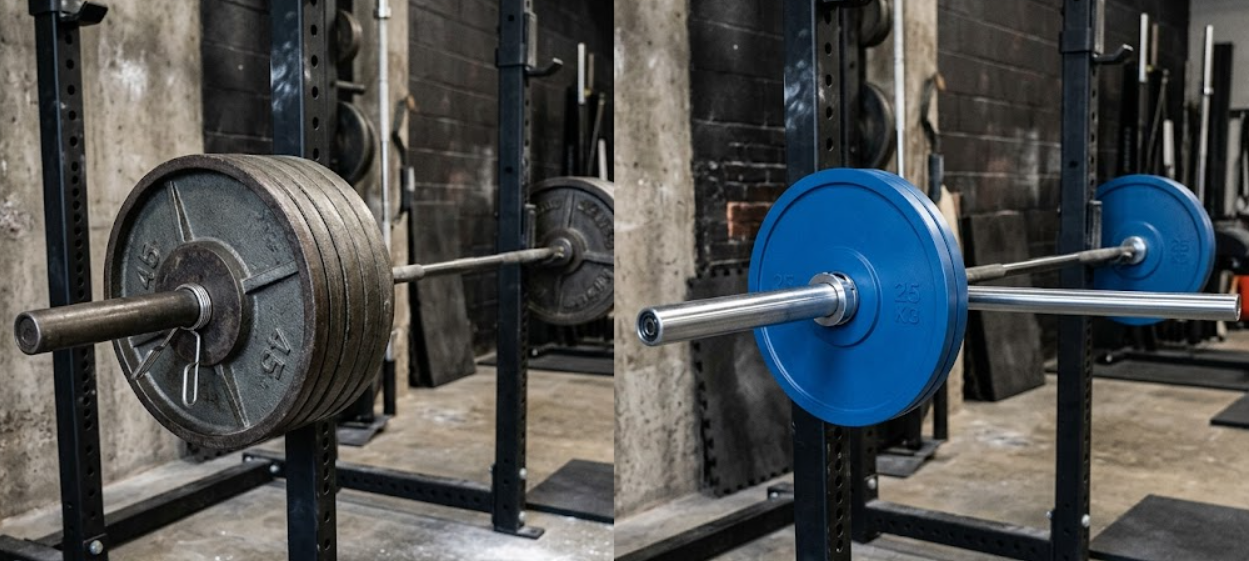
A professional wholesale fitness gear supplier provides value through high durability and minimal maintenance requirements. While a budget China factory might offer lower per-unit prices, the total cost of ownership (TCO) can escalate if the components lack structural integrity. For distributors, investing in premium builds reduces the frequency of replacement cycles and protects brand reputation in the commercial market.
TCO Comparison: Low-Cost Supplier vs. Reliable Fitness Gear Manufacturer OEM
To visualize the impact on your long-term margins, consider the following comparison. While a generic fitness gear manufacturer might offer a lower upfront quote, the hidden costs of frequent replacements and downtime can erode your profitability. High-tier OEM production focuses on maximizing the lifecycle of every unit to ensure a better return on investment for your end-users.
| Cost Factor | Low-cost/Generic Supplier | Reliable Fitness Gear Manufacturer OEM |
|---|---|---|
| Initial Purchase Price | Lowest per-unit cost | Mid-to-high premium pricing |
| Replacement Frequency | High (due to component fatigue) | Low (engineered for high usage) |
| Maintenance Costs | Frequent/High labor requirements | Minimal/Scheduled maintenance only |
| Long-term ROI | Diminished by downtime/replacements | Optimized via extended equipment life |
| Sourcing Strategy | Basic sourcing China trade | Strategic factory-direct partnership |
Before finalizing your procurement plan, we recommend requesting a detailed technical spec sheet to verify material grades and confirming the MOQ for customized components. It is also prudent to schedule a pre-shipment inspection to ensure the build quality aligns with your distributor standards.
Optimizing Operational Margins via Factory-Level QC
The true cost of a shipment is often determined long before it reaches the port. A high-tier fitness gear manufacturer mitigates risk by implementing rigorous pre-shipment inspection protocols that verify structural integrity and component tolerances. For distributors, this scrutiny is essential; high-grade material durability directly prevents the costly lead time impact on replacement cycles that occurs when inferior parts fail prematurely. By prioritizing a factory-direct partner that utilizes standardized testing, importers can avoid the logistical nightmare of shipping replacement parts for broken units, thereby protecting their long-term profit margins during bulk procurement.
Material Durability and Structural Integrity Standards
For distributors managing long-term replacement cycles, the fitness gear manufacturer must prioritize structural longevity over initial unit cost. High-volume wholesale orders demand components that withstand heavy commercial use without frequent failure. When sourcing from a China factory, verifying the grade of raw materials is essential to prevent premature wear and high maintenance costs in the field.
A professional fitness gear manufacturer ensures long-term TCO by utilizing high-grade steel and industrial-strength polymers. Rigorous QC protocols during the fabrication process prevent defects in welding and coating, which are critical for maintaining structural integrity under heavy loads. Failure to verify these standards can significantly increase the landed cost through excessive warranty claims.
| Material Component | Standard Specification | Impact on TCO | Procurement Focus |
|---|---|---|---|
| Frame Construction | High-grade steel | Reduces structural fatigue | Wall thickness/Welding quality |
| Moving Parts | Reinforced polymers | Extends component lifespan | Abrasion resistance |
| Surface Coating | Electrostatic powder | Prevents rust/oxidation | Adhesion and thickness |
To optimize the landed cost impact, importers must weigh material grades against volume-based pricing. For high-tier commercial clients, upgrading specifications via OEM customization is often more cost-effective than managing frequent replacements. Below is a technical comparison to assist in your fitness gear sourcing decisions based on different market tiers.
| Material Component | Premium Specification | Standard Specification | Sourcing Strategy |
|---|---|---|---|
| Padding/Upholstery | High-density foam & PU | Standard EVA foam | Higher MOQ for custom density |
| Frame Finish | Industrial powder coating | Basic spray paint | Verify thickness for durability |
| Structural Hardware | Stainless steel components | Zinc-plated steel | Best for high-humidity environments |
When evaluating a fitness gear manufacturer, always request technical data sheets for these specific components. We recommend confirming the factory testing methods for coating adhesion and foam compression before finalizing bulk orders.
Verifying Load Capacity and Structural Reliability
To mitigate long-term maintenance liabilities, professional importers must look beyond surface aesthetics and verify the mechanical limits of the equipment. High-quality fitness gear sourcing China involves scrutinizing the manufacturer's approach to stress testing. Reliable fitness gear manufacturer partners utilize automated testing rigs to simulate repetitive high-impact use, ensuring the load-bearing capacity meets or exceeds international commercial standards. This validation is critical for maintaining bulk order reliability across diverse global markets.
A robust pre-shipment inspection protocol should include a review of durability certification documents and physical load tests. Rather than relying solely on visual checks, procurement specialists should request evidence of fatigue testing on critical joints and welding points. Implementing these rigorous factory-direct quality controls ensures that your wholesale shipments arrive with the structural integrity required to minimize future warranty claims and protect your distributor margins.
Optimizing Maintenance Cycles for Commercial Deployments
Distributors and gym operators must look beyond the initial purchase price to understand the long-term operational costs of their inventory. When sourcing equipment in bulk, the quality of internal components determines whether your client's facility remains profitable or suffers from frequent downtime.
The Impact of Component Grade on TCO
The relationship between a fitness gear manufacturer and the end-user's lifecycle cost is defined by the durability of wear parts. High-volume importers often face hidden costs when a fitness gear manufacturer utilizes low-grade bearings, bushings, or electronic sensors to lower the initial unit price. Such low-quality OEM components significantly increase the Total Cost of Ownership (TCO) through frequent replacement cycles and increased labor costs for technicians.
To protect your margins as a wholesale fitness gear supplier, prioritize a China factory that adheres to strict factory-direct quality standards. Utilizing premium grade steel and reinforced high-density components ensures that the equipment can withstand heavy commercial usage without constant mechanical failure.
Maintenance Specification Comparison: Standard vs. Heavy-Duty
When negotiating with a fitness gear manufacturer, procurement professionals must distinguish between standard consumer-grade builds and commercial-grade specifications. For large-scale distributors, the choice between these tiers dictates the long-term service requirements and the stability of the replacement part supply chain.
| Specification Metric | Standard Commercial Grade | Heavy-Duty / High-Traffic Grade |
|---|---|---|
| Component Specifications | Standard steel, basic bushings | Reinforced steel, high-grade bearings |
| Maintenance Frequency | Monthly/Quarterly inspection | Bi-annual/Annual inspection |
| Replacement Part Availability | Standard stock items | Dedicated OEM spare parts |
| MOQ for Custom Parts | High volume required | Flexible wholesale tier options |
To mitigate the risk of equipment downtime, always request a detailed technical specification sheet and confirm the MOQ for essential replacement components before finalizing your sourcing agreement. We recommend requesting a sample approval and a thorough factory audit to verify that the manufacturer can consistently supply high-durability parts for your long-term inventory needs.
Mitigating Risk via QC and Spare Parts Logistics
Effective fitness gear sourcing China strategies must account for the logistical complexities of post-purchase support. Relying solely on the primary shipment is a common mistake for importers; instead, integrate a pre-shipment inspection protocol that verifies not just the main units, but also the consistency of auxiliary components. A reliable fitness gear manufacturer should offer a dedicated spare parts kit—containing high-wear items like cables, bolts, and sensors—to ensure immediate onsite repairs.
Furthermore, professional procurement teams must vet the lead time for replacement components to avoid prolonged facility downtime. A wholesale fitness gear supplier with robust inventory management can significantly lower your landed cost optimization risks by providing rapid-response shipping for critical parts. Always verify that the factory maintains a stable stock of essential components to protect your long-term service reputation.
Customization Capabilities and OEM/ODM Development
When distributors evaluate a fitness gear manufacturer, understanding the technical gap between simple private label services and full-scale product development is critical for managing long-term landed costs. A China factory offering only basic branding may limit your market differentiation, whereas a partner with deep R&D capability allows for true structural innovation.
Distinguishing OEM vs. ODM for Bulk Procurement
Choosing between OEM and ODM directly impacts your sourcing strategy and initial investment. An OEM model typically involves manufacturing products based on your exact design specifications, which is ideal for established brands seeking precise control over components. Conversely, an ODM approach leverages the fitness gear manufacturer's existing intellectual property, allowing you to customize standard models to reduce development lead times and R&D overhead.
| Feature | OEM (Original Equipment Manufacturing) | ODM (Original Design Manufacturing) |
|---|---|---|
| Development Focus | Buyer-provided blueprints and specs | Manufacturer-led design and innovation |
| Customization Level | High (Full control over materials/build) | Moderate (Modifying existing frameworks) |
| Typical MOQ | Higher, due to custom tooling costs | Lower, utilizing existing production lines |
| Landed Cost Impact | Higher upfront R&D/tooling investment | Lower initial cost; faster time-to-market |
Strategic Investment Comparison: Wholesale vs. Custom Development
For distributors, the choice between sourcing from a wholesale fitness gear supplier for stock items or initiating custom development depends on your brand's maturity. While stock procurement offers rapid fulfillment, it lacks the unique market positioning provided by a specialized fitness gear manufacturer. Consider the following variables when calculating your total investment.
| Requirement | Standard Wholesale Procurement | Full Custom Development (OEM/ODM) |
|---|---|---|
| Design Control | Minimal (Standardized models) | Maximum (Proprietary builds) |
| Development Cycle | Immediate (Ready-to-ship) | Extended (Months for R&D/Testing) |
| Tooling Cost | Zero (Included in unit price) | Significant (Initial mold/die investment) |
| Lead Time | Short (Standard production run) | Long (Includes prototyping/validation) |
| Typical MOQ | Lower (Based on existing stock) | Higher (To amortize custom costs) |
Before committing to a custom project, we recommend requesting a detailed technical spec sheet and confirming the MOQ requirements for specialized components. Always perform a factory audit or book a pre-shipment inspection to ensure custom builds meet your exact durability standards.
The Financial Impact of Tooling and Long-Term Maintenance
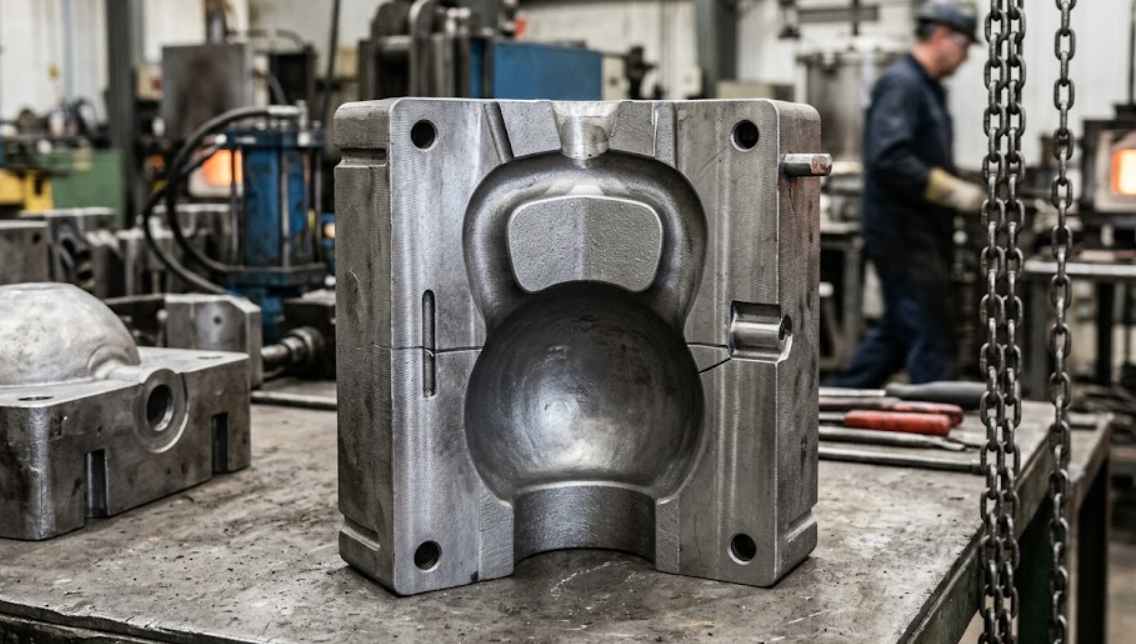
When engaging in fitness gear sourcing China for proprietary designs, buyers must account for the high tooling investment required for custom injection molds or steel dies. While high-volume bulk procurement helps amortize these initial costs, the long-term TCO is heavily influenced by mold maintenance and component wear. A professional fitness gear manufacturer will provide data on long-term durability, ensuring that custom parts do not become a maintenance bottleneck. Prioritize cost-efficiency by balancing the desire for unique aesthetics with the necessity of using standardized, high-durability mechanical parts to lower your long-term operational expenses.
Evaluating China Factory Production and Lead Time Reliability
For distributors managing high-volume inventory, a fitness gear manufacturer must demonstrate more than just product quality; they must provide timeline predictability. When sourcing directly from a China factory, fluctuations in production cycles can drastically alter your landed cost through unexpected air freight surcharges or missed seasonal windows.
The Impact of Lead Time on Procurement Budgets
Reliable wholesale procurement depends on a stable lead time. If a fitness gear manufacturer lacks optimized production scheduling, even a slight delay in raw material arrival can push your shipment past the ocean freight booking window. Such volatility forces importers to switch to expedited shipping, which erodes the margin benefits of bulk ordering. To maintain a competitive MOQ and predictable landed cost, always verify if the factory maintains a buffer of core components to mitigate supply chain disruptions.
Production Model Comparison: Cost Predictability vs. Customization
Importers must decide between standardized orders and bespoke development. While a wholesale fitness gear supplier offers lower entry barriers, a fitness gear manufacturer OEM model provides greater control over brand identity, albeit with higher upfront complexity. Use the table below to evaluate how different sourcing strategies impact your total procurement budget and timeline.
| Feature | Standard Wholesale Model | Fitness Gear Manufacturer OEM |
|---|---|---|
| Cost Volatility | Low; fixed pricing for existing SKUs. | Moderate; varies with customization fees and material specs. |
| Production Cycle | Short; utilizes existing stock or standard runs. | Longer; requires dedicated production cycle for custom tooling. |
| MOQ Requirements | Lower; typically based on standard pallet units. | Higher; driven by specialized component requirements. |
| Design Control | Limited to color or minor branding. | High; full control over mechanical and aesthetic specs. |
Before finalizing your order, we recommend you request a spec sheet for all customized components and confirm the MOQ for any proprietary parts to ensure long-term supply stability.
The Hidden Costs of Neglecting Quality Control
A low initial price from a fitness gear manufacturer can quickly become a liability if the quality control protocols are insufficient. For large-scale distributors, a single defective batch of mechanical components can trigger massive returns, high labor costs for field repairs, and diminished brand trust. When fitness gear sourcing China involves bypassing rigorous oversight, the resulting high failure rates drastically increase the long-term lifecycle TCO.
To mitigate these financial risks, professional importers should mandate a formal pre-shipment inspection. This process ensures that every unit in your bulk order meets the agreed-upon mechanical tolerances and durability standards before leaving the factory-direct facility. By investing in thorough QC at the source, you protect your profit margins from the high costs of post-import defects and equipment downtime.
Pre-Shipment Quality Control and Export Packaging Protocols
For distributors managing high-volume imports, the total cost of ownership is heavily dictated by the rigor of the pre-shipment inspection. Relying on a fitness gear manufacturer that lacks standardized QC standards often results in higher long-term operational expenses due to premature component failure. To protect your margins, ensure your China factory partner conducts rigorous durability testing on mechanical joints and electronic interfaces before the final export stage.
Strict factory-direct quality control protocols are essential for reducing maintenance frequency across your entire fleet. By verifying tolerances and load-bearing stability during the production phase, you mitigate the risk of costly onsite repairs and downtime for your end-users. Implementing a professional sourcing workflow that includes third-party verification ensures that every bulk order meets the structural integrity required for commercial environments.
Mitigating Transit Damage Through Optimized Export Packaging
To protect your landed cost, a professional wholesale fitness gear supplier must implement rigorous export packaging protocols designed for long-haul ocean freight. High-density, heavy-duty shipping cartons are mandatory for smaller components to prevent crushing, while oversized equipment requires reinforced wooden crates or steel frames. To avoid oxidation and rust during trans-Pacific transit, ensure your fitness gear manufacturer utilizes advanced moisture protection, such as vacuum sealing or industrial desiccants. Prioritizing these logistics safety standards during bulk procurement minimizes the need for expensive replacement parts and prevents the erosion of your distributor margins due to arrival-stage defects.
QC & Packaging Verification Checklist
Before authorizing final payment or booking a container, importers must verify that the fitness gear manufacturer has met all technical and logistics specifications. Relying on a visual check is insufficient for high-volume orders; a structured verification process is required to ensure the wholesale fitness gear supplier has addressed every structural and aesthetic detail. Use the following checklist to confirm MOQ compliance and readiness for ocean freight.
| Inspection Category | Critical Verification Point | B2B Sourcing Requirement |
|---|---|---|
| Structural Integrity | Welding seams and bolt torque | Zero tolerance for hairline cracks |
| Surface Finish | Coating uniformity and adhesion | No peeling or oxidation under moisture |
| Packaging Durability | Box crush strength and pallet stability | Capable of multi-stack container loading |
| Component Verification | Mechanical movement and electronic sync | Full operational cycle test completed |
| Final Sign-off | Documented pre-shipment inspection | Verified against approved OEM samples |
Once the checklist is satisfied, proceed to secure the final inspection sign-off. For complex fitness gear sourcing China projects, it is highly recommended to engage a third-party inspector to validate that the actual production batch aligns with your initial technical spec sheets and export packaging requirements.
Strategic Procurement Checklist for Global Distributors
For distributors and large-scale gym chains, selecting a reliable fitness gear manufacturer requires looking far beyond the initial quote. Successful wholesale procurement depends on understanding that the lowest unit price often masks hidden expenses. To protect your margins, you must calculate the true landed cost, which includes freight, customs duties, and local logistics.
When sourcing directly from a China factory, procurement professionals must evaluate how bulk orders impact the total budget. A lower MOQ might seem attractive for testing markets, but factory-direct pricing typically scales significantly with volume. A professional fitness gear manufacturer will provide transparent breakdowns to help you balance upfront investment against long-term operational savings.
Sourcing Model Comparison: OEM vs. Private Label
Distributors must decide between speed-to-market and complete brand autonomy. Choosing a fitness gear manufacturer OEM model allows for high customization, whereas private label options offer faster turnover. Use the following comparison to align your procurement strategy with your capital availability and brand goals.
| Feature | OEM (Original Equipment Manufacturer) | Private Label / White Label |
|---|---|---|
| Manufacturing cost | Higher due to custom engineering | Lower; based on standard production |
| Tooling investment | Significant upfront cost for molds | Minimal to zero |
| Lead time | Extended for R&D and tooling | Short; utilizes existing stock/lines |
| Customization | Full control over ODM specs | Limited to logo and color |
| QC Focus | Strict pre-shipment of new parts | Standardized quality control |
Before finalizing a contract, request a detailed specification sheet and confirm the MOQ for custom components. Always schedule a factory audit or a third-party pre-shipment inspection to ensure the output matches your durability requirements.
Mitigating Risk in Fitness Gear Sourcing China
The true cost of equipment is rarely found in the initial invoice. When engaging in fitness gear sourcing China, buyers often encounter the "low-price trap," where subpar materials lead to premature mechanical failure. Low-grade steel or inferior upholstery increases frequent maintenance requirements, forcing distributors to deal with constant warranty claims and replacement cycles. This volatility destroys your long-term ROI and damages your reputation with end-users.
To ensure high durability, professional procurement must mandate rigorous quality assurance protocols. Do not rely solely on factory self-reports; instead, integrate a mandatory pre-shipment inspection into your purchase orders. By verifying structural integrity and component tolerances before the container is sealed, you mitigate the risk of receiving high-maintenance goods that inflate your total cost of ownership.