How to Customize Kettlebell with Logo: China Factory OEM
How to Customize Kettlebell with Logo: Strategic Branding for Distributors
Many distributors fail by treating branding as a superficial afterthought, such as applying low-quality stickers that peel under commercial use, which degrades the perceived value of the entire shipment. A superior sourcing strategy involves integrating the logo directly into the production phase through a private label kettlebell manufacturer to ensure durability. Knowing how to customize kettlebell with logo effectively allows importers to transition from selling generic commodities to providing high-margin, branded assets that strengthen their brand identity in competitive fitness markets.
For professionals managing large-scale wholesale gym equipment OEM orders, the method of customization dictates both the long-term durability and the final landed cost. High-volume buyers must decide between surface-level applications and structural integration to maximize ROI. Selecting the right China factory to handle these technical requirements ensures that the finished product meets international commercial standards while maintaining a premium aesthetic for end-users.
Branding Techniques: Casting vs. Printing
When evaluating custom branded kettlebells, procurement leads must weigh the trade-offs between aesthetic precision and manufacturing complexity. The choice between casting and printing affects not only the visual appeal but also the long-term maintenance load and replacement frequency in high-traffic commercial environments.
| Customization Method | Production Process | Durability Level | Ideal Use Case |
|---|---|---|---|
| Integral Casting | Logo is molded directly into the iron or steel during the casting phase | Highest: Permanent and resistant to wear or impact | Premium commercial lines and heavy-duty strength equipment |
| Laser Engraving | High-precision laser etching onto the surface of the metal or coating | High: Very clean and professional look with deep etching | High-end boutique studio equipment and specialized weight sets |
| Silk Screen Printing | Ink application through a stencil onto the surface coating | Moderate: Susceptible to abrasion over long-term heavy usage | Standard gym sets where cost-efficiency is the priority |
| Pad Printing | Transferring ink via a silicone pad onto curved surfaces | Moderate: Good for complex logos on rounded kettlebell bodies | Mid-tier commercial equipment and branded accessory lines |
Selecting the appropriate technique is a critical decision for any distributor looking to optimize their product tiering. While integral casting offers the highest level of permanence, it often involves higher tooling costs and stricter MOQ requirements. Conversely, surface-level printing offers greater flexibility for rapid design changes but carries a higher risk of degradation in high-intensity training environments. To ensure the most efficient sourcing process, procurement managers should align their branding choice with the intended market position and the expected lifecycle of the equipment.
Before finalizing a production run, we recommend requesting a physical sample or a high-resolution photographic verification of the branding detail. Confirming the depth of an embossed logo or the opacity of a printed one allows you to validate the quality control standards of your chosen supplier. Once the sample meets your specifications, you can proceed with a formal quote to finalize the landed cost and shipping schedule for your bulk order.
Optimizing your distributor margin requires a precise balance between visual impact and operational durability. When you understand how to customize kettlebell with logo through structural methods like integral casting, you reduce the risk of branding failure during transit or heavy commercial use. This level of technical integration ensures that your branded assets maintain a premium appearance, which is essential for building long-term trust with high-end gym clients and studio owners.
To mitigate procurement risks, professional buyers should coordinate closely with their China factory during the pre-production phase. This includes verifying how the branding method interacts with different surface finishes, such as powder coating or vinyl layers. By aligning your branding strategy with the specific manufacturing capabilities of an experienced OEM partner, you can secure a product that meets both your aesthetic standards and your commercial durability requirements.
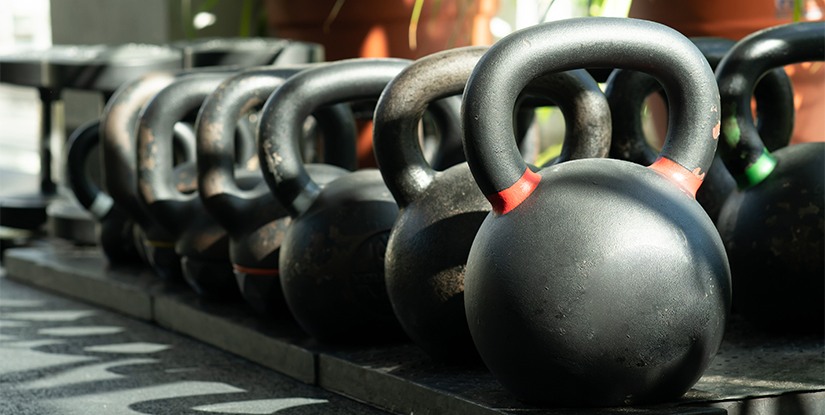
Technical Methods for How to Customize Kettlebell with Logo
When managing a high-volume procurement cycle, understanding how to customize kettlebell with logo is essential to ensuring brand longevity and minimizing replacement costs. For distributors and gym owners, the choice of branding method directly impacts the total cost of ownership and the visual integrity of the equipment under heavy commercial use.
A professional private label kettlebell manufacturer typically utilizes three distinct technical processes to ensure your identity remains visible despite the high-impact environment of a training facility. Selecting the right method depends on your target weight range, budget, and desired aesthetic durability.
Casting, Engraving, and Printing Specifications
The most permanent method for custom branded kettlebells is casting. During this process, the logo is integrated directly into the mold before the iron is poured. This creates a recessed, three-dimensional mark that is physically part of the unit, making it impossible to wear off through standard use. This is the preferred choice for wholesale gym equipment OEM orders where long-term durability is the primary concern for commercial-grade products.
For a more refined look, laser engraving offers high precision for lighter weights or premium metal-coated surfaces. While highly detailed, it is often used for specialized boutique series. Conversely, silk screen printing is a cost-effective solution for high-volume wholesale orders, providing sharp color contrast. However, because it sits on the surface, it is more susceptible to abrasion over time compared to casting. When sourcing from a China factory, we recommend matching the branding method to the specific material and usage intensity of your target market to optimize your landed cost and product lifespan.
| Branding Method | Durability Level | Ideal For | Cost Impact | Wholesale/Bulk Suitability |
|---|---|---|---|---|
| Integral Casting | Extreme (Permanent) | Cast Iron / Heavy Weights | Moderate to High | Excellent for high-volume orders |
| Laser Engraving | High (Precision) | Premium Metal / Boutique Series | High | Best for specialized/limited runs |
| Silk Screen Printing | Moderate (Surface) | Vinyl or Painted Surfaces | Low | Optimized for large-scale wholesale |
| Pad Printing | Low to Moderate | Small Details / Smooth Surfaces | Low | Suitable for standard OEM batches |
To ensure your procurement decision aligns with your long-term ROI, we suggest requesting a technical spec sheet from your supplier to confirm the specific depth of casting or the type of ink used in printing. For large-scale distribution, confirming the MOQ for high-durability casting methods early in the sourcing process will prevent unexpected costs during the production phase.
To ensure your procurement decision aligns with your long-term ROI, we suggest requesting a technical spec sheet from your supplier to confirm the specific depth of casting or the type of ink used in printing. For large-scale distribution, confirming the MOQ for high-durability casting methods early in the sourcing process will prevent unexpected costs during the production phase.
Comparing Customization Techniques and Sourcing Models
Selecting the right method for how to customize kettlebell with logo depends on your brand identity requirements and the desired durability for commercial environments. For distributors, balancing aesthetic precision with production cost and MOQ is critical to maintaining healthy margins when sourcing from a China factory.
The three primary methods—casting, silk screen, and laser/pad printing—offer different levels of permanence and cost-efficiency. While casting provides the highest level of branding durability by integrating the logo directly into the iron, silk screen printing offers high visual impact for custom branded kettlebells at a lower price point. Laser engraving provides a premium, subtle finish often used for high-end boutique studio lines.
| Branding Method | Visual Style | Durability Level | Typical MOQ | Sourcing Impact |
|---|---|---|---|---|
| Casting | Embossed/Debossed | Permanent | Higher | Best for long-term heavy use |
| Silk Screen | High Color Contrast | Moderate | Lower | Fastest for seasonal collections |
| Laser Engraving | Precision/Minimalist | High | Medium | Premium aesthetic for studios |
| Pad Printing | Detailed Graphics | Low to Medium | Low | Cost-effective for small batches |
When managing wholesale gym equipment OEM projects, professional buyers must weigh these technical specifications against the total landed cost. Choosing a private label kettlebell manufacturer that offers versatile OEM capabilities ensures you can scale your brand presence without being restricted by a single production technique. We recommend requesting a sample evaluation for each method to verify how the logo withstands high-frequency commercial usage before finalizing your bulk order.
For distributors and procurement leads, the decision between different branding methods is rarely about aesthetics alone; it is a strategic calculation of long-term durability versus initial capital expenditure. A high-quality private label kettlebell manufacturer will provide data on how each technique performs under heavy commercial friction to ensure your brand identity remains intact throughout the product lifecycle.
| Technique | Visual Effect | Durability | Cost Level | Best For (Wholesale/Retail/Premium) |
|---|---|---|---|---|
| Integral Casting | 3D Embossed/Debossed | Highest (Permanent) | High | High-volume commercial distribution |
| Silk Screen Printing | Vibrant/High Contrast | Moderate | Low | Retail-focused lifestyle collections |
| Laser Engraving | Subtle/Precision | High | Medium | Premium boutique studio lines |
| Pad Printing | Detailed/Graphic | Low-Medium | Low | Small-batch specialized training sets |
Understanding how to customize kettlebell with logo through these various channels allows importers to optimize their product tiers. For instance, using casting for core heavy-duty lines reduces replacement claims due to worn-off logos, while silk screen options can help a supplier offer more diverse colorways for seasonal marketing. Before finalizing your wholesale procurement plan, we suggest confirming the specific MOQ for each technique to ensure your landed cost remains within target margins.
Understanding how to customize kettlebell with logo through these various channels allows importers to optimize their product tiers. For instance, using casting for core heavy-duty lines reduces replacement claims due to worn-off logos, while silk screen options can help a supplier offer more diverse colorways for seasonal marketing. Before finalizing your wholesale procurement plan, we suggest confirming the specific MOQ for each technique to ensure your landed cost remains within target margins.
China Factory OEM Capabilities and Customization Workflow
For distributors and professional gym equipment importers, understanding how to customize kettlebell with logo is essential for building brand equity and increasing market value. A professional China factory provides various technical pathways to integrate your identity into the product, ranging from permanent structural changes to high-durability surface applications. These methods ensure that your private label kettlebell manufacturer delivers a product that meets both aesthetic standards and commercial durability requirements.
The OEM/ODM workflow begins with technical specification alignment, ensuring your branding does not compromise the structural integrity or weight accuracy of the unit. Whether you are sourcing for a boutique studio chain or a large-scale fitness distributor, choosing the correct method affects both the wholesale unit cost and the long-term visual appeal of the equipment.
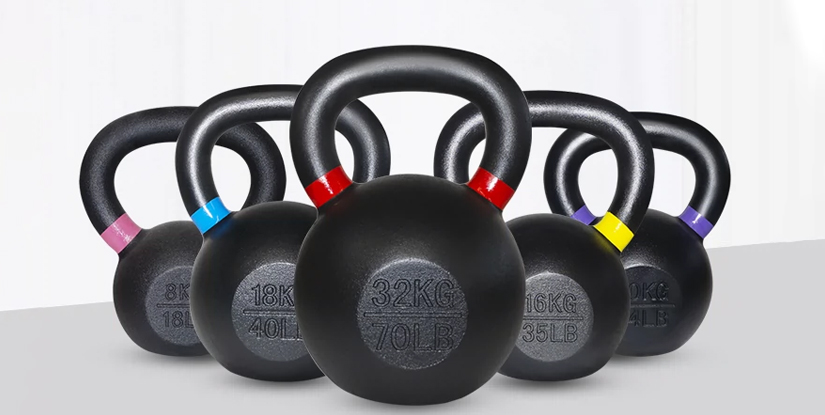
Technical Methods for Branding Application
Different materials require specific technical precision to ensure the logo remains legible and durable under heavy commercial use. A reliable supplier will offer several distinct options based on your budget and the desired level of permanence.
- Casting and Mold Integration: This is the most permanent method, where the logo is part of the physical mold. This is ideal for cast iron or cement kettlebells, as the branding is embossed or debossed directly into the surface during the casting process.
- Laser Engraving: For metal-based or high-density polymer kettlebells, laser engraving offers extreme precision. This method is highly effective for professional-grade equipment where a clean, high-end look is required.
- Silk Screen and Pad Printing: This is a common choice for custom branded kettlebells with vinyl or rubber coatings. While cost-effective for high-volume wholesale orders, the durability of the print depends heavily on the quality of the ink and the surface preparation.
- Heat Transfer and UV Printing: These methods provide high-resolution color graphics, suitable for premium lifestyle or functional training products that require more complex visual elements.
B2B Customization Options Comparison
| Method | Durability Level | Visual Style | Best For |
|---|---|---|---|
| Casting | Permanent | Textured/3D | Cast Iron/Cement |
| Laser Engraving | High | Clean/Minimalist | Metal/Premium Series |
| Pad Printing | Moderate | Color/Graphic | Vinyl/Rubber Coated |
| Heat Transfer | Standard | Full Color/Detailed | Lifestyle/Home Gym |
When evaluating your wholesale gym equipment OEM options, consider the total landed cost and the impact of the branding method on your target market's perception. For instance, while casting is more expensive during the initial mold setup, it offers the highest durability for heavy-use commercial environments, reducing replacement frequency and long-term maintenance load.
Selecting the optimal branding technique directly impacts your long-term distributor margins and the total cost of ownership for your clients. When you determine how to customize kettlebell with logo, you must balance the initial setup costs against the expected service life of the equipment in high-traffic facilities. For example, while 3D casting requires a higher upfront investment in mold creation, it eliminates the risk of logo degradation, making it a superior choice for high-end commercial strength segments.
Before finalizing your bulk order, we recommend requesting a physical sample or a high-resolution digital proof to verify color accuracy and logo placement. A professional China factory will typically provide a pre-production sample for your approval to ensure the branding meets your specific quality control standards. Once the sample is validated, the production phase can proceed toward full-scale wholesale fulfillment, including final weight verification and export-ready packaging.
Standardized Procurement and Fulfillment Workflow
To mitigate sourcing risks, professional buyers must align on a structured workflow that covers everything from design validation to final logistics. A standard wholesale process ensures that technical specifications for weight, diameter, and branding are locked in before mass production begins. This structured approach minimizes the risk of receiving non-compliant batches and helps in accurate landed cost forecasting.
The typical production cycle for custom branded kettlebells involves several critical stages of verification. Once the initial design is approved, the factory moves into mass production, which is closely monitored by a dedicated QC team. This oversight is vital to ensure that every unit in the bulk shipment adheres to the same weight tolerances and branding precision established during the sampling phase.
Logistics, Packaging, and Shipping Standards
Efficient shipping logistics and robust packaging are non-negotiable for overseas distributors. Because kettlebells are high-density, heavy-weight items, the packaging must be designed to withstand the rigors of international ocean freight and container loading. Improper packing can lead to damaged finishes or even structural issues during transit, which directly impacts your inventory value and distributor margins.
A professional China factory utilizes specialized export packaging to protect the product integrity. This often includes reinforced cartons and optimized palletization to maximize container space efficiency. When you confirm your MOQ and finalize the order, the supplier should provide a detailed packing list and weight specifications. This data is essential for your freight forwarder to calculate accurate shipping costs and manage the final arrival of your wholesale gym equipment OEM order at your local warehouse or distribution center.
Quality Control and Pre-Shipment Inspection Standards
Maintaining rigorous quality control protocols is essential when you how to customize kettlebell with logo at scale. For distributors and gym equipment importers, a single batch of defective units can lead to massive commercial liability, costly returns, and irreparable damage to your brand reputation. Relying on a China factory with established commercial gym standards ensures that every piece of equipment meets the structural integrity required for high-traffic environments.
A professional private label kettlebell manufacturer must implement strict oversight throughout the production cycle. This includes monitoring the casting consistency of the iron, the precision of the handle diameter, and the durability of the custom logo application. Without comprehensive China factory oversight, you risk batch consistency issues where weight tolerances deviate or branding peels off during use. For wholesale gym equipment OEM buyers, a pre-shipment inspection is a non-negotiable step to protect your landed cost and ensure the custom branded kettlebells arriving at your warehouse match the approved sample exactly.
Multi-Stage Inspection Protocols for Bulk Orders
To mitigate the risk of high return rates and diminished distributor margins, a professional private label kettlebell manufacturer executes a multi-stage inspection process. This begins with raw material verification, where the material purity of the iron or steel is tested to ensure density and structural stability. During the casting phase, technical teams monitor for casting defects, such as air bubbles or surface irregularities, which could compromise the durability of the unit in a high-intensity commercial setting. Precise weight tolerance checks are performed at every weight increment to guarantee that the finished product aligns with international commercial specifications, preventing discrepancies that could lead to compliance issues for your clients.
The final stage of the wholesale gym equipment OEM process focuses on the longevity of your custom branding. We conduct rigorous testing on logo adhesion, ensuring that whether the logo is cast directly into the iron or applied via high-durability printing, it remains intact under heavy use and environmental exposure. Before any container is sealed, a comprehensive pre-shipment inspection is conducted to verify that the entire batch meets the approved sample. For large-scale sourcing projects, this level of oversight ensures that your wholesale order arrives ready for immediate distribution without the need for costly replacements or quality-related adjustments.
Procurement Manager's Inspection Checklist
To streamline your sourcing process and reduce the risk of defective shipments, use this checklist during your factory audit or sample evaluation. A high-tier supplier will provide detailed documentation for each of these points to confirm how to customize kettlebell with logo according to your specific brand identity and weight requirements.
| Inspection Category | Critical Verification Metric | Commercial Impact |
|---|---|---|
| Weight Accuracy | Deviation within industry-standard tolerances per unit | Prevents compliance issues and ensures professional consistency |
| Surface Finish | Smoothness of casting and absence of sharp edges | Reduces maintenance load and prevents user injury |
| Logo Durability | Resistance to peeling, scratching, or fading | Protects your brand identity and long-term product value |
| Handle Integrity | Uniform diameter and consistent grip texture | Ensures ergonomic safety for high-traffic commercial use |
| Packaging Integrity | Reinforced cartons and moisture-proof lining | Minimizes transit damage and protects your landed cost |
| Bulk Order Verification | Random sampling matches approved prototype/sample | Guarantees batch consistency for all distributed units |
We recommend that all procurement leads request a formal inspection report or a video walkthrough of the factory QC process before finalizing any large-scale wholesale shipment. Confirming these technical details early helps optimize your total cost of ownership and ensures your custom branded kettlebells arrive ready for immediate commercial deployment.
Optimizing Logistics and Export Packaging for Bulk Orders
Managing the how to customize kettlebell with logo process requires more than just aesthetic design; it demands rigorous attention to the final landed cost. For international distributors and gym equipment importers, the true cost of a shipment is determined by how efficiently the China factory manages the transition from production to the shipping container. Inefficient packaging leads to wasted volume and increased freight expenses, which directly erodes your profit margins on bulk orders.
To maintain high shipping efficiency, professional wholesale gym equipment OEM services implement strict weight/volume optimization protocols. This involves utilizing heavy-duty, reinforced corrugated boxes and customized palletizing to ensure damage prevention during long-distance sea freight transit. By maximizing container loading optimization, a reliable supplier ensures that every cubic meter of space is utilized, effectively lowering the per-unit shipping cost for your private label kettlebell manufacturer project.
| Logistics Strategy | Standard Export Method | Professional OEM Optimization |
|---|---|---|
| Packaging Type | Single basic carton | Reinforced multi-layer corrugated box with internal dividers |
| Palletization | Loose loading | Standardized pallet stacking for stability and rapid unloading |
| Space Utilization | High void space | High-density nesting and volume-optimized dimensions |
| Risk Management | Basic protection | Advanced moisture-proof and impact-resistant layering |
Understanding the variables behind shipping modes is essential for calculating the final landed cost of your inventory. Depending on your market demand and inventory turnover rates, you may choose between speed and cost-efficiency. A professional private label kettlebell manufacturer will provide detailed shipping quotations based on your specific volume to ensure your custom branded kettlebells arrive within your budget and timeline.
| Shipping Method | Primary Cost Impact | Typical Lead Time | Suitability for Bulk Orders |
|---|---|---|---|
| Sea Freight | Lowest per-unit cost; highly economical for heavy weights | 30–45 days (depending on destination port) | Best for large-scale wholesale replenishment and high-volume distributors |
| Air Freight | Highest cost; significant impact on total procurement budget | 5–10 days | Ideal for rapid prototyping, sample approval, or urgent stock shortages |
| LCL (Less than Container Load) | Moderate cost; based on cubic meter (CBM) usage | 20–35 days | Suitable for mid-sized orders that do not meet full container requirements |
| Express Courier | Premium pricing; highest impact on per-unit landed cost | 3–7 days | Reserved for small MOQ testing or initial OEM sample verification |
To optimize your procurement strategy, we recommend a hybrid approach: utilize sea freight for your primary bulk orders to maintain competitive distributor margins, while reserving air freight for rapid sample evaluation. Before finalizing your shipment, always request a detailed packing list and weight specifications from your China factory to ensure accurate freight calculations and warehouse planning.
Ensuring Quality Assurance Through Rigorous QC Protocols
A critical component of the how to customize kettlebell with logo workflow is the final validation of product integrity. For high-volume importers, the risk of receiving a shipment with weight variances or surface defects can lead to significant returns and lost revenue. A professional wholesale gym equipment OEM partner mitigates these risks by implementing a multi-stage QC (Quality Control) system that monitors everything from raw material density to the precision of the logo application.
Before any container is sealed, a comprehensive pre-shipment inspection is mandatory to ensure the batch meets your technical specifications. This includes verifying the weight accuracy of each unit, checking the smoothness of the handle, and confirming the durability of the custom branding. For a private label kettlebell manufacturer, this level of oversight is the difference between a successful product launch and a costly logistical failure. By prioritizing these standards, the factory ensures that your custom branded kettlebells arrive in commercial-ready condition, ready for immediate retail or gym deployment.
Sourcing Checklist for Professional Buyers
Navigating the transition from generic stock to how to customize kettlebell with logo requires a structured procurement strategy. For professional buyers, the goal is to move beyond standard off-the-shelf units to create a distinct brand identity that enhances distributor margins and client loyalty. Effective sourcing begins with understanding how a China factory manages the technical shift from mass production to customized OEM orders.
Defining Branding Requirements and MOQ Tiers
When initiating a private label kettlebell manufacturer partnership, the first hurdle is often the MOQ. Standard stock items usually have low thresholds, but custom branded kettlebells require higher volumes to offset the setup costs of specialized machinery or casting molds. Professional buyers must evaluate whether the desired branding method—such as laser engraving or color-matching paint—aligns with the wholesale volume to maintain a competitive landed cost.
Failure to clarify these branding requirements early in the sourcing process can lead to significant delays in lead time or inconsistent logo application across different weight sets. A reliable supplier will provide a clear breakdown of how how to customize kettlebell with logo impacts the unit price at different MOQ levels, ensuring your wholesale gym equipment OEM project remains profitable.
| Procurement Dimension | Standard Stock Sourcing | Customized OEM Sourcing |
|---|---|---|
| Branding Capability | None or basic sticker/print | Engraving, casting, or custom coating |
| Minimum Order Quantity | Low/Flexible | Higher per weight/color specification |
| Production Lead Time | Short (Ready to ship) | Extended (Tooling and customization) |
| Customization Control | Limited to existing SKUs | Full control over brand identity |
| Landed Cost Impact | Predictable and low | Variable based on complexity and MOQ |
Evaluating Customization Methods for Commercial Durability
Selecting the optimal method for how to customize kettlebell with logo depends heavily on your target market and the expected usage intensity of the end-user. For high-traffic commercial facilities, durability is the primary driver of long-term value. A private label kettlebell manufacturer will typically offer three main pathways, each with distinct implications for your wholesale unit price and the product's lifespan in a professional setting.
| Customization Method | Technical Execution | Durability Level | Cost-Efficiency Profile |
|---|---|---|---|
| Metal Casting | Logo integrated into the mold during production | Highest (Permanent) | Best for high-volume wholesale orders |
| Laser Engraving | High-precision etching onto the metal surface | High (Scratch Resistant) | Moderate; ideal for mid-range MOQ |
| Pad Printing/Decals | Ink or vinyl application on the exterior | Low (Wear Susceptible) | Highest for small-batch OEM testing |
When calculating your total landed cost, remember that more permanent methods like casting offer better ROI for premium gym clients due to reduced maintenance. Conversely, if you are testing a new product line with a lower MOQ, simpler printing methods allow for faster market entry. We recommend requesting a physical sample to verify that your custom branded kettlebells meet your specific quality control standards before finalizing a full-scale wholesale gym equipment OEM production run.
Managing Shipping Logistics and Final Landed Cost
For distributors and large-scale importers, the technical execution of how to customize kettlebell with logo is only one part of the equation. The true complexity lies in the final landed cost, which is heavily influenced by weight-to-volume ratios and shipping efficiency. Because kettlebells are high-density, heavy-weight products, even minor errors in palletization or container loading can lead to significant unforeseen expenses during international transit. A professional China factory will assist in optimizing the weight distribution within a 20ft or 40ft container to maximize your shipping ROI.
When planning a bulk order, you must coordinate closely with your supplier regarding export packaging and freight-ready configurations. Whether you are sourcing via FOB or CIF terms, the way the custom branded kettlebells are crated and secured directly affects the safety of the product and the total cost of the shipment. We advise all professional buyers to request a detailed packing list and a volumetric weight estimate during the initial sourcing phase. This ensures that your wholesale gym equipment OEM budget accounts for all logistical variables, from port fees to final warehouse delivery, preventing margin erosion at the end of the supply chain.