Fitness Product Manufacturers: QC and Export Packaging Guide
Optimizing Distributor Margins Through Reliable Sourcing
When managing high-volume wholesale procurement, professional buyers must evaluate three critical checkpoints: technical specification compliance, logistical reliability, and long-term margin protection. Relying on fitness product manufacturers that prioritize rigorous factory QC standards ensures that every unit meets the required tolerance levels before leaving the floor. This proactive approach mitigates the risks associated with China factory sourcing, where inconsistent quality can lead to significant financial setbacks for international distributors.
The Impact of Quality on Landed Cost
The true cost of a shipment is not just the FOB price, but the total landed cost realized upon arrival at your warehouse. High-quality export packaging solutions are essential for protecting bulk orders against the physical rigors of maritime transit. By investing in reinforced crating and moisture-proof layering, fitness product manufacturers directly reduce the frequency of damage claims and costly returns. For a distributor, minimizing these disruptions preserves the net margin and ensures that capital is not tied up in replacement cycles or disputed freight insurance claims.
Selecting a low-cost packaging option may appear beneficial during the initial sourcing phase, but it often creates hidden expenses through damaged components and increased inspection time. High-tier fitness product manufacturers leverage specialized materials to stabilize the long-term ROI for global importers.
| Packaging Type | Breakage Rate | Shipping Volume | Inspection Frequency | Total Landed Cost |
|---|---|---|---|---|
| Standard Cardboard | High (10-15%) | Optimized | Frequent (Post-Arrival) | Lower Initial / Higher Risk |
| Reinforced Export Grade | Low (<2%) | Moderate (Stable) | Standard (Pre-Shipment) | Higher Initial / Lower Risk |
| Customized OEM Crating | Minimal | Variable (Optimized) | Minimal | Highest Initial / Best Margin |
For distributors requiring private label branding, professional export packaging solutions also serve as a secondary layer of brand protection. Ensuring that heavy machinery arrives in pristine condition prevents the erosion of distributor margins caused by replacement logistics and customer dissatisfaction.
Maximizing profitability in the fitness industry requires more than just finding a low unit price; it requires optimizing the entire procurement lifecycle. High-performing distributors focus on the synergy between production stability and logistical precision to drive scaling business growth. By partnering with established fitness product manufacturers, importers can stabilize their supply chain against the volatility of unexpected defects and shipping delays.
Efficiency Through Pre-Shipment Verification
A common bottleneck in global trade is the discrepancy between the ordered specification and the final delivered goods. To avoid these disruptions, professional procurement teams integrate a mandatory pre-shipment inspection into their standard operating procedures. This step ensures that the MOQ requirements and technical tolerances are strictly met before the container is sealed. When fitness product manufacturers provide transparent access to factory QC standards, it reduces the reliance on post-arrival troubleshooting, thereby increasing procurement efficiency.
Furthermore, predictable lead time management is essential for maintaining inventory turnover. A manufacturer that offers a clear production schedule allows distributors to time their wholesale orders with seasonal demand shifts, preventing both stockouts and excessive warehousing costs. Ultimately, the goal is to transition from reactive purchasing to a strategic, data-driven sourcing model that protects the bottom line.
Mitigating Defect Risks via Factory QC Standards
To maintain high margins, professional distributors must ensure that fitness product manufacturers implement rigorous durability testing protocols. For high-volume importers, a single defective batch can ruin bulk order reliability and inflate after-sales costs. Leading China factory operations utilize standardized durability testing to validate material integrity before any goods leave the warehouse.
Stress Testing and Structural Validation
Reliable fitness product manufacturers subject heavy-duty equipment to repetitive stress tests to simulate years of commercial use. This includes load-bearing capacity checks and fatigue testing on moving components. By adhering to strict factory QC standards, suppliers ensure that every unit meets specific OEM/ODM specifications, reducing the likelihood of structural failure during transit or deployment in client gyms.
| Testing Focus | Standard Procedure | B2B Procurement Benefit |
|---|---|---|
| Load Capacity | Repetitive weight cycling | Lower warranty claims |
| Surface Coating | Salt spray & abrasion tests | Longer product lifespan |
| Joint Integrity | High-frequency motion cycles | Reduced maintenance frequency |
| Material Strength | Tensile and impact testing | Consistent wholesale quality |
Technical Inspection Methodologies for Long-Distance Transit
For distributors managing global logistics, the primary concern is how product durability holds up under the vibrations and temperature shifts of maritime shipping. High-tier fitness product manufacturers utilize specific technical inspections to ensure that the structural integrity validated in the factory remains intact upon arrival. A robust pre-shipment inspection protocol is essential to prevent damage that could increase the landed cost through unexpected replacement fees.
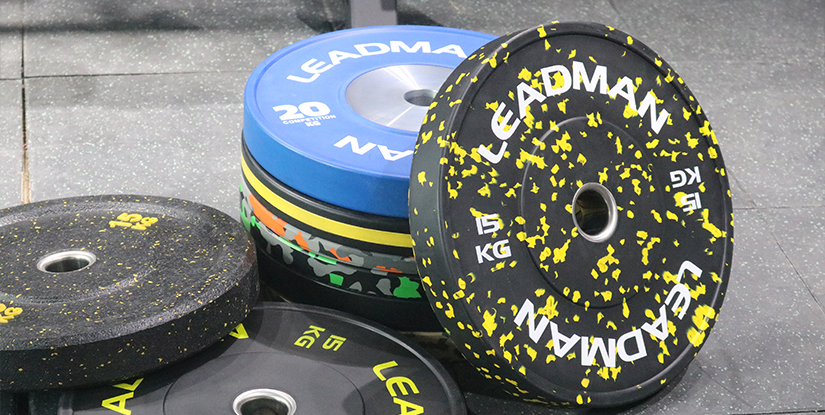
When conducting sourcing audits, buyers should verify that the manufacturer performs these specific technical checks to ensure product longevity during long-haul transit:
| Inspection Type | Focus Area | Procurement Significance |
|---|---|---|
| Load-bearing Capacity | Structural Stress Points | Prevents deformation during sea-stacking |
| Material Fatigue | Mechanical Moving Parts | Ensures long-term durability post-transit |
| Surface Coating | Paint & Powder Coat Adhesion | Prevents oxidation and moisture damage |
| Tolerance Check | Joint & Connection Precision | Simplifies assembly for end-users |
To safeguard your investment, we recommend that you request spec sheets for all structural components and confirm MOQ requirements for specialized testing batches before finalizing any purchase orders.
A sophisticated sourcing strategy must treat quality control as a direct lever for operational efficiency. When fitness product manufacturers maintain rigorous oversight, the resulting stability in production directly impacts your lead time and MOQ negotiations. High defect rates often trigger unexpected production delays or costly re-orders, which can disrupt your entire distribution cycle and erode distributor margins.
By prioritizing factory-direct transparency, procurement professionals can better manage risk. A comprehensive pre-shipment inspection does more than just verify product count; it serves as a final safeguard to minimize defect rates before the goods are containerized. For large-scale importers, this level of scrutiny ensures that the quality control protocols established during the design phase are strictly upheld during the high-speed mass production cycles typical of a China factory.
Standardizing Inspection Protocols for Bulk Orders
For international distributors and large-scale importers, maintaining long-term product reliability depends on the rigor of fitness product manufacturers' internal processes. When managing high-volume shipments, relying on luck is not a strategy; instead, professional buyers must mandate strict factory QC standards to mitigate the risks of defective units reaching the end-user. Without standardized protocols, even a reputable China factory may struggle with batch-to-batch variability, especially during complex OEM/ODM production runs.
A comprehensive pre-shipment inspection serves as the final gatekeeper for your landed cost and brand reputation. This process should verify that every component meets the original technical specifications and that the wholesale order remains compliant with international safety regulations. By enforcing these protocols, fitness product manufacturers ensure that bulk orders arrive at your warehouse with the consistency required for professional gym installations.
To effectively manage the procurement lifecycle, importers must understand the specific touchpoints where quality is verified. A structured inspection workflow prevents costly returns and protects your margins by identifying defects before the export packaging solutions are finalized. The following table outlines the essential stages of the quality control cycle used by professional fitness product manufacturers to ensure batch uniformity.
| Inspection Stage | Primary Focus Area | Impact on Sourcing & Logistics |
|---|---|---|
| IQC (Incoming Quality Control) | Raw materials, steel grades, and electronic components | Prevents production delays due to substandard inputs. |
| IPQC (In-Process Quality Control) | Welding integrity, coating thickness, and assembly precision | Ensures OEM/ODM specifications are met during fabrication. |
| FQC (Final Quality Control) | Complete machine functionality and aesthetic finish | Determines if the MOQ requirements for a batch are met. |
| OQC (Outgoing Quality Control) | Packaging durability, labeling, and container loading | Protects landed cost by preventing transit damage. |
When negotiating with a supplier, consider how high MOQ tiers may influence the frequency of these testing stages. While larger volumes often allow for more rigorous sampling plans, buyers should always confirm that the lead time accounts for thorough FQC and OQC processes to avoid rushed, substandard shipments. Before finalizing any bulk procurement, we recommend requesting a detailed inspection report and a sample approval sign-off to ensure all technical tolerances align with your market standards.
Mitigating Transit Risks via Standardized Packaging Protocols
The transition from the production line to the shipping container is a high-risk phase for any wholesale buyer. Even if fitness product manufacturers maintain perfect assembly standards, insufficient protection can lead to catastrophic failures in the supply chain. To ensure bulk order stability, professional importers must verify that the export packaging solutions are engineered for the specific stresses of maritime and long-haul transit. This includes verifying the use of high-density foam, reinforced corner protectors, and heavy-duty corrugated boxes designed to withstand stacking pressure in high-cube containers.
A failure in this stage directly compromises your sourcing reliability and increases the likelihood of claims. High-quality export packaging solutions are not just about protection; they are essential for minimizing damage during transit and ensuring that the landed cost remains predictable. By demanding rigorous packaging specifications during the sourcing phase, distributors can hold their supplier accountable for the physical integrity of the shipment, ensuring that large-scale gym equipment arrives in a condition that meets professional installation standards.
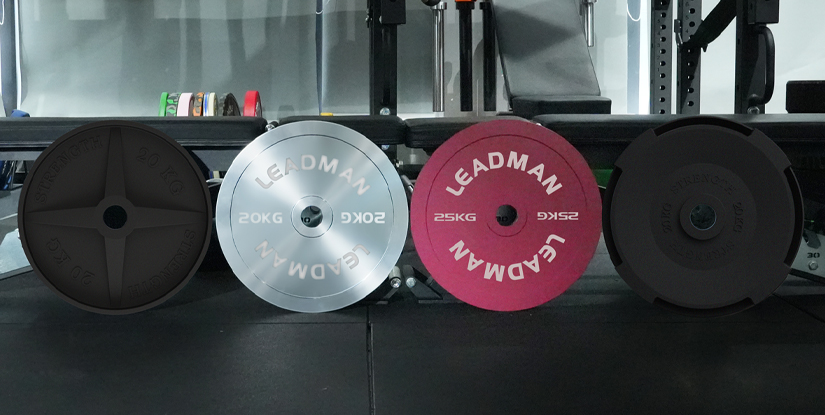
Engineering Robust Export Packaging Solutions
For distributors managing large-scale imports, the structural integrity of fitness product manufacturers' shipping protocols directly impacts the bottom line. When importing heavy commercial gear, standard boxing is insufficient; high-tier China factory facilities implement multi-layered defense systems to mitigate transit risks during long-haul sea freight.
Mitigating Damage via Heavy-Duty Protection
To protect high-density steel components and sensitive electronics, professional fitness product manufacturers utilize heavy-duty corrugated boxes designed to withstand stacking pressures. For oversized equipment, the integration of reinforced corner protectors and high-strength edge guards is essential to prevent structural deformation.
Efficient palletization and secure bulk shipping workflows are critical for optimizing container utilization. By ensuring rigorous export packaging solutions, fitness product manufacturers help importers reduce the landed cost by minimizing freight damage claims and ensuring that wholesale orders arrive at the warehouse in factory-fresh condition.
Material Specifications by Product Category
Selecting the right packaging tier is a strategic decision for importers to balance protection against freight costs. High-quality fitness product manufacturers categorize materials based on the weight, fragility, and dimensions of the equipment to ensure stability during ocean transit. Below is a technical comparison of standard industrial packaging options used for different equipment classes.
| Product Category | Primary Packaging Material | Durability Level | Sea Freight Suitability | OEM/ODM Customization | MOQ Considerations |
|---|---|---|---|---|---|
| Cardio Machines | Double-wall Corrugated + Foam Inserts | High | Excellent | Branded Box/Labels | Standard Bulk Orders |
| Strength Equipment | Wooden Crates + Reinforced Edges | Extreme | Superior | Custom Crate Dimensions | High Volume Sourcing |
| Free Weights/Dumbbells | Heavy-duty Poly Bags + Palletized Skids | High | Optimal | Private Label Sleeves | Tiered Wholesale Units |
| Small Accessories | Single-wall Corrugated + Shrink Wrap | Moderate | Good | Full Retail Packaging | Low to Mid Tier |
Before finalizing a purchase, we recommend that procurement officers request a detailed technical spec sheet for the specific packaging used. It is also prudent to confirm the exact MOQ for customized export packaging solutions and request a sample approval or a video of the container loading process to verify structural integrity.
Final Inspection and Loading Oversight
The final stage of the procurement cycle requires strict adherence to factory QC standards to prevent transit-related losses. Reliable fitness product manufacturers implement a rigorous pre-shipment inspection that extends beyond product functionality to include packaging resilience. This includes verifying pallet stability through load-bearing tests and ensuring the integration of moisture control (desiccants) within every container to protect steel components from salt air and humidity during ocean transit.
To ensure export-ready compliance, professional sourcing teams often request container loading supervision. This oversight confirms that heavy machinery is positioned to prevent shifting and that weight distribution remains balanced. By validating these protocols, importers can mitigate the risk of damaged goods upon arrival, protecting their distributor margins and ensuring a seamless transition from the China factory to the final destination.
Comparing Direct Factory Sourcing vs. Trading Models
For large-scale distributors and gym equipment importers, the decision to source directly from fitness product manufacturers significantly impacts the total landed cost. While trading companies offer curated catalogs, working with a factory-direct source eliminates intermediary markups and provides greater control over OEM/ODM specifications. This direct relationship is essential for optimizing bulk procurement budgets and ensuring long-term supply chain stability.
| Procurement Model | Pricing Structure | Customization Ability | Typical MOQ | Supply Chain Control |
|---|---|---|---|---|
| Direct Factory Sourcing | Lowest unit cost | High (Full OEM/ODM) | Higher | High (Direct QC) |
| Trading Company | Mid-range markup | Limited/Standardized | Lower/Flexible | Moderate (Indirect) |
| Local Distributor | Highest (Retail-ready) | Minimal | Small Batches | Low (Third-party) |
Optimizing your wholesale strategy requires balancing the MOQ requirements against the potential savings found through fitness product manufacturers. By bypassing the middleman, buyers can reinvest those margins into more aggressive marketing or expanded product lines.
When evaluating these models, procurement officers must account for how different tiers impact factory QC standards and shipment reliability. While trading companies may simplify the logistics of small-batch orders, they often lack the granular oversight required for high-spec commercial builds. Conversely, engaging directly with a China factory allows for rigorous pre-shipment inspections and customized export packaging solutions tailored to specific container loading requirements.
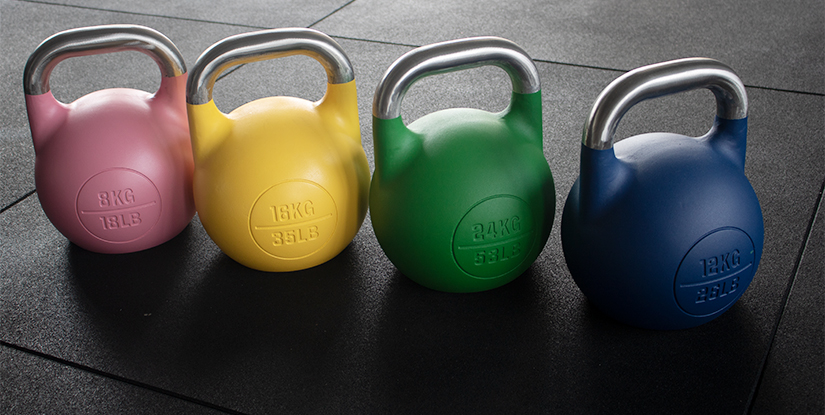
Cost and Control Comparison: Direct vs. Indirect Sourcing
| Procurement Model | Cost Structure | QC Oversight | MOQ Requirements | Lead Time |
|---|---|---|---|---|
| Direct Factory | Lowest unit cost | Direct/High | Higher/Strict | Predictable/Stable |
| Trading Company | Mid-range markup | Indirect/Moderate | Lower/Flexible | Variable |
| Local Distributor | Highest (Retail-ready) | Third-party | Small Batches | Immediate/Stock-based |
To mitigate risk during the sourcing process, we recommend that buyers request a detailed specification sheet and confirm the MOQ before finalizing any purchase orders. Successful global expansion relies on a thorough factory audit and the approval of a physical sample to ensure the final bulk shipment meets all international quality benchmarks.
Hidden Savings in Logistics and Packaging
Beyond the initial unit price, sophisticated buyers recognize that high-quality export packaging solutions are a critical component of the total landed cost. When sourcing large-scale bulk orders, even minor oversights in protection can lead to catastrophic financial losses. Working directly with a specialized China factory ensures that heavy commercial equipment is secured with industrial-grade materials designed for long-haul ocean freight.
Investing in professional crating and reinforced palletization significantly enhances logistics efficiency by maximizing container density and reducing the risk of transit delays. Most importantly, specialized shipping damage prevention techniques—such as moisture-proof film and edge protectors—drastically reduce the frequency of expensive insurance claims and costly replacement shipments, protecting your distributor margins and long-term brand reputation.
Streamlining the Procurement Workflow and Final Audit
For distributors managing large-scale imports, the true cost of a shipment is rarely just the FOB price. To maximize margins, professional buyers must integrate rigorous factory QC standards directly into their procurement cycle. Relying solely on manufacturer claims is a high-risk strategy; instead, successful importers utilize a pre-shipment inspection to verify that every unit meets technical specifications before leaving the China factory. This proactive approach to bulk order risk mitigation ensures that your inventory arrives ready for sale, rather than becoming a liability.
Maximizing ROI Through Quality Assurance
Integrating a final audit into your workflow is a strategic move for reducing landed cost. When fitness product manufacturers undergo strict third-party or internal quality checks, the likelihood of receiving defective goods is significantly lowered. By catching structural flaws or finish inconsistencies early, you avoid the massive expenses associated with international returns, replacement shipping, and damaged distributor reputation. Ultimately, working with reliable fitness product manufacturers who welcome independent audits allows you to stabilize your supply chain and protect your long-term profitability.
The following comparison illustrates how different levels of oversight and packaging investments impact your bottom line. While higher upfront costs for specialized export packaging solutions or detailed inspections may seem higher, they drastically reduce the long-term expenses of damaged goods and failed compliance during customs clearance.
| Inspection & Packaging Strategy | Estimated Cost Impact | Risk Mitigation Level | Impact on Lead Time & MOQ |
|---|---|---|---|
| Standard Factory QC & Basic Packaging | Low | Low (High risk of transit damage) | Standard lead time; minimal MOQ impact |
| Third-Party Pre-shipment Audit & Reinforced Crating | Moderate | High (Protects structural integrity) | Adds 3–5 days; may affect wholesale MOQ requirements |
| Full OEM/ODM quality assurance & Custom Export Pallets | High | Maximum (Optimized for global logistics) | Extended timeline; ideal for large-scale sourcing |
To ensure your procurement strategy remains efficient, we recommend that buyers request a detailed technical spec sheet and confirm the factory-direct packaging standards before finalizing any purchase order. Always book a formal inspection and secure sample approval to verify that the chosen fitness product manufacturers can meet your specific durability requirements.
The final phase of a successful wholesale procurement workflow occurs when the results of the final audit are directly synchronized with the deployment of export packaging solutions. It is not enough to simply pass a quality check; the physical protection of the goods must be calibrated to the specific transit route. High-end fitness equipment, such as heavy-duty strength machines or sensitive electronic treadmills, requires specialized crating to ensure that the rigorous factory QC standards are not undermined by poor handling during ocean or air freight.
Optimizing this final step is essential for maintaining high logistics efficiency and ensuring shipping damage prevention. When fitness product manufacturers align their final inspection reports with customized palletizing and reinforced boxing, they effectively reduce the incidence of "dead on arrival" (DOA) units. For the importer, this means fewer insurance claims, lower replacement costs, and a much smoother transition from the port to the final distribution center. To mitigate these risks, always verify the specific thickness of corrugated cardboard and the grade of wooden pallets used during your final sourcing verification process.