Kettlebell Wholesale Price Factors: Bulk OEM from China
Understanding Kettlebell Wholesale Price Factors in Bulk Procurement
Professional buyers must evaluate three critical checkpoints when calculating the total cost of ownership: material integrity, manufacturing complexity, and final logistics. Determining the exact kettlebell wholesale price factors requires looking beyond the initial unit price to understand how weight consistency and surface finish impact long-term replacement cycles. A failure to account for these variables during the bulk kettlebell sourcing phase often leads to unexpected landed costs or high maintenance overhead for distributors and gym operators.
The relationship between material grade and production method directly dictates your profit margins. For instance, choosing between cast iron and steel affects not only the raw material cost but also the technical requirements for the commercial kettlebell manufacturer. High-density cast iron provides superior durability for heavy-use environments, whereas steel options might offer different branding opportunities through kettlebell OEM production. Understanding these nuances ensures that your procurement strategy aligns with both your budget and your target market's quality expectations.
| Procurement Variable | Cast Iron Standard | Steel/Plate Options | Impact on Landed Cost |
|---|---|---|---|
| Material Grade | High-density cast iron | Steel plate or solid steel | Weight-to-volume ratio |
| Manufacturing Complexity | Sand casting and finishing | Precision cutting and welding | Labor and tooling time |
| Surface Treatment | Powder coating or paint | Chrome or specialized coating | Durability and maintenance |
| Bulk Sourcing Fit | Standardized weight sets | Custom shapes or branding | MOQ and customization level |
When managing a wholesale order, the complexity of the design—such as ergonomic handle tolerances or advanced coating applications—will influence the final landed cost. A professional supplier will provide detailed spec sheets to help you balance these technical requirements against your desired distributor margins. Before finalizing any large-scale procurement, we recommend requesting a detailed quote to confirm how specific material choices and OEM requirements will affect your total investment.
To optimize your procurement budget, it is essential to distinguish between purchasing ready-to-ship stock and engaging in full-scale customization. The primary kettlebell wholesale price factors shift depending on whether you are selecting from a standardized catalog or developing a proprietary product line. High-volume distributors often face a trade-off between the speed of stock orders and the long-term brand value of customized units.
Choosing a direct model allows for more control over your brand identity and product differentiation. While standard stock orders offer faster lead times, investing in kettlebell OEM production allows you to dictate specific handle diameters, color palettes, and weight increments that meet the precise needs of your local market. This strategic decision directly impacts your ability to scale your inventory and maintain a competitive edge in the commercial fitness sector.
Sourcing Models: Stock vs. Customization
| Procurement Model | Lead Time Profile | Customization Capability | Typical MOQ | Best For |
|---|---|---|---|---|
| Standard Stock | Short (Ready to ship) | Minimal (Standard colors/weights) | Lower | Rapid inventory replenishment |
| Custom OEM | Longer (Production cycle dependent) | High (Colors, logos, specialized weights) | Higher | Developing a proprietary brand |
| ODM Solutions | Moderate | Moderate (Modified existing designs) | Variable | Niche market differentiation |
Navigating these models requires a clear understanding of how production cycles affect your warehouse turnover. A professional factory will provide transparent timelines for both standard and customized runs. When planning your next shipment, we suggest evaluating your current inventory levels against the expected lead time for customized orders to ensure a seamless transition between stock replenishment and new product launches.
Material Grades and Manufacturing Standards for Commercial Use
When evaluating kettlebell wholesale price factors, the primary driver of long-term value is the material grade selected during kettlebell OEM production. For professional distributors and gym owners, selecting the wrong material can lead to rapid degradation, increasing maintenance costs and shortening the equipment lifecycle. A high-quality commercial kettlebell manufacturer will offer various coatings and base materials to balance initial procurement costs with long-term durability.
Choosing between cast iron, steel, or specialized coatings is not just about aesthetics; it is a strategic decision regarding the Total Cost of Ownership (TCO). While basic options may lower your initial bulk kettlebell sourcing expenditure, premium finishes like high-grade urethane coating or professional powder coating protect the core from oxidation and impact damage in high-traffic environments. This ensures your investment maintains its structural integrity and resale value over several years of heavy commercial use.
| Material / Finish Type | Durability Profile | Commercial Suitability | Procurement Value Focus |
|---|---|---|---|
| Standard Cast Iron | High impact resistance | Standard commercial gyms | Low initial cost |
| Powder Coated Steel | Moderate oxidation protection | Studio and boutique settings | Balanced TCO |
| Urethane Coated | Superior surface protection | Premium high-traffic facilities | Long-term durability |
Selecting the appropriate specification allows a China factory to tailor production to your specific market tier. For example, a wholesale order for a budget-friendly fitness center might prioritize standard cast iron, whereas a premium distributor might request custom urethane finishes to meet higher brand standards. Always confirm the specific coating thickness and material density with your supplier during the sourcing process to ensure the final product meets your regional durability requirements.
Technical Material Specifications and Commercial Lifecycle
Understanding the nuances of material density and surface finish is essential when calculating kettlebell wholesale price factors for diverse facility types. A professional commercial kettlebell manufacturer provides different specifications to match specific operational demands, ranging from high-impact strength training zones to polished boutique studio environments. Selecting the wrong specification can lead to surface chipping or oxidation, which increases the maintenance load for facility managers and devalues the inventory for distributors.
For procurement officers, the decision between a standard finish and a premium coating directly impacts the total cost of ownership. While basic cast iron options offer the most competitive pricing during bulk kettlebell sourcing, high-end finishes provide a longer service life in high-humidity or high-traffic settings. We recommend reviewing the technical spec sheet with your supplier to confirm the precision of the weight distribution and the thickness of the protective layers before finalizing any kettlebell OEM production agreement.
To ensure the highest standards of quality control, we advise all buyers to request a sample for physical evaluation. This allows you to test the handle ergonomics, surface grip, and weight stability under your specific environmental conditions. Once the sample is approved, you can proceed with your bulk order, confirming the specific MOQ and lead times required for your upcoming shipment or private label launch.
The Impact of Customization and OEM Production on Unit Costs
When transitioning from standard stock orders to specialized production, understanding the kettlebell wholesale price factors becomes essential for maintaining healthy distributor margins. Moving beyond generic products to a kettlebell OEM production model allows importers to differentiate their market position through unique aesthetics and specific material standards, though it fundamentally alters the cost structure.
Standard wholesale orders typically rely on high-volume, existing molds which keep the unit cost low and the lead time predictable. However, when a buyer requests customization—such as specific handle diameters, unique powder coating colors, or specialized cast iron finishes—the China factory must account for additional setup costs and specialized tooling. These requirements often trigger a higher MOQ to ensure the production run remains economically viable for the supplier.
Customization Tiers and Sourcing Complexity
The depth of branding and technical specification directly influences the final landed cost. A commercial kettlebell manufacturer can offer various levels of service, ranging from simple logo application to full ODM solutions where the product shape and weight distribution are engineered to your exact specifications.
| Customization Level | Typical Specification Scope | Impact on MOQ | Primary Cost Driver |
|---|---|---|---|
| Standard Wholesale | Pre-set weights and colors | Low | Volume efficiency |
| Basic Branding | Logo printing or laser engraving | Medium | Tooling/Application setup |
| Full OEM/ODM | Custom molds, colors, and materials | High | Engineering and specialized production |
For professional buyers engaged in bulk kettlebell sourcing, the goal is to balance brand identity with cost-effectiveness. While a high-end material grade or a bespoke color palette enhances your brand's perceived value, it also introduces variables in the sourcing process. It is highly recommended to request a detailed specification sheet and confirm the exact MOQ for any custom request to avoid unexpected adjustments to your procurement budget.
Choosing between standard inventory and customized production is a strategic decision that impacts your long-term competitiveness. While standard models offer speed, high-tier customization builds lasting brand equity in the commercial fitness market.
| Procurement Model | Product Specification | Typical MOQ | Lead Time Impact | Strategic Advantage |
|---|---|---|---|---|
| Standard Wholesale | Existing molds, standard colors | Low to Moderate | Short/Predictable | Rapid inventory turnover |
| Custom Branding | Standard product + logo/color | Moderate | Medium | Enhanced brand recognition |
| Custom OEM | Bespoke molds and materials | High | Long/Variable | Market differentiation |
Before finalizing your purchase, evaluate whether your market requires a unique product identity or if high-volume availability is the priority. We recommend contacting your partner to request a formal quote, verify the current MOQ for specific customization requests, and arrange for sample approval to ensure all technical tolerances meet your commercial standards.
Optimizing Sourcing via China Factory Direct Models
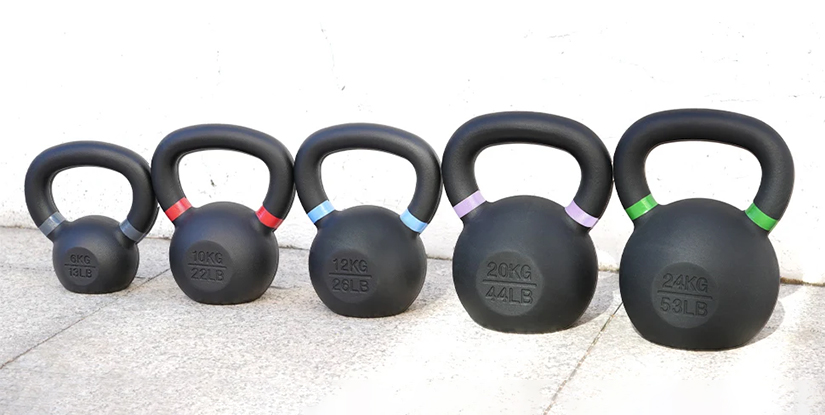
Navigating the complexities of global procurement requires a clear understanding of how different supply structures impact your landed cost and margin. When analyzing kettlebell wholesale price factors, the most significant variable is often the distance between your business and the production line. For distributors and large-scale gym operators, choosing a commercial kettlebell manufacturer that offers direct access to the manufacturing floor can significantly reduce middleman markups and streamline the bulk kettlebell sourcing process.
Working directly with a China factory eliminates the communication layers typical of trading companies, allowing for precise kettlebell OEM production specifications. This direct relationship ensures that your custom branding requirements and weight tolerances are met at the source, rather than being filtered through a third-party agent.
| Procurement Model | Supply Chain Control | Customization Potential | Typical Pricing Structure |
|---|---|---|---|
| Factory-Direct Sourcing | High direct oversight | Full OEM and ODM capabilities | Lowest unit cost via direct wholesale |
| Trading Company | Limited to agent oversight | Standardized product catalogs | Higher cost due to service margins |
| Local Distributor | Minimal control | Ready-to-ship stock only | Premium pricing for local availability |
Managing Operational Efficiency Through Customization and Quality Control
Beyond the initial unit price, long-term procurement efficiency depends on how a supplier manages technical specifications and logistics. For professional importers, the true cost of a batch is determined by the reliability of the kettlebell OEM production process. If weight tolerances are inconsistent or surface finishes are substandard, the resulting replacement costs and diminished brand reputation can erode your margins far more than a slightly higher initial order price.
To mitigate these risks, professional buyers must prioritize suppliers that maintain rigorous QC standards throughout the manufacturing cycle. High-tier production involves multiple checkpoints—from raw material testing to pre-shipment inspection—to ensure every unit meets commercial-grade durability requirements. Furthermore, a clear understanding of MOQ requirements and lead time variability is essential for effective inventory management. A reliable partner will provide transparent timelines for both production and the complex export packaging stage, ensuring that container loading is optimized for volume and that goods arrive at your warehouse without transit damage. Establishing these protocols early in the sourcing phase allows for predictable replenishment cycles and a stable total landed cost.
Logistics, Export Packaging, and Landed Cost Management
Managing the total kettlebell wholesale price factors requires a deep understanding of the transition from factory gate to your warehouse. For professional importers, the price per unit is only one variable; the true metric for profitability is the landed cost, which incorporates freight, duties, and specialized handling.
When coordinating bulk kettlebell sourcing, the choice between shipping modes significantly shifts your capital expenditure and inventory turnover. Most commercial distributors opt for sea freight to minimize costs on heavy, high-density iron products, though air freight remains a niche option for rapid sample approvals or urgent, low-volume replenishment. To protect your margins, you must work with a commercial kettlebell manufacturer that prioritizes export packaging designed for high-density loading. Efficient bulk shipping strategies—such as optimizing container volume and using reinforced palletization—ensure that your China factory shipments arrive without damage, reducing the risk of replacement costs and maintaining your distributor reputation.
Shipping and Packaging Optimization Matrix
To accurately calculate your total procurement expenditure, you must evaluate how different logistics configurations impact the final weight-to-volume ratio. Selecting the right configuration helps mitigate the high costs associated with heavy-duty iron transport. The following comparison outlines standard industry approaches used during bulk kettlebell sourcing to assist in your decision-making process.
| Shipping Method | Packaging Type | Weight/Volume Impact | Typical Use Case | Cost Efficiency |
|---|---|---|---|---|
| LCL (Less than Container Load) | Reinforced Cardboard Boxes | High volume per unit weight | Small studio replenishment or sample testing | Moderate; higher per-unit shipping cost |
| FCL (Full Container Load) | Industrial Wooden Crates/Pallets | Optimized density for maximum weight | Large-scale distributor inventory stocking | Highest; lowest landed cost per unit |
| Air Freight | Standard Export Carton | Extremely high cost per kg | Urgent prototyping or high-end boutique sets | Lowest; reserved for rapid lead time needs |
| Sea Freight (Direct Port) | Heavy-Duty Palletized Bundles | Maximum weight capacity utilization | Standard commercial gym equipment imports | High; best for long-term wholesale orders |
When finalizing your kettlebell OEM production specifications, ensure your commercial kettlebell manufacturer provides detailed packing lists. A professional China factory will offer customized palletization to prevent shifting during ocean transit. We recommend requesting a detailed packing specification and a formal quote to confirm how these specific kettlebell wholesale price factors will influence your final warehouse-delivered cost.
Preventing Transit Damage Through Quality Control and Protective Packaging
Beyond the weight of the cargo, the integrity of your shipment depends on the rigor of the pre-shipment phase. A common procurement error in bulk kettlebell sourcing is overlooking the necessity of industrial-grade protection. Because iron and cast products are high-density and prone to surface abrasion or structural impact, standard retail packaging is insufficient for international logistics. To safeguard your investment, you must verify that the kettlebell OEM production process includes a strict quality control protocol specifically for transit durability.
A reliable commercial kettlebell manufacturer will implement multi-layer protective packaging to ensure sea freight stability. This typically includes heavy-duty corrugated outer boxes, internal dividers to prevent metal-on-metal contact, and moisture-resistant linings to mitigate salt-air corrosion. Furthermore, professional damage prevention strategies involve securing pallets with high-tension strapping and corner protectors before container loading. By prioritizing these technical specifications during your initial inquiry, you ensure that your kettlebell wholesale price factors reflect a high-quality, arrival-ready product rather than a high-risk shipment prone to costly returns or insurance claims.
Mitigating Procurement Risks Through Factory QC and Inspections
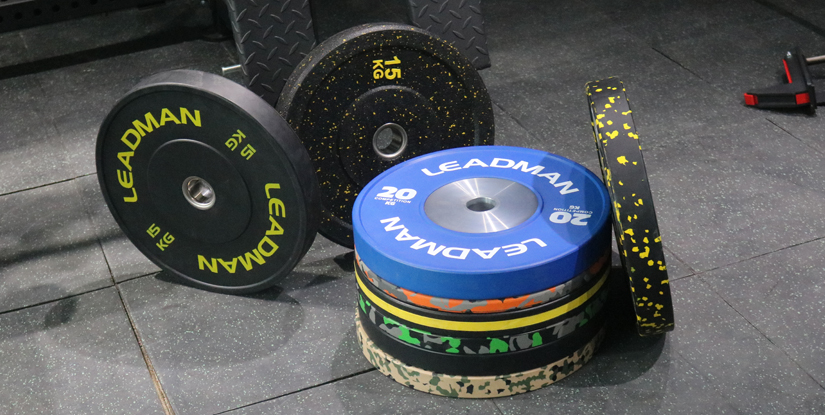
Neglecting rigorous inspection protocols during kettlebell wholesale price factors evaluation can lead to catastrophic financial losses. When importers bypass detailed QC protocols to save on initial unit costs, they often face high defect rates that escalate the total landed cost through replacements and returns. For a professional distributor, a single batch of substandard equipment can permanently damage brand reputation and consumer trust.
Reliable bulk sourcing risks are best managed by partnering with a commercial kettlebell manufacturer that maintains strict oversight. Instead of relying on visual checks alone, professional procurement teams should mandate third-party inspections or direct factory audits to ensure weight accuracy and casting integrity. Effective bulk kettlebell sourcing requires verifying that the China factory adheres to standardized testing for handle grip durability and surface finish consistency. By prioritizing kettlebell OEM production standards over the lowest possible price, buyers secure long-term profitability and operational stability.
Structured Inspection Protocols for Quality Assurance
To minimize the risk of receiving non-compliant units, professional buyers should implement a multi-stage inspection framework. Rely much less on post-arrival checks and more on proactive oversight throughout the manufacturing cycle. A high-tier commercial kettlebell manufacturer will typically provide documentation for each stage to prove compliance with your specific technical requirements.
| Inspection Stage | Primary Focus Areas | B2B Procurement Objective |
|---|---|---|
| Pre-production | Raw material grade, casting mold precision, and weight calibration standards | Verify material consistency before kettlebell OEM production begins |
| During production | Handle smoothness, surface coating integrity, and casting uniformity | Detect manufacturing defects early to avoid high wholesale scrap rates |
| Pre-shipment | Final weight accuracy, handle ergonomics, and export packaging durability | Ensure 100% compliance with kettlebell wholesale price factors and shipping specs |
Focusing on these specific touchpoints protects your margins. For example, ensuring handle smoothness and coating integrity during the mid-production phase prevents the high cost of returns due to ergonomic failures. Furthermore, verifying weight accuracy during pre-shipment is vital for maintaining your reputation as a premium supplier of commercial-grade equipment. Establishing these rigorous standards with your China factory partner ensures that every unit in your bulk kettlebell sourcing order meets the durability expected in professional fitness environments.
Securing long-term ROI requires moving beyond simple price negotiations toward comprehensive risk management. To ensure total supply chain stability, professional procurement teams should never rely solely on vendor self-reporting. Instead, mandate a formal factory audit to verify that the facility maintains consistent commercial grade standards and possesses the specialized tooling required for high-volume output. Utilizing a third-party inspection service prior to container loading provides an essential layer of defense, confirming that every unit matches your approved samples in both weight precision and coating durability.
A proactive approach to kettlebell OEM production oversight transforms the procurement process from a high-risk transaction into a scalable business asset. By integrating these rigorous verification steps, importers can successfully navigate the complexities of bulk kettlebell sourcing while protecting their distributor margins. Once your quality benchmarks are validated through professional oversight, you can confidently proceed with your next wholesale order, knowing your shipment meets the strict requirements of the North American commercial fitness market.
Strategic Steps for Successful Bulk Kettlebell Sourcing
Mitigating procurement risks requires moving beyond simple price comparisons to rigorous vendor verification. To ensure your kettlebell wholesale price factors remain optimized for long-term durability rather than just initial savings, professional buyers must implement a structured vetting process. Successful bulk kettlebell sourcing depends on validating the technical capabilities of your commercial kettlebell manufacturer before committing to large-scale capital expenditure.
Essential Procurement Checklist
Before finalizing any high-volume purchase, execute a systematic evaluation of the kettlebell OEM production workflow. A professional factory should provide transparent documentation regarding their QC protocols and material origins. Do not rely solely on digital catalogs; instead, prioritize sample evaluation to verify weight consistency, handle ergonomics, and coating adhesion under real-world stress.
To protect your distributor margins and ensure product longevity, we recommend the following operational steps:
- Conduct a remote or on-site factory audit to verify production capacity and compliance.
- Request specific material testing reports to confirm iron density and paint durability.
- Confirm the exact production lead time to align with your warehouse stocking cycles.
- Establish clear MOQ requirements and shipping protocols for your specific region.
By verifying these technical benchmarks, you transition from reactive purchasing to strategic sourcing, ensuring your inventory meets the high standards of commercial fitness environments.
Optimizing Brand Identity and Landed Cost
Once technical specifications are finalized, the focus shifts to brand differentiation and total cost management. Effective kettlebell OEM production allows you to integrate your unique brand identity through custom colors, logo etching, or specialized handle textures. This level of customization transforms a generic commodity into a proprietary product line, strengthening your market position as a premium supplier. However, sophisticated custom branding must be balanced against the impact on the final landed cost, as intricate design changes can influence both unit pricing and shipping volume.
To maximize your distributor margin, you must look beyond the factory-direct price and account for the entire supply chain. This includes optimizing export packaging to ensure maximum container density, which directly reduces the per-unit freight expense. A professional commercial kettlebell manufacturer will provide specialized palletization or reinforced boxing options to prevent damage during long-haul sea freight. When planning your next large-scale order, always request a detailed breakdown that includes the kettlebell wholesale price factors such as weight tolerances, packaging dimensions, and potential shipping surcharges. By coordinating closely with your supplier on both shipping logistics and container loading efficiency, you can secure a more predictable and profitable procurement cycle.
Sourcing Model Comparison: Selecting Your Supply Chain Structure
Understanding how your chosen partner manages production is vital for long-term profitability. When evaluating kettlebell wholesale price factors, the distinction between a direct factory and a trading entity determines your control over quality and customization. A commercial kettlebell manufacturer offers the highest level of technical oversight, whereas a trading company might provide more flexibility for small-scale, diverse product mixes.
| Sourcing Dimension | Factory-Direct Model | Trading Company Model |
|---|---|---|
| Primary Advantage | Maximum margin and control | Simplified procurement and variety |
| OEM Capability | High (Deep technical integration) | Moderate (Limited to partner catalog) |
| MOQ Requirements | Higher (Volume-driven) | Lower (Aggregated orders) |
| Price Stability | High (Direct control of raw materials) | Variable (Subject to middleman markups) |
| Customization Depth | Full (Custom molds and branding) | Standardized (Pre-existing options) |
For distributors focused on building a proprietary brand, bulk kettlebell sourcing via a China factory is generally the most scalable approach. While a trading company can assist with sourcing diverse equipment lines, direct engagement with a supplier allows for more rigorous QC oversight and better alignment with your specific private label requirements. Before placing a bulk order, always confirm if the partner provides direct access to production schedules and material certificates to protect your long-term investment.