Competition Kettlebell Buying Guide for Gyms: Top Tier China
Competition Kettlebell Buying Guide for Gyms: Defining Commercial Standards
A professional competition kettlebell buying guide for gyms must prioritize equipment that withstands high-frequency training cycles. For distributors and facility owners, selecting high-grade units ensures long-term operational efficiency, reducing the frequency of replacement cycles and optimizing the total cost of ownership through superior material durability.
In high-traffic environments, standard cast iron often fails to meet the rigorous demands of professional athletes. Sourcing from a reliable competition kettlebell manufacturer allows procurement leads to secure equipment with precision-balanced weight distributions and reinforced coatings. This focus on commercial durability prevents the premature wear and tear typically seen in lower-tier equipment, protecting your initial capital expenditure.
When managing large-scale deployments, understanding the TCO (Total Cost of Ownership) is more critical than the initial unit price. High-volume usage requires specialized manufacturing processes to ensure the handle remains ergonomic and the coating resists chipping. By prioritizing wholesale competition kettlebells that adhere to strict international casting standards, importers can mitigate the risks of frequent maintenance and equipment downtime.
Evaluating Durability and Lifecycle ROI
Professional buyers must evaluate the relationship between material density and long-term utility. While cheaper alternatives may offer lower upfront costs, they often lack the structural integrity required for intense, high-repetition training. A strategic sourcing approach involves selecting units with high-density cast iron or specialized steel shells to ensure consistent weight accuracy over years of use.
For those engaged in commercial gym equipment sourcing, the goal is to balance quality with scalable volume. Utilizing a direct China factory connection enables the procurement of premium-grade competition bells that meet the specific tolerances required for sanctioned competitions and elite training facilities, ensuring your inventory remains a high-value asset rather than a recurring expense.
Technical Specification Comparison: Consumer vs. Commercial Grade
To avoid the hidden costs of frequent replacements, procurement leads should utilize a technical comparison when evaluating their next shipment. The following table outlines the standard differences between entry-level consumer units and the high-performance standards required for professional facility deployment. This data is essential for a successful competition kettlebell buying guide for gyms, as it highlights the structural requirements for high-volume environments.
| Specification Feature | Standard Consumer-Grade Unit | Professional Commercial-Grade Unit |
|---|---|---|
| Material Density & Consistency | Variable density; potential weight fluctuations | High-density casting; precision weight tolerance |
| Surface Coating Durability | Basic paint or thin powder coat; prone to chipping | Reinforced high-impact coating; abrasion resistant |
| Handle Integrity & Grip | Standard iron casting; basic ergonomic profile | Precision-molded handle; optimized for high-repetition |
| Wholesale Suitability | Low-volume retail/home use only | High-volume wholesale and professional deployment |
Understanding these technical distinctions allows distributors to provide better value to their end-users. When you engage in commercial gym equipment sourcing, choosing the higher-tier specification ensures that the product can withstand the friction and impact of a high-throughput training environment without degrading the aesthetic or functional value of the set.
For buyers looking to optimize their inventory, we recommend requesting a technical spec sheet or a sample approval before finalizing large-scale orders. This step ensures that the material density and coating thickness meet your specific facility requirements and helps confirm the reliability of your chosen supplier.
Optimizing Procurement Through Factory-Direct Quality Control
For professional importers, the true value of a competition kettlebell buying guide for gyms lies in the ability to audit the production standard before the shipment leaves the China factory. High-volume orders demand more than just a low price; they require a rigorous quality control (QC) protocol that monitors weight accuracy, handle ergonomics, and coating adhesion. Without these checks, a distributor risks high return rates and damaged brand reputation due to inconsistent product quality.
Implementing a strict pre-shipment inspection process allows you to verify that every unit in a wholesale batch meets the required tolerances. This proactive approach to sourcing minimizes the risk of receiving defective batches, ensuring that the landed cost of your shipment remains optimized. By working directly with a specialized competition kettlebell manufacturer, you can integrate specific testing requirements—such as impact resistance and weight verification—into the standard production cycle.
Ultimately, successful large-scale procurement is built on transparency and reliability. We recommend that buyers confirm the MOQ for custom branding and request a detailed factory audit report to validate the production capacity. Whether you are looking for standard stock or specialized OEM solutions, securing a direct line to the production floor is the most effective way to guarantee long-term ROI and maintain a premium equipment standard in your facility or distribution network.
Technical Specifications and Material Integrity for High-Throughput Facilities
When implementing a professional competition kettlebell buying guide for gyms, procurement leads must prioritize structural consistency over aesthetics. For high-traffic commercial environments, sourcing directly from a China factory ensures that every unit meets the rigorous material integrity and weight tolerance standards required for professional competition. Relying on substandard wholesale competition kettlebells can lead to increased maintenance costs and inconsistent training experiences for end-users.
Standardized commercial gym equipment sourcing requires strict adherence to density and casting precision. A reputable competition kettlebell manufacturer will implement multi-stage QC standards to ensure that the center of gravity remains consistent across all weight increments. This level of high-throughput durability is essential for minimizing replacement cycles in large-scale facility deployments.
Material Composition and Surface Finish Comparison
Selecting the correct material profile is a critical component of any professional competition kettlebell buying guide for gyms. The choice between cast iron and steel affects both the long-term durability and the total cost of ownership for a facility. When managing large-scale commercial gym equipment sourcing, distributors must evaluate how different surface coatings impact impact resistance and maintenance frequency in high-use environments.
| Material Type | Standard Surface Coating | Durability Profile | |
|---|---|---|---|
| Cast Iron | Powder Coated or Painted | Standard Competition/Training | High density; excellent for consistent weight distribution |
| Steel (Solid) | Polyurethane or Rubberized | Premium Competition/High-Impact | Superior impact resistance; reduces floor vibration |
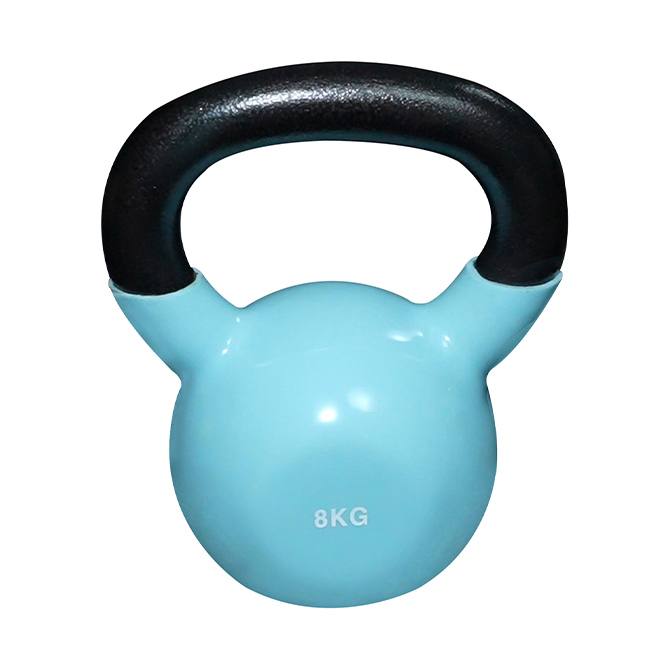
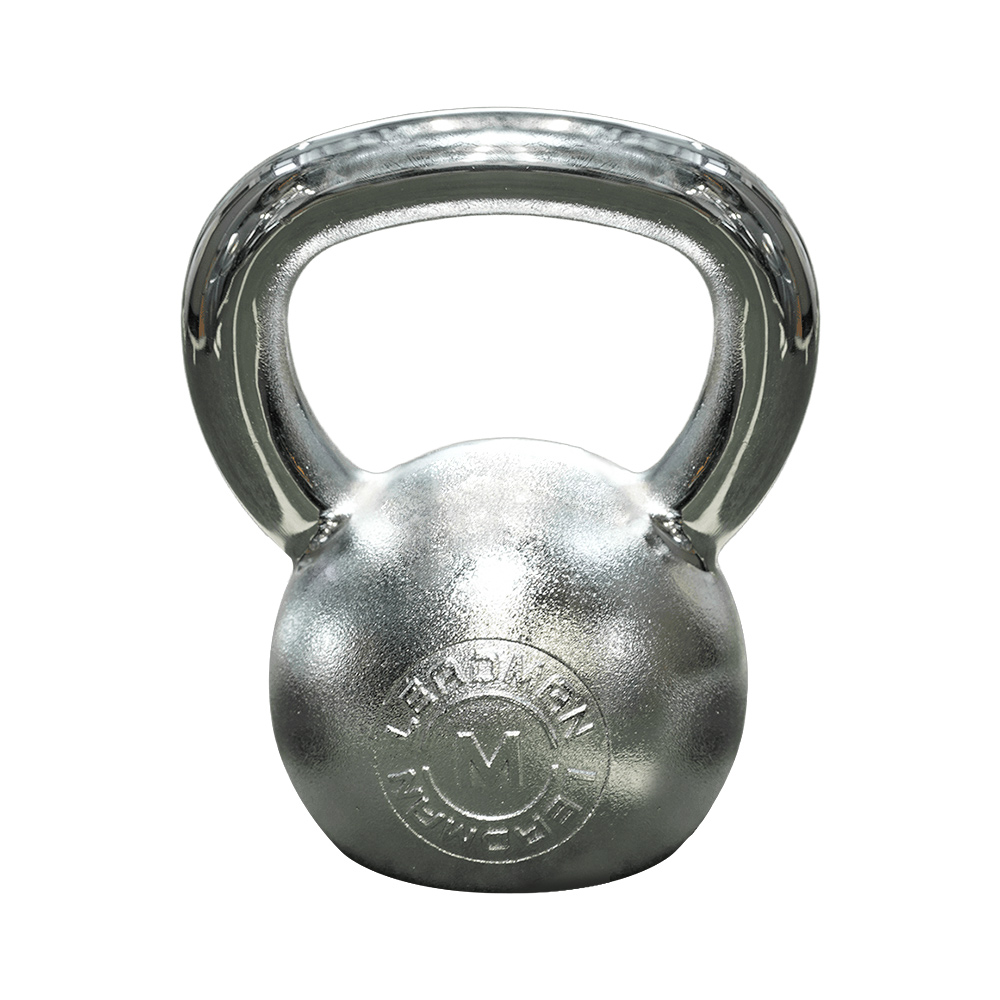
| Cast Iron (Single Piece) | Electroplated or Enamel | Professional Competition | Smooth texture; high resistance to chipping |
For distributors looking to maximize margins, understanding the distinction between cast iron and steel construction is vital. While powder-coated options offer a cost-effective solution for general gym deployment, high-end facilities often demand specialized finishes to ensure longevity. When you work with a specialized competition kettlebell manufacturer, you can often request specific coatings through OEM or ODM services to match your brand's premium positioning. We recommend requesting a sample evaluation to confirm that the surface finish meets your specific durability requirements before finalizing a bulk order.
Precision Casting and Ergonomic Handle Standards
Precision in casting is the primary differentiator in a professional competition kettlebell buying guide for gyms. For professional-grade equipment, the handle diameter and internal cavity must be engineered with extreme precision to ensure weight consistency across an entire set. If a competition kettlebell manufacturer lacks advanced molding technology, slight deviations in the handle diameter or the thickness of the shell can lead to uneven weight distribution. Such inconsistencies are unacceptable in professional competition settings and can increase your long-term replacement costs.
Ergonomics also play a vital role in the long-term usability of your inventory. A standardized handle diameter is essential for both grip security and hand fatigue management during high-repetition training. For distributors looking to differentiate their product line, we offer OEM and ODM solutions that allow for custom handle textures or specific diameter adjustments. Whether you are sourcing standard units or looking for a specialized wholesale solution for a boutique studio, ensuring that the technical specifications align with international competition standards is the most effective way to protect your investment and ensure high user satisfaction.
Comparing Sourcing Models: Factory-Direct vs. Local Distribution
When executing a competition kettlebell buying guide for gyms, professional buyers must distinguish between high-margin procurement and standard retail-style purchasing. For large-scale deployments, the choice between a factory-direct model and utilizing local distribution determines your long-term profitability and ability to scale your brand identity through customization.
Sourcing through a China factory allows for direct supply chain control, which is critical when your business model relies on high-volume wholesale competition kettlebells. While local distributors offer immediate stock availability, they often introduce multiple layers of markup that compress your profit margins and limit your ability to implement OEM or ODM branding strategies.
| Procurement Factor | Factory-Direct Model | Local Distribution Model |
|---|---|---|
| Unit Cost Basis | Lowest; direct from manufacturer | Higher; includes distributor markup |
| Branding Capability | Full private label and customization | Limited to existing stock items |
| Customization Control | High; direct sourcing of specs | Low; standard product offerings |
| Order Complexity | Requires managing MOQ and shipping | Simplified; smaller, frequent orders |
| Long-term Margin | Optimized for commercial gym equipment sourcing | Lower due to intermediary costs |
Choosing the right supplier depends on your current scale and whether your goal is immediate fulfillment or building a proprietary product line. For distributors looking to maximize ROI, engaging in commercial gym equipment sourcing directly with a factory remains the most effective way to secure competitive pricing and unique product specifications.
For procurement managers, understanding the trade-offs in logistics and scale is essential to a successful competition kettlebell buying guide for gyms. The decision often hinges on balancing the speed of arrival against the total landed cost and the ability to maintain high-quality standards across multiple weight sets.
Evaluating Sourcing Efficiency and Logistics
When managing wholesale competition kettlebells, the primary tension lies between order volume and operational flexibility. A high MOQ typically yields a lower unit price, which is beneficial for large-scale gym deployments or regional distributors, but it requires more robust warehouse management and upfront capital. Conversely, smaller orders may offer faster turnaround but higher per-unit costs and less control over custom branding.
| Metric | Standard Stock Order | Customized OEM Production |
|---|---|---|
| Typical MOQ | Low to Moderate | Higher (Weight-dependent) |
| Production Lead Time | Short (Ready-to-ship) | Extended (Custom manufacturing) |
| Landed Cost Potential | Moderate (Standardized) | Optimized (Bulk efficiency) |
| quality control Focus | Standard inspection | Rigorous pre-shipment testing |
| Shipping Logistics | Standardized container loading | Tailored pallet/container density |
To ensure long-term efficiency, we recommend that buyers conduct a thorough review of quality control protocols and shipping logistics before finalizing any large-scale wholesale agreement. A professional supplier should provide detailed documentation regarding weight tolerances and packaging durability to mitigate risks during transit. Once your specifications are confirmed, please reach out to request a formal quote or to discuss customized OEM production timelines for your next deployment.
To maximize the value of your procurement strategy, it is essential to evaluate how different production models impact your bottom line. While local purchasing offers speed, it rarely provides the scalability required for rapid expansion or high-margin distribution. A professional competition kettlebell manufacturer provides the technical depth needed to transition from a simple buyer to a brand owner through specialized manufacturing services.
Strategic Advantages of OEM and ODM Capabilities
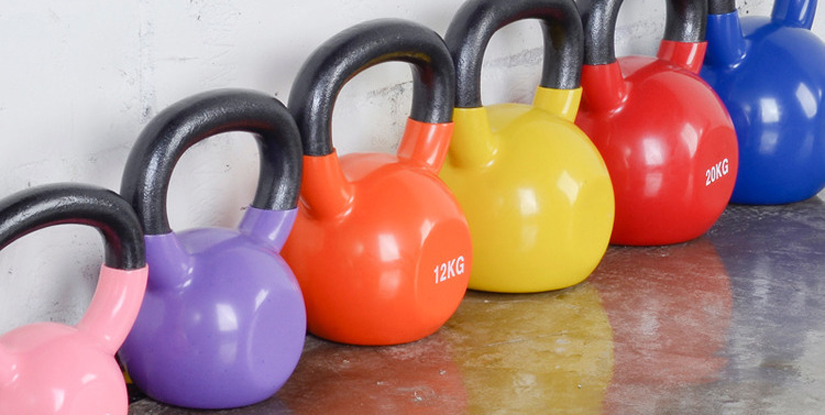
For established distributors and large-scale gym chains, the ability to leverage OEM and ODM services is a critical differentiator. Rather than competing on generic stock, these models allow you to integrate your unique brand identity into the product itself. This level of customization ensures that your inventory is not just another commodity, but a proprietary asset that reinforces your market position.
The transition to a direct factory relationship involves more than just lower unit prices; it offers deep control over technical specifications. Whether you require specific casting finishes, custom handle textures, or unique weight increments, a specialized supplier can adjust production parameters to meet your exact commercial standards. This capability is vital for maintaining a consistent product line as your business grows and your volume requirements increase.
When finalizing your sourcing plan, we suggest evaluating the following technical and logistical dimensions to ensure long-term success. Please contact us to request a detailed spec sheet, confirm your specific MOQ, or initiate a sample approval process for your custom branding project.
Custom Branding and OEM Capabilities for Professional Distributors
Establishing a distinct market position requires more than just standard inventory; it requires a specialized competition kettlebell buying guide for gyms that accounts for identity differentiation. For professional distributors looking to scale, leveraging OEM and ODM services allows you to move beyond commodity trading into true brand building. By partnering with a capable China factory, you can transition from selling generic units to offering a proprietary product line that commands higher margins and builds long-term customer loyalty.
The strategic advantage of private label manufacturing lies in the ability to control every visual and technical touchpoint. High-tier commercial gym equipment sourcing often involves specific aesthetic requirements to match a facility's interior design or a distributor's existing catalog. Whether you require precise color customization to align with a specific color palette or high-durability logo engraving/printing for custom branding, a specialized manufacturer can execute these details at scale. This level of customization ensures your brand identity remains consistent across all product categories, elevating your status from a mere supplier to a premium equipment provider.
To maintain professional standards, technical specifications for branding must be strictly managed during the production phase. For instance, wholesale competition kettlebells intended for international export must undergo rigorous quality checks to ensure that any laser-etched logos or specialized coatings do not compromise the structural integrity or the weight accuracy of the kettlebell. When managing sourcing for large-scale gym deployments, confirming these technical customization parameters early in the process helps prevent delays in the lead time and ensures the final landed product meets the high expectations of your commercial clients.
Standard Wholesale vs. Full OEM/ODM Service Comparison
When evaluating your next procurement cycle, understanding the distinction between standard bulk orders and customized manufacturing is essential for effective commercial gym equipment sourcing. Standard wholesale options are ideal for rapid replenishment of existing stock, whereas full customization services allow for deeper market differentiation. Use the table below to assess which model best fits your current distributor margins and brand scaling objectives.
| Feature/Service Level | Standard Wholesale Model | Full OEM/ODM Customization |
|---|---|---|
| Primary Focus | Rapid replenishment of standard SKUs | Brand identity and product differentiation |
| Customization Depth | Limited to standard weight increments | Full control over color, texture, and shape |
| Branding Options | Generic or unbranded units | Custom logo, color, and specialized packaging |
| Typical MOQ | Lower, based on existing inventory | Higher, based on production line setup |
| Lead Time | Short; dependent on current stock levels | Extended; includes design and tooling phases |
| Target Buyer | Gym owners needing immediate stock | Distributors building proprietary brands |
Choosing the right path depends on your long-term sourcing strategy. While standard wholesale competition kettlebells offer the fastest way to meet immediate demand, the OEM route provides the infrastructure necessary to build a premium, recognizable brand. Before finalizing your order, we recommend confirming the specific MOQ and technical requirements with your supplier to ensure alignment with your projected landed cost and delivery timelines.
Logistics, Quality Control, and Landed Cost Optimization
Successful international procurement extends far beyond the initial order placement; it requires a rigorous understanding of the transition from the factory floor to your warehouse. For any professional competition kettlebell manufacturer, the complexity of managing high-density steel products necessitates a disciplined approach to export-ready logistics. To mitigate the risks of transit damage or weight discrepancies, a reliable China factory must implement standardized QC standards that cover every stage of the production cycle, from raw material verification to the final weight calibration of each unit.
A critical component of the competition kettlebell buying guide for gyms is the evaluation of total landed cost. This figure encompasses more than just the unit price; it must account for export packaging efficiency, container loading density, and freight expenses. High-quality wholesale competition kettlebells should be packed in reinforced, stackable, and moisture-resistant packaging to withstand long-distance maritime transit. By optimizing the volume-to-weight ratio during the sourcing process, distributors can significantly reduce shipping costs per unit, thereby protecting their profit margins during large-scale bulk order efficiency phases.
To ensure complete transparency before high-volume capital expenditure, we recommend a structured sample evaluation process. Requesting a physical sample allows you to verify the surface finish, handle ergonomics, and weight accuracy against your specific requirements. Once the sample is approved, you should confirm the exact production lead time and the specific MOQ required for your customized branding. A proactive approach—including a request for a pre-shipment inspection report—ensures that your inventory arrives ready for immediate commercial deployment, minimizing the logistical friction often associated with overseas sourcing.
Quality Control and Pre-Shipment Inspection Protocols in China Factories
A professional competition kettlebell buying guide for gyms must emphasize that procurement success depends on rigorous inspection. For high-volume commercial gym equipment sourcing, relying on visual checks alone is insufficient. A professional factory must implement multi-stage protocols to ensure every unit meets international competition standards before leaving the China factory.
Failure to enforce strict quality control during the production of a bulk order leads to high return rates and damaged distributor margins. Reliable wholesale competition kettlebells require precise weight tolerance verification to ensure consistency across the entire set. Furthermore, the surface finish must be inspected for uniformity to prevent chipping or uneven textures during high-intensity use. When managing large-scale sourcing, we recommend that buyers request a formal pre-shipment inspection report to confirm that every batch adheres to the agreed-upon technical specifications and durability requirements.
Technical Inspection Checklist for Bulk Procurement
To mitigate the risk of receiving substandard units, professional buyers should utilize a standardized audit checklist during the pre-shipment inspection (PSI) phase. This ensures that your wholesale competition kettlebells meet the strict dimensional and structural requirements necessary for professional training environments. Using a systematic approach to verify technical variables will protect your landed cost and long-term brand reputation.
| Inspection Parameter | Technical Specification Standard | Verification Method |
|---|---|---|
| Weight Accuracy | Strict tolerance within +/- 1% to 2% of declared mass | Calibrated digital scale testing |
| Handle Smoothness | Uniform, seamless surface with no sharp edges or burrs | Tactile manual check and visual inspection |
| Casting Integrity | Zero visible cracks, pitting, or structural casting defects | High-intensity light inspection |
| Coating Thickness | Consistent application without bubbling or peeling | Micrometer measurement and adhesion test |
| Handle Diameter | Standardized ergonomic dimensions for competition grip | Vernier caliper measurement |
| Base Stability | Perfectly centered weight distribution for flat surface contact | Leveling test on flat plane |
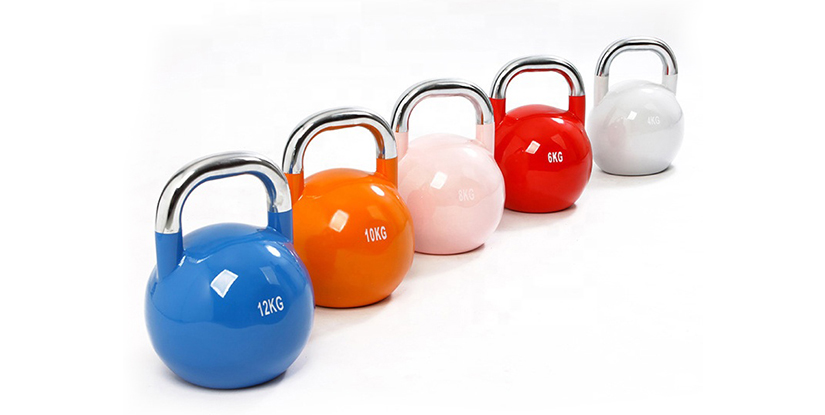
By implementing this checklist, distributors can ensure that their competition kettlebell manufacturer maintains high output quality. We suggest confirming these specific measurement thresholds with your supplier before the production run begins to align on acceptable tolerances. Once the inspection is complete and the documentation is verified, you can proceed with final shipping arrangements to optimize your warehouse receiving schedule.
Effective competition kettlebell manufacturer protocols extend beyond the physical product to include the integrity of the entire supply chain. For distributors, the true value of a competition kettlebell buying guide for gyms lies in understanding how documentation and inspection protocols protect your landed cost. A lack of standardized shipping documentation or a failed pre-shipment inspection can result in unexpected customs delays, high replacement costs, and compromised batch consistency. When you secure a contract for wholesale competition kettlebells, you are not just buying hardware; you are purchasing a documented standard of reliability.
To maintain high commercial reliability, ensure your supplier provides a comprehensive digital dossier for every bulk shipment. This package should include calibrated weight verification logs, material certifications, and high-resolution imagery of the packed units. This level of transparency allows for smoother customs clearance and provides you with the necessary evidence to satisfy your own commercial clients regarding product origin and quality. Before finalizing any large-scale order, we recommend requesting a sample of the actual production-run documentation to ensure it meets your specific auditing standards for professional gym deployment.
Optimizing Logistics and Export Packaging for Bulk Shipments
A professional competition kettlebell buying guide for gyms must address the hidden costs of international logistics. For distributors and large-scale gym operators, the final landed cost is often determined by how efficiently a China factory manages the transition from production to sea freight. Inefficient packing leads to wasted container space and increased breakage, directly eroding your profit margins.
To ensure high-volume efficiency, professional commercial gym equipment sourcing requires strict adherence to export packaging standards. We utilize reinforced heavy-duty cartons and customized internal dividers to provide maximum damage prevention for high-density cast iron or steel products. This specialized approach ensures that bulk shipments arrive at your warehouse in pristine condition, ready for immediate deployment.
Optimizing container loading optimization is critical for reducing the cost per unit. By calculating the precise volumetric weight and stacking strength of each kettlebell weight increment, a reliable competition kettlebell manufacturer can maximize the payload of a 20ft or 40ft container. This strategic density management minimizes the frequency of shipments and lowers the overall logistics overhead for wholesale competition kettlebells.
Standard vs. Export-Grade Packaging Comparison
Understanding the technical differences in packaging is essential for effective commercial gym equipment sourcing. Standard retail packaging often lacks the structural integrity required for long-distance sea freight, whereas professional export-grade options are engineered specifically for the rigors of international transit. Choosing the correct method directly impacts your total landed cost and the speed of your inventory turnover.
| Packaging Specification | Standard Commercial Grade | High-Volume Export/OEM Grade |
|---|---|---|
| Carton Strength | Single-wall corrugated cardboard | Double-wall reinforced heavy-duty corrugated |
| Internal Protection | Basic bubble wrap or loose fill | Customized dividers and moisture-proof liners |
| Palletization | Loose cartons or manual stacking | Strict palletization with shrink-wrap stability |
| Moisture Control | Minimal protection | Industrial-grade desiccant and vacuum sealing |
| Primary Use Case | Domestic distribution or small orders | International sea freight and long-haul logistics |
When ordering wholesale competition kettlebells, we recommend the export-grade specification to mitigate the risks of sea freight durability issues. This includes advanced palletization techniques that prevent shifting during container transit and enhanced moisture protection to prevent oxidation of the metal surfaces. By prioritizing these technical standards, distributors can reduce the frequency of damaged goods claims and ensure a more predictable supply chain.
Before finalizing your procurement plan, we suggest requesting a detailed packaging spec sheet or a sample of your specific order's carton strength. This allows your logistics team to confirm compatibility with your local warehousing equipment and ensures your competition kettlebell buying guide for gyms strategy accounts for the highest standards of durability and protection.
Workflow: From Factory QC to Final Delivery
A seamless transition from production to arrival is the hallmark of a professional competition kettlebell manufacturer. To avoid the common pitfalls of international procurement, importers must understand the standardized workflow required for high-volume orders. This process begins with a rigorous QC inspection conducted at the factory level to ensure every unit meets strict weight tolerances and surface finish requirements before it ever reaches a shipping container.
Once the batch passes inspection, the logistics phase moves into high gear. Managing the lead time effectively requires coordination between production completion and the booking of sea freight. We provide comprehensive shipping documents—including commercial invoices, packing lists, and certificates of origin—to ensure smooth customs clearance in your destination country. This meticulous documentation and structured workflow are essential components of a successful competition kettlebell buying guide for gyms, as they minimize port delays and ensure your inventory arrives on schedule for seasonal deployment or facility openings.
Strategic Procurement: Finalizing Your Bulk Order
Successfully completing a competition kettlebell buying guide for gyms requires moving beyond product specifications into the complexities of supply chain management. For distributors and large-scale facility operators, the transition from selecting a weight range to executing a bulk order involves rigorous coordination with a China factory to ensure technical compliance and logistical efficiency.
Effective commercial gym equipment sourcing demands more than just a price list; it requires a deep understanding of how production cycles impact your inventory availability. Managing the lead time for high-precision cast iron or competition-grade steel components is critical to avoid stockouts during peak seasonal demand. Furthermore, professional procurement teams must account for logistics variables, such as container optimization and sea freight scheduling, to maintain a predictable landed cost and healthy distributor margins.
To mitigate risks during the wholesale competition kettlebells procurement process, we recommend the following professional steps: first, request a detailed technical spec sheet to verify weight tolerances; second, confirm the MOQ for any OEM or custom branding requests; and third, arrange for a pre-shipment inspection or sample approval to ensure the finished goods meet your facility's durability standards.
Sourcing Model Comparison: Stock vs. Customization
Deciding between purchasing ready-to-ship inventory or investing in a customized production run is a pivotal decision for any procurement lead. While stock orders offer speed, OEM and ODM services allow for a more distinct brand identity and specialized technical configurations tailored to your specific market requirements.
| Procurement Model | Customization Potential | Typical MOQ | Lead Time Impact | Primary Value Driver |
|---|---|---|---|---|
| Standard Stock Order | Limited to standard colors/weights | Lower requirements | Short; ready for immediate export | Rapid inventory turnover |
| Custom Branding (Private Label) | High; logo and color integration | Moderate to High | Medium; includes production and branding cycles | Brand equity and market differentiation |
| Full Technical Specification (ODM) | Maximum; custom dimensions or materials | High | Long; requires R&D and tool adjustments | Unique product positioning and high-end differentiation |
When calculating your total landed cost, professional buyers must weigh the immediate availability of stock against the long-term value of a custom production run. A higher MOQ for custom orders may increase initial capital expenditure, but it often results in a lower per-unit cost and a more competitive edge in the professional fitness market. We suggest evaluating your long-term inventory turnover rates before deciding whether to pursue a standard or a specialized competition kettlebell manufacturer path.
Quality Control and Export Preparation Protocols
The final stage of a professional competition kettlebell buying guide for gyms focuses on the transition from the production line to the shipping container. For a high-volume competition kettlebell manufacturer, the integrity of the final shipment depends on a rigorous multi-stage QC process. This prevents the costly nightmare of receiving damaged or weight-inaccurate units that can erode your distributor margins and damage your reputation with end-users.
Standard protocols must include a final weight verification to ensure every unit stays within the industry-standard tolerance. Once technical compliance is verified, the focus shifts to export packaging. High-density foam or heavy-duty corrugated dividers are essential to prevent surface scratches and impact damage during long-haul sea freight. For professional commercial gym equipment sourcing, we emphasize container loading optimization—ensuring that weight is distributed evenly to prevent shifting, which protects both the product and the structural integrity of the shipping container.
Before any vessel departs, we highly recommend a formal pre-shipment inspection. This stage allows your procurement team or a third-party agent to verify that the branding, packaging, and quantity match the original purchase order. By finalizing these details at the source, you ensure that your bulk shipment arrives at your warehouse or port ready for immediate distribution, minimizing unexpected downtime and ensuring your commercial operations remain seamless.