How to Start Importing Gym Equipment from China: Top Tier
How to Start Importing Gym Equipment from China: A Strategic Overview
For a boutique studio owner or a regional fitness distributor, the transition from local purchasing to global commercial gym equipment sourcing marks a critical shift in scaling operations. While small-scale orders focus on immediate availability, professional importers must prioritize long-term supply chain stability, specialized China factory production capabilities, and the ability to secure high-volume wholesale pricing to maintain healthy distributor margins.
Understanding how to start importing gym equipment from China requires moving beyond simple transactions toward a structured procurement framework. A successful strategy integrates rigorous quality control with logistical precision to manage the complexities of international shipping and landed costs. Whether you are seeking to build a private label identity or simply need to replenish inventory for a large-scale facility, your approach must focus on identifying a reliable supplier capable of meeting strict commercial-grade specifications and MOQ requirements.
Choosing the wrong procurement model can lead to unforeseen landed costs or quality inconsistencies that damage your brand reputation. To mitigate these risks, professional buyers must evaluate whether to work with a trading company or engage directly with a specialized manufacturer. This decision impacts your ability to customize products through China factory OEM manufacturing and dictates your control over the entire supply chain.
Evaluating Sourcing Models and Procurement Strategies
The following table provides a framework for professional buyers to compare common international trade structures. Selecting the right model depends on your specific volume requirements and whether you need standardized stock or custom branding solutions.
| Sourcing Model | Typical Focus | Customization Capability | Primary Advantage | Inventory Control |
|---|---|---|---|---|
| Factory-Direct | Mass production and high-volume orders | High (Full OEM/ODM support) | Lowest unit cost and direct technical control | Direct control over production cycles |
| Trading Company | Diverse product catalogs and small batches | Limited (Standardized stock) | Simplified communication and single-point logistics | Lower technical oversight |
| Wholesale Distributor | Rapid replenishment and stock availability | None (Pre-made commercial units) | Faster lead times for smaller volumes | High availability of standard goods |
When executing wholesale fitness equipment import, most high-growth distributors eventually transition toward direct factory partnerships. While a trader may offer a broader range of SKUs, working directly with a manufacturer allows for deeper integration of your brand identity into the product design. This direct approach is essential for managing complex MOQ tiers and ensuring that every piece of equipment meets your specific commercial durability standards before it leaves the port.
The Role of Customization and Brand Identity in Scaling
For distributors aiming to move beyond generic product lines, the ability to leverage China factory OEM manufacturing is a transformative advantage. Rather than competing solely on price with standard stock, professional buyers utilize customization to differentiate their offerings in crowded markets. This includes everything from specific color palettes and upholstery textures to unique frame geometries that align with a specific brand identity. By controlling these variables, you can position your company as a premium provider of specialized fitness solutions rather than a generalist importer.
True scale is achieved when a manufacturer can integrate your proprietary specifications into their production workflows. This level of technical cooperation allows you to build a cohesive product ecosystem that meets the distinct needs of your target clients—whether they are high-end boutique studios or massive commercial franchises. When you successfully navigate the complexities of how to start importing gym equipment from China, you are not just buying machines; you are building a scalable, branded asset that can grow alongside your market presence.
Evaluating Supplier Capability and Manufacturing Standards
Understanding how to start importing gym equipment from China requires a shift in focus from individual product features to systemic factory QC protocols. For distributors and large-scale gym operators, the primary risk is not a single defective unit, but the cumulative impact of inconsistent manufacturing standards on total landed cost and long-term maintenance cycles.
Successful commercial gym equipment sourcing relies on verifying that a China factory maintains rigorous inspection protocols throughout the production lifecycle. Without standardized manufacturing standards, bulk orders may suffer from structural variances that compromise reliability in high-traffic commercial settings. A professional supplier should provide documented evidence of their quality management systems to ensure every shipment meets the expected durability specifications.
To mitigate procurement risks, professional buyers should implement a multi-stage validation process. This includes requesting technical spec sheets, verifying OEM capabilities for custom branding, and scheduling third-party audits. Establishing these strict oversight measures early in the sourcing process protects your margins and ensures that high-volume shipments arrive ready for immediate commercial deployment.
Direct Manufacturer vs. Trading Company Comparison
Deciding on a procurement model is a critical step when learning how to start importing gym equipment from China. While trading companies offer convenience through consolidated catalogs, direct manufacturers provide the foundational control required for high-volume wholesale fitness equipment import operations. Professional buyers must weigh the immediate ease of small-batch purchasing against the long-term scalability and customization potential of working directly with a production facility.
The following comparison highlights the structural differences between these two sourcing channels, focusing on the variables that most impact your distributor margins and operational efficiency.
| Procurement Dimension | Direct Manufacturer | Trading Company |
|---|---|---|
| Primary Focus | Production and technical engineering | Sales and logistics management |
| Customization | High OEM and ODM capability | Limited to existing product stock |
| Pricing Structure | Factory-direct pricing for better margins | Markup included for service and curation |
| Standard MOQ | Strict requirements based on production lines | More flexible for small-scale orders |
| Quality Control | Direct oversight of manufacturing processes | Dependent on third-party or supplier reports |
| Lead Time | Variable based on production cycles | Often faster for ready-to-ship inventory |
| Supply Chain Control | Direct access to raw material and assembly | Indirect through multiple intermediaries |
For long-term growth, prioritizing China factory OEM manufacturing allows for greater control over product specifications and brand identity. To ensure a successful partnership, we recommend requesting a detailed technical spec sheet, confirming the specific MOQ for your product categories, and arranging a pre-shipment inspection to validate all quality standards before the final container loading.
Technical Verification and Material Integrity
A professional wholesale buyer must look beyond visual aesthetics to verify the actual technical specifications of the equipment. High-traffic commercial environments demand rigorous material testing to prevent premature failure. When executing commercial gym equipment sourcing, you should demand documentation regarding steel gauge thickness, welding strength, and high-grade upholstery durability. A reliable factory will provide data on load-bearing capacities and the quality of components to ensure they meet international export standards.
To secure your investment, do not rely solely on verbal assurances. Implement a formal pre-shipment inspection to verify that the finished goods align with the agreed-upon technical requirements. This step is essential to ensure that the production capacity of the China factory is matched by consistent output quality. By validating material integrity and mechanical tolerances before the container is sealed, you protect your landed cost and reduce the long-term risk of expensive returns or maintenance claims.
Customization and Brand Identity via OEM/ODM Services
Understanding how to start importing gym equipment from China requires a strategic decision between purchasing standard stock or investing in custom manufacturing. For distributors seeking long-term differentiation, moving beyond generic wholesale orders toward OEM or ODM solutions is essential for building a proprietary brand identity and securing higher margins in competitive markets.
Standard commercial gym equipment sourcing typically involves selecting from a factory catalog of ready-to-ship items. While this minimizes initial MOQ requirements, it limits your ability to control unique aesthetics or specialized functional features. In contrast, private label production allows you to apply your own logos and color schemes to existing high-quality chassis, while true ODM services enable you to develop entirely new product specifications with a China factory to meet specific regional market demands.
| Procurement Model | Customization Depth | Typical MOQ | Primary Business Value |
|---|---|---|---|
| Standard Wholesale | Low (Logo only) | Low | Fast turnaround and low initial capital expenditure |
| Private Label | Medium (Colors/Specs) | Medium | Enhanced brand identity and market differentiation |
| Full OEM/ODM | High (New Engineering) | High | Complete control over unique product positioning |
When executing commercial gym equipment sourcing, professional buyers must evaluate the total cost of ownership against the complexity of the design. A supplier capable of OEM manufacturing can help you optimize the landed cost by adjusting material thickness or component grades to hit a specific price point without compromising commercial-grade durability.
Deciding on the level of technical intervention is a pivotal step in how to start importing gym equipment from China. A common pitfall for importers is failing to account for the extended lead time and increased engineering costs associated with high-level customization. To mitigate risk, procurement specialists should categorize their requirements into three distinct tiers: aesthetic branding, functional adjustment, or full-scale structural innovation.
Evaluating Technical Specifications and Control
The depth of your engagement with a China factory determines your level of design control. For those focused on wholesale fitness equipment import, the goal is often to balance unique branding with production efficiency. If your objective is to launch a premium boutique line, you may require China factory OEM manufacturing capabilities that allow for modifications to upholstery textures, frame paint finishes, or even specific bearing grades to ensure long-term commercial durability.
Advanced ODM projects require a more rigorous approach to technical documentation. When you move from simple branding to structural changes, you must establish clear protocols for prototype approval and material testing. This ensures that the final product meets the rigorous standards of your local market, protecting your investment and reducing future maintenance-related liabilities. Before finalizing any high-complexity order, we recommend requesting a detailed spec sheet and a formal sample evaluation to confirm that the factory's output aligns with your quality expectations.
Managing Logistics, QC, and Total Landed Cost
Transitioning from simple wholesale orders to complex OEM or ODM projects introduces new variables in your supply chain. To successfully master how to start importing gym equipment from China, you must look beyond the initial unit price and account for the full landed cost. This includes not just the factory-direct price, but also the costs of specialized export packaging, ocean freight, customs duties, and the potential for increased lead time during the engineering phase.
To protect your distributor margins, rigorous quality control (QC) is non-negotiable. When sourcing through China factory OEM manufacturing, relying on a single final inspection is often insufficient. Professional buyers implement a multi-stage validation process: beginning with a thorough sample evaluation to confirm specification compliance, followed by mid-production checks, and concluding with a comprehensive pre-shipment inspection. This structured approach ensures that custom branding, material grades, and structural tolerances remain consistent across large-scale wholesale fitness equipment import batches, preventing costly returns or equipment failures in a commercial setting.
Managing Minimum Order Quantities and Production Lead Times
Understanding the relationship between order volume and production cycles is critical when you learn how to start importing gym equipment from China. For professional distributors, the MOQ serves as a primary lever for controlling both the unit cost and the depth of customization available for a specific product line.
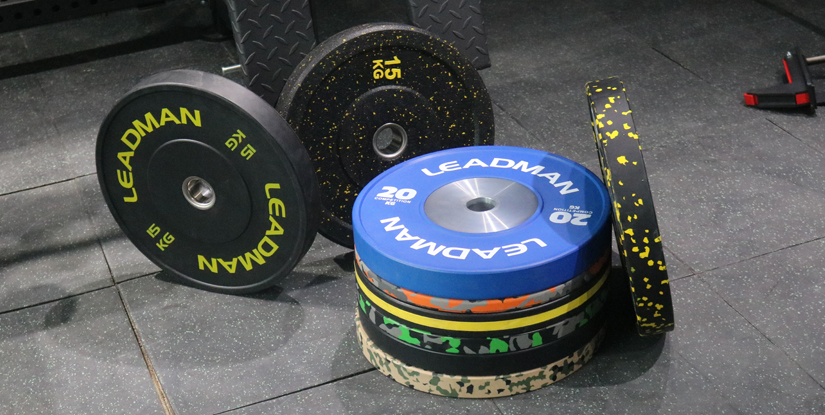
When engaging in commercial gym equipment sourcing, buyers often face a trade-off between inventory variety and procurement efficiency. A lower MOQ typically allows for more frequent, smaller wholesale restocks, which reduces warehouse pressure but often results in higher unit cost per item. Conversely, increasing the scale of your order allows a China factory to optimize material usage and production runs, significantly lowering the landed cost per unit.
Furthermore, high-volume orders often unlock advanced OEM and ODM capabilities. While standard stock items can be shipped relatively quickly, specialized custom branding or unique structural modifications require longer lead time to accommodate tooling and specialized assembly. Navigating these variables effectively ensures your supply chain remains resilient and your distributor margins stay competitive.
Variables Affecting Production and Shipping Schedules
A successful procurement strategy requires accounting for the total production cycle, which includes material procurement, fabrication, assembly, and final testing. For many importers, the biggest risk is underestimating the time required for wholesale fitness equipment import due to unforeseen disruptions. Standardized production runs are generally faster, but complex machinery or high-spec heavy-duty frames often require extended periods for precision welding and specialized coating processes.
Beyond the factory floor, logistics and seasonal demand play a decisive role in your total landed cost and arrival dates. Many professional buyers overlook how seasonal shifts in the manufacturing sector—such as major holidays or peak shipping seasons—can extend the standard lead time by several weeks. Effective procurement planning involves scheduling orders well in advance of peak demand periods to ensure that your warehouse or retail locations are never caught in a stockout situation. By coordinating closely with your supplier, you can better align your shipping schedules with global freight availability and optimize container loading efficiency.
Comparing Sourcing Models: Stock vs. Custom Manufacturing
To optimize your inventory management, you must decide which sourcing model best serves your current business scale and capital availability. Selecting the right approach is a fundamental step in how to start importing gym equipment from China, as it dictates your ability to scale and your control over product identity.
The following table outlines the operational differences between purchasing ready-to-ship inventory and engaging in full-scale manufacturing. Use this comparison to align your procurement decisions with your target market needs and warehouse capacity.
| Sourcing Model | Typical MOQ | Average Lead Time | Degree of Customization | Typical Use Case |
|---|---|---|---|---|
| Stock / Ready-to-Ship | Low (Small wholesale lots) | Short (15–30 days) | Minimal (Standard colors/specs) | Rapid restock for high-turnover items |
| OEM Manufacturing | Medium to High | Moderate (45–60 days) | High (Logo, color, and spec tweaks) | Building a unique private label line |
| Full ODM Development | High (Volume-driven) | Extended (90+ days) | Maximum (Complete structural design) | Developing proprietary commercial gear |
When evaluating these models, consider the long-term impact on your distributor margins. While stock orders provide immediate liquidity and speed, deep China factory partnerships through OEM or ODM processes allow you to build a differentiated brand identity that is harder for competitors to replicate. Before finalizing any purchase, we recommend requesting a detailed spec sheet and confirming the exact MOQ for any customized components to ensure your landed cost remains within target.
Optimizing Logistics and Export Packaging for Bulk Shipments
Understanding how to start importing gym equipment from China requires a deep dive into the variables that dictate your final landed cost. For distributors and large-scale gym owners, the price per unit from the China factory is only one part of the equation; the true cost is determined by shipping volume, total weight, and the efficiency of sea freight logistics.
In professional commercial gym equipment sourcing, failure to account for volumetric weight can erode distributor margins. Heavy items like strength machines or plate-loaded stations require specialized export packaging to survive long-distance transit. When managing wholesale fitness equipment import, you must coordinate with your supplier to ensure the port of origin and container loading plans are optimized to minimize empty space and reduce breakage risks during maritime transport.
Shipping Method and Packaging Comparison for Heavy Equipment
Selecting the correct transport method and packaging configuration is critical for maintaining a predictable landed cost. While air freight offers speed, it is rarely viable for heavy commercial-grade steel structures due to prohibitive costs. Most professional importers rely on sea freight to manage the high volume and weight of bulk orders. Below is a comparison of standard logistics options and packaging requirements used during commercial gym equipment sourcing.
| Shipping Method | Typical Packaging Type | Weight/Volume Impact | Best Use Case for Importers |
|---|---|---|---|
| Sea Freight (LCL/FCL) | Heavy-duty wooden crates or reinforced cartons | High weight/volume; ideal for maximizing container density | Bulk orders, strength machines, and heavy weight plates |
| Air Freight | Standard export cartons or protective wraps | Extreme cost impact due to volumetric weight | Small samples, high-value precision components, or urgent restocks |
| Express Courier | Single-unit protective packaging | Highest cost per unit; limited to lightweight items | Individual replacement parts or small accessory samples |
When executing a wholesale fitness equipment import, we recommend prioritizing reinforced wooden crates for heavy iron or steel components. This ensures structural integrity during sea transit. Before finalizing your shipment, always confirm the specific packaging standards with your China factory to ensure the dimensions align with your warehouse storage capacity and local delivery capabilities.
Mitigating Transit Damage Through Rigorous QC and Protection
The logistical complexity of how to start importing gym equipment from China involves more than just selecting a vendor; it requires a strict protocol for damage prevention. Even with high-quality builds, the mechanical stress of maritime transit and port handling can lead to surface scratches, structural misalignment, or component loss if the China factory does not utilize industrial-grade protection. For large-scale distributors, even a 2% damage rate on a bulk shipment can significantly impact the total landed cost and overall ROI.
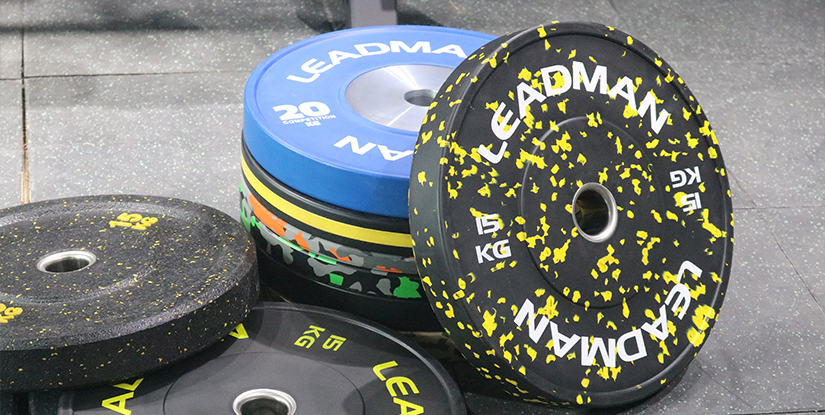
To protect your investment, ensure your supplier implements a multi-layered defense strategy. This includes using heavy-duty wooden crates for heavy steel frames and high-density foam or corrugated inserts for precision parts. Furthermore, a professional wholesale fitness equipment import process must include a formal pre-shipment inspection. A rigorous QC protocol—verifying assembly, coating integrity, and packaging stability before the container is sealed—is the most effective way to ensure that your commercial-grade units arrive in showroom condition, ready for immediate installation.
Mitigating Risk Through Pre-Shipment Inspections and Quality Control
Understanding how to start importing gym equipment from China requires a rigorous focus on mitigating the risk of defective batches. For high-volume distributors, a single shipment of non-compliant strength equipment or malfunctioning cardio units can devastate profit margins and damage brand reputation.
To protect your investment, implementing strict factory-direct QC protocols is non-negotiable. Relying solely on a supplier to self-report quality is a high-risk strategy that often leads to unexpected landed cost impact due to returns, replacements, or local repairs. Professional commercial gym equipment sourcing must include a formal pre-shipment inspection (PSI) to verify that every unit meets your specific commercial-grade tolerances and finish requirements before the container is sealed.
By integrating wholesale fitness equipment import standards with third-party verification, you ensure that the China factory output aligns with your OEM specifications. This proactive approach stabilizes your supply chain and ensures that your wholesale orders arrive ready for immediate deployment in professional fitness facilities.
Essential Inspection Categories for B2B Procurement
A professional inspection protocol must move beyond surface-level aesthetics to verify the mechanical durability required for high-traffic environments. When managing China factory OEM manufacturing, your inspection checklist should prioritize structural integrity and mechanical reliability to prevent high maintenance loads and premature replacement cycles.
The following table outlines the critical technical categories that a third-party inspector or your internal procurement team should evaluate during a pre-shipment audit to ensure the batch meets your brand identity and commercial standards.
| Inspection Category | Critical Verification Points | B2B Sourcing Focus |
|---|---|---|
| Structural Integrity | Frame thickness, weld penetration, and joint stability | Long-term durability for high-traffic use |
| Upholstery & Padding | Stitch density, material thickness, and seam strength | Resistance to wear and sweat-induced degradation |
| Welding & Finishing | Smoothness of joints, powder coating thickness, and rust resistance | Aesthetic consistency and surface longevity |
| Electronics & Motion | Sensor accuracy, motor noise levels, and control panel responsiveness | Operational uptime and technical reliability |
| Weight Capacity Testing | Maximum load bearing and structural deflection under stress | Safety compliance and heavy-duty usage stability |
Executing these checks effectively is a fundamental part of how to start importing gym equipment from China without compromising on safety or quality. We recommend requesting a detailed spec sheet and a sample approval before proceeding with any large-scale wholesale production run. Once the sample meets your standards, book a formal factory audit or a third-party inspection to confirm that the final bulk order aligns perfectly with your OEM requirements and technical tolerances.
Optimizing Packaging Durability and Shipping Logistics
Even a perfect product can become a liability if the logistics chain is not properly managed. For professional importers, the hidden cost of a bulk order often lies in the quality of the export packaging. Poorly secured steel frames or insufficient cushioning for electronic components can lead to significant shipping damage, resulting in high replacement costs and lost revenue. When you are learning how to start importing gym equipment from China, you must treat packaging as a core component of the product itself.
A robust wholesale fitness equipment import strategy requires a two-fold focus: maximizing packaging durability and optimizing container loading efficiency. This involves verifying that the China factory utilizes heavy-duty corrugated boxes, reinforced corner protectors, and high-density foam for sensitive parts. Furthermore, ensuring that the weight distribution within a container is balanced is critical to prevent structural deformation during transit. By prioritizing these logistics-side technicalities, you protect your distributor margins and ensure that your arrival-ready stock meets the high standards expected by your commercial clients.
Finalizing Your Sourcing Strategy and Procurement Workflow
Successfully executing how to start importing gym equipment from China requires moving beyond simple product selection into a structured procurement workflow. Once you have identified a reliable supplier, the focus must shift from evaluating individual SKUs to managing the complexities of international trade and supply chain integration.
A professional transition from sourcing to logistics ensures that your wholesale fitness equipment import does not encounter costly delays or quality discrepancies. Rather than acting as a retail consumer, a professional buyer adopts a professional buyer mindset, prioritizing standardized documentation, verified China factory production schedules, and rigorous commercial gym equipment sourcing protocols to protect long-term margins.
From Selection to Execution: Managing the Supply Chain
The transition from finding a partner to receiving a container involves several critical checkpoints. To ensure a seamless wholesale operation, you must move from verbal agreements to formal purchase orders that define every technical detail. This stage is where how to start importing gym equipment from China becomes a matter of operational discipline rather than just finding a good deal.
Effective procurement involves several key pillars: finalizing OEM specifications, confirming MOQ requirements for custom branding, and setting strict timelines for factory production. By treating the process as a formal procurement workflow, you mitigate the risks associated with international shipping and ensure that your landed cost remains within the projected budget for your facility or distribution network.
| Procurement Model | Customization Depth | Typical MOQ | Lead Time Impact | Best For |
|---|---|---|---|---|
| Stock / Wholesale | Standardized designs and colors | Lower requirements per SKU | Faster turnaround for immediate shipping | Distributors testing new market segments |
| OEM / ODM | Full branding and structural specs | Higher volume requirements | Extended production and tooling cycles | Establishing a unique brand identity |
Choosing between these models is a pivotal decision in how to start importing gym equipment from China. If your priority is rapid inventory turnover and lower initial capital expenditure, opting for wholesale stock orders allows you to leverage existing production lines. This minimizes the risk of long-term inventory holding and reduces the complexity of your initial sourcing efforts.
Conversely, if you aim to build long-term brand equity, investing in China factory OEM manufacturing provides the ability to differentiate your product line through custom colors, logos, and specialized features. While this requires a higher MOQ and longer lead times, it secures a more defensible position in the commercial market. Before finalizing your decision, always request a detailed specification sheet and confirm the impact of customization on your total landed cost.
The Final Quality and Logistics Checklist
Before the first container is sealed, a rigorous verification process is mandatory to protect your capital. A failure in quality control at this stage can lead to significant losses in distributor margins and high replacement costs. To successfully master how to start importing gym equipment from China, you must implement a multi-layered verification system that covers everything from raw material integrity to the final container loading process.
A professional China factory OEM manufacturing partner should provide transparent documentation throughout the production cycle. Do not rely on verbal assurances; instead, mandate specific QC protocols that include material testing and functional checks. For large-scale orders, hiring a third-party inspector to conduct a formal pre-shipment inspection is the most effective way to ensure that the goods leaving the factory meet your exact commercial-grade standards.
Beyond product integrity, your logistics strategy must account for the physical protection of the equipment. High-quality export packaging is essential to prevent damage during sea freight and multiple handling points. Ensure your supplier utilizes reinforced crates or heavy-duty corrugated boxes suitable for heavy commercial iron and steel components. This attention to detail prevents unexpected damage claims and ensures your inventory arrives ready for immediate installation.
Finally, complete your landed cost calculation by incorporating all hidden variables, including ocean freight fluctuations, port handling fees, and local customs duties. Once all technical specs, packaging requirements, and shipping terms are verified, proceed with the final order confirmation. This disciplined approach ensures that your wholesale fitness equipment import remains a profitable and scalable component of your business growth.