Hotel Gym Kettlebell Equipment Guide: OEM Contract
Hotel Gym Kettlebell Equipment Guide: Procurement Standards
When establishing a high-end wellness amenity, procurement officers must balance three critical checkpoints: material integrity, weight accuracy, and long-term maintenance overhead. Relying on a substandard hotel gym kettlebell equipment guide is a costly mistake for hospitality groups, as low-grade units often suffer from coating failure or handle ergonomic degradation under constant use. To mitigate these risks, professional buyers should prioritize sourcing from China factory facilities that specialize in high-volume hospitality orders, ensuring that every unit meets the rigorous demands of guest-facing environments while maintaining a predictable landed cost.
The primary challenge in hospitality procurement is the unpredictable nature of high-traffic usage. Unlike a private studio, a hotel fitness center experiences varying levels of intensity and environmental exposure, which can accelerate the wear on standard equipment. A professional commercial-grade durability standard requires more than just heavy iron; it demands high-density casting and specialized finishes that resist impact and oxidation. By working directly with a commercial kettlebell manufacturer, distributors and hotel groups can ensure that the equipment is engineered for longevity, reducing the frequency of replacement cycles and protecting the initial capital expenditure.
Selecting a reliable hotel gym kettlebell equipment guide involves understanding the technical nuances of production. For example, a hotel fitness equipment OEM partner can provide customized coating options, such as high-grade powder coating or premium urethane, which are essential for preventing floor damage and maintaining a premium aesthetic. This level of customization, combined with strict QC protocols at the factory level, ensures that the final shipment arrives with consistent weight tolerances and flawless finishes, ready for immediate deployment in luxury settings.
Technical Specification Comparison for High-Traffic Environments
The distinction between consumer-grade products and professional hospitality equipment lies in the technical tolerances and material resilience. For procurement leads, understanding these variables is essential to calculating the total cost of ownership (TCO). A standard retail unit often lacks the structural density required for continuous use, whereas a specialized commercial kettlebell manufacturer produces units designed to withstand heavy impact without compromising safety or aesthetic standards. This technical gap is most evident when evaluating weight tolerance and surface durability under rigorous inspection.
The following comparison highlights the critical procurement factors that differentiate high-volume hospitality stock from standard retail options. When managing large-scale hotel fitness installations, prioritizing these specifications ensures a lower maintenance load and higher guest satisfaction.
| Specification Feature | Consumer/Retail Grade | Commercial-Grade (Hospitality Standard) |
|---|---|---|
| Weight Tolerance | Variable/High deviation | Strict +/- 1% to 3% precision |
| Coating Durability | Basic paint or thin powder | High-impact urethane or heavy-duty coating |
| Impact Resistance | Prone to cracking/chipping | Reinforced casting for high-density use |
| Handle Ergonomics | Basic texture/Standard grip | Precision-molded for long-term comfort |
| Surface Finish | Standard gloss/Matte | Anti-oxidation and floor-protective finishes |
For distributors and hospitality groups, these technical differences directly impact the long-term ROI. Choosing a hotel gym kettlebell equipment guide that emphasizes these professional standards allows for better replacement planning and more efficient warehouse management. When negotiating a wholesale order, we recommend requesting a detailed spec sheet to verify that the coating durability and weight precision meet your specific brand identity requirements before finalizing the contract.
Optimizing Total Cost of Ownership Through Factory-Direct QC
The complexity of international procurement lies in the gap between the initial purchase price and the true landed cost. For hospitality procurement leads, the most significant risk is not the unit price, but the cost of receiving a defective or inconsistent batch that requires immediate replacement. To avoid these logistical failures, it is essential to engage with a hotel fitness equipment OEM partner that integrates rigorous quality control (QC) directly into the production line. By managing the process at the source, buyers can mitigate the risks of weight deviations or surface defects that often plague lower-tier suppliers.
A professional hotel gym kettlebell equipment guide must emphasize the necessity of a formal pre-shipment inspection. For large-scale hotel projects, waiting until the container arrives at the destination to discover manufacturing flaws is a catastrophic logistical error. A reputable China factory will offer transparent inspection windows, allowing buyers or third-party agents to verify casting density, handle ergonomics, and coating thickness before the goods leave the facility. This proactive approach ensures that the bulk order reliability remains high and that the shipment meets the specific hospitality standards of your brand.
Ultimately, achieving a low landed cost does not mean sacrificing quality; it means optimizing the supply chain through direct manufacturing. When sourcing via wholesale channels, working with a factory that provides comprehensive documentation and strict adherence to industry-standard specs reduces the long-term maintenance load. We recommend that all procurement officers confirm the MOQ and request a sample approval process to test the durability of the finish against your local environmental conditions. This ensures that your investment in the fitness amenity provides a high ROI through extended product lifecycles and minimal replacement needs.
Structural Integrity and Safety Specifications for Hospitality Settings
In high-traffic hospitality environments, the hotel gym kettlebell equipment guide must prioritize structural stability to mitigate liability and maintenance costs. When sourcing via wholesale channels, procurement leads must distinguish between consumer-grade casting and professional-grade engineering. A failure in material integrity directly impacts your total cost of ownership and guest safety standards.
The hotel gym kettlebell equipment guide emphasizes that high-density cast iron or high-grade urethane coatings are non-negotiable for durability. A reliable commercial kettlebell manufacturer ensures that the center of gravity remains consistent across all weight increments. Relying on a substandard China factory that lacks rigorous QC protocols can result in unbalanced weights or brittle handles, leading to frequent replacement cycles and increased operational downtime.
To ensure long-term commercial-grade durability, the hotel gym kettlebell equipment guide recommends auditing the material integrity (cast iron vs urethane) during the sourcing phase. While cast iron offers classic density, premium urethane-coated options provide superior impact resistance and floor protection, which is essential for maintaining luxury hotel fitness aesthetics. We suggest requesting specific technical data sheets from your supplier to verify the density and coating adhesion standards before finalizing any bulk purchase.
Technical Specification Comparison for Procurement Evaluation
When evaluating a hotel gym kettlebell equipment guide for large-scale hospitality projects, procurement officers must look beyond aesthetics to the fundamental structural metrics. A professional commercial kettlebell manufacturer will provide detailed data regarding surface density and impact tolerance. Using a high-quality hotel fitness equipment OEM service allows you to specify the exact level of protection required for your facility's flooring and brand identity. Selecting the wrong coating or weight tolerance can lead to premature surface degradation, increasing your long-term maintenance load and capital expenditure.
| Specification Metric | Standard Cast Iron (Basic) | Premium Urethane (High-End) | Commercial Grade Requirement |
|---|---|---|---|
| Coating Durability | Moderate; prone to chipping | High; impact resistant | Must withstand heavy drop frequency |
| Surface Finish | Rough/Textured | Smooth/Non-slip | Consistent grip for guest safety |
| Weight Tolerance | +/- 3% to 5% | +/- 1% to 2% | Strict precision for professional use |
| Impact Resistance | Medium; high vibration | High; dampened impact | Essential for luxury gym environments |
| Customization Potential | Standard colors only | Full OEM branding/colors | Must align with hotel brand identity |
To minimize landed cost and maximize reliability, we recommend requesting a sample approval and a formal specification sheet during your sourcing process. A reputable supplier will be able to confirm the exact thickness of the coating and the precision of the weight casting. For large-scale hotel rollouts, verifying these technical benchmarks through a factory audit or a pre-shipment inspection is a vital step in ensuring your investment meets international hospitality standards.
To minimize landed cost and maximize reliability, we recommend requesting a sample approval and a formal specification sheet during your sourcing process. A reputable supplier will be able to confirm the exact thickness of the coating and the precision of the weight casting. For large-scale hotel rollouts, verifying these technical benchmarks through a factory audit or a pre-shipment inspection is a vital step in ensuring your investment meets international hospitality standards.
Optimizing Maintenance Cycles and Long-Term TCO
For procurement managers and hospitality distributors, the hotel gym kettlebell equipment guide must prioritize long-term operational efficiency over initial unit costs. Selecting low-grade products leads to premature surface degradation and high replacement frequency, which negatively impacts your TCO. When sourcing in bulk from a China factory, understanding the relationship between material science and maintenance cycles is essential for maximizing your return on investment.
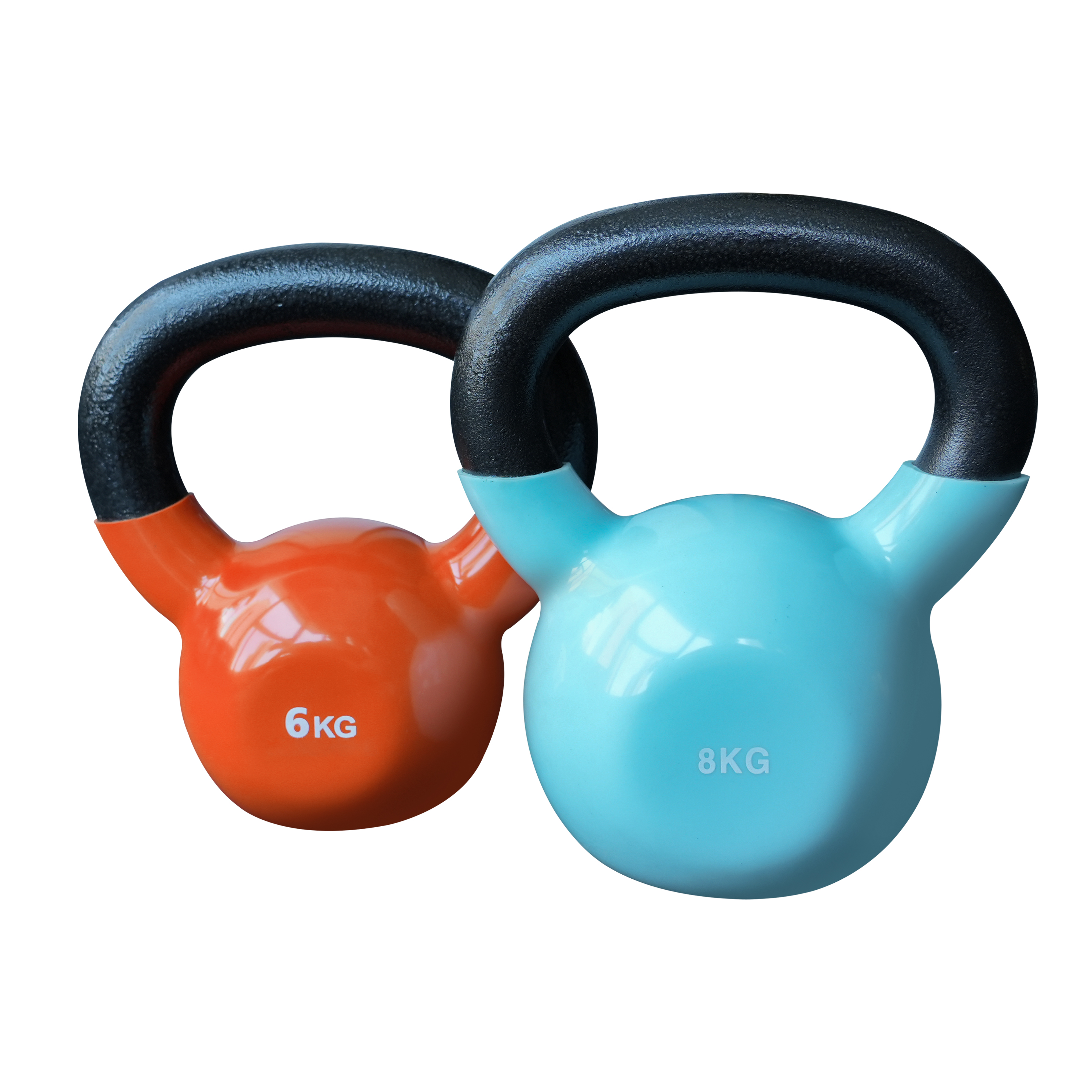
The choice between cast iron and urethane coatings significantly alters the replacement cycles of your inventory. While cast iron is a standard industry choice, the quality of the secondary coating determines how long the equipment remains professional in appearance. A professional commercial kettlebell manufacturer will offer high-density urethane or premium powder coating to prevent rust and impact damage in high-traffic hotel environments.
| Material Specification | Durability Profile | Maintenance Load | Long-Term TCO Impact |
|---|---|---|---|
| Standard Cast Iron | Moderate; prone to chipping | High; requires periodic rust treatment | Lower initial cost but higher replacement frequency |
| Premium Urethane Coating | High; impact and abrasion resistant | Low; easy to clean and maintain | Higher upfront cost with significantly extended lifespan |
| Rubber Encased | Very High; protects flooring and equipment | Minimal; highly durable for heavy use | Best for high-traffic commercial hospitality settings |
To ensure your procurement strategy remains cost-effective, always verify the durability standards with your hotel fitness equipment OEM partner. Relying on a commercial kettlebell manufacturer that provides detailed material certifications can prevent the hidden costs of frequent equipment turnover. When evaluating hotel gym kettlebell equipment guide specifications, prioritize suppliers capable of providing high-grade finishes that withstand the rigorous demands of commercial hospitality usage.
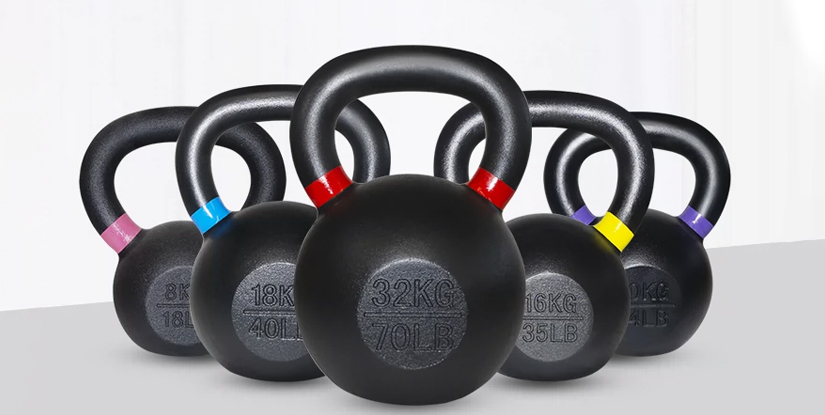
Mitigating Risk Through Factory-Direct Quality Control
A significant risk in high-volume hospitality procurement is the variance in finishing quality between production batches. To protect your distributor margins and ensure brand consistency, you must move beyond simple price-per-unit metrics and evaluate the hotel fitness equipment OEM processes. A professional China factory should implement rigorous inspection protocols to ensure that surface coatings are uniform and free of air bubbles or micro-cracks, which are the primary entry points for oxidation in humid hotel environments.
The relationship between QC and landed cost is often misunderstood by novice importers. While a lower unit price from a non-specialized OEM may seem attractive, the cost of shipping defective or poorly finished units back to a hotel site—or the cost of premature replacement—far outweighs the initial savings. Reliable hotel gym kettlebell equipment guide protocols suggest that investing in a supplier that offers pre-shipment inspection and standardized coating thickness testing will drastically reduce your long-term operational expenditure.
When finalizing your procurement plan, we recommend requesting a detailed technical spec sheet and confirming the specific MOQ for customized finishes. Whether you are seeking a specific color for brand identity or a specific coating for durability, always request a sample approval before initiating a full-scale bulk order to ensure the final product meets your hospitality standards.
Streamlining Logistics and Scaling Through Strategic Sourcing
Efficient procurement planning requires a deep understanding of how production cycles impact your delivery timelines. When managing a large-scale rollout for a hotel chain or a distributed network of fitness centers, the MOQ and lead time are just as critical as the product specifications themselves. A professional hotel gym kettlebell equipment guide suggests that buyers should align their inventory replenishment schedules with the production capacity of their chosen commercial kettlebell manufacturer to avoid unexpected stockouts or shipping delays.
For distributors looking to build a cohesive brand identity, leveraging OEM capabilities allows for much more than just color customization. You can integrate OEM solutions to create a specialized product line that meets specific hospitality aesthetics while maintaining high durability. This level of customization, when executed through a direct hotel fitness equipment OEM, ensures that your bulk orders arrive with consistent branding, ready for immediate deployment in premium gym environments.
To optimize your global supply chain, we recommend initiating a formal inquiry to confirm the current MOQ for your specific weight configurations and customized coating requirements. Before finalizing a full-scale purchase, request a detailed quote that includes the projected lead time and shipping terms to accurately calculate your total landed cost. Engaging in a professional sample approval process and a thorough factory audit will ensure your procurement strategy delivers long-term value and operational stability.
Custom Branding and OEM/ODM Capabilities for Hotel Chains
For premium hospitality groups, equipment is an extension of the guest experience. Utilizing a hotel gym kettlebell equipment guide to navigate custom branding options ensures that your fitness amenities reinforce your brand identity rather than looking like generic retail purchases. When sourcing at scale, professional hotel fitness equipment OEM services allow you to integrate your logo and specific aesthetic requirements directly into the product design, creating a cohesive, high-end environment for guests.
Partnering with a specialized commercial kettlebell manufacturer provides more than just hardware; it offers a strategic advantage in differentiation. Whether you require specific weight increments, unique handle textures, or proprietary color schemes to match your hotel's interior design, ODM capabilities allow for complete customization. This level of detail is essential for maintaining high-end hospitality standards across global properties, ensuring that every piece of equipment meets both your visual and functional specifications.
For procurement leads managing large-scale rollouts, China factory sourcing offers the most efficient path to achieving these bespoke requirements. By working directly with a factory, you can control the nuances of the manufacturing process—from the casting precision to the final powder coating finish. This direct-to-source approach is vital for ensuring that your private label products are consistent across multiple locations, reducing the risk of mismatched quality during global expansions.
Technical Customization and Procurement Decision Matrix
Achieving a signature look for a hospitality brand requires precision in both material and aesthetics. A professional hotel gym kettlebell equipment guide should emphasize that customization extends beyond a simple logo placement. Advanced OEM services allow for the integration of specific textures, such as specialized grip coatings or non-slip surfaces, which are critical for safety in high-traffic hotel environments. Whether you are requesting a specific matte finish to match a luxury minimalist aesthetic or a high-visibility color for a boutique studio, these technical adjustments are managed through direct communication with the supplier.
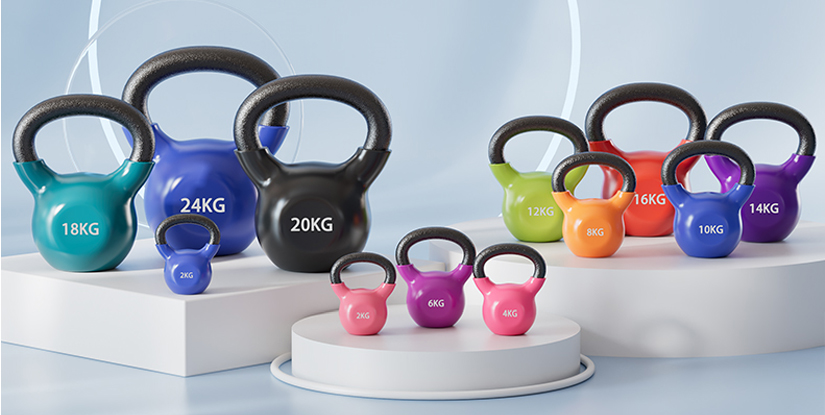
To assist in your procurement planning, the following table compares the primary sourcing models available for large-scale hospitality fit-outs. This comparison highlights the impact on your total landed cost and the level of control over your brand identity.
| Procurement Model | Customization Depth | Typical MOQ | Best Suited For |
|---|---|---|---|
| Standard Wholesale | Limited to color or logo | Low to Moderate | Small boutique hotels or rapid replacements |
| Full OEM/ODM | Full control over specs and texture | High | Global hotel chains and large-scale distributors |
| Direct Factory Sourcing | High technical customization | Variable | Large hospitality groups seeking maximum ROI |
When evaluating these options, consider the long-term maintenance load and the total cost of ownership. While standard stock items may offer a faster lead time, a custom-engineered solution from a commercial kettlebell manufacturer ensures that the equipment meets the specific durability and aesthetic standards of your property. We recommend requesting a detailed spec sheet and confirming the MOQ for any customized texture or color requests to ensure alignment with your global rollout schedule. Once technical requirements are finalized, you may proceed to sample approval or a factory audit to verify quality consistency before the final production run.
China Factory Sourcing: MOQ and Export Logistics
Navigating the procurement of a hotel gym kettlebell equipment guide requires a clear understanding of how production scales with order volume. For professional buyers, the relationship between a commercial kettlebell manufacturer and their MOQ determines both the depth of customization available and the overall landed cost of the project. When sourcing through a China factory, procurement leads must balance the desire for high-spec custom branding against the logistical realities of international shipping and factory production cycles.
The primary challenge in large-scale hospitality fitness projects is the mismatch between standard stock availability and specific brand identity requirements. Relying on off-the-shelf products often limits your ability to establish a premium, cohesive aesthetic for your facility. However, engaging in hotel fitness equipment OEM workflows allows for precise control over material finishes, weight increments, and logo integration, provided the volume meets the necessary thresholds.
Understanding Order Volume and Customization Tiers
In the context of a hotel gym kettlebell equipment guide, buyers should categorize their requirements into three distinct sourcing tiers. Each tier offers different levels of flexibility regarding OEM services and production lead times. Choosing the wrong tier can result in either excessive inventory costs or a lack of brand differentiation.
| Sourcing Tier | Typical MOQ | Customization Scope | Lead Time Profile |
|---|---|---|---|
| Standard Wholesale | Low (Per Set/Weight) | Limited to standard colors | Short (Ready to ship) |
| Private Label | Medium (Per SKU) | Logo, color, and packaging | Moderate (Production cycle) |
| Full OEM/ODM | High (Project-based) | Full spec and mold control | Long (Tooling and assembly) |
For distributors looking to maximize margins, understanding these MOQ tiers is essential for accurate project budgeting. A supplier capable of handling full OEM requests will typically require a larger commitment to justify the setup of specialized production lines or custom casting molds. When planning a hotel rollout, it is advisable to confirm these requirements during the initial sourcing phase to avoid delays in your grand opening schedule.
Logistical Efficiency and Total Landed Cost Optimization
Beyond the initial purchase price, the total landed cost remains the most critical metric for hospitality procurement professionals. This includes not only the factory-direct price but also the expenses related to export packaging, sea freight, port handling, and local customs duties. A professional hotel gym kettlebell equipment guide must emphasize that the way goods are packed directly impacts both the safety of the shipment and the volume efficiency of your container. Utilizing heavy-duty, reinforced export packaging is non-negotiable when shipping dense cast iron or rubber-coated equipment across oceans to prevent damage and ensure a high-quality arrival.
To mitigate the risks of international transit, we recommend that buyers request a detailed breakdown of the packing dimensions and weight per carton before finalizing any bulk order. Efficient palletization strategies can significantly reduce the volume-based freight costs, thereby improving your overall ROI. Furthermore, coordinating the lead time with your freight forwarder ensures that production completion aligns perfectly with vessel departures. This synchronization minimizes warehouse storage fees at the port and keeps your project timeline on track. For large-scale hospitality developments, we suggest confirming the availability of pre-shipment inspections to verify that the final output meets your strict commercial-grade specifications before the container is sealed.
Quality Control and Pre-Shipment Inspection Protocols
Maintaining high standards in a hotel gym kettlebell equipment guide requires a focus on rigorous quality control to mitigate the risks of batch defects. For professional buyers, sourcing from a reliable commercial kettlebell manufacturer ensures that every unit meets strict commercial-grade specifications, preventing the high replacement costs associated with substandard equipment.
A professional hotel gym kettlebell equipment guide must emphasize that durability begins at the factory level. Precision in weight tolerance is critical for professional training environments to ensure consistency across a full set. Furthermore, verifying surface coating integrity prevents premature wear or peeling, which can compromise the aesthetic standards of a premium hotel fitness center. When managing wholesale orders, we recommend a strict pre-shipment inspection to validate that every piece meets your specific OEM requirements and durability benchmarks before the final export process begins.
Critical Inspection Stages for Bulk Procurement
Effective procurement strategies for hospitality clients must account for the technical variables that impact total cost of ownership. A professional hotel gym kettlebell equipment guide should detail the specific inspection checkpoints required to ensure long-term commercial viability. This process begins with raw material verification, where the metal thickness and casting quality are assessed to prevent structural failures under high-frequency use. For a hotel fitness equipment OEM, verifying the absence of casting defects and ensuring smooth handle ergonomics is non-negotiable to prevent guest injury and liability concerns.
The most vital phase for distributors and large-scale importers is the pre-shipment inspection. During this stage, technical teams must validate weight accuracy across the entire SKU range to ensure compliance with international commercial standards. Beyond weight, the inspection must confirm the structural integrity of the handle and the seamless application of the outer coating. This level of oversight at the China factory level guarantees that the shipment arriving at your warehouse or hotel site is free from surface imperfections or dimensional inconsistencies, protecting your brand reputation and reducing the need for costly replacement cycles.
| Inspection Criterion | Standard Parameter | Commercial Grade Requirement |
|---|---|---|
| Weight Deviation Limit | ±1% to ±3% per unit | Strict tolerance for professional training consistency |
| Coating Adhesion | High-impact resistance | No peeling or chipping during heavy use or impact |
| Handle Ergonomics | Seamless surface finish | Zero sharp edges or casting imperfections for safety |
| Dimensional Accuracy | Standardized diameter | Consistent grip diameter across all weight increments |
| Packaging Strength | Reinforced export grade | Double-walled cartons and secure palletizing for sea freight |
| Material Purity | Cast iron or steel density | Uniform density to prevent structural imbalance |
Utilizing this technical checklist during your sourcing process allows procurement managers to move beyond superficial visual checks and focus on long-term operational efficiency. By establishing these benchmarks with your supplier, you ensure that the bulk shipment arrives ready for immediate deployment in high-traffic hospitality environments. We suggest requesting a detailed specification sheet and a sample approval process to verify these parameters against your specific OEM branding and durability needs before final production begins.