Kettlebell Weight Accuracy Standards: Export Ready China
Understanding Kettlebell Weight Accuracy Standards for Global Procurement
Strict kettlebell weight accuracy standards ensure that every unit in a commercial shipment matches the specified weight within a minimal percentage of error. For professional distributors and gym owners, sourcing from a reliable China factory guarantees that bulk orders maintain consistent mass, preventing discrepancies in high-end training environments.
When managing high-volume wholesale orders, even minor deviations can lead to significant logistical and reputational issues. If a shipment of 24kg units arrives with inconsistent weights, it compromises the integrity of the commercial gym supply chain. Professional buyers prioritize a precision kettlebell supplier to ensure that the total weight of a containerized shipment aligns perfectly with the manifest, protecting both the landed cost and the end-user experience.
Inconsistent mass across a single batch can trigger disputes during pre-shipment inspections and delay distribution timelines. For a supplier, maintaining a strict commercial kettlebell weight tolerance is not just about quality; it is about ensuring predictable wholesale kettlebell manufacturing processes that support large-scale sourcing requirements for international fitness brands.
Analyzing Tolerance Impact on Total Cost of Ownership
Procurement professionals must look beyond the unit price to understand how weight variance affects the total landed cost and long-term profitability. In large-scale logistics, a cumulative weight error across thousands of units can lead to unexpected shipping surcharges or container weight limit violations. Utilizing a precision kettlebell supplier minimizes these hidden risks, ensuring that your inventory remains compliant with international shipping regulations and strict commercial specifications.
| Manufacturing Tier | Typical Weight Tolerance | Target Procurement Segment | Supply Chain Impact |
|---|---|---|---|
| Standard Casting | +/- 3% to 5% | Budget-friendly commercial gyms | Higher risk of weight variance in bulk |
| Precision Cast/Machined | +/- 1% to 2% | Professional training centers | Optimal for high-end distributor margins |
| Competition Grade | +/- 0.5% or less | Elite sports facilities | Maximum reliability for global sourcing |
Evaluating the commercial kettlebell weight tolerance is a critical step in the factory audit process. A professional China factory will provide detailed weight deviation reports during the quality control phase to prove that their wholesale kettlebell manufacturing capabilities meet your specific contract requirements. By establishing these benchmarks early, distributors can mitigate the risk of returns and maintain high brand authority in their local markets.
For distributors managing diverse product catalogs, the ability to scale through OEM or ODM solutions is often tied directly to a manufacturer's technical precision. When you move from small-batch orders to high-volume wholesale distribution, the complexity of maintaining kettlebell weight accuracy standards increases. A professional supplier must offer more than just production capacity; they must provide a structured framework for quality assurance that allows for seamless integration into your brand identity.
Reliable wholesale kettlebell manufacturing involves rigorous testing protocols that prevent the "weight drift" often seen in lower-tier production. Whether you are requesting a custom color finish or a specific handle diameter through ODM, the core mass must remain constant. This level of control is essential when negotiating MOQ levels for large-scale retail or commercial projects, as it ensures that your branded products meet the expectations of high-performance athletes and professional coaching facilities globally.
The Impact of Weight Tolerance on Commercial Gym ROI
When sourcing for high-traffic facilities, professional buyers must look beyond the initial unit price to understand the long-term total cost of ownership (TCO). Inconsistent kettlebell weight accuracy standards can lead to significant financial leakage for distributors and gym operators. If a batch of heavy weights deviates significantly from the labeled mass, the resulting operational friction—such as client complaints regarding training progression or disputes over equipment integrity—can damage a facility's reputation and increase turnover.
For importers, the procurement risk involves more than just a single bad shipment; it involves the cumulative cost of replacement, returns, and lost trust. Relying on a precision kettlebell supplier ensures that every unit in a bulk order meets the expected specifications, protecting your margins and ensuring a stable commercial gym weight tolerance across your entire inventory.
| Procurement Factor | Low-Standard Mass Production | High-Standard Factory Direct |
|---|---|---|
| Weight Consistency | High variance per batch | Strict adherence to standards |
| Client Perception | Frequent complaints/friction | Professional/Premium feel |
| Replacement Costs | High due to inaccuracies | Minimal/Low |
| Distributor Margins | Eroded by returns/claims | Protected by reliability |
To mitigate these risks, a professional wholesale kettlebell manufacturing partner will implement rigorous China factory QC protocols. This includes calibrated testing of every weight class to ensure that the kettlebell weight accuracy standards are met before the container is sealed for export. By prioritizing precision during the sourcing phase, you optimize your landed cost by avoiding the hidden expenses of defective or inaccurate inventory.
Analyzing the financial implications of mass production reveals that the cheapest initial unit price often results in the highest long-term expense. For professional buyers, selecting a partner that adheres to strict kettlebell weight accuracy standards is a strategic decision to protect your bottom line. When a precision kettlebell supplier delivers units with high variance, the hidden costs of customer dissatisfaction and frequent replacements eventually outweigh any initial savings on the purchase price.
Financial Impact Comparison: Precision vs. Low-Tolerance Sourcing
| Metric for B2B Buyers | Standard Low-Tolerance Production | High-Precision Factory Direct |
|---|---|---|
| Average Landed Cost | Lower initial unit price | Higher initial unit price |
| Replacement Frequency | High due to weight discrepancies | Extremely low egligible |
| Customer Satisfaction | Declining due to inconsistent training | High/Stable for professional use |
| Long-term ROI | Reduced by returns and claims | Optimized through durability |
| Maintenance Costs | Higher due to uneven wear/imbalance | Minimal/Standardized |
From a distributor perspective, the goal is to maximize the margin between the bulk purchase price and the final market value. Engaging in professional wholesale kettlebell manufacturing allows you to secure a product that maintains its value throughout its lifecycle. By vetting your partner's ability to meet specific commercial kettlebell weight tolerance requirements, you ensure that your inventory remains a premium asset rather than a liability. We recommend that all procurement leads request a detailed spec sheet and confirm the specific testing methods used by the factory to validate these standards before finalizing any bulk order or OEM agreement.
From a distributor perspective, the goal is to maximize the margin between the bulk purchase price and the final market value. Engaging in professional wholesale kettlebell manufacturing allows you to secure a product that maintains its value throughout its lifecycle. By vetting your partner's ability to meet specific commercial kettlebell weight tolerance requirements, you ensure that your inventory remains a premium asset rather than a liability. We recommend that all procurement leads request a detailed spec sheet and confirm the specific testing methods used by the factory to validate these standards before finalizing any bulk order or OEM agreement.
Precision Kettlebell Supplier Selection and Technical Verification
Establishing strict kettlebell weight accuracy standards is a critical requirement for any professional commercial gym supply chain. When distributors or gym owners place bulk orders, inconsistent weights across a single set can lead to significant procurement risk, affecting both training integrity and brand reputation. To mitigate these issues, a reliable China factory must implement a rigorous QC protocol that moves beyond simple estimation to high-precision calibration.
A professional precision kettlebell supplier utilizes calibrated electronic scales and standardized casting processes to ensure that every unit meets the specific weight tolerance required for international competition and commercial use. For importers managing large-scale wholesale kettlebell manufacturing projects, verifying these technical specifications during the sourcing phase is essential to maintaining high standards and ensuring a predictable landed cost without the hidden expense of defective or non-compliant inventory.
Technical Comparison of Weight Tolerance Tiers
To assist in your procurement evaluation, the following table outlines the typical technical differentiation between standard production and high-performance manufacturing. Understanding these specifications helps distributors select the appropriate tier based on their target market and desired profit margins.
| Weight Class Category | Standard Manufacturing Method | Standard Tolerance | High-Precision Tolerance | Typical Commercial Application |
|---|---|---|---|---|
| Lightweight (4kg - 12kg) | Sand Casting | +/- 3% to 5% | +/- 1% to 2% | General Fitness & Studio Use |
| Mid-Range (14kg - 24kg) | Cast Iron / Powder Coated | +/- 2% to 3% | +/- 1% | CrossFit & Functional Training |
| Heavyweight (26kg - 48kg+) | Precision Casting / Steel Shell | +/- 1% to 2% | +/- 0.5% | Competition & Professional Strength |
When evaluating a commercial kettlebell weight tolerance, importers should confirm whether the manufacturer provides a certificate of calibration for their testing equipment. A high-tier precision kettlebell supplier will offer strict control over the wholesale kettlebell manufacturing process, ensuring that even the heaviest units remain within the specified deviation limits. This level of detail is vital for maintaining professional standards and minimizing the risk of returns or client dissatisfaction in high-end commercial environments.
Optimizing Long-Term ROI Through OEM and ODM Capabilities
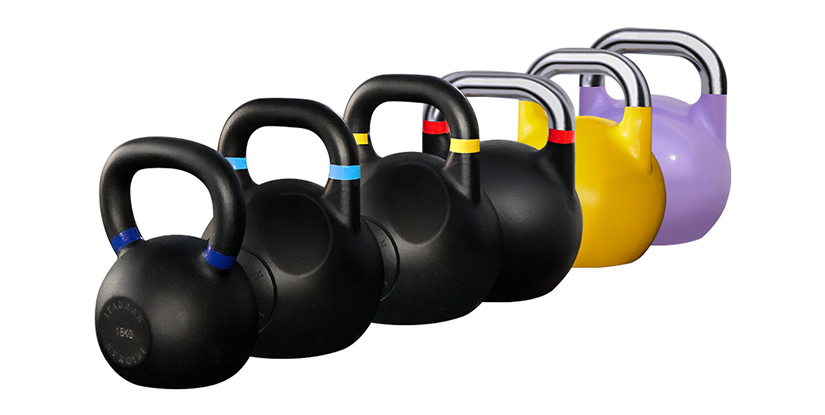
Beyond initial weight precision, professional buyers must evaluate how a precision kettlebell supplier supports long-term brand growth through customization. For established distributors, the ability to transition from standard stock to a specialized OEM or ODM partnership is often the deciding factor in market differentiation. High-quality wholesale kettlebell manufacturing is not just about the weight inside the bell, but the ability to integrate your unique brand identity into the product through custom casting, specialized coatings, or proprietary handle designs.
Engaging in sourcing with a partner capable of sophisticated OEM production allows you to control the entire lifecycle of your inventory. Whether you require a specific color scheme for a boutique studio chain or a customized weight increment for a professional competition line, a capable factory can adjust production parameters to meet these exact needs. This strategic approach ensures that your commercial gym supply remains a premium offering, effectively lowering your long-term total cost of ownership by reducing the need for frequent SKU updates and enhancing your brand's perceived value in the global market.
To ensure a seamless transition from technical approval to container loading, we recommend that procurement leads request a formal specification sheet and confirm the minimum MOQ for any custom branding requests. Before finalizing large-scale shipments, it is standard practice to undergo a formal factory audit or request a pre-shipment sample to verify that the kettlebell weight accuracy standards are strictly upheld across your entire custom order.
Managing Wholesale Kettlebell Manufacturing and Material Consistency
Maintaining strict kettlebell weight accuracy standards is essential for distributors and gym owners who rely on predictable equipment performance. When sourcing wholesale orders from a China factory, discrepancies in mass can lead to significant procurement headaches, such as inconsistent training loads or damaged reputation among professional clients. Precision ensures that a 16kg unit is truly 16kg, protecting your brand identity and reducing long-term replacement costs.
A reliable precision kettlebell supplier utilizes standardized casting and calibrated testing to manage commercial kettlebell weight tolerance across high-volume production runs. For professional wholesale kettlebell manufacturing, this level of control minimizes the risk of weight variance, ensuring that every unit in a bulk shipment meets the exact specifications required for high-end commercial gym supply. High-quality quality control at the factory level prevents the landed cost of shipping defective or inaccurate units back to your warehouse.
Understanding Weight Tolerance Tiers for Bulk Sourcing
When evaluating a precision kettlebell supplier, it is critical to understand how different manufacturing methods impact the final weight variance. For distributors, the difference between standard and premium production directly affects your margins and the reliability of your inventory. High-precision units are essential for competition-grade or high-end studio settings where uniformity is a strict requirement.
| Production Tier | Typical Weight Tolerance | Primary Application | Sourcing Advantage |
|---|---|---|---|
| Standard Commercial | +/- 3% to 5% | General fitness centers and high-traffic gyms | Cost-effective for high-volume wholesale |
| Premium Professional | +/- 1% to 2% | CrossFit boxes and specialized strength studios | Higher perceived value for niche markets |
| Competition Grade | +/- 0.5% or less | Professional sports training and sanctioned events | Maximum brand authority and precision |
To mitigate procurement risks, we recommend requesting a sample evaluation or a formal spec sheet before finalizing a large-scale order. A professional China factory should be able to provide documented calibration results to prove their commercial kettlebell weight tolerance meets your specific market requirements. Confirming these technical benchmarks early in the process helps optimize your total landed cost and ensures long-term distributor satisfaction.
The Role of OEM and ODM in Maintaining Batch Consistency
For large-scale distributors, achieving high-level kettlebell weight accuracy standards requires more than just a single successful sample; it requires a repeatable production system. Utilizing OEM or ODM services allows buyers to integrate specific technical requirements into the initial manufacturing blueprint. Whether you are developing a private label line or sourcing existing high-performance models, a professional supplier uses these processes to ensure that the thousandth unit produced is identical in mass and balance to the first.
A structured quality control framework is the backbone of successful wholesale kettlebell manufacturing. This includes rigorous pre-shipment protocols where every batch undergoes weight verification and dimensional inspection. By implementing these strict standards, a factory can guarantee that your bulk order arrives with the consistency expected by premium fitness facilities. This level of oversight reduces the frequency of returns and protects your profit margins by eliminating the costs associated with inaccurate or substandard equipment.
Optimizing Inventory with Commercial Kettlebell Weight Tolerance Specs
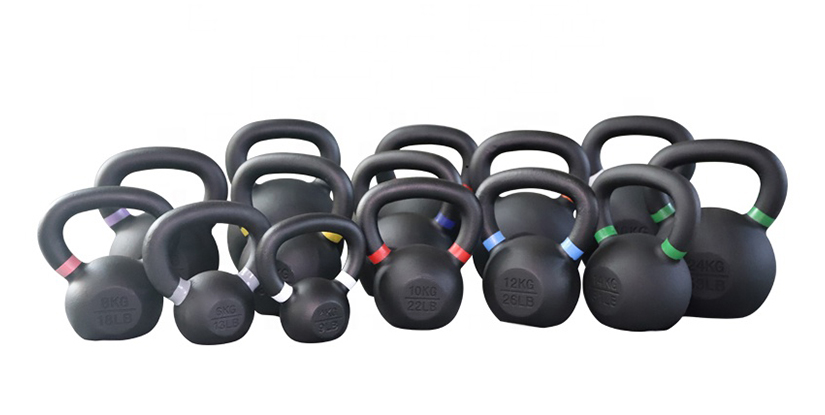
Maintaining strict kettlebell weight accuracy standards is a critical factor for distributors managing large-scale wholesale orders. When sourcing from a China factory, even minor deviations in weight per unit can aggregate into significant inventory discrepancy issues across a full container shipment. For professional importers, these variances do not merely affect product consistency; they directly impact the landed cost and overall profit margins of a commercial gym supply catalog.
A reliable precision kettlebell supplier ensures that every unit within a specific weight class adheres to a predefined commercial kettlebell weight tolerance. Without this precision, distributors face the logistical nightmare of mismatched stock counts and potential returns from high-end fitness facilities that demand exact specifications. By prioritizing rigorous quality control during the wholesale kettlebell manufacturing process, procurement leads can stabilize their supply chain and ensure that bulk shipments arrive meeting the exact requirements of their professional clients.
Tiered Tolerance Levels for Strategic Procurement
Understanding the technical gap between different manufacturing tiers allows procurement managers to align their budget with the specific needs of their target market. For example, a high-performance training center requires much tighter tolerances than a general fitness studio. Selecting the correct tier during the wholesale kettlebell manufacturing phase prevents unnecessary expenditure on over-engineered products while avoiding the risks of low-quality, inconsistent stock.
| Product Tier | Typical Weight Tolerance | Primary Market Application | Procurement Logic |
|---|---|---|---|
| Premium / Competition Grade | ± 1% to 2% | Professional athletic facilities and high-end strength centers | Maximum reliability for strict performance standards |
| Standard Commercial Grade | ± 3% to 5% | Commercial gyms, fitness studios, and general retail | Balanced cost-to-quality ratio for high-volume distribution |
| Budget / Entry-Level | ± 5% or greater | Home-gym distributors and economy-focused fitness centers | Optimized for lowest possible landed cost |
When evaluating a precision kettlebell supplier, it is essential to confirm which tolerance level is applied to your specific MOQ. A professional supplier will provide detailed specification sheets to verify that the kettlebell weight accuracy standards meet your brand identity requirements. We recommend requesting a sample evaluation or a technical specification sheet to ensure the commercial kettlebell weight tolerance aligns with your distributor margins and client expectations before finalizing a bulk order.
Quality Assurance and Pre-Shipment Inspection Protocols
For distributors managing high-volume shipments, the risk of receiving inconsistent weight across a container is a significant logistical pain point. To mitigate this, a professional factory must implement a rigorous QC protocol that extends beyond simple production. Effective wholesale kettlebell manufacturing requires a multi-stage verification process, starting from raw material density checks to the final calibration of the finished unit. Without these systemic checks, a single batch of non-compliant equipment can damage your reputation with commercial clients and increase the cost of returns.
Reliable sourcing strategies should always include a mandatory pre-shipment inspection to validate that the kettlebell weight accuracy standards are upheld across the entire order. This stage is crucial for verifying that the commercial kettlebell weight tolerance remains consistent from the first unit to the last. By scheduling a formal inspection or requesting a weight-verification report before the container is sealed, procurement leads can ensure that the bulk order reliability remains high, protecting both their distributor margins and their long-term client relationships.
China Factory Export Protocols and Bulk Order Logistics
Maintaining strict kettlebell weight accuracy standards is a critical requirement for international distributors and gym equipment importers. When sourcing in high volumes, even a minor deviation in mass can lead to significant discrepancies in inventory value and professional certification compliance. A professional China factory must implement rigorous testing protocols to ensure every unit meets the exact specifications required for global export.
The complexity of wholesale kettlebell manufacturing extends beyond the casting process to include comprehensive quality management. For large-scale procurement, a reliable supplier integrates a multi-stage QC process that includes individual weight verification and balance testing. This level of precision prevents the high landed costs associated with defective shipments or non-compliant stock. To ensure total transparency, we recommend that all professional buyers schedule a pre-shipment inspection to verify commercial kettlebell weight tolerance before the cargo leaves the facility.
Evaluating Tiered Manufacturing and Sourcing Models
For procurement officers, selecting the right manufacturing tier directly influences the total landed cost and long-term product reliability. Choosing between a high-precision precision kettlebell supplier and standard bulk manufacturers requires a clear understanding of how production methods affect weight stability and shipping efficiency. A higher level of control over the casting process ensures that your inventory maintains consistent value across all SKUs.
The following table compares common sourcing tiers to help you determine the best fit for your distribution or retail model, focusing on how production quality impacts your operational margins.
| Specification Category | Standard Bulk Manufacturing | Premium Precision Manufacturing |
|---|---|---|
| Weight Tolerance Control | Variable mass per unit | Strict adherence to mass specs |
| Typical MOQ | High volume requirements | Flexible based on customization |
| Production Focus | Mass market distribution | Professional/Competition use |
| Packaging Standard | Standard export cartons | Reinforced heavy-duty export packaging |
| Customization Capability | Limited branding options | Advanced OEM and ODM support |
| Lead Time Average | Standardized production cycles | Variable based on custom specs |
When finalizing your procurement strategy, we suggest requesting a detailed specification sheet to confirm exact weight ranges. It is also advisable to confirm the specific MOQ for any custom branding or OEM requests to ensure your logistics planning aligns with factory capacity and your projected lead time.
Optimizing Customization and Global Distribution
Large-scale distributors often require more than just standardized products; they need a partner capable of sophisticated ODM and OEM services to build brand equity. Whether you are looking to implement a unique color palette for a premium line or require specific handle dimensions for a professional competition series, a specialized factory can integrate these requirements into the initial casting phase. This ensures that your brand identity remains consistent without compromising the core kettlebell weight accuracy standards required for professional use.
Effective logistics management is the final pillar of a successful bulk order. Beyond the production line, optimizing shipping density through customized palletization and reinforced export packaging is essential to reducing the total landed cost. By working directly with a specialized supplier, buyers can coordinate more efficient container loading patterns, maximizing the volume of high-density steel products per shipment. We recommend discussing your specific shipping dimensions and custom branding requirements early in the sourcing process to ensure a seamless transition from production to your local warehouse.