China Manufacturer

High-Precision Tolerance and Durability Standards for Exercise Equipment Manufacturers - China Factory,Supplier,Manufacturer

Strategic Sourcing for Commercial Fitness Infrastructure

For commercial gym owners, global distributors, and fitness brand developers, the transition from local procurement to international manufacturing is a pivotal decision. The complexity of sourcing high-durability strength and cardio gear lies not just in finding a vendor, but in identifying exercise equipment manufacturers capable of maintaining rigorous mechanical tolerances and consistent material grades over long-term production cycles. A failure in precision during the manufacturing stage often translates into high maintenance costs, frequent downtime, and diminished user safety in high-traffic commercial environments.

This guide addresses the fundamental challenges faced by B2B buyers when navigating the global supply chain. We move beyond simple product catalogs to explore the structural logic of production, the nuances of OEM customization, and the technical benchmarks required to secure a competitive advantage. Whether you are scaling a boutique fitness chain or managing a large-scale distribution network, understanding the operational depth of your manufacturing partners is essential for optimizing your total cost of ownership (TCO).

Through this analysis, we will cover several critical procurement dimensions, including:

  • The technical distinction between tier-one manufacturers and low-cost brokers.
  • Standardized benchmarks for evaluating strength training equipment durability.
  • The strategic advantages of direct factory-to-distributor sourcing models.
  • Managing the complexities of OEM/ODM processes for brand-specific product lines.
  • Risk mitigation strategies during the international shipping and installation phases.

By focusing on the intersection of engineering precision and supply chain reliability, procurement professionals can build a more resilient inventory that meets the high-performance demands of modern commercial fitness facilities.
Comparative Analysis: Sourcing Models and Product Tiers

When building out a commercial fitness facility or a regional distribution network, procurement professionals must decide between sourcing from high-end retail brands, specialized distributors, or direct exercise equipment manufacturers. Each model offers a distinct value proposition regarding cost, customization, and long-term reliability. To make an informed decision, it is necessary to look past the marketing terminology and focus on verifiable technical specifications such as steel gauge, bearing quality, and coating thickness.

The following table provides a strategic comparison across three common procurement tiers. This comparison is designed to help buyers understand where their specific business needs—whether they prioritize brand prestige or cost-efficient scalability—align with the available supply chain options.

Procurement DimensionPremium Brand Tier (Retail Focused)Specialized Distributor Tier (Mid-Market)Direct Factory Sourcing (OEM/B2B Model)
Core Value PropositionHigh brand prestige and established global reputation.Balanced reliability with localized support.Maximum cost efficiency and high customization potential.
Customization AbilityVery limited; mostly standard product lines.Moderate; limited to color or minor accessory changes.High; full control over OEM branding, colors, and specs.
Material & Engineering ControlStrictly defined by internal proprietary standards.Dependent on the brand's selected manufacturers.Direct oversight of steel gauge, weld quality, and tolerances.
Typical Lead TimesOften long due to complex global logistics.Moderate, based on regional warehouse stock.Variable, depending on production cycle and customization.
Total Cost of Ownership (TCO)Highest; includes high markup for brand equity.Mid-range; predictable but with standard margins.Lowest; optimized through direct factory-to-buyer links.
Ideal ForLuxury boutique gyms and high-end wellness clubs.Regional gym chains and fitness retailers.Global distributors, large-scale gym chains, and OEMs.

Understanding these distinctions is crucial for optimizing your procurement strategy. For instance, while the Premium Brand Tier offers immediate trust, the Direct Factory Sourcing model allows for much tighter control over the technical attributes of your equipment. When sourcing directly from exercise equipment manufacturers, the focus shifts from buying a "name" to managing a technical specification, which is the key to achieving a high-performance, low-maintenance facility at a competitive price point.

Technical Benchmarks for Evaluating Manufacturing Capability

A common pitfall in B2B procurement is equating a low per-unit price with high value. In the commercial fitness sector, the true cost is revealed through the lifecycle of the equipment. High-quality exercise equipment manufacturers do not merely assemble parts; they manage a complex interplay of metallurgy, mechanical engineering, and surface treatment. To avoid the "low-cost trap," procurement managers must transition from evaluating price to evaluating technical compliance and structural integrity.

The Logic of Material Integrity and Mechanical Precision

The durability of a commercial gym machine is fundamentally rooted in its steel gauge and weld quality. While a low-cost broker might offer a machine that looks identical to a premium model, the internal frame thickness often differs. A 11-gauge steel frame provides significantly higher structural rigidity and resistance to fatigue than a 14-gauge frame, especially in high-impact strength training equipment. Furthermore, the quality of the welding—specifically the presence of full-penetration welds versus cosmetic tack welds—determines the machine's ability to withstand years of lateral stress without structural failure.

Mechanical consistency also relies on the precision of moving parts. For resistance-based equipment, the quality of the bearings and the smoothness of the weight stack movement are non-negotiable. High-end manufacturers utilize precision-ground bearings and high-tensile cables to ensure a fluid motion that minimizes friction. Inconsistent tolerances in these components lead to "jerky" movements, which not only degrade the user experience but also increase the wear and tear on the machine's frame, leading to premature mechanical failure.

Navigating the Compliance and Certification Landscape

A sophisticated procurement framework must include a rigorous verification of compliance. It is a mistake to assume that a manufacturer's claim of "international standards" is sufficient without seeing the underlying documentation. Reliable manufacturers maintain strict control over their supply chain, ensuring that every component—from the upholstery foam density to the powder coating thickness—meets specific safety and durability benchmarks. This includes verifying the chemical stability of the paint to prevent chipping and the flame-retardant properties of the seat padding.

When evaluating a potential partner, look for evidence of a systematic quality control (QC) process. A professional factory does not just perform a final inspection; they integrate QC at every stage: raw material testing, in-process machining checks, and pre-shipment load testing. This level of detail is what differentiates a true manufacturer from a trading company that merely oversees assembly. By prioritizing these technical indicators, buyers can mitigate the risks of product recalls, safety liabilities, and the high costs associated with replacing substandard equipment in a commercial setting.

Bridging the Gap: High-Performance OEM and Value-Driven Solutions

In the modern fitness landscape, the distinction between "premium retail brands" and "factory-direct solutions" is increasingly defined by technical transparency rather than brand prestige. Many procurement professionals seek a "high-end alternative" strategy—obtaining equipment that matches the performance metrics of top-tier commercial brands while optimizing the budget. This is achievable when working with exercise equipment manufacturers that treat specification sheets as binding technical contracts rather than mere suggestions.

Achieving High-End Performance via Technical Alignment

A successful "brand-alternative" strategy relies on aligning specific, verifiable indicators. Instead of focusing on a brand name, buyers should demand parity in the following critical areas to ensure the equipment meets commercial-grade expectations:

  • Structural Rigidity: Ensuring frame thickness (e.g., 11-gauge vs. 14-gauge steel) and weld depth match the high-intensity requirements of professional strength training.
  • Motion Smoothness: Matching the bearing grade and cable tensile strength of premium models to ensure fluid, frictionless movement during heavy resistance cycles.
  • Surface Durability: Utilizing high-micron electrostatic powder coating and high-density, anti-microbial upholstery that resists wear and chemical cleaners in high-traffic environments.
  • Component Precision: Verifying that mechanical tolerances in adjustment pins, weight stacks, and pivot points align with the precision standards of established commercial lines.

By focusing on these measurable attributes, distributors can provide their clients with equipment that delivers a premium user experience at a significantly more efficient price point, effectively bridging the gap between high-cost retail and cost-effective procurement.

Professional OEM/ODM Capabilities and Compliance Boundaries

For brands looking to expand their product lines, engaging in OEM/ODM services requires a partner with a disciplined production architecture. High-capacity manufacturing facilities operate under a rigorous "Sample-to-Mass-Production" workflow. This process begins with a detailed prototyping phase, where the manufacturer produces a functional sample based on the client's proprietary dimensions or aesthetic requirements. Once the sample is validated through rigorous stress testing and design sign-off, the production moves into a highly controlled mass-manufacturing stage.

Professionalism in this sector is also defined by strict adherence to confidentiality and compliance. Leading manufacturers implement strict internal protocols to protect client intellectual property, ensuring that custom designs, unique ergonomic features, or proprietary branding elements remain secure throughout the manufacturing lifecycle. Furthermore, these facilities maintain a clear boundary regarding compliance; they operate within the legal frameworks of international trade, ensuring that all customized products meet the necessary safety certifications and documentation standards required for the target market. This disciplined approach to both design protection and regulatory adherence makes them reliable partners for global fitness brands seeking to scale their presence.

Case Studies in Bespoke Procurement and Solution Delivery

In the B2B fitness industry, technical challenges often arise at the intersection of rigid brand identity and complex logistical constraints. Real-world scenarios demonstrate that a successful partnership relies on a manufacturer's ability to move beyond standard catalogs and provide engineered solutions that address specific operational pain points.

Scenario A: Scaling a Regional Fitness Chain via Custom OEM Integration

A growing regional fitness chain in Southeast Asia sought to establish its own branded line of strength training equipment to differentiate itself from local competitors. Their primary requirement was a cohesive aesthetic—specifically a matte black finish with high-contrast neon accents—while maintaining a strict budget that precluded sourcing from premium Western-tier brands. However, the client faced a significant constraint: their existing facility layout had limited ceiling height, requiring custom-dimensioned multi-gym systems that would not interfere with their overhead lighting and ventilation ducts.

The manufacturer responded by initiating a dedicated prototyping phase. Instead of offering a standard model, the engineering team adjusted the vertical frame height and optimized the cable travel distance to fit the client's specific spatial constraints. To ensure the "premium look" without the premium price, the factory utilized a high-micron electrostatic powder coating process to achieve the requested matte finish. The final solution included customized logo placement on the weight stacks and upholstery, providing the client with a professional, branded experience. The project was delivered within the 90-day window, and the equipment passed all structural load tests required for their commercial launch.

Scenario B: Navigating Compliance and Packaging for a High-Volume Distributor

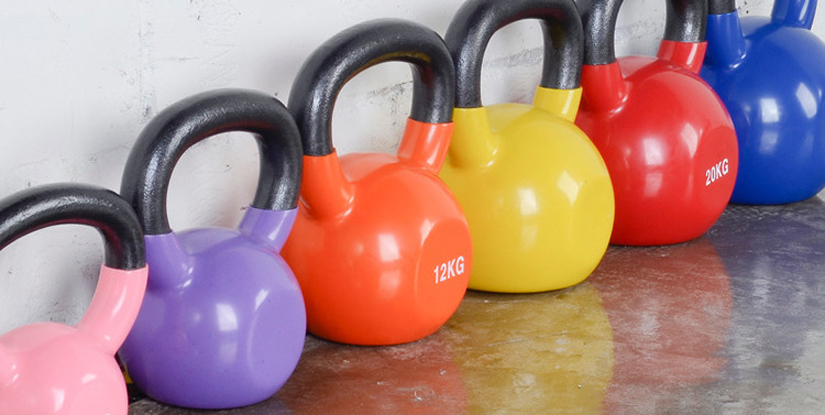
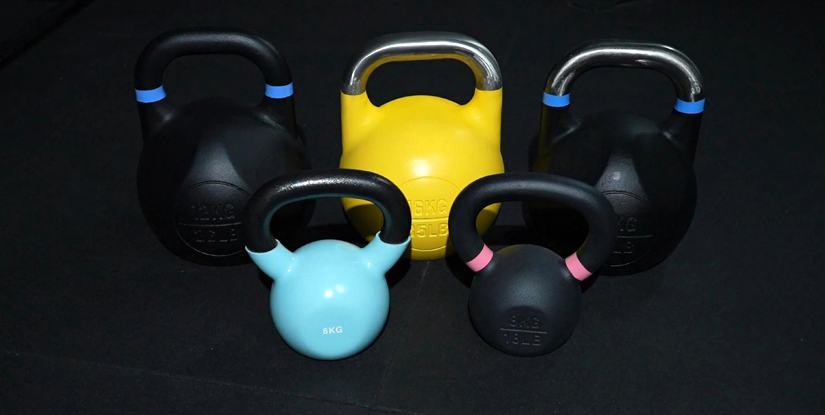
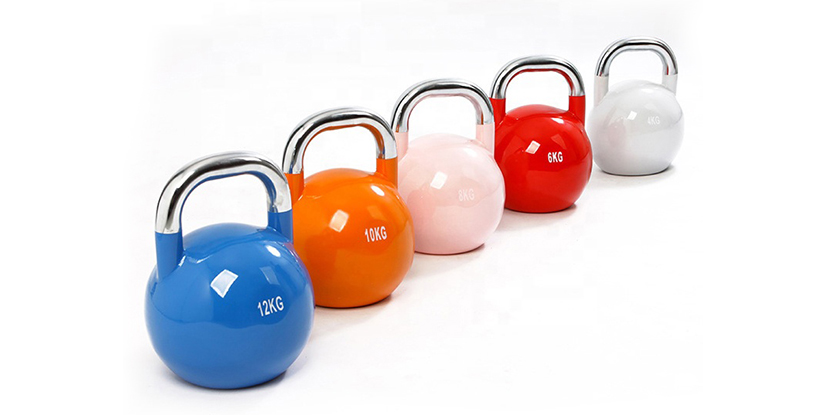
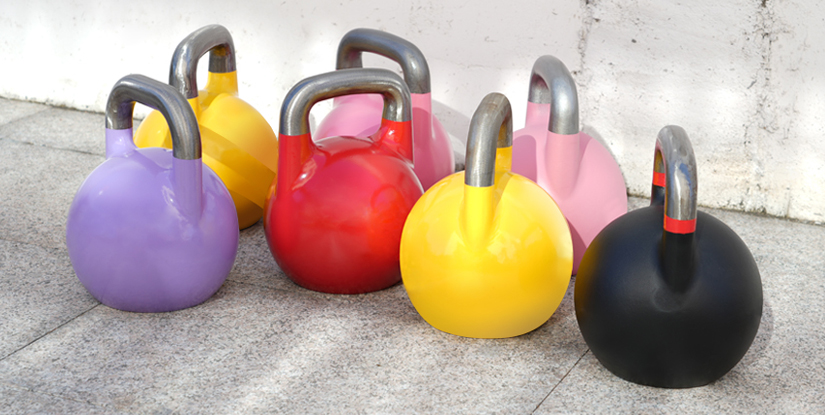
An international fitness equipment distributor faced a critical challenge when expanding into a new market with stringent import regulations regarding weight and packaging durability. They needed to source a high volume of resistance gear, specifically customized resistance bands and kettlebells, to fulfill a large-scale contract for a hospitality group. The primary constraints were the strict weight-per-box limits for air-freight efficiency and the requirement for eco-friendly, recyclable packaging that could withstand high-humidity transit environments.

The manufacturer developed a specialized packaging solution that utilized reinforced, modular cardboard structures to protect the equipment while optimizing volume for shipping containers. For the resistance bands, the factory adjusted the material density to ensure consistent tension while meeting the specific weight-class certifications required by the destination country. By providing detailed material safety data sheets (MSDS) and customized labeling that met local regulatory standards, the manufacturer enabled the distributor to clear customs without delays. This proactive approach to compliance and logistics optimization allowed the distributor to meet their delivery deadline and successfully launch the product line in the new territory.

These examples illustrate that professional exercise equipment manufacturers act as more than just production lines; they serve as technical consultants capable of navigating the nuances of customization, spatial constraints, and international compliance to ensure successful project execution.

Operationalizing the Partnership: From Prototyping to Global Delivery

Moving from a conceptual design or a selected product specification to a fully realized shipment requires a structured operational framework. For B2B buyers, the transition from the initial inquiry to the final arrival at a commercial facility involves several critical touchpoints that dictate the success of the procurement cycle. Professional exercise equipment manufacturers operate through a disciplined sequence of communication and validation to ensure that the final delivered goods align with the technical and logistical requirements of the client.

Standardizing the Development and Production Workflow

The lifecycle of a professional order typically follows a rigorous progression designed to mitigate technical and financial risks. Understanding these stages allows procurement managers to set realistic expectations for project timelines:

  • Technical Specification and Quotation: The process begins with a detailed review of the RFQ (Request for Quotation), where the manufacturer confirms material grades, dimensions, and specific mechanical components.
  • Sampling and Prototyping: For OEM or customized orders, a physical sample is mandatory. This stage allows the buyer to verify the ergonomics, color accuracy, and mechanical smoothness before committing to a full production run.
  • Production and In-Process QC: Once the sample is approved and the deposit is settled, production enters the factory floor. Regular updates on production progress ensure that the client remains informed of any potential shifts in the timeline.
  • Final Inspection and Testing: Before leaving the factory, equipment undergoes final quality control, which may include load testing, weight verification, and aesthetic inspections to ensure every unit meets the agreed-upon standards.

Managing MOQ, Packaging, and Logistics Complexity

A major component of B2B procurement is managing the logistical realities of heavy, high-volume fitness gear. Unlike small-scale retail, commercial-grade procurement requires a specialized approach to packaging and shipping to prevent transit-related damage and optimize container utilization.

Minimum Order Quantities (MOQ) are typically determined by the level of customization required. Standard stock items often have lower MOQs, whereas highly customized OEM products—such as machines with proprietary branding or unique frame geometries—require higher volumes to maintain production efficiency. Buyers should negotiate these thresholds early in the discussion to avoid budget overruns.

Regarding logistics, professional manufacturers offer diverse packaging and shipping options tailored to the destination. For heavy strength training equipment, this often involves reinforced, high-density corrugated cardboard and custom-engineered wooden crates to ensure structural integrity during sea freight. For smaller items like resistance gear or specialized accessories, modular and stackable packaging is utilized to maximize container volume and reduce shipping costs per unit. By coordinating closely with the manufacturer's logistics team, distributors can choose between various shipping modes—such as LCL (Less than Container Load) or FCL (Full Container Load)—to align with their specific inventory management and cash flow requirements.

Pre-Procurement Checklist for High-Performance Sourcing

Successful long-term procurement of commercial fitness infrastructure depends on the transition from passive ordering to active technical management. Before finalizing any purchase order or initiating an OEM project, procurement professionals should verify that their manufacturing partners meet the specific operational demands of their target market.

To ensure a seamless transition from factory to facility, utilize the following technical and logistical verification points during your final evaluation phase:

  • Verify Mechanical Specifications: Request detailed technical drawings that specify steel gauge (e.g., 11-gauge vs. 14-gauge), bearing types, and cable tensile strength to ensure the equipment matches the required durability for high-traffic commercial environments.
  • Confirm Customization Protocols: For OEM projects, establish clear sign-off milestones for the prototyping stage, ensuring that color accuracy, branding placement, and mechanical ergonomics are fully validated before mass production begins.
  • Audit Logistics and Packaging Readiness: Confirm that the manufacturer provides specialized packaging solutions—such as reinforced crates for heavy strength machines or modular stacking for resistance gear—to minimize transit damage and optimize container utilization.
  • Validate Compliance Documentation: Ensure all requested material certifications, safety test reports, and regulatory compliance documents are readily available and meet the legal requirements of your specific import destination.

By implementing these rigorous checkpoints, buyers can move beyond the limitations of standard product catalogs and build a resilient, high-performance inventory through direct engagement with professional exercise equipment manufacturers.

Related Products

High-Precision Tolerance and Durability Standards for Exercise Equipment Manufacturers

Top Selling Products

Contact Us

Format: +[country code][number] (e.g. +1234567890)