Cast Iron Weight Plate OEM Factory: Material QC for Export
The Strategic Value of a Cast Iron Weight Plate OEM Factory
A cast iron weight plate OEM factory provides high-density, durable lifting solutions essential for high-traffic commercial environments. For distributors and gym owners, sourcing through an cast iron weight plate OEM factory ensures consistent weight tolerances, long-term durability, and the ability to scale inventory through custom branding and bulk procurement protocols.
When managing a large-scale fitness facility or a distribution network, the focus shifts from simple unit price to the Total Cost of Ownership (TCO). Selecting a professional commercial weight plate manufacturer allows buyers to mitigate the risks of premature wear and high replacement frequencies. Low-quality casting often leads to uneven weight distribution or surface degradation, which increases long-term maintenance costs and diminishes the perceived value of your facility. By establishing a long-term procurement strategy with a specialized China factory, importers can stabilize their supply chain and ensure that every batch meets the rigorous standards required for commercial-grade durability.
Optimizing your ROI requires more than just finding low-cost wholesale cast iron plates; it requires a partner capable of precise technical execution. A specialized factory can provide significant advantages in terms of specialized coatings, such as high-grade powder coating, which protects the iron from oxidation and extends the product lifecycle. This reduction in replacement frequency directly improves your bottom line by lowering the frequency of re-ordering and shipping costs. Whether you are looking for standard fractional plates or custom-branded sets, working directly with a supplier that understands the nuances of industrial casting ensures that your capital expenditure translates into long-lasting assets.
The difference between a high-performing facility and one burdened by constant maintenance often lies in the technical specifications of the equipment. A reliable cast iron weight plate OEM factory focuses on two critical metrics: weight tolerance and surface coating adhesion. In a high-volume commercial setting, even minor deviations in weight or a peeling finish can lead to significant operational friction, requiring frequent replacement and increasing the landed cost over time.
Optimizing TCO Through Material Integrity
For professional buyers, the goal is to minimize the long-term maintenance load. High-quality casting processes ensure that the base material is free from structural voids, which is essential for maintaining strict weight tolerance across an entire inventory. Furthermore, the application of a durable powder coating or specialized finish is a decisive factor in durability. Superior coating adhesion prevents rust and oxidation, even in humid or high-use environments, ensuring that the equipment maintains a professional appearance without constant upkeep. This level of quality control reduces the need for frequent replacement planning, allowing distributors and gym operators to focus on growth rather than inventory replenishment.
When evaluating your next batch, consider how these technical details impact your long-term replacement frequency. A commercial weight plate manufacturer that prioritizes surface treatment and material density provides a much higher return on investment compared to unverified low-cost alternatives. By securing a partnership with a specialized cast iron weight plate OEM factory, you can ensure that your bulk orders consist of units designed for heavy-duty use, effectively lowering your total cost of ownership through enhanced product longevity and reduced maintenance cycles.
Understanding the distinction between generic sourcing and professional production is essential for maintaining healthy distributor margins. The following table outlines how technical specifications directly impact the commercial value of your procurement when choosing between unverified low-cost sources and a professional cast iron weight plate OEM factory.
| Material & Process | Key Component / QC Point | Commercial Duty | Sourcing Type | Long-term ROI |
|---|---|---|---|---|
| Standard Gray Iron / Basic Casting | Basic thickness / Surface finish | Light/Home use | Generic Sourcing | Low (High replacement rate) |
| High-Density Cast Iron / Precision Casting | Weight tolerance / Concentricity | High-traffic Commercial Gyms | wholesale cast iron plates | High (Extended lifecycle) |
| Industrial Grade / Powder Coating | Coating adhesion / Oxidation resistance | Professional Training Centers | commercial weight plate manufacturer | Highest (Minimal maintenance) |
For importers, the decision to move toward a cast iron weight plate OEM factory model rather than simple retail-style purchasing is driven by the need for scale and reliability. While unverified sources may offer a lower initial unit price, they often lack the rigorous pre-shipment inspection required to ensure weight uniformity and coating durability. A professional cast iron weight plate OEM factory provides the technical stability needed for high-volume distribution, ensuring that your landed cost remains low by reducing the frequency of returns and replacement orders. When planning your next bulk order, prioritize a supplier that can demonstrate consistent weight calibration and high-adhesion surface treatments to protect your long-term investment.
Material Composition and Casting Standards for Commercial Use
Selecting a reliable cast iron weight plate OEM factory is the first step in securing high-margin inventory for your distribution or gym management business. For professional importers, understanding the fundamental material science behind the product ensures long-term durability and minimizes replacement costs. High-quality commercial plates typically utilize gray iron, a material favored in the industry for its density and vibration-dampening properties during heavy usage.
When sourcing from a professional commercial weight plate manufacturer, the production method directly impacts the structural integrity of each unit. Most high-volume orders rely on sand casting to create the base shape of the plate. This process allows for the creation of robust, thick-walled structures that can withstand the rigors of high-traffic commercial environments. A specialized China factory will implement strict weight calibration and concentricity checks to ensure that every unit meets the expected specifications, preventing the uneven wear that often plagues lower-tier products.
Standard Material and Process Specifications
The following table outlines the typical technical requirements for high-grade commercial plates to assist in your B2B sourcing decisions and quality control planning.
| Material | Primary Process | Key Component/Detail | Commercial Duty | MOQ Impact | Factory QC Point |
|---|---|---|---|---|---|
| Gray Iron | Sand Casting | Base Flatness | High-Intensity Training | Standard | Surface Smoothness |
| Carbon Steel | Machining | Inner Ring Diameter | Standard Weight Sets | Low | Concentricity |
| Cast Iron | Powder Coating | Coating Adhesion | Commercial Gyms | Medium | Thickness Consistency |
For distributors looking to scale, managing the weight tolerance of a batch is critical for maintaining professional standards. A reputable wholesale cast iron plates supplier will provide documented evidence of weight consistency across the entire production run. This level of precision reduces the risk of client complaints and ensures that your wholesale inventory remains a premium offering in your local market. When negotiating with an OEM partner, always request specific details regarding the thickness of the coating and the precision of the inner ring to ensure seamless compatibility with standard barbell sleeves.
Surface Finishing and Coating Durability
The longevity of your inventory is heavily dependent on the final surface treatment. In high-traffic commercial settings, bare iron is susceptible to oxidation and surface degradation. To mitigate this, a professional cast iron weight plate OEM factory will utilize advanced surface finishing techniques. The most common industry-standard approach for high-volume wholesale cast iron plates is the application of a high-grade powder coating. This process provides a resilient barrier against moisture and physical impact, ensuring the aesthetic and structural integrity of the plate over years of heavy use.
Beyond simple aesthetics, the quality of the coating process directly affects your total cost of ownership (TCO) and maintenance load. A sophisticated commercial weight plate manufacturer will implement a multi-stage preparation process, often including a phosphate treatment. This chemical pretreatment ensures maximum coating adhesion and prevents the common issue of paint chipping or peeling under heavy mechanical stress. For distributors, choosing a supplier that prioritizes these finishing steps means fewer returns, lower replacement rates, and higher satisfaction for the end-user. When evaluating a cast iron weight plate OEM factory, it is advisable to request details on the specific coating adhesion tests and the thickness consistency of the powder coating to ensure the product can withstand rigorous commercial duty.
Manufacturing Processes: From Sand Casting to Surface Finishing
For high-volume importers and distributors, understanding the technical foundation of a cast iron weight plate OEM factory is essential to ensuring long-term product reliability. The production of commercial-grade plates typically begins with sand casting, a method that allows for high-volume output of durable, heavy-duty units. A professional commercial weight plate manufacturer must maintain strict control over the molten gray iron quality to prevent structural defects that lead to high replacement costs for your clients.
The precision of the weight calibration process during the cooling and machining stages determines the final landed cost and distributor satisfaction. When sourcing from a China factory, the ability to manage the transition from raw casting to a finished, coated product is a key indicator of a reliable wholesale cast iron plates supplier. Poorly managed casting can result in uneven weight distribution or surface warping, which increases maintenance loads for gym operators and reduces the overall ROI of the equipment set.
| Material Type | Primary Process | Surface Finish | Commercial Duty | TCO Impact | MOQ/Customization |
|---|---|---|---|---|---|
| Gray Iron | Sand Casting | Powder Coating | High-Intensity Gyms | Low Maintenance | Standard Bulk |
| Carbon Steel | Machining | Enamel Paint | Standard Commercial | Moderate | OEM Available |
| Cast Iron | Sand Casting | Bare Iron | Budget/Home Studio | High Wear Risk | Low MOQ |
Optimizing your procurement strategy requires evaluating whether the cast iron weight plate OEM factory provides consistent surface treatments, such as high-grade powder coating, to protect the base metal from oxidation. For distributors looking to build a premium brand identity, choosing a cast iron weight plate OEM factory that offers specialized finishing ensures that your wholesale cast iron plates meet the durability standards required for heavy-use commercial environments.
Surface Finishing and Export-Ready Quality Control
The final aesthetic and protective layers are what define the market positioning of your inventory. A high-tier cast iron weight plate OEM factory utilizes advanced powder coating lines to ensure that the finish adheres perfectly to the irregular surfaces of the cast iron. Unlike basic liquid paint, industrial-grade powder coating provides a much higher resistance to chipping and abrasion, which is vital for reducing the long-term maintenance load for your end-users. When you are negotiating bulk orders, it is critical to verify that the coating process includes a pre-treatment stage, such as phosphate treatment, to prevent oxidation beneath the finish.
Beyond the surface, the technical integrity of the product is validated through rigorous inspection protocols. A professional commercial weight plate manufacturer must implement a strict QC regimen that focuses on weight tolerance and concentricity. For large-scale importers, a single batch of inconsistent plates can lead to significant issues with barbell balance and customer returns. We recommend that buyers request a detailed specification sheet to confirm that the weight tolerance levels meet international commercial standards before finalizing any wholesale cast iron plates agreement.
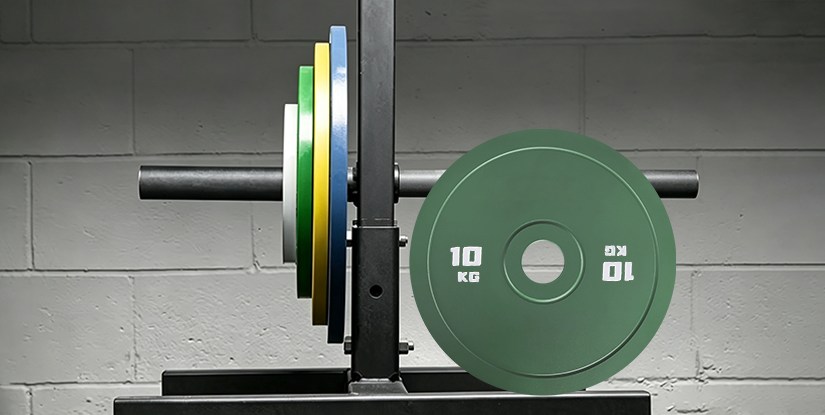
To mitigate risks during international transit, the export packaging must be as robust as the product itself. High-volume distributors should ensure their China factory partner utilizes reinforced pallets and heavy-duty corrugated boxing to protect the edges of the plates. Proper packaging prevents damage during sea freight and optimizes container loading efficiency, directly impacting your total landed cost. Before a shipment leaves the facility, a pre-shipment inspection should ideally cover the coating adhesion, the flatness of the plate base, and the integrity of the center hole to ensure the batch is ready for immediate commercial deployment.
To ensure a smooth procurement cycle, we suggest that professional buyers contact us to request a full specification sheet or to discuss specific MOQ requirements for custom branding. Whether you are looking to expand your current inventory or develop a new private label line, our team is ready to provide detailed technical data and assistance with your sourcing strategy. Please reach out to confirm your project details and book a virtual factory audit or sample approval process to ensure our production standards align perfectly with your commercial needs.
Optimizing Inventory with a Commercial Weight Plate Manufacturer
For distributors and warehouse managers, the efficiency of a stock rotation system depends on the precision of the units being ordered. Selecting a specialized cast iron weight plate OEM factory ensures that your bulk shipments consist of standardized, high-utility products that meet strict commercial expectations. When sourcing wholesale cast iron plates, the primary objective is to minimize the risk of weight discrepancies and uneven thickness that can disrupt your inventory management and client satisfaction.
A professional commercial weight plate manufacturer provides more than just raw iron; they provide a reliable supply chain solution. By focusing on inventory optimization, an experienced factory can help you manage your SKU breadth through consistent weight tolerance and standardized production. This level of control is essential for reducing the landed cost of returns and ensuring that every pallet arriving at your warehouse meets the exact specifications required for high-traffic fitness environments.
Strategic Sourcing: MOQ and Lead Time Management
Managing the balance between stock availability and capital expenditure requires a clear understanding of MOQ and lead time. When you partner with a direct China factory, you gain the ability to forecast replenishment cycles more accurately. Whether you are looking for a standard wholesale order of classic iron plates or a specialized OEM run for your own private label, understanding the production timeline is critical for maintaining a seamless supply chain.
Effective sourcing involves more than just checking the price per unit; it requires evaluating the factory capability to scale production without compromising quality. A structured lead time allows distributors to plan seasonal inventory builds, while a flexible MOQ structure supports both large-scale distributors and growing studio operators. By aligning your procurement schedule with the manufacturer's production capacity, you can optimize your warehouse space and improve overall ROI.
Understanding the technical divergence in manufacturing methods allows procurement leads to better evaluate the long-term value of their shipments. The following table illustrates how different production approaches impact commercial utility and the overall cost-to-quality ratio for large-scale distributors.
| Material | Process | Key Component | Commercial Duty | MOQ Impact | Factory QC Point |
|---|---|---|---|---|---|
| Gray Iron | Sand Casting | Base Flatness | Standard Commercial | Low | Thickness Uniformity |
| Carbon Steel | Die Casting | Inner Ring/Hub | High-Traffic Gyms | Medium | Concentricity Check |
| Steel Core | Molding/Dip | Coating Adhesion | Premium/Studio | High | Weight Calibration |
When evaluating a cast iron weight plate OEM factory, the distinction between simple sand casting and more refined processes is vital for your bottom line. For example, a standard sand casting method is highly cost-effective for bulk wholesale orders where volume is the priority, but it requires a rigorous pre-shipment inspection to ensure base flatness and thickness consistency. Conversely, more advanced processes involving specialized molding or coating layers can increase your MOQ requirements but offer a more durable finish that reduces long-term maintenance for your clients.
To ensure your next bulk procurement is successful, we recommend requesting a detailed spec sheet and a sample approval process. Whether you are focusing on a standard stock replenishment or a custom OEM branding project, confirming the factory's specific QC protocols for weight calibration and coating adhesion will protect your distributor margins and ensure consistent landed costs.
When evaluating a cast iron weight plate OEM factory, the distinction between simple sand casting and more refined processes is vital for your bottom line. For example, a standard sand casting method is highly cost-effective for bulk wholesale orders where volume is the priority, but it requires a rigorous pre-shipment inspection to ensure base flatness and thickness consistency. Conversely, more advanced processes involving specialized molding or coating layers can increase your MOQ requirements but offer a more durable finish that reduces long-term maintenance for your clients.
To ensure your next bulk procurement is successful, we recommend requesting a detailed spec sheet and a sample approval process. Whether you are focusing on a standard stock replenishment or a custom OEM branding project, confirming the factory's specific QC protocols for weight calibration and coating adhesion will protect your distributor margins and ensure consistent landed costs.
Quality Control and Export Protocols for Bulk Orders
Maintaining high standards for a cast iron weight plate OEM factory is essential for distributors managing long-term inventory reliability. When sourcing in volume, even minor deviations in material density or surface finish can lead to significant landed cost increases due to returns or customer dissatisfaction. A professional commercial weight plate manufacturer must implement standardized protocols to ensure every unit meets the strict requirements of high-traffic fitness facilities.
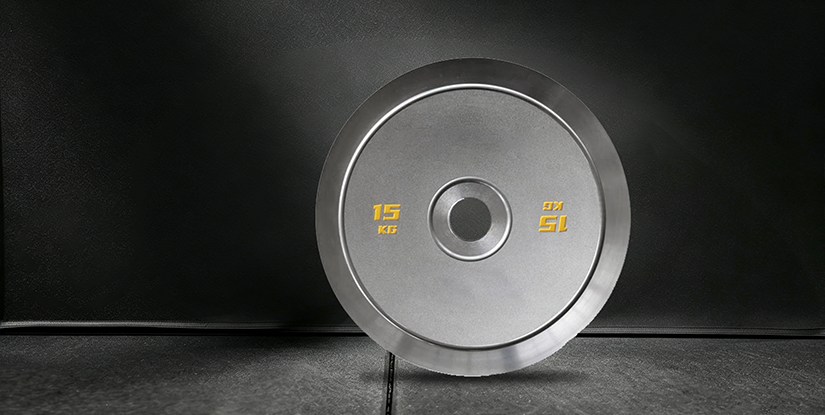
Reliable wholesale cast iron plates require rigorous oversight at multiple production stages. From the initial sand casting phase to the final coating application, each step must be monitored to prevent defects such as warping or uneven weight distribution. For B2B buyers, establishing a clear pre-shipment inspection routine is the most effective way to mitigate the risks associated with large-scale international logistics and ensure bulk order reliability.
Standardizing Weight Tolerance and Surface Integrity
In a commercial setting, consistency is the primary metric of quality. A professional cast iron weight plate OEM factory focuses heavily on weight calibration and concentricity to ensure plates sit flat on barbells. Without strict weight tolerance controls, uneven plates can cause mechanical stress on premium equipment, leading to increased maintenance costs for the end-user.
Beyond weight, the surface finish determines the product's lifespan in high-use environments. Most commercial weight plate manufacturer outputs undergo multiple finishing stages, such as phosphate treatment or powder coating, to prevent oxidation. For importers, verifying the adhesion strength of these coatings during a factory audit is a critical step in ensuring the product can withstand heavy commercial usage without premature peeling or rust.
| Material | Process | Key Component | Commercial Duty | MOQ Impact | Factory QC Point |
|---|---|---|---|---|---|
| Gray Iron | Sand Casting | Center Hole | Standard Commercial | Standard | Concentricity & Flatness |
| Carbon Steel | Machining | Inner Ring | High-Intensity Training | Moderate | Weight Calibration |
| Cast Iron | Powder Coating | Surface Layer | Premium Gym/Studio | Higher | Coating Adhesion |
To ensure your sourcing strategy remains profitable, we recommend requesting a detailed specification sheet and confirming the MOQ for custom branding. Our China factory can provide sample evaluations and detailed pre-shipment reports to verify that all wholesale orders meet your specific commercial grade requirements before they leave the warehouse.
Export Packaging and Logistics Safety
The final stage of the cast iron weight plate OEM factory workflow is as critical as the casting itself: export-ready packaging. For distributors and importers, the risk of transit damage—such as chipped powder coating or dented edges—can significantly impact the landed cost and customer trust. High-volume wholesale cast iron plates should be packed using heavy-duty, reinforced corrugated boxes or custom wooden crates designed to withstand the rigors of ocean freight and long-distance container movement.
A professional commercial weight plate manufacturer understands that logistics safety is a direct component of product quality. This includes ensuring that weight-bearing pallets are structurally sound and that each unit is secured to prevent shifting during maritime transit. We recommend that all buyers confirm the specific packaging standards and palletization protocols during the initial sourcing phase to ensure that bulk shipments arrive at your warehouse in optimal condition, ready for immediate commercial distribution.
Sourcing Efficiency: MOQ and Lead Time Management
Managing procurement cycles requires a precise understanding of how order volume influences the production schedule of a cast iron weight plate OEM factory. For international distributors and commercial gym suppliers, aligning MOQ requirements with realistic lead time expectations is essential to maintaining consistent stock levels and optimizing warehouse turnover.
When sourcing wholesale cast iron plates, buyers must account for the multi-stage production cycle inherent in high-volume casting. Unlike smaller, off-the-shelf orders, large-scale OEM runs involve specialized sand casting, cooling periods, and surface treatment phases that cannot be bypassed without compromising structural integrity. A professional commercial weight plate manufacturer typically scales production capacity based on the total weight tonnage requested, rather than just unit count.
Effective inventory management relies on proactive communication regarding shipping windows and factory capacity. For instance, seasonal spikes in the global fitness market often impact the availability of raw materials and shipping containers. To mitigate the risk of stockouts, professional importers should evaluate the lead time for both standard stock items and custom-branded runs, ensuring that the sourcing plan accounts for potential transit delays and customs clearance protocols.
Production Models: Stock vs. Custom Orders
To optimize your landed cost and inventory turnover, you must distinguish between purchasing standard stock and initiating a full-scale OEM production run. While stock orders offer rapid deployment, custom branding and specific weight configurations require more significant lead times due to the specialized tooling and mold preparation involved in the casting process.
| Order Type | Primary Benefit | Typical Lead Time | Customization Level | Commercial Application |
|---|---|---|---|---|
| Standard Stock | Fast replenishment | Short (15-30 days) | Minimal (Standard colors/sizes) | Small studios or urgent restocks |
| Custom OEM | Brand identity control | Extended (45-75+ days) | High (Logo, color, specific weight) | Global distributors and large gym chains |
| Bulk wholesale | Optimized unit cost | Variable by volume | Medium (Standardized bulk specs) | Large-scale warehouse distribution |
When negotiating with a cast iron weight plate OEM factory, we recommend reviewing the MOQ for custom-molded logos versus standard embossed designs. High-volume sourcing strategies often benefit from a hybrid approach: maintaining a baseline of standard stock for immediate needs while scheduling long-term OEM runs to build brand equity and secure better bulk pricing. Always confirm the final lead time includes both the manufacturing window and the necessary export packaging and container loading phases to avoid unexpected delays in your supply chain.
Optimizing Landed Cost Through Logistics and Export Packaging
For high-volume importers, the final landed cost is often determined more by logistics efficiency than the initial unit price. When managing wholesale cast iron plates, the high density and weight of the product make container utilization a critical metric. A professional cast iron weight plate OEM factory will implement specialized export packaging strategies to maximize every cubic meter of space within a standard 20ft or 40ft container, directly impacting your freight-per-unit ratio.
Standardized palletization and heavy-duty boxing are essential to prevent damage during long-distance sea freight. High-quality export packaging for cast iron involves reinforced cardboard, moisture-resistant linings, and secure strapping to ensure that the weight distribution remains stable during transit. Efficient container loading—often involving interlocking patterns of plates—minimizes empty space and reduces the risk of shifting, which protects both the product integrity and your profit margins as a distributor.
To achieve the most competitive landed cost, buyers should coordinate closely with their supplier regarding the total weight-to-volume ratio of their order. Because cast iron is exceptionally heavy, container weight limits often become a constraint before volume capacity is reached. We suggest requesting a detailed loading plan from your factory during the sourcing phase. This allows you to calculate the most cost-effective shipping frequency and ensures that your bulk orders arrive at your warehouse or distribution center with minimal transit-related loss and optimized shipping expenditure.