Barbell Plate B2B Supplier: Private Label OEM Factory
Strategic Sourcing for a Barbell Plate B2B Supplier
For large-scale commercial gym chains or global fitness distributors, the transition from purchasing single units to bulk procurement requires a shift in strategy. When managing high-volume equipment rollouts, relying on retail-oriented channels creates unnecessary friction in your supply chain. Instead, establishing a direct relationship with a professional barbell plate B2B supplier ensures that your scale of operation is supported by consistent manufacturing standards and predictable lead times. Whether you are outfitting a multi-location fitness center or managing a regional distribution network, sourcing directly from a commercial gym equipment manufacturer allows for better control over your total landed cost and product uniformity.
Moving toward wholesale barbell plates procurement is not merely about reducing unit price; it is about securing a reliable production partner capable of meeting strict commercial-grade specifications. A professional supplier understands that for high-traffic environments, the durability of the cast iron or the quality of the rubber coating directly impacts your long-term maintenance load and replacement cycles. By optimizing your sourcing through a direct factory connection, you can align your inventory levels with your specific business growth, ensuring that your brand identity remains consistent across every facility you equip.
Manufacturing Standards and Quality Control Protocols
Maintaining product consistency across thousands of units is the primary challenge in large-scale procurement. A professional barbell plate B2B supplier must implement a rigorous production sequence to prevent the common failure modes associated with low-tier manufacturing, such as uneven weight distribution or surface degradation. The process begins with high-grade sand casting to ensure the structural integrity of the gray iron core. Following the casting phase, each unit undergoes precision machining to refine the center bore and ensure concentricity, which is vital for smooth rotation on barbell sleeves. This level of technical oversight is what differentiates a professional commercial gym equipment manufacturer from low-cost, non-specialized producers.
After the structural forming is complete, the plates move to the surface finishing stage. Depending on your brand requirements, this typically involves a multi-step process: phosphate treatment to prevent oxidation, followed by a high-durability powder coating or a thick rubber encapsulation. For clients seeking custom branded weight plates, the branding—whether embossed directly into the iron or silk-screened onto the surface—must be applied with precision to ensure it remains legible and intact under heavy commercial use. To mitigate the risk of receiving defective batches, our factory implements a multi-stage QC protocol that includes weight tolerance spot-checks and coating adhesion inspections before any unit is cleared for the export stage.
Finally, the logistics of high-volume shipping require specialized export packaging to protect your investment during long-distance transit. Each pallet is secured to prevent shifting, ensuring that the weight distribution remains stable within the shipping container. By standardizing these steps, a reliable supplier helps distributors minimize the risk of transit damage and ensures that the landed cost remains predictable, even when managing complex international freight schedules.
| Material Type | Primary Process | Key Component / Detail | Commercial Duty Level | QC Inspection Point |
|---|---|---|---|---|
| Cast Iron | Sand Casting & Machining | Precision Center Bore | Standard Commercial | Weight Tolerance & Concentricity |
| Rubber Coated | Molding or Dip Coating | Encapsulation Layer | Premium / High-Impact | Coating Adhesion & Surface Smoothness |
| Steel Core Bumper | Steel Fabrication & Poly Coating | Internal Hub Construction | High-Performance / Competition | Structural Integrity & Bounce Consistency |
When evaluating your next shipment, we recommend requesting a detailed spec sheet and confirming the MOQ for any custom branding requests. To ensure complete alignment with your facility standards, you may also request a sample approval or book a virtual factory audit to observe the pre-shipment inspection process firsthand.
| Material Type | Primary Process | Key Component / Detail | Commercial Duty Level | QC Inspection Point |
|---|---|---|---|---|
| Cast Iron | Sand Casting & Machining | Precision Center Bore | Standard Commercial | Weight Tolerance & Concentricity |
| Rubber Coated | Molding or Dip Coating | Encapsulation Layer | Premium / High-Impact | Coating Adhesion & Surface Smoothness |
| Steel Core Bumper | Steel Fabrication & Poly Coating | Internal Hub Construction | High-Performance / Competition | Structural Integrity & Bounce Consistency |
When evaluating your next shipment, we recommend requesting a detailed spec sheet and confirming the MOQ for any custom branding requests. To ensure complete alignment with your facility standards, you may also request a sample approval or book a virtual factory audit to observe the pre-shipment inspection process firsthand.
Material Specifications and Manufacturing Processes
Selecting the right barbell plate B2B supplier requires a deep understanding of how material density and surface finishes impact long-term commercial durability and maintenance costs. For bulk importers and distributors, the choice between cast iron and high-density rubber/urethane determines the total cost of ownership (TCO) for the end-user facility.
When sourcing from a commercial gym equipment manufacturer, buyers must distinguish between standard strength training plates and high-impact competition-grade units. High-volume orders typically fall into two categories: traditional iron-based plates for stationary lifting and specialized bumper plates for dynamic, high-impact environments. A professional supplier ensures that each production run meets strict concentricity and weight consistency standards to prevent uneven wear on barbell sleeves.
Cast Iron vs. Bumper Plate Engineering
The manufacturing route for wholesale barbell plates differs significantly based on the intended use case. Cast iron plates are commonly produced through sand casting, a process where molten metal is poured into a mold to create a durable, single-piece or two-piece structure. These are ideal for strength-focused environments where space efficiency and a compact profile are prioritized. In contrast, a high-quality bumper plate utilizes a central steel or high-density core encapsulated in a rubber or urethane coating to absorb kinetic energy during drops.
For distributors looking to offer custom branded weight plates, the surface finish is a critical quality indicator. While basic iron plates may only receive a phosphate treatment or simple paint, premium commercial-grade bumper plates undergo advanced molding processes to ensure the rubber/urethane coating adheres perfectly to the internal core, preventing delamination during heavy use.
| Material Type | Primary Process | Key Component / Finish | Commercial Duty | Sourcing Context |
|---|---|---|---|---|
| Cast Iron | Sand Casting | Paint or Powder Coating | Standard Strength Training | High volume / Lower TCO |
| Rubber Coated | Injection Molding | High-Density Rubber Rim | Dynamic / Olympic Lifting | Premium / High Durability |
| Urethane Bumper | Multi-layer Encapsulation | Polyurethane Layer | Elite Professional Gyms | High-end / Specialized |
Surface Finishing and Precision Machining
The technical differentiation between budget and premium tiers often resides in the post-casting stages. A reliable barbell plate B2B supplier will implement a rigorous sequence of machining and finishing to ensure long-term usability. For example, while basic casting may result in surface irregularities, high-end commercial units undergo CNC machining to refine the center hole diameter and ensure perfect concentricity. This precision prevents the plate from wobbling or unevenly wearing down barbell sleeves, a critical factor in reducing maintenance frequency for large-scale gym facilities.
Surface treatment is equally vital for protecting the structural integrity of the metal. In many commercial settings, a standard paint finish may chip under heavy use, leading to oxidation. To mitigate this, many distributors request a professional powder coating or specialized PU coating. These finishes provide superior adhesion and a more resilient layer that withstands the constant friction and impact typical in high-traffic training environments. When evaluating your next batch, consider how these specialized coatings affect the long-term durability and the overall professional appearance of your client's facility.
Before any shipment leaves the factory, a thorough pre-shipment QC process is essential. This includes inspecting the adhesion of the coating, the smoothness of the edges, and the precision of the weight markings. For those seeking custom branded weight plates, the ability to integrate high-quality silk-screened or embossed logos that remain intact after repeated use is a key indicator of manufacturing capability. We recommend that all professional buyers request a sample evaluation or a detailed specification sheet to confirm that the surface finish and weight tolerances align with your specific market requirements.
Selecting the right barbell plate B2B supplier requires a deep understanding of how material density and surface finishes impact long-term commercial durability and maintenance costs. For bulk importers and distributors, the choice between cast iron and high-density rubber/urethane determines the total cost of ownership (TCO) for the end-user facility.
When sourcing from a commercial gym equipment manufacturer, buyers must distinguish between standard strength training plates and high-impact competition-grade units. High-volume orders typically fall into two categories: traditional iron-based plates for stationary lifting and specialized bumper plates for dynamic, high-impact environments. A professional supplier ensures that each production run meets strict concentricity and weight consistency standards to prevent uneven wear on barbell sleeves.
Comparing Commercial Grade Plate Options
When sourcing for high-traffic facilities, selecting the right barbell plate B2B supplier involves calculating more than just the initial unit price. For distributors and gym owners, the real metric is the Total Cost of Ownership (TCO). A low-cost plate that cracks under heavy use or requires frequent replacement significantly reduces your long-term ROI. Understanding the trade-offs between different materials and manufacturing standards is essential for maintaining a profitable inventory and a durable facility.
Professional procurement teams must evaluate how material density and surface finishes impact long-term maintenance costs. While cast iron remains a staple due to its cost-effective density and durability, high-end facilities often transition to specialized bumper plate options to protect flooring and reduce impact noise. Choosing the correct specification based on your specific venue type ensures that your wholesale barbell plates order meets both longevity and budget requirements.
| Material Type | Primary Process | Commercial Duty Tier | Durability Profile | Maintenance Requirement |
|---|---|---|---|---|
| Cast Iron | Sand Casting | Standard Commercial | High (Rigid/Brittle) | Low (Periodic Inspection) |
| Rubber Coated | Compression Molding | Premium/High-Impact | Very High (Impact Absorbent) | Moderate (Surface Wear Check) |
| PU Coated | Polyurethane Dip | Elite/Competition | Extreme (High Resilience) | Minimal (Minimal Texture Loss) |
Selecting a reliable commercial gym equipment manufacturer allows you to align these material choices with your specific custom branded weight plates requirements. Whether you are ordering standard iron sets or premium urethane-encapsulated units, ensuring the factory follows a consistent production sequence—from casting to final weight calibration—is the best way to safeguard your investment and minimize future replacement cycles.
| Material | Coating | Process | Commercial Duty | Floor Protection | Weight Tolerance & QC |
|---|---|---|---|---|---|
| Cast Iron | Paint or Enamel | Sand Casting | Budget/Standard | Low | Standard Calibration |
| Rubber Coated | Compression Molded | Injection/Molding | Mid-Tier Commercial | High | Strict Weight Check |
| PU/Urethane | Polyurethane Dip | Encapsulation | Premium/Elite | Extreme | High-Precision QC |
For distributors managing large-scale wholesale barbell plates shipments, the distinction between these tiers often dictates the final landed cost and client satisfaction. A professional barbell plate B2B supplier will provide detailed technical data regarding the thickness of the coating layer and the precision of the central hub. In a standard China factory setting, higher-tier products undergo more rigorous concentricity checks and surface adhesion testing to ensure the coating does not peel or crack during high-volume commercial use.
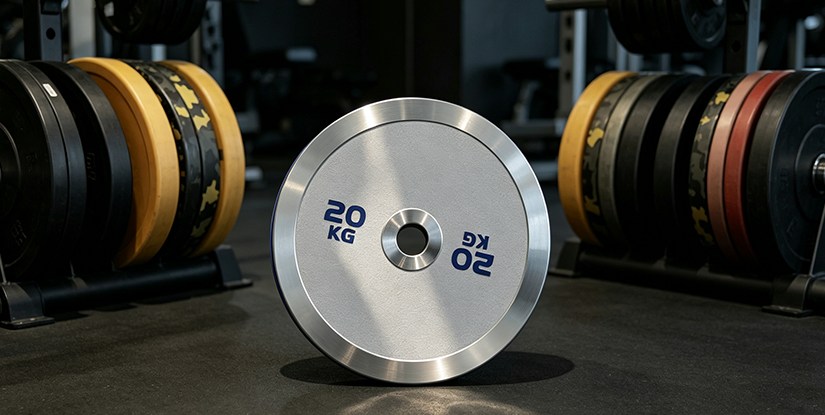
When negotiating custom branded weight plates, procurement leads should verify the specific OEM production steps. For example, a premium bumper plate requires a multi-stage process involving a high-density steel center and a specialized molding stage to ensure uniform weight distribution. Requesting a sample evaluation or a detailed specification sheet regarding the weight tolerance and center-hole fitment is a standard part of the sourcing process to ensure the product meets the durability standards of your target market.
For distributors managing large-scale wholesale barbell plates shipments, the distinction between these tiers often dictates the final landed cost and client satisfaction. A professional barbell plate B2B supplier will provide detailed technical data regarding the thickness of the coating layer and the precision of the central hub. In a standard China factory setting, higher-tier products undergo more rigorous concentricity checks and surface adhesion testing to ensure the coating does not peel or crack during high-volume commercial use.
When negotiating custom branded weight plates, procurement leads should verify the specific OEM production steps. For example, a premium bumper plate requires a multi-stage process involving a high-density steel center and a specialized molding stage to ensure uniform weight distribution. Requesting a sample evaluation or a detailed specification sheet regarding the weight tolerance and center-hole fitment is a standard part of the sourcing process to ensure the product meets the durability standards of your target market.
Custom Branding and OEM/ODM Capabilities
Establishing a distinct market presence requires more than just generic stock; it requires a barbell plate B2B supplier capable of integrating your unique brand identity into every unit. For distributors and large-scale gym operators, the ability to transition from purchasing standard goods to managing custom branded weight plates is a critical step in scaling a premium fitness line. Whether you are looking to implement a specific logo via silk-screen printing or require a specialized private label solution for your entire weight set, professional manufacturing partners provide the infrastructure to turn a commodity into a proprietary asset.
A professional commercial gym equipment manufacturer understands that brand identity extends beyond a simple logo; it encompasses the consistency of weight markings, the quality of the coating, and the precision of the embossed elements. By leveraging OEM/ODM services, buyers can dictate specific material finishes—such as high-grade powder coating or specialized rubber encapsulation—to ensure the final product aligns with their brand's positioning. While these advanced customization options often involve a specific MOQ, the long-term value lies in the ability to offer a cohesive, branded experience to the end-user, increasing the perceived value and market authority of your fitness brand.
Technical Execution of Custom Branding
The technical process of branding begins at the earliest stage of production to ensure durability under heavy commercial use. For high-end branding, many importers prefer logo embossing during the sand casting phase. This method integrates the brand name directly into the mold, creating a permanent, recessed mark that cannot be worn away by friction or repeated cleaning. This is a standard practice for a reliable barbell plate B2B supplier looking to provide long-lasting identity solutions. For surface-level branding, high-precision silk-screen printing or UV-cured ink is commonly applied over a base layer of powder coating to ensure the color remains vibrant and the logo stays legible throughout the product lifecycle.
Beyond visual identity, customization extends to technical specifications and color-coded weight systems. A professional China factory can accommodate requests for specific color customization, such as matching a facility's existing equipment color palette, which is essential for cohesive gym aesthetics. The production sequence—moving from sand casting to CNC machining for concentricity, followed by specialized coating and final weight calibration—ensures that every customized unit meets rigorous export standards. When sourcing for large-scale distribution, buyers should confirm the specific branding method with their supplier to ensure the chosen technique—whether it is deep-mold embossing or precision color-coding—aligns with their target market's durability requirements and their own wholesale margin goals.
Customization Tiers for Procurement Planning
Deciding between standardized stock and fully customized production depends on your specific market positioning and budget requirements. For distributors managing high-volume inventory, understanding the trade-offs between standard manufacturing and specialized OEM production is essential for optimizing landed costs and warehouse efficiency. The following table outlines the typical differentiation in service levels offered by a professional barbell plate B2B supplier to assist in your procurement decision-making.
| Customization Level | Branding Method | Color/Finish Options | Material/Shape Options | Typical MOQ | Best For |
|---|---|---|---|---|---|
| Standard (Stock) | Standard embossed weight markings | Natural cast iron or black paint | Standard cast iron or bumper shapes | Low (per pallet/container) | Small studios or rapid restock |
| Custom Branded | Silk-screen or UV-cured logo | Multiple color-coded finishes | Standard shapes with color-matched coating | Medium (per color/weight) | Regional distributors and gym chains |
| Full OEM/ODM | Deep-mold casting or precision engraving | Full custom color palette and specialized textures | Custom thickness, diameter, or unique edge profiles | High (per specification) | Global brands and premium equipment lines |
When evaluating these tiers, consider that higher levels of customization typically require longer lead times due to the additional steps in the production sequence, such as specialized mold creation or custom coating applications. While the wholesale cost per unit may increase with advanced ODM specifications, the ability to control every detail—from the tactile feel of the rubberized coating to the precision of the brand embossing—provides a significant competitive advantage for professional importers.
Factory QC and Export Standards for Global Distribution
For professional distributors and gym equipment importers, the total landed cost of a shipment is heavily dictated by the quality of the initial production run. A reliable barbell plate B2B supplier must implement a multi-stage validation system to ensure that bulk orders meet international commercial standards. Without rigorous oversight, importers face the risk of receiving inconsistent batches that compromise brand reputation and increase replacement costs.
Effective pre-shipment inspection protocols focus on three critical dimensions: physical precision, surface integrity, and structural durability. When sourcing from a commercial gym equipment manufacturer, buyers should verify that the factory utilizes systematic testing rather than random visual checks to maintain high-volume consistency.
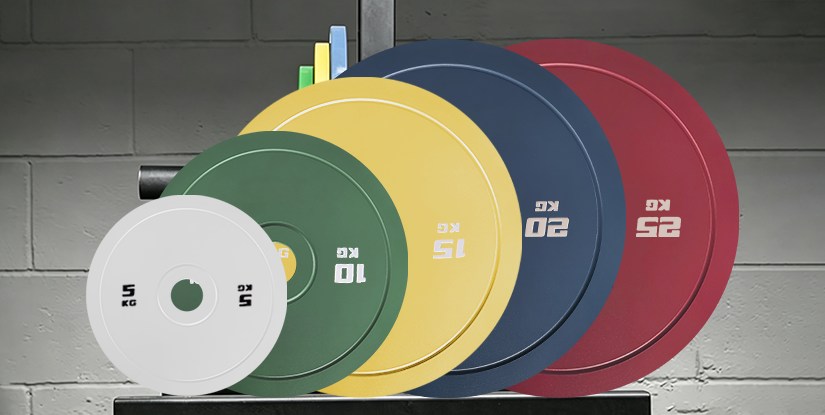
Standard Inspection Points for Bulk Orders
A professional China factory specializing in weight plates will typically follow a standardized sequence of quality control. This ensures that every unit in a wholesale shipment maintains the same weight profile and aesthetic finish, reducing the likelihood of customer returns or disputes.
- Weight Tolerance Spot-Check: A systematic calibration process where samples from each casting batch are weighed to ensure they stay within the industry-standard deviation for commercial use.
- Coating Adhesion: Testing the bond of the powder coating or rubber layer to prevent peeling, chipping, or cracking under heavy usage or environmental temperature shifts.
- Dimensional Uniformity: Verifying the concentricity and flatness of the plates to ensure they sit level on a barbell during high-intensity training.
- Surface Finish Inspection: A visual and tactile audit of the embossed logos and text to ensure custom branded weight plates meet the client's brand identity requirements.
By establishing these strict parameters, a supplier can guarantee that the wholesale barbell plates arrive ready for immediate commercial deployment, protecting the distributor's margins and long-term reliability.
Technical Comparison of Plate Material and Coating Standards
Understanding the technical distinctions between material types is essential for calculating long-term maintenance costs and durability. A professional barbell plate B2B supplier provides different manufacturing routes depending on whether the end-user requires high-impact absorption or classic durability. Choosing the wrong specification can lead to premature surface degradation or floor damage, affecting the total cost of ownership for the facility operator.
The following table outlines the common technical profiles used by a leading commercial gym equipment manufacturer to help procurement leads select the appropriate specification for their specific market tier.
| Material | Process | Key Component/Feature | Commercial Duty | MOQ Impact | Factory QC Point |
|---|---|---|---|---|---|
| Cast Iron | Sand casting and machining | Raised embossed branding | Standard strength training | Lower MOQ requirements | Base flatness and concentricity |
| Steel Core | Precision casting and powder coating | Consistent weight profile | High-traffic commercial gyms | Standard bulk orders | Powder coating adhesion |
| Bumper (Rubber/PU) | Compression molding or dip coating | Internal steel hub | High-impact/Olympic training | Higher volume requirements | Coating thickness and edge seal |
When managing wholesale barbell plates procurement, it is vital to confirm if the custom branded weight plates utilize a single-piece cast construction or a multi-component assembly. For example, high-end bumper plates often involve a precision-machined steel center hub bonded with high-grade polyurethane. A competent factory will provide detailed inspection reports regarding the bond strength and edge durability to ensure the product survives the rigors of a professional lifting environment without unexpected failure.
Optimizing Your Procurement: MOQ and Logistics
For distributors and large-scale importers, understanding the relationship between order volume and the total landed cost is essential for maintaining competitive margins. A professional barbell plate B2B supplier provides more than just equipment; they provide a scalable pricing structure that rewards volume. By increasing your order size, you leverage economies of scale to reduce the individual unit cost and optimize shipping efficiency across ocean freight containers.
Managing your inventory requires a strategic balance between upfront capital expenditure and long-term availability. When sourcing wholesale barbell plates, the MOQ set by a factory is often the primary lever for cost control. High-volume orders allow for more efficient container loading patterns, which significantly lowers the freight cost per kilogram. For many distributors, moving from LCL (Less than Container Load) to FCL (Full Container Load) is the most effective way to maximize the ROI on a single shipment.
Furthermore, specialized production runs for custom branded weight plates often require higher minimums to offset the initial setup costs of OEM tooling or specialized silk-screen applications. While smaller orders may offer flexibility, bulk procurement remains the gold standard for reducing the long-term landed cost and ensuring a consistent supply chain for your commercial clients.
Sourcing Models: Stock vs. Custom Manufacturing
Choosing between ready-to-ship inventory and a full production run depends on your current market demand and branding strategy. A reliable commercial gym equipment manufacturer will offer different tiers of service to accommodate both rapid replenishment and long-term brand building. While stock orders provide speed, custom runs offer the highest level of differentiation for your distribution business.
The following comparison outlines the typical trade-offs between these two procurement paths to help you decide which model best serves your current inventory goals and margin requirements.
| Sourcing Model | Primary Material/Finish | Customization Scope | Lead Time | Typical MOQ Impact | Best For |
|---|---|---|---|---|---|
| Standard Stock | Cast Iron / Powder Coating | Generic weight markings only | Short (ready to ship) | Low to Medium | Rapid replenishment |
| Custom Branded | Premium PU or Rubberized | Full private label / Logo | Long (production cycle) | High | Brand identity building |
| Full OEM/ODM | Specialized Alloy / Steel | Full spec modification | Long (tooling + production) | Very High | Exclusive product lines |
When evaluating these options, procurement managers should always confirm the exact lead time for customized runs, as this includes the time for material casting, machining, and specialized coating application. For high-end distributors, investing in the OEM route allows for a more specialized product offering that can command a premium in the market, provided the scale of the order justifies the initial setup and production cycles.
To ensure a successful partnership, we recommend requesting a detailed specification sheet or a sample approval process before finalizing any bulk purchase. Contact us to confirm current MOQ requirements for your specific customization needs and to receive a detailed quote for your next container load.
Logistics and Quality Assurance Standards
Reliability in global sourcing depends on more than just the initial price; it depends on the integrity of the export process. A reputable barbell plate B2B supplier must implement rigorous protocols to ensure that the product arriving at your warehouse matches the samples approved during the initial procurement phase. For distributors, the primary risks during international transit include weight discrepancies, coating damage, and inefficient container utilization.
To mitigate these risks, a professional China factory follows a structured production and shipping sequence. This begins with strict weight calibration during the casting and machining stages to ensure each plate meets the expected tolerance. Once the weight is verified, the plates undergo surface finishing, such as powder coating or rubber encapsulation, followed by a final inspection of the logo embossing or weight markings. Only after these steps are completed does the product enter the specialized export packaging stage.
Effective export packaging is critical for maintaining a low landed cost and reducing replacement rates. For bulk shipments, we utilize high-strength corrugated boxes and reinforced pallets designed to withstand the rigors of ocean freight. Proper palletization and optimized loading patterns ensure that every cubic meter of your shipping container is utilized, preventing shifting during transit and protecting the finish of your wholesale barbell plates. We recommend that all procurement leads schedule a pre-shipment QC inspection or a third-party factory audit to verify these standards before the container is sealed.