Barbell Plate Wholesale Factory: China Manufacturer Bulk MOQ
Barbell Plate Wholesale Factory: Essential Procurement Criteria
A professional barbell plate wholesale factory provides high-density weight solutions designed for high-traffic commercial environments. For distributors and gym owners, sourcing directly from a China manufacturer ensures a balance of material durability and cost-efficiency, allowing for scalable inventory management and optimized landed costs through direct bulk procurement.
Selecting a reliable commercial weight plate manufacturer requires a deep understanding of how material integrity affects long-term operational expenses. In a professional setting, the wrong choice in casting or coating leads to rapid wear, uneven weight distribution, and increased maintenance frequency. To protect your distributor margins and ensure client satisfaction, you must evaluate the technical specifications of the production line rather than just the unit price.
High-quality bulk olympic plate supplier options typically utilize proven manufacturing sequences—starting with precision sand casting, followed by CNC machining for the center bore, and finishing with specialized surface treatments. This structured approach ensures that every unit meets the strict weight tolerance standards required for commercial-grade strength training equipment.
Material and Manufacturing Standards for Commercial Durability
When sourcing, the distinction between budget and premium tiers is often found in the metallurgy and the precision of the finishing process. A reputable factory will offer various material profiles to suit different market segments, from standard cast iron to advanced rubber-encapsulated versions.
| Material | Coating Type | Manufacturing Process | Key QC Point | Commercial Duty Tier |
|---|---|---|---|---|
| Cast Iron | Powder Coating | Sand Casting & Machining | Bore Concentricity | Standard Commercial |
| Steel | Rubber Coating | Steel Core & Vulcanization | Bond Line Adhesion | Premium Commercial |
| Gray Iron | Enamel/Paint | Centrifugal Casting | Surface Flatness | Budget/Home Gym |
For importers, understanding these technicalities is vital during the sourcing phase. For instance, when ordering rubber-coated plates, the primary concern is the adhesion between the internal steel or iron core and the outer layer. A professional barbell plate wholesale factory implements rigorous checks to prevent delamination, which is a common failure mode in lower-tier production facilities.
Comparing Cast Iron vs. Bumper Plate Procurement Profiles
The decision between a traditional cast iron plate and a high-performance bumper plate involves more than just weight preference; it is a strategic choice regarding total cost of ownership and facility maintenance. A professional barbell plate wholesale factory typically categorizes these based on the impact profile and durability requirements of your specific commercial target market.
Cast iron options are widely favored for strength and bodybuilding-focused facilities due to their high density and compact footprint. Because the production involves sand casting and subsequent CNC machining of the center bore, these units offer excellent stability. However, from a procurement standpoint, the lack of shock absorption means that without high-grade rubberized flooring, the impact can lead to accelerated wear on both the plates and the facility floor. This is a critical factor to consider when calculating the long-term maintenance load for your clients.
Conversely, a rubberized bumper plate is the industry standard for high-impact functional training and Olympic lifting environments. These units utilize a steel or high-density core with a vulcanized or molded outer layer to ensure maximum floor protection and noise reduction. While the initial unit cost may be higher, the increased durability and reduced risk of surface damage often lead to better long-term ROI for large-scale gym operators. When managing a wholesale order, it is essential to confirm the quality of the bond line adhesion to ensure the outer layer remains intact under heavy use.
Factory QC, Export Packaging, and Logistics Management
For large-scale distributors, the final stage of the procurement cycle is often the most volatile. Managing a wholesale order requires more than just selecting a material; it requires a partner capable of rigorous pre-shipment inspection and professional export packaging. A professional barbell plate wholesale factory understands that even a high-quality product can suffer damage or weight discrepancies if the logistics chain is not handled with industrial precision.
Before any container is loaded, a standard pre-shipment inspection should focus on three critical areas: weight calibration, bore concentricity, and coating adhesion. In a professional China factory, quality control teams typically perform spot checks to ensure the weight tolerance meets the agreed-upon commercial specification. This prevents the high cost of returns or client dissatisfaction caused by significant weight deviations. Furthermore, checking the center bore for smoothness ensures that the plates will slide easily onto standard Olympic barbells without friction or uneven wear.
Logistics efficiency is equally vital for optimizing your landed cost. Because weight plates are high-density, low-volume goods, effective export packaging is essential to maximize container utilization and prevent transit damage. Professional manufacturers utilize reinforced palletizing and heavy-duty corrugated boxing to secure the load. When calculating your budget, always confirm the MOQ and the estimated lead time for your specific volume, as large-scale production runs for custom or OEM orders can impact your shipping schedule. By prioritizing these technical logistics, you ensure that your bulk shipments arrive at your warehouse in optimal condition, ready for immediate distribution.
Material Selection and Casting Processes for Commercial Plates
For professional importers and gym equipment distributors, the long-term TCO (Total Cost of Ownership) is determined by how a barbell plate wholesale factory manages the relationship between base material and surface durability. Selecting the right material is not just about weight; it is a critical sourcing decision that affects replacement rates and maintenance costs in high-traffic facilities.
A reliable commercial weight plate manufacturer typically offers several tiers of production to meet different market demands, ranging from high-volume budget options to premium competition-grade units. The fundamental difference lies in the metallurgical integrity of the cast iron and the precision of the secondary machining processes.
When sourcing from a China factory, procurement leads must evaluate whether the plates are produced via standard sand casting or more advanced centrifugal casting, as this directly impacts the concentricity and balance of the plate during high-intensity training.
| Material Tier | Primary Process | Typical Coating | Commercial Durability | Procurement Use Case |
|---|---|---|---|---|
| Standard Cast Iron | Sand Casting | Paint or Enamel | Moderate | Budget Gyms / Basic Wholesale |
| High-Density Iron | Machined Casting | Powder Coating | High | Commercial Training Centers |
| Premium Bumper | Vulcanized Molding | Rubber Coating | Maximum | High-Impact Performance Studios |
Understanding these material-to-process workflows allows a bulk olympic plate supplier to provide more accurate lead times and quality guarantees. For instance, a rubber coated plate requires a different vulcanization stage compared to a simple powder-coated iron plate, which can influence the final MOQ and shipping volume due to different density profiles.
Technical Specifications: Casting, Machining, and Coating Workflows
The distinction between a standard production run and a high-performance batch lies in the precision of the secondary manufacturing stages. While sand casting is the industry-standard starting point for most iron products, the subsequent processing determines the final weight tolerance and surface integrity. A professional barbell plate wholesale factory will implement specific workflows to ensure that the bore remains concentric and the surface remains resistant to oxidation or chipping under heavy commercial use.
For distributors targeting premium fitness centers, the procurement strategy should prioritize units that have undergone CNC machining after the initial casting. This process refines the center hole and the outer diameter, ensuring a consistent fit on Olympic barbells. Without this stage, the plate may suffer from uneven weight distribution or a loose fit, increasing the risk of mechanical wear on the barbell sleeves.
Surface finishing is equally critical for long-term asset management. A commercial weight plate manufacturer typically offers three distinct coating paths, each serving a specific commercial duty and impact on the landed cost:
- Powder Coating: This is the most common method for high-volume wholesale orders. The process involves applying a dry powder to the cast surface and curing it in a high-temperature oven. This creates a hard, durable layer that protects the metal and provides a professional aesthetic for standard commercial gyms.
- PU Coating: For high-impact environments, many importers request a polyurethane (PU) coating. This involves a molding or dipping process that results in a much thicker, resilient shell. It is ideal for high-traffic studios where floor protection and noise reduction are essential for operational efficiency.
- Basic Paint/Enamel: Often used for budget-tier orders, this is a faster, lower-cost method but offers less resistance to heavy mechanical impact compared to specialized coatings.
When conducting a factory audit or reviewing sample approvals, procurement officers should inspect the coating adhesion and the smoothness of the transition between the metal and the finish. A high-quality bulk olympic plate supplier will ensure that the thickness of the coating is accounted for in the weight calibration to maintain strict adherence to requested weight standards. Depending on whether you are sourcing standard iron or high-density bumper plates, the factory's ability to manage these specific coating layers will directly affect your final product reliability and distributor margins.
Precision Engineering: Bore Machining and Surface Finishing
For distributors and gym operators, the difference between a high-performing inventory and a liability lies in the micron-level details of the central aperture. A reliable barbell plate wholesale factory understands that the central bore is not merely a hole, but a critical interface between the plate and the barbell sleeve. Inconsistent dimensions lead to uneven weight distribution, which can damage expensive barbell sleeves and increase maintenance costs for your clients.
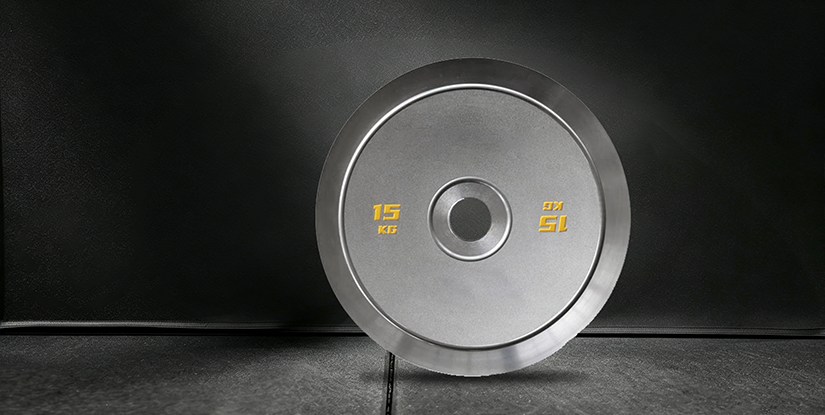
When sourcing from a commercial weight plate manufacturer, procurement professionals must prioritize the precision of the bore machining process. High-quality production involves advanced CNC machining to ensure perfect concentricity, allowing the plate to sit flush against the bar without wobbling or uneven friction. This technical precision is essential for maintaining the longevity of the weight sets and ensuring a smooth, professional feel during high-volume commercial use.
Furthermore, the surface finishing stage determines the long-term durability and aesthetic appeal of the product. A professional bulk olympic plate supplier utilizes standardized industrial processes—such as phosphate treatments or advanced powder coating—to prevent oxidation and ensure optimal coating adhesion. This attention to detail reduces the frequency of replacement requests and enhances the overall value proposition for your end-users, ultimately protecting your distributor margins.
Comparison of Surface Treatments for Commercial Durability
Selecting the appropriate surface treatment is a critical decision for importers evaluating the total cost of ownership (TCO). While basic cast iron or painted finishes may offer a lower initial landed cost, they often lack the resilience required for high-traffic environments. For distributors managing long-term client satisfaction, understanding the trade-offs between different coating methods—such as powder coating, PU coating, and rubber coating—is vital for optimizing both budget and product lifespan.
The following table provides a technical overview of common finishing options available through a professional barbell plate wholesale factory. This comparison focuses on how material-level decisions impact commercial utility and maintenance requirements.
| Material Type | Surface Treatment | Primary Process | Commercial Duty Tier | Maintenance Profile |
|---|---|---|---|---|
| Cast Iron | Powder Coating | Electrostatic Spraying | Standard Commercial | Low; requires periodic wipe-down |
| Steel/Cast Iron | PU Coating | Polyurethane Encapsulation | Premium/High-Impact | Minimal; high resistance to scuffs |
| Steel/Iron Core | Rubber Coating | Vulcanization or Molding | High-Volume/Bumper Style | Medium; protects flooring and reduces noise |
| Cast Iron | Phosphate/Paint | Chemical Dip/Liquid Spray | Budget/Light Commercial | Higher; prone to oxidation/rust |
From a sourcing perspective, choosing a high-tier finish like a PU coating or a high-grade rubberized layer can mitigate common failure modes, such as coating chipping or oxidation. When negotiating with your supplier, it is advisable to request specific details regarding the adhesion strength of the coating. A robust surface treatment ensures that the aesthetic identity of the equipment remains intact even under heavy use, which is a key factor in maintaining the professional appearance of a commercial facility.
We recommend that procurement managers evaluate these options based on the specific needs of their target market—whether it be heavy-duty strength centers requiring high-impact resistance or boutique studios prioritizing floor protection and noise reduction. For customized branding or specific material requests, please contact our factory to discuss your MOQ and technical specifications.
China Factory Sourcing: Navigating MOQ and Lead Times
Efficiently managing inventory cycles is a critical variable for distributors and gym equipment importers. When engaging with a barbell plate wholesale factory, understanding the direct relationship between order volume and production schedules is essential for maintaining steady stock levels and optimizing landed costs. Unlike small-batch retail purchases, professional sourcing requires a strategic approach to production windows to avoid stockouts during peak seasonal demand.
The MOQ (Minimum Order Quantity) set by a commercial weight plate manufacturer is typically determined by the complexity of the production line and the specific material requirements, such as whether the order involves standard cast iron or specialized PU coated bumper plates. For example, a bulk order of high-volume, single-spec plates can often benefit from streamlined production cycles, whereas highly customized OEM requests—involving unique color schemes or specific branding—may require longer lead times due to additional setup stages in the China factory. Relying on a single supplier without accounting for these variables can lead to unexpected delays in your supply chain.
To maintain a competitive advantage, procurement leads must synchronize their purchase orders with the seasonal fluctuations of the global fitness market. A bulk olympic plate supplier can offer more stable pricing and predictable lead time estimates when orders are placed well in advance of peak periods. By coordinating with your factory partner during the planning phase, you can better manage your warehouse capacity and ensure that your distribution network remains consistently supplied with high-quality, commercial-grade weight plates.
Sourcing Models: Direct Factory vs. Trading Company
For procurement professionals, the decision between sourcing directly from a barbell plate wholesale factory or through a third-party distributor significantly impacts the final landed cost and customization potential. While trading companies may offer a broader product catalog, direct engagement with a specialized commercial weight plate manufacturer provides superior control over technical specifications and quality consistency. This is particularly vital when your brand identity relies on high-precision weight tolerances and specific coating adhesion standards.
The following comparison outlines the operational differences between these two models to assist in your sourcing strategy and long-term inventory planning.
| B2B Dimension | Direct factory (OEM/ODM) | Trading Company / Distributor |
|---|---|---|
| Primary Focus | Production efficiency and technical customization | Product variety and consolidated shipping |
| Typical MOQ | Higher (based on production line capacity) | Lower (often facilitates smaller stock rotations) |
| Customization (OEM/ODM) | High: Full control over material and branding | Limited: Primarily restricted to existing stock |
| Price Structure | Direct cost optimization for large volume | Includes markup for service and consolidation |
| Lead Time Control | Direct visibility into production cycles | Dependent on third-party procurement speed |
| Quality Control (QC) | Direct access to pre-shipment inspection protocols | Indirect: Relies on supplier's internal reporting |
| Shipping Logistics | Optimized for full container load (FCL) | Flexible for LCL or mixed-container orders |
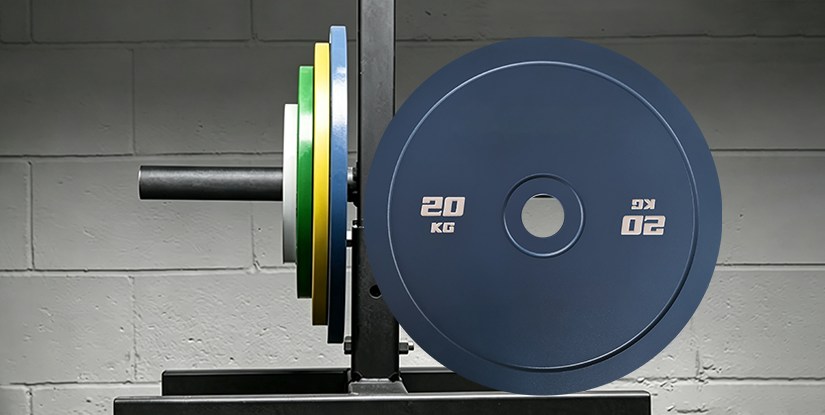
When evaluating a bulk olympic plate supplier, it is recommended to request a detailed spec sheet and confirm the specific MOQ for your desired finish—whether it be standard black powder coating or specialized high-density rubber. For distributors aiming to build a premium product line, the ability to conduct a factory audit or book a pre-shipment inspection at the China factory is an indispensable step in mitigating risk and ensuring long-term commercial durability.
Quality Assurance and Pre-Shipment Inspection Standards
The final stage of the procurement process is often where the most significant risks to your landed cost reside. For a professional importer, a single defective shipment can result in high return rates and damaged distributor margins. To mitigate this, a reputable barbell plate wholesale factory implements a rigorous pre-shipment QC protocol that goes beyond simple visual checks. This ensures that every unit meeting your wholesale requirements adheres to strict commercial durability standards before leaving the China factory.
A comprehensive quality inspection must focus on three critical technical pillars: weight tolerance, coating adhesion, and structural integrity. First, technicians perform regular weight calibration checks to ensure the cast iron or steel core meets the specified weight range, as inconsistent weights can lead to significant compliance issues in commercial settings. Second, the commercial weight plate manufacturer must verify the bond line adhesion of the outer layer—whether it is a powder coating or a rubber/PU molding—to prevent premature peeling or cracking under heavy use. Finally, the inspection covers the concentricity of the center bore to ensure a smooth fit on Olympic barbells.
Beyond the product itself, the supplier must demonstrate excellence in export packaging. For high-volume bulk orders, the packaging must be robust enough to withstand sea freight transit and container loading stresses. This includes checking the thickness of the protective layers and the stability of the palletized or crate-based arrangement. By prioritizing these technical checkpoints, buyers can transition from simple sourcing to a long-term strategic partnership, ensuring that the inventory arriving at their warehouse is ready for immediate commercial deployment with minimal technical friction.
Custom Branding and OEM/ODM Capabilities
For distributors and gym owners looking to scale, a barbell plate wholesale factory offers more than just raw inventory; it provides a platform for building long-term brand equity. Utilizing OEM and ODM services allows you to transition from a simple reseller to a recognized equipment provider. By leveraging the production lines of a professional China factory, you can integrate your unique brand identity directly into the product line, ensuring your logo is the first thing a client sees during a heavy lifting session.
The ability to implement custom branding is a critical factor in differentiation within the competitive commercial fitness market. Whether you require precision logo embossing on cast iron surfaces or high-visibility color customization for bumper plates, a specialized commercial weight plate manufacturer can execute these requirements at scale. These options are typically managed through structured MOQ tiers to ensure that even specialized, branded batches remain cost-effective for your sourcing strategy. From subtle recessed lettering to vibrant, color-coded weight identification, these customizations help your clients organize their facilities while reinforcing your market presence.
Technical execution in the barbell plate wholesale factory setting requires a seamless transition from raw casting to high-precision finishing. Most high-volume production begins with high-quality sand casting to establish the foundational shape, followed by rigorous CNC machining to ensure the central bore meets strict concentricity standards. This precision is vital for a bulk olympic plate supplier, as any misalignment in the center hole can lead to uneven weight distribution and increased wear on barbell sleeves. Once the structural form is validated, the plates move through a controlled surface finishing stage, often involving specialized powder coating or vulcanization processes to ensure maximum durability and impact resistance.
For professional importers, the quality of the surface finishing is a primary indicator of long-term value. A reliable commercial weight plate manufacturer ensures that the bond line adhesion between the coating and the base material—whether it is cast iron or high-density rubber—is optimized to prevent peeling or cracking under heavy use. During the pre-shipment QC phase, technicians typically perform spot-checks on the weight tolerance and the integrity of the logo plate or embossed branding to ensure every unit meets the agreed-upon specifications. This meticulous attention to the manufacturing sequence—from the initial casting to the final calibration—reduces the total cost of ownership for the end-user and minimizes the risk of returns or replacements for the distributor.
Comparison of Customization Tiers for Bulk Procurement
Deciding between standard inventory and customized production depends on your specific market positioning and the desired scale of your brand presence. When engaging with a barbell plate wholesale factory, understanding the distinction between off-the-shelf availability and full-scale production is essential for optimizing your landed cost and lead time. Most procurement professionals select their tier based on whether they need immediate stock replenishment or are launching a dedicated product line.
| Customization Level | Material & Core Spec | Branding Method | Typical Application | MOQ Impact |
|---|---|---|---|---|
| Standard Stock | Standard Cast Iron or Rubber | Pre-existing factory logo or plain | Quick replenishment for gyms | Lowest MOQ |
| Limited Customization | Standard Material Choice | Color-coded identification | Studio or boutique fitness | Moderate MOQ |
| Full OEM | Custom Material/Thickness | Embossed or recessed branding | Distributor-owned brands | High MOQ |
| Full ODM | Complete Spec Design | Full surface coating & branding | Tier-one equipment brands | Highest MOQ |
Choosing a bulk olympic plate supplier for full customization allows for greater control over the visual and functional identity of your equipment. While standard stock options offer the fastest turnaround for urgent sourcing needs, specialized ODM programs enable you to dictate specific details such as the thickness of the rubber encapsulation or the precision of the central bore. For long-term distributors, investing in a dedicated production run can significantly increase your margin by offering a product that feels exclusive to your market.
Pre-Shipment QC and Export Packaging Standards
For professional importers and distributors, the final stage of the barbell plate wholesale factory workflow is often the most critical for protecting profit margins. Even a high-quality commercial weight plate manufacturer can see significant losses if the product arrives at the destination with damaged coatings or incorrect weight deviations. Robust inspection protocols must be implemented before any container is sealed to ensure that the landed cost remains predictable and the product meets professional standards.
A professional bulk olympic plate supplier focuses heavily on two specific areas: weight accuracy and structural integrity during transit. In many commercial settings, a standard weight tolerance check is performed on a statistical sample from each batch to ensure consistency across the entire shipment. This prevents the high rate of returns that occur when plates are significantly lighter or heavier than their marked denomination. Furthermore, the China factory must ensure that the central bore is perfectly concentric to prevent uneven wear on client barbell sleeves.
Beyond the physical product, the wholesale value is preserved through specialized export packaging. Standard practices include using heavy-duty reinforced cartons or custom wooden crates for large-scale shipments to prevent crushing. For high-end rubber-coated or PU-coated units, protection against moisture and abrasion during sea freight is essential to maintain the aesthetic and functional quality of the surface coating. This rigorous approach to sourcing ensures that the factory output survives the complexities of international logistics without compromising the distributor's reputation.
Standardized Export Packaging and Container Loading Protocols
To protect the long-term value of a bulk order, a professional barbell plate wholesale factory implements strict palletization and container loading procedures. For high-density shipments, such as cast iron or steel plates, the primary risk is structural crushing or surface abrasion caused by shifting during sea freight. A reliable bulk olympic plate supplier will utilize heavy-duty, heat-treated wooden pallets and reinforced corner protectors to stabilize the load. This prevents the weight of the upper layers from damaging the coating or the edges of the plates below, which is a common failure mode in substandard export packaging.
Effective palletization involves more than just stacking; it requires precise weight distribution to ensure the container remains stable during transit. For premium rubber-coated or PU-coated plates, a China factory will often add a layer of protective film or high-density foam between units to prevent friction-induced scuffing. This attention to detail significantly reduces the risk of damaged goods upon arrival, protecting the distributor's margin and ensuring the product is ready for immediate retail or commercial deployment. When managing sea freight protection, the goal is to maintain the pristine condition of the brand identity and the physical integrity of the plates through the entire logistics chain.