Cast Iron Plate OEM ODM: Wholesale Material Spec Comparison
The High Cost of Substandard Cast Iron Plate OEM ODM Sourcing
Professional importers and distributors select cast iron plate OEM ODM solutions to build scalable, branded strength equipment lines. High-quality casting ensures consistent weight distribution and long-term durability, which are essential for maintaining high margins in the global commercial fitness market.
For procurement professionals, the temptation of an ultra-low unit price often masks significant operational liabilities. When sourcing through commercial weight plate manufacturing, overlooking the technical nuances of the casting and coating stages can lead to a cascade of financial losses. Substandard production often results in high replacement rates, as plates may develop cracks or uneven surfaces under heavy usage. Furthermore, if the casting density is inconsistent, the resulting weight deviations can trigger disputes with end-users regarding product accuracy.
Beyond the product itself, poor quality control directly impacts your landed cost. If a China factory lacks rigorous pre-shipment inspection, you may receive batches with structural defects or coating failures. These issues often manifest during long-distance transit, leading to significant logistics damage and unusable inventory upon arrival. For a wholesale distributor, these hidden costs—including return shipping, replacement labor, and damaged brand reputation—far outweigh the initial savings of a cheaper supplier. Relying on a factory that prioritizes speed over commercial weight plate manufacturing standards creates a volatile supply chain that threatens your long-term profitability.
The technical failures inherent in low-tier production often stem from inadequate sand casting controls and superficial finishing. When sourcing wholesale iron plates China factory direct, buyers must recognize that surface-level flaws are frequently indicators of deeper structural issues. For example, common sand casting defects such as air pockets or impurities can lead to micro-fractures, compromising the long-term commercial durability of the equipment. These structural weaknesses are not merely cosmetic; they represent a liability for high-traffic commercial gyms where equipment longevity is a primary metric for ROI.
Another critical failure point in the cast iron plate OEM ODM process is the lack of standardized coating adhesion. In many budget-tier production lines, the surface treatment is applied too thin or without proper surface preparation, leading to rapid surface oxidation. This premature rusting not only ruins the aesthetic of a private label brand but also increases the maintenance load for the end-user. Furthermore, without precision machining of the center bore, weight tolerance issues become prevalent. Inconsistent bore diameters can lead to improper fitment on Olympic bars, creating a safety risk and reducing the professional quality of the set. For distributors, these technical shortcomings translate into higher customer churn and increased costs for replacement parts, making a rigorous factory QC process an essential part of the initial procurement strategy.
Material and Manufacturing Tier Comparison
To avoid the procurement pitfalls mentioned above, it is essential to understand the qualitative differences between production tiers. When evaluating a cast iron plate OEM ODM project, your choice of material and finishing process will directly dictate the total cost of ownership and the reliability of your private label. A professional supplier should be able to clearly define these tiers during the initial inquiry to ensure alignment with your brand's market positioning.
The following table provides a qualitative comparison to assist in your sourcing decisions, highlighting how material and process variations affect commercial utility and the necessary factory oversight.
| Material Tier | Typical Coating/Finish | Primary Process | Commercial Duty | QC Priority |
|---|---|---|---|---|
| Standard Gray Iron | Basic Paint or Enamel | Sand Casting & Manual Finishing | Budget/Entry-level Commercial | Surface Smoothness & Weight Check |
| High-Density Cast Iron | Powder Coating | Precision Casting & CNC Machining | Standard Professional Gyms | Bore Concentricity & Coating Adhesion |
| Premium Grade Iron | Multi-layer Polyurethane or Chrome | Advanced Casting & Precision Calibration | High-traffic/Premium Studio | Weight Tolerance & Structural Integrity |
When managing wholesale orders, always request a detailed specification sheet that outlines the specific casting and coating methods used. A reliable China factory will provide transparency regarding their OEM or ODM capabilities, including how they handle weight calibration and surface treatments. For large-scale commercial weight plate manufacturing, it is highly recommended to confirm the MOQ and lead times for custom branding requirements early in the negotiation to ensure your distribution timelines remain intact.
Material Grades and Surface Finishes for Commercial Durability
When managing large-scale procurement for fitness distributors or gym chains, selecting the correct base material is a critical decision for long-term TCO. High-quality cast iron plate OEM ODM projects rely on the structural integrity of the raw iron to prevent cracking under heavy usage. For most high-volume wholesale orders, sourcing from a reliable China factory ensures that the metallurgical properties meet international commercial standards, providing the necessary density and impact resistance required for professional environments.
The foundation of commercial weight plate manufacturing typically begins with high-grade gray iron. This material is favored in the industry due to its excellent casting properties and vibration-dampening qualities. During the sand casting process, the molten iron is poured into specialized molds, a method that allows for the creation of complex textures and embossed branding. A well-executed wholesale iron plates China factory workflow ensures that the cooling process is strictly controlled to prevent internal stresses, which is vital for maintaining commercial durability in high-traffic strength facilities.
Beyond the raw casting, the surface finish determines the maintenance load and the aesthetic longevity of the product. For cast iron plate OEM ODM specifications, buyers often choose between bare iron with phosphate treatment, enamel paint, or heavy-duty powder coating. While bare iron offers a classic look, a professional powder coating provides a robust barrier against oxidation and surface wear, making it a preferred option for distributors looking to minimize after-sales replacement costs.
| Material Grade | Primary Process | Surface Finish | Commercial Duty Tier | Sourcing Advantage |
|---|---|---|---|---|
| Gray Iron | Sand Casting | Powder Coating | Premium Commercial | High durability and brand identity |
| Standard Cast Iron | Sand Casting | Enamel Paint | Standard Commercial | Balanced cost and aesthetics |
| Basic Iron | Sand Casting | Bare / Phosphate | Budget / Entry-Level | Lowest landed cost for high volume |
For distributors managing diverse product portfolios, understanding the technical trade-offs between coating types is essential for optimizing landed cost and meeting client expectations. The choice of finish directly impacts the product's resistance to oxidation, floor protection, and long-term maintenance requirements. For instance, while a standard paint finish may suffice for budget-tier gym setups, premium clients often demand more sophisticated solutions like PU coating or rubber coated surfaces to enhance durability and reduce noise during high-impact training sessions.
When evaluating a wholesale iron plates China factory, procurement leads should verify the specific application methods used for each finish. A high-quality cast iron plate OEM ODM specification should detail whether the coating is applied via a specialized powder coating line or through a liquid dip process. In many commercial settings, a phosphate treatment is applied to the bare iron before any secondary coating to ensure maximum adhesion, preventing the common failure mode of paint peeling or chipping under heavy use. This level of technical detail is a key indicator of a professional supplier capable of meeting rigorous export standards.
| Coating Type | Application Process | Durability Level | Commercial Use Case | Maintenance Requirement |
|---|---|---|---|---|
| Powder Coating | Electrostatic Spray | High | Premium Strength Facilities | Minimal |
| PU Coating | Polyurethane Dip/Spray | Very High | High-End Training Studios | Low |
| Rubber Coated | Vulcanization / Molding | Maximum | High-Impact Commercial Gyms | Very Low |
| Phosphate/Paint | Chemical Treatment & Paint | Moderate | Budget / Standard Gyms | Moderate |
Ultimately, the selection of materials and finishes should align with your target market's price sensitivity and durability expectations. Whether you are looking for a high-volume wholesale solution for entry-level equipment or a specialized ODM project for a premium brand, confirming the coating adhesion and thickness standards during the factory audit is a vital step in securing a successful long-term partnership.
Quality Control and Technical Inspection Protocols
For professional importers, the true value of a cast iron plate OEM ODM partnership is determined by the rigor of the pre-shipment inspection. Relying solely on visual checks is a common procurement mistake that leads to high replacement rates and diminished distributor margins. A professional China factory specializing in high-volume commercial weight plate manufacturing must implement a multi-stage QC protocol that moves from the raw casting stage through to final packaging to ensure every unit meets the technical specifications required for global export.
The first critical checkpoint in the wholesale iron plates China factory workflow is the weight tolerance and concentricity check. Because cast iron density can vary slightly during the cooling phase, a reliable supplier must perform spot-checks using calibrated scales to ensure the actual weight falls within the industry-standard tolerance band. Furthermore, a precision machining step for the center bore is mandatory to guarantee a consistent Olympic collar fit. If the bore diameter or concentricity is inconsistent, it can cause uneven loading on barbells, a significant failure mode in high-traffic commercial strength environments.
Beyond structural integrity, the secondary inspection must focus on surface-level durability. During a factory audit or pre-shipment inspection, procurement leads should specifically request evidence of coating adhesion testing. This involves verifying that the surface treatment—whether it is a standard paint or a high-end powder coating—has been applied to a properly prepared substrate, such as one treated with a phosphate layer. Testing for chip resistance and surface uniformity is essential to prevent the unsightly peeling that often drives up long-term maintenance costs and reduces the perceived value of your private label brand.
Finally, the logistical efficiency of a wholesale order depends heavily on export-grade packaging and container loading protocols. A common oversight in bulk sourcing is inadequate protection for the embossed branding and edges during transit. High-quality OEM and ODM production lines utilize heavy-duty reinforced cartons and optimized palletization to minimize movement within the shipping container. By verifying these packaging standards and the thoroughness of the pre-shipment QC, buyers can effectively manage their landed cost and ensure that the product arrives in showroom condition, ready for immediate commercial deployment.
Manufacturing Processes: From Sand Casting to Precision Machining
For professional importers and distributors, understanding the transition from raw casting to a finished product is vital for managing total cost of ownership. A high-quality cast iron plate OEM ODM project relies on a controlled sequence that ensures weight consistency and surface integrity. When sourcing from a China factory, the manufacturing route typically begins with sand casting to create the primary plate shape, followed by rigorous mechanical refinement to meet commercial standards.
The production cycle must move through several critical stages to ensure commercial durability. A standard process starts with the sand casting phase, where molten iron is poured into molds. Once cooled, the plates undergo CNC machining to refine the center bore and ensure a concentric fit for Olympic barbells. This precision is essential for reducing long-term maintenance costs and preventing uneven wear on barbell sleeves. After machining, the plates move to a weight calibration stage where density and mass are verified before the final surface treatment is applied.
Effective commercial weight plate manufacturing requires strict adherence to these technical steps to prevent common failure modes like uneven weight distribution or coating peeling. A reliable supplier will integrate quality control checkpoints after every major transition—from the initial casting to the final coating—to ensure the bulk order meets the expected specifications for your brand.
| Material Tier | Primary Process | Surface Finish | Commercial Duty | Sourcing Advantage |
|---|---|---|---|---|
| Standard Gray Iron | Sand Casting | Paint or Enamel | Budget Commercial | Lowest wholesale cost |
| Premium Cast Iron | Sand Casting + CNC | Powder Coating | High-Traffic Gym | High commercial durability |
| Precision Steel | Die Casting/Forging | PU or Rubber Coating | Premium/Competition | High OEM value |
When managing wholesale iron plates China factory orders, buyers should request a detailed process flow. Verifying that a manufacturer performs weight calibration and bore-fit checks after the cast iron plate OEM ODM molding process can significantly reduce the risk of receiving non-conforming stock. This level of technical oversight ensures that your sourcing strategy results in a product that maintains its value throughout its lifecycle in a commercial environment.
Comparing Casting Methods and Surface Finishes
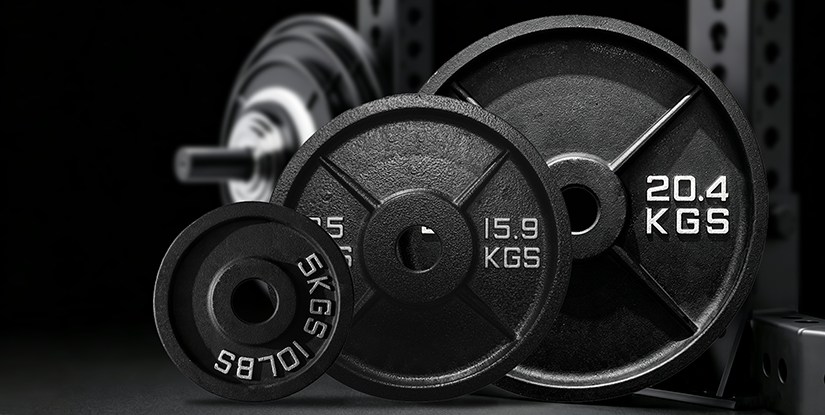
Selecting the correct manufacturing method is a critical decision for any cast iron plate OEM ODM project, as it directly impacts both the initial landed cost and the long-term maintenance requirements. While sand casting is the industry standard for high-volume production, the level of secondary processing determines whether a plate is suitable for a budget studio or a high-traffic commercial facility. A professional supplier will offer various tiers of finishing to match your specific market positioning.
The choice between sand casting and more advanced machining techniques often revolves around the trade-off between speed and precision. In many commercial weight plate manufacturing environments, sand casting provides the most cost-effective route for bulk orders, but it requires secondary CNC machining to ensure the center bore is perfectly concentric. Without this step, plates may wobble or cause premature wear on expensive barbell sleeves. Furthermore, the surface treatment—whether it is a simple paint or a rugged powder coating—will dictate how well the product resists oxidation and physical impact over years of heavy use.
When evaluating your next wholesale order, consider how these manufacturing variables affect your total procurement cycle. A higher MOQ might allow for more advanced finishing processes, such as specialized coating lines, which can enhance the premium feel of your private label products. We recommend requesting a sample to inspect the coating adhesion and the smoothness of the bore before finalizing any large-scale sourcing agreement.
Critical QC Checkpoints for China Factory Export Orders
For distributors and large-scale gym equipment importers, the final stage of procurement is often the most volatile. Relying on a cast iron plate OEM ODM partner without a rigorous verification protocol can lead to high landed costs caused by weight discrepancies or surface defects. When sourcing via wholesale iron plates China factory channels, the lack of a standardized pre-shipment inspection often results in receiving batches that fail to meet commercial-grade standards, ultimately damaging your brand reputation and profit margins.
A professional China factory must implement a multi-stage QC process that moves beyond simple visual checks. To ensure long-term commercial durability, the inspection must focus on technical variables that impact both the user experience and the structural integrity of the unit. High-quality commercial weight plate manufacturing requires verifying the precision of the center bore and the uniformity of the coating adhesion to prevent premature oxidation or chipping during high-volume use.
Essential Inspection Parameters for Bulk Orders
During the cast iron plate OEM ODM workflow, technical failures typically occur at the intersection of casting and surface treatment. A reliable supplier will provide documented evidence of the following checks before the container is sealed. For wholesale buyers, these checkpoints are the primary defense against high return rates and client disputes.
- Weight Tolerance Verification: Random spot-checks are conducted to ensure the cast iron density and volume align with the specified weight class, preventing uneven loading in commercial settings.
- Surface Finish and Coating Adhesion: For painted or powder-coated units, inspectors check for consistent thickness and ensure the coating can withstand standard mechanical impact without peeling.
- Bore Precision and Concentricity: The central hole must be machined to a standard diameter to ensure a smooth fit on Olympic or standard bars, preventing wobbling or uneven wear on the barbell.
- Dimensional Accuracy: Verifying the outer diameter and thickness consistency to ensure the plates stack correctly and fit within standard storage racks.
By prioritizing these technical requirements during the sourcing phase, importers can mitigate the risks associated with offshore production. We recommend that all buyers request a detailed inspection report or book a third-party audit to confirm that the factory has met all technical specifications before the final FOB or CIF shipment is authorized.
Technical Defect Checklist for Importers
A high-tier cast iron plate OEM ODM project requires more than just a visual scan. Professional buyers must look for specific structural and aesthetic indicators that signal long-term reliability. When managing a wholesale iron plates China factory order, use the following technical checklist to evaluate the quality of your samples or pre-shipment batches.
First, inspect the base flatness of the plate. A plate with a warped or uneven casting surface will not sit flush, causing instability during heavy lifts. Second, examine the logo embossing or branding area; the relief should be sharp and consistent, not blurred or shallow, which is a common sign of poor mold maintenance. Finally, verify the coating quality. For painted or powder-coated finishes, check for any signs of bubbling or uneven application that could lead to chipping under commercial stress.
| Inspection Focus | Technical Detail | Commercial Risk | Verification Method |
|---|---|---|---|
| Bore Integrity | Concentricity and smooth edges | Barbell wobble or uneven wear | Manual fit test on standard bar |
| Surface Finish | Coating adhesion and thickness | Peeling or oxidation issues | Visual check for bubbles or chips |
| Branding Quality | Logo embossing clarity | Weak brand identity perception | Tactile and visual inspection |
| Physical Form | Base flatness and edge smoothness | Unstable stacking in racks | Surface contact measurement |
Rigorous commercial weight plate manufacturing standards must be applied to every batch to protect your distributor margins. We advise all sourcing managers to request high-resolution photos of the bore and branding detail before the final MOQ is fulfilled and the shipment is dispatched.
Optimizing Your Procurement Workflow
Effective cast iron plate OEM ODM management involves more than just selecting a vendor; it requires integrating quality checkpoints into your entire supply chain. For distributors looking to scale, the goal is to minimize the landed cost of defective goods by ensuring the factory adheres to strict manufacturing protocols. By establishing these technical standards early in the sourcing process, you reduce the risk of costly returns and enhance the long-term value of your inventory.
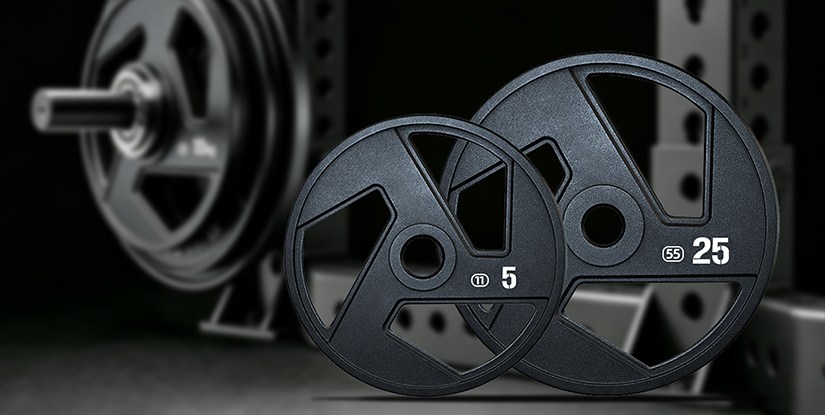
To maximize efficiency, we recommend that professional buyers incorporate a sample approval stage into their wholesale agreements. This allows you to verify the weight accuracy, bore smoothness, and branding clarity before committing to a full production run. Whether you are managing a small MOQ or a large-scale container order, a proactive approach to technical verification remains the most reliable way to secure high-performance, commercial-grade equipment for your global clients.
Optimizing Your Procurement with OEM and ODM Customization
For international distributors and gym equipment importers, the ability to transition from a standard product catalog to a proprietary collection is a critical lever for increasing market share. Engaging in cast iron plate OEM ODM services allows your business to move beyond generic sourcing and build a recognizable, high-value brand. By working directly with a China factory, you can control the specific aesthetic and functional details that differentiate your inventory in a crowded wholesale market.
Effective commercial weight plate manufacturing via OEM or ODM pathways provides more than just a visual upgrade; it offers a strategic advantage in product positioning. Whether you require specific embossed logos to strengthen your brand identity or a unique private label finish to meet a niche market demand, customization ensures your products are not easily commoditized. While custom branding often involves adjusting the MOQ or slightly extending the lead time compared to standard stock orders, the long-term benefit is a more loyal distributor network and higher perceived value for your end-users.
Choosing the right wholesale partner for cast iron plate OEM ODM projects requires a clear understanding of how customization affects your landed cost and product durability. A professional supplier will provide transparent guidance on how specific design requests—such as specialized coating textures or unique plate shapes—impact the sourcing lifecycle and your overall wholesale margins.
Comparison of Procurement Models: Standard vs. Customized Solutions
Navigating the choice between ready-to-ship inventory and customized production is a fundamental decision for any procurement lead. While standard stock orders offer speed, a cast iron plate OEM ODM approach provides the control necessary to scale a premium product line. To assist in your decision-making process, the following table outlines the typical trade-offs between purchasing standard wholesale units and investing in a tailored manufacturing project.
| Feature | Standard Wholesale (Stock) | OEM/ODM Customization | Procurement Impact |
|---|---|---|---|
| Branding | Generic or standard manufacturer marks | Full private label or custom embossed logos | Builds long-term brand equity and market recognition |
| Specifications | Fixed dimensions and standard coatings | Custom weights, colors, or specialized finishes | Allows for niche market positioning and unique product tiers |
| MOQ/Lead Time | Lower MOQ; rapid shipping availability | Higher MOQ; extended production lead time | Requires advanced inventory planning and capital allocation |
When evaluating wholesale iron plates China factory options, consider that cast iron plate OEM ODM workflows often involve more complex stages, such as specialized mold creation or multi-stage surface treatments. While these processes may increase the initial MOQ, they significantly reduce the risk of product commoditization. We recommend requesting a detailed spec sheet and a sample evaluation before committing to a large-scale wholesale production run to ensure the final output meets your specific commercial durability requirements.
Technical Execution: Logo Embossing and Surface Finishing
A common failure mode in low-tier sourcing is the degradation of brand identity due to poor surface treatment. For professional buyers, the integrity of logo embossing is a key indicator of manufacturing precision. In high-quality cast iron plate OEM ODM workflows, the logo is not merely a surface print but is integrated into the casting mold itself. This ensures that the branding remains legible even after years of heavy use in a commercial gym environment, preventing the "fading effect" often seen with low-grade paint-on logos.
Beyond the physical mold, the durability of the unit depends heavily on the surface finishing and powder coating application. A professional China factory utilizes a multi-stage process—typically involving a phosphate treatment or a degreasing bath—before the final coating is applied. This ensures maximum adhesion and prevents the common issue of coating chips or peeling under mechanical stress. For wholesale iron plates China factory procurement, verifying the quality of the powder coating line is a vital QC step, as a consistent, high-adhesion finish directly reduces long-term maintenance loads and enhances the product's commercial lifespan.
Before finalizing your wholesale order, we suggest requesting a sample to inspect the depth of the embossed area and the texture of the finish. Confirming these technical details during the sample approval stage will mitigate the risk of receiving inconsistent batches and ensure your private label meets the high standards expected by your distributors.
Streamlining Logistics and Bulk Order Management
Optimizing the cast iron plate OEM ODM process requires more than just material selection; it demands a strategic approach to global supply chain management. For distributors and large-scale gym operators, the true landed cost is determined by how effectively shipping volume is utilized within a standard container. A China factory that understands the high density of iron products can significantly improve your margins through advanced container optimization and robust export packaging strategies.
Managing a bulk order involves balancing weight limits against volume constraints. Because cast iron is a high-density material, the primary challenge is often reaching the maximum weight capacity of a 20ft or 40ft container before the physical volume is filled. Professional wholesale suppliers implement specific palletization and stacking protocols to ensure that commercial weight plate manufacturing outputs are shipped with minimal wasted space. Neglecting these details can lead to inflated freight costs per unit, directly impacting your competitive pricing in the North American market.
To mitigate risks during long-distance transit, export packaging must be engineered for heavy-duty handling. This includes using reinforced cartons and moisture-resistant liners to protect the surface finish from sea humidity. Effective logistics planning, such as coordinating with a supplier who offers specialized loading services, ensures that your cast iron plate OEM ODM shipment arrives at your warehouse without structural damage or surface oxidation, maintaining the integrity of the brand identity you are building.
Packaging Configuration and Shipping Efficiency Comparison
Distributors must evaluate how different packaging methods influence both the landed cost impact and warehouse storage efficiency. Choosing the right configuration is a critical part of wholesale iron plates China factory procurement, as the choice between palletized and loose-loaded shipments can significantly alter your final per-unit freight expense and labor requirements upon arrival.
The following table illustrates how various packaging tiers affect the total logistics profile for a typical cast iron plate OEM ODM project. We categorize these by commercial utility to help you align your shipping strategy with your specific distribution model, whether you prioritize low-cost bulk transport or high-speed warehouse throughput.
| Packaging Type | Shipping Efficiency | Storage & Handling | Landed Cost Impact | Best Use Case |
|---|---|---|---|---|
| Standard Reinforced Carton | Moderate | Easy manual handling; high stackability | Baseline | Small-scale distributors and retail-ready stock |
| Heavy-Duty Palletized | High | Requires forklift; optimized for rapid unloading | Moderate increase due to pallet volume | Large gym chains and high-volume warehouses |
| Bulk Loose Loading | Maximum | Labor-intensive; requires manual weight lifting | Lowest per-unit freight cost | Massive scale procurement with high labor availability |
When finalizing your commercial weight plate manufacturing order, we recommend discussing specific loading patterns with your supplier. For instance, a factory can often optimize the weight-to-volume ratio by adjusting the stacking sequence of the plates within the container. This level of attention to detail ensures that your sourcing efforts result in the highest possible ROI by minimizing the "empty space" cost often found in standard international shipments.
To ensure your specific requirements are met, please contact us to request a detailed shipping quote or to confirm the MOQ for palletized versus carton-packed orders. We are available to provide custom OEM packaging solutions tailored to your regional distribution needs.
To ensure your specific requirements are met, please contact us to request a detailed shipping quote or to confirm the MOQ for palletized versus carton-packed orders. We are available to provide custom OEM packaging solutions tailored to your regional distribution needs.