Cast Iron Plate Commercial Supplier: Material and Specs
The Economic Impact of Sourcing the Right Cast Iron Plate Commercial Supplier
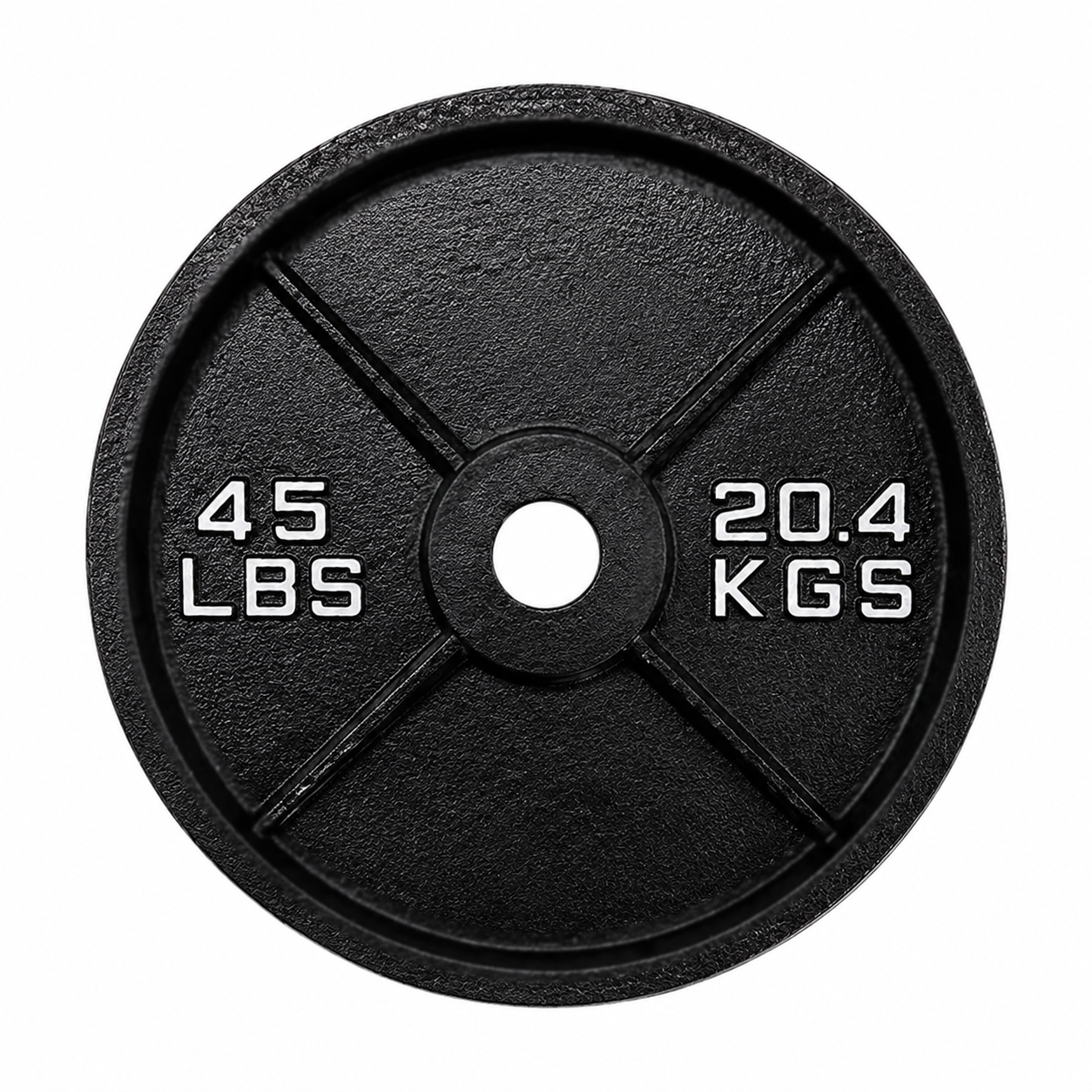
A professional cast iron plate commercial supplier provides high-density, calibrated weight plates designed for high-traffic strength facilities. For distributors and gym owners, sourcing directly from a China factory ensures a balance of material durability and optimized landed cost, which is critical for maintaining long-term operational margins.
Procuring low-grade commercial cast iron plates may offer a lower initial wholesale price, but it often leads to a much higher Total Cost of Ownership (TCO). Substandard casting results in uneven weight distribution and poor concentricity, which accelerates wear on barbells and increases maintenance frequency. When distributors fail to implement strict cast iron plate manufacturing QC, they face the hidden costs of high replacement rates, customer dissatisfaction, and diminished brand reputation in the fitness industry.
By partnering with a specialized supplier that prioritizes wholesale quality standards, buyers can secure equipment with consistent density and superior surface finishes. Investing in premium commercial cast iron plates reduces the frequency of equipment swaps and stabilizes long-term facility expenses, ultimately protecting the ROI of a commercial fitness venture.
Technical failures in the procurement process often stem from ignoring the precision required in weight calibration and concentricity. When a cast iron plate commercial supplier provides units with inconsistent density, the resulting weight inaccuracy can disrupt high-performance training environments. More critically, poor concentricity—where the center bore is not perfectly aligned with the plate's mass—causes uneven loading on barbells. This imbalance creates mechanical stress that damages high-end Olympic bars and increases the frequency of equipment replacement, directly impacting a facility's long-term maintenance budget.
To mitigate these commercial risks, a professional China factory must implement a rigorous cast iron plate manufacturing QC protocol. This process involves systematic weight calibration and precision machining of the central bore to ensure every unit meets strict commercial tolerances. For large-scale distributors, verifying these technical specifications during the sampling stage is essential. Whether you are looking for standard stock or utilizing OEM/ODM services for custom branding, confirming the factory's ability to maintain concentricity and material density will protect your margins and ensure the durability of your product line.
Technical Specification Comparison for Procurement Standards
To assist in professional procurement decisions, the following table compares standard production tiers. Evaluating these technical variables helps importers and distributors understand how different manufacturing approaches impact the final product's utility and the total landed cost of a bulk shipment.
| Material | Process | Key Component | Commercial Duty | MOQ Impact | Factory QC Point |
|---|---|---|---|---|---|
| Gray Iron | Sand Casting | Central Bore | Standard Commercial | Low | Bore Concentricity |
| High-Density Iron | Precision Machining | Olympic Collar Fit | Premium Training | Medium | Weight Calibration |
| Carbon Steel | CNC Machining | Knurled Edge Detail | High-Performance | High | Surface Flatness |
When negotiating with a cast iron plate commercial supplier, it is vital to confirm which manufacturing stage determines the final quality of the commercial cast iron plates. For example, a wholesale order for standard gym sets might rely on traditional sand casting, whereas a premium OEM request for high-end studios would require precision CNC machining for a tighter Olympic collar fit. Detailed cast iron plate manufacturing QC documentation should ideally cover weight tolerance bands and the flatness of the plate surface to ensure long-term reliability for the end-user. We recommend requesting a specification sheet or a sample approval before finalizing any large-scale sourcing contract.
Material Integrity and Casting Standards for Commercial Cast Iron Plates
When sourcing high-volume inventory for fitness centers or distribution networks, the technical composition of the weight determines your long-term replacement costs. A reliable cast iron plate commercial supplier must prioritize material density and structural uniformity to prevent cracking under heavy use. For professional importers, understanding the distinction between standard casting and high-precision manufacturing is essential to ensuring the longevity of the equipment and protecting your distributor margins.
For distributors managing large-scale gym fit-outs, the risk of receiving plates with inconsistent density or uneven surfaces is a significant procurement threat. Substandard commercial cast iron plates often suffer from internal air pockets or surface imperfections that lead to premature failure in high-traffic environments. By selecting a China factory that utilizes controlled sand casting techniques, buyers can mitigate these risks, ensuring each unit meets the rigorous demands of commercial duty while maintaining a predictable landed cost through bulk wholesale efficiencies.
Precision in manufacturing extends beyond the initial pour. A professional cast iron plate commercial supplier implements strict weight calibration protocols to ensure that the actual mass aligns with the labeled specification. This level of cast iron plate manufacturing QC is vital for maintaining professional standards in strength and conditioning facilities, where even minor deviations can disrupt training programming and client trust. For large-scale sourcing projects, verifying these calibration and concentricity standards during the factory audit process is a critical step in securing a high-quality supply chain.
Technical Comparison of Casting Processes and Surface Finishes
Effective procurement requires a deep dive into the finishing technologies that protect the underlying metal. While the core material provides the mass, the secondary processing—such as the application of a powder coating or specialized surface treatment—determines the product's resistance to oxidation and physical abrasion. For a professional supplier, offering various finishes is not just about aesthetics; it is about providing solutions for different environmental requirements, from high-humidity training centers to specialized boutique studios.
To assist in your technical evaluation, the following table compares standard production-grade options typically found in a professional China factory. This comparison focuses on how different manufacturing paths impact the final product's durability and the overall wholesale value for the importer.
| Material Type | Surface Finish | Primary Process | Key Component/QC Point | Commercial Duty | MOQ Impact |
|---|---|---|---|---|---|
| Gray Iron | Bare Iron | Sand Casting | Surface Flatness | Standard Gym/Warehouse | Lower |
| Cast Iron | Powder Coating | Sand Casting + Coating Line | Coating Adhesion | High-Traffic Commercial | Medium |
| Carbon Steel | PU/Rubber Coating | Machining + Molding | Bond Line Integrity | Premium Studio/Boutique | Higher |
When evaluating wholesale gym weight plates, buyers should request specific data regarding the weight tolerance and the precision of the center bore. A high-quality cast iron plate commercial supplier will ensure that the concentricity of the center hole is maintained through a final machining stage, preventing wobbling on the barbell. We recommend that all distributors confirm the specific surface finishing methods and the rigor of the pre-shipment inspection to ensure the shipment meets your local market's quality expectations.
Precision Machining and Weight Calibration Requirements
When sourcing at scale, the technical integrity of every unit determines your long-term replacement costs and distributor reputation. A professional cast iron plate commercial supplier must move beyond basic sand casting to provide products that meet strict mechanical tolerances. For high-volume distributors, the difference between a standard casting and a precision-machined plate lies in the stability of the weight distribution and the smoothness of the Olympic bore fit.
Procurement teams often overlook the impact of improper machining on barbell longevity and user safety. If the commercial cast iron plates you source lack proper concentricity, they create uneven loading, which increases wear on premium barbells and complicates inventory management due to inconsistent weight profiles. Relying on a China factory that integrates CNC machining processes ensures that each plate maintains a consistent center of gravity, reducing the risk of defective batches during large-scale wholesale orders.
To mitigate the risk of receiving inconsistent stock, it is essential to verify the cast iron plate manufacturing QC protocols regarding weight tolerance and surface flatness. High-tier commercial cast iron plates undergo multiple stages of calibration to ensure that the actual weight matches the stamped specification within industry-standard margins. This level of precision is non-negotiable for professional gym operators who require predictable loading for heavy training cycles.
| Material & Process | Key Precision Component | Commercial Duty Level | Procurement Benefit | QC Focus Point |
|---|---|---|---|---|
| Standard Sand Casting | Basic Bore Fit | Entry-Level Commercial | Lower Landed Cost | Surface Roughness |
| Machined Cast Iron | Precision Concentricity | Professional Training | Higher Durability/ROI | Weight Tolerance |
| CNC Calibrated Steel | Optimized Olympic Bore | Premium Performance | Low Maintenance Load | Center of Gravity |
When negotiating MOQ or requesting a sample, always ask for the specific calibration method used by the factory. A reliable supplier will provide documentation or visual evidence of their weight calibration and precision machining capabilities to ensure your sourcing strategy is built on high-performance, consistent equipment.
Evaluating the technical specifications of your batch is the only way to protect your margins against the hidden costs of defective inventory. For large-scale importers, a failure in the weight-to-bore ratio can lead to high return rates and damaged client trust. A professional cast iron plate commercial supplier should provide clarity on how they manage the transition from a raw casting to a finished, high-performance weight plate.
The following comparison highlights why investing in precision-oriented production is a strategic move for long-term distributor success. While standard options may offer a lower initial landed cost, precision-machined options provide a significantly better total cost of ownership (TCO) by ensuring equipment longevity and reducing the maintenance load on gym operators.
| Material & Process | Key Component/Detail | Commercial Duty | MOQ Impact | Factory QC Point |
|---|---|---|---|---|
| Standard Sand Casting | Basic Bore Fit | Standard Gym Use | Lower Threshold | Surface Flatness |
| Machined Cast Iron | Concentricity & Weight Calibration | Professional Training | Moderate Tier | Bore Smoothness |
| CNC Calibrated Steel | Optimized Olympic Fit | Premium Performance | Higher Volume Focus | Center of Gravity |
To ensure your next shipment meets these standards, we recommend requesting a detailed spec sheet during the initial sourcing phase. Confirming the cast iron plate manufacturing QC process—specifically regarding weight tolerance and concentricity—allows you to establish a high-quality private label or brand identity. Always verify if the China factory utilizes specialized machining for the Olympic collar fit to guarantee seamless loading for your end-users.
To mitigate the risk of receiving inconsistent stock, it is essential to verify the cast iron plate manufacturing QC protocols regarding weight tolerance and surface flatness. High-tier commercial cast iron plates undergo multiple stages of calibration to ensure that the actual weight matches the stamped specification within industry-standard margins. This level of precision is non-negotiable for professional gym operators who require predictable loading for heavy training cycles.
| Material & Process | Key Precision Component | Commercial Duty Level | Procurement Benefit | QC Focus Point |
|---|---|---|---|---|
| Standard Sand Casting | Basic Bore Fit | Entry-Level Commercial | Lower Landed Cost | Surface Roughness |
| Machined Cast Iron | Precision Concentricity | Professional Training | Higher Durability/ROI | Weight Tolerance |
| CNC Calibrated Steel | Optimized Olympic Bore | Premium Performance | Low Maintenance Load | Center of Gravity |
When negotiating MOQ or requesting a sample, always ask for the specific calibration method used by the factory. A reliable supplier will provide documentation or visual evidence of their weight calibration and concentricity capabilities to ensure your sourcing strategy is built on high-performance, consistent equipment. For distributors managing high-volume wholesale gym weight plates, a rigorous pre-shipment inspection is the final defense against an unexpected increase in your landed cost due to weight discrepancies.
Mitigating Procurement Risks Through China Factory QC Protocols
For international distributors and gym equipment importers, the primary challenge in bulk sourcing is the hidden cost of defective batches. A failure in cast iron plate commercial supplier standards can lead to uneven weight distribution or surface defects that damage a brand's reputation. To mitigate these procurement risks, professional buyers must verify that the China factory employs rigorous inspection routines that go beyond basic visual checks.
Reliable commercial cast iron plates require precision in two specific areas: weight calibration and concentricity. Without standardized testing, a batch may suffer from inconsistent mass or an off-center bore, which causes uneven wear on barbell sleeves and reduces the lifespan of the equipment. High-tier wholesale gym weight plates are subjected to strict dimensional audits to ensure the center hole remains perfectly aligned, maintaining the stability required for high-traffic commercial environments.
Beyond structural integrity, the surface finish of the product determines long-term maintenance costs and aesthetic longevity. When sourcing, a professional supplier must demonstrate control over the powder coating application and adhesion. Inconsistent coating thickness or poor bonding can lead to premature oxidation or chipping, which increases the replacement frequency for gym owners. A high-quality cast iron plate manufacturing QC protocol includes testing the resistance of the finish against impact and moisture to ensure it meets the demands of heavy-duty commercial use.
To ensure a smooth wholesale transition from the factory to your warehouse, we recommend requesting a pre-shipment inspection report that specifically highlights density and surface uniformity. A detailed inspection should verify that the texture is consistent across the entire surface and that the MOQ requirements for your private label or custom branding do not compromise these technical standards. Validating these specifications before the container is loaded protects your distributor margins and ensures your clients receive consistent, premium-grade equipment.
Pre-Shipment Technical Inspection Standards
To eliminate uncertainty during the import process, procurement managers should utilize a structured inspection framework. Relying on a visual-only check is insufficient for high-volume orders. Instead, verify that your cast iron plate commercial supplier provides documented data regarding the following technical metrics to ensure every unit meets professional-grade expectations.
The following table outlines the critical inspection points required to validate the quality of your bulk shipment before it leaves the China factory. This checklist is designed to help distributors and importers manage the total cost of ownership by preventing the arrival of defective or non-compliant stock.
| Inspection Point | Technical Standard | Commercial Duty | Weight Tolerance | QC Focus Area |
|---|---|---|---|---|
| Bore Concentricity | Precision Machined | High-Frequency Barbell Use | Industry-Standard Deviation | Olympic Collar Fit |
| Surface Uniformity | Smooth Density | High-Traffic Gym Environments | Consistent Mass Distribution | Avoidance of Casting Voids |
| Coating Adhesion | Impact Resistant | Durability in High-Moisture Areas | N/A | powder coating Bond Strength |
| Dimensional Accuracy | Strict Gauge Control | Standardized Equipment Sets | Minimal Variance per Batch | Diameter and Thickness |
When finalizing your wholesale procurement, we recommend requesting a sample approval or a specific batch test report. Confirming these technical thresholds—especially regarding weight calibration and the stability of the powder coating—will ensure your commercial cast iron plates perform reliably under heavy use, protecting your brand and long-term ROI.
Optimizing Logistics and Export Packaging for Bulk Orders
Managing the high-density weight of a cast iron plate commercial supplier shipment requires more than standard shipping protocols; it requires specialized logistics to protect your bottom line. When importing heavy goods, the primary risk to your landed cost is not just the freight rate, but the structural damage or oxidation caused by improper handling during long-distance sea freight. A professional cast iron plate commercial supplier must implement rigorous export packaging standards to ensure that high-density plates arrive at your warehouse without surface rust, dented edges, or compromised concentricity.
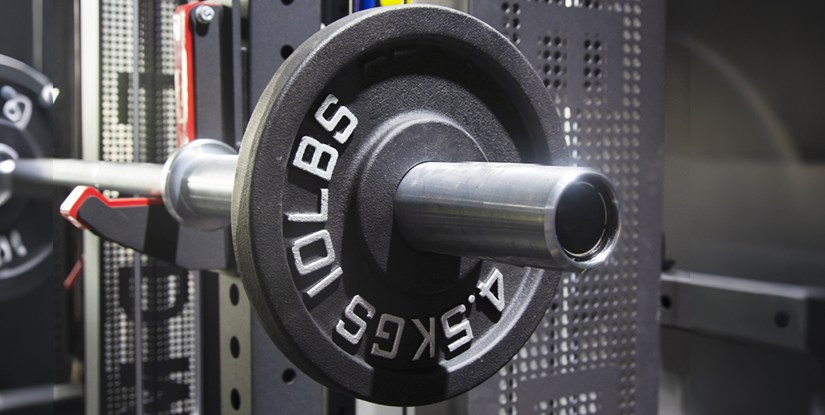
For distributors managing large-scale facility builds, standard parcel shipping is insufficient. Effective bulk order logistics involves heavy-duty palletization and reinforced steel strapping to prevent shifting within the container. To mitigate the risk of moisture-induced oxidation during transit, a reputable China factory will utilize moisture control measures, such as industrial-grade desiccants and vacuum-sealed or shrink-wrapped bundles. By adhering to strict China factory shipping standards, the supplier ensures that the commercial cast iron plates remain in pristine, saleable condition from the moment they leave the production line until they reach your distribution center.
Packaging Strategies for Volume-Based Procurement
Effective procurement planning requires a deep understanding of how different order volumes dictate packaging configurations and, consequently, your total landed cost. For distributors, the choice between palletized shipments and container-load optimization directly impacts warehouse efficiency and the safety of the inventory. A professional cast iron plate commercial supplier provides tiered packaging solutions to ensure that wholesale gym weight plates are protected against both mechanical impact and environmental oxidation during sea transit.
When evaluating your next shipment, consider the following technical standards for container loading and protection to ensure high-density goods reach your facility intact:
| Order Volume Tier | Standard Pallet Type | Crate Construction | Weight Distribution Strategy | Shipping Optimization |
|---|---|---|---|---|
| Small Wholesale (LCL) | Reinforced Wooden Pallet | Heavy-duty Shrink Wrap | Single-stack vertical alignment | Optimized for pallet position |
| Medium Bulk (FCL) | Heat-treated ISPM 15 Pallet | Steel-reinforced Corner Protectors | Balanced cross-stacking | High-density container nesting |
| Large Scale (OEM/Private Label) | Customized Steel/Wood Frame | Full Perimeter Wood Crating | Multi-layer weight balancing | Maximum cubic capacity utilization |
To maintain strict cast iron plate manufacturing QC, the factory must ensure that the pallet type and crate construction can withstand the immense downward pressure of stacked iron. For example, during long-haul sea freight, improper weight distribution can lead to pallet collapse or container floor deformation. We recommend that buyers confirm shipping container optimization protocols—such as the use of heavy-duty steel strapping and moisture-barrier film—to prevent any surface degradation of the commercial cast iron plates. Before finalizing your sourcing agreement, we invite you to request a detailed packaging specification sheet or discuss custom OEM crating options to align with your specific warehousing capabilities and reduce potential breakage-related losses.
Final Pre-Shipment Inspection and Loading Supervision
Before the final container seal is applied, a rigorous pre-shipment inspection is the last line of defense against high landed costs caused by transit damage. For high-volume distributors, the risk is not merely a single broken unit, but a whole pallet of damaged inventory that compromises your margins. A professional cast iron plate commercial supplier integrates a specialized loading supervision phase to verify that the physical product matches the technical specifications approved during the sampling stage.
During this stage, the factory must execute a strict bulk order verification. This includes a final spot-check of the weight tolerance and a visual audit of the surface finish to ensure the coating or bare iron remains free of oxidation. To protect the integrity of the commercial cast iron plates, we implement advanced moisture-proof packaging, utilizing high-density shrink wrap and industrial desiccant packs within each bundle. Furthermore, the pallet stability is verified by ensuring that the center of gravity for each unit is perfectly aligned, preventing the lateral shifting that often occurs during sea freight turbulence. By requesting a formal inspection report or a video walkthrough of the loading process, procurement leads can ensure their wholesale shipment meets all commercial-grade expectations before departing the China factory.
Customization and Private Label Capabilities for Global Distributors
For international distributors and gym equipment importers, the ability to transition from a simple reseller to a recognized brand owner is a critical driver of long-term profitability. When you partner with a professional cast iron plate commercial supplier, you gain access to more than just bulk inventory; you gain a strategic manufacturing partner capable of executing complex branding requirements. Leveraging a China factory for high-volume production allows you to scale your product lines while maintaining strict control over your market positioning and brand identity.
Standardized products often lead to low-margin competition. By utilizing OEM and ODM services, you can differentiate your catalog through specialized dimensions, unique surface textures, or specific weight increments that your local competitors lack. Whether you require a custom embossed logo on the plate face or a specific color-coded powder coating system to denote weight classes, professional customization ensures your inventory stands out in a crowded commercial market. This level of control is essential for building a premium brand identity that justifies higher price points in the fitness industry.
Scaling a product line requires a delicate balance between design flexibility and cost-efficiency. A reliable supplier will provide clear documentation regarding MOQ requirements for various levels of customization, from simple logo stamping to full-scale private label manufacturing. While highly customized units may involve a longer lead time, the resulting exclusivity significantly improves your distributor margin by reducing direct price-based competition. Effective wholesale procurement planning should always account for these variables to ensure a consistent supply chain and optimized landed costs.
Technical Comparison of Customization and Coating Options
Selecting the right finish is a strategic decision that affects both the durability of the commercial cast iron plates and your ability to market a premium product. For high-volume wholesale orders, the choice between a basic phosphate treatment and a multi-layer powder coating significantly impacts the long-term maintenance load for end-users and the perceived value of your brand. Below is a technical breakdown designed to assist procurement managers in evaluating customization depth and technical specifications.
| Material & Coating Type | Primary Process | Key Component/Detail | Commercial Duty | MOQ Impact | Factory QC Point |
|---|---|---|---|---|---|
| Bare Iron (Phosphate) | Sand Casting + Acid Wash | Embossed Logo/Texture | Standard Commercial | Low | Surface Roughness |
| Powder Coated | Electrostatic Spray | Color-coded Weight Class | High-Traffic Gyms | Medium | Coating Adhesion |
| PU/Rubber Coated | Injection Molding/Dip | Encapsulation Layer | Premium/Low-Noise | High | Bond Line Adhesion |
| Black Enamel | High-Temp Kiln Firing | Smooth Surface Finish | Studio/Boutique | Medium | Base Flatness |
When sourcing from a cast iron plate commercial supplier, it is vital to confirm how these processes affect the final weight calibration and concentricity. For example, a thicker coating layer must be factored into the initial casting mold to ensure the final product meets the exact weight tolerances required for professional use. We recommend requesting a sample approval and a detailed specification sheet to verify how the branding methods—whether embossed or printed—interact with the chosen finish to ensure long-term durability and professional aesthetics.
Rigorous Quality Control and Export Standards
Precision in bulk manufacturing is not merely about aesthetics; it is about ensuring every unit in a container meets exact performance metrics. A professional cast iron plate manufacturing QC protocol must address the fundamental structural integrity of the product. For high-volume importers, even a minor deviation in weight or balance can lead to significant returns and damaged brand reputation. Therefore, your China factory partner should implement a multi-stage inspection process that covers the entire production lifecycle, from raw material casting to final packaging.
Critical technical checkpoints must include a rigorous weight calibration process to ensure every plate falls within industry-standard tolerances. Beyond simple mass, the concentricity of the center bore is a vital metric; a non-centered hole causes uneven loading and premature wear on barbell sleeves. Furthermore, when executing logo embossing or custom branding, the manufacturer must ensure that the depth and clarity of the relief do not compromise the structural density of the plate or the uniformity of the surface coating. These technical details are what separate high-tier commercial equipment from low-quality alternatives.
Final logistics readiness is the last line of defense in the sourcing process. Before any shipment leaves the facility, a comprehensive pre-shipment inspection should be conducted to verify both product specs and packing durability. This includes a check of the export packaging—such as reinforced heavy-duty cartons or palletized crates—to ensure the goods survive long-distance maritime transit without damage. By verifying these standards at the source, distributors can minimize the risk of damaged goods upon arrival, thereby protecting their landed cost and ensuring a smooth delivery to the end-user.