Quality Control Standards in Cast Iron Weight Plate
Precision Engineering and Spatial Optimization
In high-traffic commercial environments, the margin for error in cast iron weight plates manufacturing extends far beyond simple weight accuracy. Procurement managers must evaluate how deviations in thickness and diameter impact long-term facility operations, specifically regarding equipment compatibility, safety, and the logistical footprint of storage solutions. When weight plate tolerance standards are neglected, the resulting inconsistencies create cascading issues for gym owners and distributors alike.
Strict adherence to weight plate tolerance standards ensures that every unit maintains a uniform profile, which is critical for maximizing stacking efficiency. In premium fitness centers where every square foot carries a high cost, a predictable spatial footprint allows for denser, more organized storage. If plates are cast with irregular edges or inconsistent thicknesses, they fail to nest perfectly, leading to uneven facility layout configurations and wasted space. For wholesalers, this precision also translates to more reliable export packaging, as uniform dimensions prevent shifting and damage during transit, ensuring that the spatial efficiency of shipping containers is fully utilized without the risk of crushed or warped inventory.
Economic and Operational Implications of Quality Variance
Beyond the immediate physical footprint, the quality of industrial casting inspection directly influences the long-term TCO (Total Cost of Ownership) for facility operators. Discrepancies in manufacturing quality often manifest as hidden costs through increased maintenance cycles or premature replacement requirements. A rigorous commercial fitness equipment QC process prevents the procurement of substandard batches that can disrupt both gym aesthetics and budget forecasting.
| Quality Deviation Level | Impact on Maintenance Cycle | Storage Density & Space Utility | Long-term TCO Impact |
|---|---|---|---|
| High Precision (Standard Compliant) | Minimal; predictable wear patterns | Optimized; perfect nesting for racks | Low; stable replacement intervals |
| Moderate Variance (Loose Tolerances) | Increased; irregular edge friction | Reduced; uneven stacking profiles | Moderate; frequent re-ordering |
| Low Quality (Poor Casting Integrity) | High; frequent surface/structural issues | Poor; inefficient footprint/clutter | High; rapid depreciation/replacement |
For distributors and large-scale gym developers, choosing manufacturers that prioritize strict quality control is a strategic decision. Investing in high-standard production reduces the frequency of equipment turnover and ensures that storage density remains consistent throughout the equipment's lifecycle.
To mitigate these risks, procurement professionals should integrate specific technical benchmarks into their procurement checklist. Verifying thickness consistency is a non-negotiable step; even minor fluctuations can cause uneven loading on barbell sleeves, leading to mechanical strain or client discomfort. Furthermore, ensuring strict dimensional accuracy prevents the "stacking drift" that occurs when plates of varying diameters fail to sit flush, a common issue in high-traffic facility environments. When sourcing, demand documentation that confirms industrial casting inspection protocols for both diameter and center hole concentricity. By prioritizing these technical specifications over the lowest unit price, buyers protect their facility's spatial layout and ensure long-term operational stability.
Critical Inspection Points for Industrial Casting Integrity
Ensuring long-term commercial gym durability starts with the internal density of the metal. High-volume facilities require equipment that withstands constant impact and heavy loading without structural failure. For distributors, verifying the absence of internal flaws is the primary defense against costly returns and liability issues.
Preventing Structural Failure and Casting Defects
The core of quality control in cast iron weight plates manufacturing involves identifying microscopic vulnerabilities before they reach the shipping container. A primary concern for procurement managers is porosity—tiny air pockets or gas bubbles trapped within the iron. If left undetected, these voids compromise the structural integrity of the plate, making it prone to cracking or even catastrophic shattering when dropped during heavy sets. Rigorous industrial casting inspection must look beyond the surface finish to ensure the metal is dense and uniform throughout.
Furthermore, strict adherence to weight plate tolerance standards is essential for balancing barbell assemblies. Even minor deviations in thickness or density can lead to uneven weight distribution, causing mechanical stress on the bar and affecting the user's lifting mechanics. High-quality manufacturing processes prioritize consistent mold density to prevent deformation, ensuring every unit meets the exact specifications required for professional-grade strength training environments.
To streamline your vendor auditing process, we have outlined the essential technical benchmarks used during the manufacturing stage. This comparison helps procurement specialists identify which inspection protocols are necessary to mitigate long-term operational risks and maintain high equipment uptime in high-traffic commercial settings.
| Inspection Type | Focus Area | Typical Defect | Impact on Durability |
|---|---|---|---|
| Surface Inspection | Exterior Finish & Edges | Pits or Cracks | Weakens impact resistance; increases oxidation risk. |
| Dimensional Analysis | Thickness & Diameter | Out-of-Tolerance Deviations | Causes uneven barbell loading and mechanical imbalance. |
| Industrial Casting Inspection | Internal Density | Porosity or Air Voids | High risk of structural shattering during heavy drops. |
| Weight Verification | Mass Accuracy | Weight Variance | Reduces professional utility and disrupts lifting mechanics. |
When evaluating factory capability, prioritize suppliers who utilize non-destructive testing to verify internal consistency. While surface-level aesthetics matter for branding, the absence of internal voids is the true indicator of a product's ability to withstand the rigors of a professional training environment.
Verifying Precision for Seamless Barbell Compatibility
Beyond structural density, the utility of cast iron weight plates manufacturing is defined by dimensional accuracy and mechanical fit. For distributors and gym owners, the most frequent operational headache is a poor fit between the plate and the barbell sleeve. If the center hole lacks precise concentricity, the plate will sit unevenly, causing the barbell to wobble or tilt during heavy lifts. This instability is not merely a nuisance; it can cause premature wear on premium barbell sleeves and disrupt a lifter's form.
A professional procurement checklist should include specific requirements for surface smoothness and hole tolerances. A high-quality finish ensures that the plate slides onto the bar without friction-induced sticking, while a perfectly centered bore guarantees balanced weight distribution. When auditing a factory's capability, demand verification of their dimensional precision protocols to ensure every unit provides the smooth, predictable loading experience expected in high-end commercial fitness settings.
Navigating Weight Plate Tolerance Standards for Precision Loading
Strict adherence to weight plate tolerance standards is a critical metric for professional procurement managers. In a high-traffic commercial gym, even minor deviations in mass can compromise the integrity of high-end barbell systems and long-term equipment utility.
The Impact of Precision on Facility Longevity
Inconsistent cast iron weight plates manufacturing often leads to significant imbalance risks during heavy compound lifts. When plates do not match in weight or thickness, the resulting uneven distribution of mass causes uneven wear on barbell sleeves and bearing systems. For distributors and facility owners, ensuring precision loading through high-quality casting is not just about accuracy; it is a strategy to reduce long-term maintenance costs and prevent premature mechanical failure of expensive strength equipment.
| Tolerance Level | Typical Application | Procurement Impact | TCO Profile |
|---|---|---|---|
| High Precision | Professional Training/Competition | Strict weight/thickness control | Lower maintenance; higher initial cost |
| Standard Commercial | General Fitness/Strength Centers | Acceptable industry variance | Balanced ROI; standard wear patterns |
| Low Grade/Bulk | Home Use/Budget Facilities | High deviation potential | Higher risk of equipment imbalance |
Selecting the Right Tier for Your Facility
Choosing between precision tiers requires balancing your specific facility type against long-term operational budgets. While high-precision casting may require a higher upfront investment, the reduction in barbell sleeve wear and mechanical fatigue often justifies the cost for high-performance centers. Conversely, standard commercial grades are often sufficient for general fitness distribution where mass variance is less critical to the user experience.
A robust industrial casting inspection protocol is the only way to verify these weight plate tolerance standards before shipping. For distributors managing large-scale commercial fitness equipment QC, verifying thickness uniformity and center-hole concentricity is essential. Without these checks, uneven plate thickness can lead to "wobble" during heavy loading, which negatively impacts the perceived quality of your inventory and increases the frequency of replacement requests from end-users.
Beyond the immediate weight accuracy, the physical dimensions of the plates dictate the long-term maintenance cycles of your entire strength ecosystem. High-quality cast iron weight plates manufacturing focuses on dimensional consistency to prevent uneven loading, a common failure point in budget-grade equipment. When plates vary in thickness or concentricity, they create micro-oscillations during movement, which accelerates barbell wear and stresses the internal bearings of premium bars.
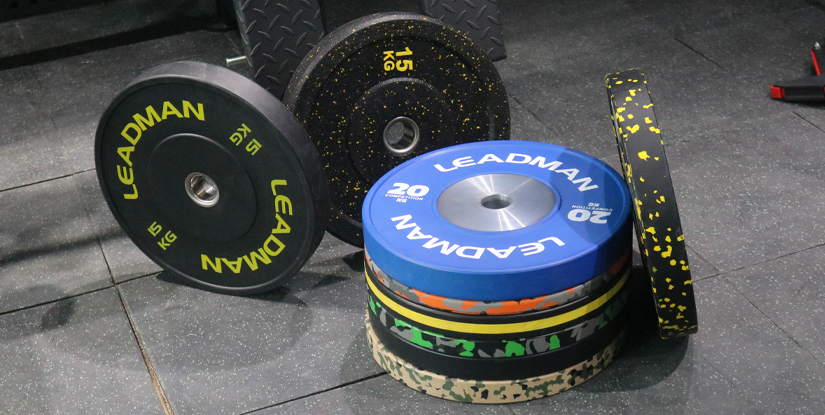
For distributors and facility managers, prioritizing strict commercial fitness equipment QC serves as a direct hedge against diminishing long-term ROI. By investing in products that meet rigorous weight plate tolerance standards, you reduce the frequency of barbell sleeve replacements and mechanical servicing. This proactive approach to industrial casting inspection ensures that your inventory remains a durable asset rather than a recurring operational expense.
Surface Finishing and Coating Durability for Commercial Longevity
The final stage of cast iron weight plates manufacturing determines how the product survives high-traffic gym environments. A high-quality surface finish is not merely aesthetic; it is a critical defense mechanism against environmental degradation and physical wear.
For distributors and gym owners, the surface texture and coating integrity directly impact the total cost of ownership. Without proper oxidation resistance, iron plates are susceptible to rust, which can stain flooring and degrade the visual appeal of a facility. Robust commercial fitness equipment QC protocols must verify that the coating—whether powder-coated, painted, or chemically treated—adheres uniformly to the casting, even around the center bore and edges. This level of precision ensures long-term durability, reducing maintenance cycles and preventing the premature replacement of inventory in humid or high-use commercial settings.
When evaluating procurement options, buyers must weigh initial unit costs against long-term maintenance requirements. Different finishing methods offer distinct advantages regarding chip resistance and environmental protection, which ultimately dictates the replacement frequency of your inventory.
| Finishing Method | Chip Resistance | Maintenance Frequency | Cost-Effectiveness (TCO) |
|---|---|---|---|
| Powder Coating | High | Low | Excellent for high-traffic facilities |
| Liquid Paint | Moderate | Medium | Lower initial cost; higher upkeep |
| Electroplating | Very High | Minimal | Premium option for specialized settings |
While liquid paint offers a lower entry price point for budget-conscious distributors, it often lacks the structural bond required for heavy commercial use. Powder coating remains the industry standard for balancing durability and cost, providing a thick, resilient layer that withstands the constant impact typical of strength training. For high-end boutique studios or humid environments, selecting a finish with superior oxidation resistance is a strategic decision to protect your long-term margins.
Auditing Coating Integrity and Surface Quality
During factory audits or upon receiving a shipment, a thorough industrial casting inspection must extend beyond structural dimensions to include surface-level vulnerabilities. Distributors should implement a rigorous procurement checklist that includes a hands-on assessment of the coating's bond to the substrate. A common failure point in lower-tier production is the presence of visual defects such as pitting or bubbling, which indicate trapped gases or contaminated surfaces during the casting process. These imperfections create weak points where moisture can penetrate, leading to rapid oxidation.
To ensure long-term reliability, request data or perform a basic adhesion testing protocol. This involves checking if the finish flakes or peels when subjected to minor mechanical stress or impact. Furthermore, verify that the manufacturer utilizes adequate moisture protection during the final stages of production and export packaging. High-quality batches should be protected from ambient humidity to prevent micro-corrosion before the product even reaches your warehouse, ensuring the equipment arrives in showroom-ready condition.
Export-Grade Packaging Protocols for International Wholesale Shipments
Optimizing logistics costs requires more than just efficient sea freight; it demands rigorous protection against the physical stresses of long-distance transit. For distributors, the integrity of the product upon arrival directly impacts the total cost of ownership and prevents costly returns due to surface abrasions or structural flaws.
Mitigating Transit Damage via Structural Reinforcement
During the cast iron weight plates manufacturing process, the focus is often on metallurgical density, but the final stage of export preparation is equally critical. High-density steel pallets and reinforced corrugated boxes are essential to ensure transit damage prevention during heavy lifting and container stacking. Without standardized industrial casting inspection protocols that extend into the packing stage, even high-quality plates can suffer from chipped edges or coating degradation during ocean transit.
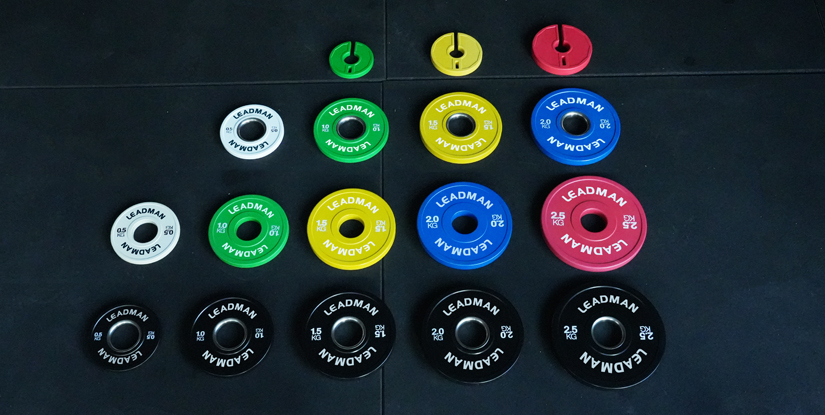
Effective sea freight durability relies on moisture-resistant barriers and specialized palletization. Utilizing shrink wrap and heavy-duty corner protectors prevents shifting within the container, maintaining the weight plate tolerance standards established during production and ensuring the shipment arrives at the warehouse in retail-ready condition.
Packaging Configuration: Cost-Efficiency vs. Protection
B2B buyers must balance upfront shipping costs against the risk of transit-related damage. While basic packaging may lower the initial freight quote, inadequate protection can lead to surface oxidation or edge chipping, complicating your commercial fitness equipment QC upon arrival. Selecting the appropriate configuration depends on your warehouse handling capabilities and the duration of sea transit.
| Configuration Type | Standard Domestic Packaging | Export-Grade Professional Packaging |
|---|---|---|
| Primary Protection | Standard Cardboard/Single Layer | Reinforced Corrugated + Moisture Barrier |
| Palletization | Basic Wooden Pallet | Heat-Treated (ISPM 15) Reinforced Pallet |
| Moisture Control | Minimal / Basic Shrink Wrap | Heavy-Duty Poly-Film + Desiccant Packs |
| Best Use Case | Regional/Short-Haul Distribution | Intercontinental Sea Freight/Wholesale |
| Risk Profile | Higher risk of rust/abrasion | Optimized for long-term stability |
For high-volume wholesale orders, investing in export-grade palletization and moisture protection is a strategic move to maintain weight plate tolerance standards. This prevents the degradation of finishes and ensures that your inventory meets the strict quality expectations of commercial gym facilities immediately upon unboxing.
Pre-Shipment Verification: the Buyer Inspection Checklist
To ensure logistics reliability and maintain MOQ compliance, distributors should never rely solely on factory assurances. A structured pre-shipment inspection is the final line of defense against breakage claims and shipping disputes. Verification must extend beyond the casting itself to the physical stability of the entire unit ready for the container.
When conducting a remote or on-site audit, utilize a specific buyer inspection checklist focused on the following three pillars of wholesale shipment integrity:
- Pallet Stability: Verify that weight distribution is centered and that the pallet can withstand the dynamic forces of ocean transit without leaning or structural failure.
- Moisture-Proof Layers: Confirm the application of multiple moisture-proof layers, such as heavy-duty poly-film and desiccants, to prevent oxidation during long-haul sea freight.
- Load Securing: Ensure that individual boxes are tightly bound to the pallet to prevent shifting, which is the primary cause of edge chipping in cast iron products.
Rigorous oversight at this stage protects your margins. By validating these packaging standards before the wholesale shipment leaves the factory, you mitigate the risk of receiving damaged inventory that fails to meet the professional standards required by your commercial clients.
Strategic Sourcing: Evaluating OEM/ODM Manufacturing Capabilities
For distributors and gym equipment wholesalers, long-term ROI depends on more than just initial unit costs; it relies on the technical sophistication of the supplier's cast iron weight plates manufacturing process. Selecting an OEM partner with advanced capabilities ensures that every shipment meets the rigorous demands of high-traffic commercial environments.
Linking Precision to Commercial Durability
A high-tier manufacturer must demonstrate mastery over weight plate tolerance standards to prevent uneven wear and equipment imbalance. When procurement teams audit a factory, they should look for evidence of rigorous industrial casting inspection protocols that identify structural micro-fissures before the finishing stage. This level of commercial fitness equipment QC directly impacts product lifespan, reducing the frequency of costly returns and replacement cycles for your clients. Investing in precision today prevents the diminishing returns caused by substandard casting quality and inconsistent dimensions.
To optimize your procurement strategy, you must differentiate between basic casting operations and advanced manufacturing facilities. The following framework allows buyers to evaluate potential partners based on technical depth and scalability, ensuring your inventory remains consistent across large-scale distributions.
Manufacturer Capability Comparison Framework
| Evaluation Metric | Standard Casting Factory | Advanced OEM/ODM Partner |
|---|---|---|
| Casting Integrity | Visual surface inspection only | Ultrasonic or X-ray defect detection |
| Tolerance Control | High variance in diameter/thickness | Strict adherence to ISO/ASTM standards |
| Production Capacity | Small-batch, inconsistent output | High-volume, automated continuous flow |
| MOQ Flexibility | Rigid, high minimums for custom colors | Scalable tiers for distributors/brands |
When vetting suppliers, prioritize those that offer granular control over weight plate tolerance standards. A manufacturer capable of maintaining tight dimensional tolerances reduces the risk of barbell imbalance, a critical factor for high-end commercial strength facilities. Furthermore, a partner with high production capacity and flexible MOQ options provides the agility necessary to manage seasonal demand fluctuations without overextending your warehouse inventory.
Mitigating Hidden Costs in Logistics and Export
A critical oversight in many procurement decisions is focusing solely on the ex-works price while ignoring the total cost of ownership. For high-density items like cast iron, the expense of shipping is often dictated by the efficiency of the export packaging. Substandard crating or poorly secured pallets lead to more than just damaged goods; they cause significant delays in the supply chain, resulting in missed delivery windows for your end-users and unexpected freight surcharges.
To ensure shipping safety and protect your margins, verify that your supplier utilizes reinforced, export-grade packaging specifically designed for heavy, high-impact metal goods. A reliable partner should provide detailed packing lists and dimensions that optimize container utilization, reducing the volumetric cost per unit. By prioritizing supply chain reliability through rigorous pre-shipment inspections and robust logistics planning, you safeguard your reputation and prevent the logistical failures that erode long-term profitability in the global wholesale market.