Rubber vs Cast Iron Weight Plates: Material Selection Guide
Inventory Strategy: Balancing SKU Breadth and Margin Potential
Many procurement managers mistakenly focus solely on the lowest unit price, failing to account for how material choices impact long-term operational overhead. A smarter sourcing strategy evaluates whether the lower initial investment of cast iron outweighs the reduced maintenance and floor protection benefits provided by rubber-coated options.
Analyzing Capex vs. TCO
When deciding between rubber or cast iron weight plates, distributors must weigh the immediate capital expenditure against the total cost of ownership (TCO). While cast iron typically offers a lower entry price per kilogram, it often necessitates higher secondary costs, such as specialized gym floor protection and increased labor for surface upkeep. Conversely, high-quality rubber-encased plates may require a higher initial investment, but they enhance commercial gym equipment durability by mitigating impact damage and reducing noise-related complaints in multi-use facilities.
| Financial Metric | Cast Iron Plates | Rubber-Coated Plates |
|---|---|---|
| Initial Investment | Lower per unit | Higher per unit |
| Maintenance Needs | Rust prevention/cleaning | Minimal surface care |
| Floor Protection Cost | Requires heavy matting | Built-in impact absorption |
| Long-term TCO | Higher (due to wear/floor) | Lower (extended lifespan) |
For high-volume distributors, balancing these two profiles is essential for maintaining healthy margins. Relying exclusively on low-cost iron can lead to higher replacement rates in high-traffic environments, whereas a well-curated mix of both materials allows you to serve diverse client segments, from budget-conscious garage gyms to premium commercial fitness centers.
To optimize your procurement workflow, use the following comparison to determine how material selection impacts your bottom line. This data helps in calculating the true cost of equipping a facility based on usage intensity and expected replacement cycles.
| Evaluation Factor | Cast Iron Plates | Rubber Bumper/Coated Plates |
|---|---|---|
| Cost per kg/lb | Low (Highly competitive) | Moderate to High |
| Durability Profile | High (Rigid/Impact sensitive) | Very High (Shock absorbing) |
| Floor Protection | High requirement (Heavy mats) | Low requirement (Built-in) |
| Replacement Frequency | Moderate (Rust/Chipping risks) | Low (Wear-resistant) |
When calculating your bulk order requirements, remember that the rubber or cast iron weight plates decision affects more than just the invoice. A facility utilizing exclusively cast iron may face higher long-term costs in floor remediation and noise mitigation, whereas rubberized options offer a more predictable maintenance schedule for high-traffic commercial zones.
Logistics and Storage Optimization
Effective B2B sourcing requires a granular understanding of how material density affects your shipping volume and storage footprint. When deciding between bumper plate vs cast iron, procurement officers must account for the disparate logistical profiles. Cast iron offers a compact profile, allowing for higher weight density per pallet, which can lower shipping costs per unit. However, rubber-encased plates, while often requiring more physical space and potentially higher shipping volumes due to increased outer diameters, can reduce the frequency of replacements and secondary equipment claims.
To maintain a lean inventory, distributors should negotiate MOQ levels that reflect these physical realities. While iron provides high-density storage efficiency, a diverse SKU breadth—combining heavy-duty iron for strength zones and rubberized options for high-impact areas—ensures you meet various gym floor protection requirements without overstocking high-volume, low-margin items. Optimizing your warehouse layout based on these material dimensions will ultimately improve your inventory turnover and long-term profitability.
Impact of Material Selection on Facility Floor Protection Requirements
When planning a high-traffic facility, the choice between rubber or cast iron weight plates directly dictates your long-term maintenance budget and subfloor integrity. While cast iron offers unmatched density for compact storage, its rigid nature requires strict floor damage prevention protocols. Conversely, rubber-encapsulated options provide superior impact absorption, which is critical for reducing structural vibration in multi-story commercial buildings.
For distributors and facility managers, understanding the relationship between material density and commercial gym equipment durability is essential for calculating the Total Cost of Ownership (TCO). Selecting the wrong material can lead to cracked concrete or damaged specialized flooring, increasing facility upkeep costs.
| Material Type | Impact Absorption | Floor Protection Need | Long-term Maintenance TCO |
|---|---|---|---|
| Standard Cast Iron | Low | High (Requires heavy mats) | Moderate (Rust/Chipping) |
| Rubber Bumper | High | Low (Self-damping) | Low (High durability) |
| Rubber-Coated Iron | Medium | Moderate (Standard mats) | Low (Corrosion resistant) |
Procurement managers must evaluate the technical trade-offs between noise mitigation and structural longevity. In multi-use commercial spaces or multi-story gyms, the high impact force of uncoated metal can transmit vibrations through the subfloor, necessitating expensive structural dampening or heavy-duty rubber platform installation. Bumper plates or high-quality coated options mitigate these risks by absorbing kinetic energy upon impact.
To streamline your sourcing decision, consider the following technical comparison of operational characteristics:
| Technical Metric | Cast Iron Plates | Rubber Bumper Plates |
|---|---|---|
| Impact Force Profile | High (Sharp/Rigid) | Low (Damped/Elastic) |
| Noise Levels | High (Metallic Clatter) | Low (Muted Thud) |
| Floor Type Compatibility | Rigid Mats/Concrete | Standard Rubber/Turf |
| Maintenance Frequency | Periodic (Rust/Chipping) | Minimal (Surface Cleaning) |
For distributors managing bulk shipments, rubberized options often provide a more predictable lifespan in high-intensity training environments, reducing the frequency of replacement orders and customer service inquiries regarding surface wear or floor damage.
Strategic procurement requires balancing initial capital expenditure against the long-term ROI of a facility layout. In high-impact zones, such as heavy lifting platforms, the bumper plate vs cast iron debate shifts from unit cost to operational longevity. While cast iron is more cost-effective for weight-to-volume ratios, the potential for floor degradation can negate these savings. We recommend high-density rubber for multi-story facilities to minimize vibration-related structural issues. For boutique studios with limited space, high-quality rubber-coated iron provides a professional finish with manageable long-term maintenance, ensuring a durable, premium aesthetic for your clients.
Acoustic Profiles and Vibration Control in High-Traffic Zones
Material density directly dictates the acoustic footprint of a facility. When choosing between rubber or cast iron weight plates, procurement managers must evaluate the long-term impact on structural vibration and noise mitigation. Cast iron offers a high-density, compact profile but lacks inherent dampening, often requiring supplemental flooring to manage impact noise.
In contrast, high-quality rubber-coated options provide superior vibration control, making them essential for multi-story builds or boutique studios where sound leakage is a concern. For high-traffic zones, prioritizing rubber-encased designs enhances commercial gym equipment durability by reducing the kinetic shock transferred to the subfloor, thereby lowering secondary maintenance costs for facility owners.
Operational Maintenance and Impact Specifications
When scaling inventory for large-scale distribution or facility management, the technical distinction between bumper plate vs cast iron becomes a matter of total cost of ownership (TCO). While cast iron is virtually indestructible, it requires more frequent inspections for surface oxidation or coating chips. Rubber-encased plates, conversely, demand attention regarding edge wear and potential scent retention in humid environments.
The following table outlines the technical trade-offs regarding floor protection and impact absorption to assist in your procurement decision:
| Technical Metric | Cast Iron Plates | Rubber Bumper Plates |
|---|---|---|
| Noise Level | High (Metallic/Clanking) | Low (Dampened/Muffled) |
| Impact Absorption | Minimal; requires thick mats | High; integrated dampening |
| Maintenance Cycle | Low (Rust/Surface check) | Moderate (Edge/Surface integrity) |
| Floor Protection | Requires heavy-duty subflooring | Self-protecting for light drops |
For distributors focusing on high-volume strength training centers, selecting rubberized profiles can significantly reduce the frequency of floor repairs and structural vibration complaints.
Optimizing the facility layout requires a strategic balance between equipment density and structural longevity. In high-impact zones, the choice of material dictates the frequency of floor replacement and structural remediation. While cast iron is highly resilient, its lack of shock absorption places significant stress on subflooring, often necessitating a higher budget for heavy-duty rubber matting to ensure long-term durability.
For facility managers, the maintenance profile of rubberized options often yields a lower TCO in multi-use environments. By mitigating kinetic transfer, these plates reduce the wear on the underlying foundation, preventing costly structural cracks and minimizing the need for constant floor adjustments over the lifecycle of the equipment.
Comparing Bumper Plate vs Cast Iron for Specialized Training Modalities
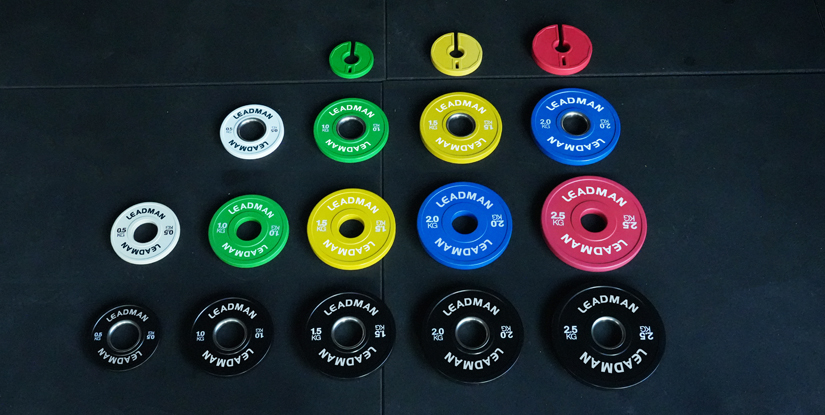
The fundamental distinction between rubber or cast iron weight plates lies in their mechanical response to high-impact force. While cast iron is engineered for precision and density in traditional strength training, rubber-coated bumpers are designed specifically for impact absorption during high-intensity functional movements.
High-Impact vs. High-Frequency Environments
In high-volume commercial settings, such as CrossFit boxes or heavy lifting studios, the choice between bumper plate vs cast iron dictates long-term facility maintenance. Bumper plates are essential in environments where weights are frequently dropped from overhead, as the specialized rubber core mitigates kinetic energy and protects the subfloor. Conversely, cast iron plates excel in strength-focused environments where stability and minimal thickness are required for high-frequency, low-impact lifting. Choosing the wrong material can lead to accelerated surface wear on both the equipment and the gym flooring, increasing the total cost of ownership for distributors and facility managers.
Technical Durability and Maintenance Matrix
Procurement managers must evaluate the long-term lifecycle of their inventory by analyzing how material properties affect facility upkeep. While rubber plates offer superior shock absorption, they require different maintenance protocols compared to the rigid durability of iron. Use the following technical comparison to align your sourcing decisions with specific gym floor protection requirements and operational budgets.
| Evaluation Metric | Rubber Bumper Plates | Cast Iron Plates |
|---|---|---|
| Impact Resistance | High (Designed for drops) | Low (Prone to cracking/chipping) |
| Surface Coating Durability | Moderate (Subject to tearing/abrasion) | High (Paint/powder coat longevity) |
| Noise Reduction | Superior (Muffles kinetic energy) | Minimal (Requires thick matting) |
| Maintenance Frequency | Low (Occasional cleaning) | Moderate (Rust/paint touch-ups) |
| Floor Protection Needs | Standard rubber matting | High-density impact flooring |
When calculating the total cost of ownership, consider that rubber plates reduce immediate subfloor damage but may require more frequent replacement in high-abrasion zones. Cast iron remains a cost-effective, durable staple for strength-only facilities, provided the gym floor protection requirements are strictly met with heavy-duty mats.
Strategic procurement depends on aligning material selection with the specific training modality of the facility. For specialized training environments like Olympic lifting or CrossFit, the high-impact nature of the movements necessitates the shock absorption of rubber. However, for traditional bodybuilding or commercial strength training, the density and thin profile of cast iron allow for greater weight capacity on a single barbell, optimizing the facility layout by maximizing available bar space.
When assessing commercial gym equipment durability, buyers must weigh the immediate purchase price against the long-term operational costs. While rubber plates offer better protection for subfloors during heavy drops, cast iron often provides a more predictable lifecycle in low-impact, high-volume strength environments. Ultimately, your decision should be driven by whether your facility prioritizes high-intensity functional movements or high-density strength training protocols.
Long-Term Maintenance and Surface Degradation Risks
Distinguishing between rubber or cast iron weight plates requires evaluating how each material reacts to high-frequency use and environmental exposure. While both options are standard in professional settings, their long-term maintenance profiles differ significantly regarding structural integrity and surface aesthetics.
Cast iron is highly susceptible to oxidation if the protective coating or paint is compromised, leading to rust that can damage storage racks. In contrast, high-quality rubbered plates face different risks, such as surface degradation from UV exposure or extreme temperature fluctuations, which can cause cracking or hardening. For distributors and facility managers, understanding these variables is essential for ensuring long-term commercial gym equipment durability and minimizing replacement cycles in high-traffic zones.
Total Cost of Ownership (TCO) Comparison
Procurement managers must look beyond the initial purchase order to account for the long-term labor and replacement costs associated with each material. While cast iron typically offers a lower upfront cost, its susceptibility to oxidation and coating chipping requires periodic inspections. Rubberized options may require more specialized storage conditions but often offer better protection for your facility's flooring and surrounding equipment.
| Material | Primary Degradation Risk | Maintenance Requirement | Expected Lifespan |
|---|---|---|---|
| Cast Iron | Oxidation and surface rust | Periodic cleaning and coating touch-ups | High (decades if kept dry) |
| Rubber/Bumper | UV cracking and hardening | Regular surface cleaning; temperature control | Moderate to High (dependent on UV/Temp) |
When calculating the ROI for a large-scale facility, consider that rubberized plates often reduce the indirect costs of floor repairs and noise mitigation. Conversely, for heavy-duty strength zones where environmental control is high, cast iron remains a highly predictable and cost-effective asset for long-term inventory.
Logistics, Storage, and Facility Protection
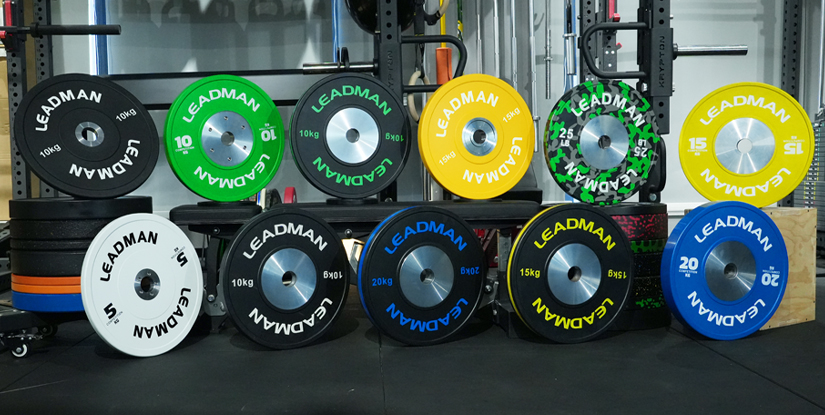
Effective procurement extends to how equipment is housed and moved. When deciding between bumper plate vs cast iron, buyers must evaluate the facility's climate control. Cast iron requires dry storage environments to prevent moisture/humidity impact from causing rapid oxidation. For distributors, this means ensuring shipping containers and warehouse humidity levels are strictly monitored to maintain product quality.
From a facility management standpoint, gym floor protection requirements are often more stringent when using uncoated iron. While rubberized plates act as a buffer, they do not eliminate the need for high-density mats in high-impact zones. For large-scale distributors, factoring in the weight-to-volume ratio of these materials is also critical for optimizing shipping density and minimizing logistics costs during international transit.
Logistics and Export Packaging Standards for Bulk Weight Orders
When calculating the total landed cost for a facility, procurement managers must look beyond the unit price and evaluate the impact of shipping density on freight costs. The choice between rubber or cast iron weight plates significantly alters your volumetric weight and container utilization efficiency.
Optimizing Freight Costs via Density Ratios
Cast iron plates offer a high density-to-volume ratio, allowing distributors to pack more mass into a smaller footprint. This maximizes container space and reduces the volumetric weight penalties often associated with bulk shipments. Conversely, while rubber bumper plates are essential for certain training modalities, their increased volume per kilogram can lead to higher shipping expenses per unit of weight. For large-scale commercial gym equipment durability projects, balancing the weight-to-volume ratio is critical to maintaining a competitive margin during international transit and ensuring efficient inventory turnover.
Total Landed Cost and Logistics Comparison
Understanding the distinction between weight and volume is vital for accurate landed cost projections. While cast iron is more space-efficient, rubber-encased plates often require more specialized handling to prevent deformation during long-haul sea freight. Use the following comparison to evaluate your procurement requirements against typical shipping constraints.
| Logistics Factor | Cast Iron Weight Plates | Rubber/Bumper Plates |
|---|---|---|
| Volume/Density | High density; minimal footprint | Lower density; higher volume per kg |
| Palletization | Standardized, high-stacking capacity | Requires careful stacking to avoid compression |
| Protection Needs | Rust-prevention/anti-corrosion coating | Protective layering for outer skin integrity |
| MOQ Impact | Easier to consolidate small orders | Higher volume often necessitates larger MOQs |
| Freight Profile | Optimized for weight-based billing | Susceptible to volumetric weight surcharges |
For distributors managing high-volume inventory, cast iron remains the more predictable option for maximizing container utilization. However, when sourcing rubber plates, ensure your factory utilizes reinforced export packaging to mitigate the risks of dimensional changes during transit.
Quality Control and Export Packaging Integrity
Protecting your long-term ROI requires strict oversight of factory-level packaging protocols. Unlike the predictable profile of a bumper plate vs cast iron comparison, rubber-coated surfaces are susceptible to edge deformation if crushed under heavy weight during sea freight. Reliable suppliers must implement specialized export packaging, such as reinforced heavy-duty corrugated cartons or custom wooden crates, to ensure dent prevention.
Furthermore, moisture control is a non-negotiable standard for bulk shipments. Even with high-quality coatings, humidity during transit can compromise the integrity of the product or its packaging. Ensuring your manufacturer uses desiccants and moisture-resistant liners protects your inventory and prevents premature degradation, ensuring the equipment meets strict gym floor protection requirements upon arrival and throughout its service life.
Quality Control Benchmarks for Rubber and Iron Imports
When evaluating the long-term commercial gym equipment durability, procurement officers must look beyond simple weight markings. The fundamental difference between rubber or cast iron weight plates lies in the precision of their manufacturing processes and the consistency of their physical properties under heavy usage.
Material Density and Manufacturing Precision
For high-volume distributors, quality control begins with material density and surface uniformity. Cast iron requires strict oversight of the casting process to prevent air pockets or structural fractures that compromise manufacturing tolerances. Conversely, high-grade rubber plates must demonstrate a consistent compression ratio to ensure the center hub remains stable. Discrepancies in density or uneven surfaces lead to unbalanced bars and premature wear, increasing the total cost of ownership for the facility.
Technical Defect Identification and Inspection Protocols
During factory audits or pre-shipment inspections, buyers must differentiate between structural flaws and cosmetic issues. While cast iron failures are often catastrophic and structural, rubber-related defects tend to be surface-level or interface-dependent. Use the following benchmark table to guide your quality control checklists when sourcing high-volume orders.
| Defect Type | Rubber (Bumper/Coated) Focus | Cast Iron Focus | Inspection Priority |
|---|---|---|---|
| Structural Integrity | Peeling or edge separation | Cracking or hairline fractures | Critical (Safety) |
| Surface Condition | Bubbling or uneven density | Pitting or oxidation/rust | Moderate (Aesthetics) |
| Physical Impact | Denting or permanent deformation | Chipping or edge breakage | High (Durability) |
| Maintenance Need | UV/Ozone degradation monitoring | Periodic rust prevention/coating check | Long-term (TCO) |
Effective procurement relies on understanding these maintenance cycles. Rubber components require monitoring for environmental degradation, whereas cast iron necessitates oversight regarding oxidation management to maintain a premium facility appearance.
Logistics and Environmental Storage Protocols
Successful procurement extends to the transit and arrival stages. When deciding between bumper plate vs cast iron handling, managers must account for different environmental sensitivities. Cast iron is highly susceptible to oxidation if stored in high-humidity shipping containers without proper anti-rust coatings. Conversely, high-quality rubber plates require climate-controlled warehousing to prevent UV or ozone degradation before they reach the gym floor. Properly managing gym floor protection requirements starts at the warehouse; ensure rubberized products are not stacked in extreme heat, which can compromise structural integrity. For distributors, verifying robust packaging is essential to mitigate shipping durability risks, ensuring weight plates arrive without the surface pitting or edge deformation that complicates long-term facility maintenance.