Standardizing Black Cast Iron Plates for Multi Site Gyms
Operational Challenges in Multi-Site Facility Deployment
Standardizing black cast iron plates across multiple gym locations ensures brand uniformity and predictable equipment lifecycles. B2B buyers prioritize these specifications to maintain consistent weight tolerances and aesthetic standards, which prevents the logistical headaches associated with managing heterogeneous inventory across a distributed franchise or commercial network.
Spatial Inconsistencies and Maintenance Friction
When procurement teams fail to enforce strict commercial weight plate specifications, they encounter significant operational friction during facility rollouts. Variations in plate thickness and diameter directly impact the facility layout, often resulting in mismatched storage solutions. If one location utilizes slim-profile plates while another receives thicker cast iron, the storage footprint for weight trees and racks becomes inconsistent, complicating inventory management and floor planning.
Furthermore, non-standardized equipment disrupts maintenance cycles. Inconsistent casting quality or uneven coating thickness leads to localized oxidation or structural wear that differs by site. For distributors and multi-site operators, this lack of uniformity means maintenance teams cannot apply a single service protocol, forcing them to manage diverse replacement parts and specialized cleaning requirements, which ultimately increases the total cost of ownership.
Impact of Specification Variance on Total Cost of Ownership
The following comparison illustrates how deviations from standard dimensions and coating quality affect long-term facility management. For large-scale distributors and gym operators, selecting high-quality black cast iron plates is not merely about the initial purchase price, but about minimizing the frequency of replacement and specialized upkeep.
| Feature Specification | Standardized Commercial Grade | Non-Standard/Budget Grade |
|---|---|---|
| Thickness Consistency | Uniform across weight increments | Variable thickness per weight |
| Coating Durability | High-grade, anti-oxidation finish | Thin, prone to rapid rusting |
| Maintenance Frequency | Low; infrequent cleaning/refinishing | High; frequent oxidation management |
| Storage Footprint | Predictable and optimized | Inconsistent; disrupts rack fit |
| TCO (Total Cost of Ownership) | Lower; long-term durability focus | Higher; frequent replacement cycles |
Choosing a single, high-standard specification for bulk iron plate procurement allows facility managers to streamline their supply chain. By avoiding thin-coated or irregular-dimension alternatives, operators can ensure that all weight trees and storage solutions remain compatible across every location in their network, effectively lowering the long-term operational burden.
Logistics Risks in Unstandardized Procurement
Managing bulk iron plate procurement without a rigid specification framework introduces substantial logistics risks. When weight plates lack uniform center hole diameters or thickness profiles, rack compatibility becomes a recurring issue. A mismatch between the plate's inner diameter and the barbell sleeve—or the specific dimensions of weight trees—can lead to uneven loading, potentially damaging both the equipment and the facility's storage infrastructure.
For large-scale distributors, these discrepancies complicate quality control (QC) and shipping workflows. If a single order lacks gym equipment standardization, the buyer may face a fragmented inventory where certain sites cannot utilize the same storage hardware. To avoid these hidden costs, procurement managers should establish a strict MOQ (Minimum Order Quantity) and a predefined technical spec sheet. This ensures that every shipment arrives with the dimensional precision required to integrate seamlessly into existing commercial gym layouts.
Standardizing Durability Across Multiple Locations
For multi-site operators, the durability of equipment directly impacts long-term operational costs and brand reputation. Utilizing uniform black cast iron plates across all franchises ensures that the physical experience remains identical, whether a member is training in a flagship urban studio or a satellite boutique location. Discrepancies in material density or coating quality can lead to uneven wear patterns, which complicates facility maintenance schedules and undermines professional standards.
Strict adherence to commercial weight plate specifications allows procurement managers to mitigate the risks of premature oxidation or structural cracking. When sourcing in bulk, establishing a baseline for metallurgical consistency ensures that every set of black cast iron plates can withstand heavy high-volume usage without requiring frequent replacements. This level of brand consistency transforms a simple hardware purchase into a strategic asset, reducing the total cost of ownership through predictable equipment lifecycles.
Evaluating Coating Standards and Surface Integrity
Selecting the correct surface treatment is a critical decision for distributors and facility managers, as the finish dictates how the equipment reacts to humidity, frequent handling, and mechanical impact. While a standard finish might lower initial procurement costs, the long-term maintenance burden often offsets these savings if the coating fails prematurely in high-traffic commercial environments.
The following comparison outlines the technical trade-offs between common surface treatments to help optimize your bulk iron plate procurement strategy based on your specific environmental needs and budget constraints.
| Finish Type | Impact Resistance | Corrosion Protection | Long-term TCO |
|---|---|---|---|
| Powder Coating | High (Resilient to chipping) | Excellent (Dense barrier) | Low (Minimal maintenance) |
| Liquid Paint | Moderate (Prone to cracking) | Standard (Basic protection) | Medium (Periodic touch-ups) |
| Raw/Natural Finish | High (Structural only) | Low (High oxidation risk) | High (Frequent cleaning/rust risk) |
For premium multi-site rollouts, powder coating is often the preferred standard due to its ability to withstand the rigors of heavy loading and unloading. While raw finishes may offer a lower entry price point for budget-conscious distributors, the inevitable oxidation in humid gym settings can lead to aesthetic degradation and increased labor costs for facility upkeep.
Mitigating Variance in Bulk Iron Plate Procurement
Reliability in a multi-site rollout depends heavily on manufacturing consistency and the precision of weight tolerance. Discrepancies in mass can lead to imbalanced barbell loading, which complicates training and creates liability concerns in high-performance environments. To avoid these issues, procurement teams must demand rigorous QC standards that go beyond basic visual inspections.
When negotiating bulk iron plate procurement, it is essential to define acceptable deviation ranges. A high-quality manufacturer should offer a tight weight tolerance—typically within 1% to 2%—to ensure that a 20kg plate in one facility is virtually identical to one in another. Furthermore, buyers should evaluate MOQ considerations not just for cost savings, but to ensure the factory has the capacity to maintain a steady production run. High-volume orders often require specialized batches to prevent variations in density or center-hole diameter, ensuring every piece remains compatible with standardized commercial barbell sleeves across your entire network.
Standardizing Black Cast Iron Plates Across Diverse Floor Layouts
Optimizing the physical footprint of a commercial gym requires strict adherence to uniform dimensions. When sourcing black cast iron plates, procurement managers must look beyond weight increments to ensure that plate thickness and diameter consistency support efficient facility layouts and high-density storage solutions.
Impact of Plate Geometry on Facility Footprint
Variations in manufacturing tolerances can lead to inconsistent plate thickness, which directly disrupts the predictable stacking required for professional weight trees and racks. Standardizing commercial weight plate specifications ensures that your storage density remains optimized across all branches. If plates from different batches vary in diameter or center-hole precision, it can lead to uneven loading on barbell sleeves and inefficient use of vertical storage space. For multi-site operators, maintaining a unified profile for all black cast iron plates prevents the need for specialized rack adjustments and simplifies the logistical planning for floor-space management.
| Storage Configuration | Space Efficiency | Ideal For | Procurement Focus |
|---|---|---|---|
| Vertical Weight Trees | High | Compact Boutique Gyms | Consistent plate thickness |
| Horizontal Wall Racks | Medium | Large Strength Floors | Uniform diameter/profile |
| Integrated Rack Loading | Low | High-Performance Centers | Precision center-hole fit |
Selecting between standard and slim-profile designs is a critical decision during bulk iron plate procurement. While standard profiles are common in traditional strength training, slimmer profiles allow for higher density on a single barbell sleeve, which is essential for maximizing equipment utility in high-traffic areas.
Comparing Profile Thickness and Layout Compatibility
The distinction between standard and slim-profile black cast iron plates affects both the barbell's load capacity and the storage density of the facility. In expansive strength centers, standard profiles are often preferred for their robust feel and traditional aesthetic. However, in compact or boutique settings where barbell sleeve real estate is limited, opting for high-precision, thinner-profile specifications can significantly increase the effective weight capacity per bar without requiring additional hardware. When planning a multi-site rollout, standardizing these specifications helps distributors and facility managers predict exactly how much floor-to-ceiling or rack-based storage will be required for each location's specific layout.
| Profile Type | Diameter Profile | Thickness Characteristic | Primary Layout Benefit |
|---|---|---|---|
| Standard Profile | Traditional 450mm | Greater thickness per kg | High durability for heavy lifting |
| Slim/High-Density | Precision 450mm | Reduced thickness per kg | Maximizes barbell sleeve capacity |
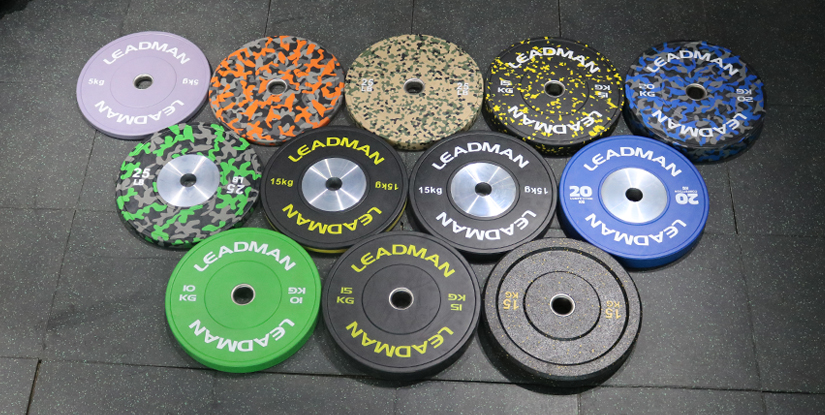
Standardization is not merely a matter of aesthetic uniformity; it is a logistical necessity for large-scale operations. When managing gym equipment standardization across a network, the physical dimensions of your inventory dictate your shipping volume and long-term maintenance workflows. Inconsistent plate profiles can lead to unexpected freight costs and mismatched equipment during facility upgrades.
Logistical Implications of Dimensional Uniformity
For distributors and procurement specialists, the relationship between plate density and shipping volume is a critical variable in the total cost of ownership. Standardizing the thickness of black cast iron plates allows for more predictable palletization and container loading during bulk iron plate procurement. If one site receives high-density slim plates while another receives standard-thickness plates, the mismatch can cause significant friction in rack compatibility and inventory management. Establishing a single specification ensures that all barbell sleeves and storage accessories across your entire network function with the same mechanical efficiency, reducing the need for site-specific hardware adjustments and streamlining the replacement of worn or damaged units.
Optimizing TCO Through Material Consistency
For multi-site operators, the true cost of equipment extends far beyond the initial purchase order. When sourcing black cast iron plates, neglecting commercial weight plate specifications leads to a fragmented inventory that drives up the Total Cost of Ownership (TCO). Discrepancies in thickness, diameter, or coating quality between different batches can create significant operational friction.
Standardizing on a single high-quality specification ensures that material consistency remains high across all locations. This uniformity directly influences replacement cycles; while low-grade iron may appear cheaper upfront, inconsistent casting often leads to premature cracking or uneven wear. By prioritizing standardized black cast iron plates, procurement managers reduce the frequency of localized re-orders and minimize the long-term logistical overhead associated with maintaining diverse, non-compatible weight sets across a growing gym network.
Strategic Sourcing: Single Source vs. Mixed Procurement
When scaling a gym network, the decision between single-source procurement and a mixed-sourcing model involves a critical trade-off between immediate unit price and long-term logistics efficiency. While buying from multiple vendors might seem to drive down costs through competition, it often complicates bulk iron plate procurement by creating mismatched dimensions and varying weight tolerances.
A single-source strategy typically allows for higher Minimum Order Quantities (MOQ) which triggers significant volume discounts. This approach simplifies the supply chain, ensuring that every facility receives equipment that meets the exact same aesthetic and structural standards. Below is a comparison of how these two strategies impact the operational budget of a multi-site rollout.
| Metric | Single-Source Strategy | Mixed-Sourcing Strategy |
|---|---|---|
| Initial Unit Price | Lower (due to volume scaling) | Variable (depends on vendor) |
| Logistics Complexity | Low (consolidated shipping) | High (multiple freight tracking) |
| Brand Uniformity | High (consistent finish/spec) | Low (potential visual mismatch) |
| Long-Term Maintenance | Streamlined (standardized parts) | Complex (diverse inventory) |
For high-volume distributors and large-scale facility managers, the slight premium of a single-source contract is often offset by the reduction in administrative labor and the ability to leverage predictable replacement cycles. Relying on a single factory specification minimizes the risk of receiving inconsistent batches that could compromise the professional look and feel of a premium gym brand.
Mitigating Risk Through Rigorous Quality Control
To maintain gym equipment standardization, procurement teams must move beyond surface-level inspections and focus on deep factory capability. A common pitfall in bulk iron plate procurement is receiving shipments where the casting density varies, leading to uneven weight distribution or structural weaknesses. Effective inspection protocols should require vendors to demonstrate control over the cooling process and mold precision to ensure every unit meets the same density profile.
Furthermore, the aesthetic integrity of black cast iron plates depends heavily on coating durability. A high-quality black finish must be resistant to oxidation and physical abrasion to prevent unsightly chipping during heavy use. Buyers should request samples that undergo accelerated wear tests to verify that the coating adheres well to the iron substrate. Establishing these shipment consistency benchmarks during the sampling phase prevents the logistical headache of rejecting entire containers due to superficial or structural defects upon arrival at your facility.
Logistics and Inventory Management for Regional Distributors
Standardizing your inventory around a single specification for black cast iron plates allows regional distributors to optimize both warehouse footprint and capital allocation. By consolidating diverse weight increments into a unified production run, buyers can navigate the complex trade-offs between immediate shipping costs and long-term availability.
Optimizing Economies of Scale and Shipping Efficiency
When managing multi-site rollouts, the primary financial lever is bulk iron plate procurement. Leveraging economies of scale through high-volume orders reduces the per-unit landed cost, but distributors must carefully calculate the impact on shipping costs. Heavy iron shipments often face diminishing returns if freight volume is not maximized via full container loads (FCL). To maintain high inventory turnover, distributors should balance large-scale factory orders with a strategic distribution model that prevents excessive dead stock while ensuring rapid replenishment for new facility openings.
| Procurement Strategy | Primary Benefit | Logistics Trade-off |
|---|---|---|
| Full Container Load (FCL) | Lowest unit cost via scale | Higher upfront capital and storage needs |
| Mixed SKU Shipments | Better inventory variety | Increased complexity in freight weight distribution |
| Just-in-Time (JIT) Sourcing | Minimized warehouse overhead | Higher per-unit shipping and lead-time risk |
Selecting the right sourcing model directly impacts both the landed cost and the uniformity of your equipment. Depending on whether you prioritize high-volume cost savings or rapid, localized replenishment, the following comparison highlights the operational differences between direct factory procurement and utilizing established wholesalers.
Evaluating Procurement Models for Cost and Control
| Model Type | Typical MOQ | Unit Cost Profile | Shipping Lead Time | Quality Control Consistency |
|---|---|---|---|---|
| Direct Factory Sourcing | High (Full Container) | Lowest (Ex-Works/FOB) | Long (45–75+ days) | High (Direct oversight) |
| Regional Wholesaler | Low to Moderate | Medium (Landed) | Short (7–14 days) | Variable (Depends on stock) |
For large-scale gym equipment standardization, direct procurement offers the best control over commercial weight plate specifications. While the lead times are significantly longer, the ability to dictate exact tolerances and finishes across a single production run ensures that every facility in your network receives an identical product, minimizing discrepancies in branding and weight precision.
Mitigating Total Cost of Ownership (TCO)
Beyond initial purchase price, professional buyers must account for the long-term financial impact of equipment degradation. Implementing strict gym equipment standardization prevents the hidden expenses associated with mismatched weight increments and irregular plate thicknesses. When specifications vary across sites, facilities often face inconsistent replacement cycles because lower-quality batches fail or corrode prematurely.
By prioritizing long-term durability through high-grade casting and consistent powder coating, procurement managers can effectively lower maintenance costs. A standardized set of black cast iron plates ensures that replacement parts are interchangeable across all locations, reducing the need for specialized inventory and minimizing the downtime caused by equipment shortages during facility upgrades.
Long-Term TCO and Maintenance Cycles in High-Traffic Environments
For multi-site operators, the true cost of equipment extends far beyond the initial purchase order. Standardizing on high-quality black cast iron plates reduces the complexity of facility management by aligning replacement cycles across all locations. When procurement teams prioritize strict commercial weight plate specifications, they mitigate the risk of uneven wear and premature oxidation that often plagues lower-grade foundry products.
In high-traffic environments, such as commercial strength zones or heavy-use training hubs, the durability of the iron density and the precision of the center hole diameter dictate the longevity of the product. Consistent specifications ensure that even under heavy use, the plates maintain structural integrity, thereby extending maintenance cycles and reducing the frequency of emergency reorders.
| Procurement Factor | Standardized Commercial Grade | Non-Standardized/Budget Grade |
|---|---|---|
| Replacement Frequency | Low (Extended lifespan) | High (Frequent chipping/cracks) |
| Maintenance Effort | Minimal (Consistent coating) | Moderate (Rust/surface issues) |
| TCO Impact | Optimized long-term ROI | Unpredictable operational costs |
| Inventory Management | Streamlined/Unified SKUs | Fragmented/Complex sourcing |
By focusing on bulk iron plate procurement from a single, reliable manufacturing source, distributors can ensure that every gym in a franchise maintains the same aesthetic and functional standards. This strategic approach stabilizes the total cost of ownership by minimizing the labor and logistics costs associated with heterogeneous equipment fleets.
Transitioning from reactive buying to a proactive, standardized sourcing model directly impacts the bottom line. While mixed-source procurement might offer lower immediate unit prices, the hidden costs of logistical fragmentation and inconsistent product quality eventually erode profit margins. A unified strategy for black cast iron plates allows for more predictable capital expenditure and simplified warehouse management.
Quantifying the ROI of Unified Sourcing
The fiscal advantage of standardization is most visible when comparing the operational overhead of managing diverse suppliers versus a single, high-capacity factory partner. For large-scale rollouts, the ability to leverage higher MOQs for a single specification yields significant savings in both shipping and administrative labor.
| Operational Metric | Standardized Procurement Strategy | Mixed/Fragmented Sourcing Strategy |
|---|---|---|
| Logistics Efficiency | High (Consolidated shipments) | Low (Multiple shipping dates/costs) |
| Brand Consistency | Uniform across all locations | Variable/Inconsistent aesthetics |
| Inventory Complexity | Simplified (Unified SKUs) | High (Fragmented part numbers) |
| Quality Control | Centralized and predictable | Difficult to monitor across vendors |
Ultimately, optimizing gym equipment standardization serves as a hedge against inflation and supply chain volatility. By establishing a single quality benchmark for all iron plate orders, procurement managers can reduce the time spent on vendor vetting and quality disputes, allowing for more efficient scaling of multi-site operations.
Prioritizing Coating Quality and Rust Resistance
To maximize long-term ROI, procurement managers must look beyond the raw casting and scrutinize the surface finishing process. In humid or high-use commercial settings, the coating quality of the iron becomes the primary defense against oxidation. A high-grade, multi-stage powder coating or specialized industrial paint provides superior rust resistance, preventing the unsightly orange oxidation that can degrade a facility's professional aesthetic.
When auditing potential suppliers during bulk iron plate procurement, it is essential to request specific details regarding their quality control (QC) protocols for surface treatment. Reliable manufacturers utilize standardized temperature and application controls to ensure the coating adheres uniformly to the cast surface, preventing chipping during heavy impact. Selecting plates with these rigorous manufacturing standards reduces the need for frequent aesthetic maintenance and protects the capital investment, ensuring the equipment remains a durable asset rather than a recurring expense.