Selecting Cast Iron Dumbbells and Plates for Group Classes
Vetting Manufacturers for High-Volume Group Training Supplies
Boutique studios and high-traffic training centers face unique wear patterns compared to standard commercial gyms. In these environments, equipment undergoes constant handling and frequent impact, making the structural integrity of your inventory a primary concern for long-term ROI. When sourcing cast iron dumbbells plates, the focus must shift from simple weight accuracy to the density and consistency of the iron used.
Prioritizing Manufacturing Standards for High-Frequency Usage
High-frequency usage in group fitness settings demands rigorous manufacturing standards to prevent cracking or uneven wear. Premium cast iron dumbbells plates must be produced with controlled cooling processes to eliminate internal air pockets and structural weaknesses. For distributors and facility managers, verifying commercial weight plate compatibility is equally vital; ensuring that the center holes and thickness tolerances align perfectly with standard bars prevents premature wear on both the plates and the barbell sleeves during intense, repetitive training sessions.
To mitigate the risk of receiving inconsistent batches, procurement managers should evaluate the specific casting methods used by a factory. The distinction between sand casting and precision casting often determines the long-term durability and surface quality of the finished product, especially when managing high-volume inventory for studio clients.
| Technical Indicator | Sand Casting (Standard) | Precision Casting (Premium) |
|---|---|---|
| Surface Finish | Rough, porous texture | Smooth, consistent skin |
| Weight Consistency | Moderate variance possible | High precision/tight tolerances |
| Edge Smoothness | Requires manual deburring | Uniform, rounded edges |
| Durability Profile | Standard commercial use | High-impact/High-frequency |
| B2B Procurement Focus | Cost-effective bulk supply | Premium studio/Boutique fit |
When auditing a supplier's capability, look for documented quality control protocols regarding weight deviation and edge treatment. For group fitness equipment selection, precision casting offers a significant advantage by reducing the maintenance cycles required for smoothing or repainting, ultimately lowering the total cost of ownership for the end-user.
Optimizing Logistics and Total Cost of Ownership
For distributors and large-scale facility managers, the decision to source durable dumbbell sets for studios extends beyond the initial unit price. Effective group fitness equipment selection requires a strategic look at the total cost of ownership (TCO). While lower-tier options may offer a lower upfront cost, they often trigger frequent maintenance cycles due to oxidation or surface degradation, increasing labor costs over time.
Navigating MOQ (Minimum Order Quantity) requirements is another critical factor in logistics planning. High-volume orders of cast iron dumbbells plates often benefit from optimized container loading strategies to reduce per-unit shipping costs. When negotiating with manufacturers, consider how batch consistency affects your long-term inventory management; reliable production cycles ensure that replacement weights or expanded sets remain perfectly compatible with your existing stock, preventing the need for premature, full-scale inventory overhauls.
Mitigating Wear in High-Traffic Studio Environments
In high-frequency group training settings, the constant movement and stacking of equipment accelerate physical degradation. Maintaining a premium aesthetic and structural integrity requires a proactive approach to high-traffic studio maintenance. Without proper protection, standard cast iron dumbbells and plates are highly susceptible to surface oxidation, which can lead to unsightly rust and reduced equipment lifespan in humid or poorly ventilated boutique studios.
To ensure long-term durability and lower the total cost of ownership, procurement managers should prioritize items treated with high-grade powder coating. This protective layer acts as a barrier against moisture and impact. Furthermore, ensuring strict commercial weight plate compatibility with standard bars prevents premature wear on both the equipment and the loading mechanisms, reducing the frequency of replacement cycles for distributors and facility owners.
Evaluating Surface Finishes for Long-Term ROI
Selecting the right finish is a critical decision for distributors and studio owners aiming to balance upfront procurement costs with long-term operational expenses. While raw surfaces offer a classic aesthetic, they often demand more intensive upkeep in humid climates or high-traffic zones. The following comparison helps evaluate the trade-offs between different coating technologies and their impact on the total cost of ownership.
| Finish Type | Durability | Rust Resistance | Maintenance Frequency | Cost-Effectiveness |
|---|---|---|---|---|
| Raw Cast Iron | High (Structural) | Low | High (Requires regular oiling) | Best for low-budget, dry environments |
| Powder Coating | Very High | High | Low (Occasional wiping) | Optimal for commercial studio longevity |
| Epoxy Coating | Moderate | Medium | Moderate (Susceptible to chips) | Good for specialized aesthetic setups |
For large-scale group fitness equipment selection, powder coating typically provides the most reliable protection against the physical rigors of daily class transitions. While the initial unit cost may be higher than raw iron, the reduction in labor costs and replacement frequency provides a superior return on investment for professional facilities.
Optimizing Storage and Inspection Protocols
Effective inventory management extends beyond the initial purchase to include rigorous post-delivery care. For distributors managing large volumes of cast iron dumbbells and plates, implementing structured storage solutions is essential to prevent environmental damage. We recommend utilizing elevated, moisture-controlled racking systems rather than direct floor placement to mitigate the risk of oxidation caused by ground-level condensation.
To maintain the quality of durable dumbbell sets for studios, facility managers should integrate a routine visual inspection into their monthly maintenance checklists. This protocol should focus on identifying early signs of surface pitting or coating degradation. Additionally, monitoring inventory turnover is vital; rotating stock ensures that no single batch remains stagnant in a warehouse or storage room, which helps maintain a consistent standard of equipment readiness for high-demand group training environments.
Optimizing Compatibility Between Dumbbells and Studio Accessories
Effective boutique studio layout planning requires a precise understanding of how cast iron dumbbells and plates interact with your available floor area. Unlike large-scale weight rooms, high-intensity group training environments often operate within tighter constraints, making footprint optimization a critical procurement factor for facility managers.
Standardized diameter and thickness are essential to ensure your inventory remains compatible with various storage racks and weight trees. When sourcing cast iron dumbbells plates, inconsistent sizing can lead to uneven weight distribution on specialized shelving, potentially compromising the stability of your equipment displays and increasing the risk of accidental damage during high-traffic class transitions.
| Storage Configuration | Primary Benefit | Space Efficiency | Best Use Case |
|---|---|---|---|
| Vertical Dumbbell Racks | Quick accessibility | High | Small boutique studios |
| Horizontal Plate Trees | Stable weight loading | Moderate | Functional training zones |
| Multi-Tier A-Frames | Maximum density | Very High | High-frequency group classes |
Distributors should prioritize sets with uniform dimensions to ensure seamless integration with modular storage solutions. Selecting high-quality, standardized cast iron components minimizes the logistical headache of mismatched equipment and maximizes the utility of every square foot in your facility.
When evaluating a facility layout, procurement officers must decide between vertical and horizontal storage based on the anticipated turnover of a single class. Vertical storage solutions, such as tiered A-frames or upright dumbbell stands, offer superior space-saving solutions for boutique environments where floor real estate is at a premium. However, these configurations require strict adherence to commercial weight plate compatibility standards; if the diameter of the plates or the thickness of the dumbbell heads varies, the center of gravity can shift, leading to rack instability.
For larger training zones, horizontal plate trees provide a more stable foundation for high-volume usage, though they occupy a larger footprint. For distributors and studio owners, the decision often hinges on the balance between accessibility and density. Investing in standardized casting ensures that your equipment fits within these specialized storage systems without the need for custom modifications, reducing long-term maintenance costs and ensuring a professional aesthetic for the end-user.
Strategic Weight Increment Planning for High-Traffic Zones
A sophisticated group fitness equipment selection strategy must account for the specific density of weight increments required by your programming. In high-frequency training environments, the gap between available weights can cause bottlenecks during rapid transitions. If a studio only stocks standard 5lb or 10lb jumps, participants may struggle to find precise resistance levels, leading to congestion in high-traffic zones and slowing down the class flow.
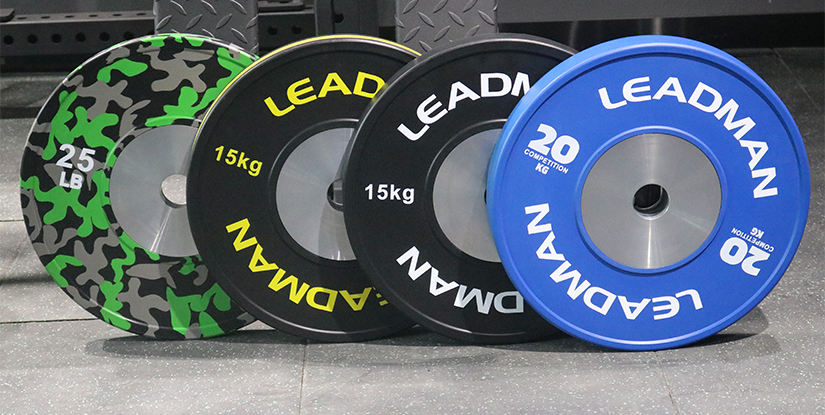
To optimize your procurement strategy, we recommend a tiered inventory approach. Rather than ordering a single large set, distributors should mix high-density, low-weight increments (such as 2.5lb or 5lb plates) with heavier staple weights. This ensures that as users progress through a circuit, they can make micro-adjustments without waiting for a specific weight to become available. By prioritizing a diverse range of increments, you maximize the utility of your floor space and prevent the "equipment hoarding" often seen in crowded boutique settings.
Evaluating Material Integrity for High-Frequency Class Use
In high-intensity group fitness settings, equipment undergoes constant mechanical stress from repetitive dropping, stacking, and rapid transitions. For studio owners, the long-term ROI depends heavily on the structural integrity of their core inventory. Selecting high-quality cast iron dumbbells plates ensures that the equipment can withstand the rigors of high-frequency class use without premature cracking or surface degradation.
Poor casting quality often leads to internal air pockets or uneven density, which compromises durability during heavy use. In professional studio environments, where movement is constant, maintaining commercial weight plate compatibility is essential to prevent wear on barbell sleeves and dumbbell handles. Investing in premium casting processes minimizes replacement cycles and ensures that your durable dumbbell sets for studios remain functional assets rather than recurring maintenance liabilities.
Technical Comparison of Casting and Finishing Methods
When sourcing for large-scale distribution or high-traffic boutique studios, the distinction between casting techniques directly impacts the total cost of ownership. While sand casting is a cost-effective standard, precision methods offer higher density and smoother profiles, which are critical for reducing friction and noise during rapid weight transitions in group classes.
| Casting Method | Surface Imperfections | Wear Resistance | Maintenance Cycle |
|---|---|---|---|
| Sand Casting | Moderate texture; occasional pitting | Standard; high durability | Periodic inspection for rust |
| Precision Casting | Smooth; consistent dimensions | Exceptional; low friction | Minimal; extended lifespan |
| Powder Coated Finish | Uniform; hides minor flaws | High; protects core metal | Low; requires surface wipe-downs |
From a procurement standpoint, the choice between raw cast iron and coated finishes involves a trade-off between initial unit cost and long-term maintenance labor. For distributors managing high-volume orders, precision-cast options typically yield fewer returns related to dimensional inconsistencies, ensuring seamless compatibility with standard commercial bars and racks.
Standardizing Quality Control and Logistics for Bulk Procurement
Scaling your inventory through bulk procurement requires more than just selecting a high-quality casting method; it necessitates a rigorous QC inspection protocol. When ordering durable dumbbell sets for studios at volume, the primary risk shifts from individual product defects to systemic issues like weight consistency. A variance of even a few grams per unit can disrupt the balanced feel required for high-level group training, making it essential to demand standardized tolerance reports from your manufacturer.
Beyond the physical product, group fitness equipment selection must account for the complexities of international bulk procurement. Logistics planning should prioritize shipping stability to prevent structural stress during transit. For distributors, ensuring that cast iron dumbbells plates are packed in reinforced, vibration-resistant packaging is a critical step in avoiding the high costs of returns and damaged goods. A well-managed supply chain ensures that your studio or retail inventory arrives in professional-grade condition, ready for immediate deployment.
Managing Logistics and Landed Costs for Heavy Iron Shipments
When sourcing cast iron dumbbells plates for high-frequency group training environments, the unit price is rarely the final figure. B2B buyers must look beyond the factory quote to understand the total cost of ownership (TCO), which includes the complex variables of heavy-duty freight and international logistics.
Understanding Landed Cost vs. Unit Price
A low per-unit price can become a liability if freight considerations are not managed during bulk procurement. Because iron is a high-density, high-weight commodity, shipping costs often represent a significant percentage of the total investment. To maintain healthy margins, distributors must calculate the landed cost—the total price of a product once it has arrived at the buyer's door. This includes the base manufacturing cost, export duties, ocean freight, port handling fees, and last-mile delivery to the studio or warehouse.
| Cost Component | Impact on Procurement | Buyer Strategy |
|---|---|---|
| Factory Unit Price | Initial budget baseline | Negotiate based on MOQ |
| Ocean Freight | High impact due to weight | Optimize container utilization |
| Landed Cost | True profitability metric | Calculate for accurate ROI |
Evaluating Sourcing Models: Direct Factory vs. Local Distributor
Procurement managers must decide whether the scale of their project justifies the complexity of direct importing or if the speed of a local distributor better serves their immediate needs. While direct sourcing offers the highest margin potential, it requires more sophisticated logistics management and longer lead times.
| Feature | Direct Factory Sourcing | Local Distributor |
|---|---|---|
| Unit Cost | Lowest (Ex-works/FOB) | Higher (Markup included) |
| Shipping Speed | Slow (Sea freight/Customs) | Fast (Domestic transit) |
| MOQ Requirements | High (Full container loads) | Low (Case or pallet quantities) |
| Logistics Complexity | High (End-to-end management) | Low (Standard delivery) |
For boutique studios requiring immediate replenishment of specific dumbbell sets, the local distributor model minimizes operational downtime. Conversely, for large-scale gym chains or regional distributors building inventory, direct factory sourcing remains the most effective way to optimize the cost of heavy cast iron shipments.
Optimizing Transit Safety and Load Integrity
Minimizing damage risks during long-haul transit is critical when ordering durable dumbbell sets for studios. Because cast iron is prone to surface chipping or structural stress under heavy impact, high-standard packaging standards are non-negotiable. Buyers should verify that manufacturers utilize reinforced corrugated boxes or heavy-duty crates designed for high-density weight.
Effective palletization is the second line of defense. Ensure that the supplier uses heat-treated, weight-rated pallets and employs strict weight distribution protocols to prevent tilting or crushing during ocean transit. Finally, request documentation regarding quality control (QC) during loading. A reliable factory will conduct a final inspection to ensure every unit is securely positioned and that no loose movement exists within the container, preventing the mechanical damage that often leads to costly returns and inventory write-offs.
Strategic Inventory Planning for Boutique Fitness Distributors
For distributors supplying boutique studios, the true cost of inventory is measured by the replacement cycle rather than the initial purchase price. High-frequency usage in group settings places extreme stress on equipment, making the selection of cast iron dumbbells plates a critical decision for long-term profitability.
Maximizing ROI Through Durability and Compatibility
When calculating the Total Cost of Ownership (TCO), procurement managers must weigh the durability vs. initial cost of various weight options. Low-cost, low-quality castings often suffer from structural flaws or uneven weight distribution, leading to premature cracks under heavy use. Investing in high-grade cast iron dumbbells plates ensures a longer lifespan, effectively extending replacement cycles and reducing the frequency of restocking orders.
Furthermore, ensuring strict commercial weight plate compatibility is essential for studio versatility. If your inventory can seamlessly integrate with various barbell types and accessory systems, you provide greater value to your clients. This compatibility reduces the need for specialized stock and allows distributors to maintain a leaner, more efficient warehouse model while meeting the diverse needs of high-traffic group fitness environments.
Optimizing capital allocation requires a nuanced approach to how you stock heavy iron. Distributors must choose between the cost-efficiency of volume and the agility of frequent replenishment, depending on their specific warehouse capacity and client demand cycles.
Bulk Procurement vs. Just-in-Time Replenishment
The decision to order large volumes of cast iron dumbbells and plates or to utilize smaller, more frequent shipments directly impacts your liquidity and logistics overhead. While bulk ordering lowers the per-unit cost, it increases the burden on storage and capital. Conversely, a lean replenishment model offers flexibility but risks higher shipping costs and potential stockouts during peak seasons.
| Strategy | Pros | Cons | Best For |
|---|---|---|---|
| Bulk Ordering | Lower unit price; reduced shipping frequency | High upfront capital; significant warehouse footprint | High-volume distributors with stable demand |
| Small-Batch (JIT) | Improved cash flow; minimal storage needs | Higher per-unit shipping; risk of lead-time delays | Boutique suppliers and specialized studio vendors |
When negotiating with manufacturers, pay close attention to the Minimum Order Quantity (MOQ) for specific weight increments. A strategic distributor often uses a hybrid model: securing high-turnover weights through bulk shipments to minimize shipping costs, while using smaller batches for niche or specialized weight increments to maintain a diverse but lean inventory.
Mitigating Supply Chain Risks via Quality Control
Hidden costs often emerge from poor quality inspection and inefficient logistics rather than the product itself. For a distributor, a single shipment of defective cast iron dumbbells and plates can devastate profit margins through high return rates and damaged client trust. To protect your ROI, implement a rigorous quality control protocol that verifies weight tolerances and surface finish consistency before any goods leave the factory floor.
Effective group fitness equipment selection also requires optimizing shipping weight and volume to manage the warehouse footprint. Since iron is a high-density, heavy-duty commodity, even minor inefficiencies in packaging can lead to massive surcharges. When sourcing durable dumbbell sets for studios, request optimized palletization configurations that maximize container density. This precision in shipping weight optimization ensures you are paying for actual product weight rather than excessive air or bulky, non-protective packaging, directly improving your landed cost per unit.