Cast Iron Weight Plate Bulk Order: Sourcing Comparison
The Economic Impact of a Cast Iron Weight Plate Bulk Order
When managing a high-volume cast iron weight plate bulk order, professional buyers must balance the immediate procurement price against long-term operational expenses. A successful wholesale weight plate sourcing strategy requires more than just finding a low unit price; it demands a rigorous evaluation of material density, machining precision, and the logistical reliability of your supplier. Failure to account for these technical variables often results in significant hidden costs, such as increased shipping weight discrepancies, uneven wear on barbell sleeves, and diminished distributor margins due to high replacement rates.
For distributors and warehouse operators, the primary concern is the relationship between manufacturing tolerances and the total landed cost. A China factory specializing in commercial cast iron plates provides a distinct advantage when they implement strict weight calibration and concentricity machining. If the machining tolerances are too loose, the resulting plates may exhibit uneven thickness or irregular surfaces, which complicates stacking efficiency in your warehouse and reduces the lifespan of premium barbell sets. High-quality commercial cast iron plates ensure that every unit meets the expected density standards, protecting your ROI by minimizing returns and ensuring consistent product performance in high-traffic gym environments.
Technical Specifications and Margin Protection
Understanding the technical nuances of the casting and finishing process is essential for effective bulk gym equipment procurement. A factory that utilizes advanced sand casting followed by precision CNC machining can offer much tighter control over the plate's flatness and bore concentricity. This precision directly impacts the ease of loading and unloading for end-users, which is a critical selling point for commercial facilities. Furthermore, the quality of the surface treatment—whether it is a standard phosphate treatment or a durable powder coating—determines the long-term maintenance load and the overall durability of the inventory you are holding.
| Material | Process | Key Component | Commercial Duty | MOQ Impact | Factory QC Point |
|---|---|---|---|---|---|
| Gray Iron | Sand Casting | Bore Concentricity | Standard Commercial | Lower MOQ | Weight Calibration |
| Carbon Steel | CNC Machining | Surface Flatness | Premium Professional | Higher MOQ | Coating Adhesion |
| Ductile Iron | Die Casting | Edge Smoothness | High-End Studio | Variable | Dimensional Tolerance |
To optimize your cast iron weight plate bulk order, we recommend requesting a detailed specification sheet and confirming the specific QC protocols used during the pre-shipment phase. Evaluating the China factory capability for OEM or ODM customization can also allow you to build a stronger brand identity while maintaining competitive wholesale pricing. We suggest initiating a sample approval process to verify the material density and coating durability before committing to a full-scale production run.
A strategic approach to wholesale weight plate sourcing involves evaluating how manufacturing nuances dictate your long-term inventory value. For example, while sand casting is a highly cost-effective method for mass production, the integration of a high-quality powder coating process can significantly extend the life of the product in high-use environments. This distinction is vital for distributors who must manage the total cost of ownership for their clients, as a superior finish reduces the frequency of replacement and maintenance requests.
When conducting bulk gym equipment procurement, the decision between standard casting and precision-machined edges affects both your storage efficiency and your customer satisfaction. A factory that offers specialized weight calibration ensures that the weight tolerance remains within industry-standard limits, preventing the logistical headaches of underweight or overweight shipments. We advise all professional buyers to confirm the specific MOQ and lead times for customized finishes to ensure your supply chain remains both lean and responsive to market demand.
Material Integrity and Machining Tolerances in Commercial Cast Iron Plates
For professional distributors and gym operators, the technical specifications of a cast iron weight plate bulk order determine both long-term durability and user safety. Unlike residential-grade items, commercial cast iron plates must maintain strict material density and structural uniformity to withstand high-frequency heavy lifting in high-traffic environments.
Procurement errors often stem from neglecting the precision of the manufacturing process. If a China factory lacks advanced weight calibration protocols, the resulting batch may suffer from uneven thickness or inconsistent density. Such defects lead to unbalanced loading on barbell sleeves, increasing wear on expensive commercial racks and creating potential safety liabilities for the end-user. When managing wholesale weight plate sourcing, buyers must prioritize suppliers that implement rigorous machining tolerances to ensure every unit meets standardized dimensions and concentricity requirements.
Failure to audit these technical aspects during bulk gym equipment procurement can result in high replacement rates and diminished distributor margins. High-quality commercial cast iron plates require a controlled sand casting process followed by precision machining to ensure the center bore remains perfectly concentric, preventing wobbling during heavy sets. Selecting a supplier that emphasizes these engineering standards ensures a lower total cost of ownership and higher reliability for your clients.
Technical Comparison of Casting and Finishing Standards
To ensure a high return on investment, procurement officers should evaluate the specific manufacturing route used for their cast iron weight plate bulk order. The difference between standard casting and high-precision production directly impacts the concentricity and base flatness of the units, which are critical for commercial-grade stability. A professional China factory will typically offer different tiers of finishing to meet diverse client needs, from basic utility to premium branding.
| Material & Process | Surface Treatment | Key Technical Component | Commercial Duty | MOQ Impact | Factory QC Point |
|---|---|---|---|---|---|
| Sand Casting | Bare Iron / Phosphate | Bore Concentricity | Standard Commercial | Low | Weight Tolerance |
| Sand Casting | Powder Coating | Coating Adhesion | Premium Commercial | Medium | Base Flatness |
| Precision Machining | Enamel / Paint | Olympic Collar Fit | High-Traffic Studio | High | Dimensional Accuracy |
When evaluating wholesale weight plate sourcing options, it is vital to confirm whether the manufacturer utilizes CNC machining for the center bore. A high-quality supplier will ensure that the internal diameter is uniform, preventing the plate from binding or slipping on the barbell. Furthermore, for distributors looking to offer premium lines, specifying a high-grade powder coating can significantly improve the product's aesthetic longevity and resistance to oxidation in humid gym environments.
Before finalizing your bulk gym equipment procurement, we recommend requesting a detailed specification sheet or a physical sample. This allows you to verify the thickness of the coating, the smoothness of the edges, and the precision of the weight calibration. Confirming the MOQ and lead times for specialized finishes or OEM branding requests early in the process will help maintain your project timeline and protect your landed cost margins.
Sourcing Comparison: Casting Processes and Surface Finishes
When executing a cast iron weight plate bulk order, professional buyers must look beyond the initial unit price to evaluate the total cost of ownership. Selecting a China factory that utilizes standardized sand casting and precision machining ensures that your inventory maintains its value over years of heavy usage. A failure to account for material density and weight tolerance during the wholesale weight plate sourcing stage often leads to high replacement rates and diminished distributor margins.
The relationship between manufacturing precision and long-term ROI is direct. High-quality commercial cast iron plates require rigorous CNC machining to ensure concentricity and a consistent bore diameter. This level of technical oversight prevents uneven wear on barbell sleeves and reduces maintenance overhead for gym operators. When managing bulk gym equipment procurement, understanding the nuances of casting and finishing is essential to minimizing landed costs and maximizing product lifespan.
| Material Type | Primary Process | Surface Finish | Commercial Duty | TCO Impact | MOQ/Sourcing Note |
|---|---|---|---|---|---|
| Gray Cast Iron | Sand Casting | Powder Coating | High-Volume Gyms | Low maintenance; high durability | Standard wholesale tier |
| Cast Iron | Sand Casting | Enamel/Paint | Studio/Boutique | Moderate; requires surface care | Lower MOQ for OEM |
| Carbon Steel | CNC Machining | Chrome/Bare | Performance/Competition | Highest longevity; premium pricing | Higher sourcing complexity |
To ensure your cast iron weight plate bulk order meets international standards, we recommend a strict pre-shipment inspection focusing on coating adhesion and weight calibration. A reliable supplier will provide detailed specifications regarding the thickness of the powder coating and the precision of the center bore to guarantee seamless integration with high-end barbell systems.
Evaluating Surface Finish for Long-Term Asset Protection
The choice of surface treatment is a critical variable in your total cost of ownership. For distributors managing high-traffic facilities, the interaction between the plate and the flooring directly impacts facility maintenance budgets. Selecting a powder coating or rubber coating over a simple paint finish can significantly mitigate the risk of floor damage and surface oxidation, which are common issues in high-use environments.
A phosphate treatment is often utilized as a foundational step to enhance adhesion before the final coating is applied. This process ensures that the finish remains intact even under the friction of frequent loading and unloading. When evaluating commercial cast iron plates for your inventory, consider how these technical specifications influence long-term maintenance and floor protection. For many professional importers, the ability to request customization on finish thickness and texture is a vital part of the bulk gym equipment procurement strategy to ensure the final product aligns with their specific market positioning and MOQ requirements.
Pre-Shipment Inspection and Export Packaging Protocols
Minimizing landed cost risks requires more than just negotiating a low unit price; it requires a rigorous pre-shipment inspection to verify technical compliance. During a cast iron weight plate bulk order, procurement leads should mandate specific QC checkpoints that target the most common failure points in transit and long-term use. A professional China factory should provide documentation verifying weight calibration, base flatness, and the concentricity of the center bore to ensure the plates sit level on barbell sleeves without wobble.
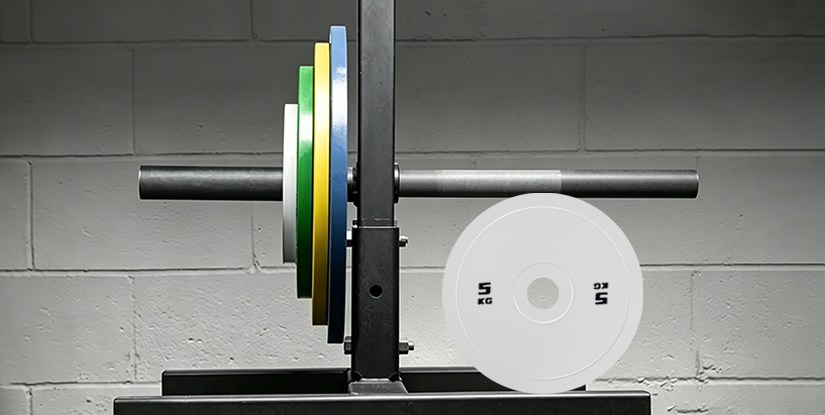
Beyond physical dimensions, the structural integrity of the finish must be validated. Inspection protocols should include a coating adhesion test to ensure the powder coating or paint does not flake under mechanical stress. Furthermore, for large-scale wholesale weight plate sourcing, the quality of the export packaging is just as vital as the product itself. To prevent damage during ocean freight, plates should be secured in reinforced, moisture-resistant containers or specialized pallets that prevent shifting. For distributors and gym owners, these strict QC protocols and robust packaging standards are the best defense against high replacement rates and ensure a high ROI on every bulk gym equipment procurement cycle.
Optimizing Wholesale Weight Plate Sourcing Through Factory QC
Securing a reliable cast iron weight plate bulk order requires more than just comparing unit prices; it demands a rigorous evaluation of the manufacturer's technical oversight. For professional distributors and gym equipment importers, the difference between a profitable shipment and a costly procurement error lies in the precision of the QC protocols implemented at the China factory level. Without strict oversight of material density and machining tolerances, a bulk shipment may arrive with inconsistent weight distributions, directly impacting your long-term ROI and client satisfaction.
In high-volume wholesale weight plate sourcing, the most common failure point is the lack of standardized calibration. When purchasing commercial cast iron plates, buyers must ensure the supplier manages the entire production lifecycle—from the initial sand casting to the final surface treatment. A failure to monitor the concentricity of the center bore or the adhesion of the coating can lead to rapid wear in high-traffic commercial environments, increasing your replacement costs and diminishing the value of your initial investment.
Critical Inspection Points for Commercial Grade Standards
To mitigate risk during a cast iron weight plate bulk order, procurement leads should request specific data regarding the factory's inspection capabilities. A professional supplier should be able to demonstrate consistent results across several key technical dimensions. For example, a high-tier China factory will not only check the total weight but will also perform spot-checks on the flatness of the plate surface and the precision of the Olympic collar fit. This level of detail ensures that the plates sit flush on barbells, preventing uneven loading and equipment instability in a commercial setting.
Effective bulk gym equipment procurement relies on verifying the following technical specifications before the container is sealed for export:
- Material Density and Composition: Verification of the gray iron consistency to prevent air pockets or structural brittleness.
- Weight Tolerance: Ensuring the variance between the cast weight and the stamped weight meets industry-standard commercial margins.
- Bore Concentricity: Confirming the center hole is perfectly centered to allow for smooth rotation and prevent barbell wobble.
- Coating Adhesion: Testing the bond strength of the powder coating or paint to ensure it does not chip under heavy use.
By prioritizing these technical checkpoints, distributors can transition from simple purchasing to strategic sourcing, ensuring that every batch of commercial cast iron plates meets the durability requirements of professional strength facilities.
Beyond the immediate technical specs, the final stage of the cast iron weight plate bulk order process focuses on logistical durability and protection. High-quality wholesale weight plate sourcing does not end at the production line; it extends to how the goods are prepared for the rigors of international transit. A professional supplier understands that even a perfectly machined plate can suffer from surface damage or moisture-induced oxidation if the export packaging is insufficient. For distributors managing tight margins, a single container of damaged or improperly packed goods can erase the profit gained from bulk pricing.
Pre-Shipment Protocols and Export Readiness
A reliable China factory will implement a structured pre-shipment inspection (PSI) that goes beyond simple visual checks. For commercial cast iron plates, this involves a final verification of the surface finish and the structural integrity of the packaging. We recommend that procurement officers request documentation or photographic evidence of the following protocols to ensure a seamless landed cost and reduced return rates:
- Weight Calibration Verification: A final spot-check to confirm that the actual weight of the batch aligns with the declared specifications, ensuring consistency across the entire shipment.
- Surface Finish and Coating Integrity: A thorough inspection of the powder coating or paint application to ensure there are no microscopic cracks or peeling areas that could lead to premature corrosion.
- Export Packaging Standards: Utilization of heavy-duty, reinforced pallets and moisture-resistant wrapping to protect the cast iron from salt air and humidity during sea freight.
- Load Stability: Ensuring that the weight distribution within the shipping container is optimized to prevent shifting, which protects both the product and the container integrity.
When managing your next bulk gym equipment procurement cycle, do not hesitate to ask for a detailed inspection report or a sample evaluation of the packaging strength. Confirming these details with your factory or OEM partner prior to the final payment ensures that your inventory arrives in a condition that meets the premium standards of your commercial clients.
Beyond the immediate technical specs, the final stage of the cast iron weight plate bulk order process focuses on logistical durability and protection. High-quality wholesale weight plate sourcing does not end at the production line; it extends to how the goods are prepared for the rigors of international transit. A professional supplier understands that even a perfectly machined plate can suffer from surface damage or moisture-induced oxidation if the export packaging is insufficient. For distributors managing tight margins, a single container of damaged or improperly packed goods can erase the profit gained from bulk pricing.
Customization and OEM Capabilities for Global Distributors
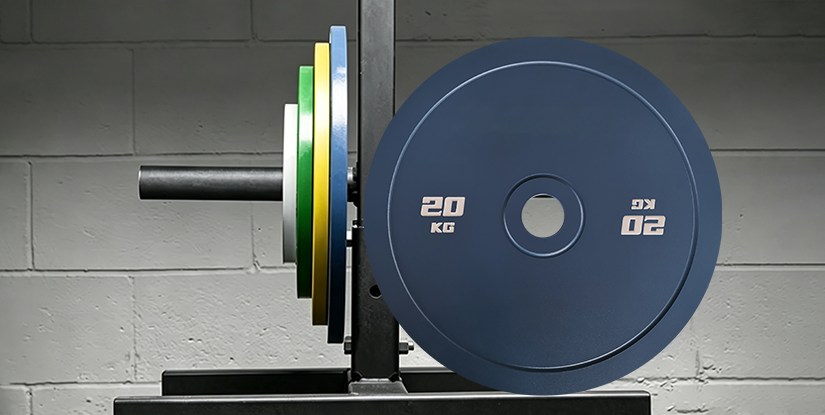
For distributors and large-scale importers, a standard product catalog often lacks the edge required to capture premium market segments. Securing a cast iron weight plate bulk order through a specialized China factory allows you to move beyond generic inventory and toward a proprietary product line. By leveraging OEM and ODM services, you can integrate your unique brand identity directly into the manufacturing process, ensuring your equipment stands out in a crowded commercial market.
Effective customization is not merely about aesthetics; it is a strategic tool for market differentiation. Whether you require specific embossed logos, specialized commercial gym branding, or unique color profiles via advanced powder coating, a professional supplier can execute these requirements at scale. This capability allows distributors to offer high-value, branded solutions to gym chains and studio operators while maintaining competitive wholesale margins and controlled sourcing costs.
Strategic Value of Private Label and Customization
When executing a cast iron weight plate bulk order, the ability to implement private label solutions transforms your role from a simple reseller to a specialized brand owner. High-tier wholesale weight plate sourcing often requires more than just a standard product; it requires a product that reflects your company's standards for durability and design. Utilizing ODM capabilities ensures that your technical specifications—ranging from bore diameter precision to specific surface finishes—are met with factory-level expertise.
The transition from stock ordering to customization is typically governed by the MOQ. While standard stock items offer faster lead times, OEM production provides the long-term value of building brand equity. By working directly with a factory that understands commercial cast iron plates, you can align your product's physical characteristics with your brand's positioning, whether that is high-durability utility or premium aesthetic appeal.
The technical execution of custom branding determines the long-term perceived value of your inventory. A professional wholesale weight plate sourcing strategy must account for how customization affects both the visual identity and the structural integrity of the plate. For instance, choosing between a raised relief logo via sand casting or a high-fidelity logo via specialized powder coating can significantly impact the final product's durability and the manufacturing lead time.
Technical Specifications for Custom Branding and Finishes
To assist procurement managers in evaluating their next cast iron weight plate bulk order, we have outlined the primary customization pathways. Selecting the correct method is essential for maintaining a consistent weight tolerance and ensuring that the surface finish remains intact under heavy commercial use.
| Branding Method | Primary Process | Visual/Tactile Result | Commercial Duty | MOQ Impact | Factory QC Point |
|---|---|---|---|---|---|
| Logo Embossing | Sand Casting | Raised 3D relief | High-durability utility | Moderate | Base flatness and relief clarity |
| Precision Printing | Surface Decal | Flat/Graphic detail | Studio/Boutique aesthetics | Low | Adhesion and edge wear |
| Color Customization | Powder Coating | Smooth/Uniform finish | Premium commercial sets | Medium | Coating thickness and adhesion |
| Laser Etching | CNC Machining | Fine/Precise detail | High-end competition spec | High | Bore concentricity and depth |
When managing a cast iron weight plate bulk order, it is vital to confirm how these processes interact with the weight calibration phase. For example, a heavy powder coating layer must be accounted for during the initial casting to ensure the final weight stays within your required tolerance. We recommend requesting a sample approval or a technical spec sheet from your supplier to verify that the branding method does not compromise the plate's concentricity or the precision of the Olympic collar fit. Coordinating these details early in the sourcing process prevents costly discrepancies in your landed cost and ensures your branded equipment meets professional commercial standards.
When managing a cast iron weight plate bulk order, it is vital to confirm how these processes interact with the weight calibration phase. For example, a heavy powder coating layer must be accounted for during the initial casting to ensure the final weight stays within your required tolerance. We recommend requesting a sample approval or a technical spec sheet from your supplier to verify that the branding method does not compromise the plate's concentricity or the precision of the Olympic collar fit. Coordinating these details early in the sourcing process prevents costly discrepancies in your landed cost and ensures your branded equipment meets professional commercial standards.
Logistics and Export Packaging for Bulk Gym Equipment Procurement
When managing a cast iron weight plate bulk order, the procurement process extends far beyond the initial factory price. For international distributors and gym equipment importers, the true cost of goods is determined by the efficiency of the supply chain and the integrity of the arrival state. A failure in packaging or loading protocols can lead to surface oxidation, dented edges, or pallet instability, significantly increasing your total landed cost through replacement claims and logistical delays.
To ensure high ROI during wholesale weight plate sourcing, professional buyers must verify that their China factory partner utilizes specialized export packaging standards designed for long-haul sea freight. High-density cast iron is heavy and prone to shifting within a container if not secured with precision. Implementing rigorous palletization and moisture-resistant wrapping is not an optional luxury; it is a fundamental requirement for damage prevention and maintaining the quality of commercial cast iron plates during multi-week transit across oceans.
Effective bulk gym equipment procurement requires a strategic focus on container loading optimization. By utilizing reinforced wooden crates or heavy-duty pallets, a supplier can maximize volume while ensuring the weight distribution remains stable. This level of attention to detail prevents the structural compromise of the shipment, ensuring that your inventory arrives at your warehouse in the exact condition expected for your commercial clients.
Comparison of Packaging Standards for Global Distribution
To optimize your wholesale weight plate sourcing, it is essential to differentiate between standard and premium logistics solutions. The choice of packaging directly impacts your warehouse handling efficiency and the long-term durability of your inventory. For high-volume cast iron weight plate bulk order requests, we provide tiered options to suit different budget constraints and shipping durations.
| Packaging Tier | Pallet Type & Construction | Moisture-Proof Protocol | Sea Freight Durability | Best Use Case |
|---|---|---|---|---|
| Standard Export | Standard Heat-Treated Wooden Pallet | Basic Shrink Wrap | Moderate (Short-haul/Regional) | Budget-conscious distributors |
| Premium Commercial | Reinforced Heavy-Duty Wooden Crate | Multi-layer PE Film & Desiccant | High (Long-haul/Intercontinental) | High-end fitness center procurement |
When conducting bulk gym equipment procurement, we recommend the premium crate construction for any shipment involving long-distance sea freight. A robust crate design prevents the shifting of heavy plates, which is a common cause of edge damage and pallet failure. Furthermore, integrating high-grade moisture-proof layers ensures that the metal surface remains free from oxidation during transit through varied humidity zones. Selecting the correct commercial cast iron plates packaging protocol is a decisive step in controlling your total landed cost and ensuring your China factory shipment arrives ready for immediate retail or commercial installation.
To mitigate the risk of shipment delays or inventory damage, professional buyers should confirm the specific lead time and MOQ requirements during the initial consultation. A reliable supplier will provide a clear production schedule that accounts for both the casting cycles and the specialized packaging processes. For those pursuing OEM or ODM solutions, we recommend requesting a detailed pre-shipment inspection report. This document should verify the integrity of the vacuum-sealed layers and the stability of the palletized load before the container is sealed, ensuring that your cast iron weight plate bulk order meets the rigorous standards required for international distribution.