Cast Iron Weight Plate Supplier: Material and Sourcing
Cast Iron Weight Plate Supplier: Material Specifications and Commercial Deployment
For large-scale commercial gym deployments or multi-location studio franchises, selecting a reliable cast iron weight plate supplier is a critical decision that impacts long-term operational expenditure. Unlike boutique home setups, commercial environments demand high-volume durability and standardized weight accuracy to maintain professional standards. When sourcing via a China factory, procurement leads must prioritize material consistency and casting precision to ensure that every batch meets the rigorous throughput requirements of a high-traffic facility.
The foundation of high-quality commercial plates lies in the use of high-grade gray iron. This specific material is industry-standard for its excellent vibration damping properties and structural density. Through advanced sand casting techniques, manufacturers can produce plates that maintain consistent density across varying sizes, which is vital for distributors managing diverse inventory needs. A professional commercial weight plate manufacturer will implement strict weight tolerance controls during the machining phase to ensure that the finished product aligns with international commercial specifications, reducing the risk of discrepancies during bulk wholesale cast iron plates delivery.
Understanding the technical nuances of production is essential for successful iron plate OEM supply. Beyond the raw casting, the surface finish and concentricity determine the long-term value for the end-user. High-quality sourcing requires verifying that the factory utilizes precision machining to refine the center bore and the outer rim, ensuring a smooth fit on Olympic bars. For distributors, this attention to detail translates to lower return rates and higher customer satisfaction in the commercial market.
Technical Comparison of Surface Treatments and Casting Methods
When managing procurement for high-traffic fitness facilities, the choice between different surface treatments directly influences both the maintenance load and the total cost of ownership. A professional cast iron weight plate supplier must offer various finishing options to suit different commercial environments, ranging from high-durability ruggedness to premium aesthetic requirements. For distributors, these technical specifications are vital when calculating the landed cost and predicting the long-term replacement cycles for their clients.
Standard industrial processes typically involve two primary paths: a basic phosphate treatment for rust prevention or a more robust powder coating for enhanced durability. While phosphate treatment offers a matte, textured finish that is cost-effective for high-volume wholesale cast iron plates, powder coating provides a thicker, more resilient layer that protects the iron from oxidation in humid gym environments. When evaluating an iron plate OEM supply, it is essential to confirm the adhesion strength of the coating to prevent chipping during heavy use, which can compromise the professional appearance of a commercial facility.
| Material Type | Surface Treatment | Casting Process | Commercial Duty | MOQ Impact | Factory QC Point |
|---|---|---|---|---|---|
| Gray Iron | Phosphate Treatment | Sand Casting | Standard Commercial | Lower | Surface Smoothness |
| Gray Iron | Powder Coating | Sand Casting | Premium/High-Traffic | Moderate | Coating Adhesion |
| Carbon Steel | Enamel/Paint | Precision Machining | Studio/Boutique | Higher | Bore Concentricity |
To optimize your procurement strategy, we recommend requesting a detailed specification sheet and discussing the specific lead time for your customized orders. Whether you require a specific color for brand identity or a particular finish for specialized gym environments, our factory can adjust production parameters to meet your exact requirements. We invite professional buyers to contact us directly to confirm current MOQ levels, request sample evaluations, or schedule a virtual factory audit to ensure all quality control protocols meet your commercial standards.
Rigorous Pre-Shipment Inspection and Export Standards
For high-volume importers, the final stage of the procurement cycle is where the risk of high replacement costs or client dissatisfaction is most prevalent. A professional cast iron weight plate supplier must implement a multi-stage pre-shipment inspection to mitigate these risks. Relying solely on general production metrics is insufficient for commercial-grade equipment; instead, a China factory specialized in export should provide transparent documentation regarding specific quality control checkpoints before any container is sealed.
Critical inspection points must go beyond simple weight verification. A reliable commercial weight plate manufacturer will perform detailed checks on base flatness to ensure plates sit level during high-impact use, preventing uneven wear on gym flooring. Furthermore, the coating adhesion must be tested to ensure the surface treatment does not chip or peel under heavy mechanical stress. For a distributor, these technical verifications are essential to protect the brand reputation and minimize the long-term maintenance load for the end-user.
Logistics efficiency is the final pillar of a successful wholesale order. Effective export packaging is not merely about protection, but about optimizing container loading density to reduce the landed cost per unit. High-quality sourcing involves ensuring that pallets are constructed to withstand heavy weight and that each unit is secured to prevent shifting during ocean transit. We recommend that procurement leads request specific packaging dimensions and palletization protocols during the initial MOQ discussion to ensure seamless warehouse integration upon arrival.
Material Composition and Casting Processes for High-Traffic Gyms
When sourcing for large-scale gym deployments, understanding the fundamental metallurgy of your equipment is critical for long-term ROI. A professional cast iron weight plate supplier must provide products that withstand high-volume throughput without structural degradation. For most commercial applications, the selection of high-grade gray iron ensures the density and durability required for heavy lifting environments. Selecting a reliable commercial weight plate manufacturer involves verifying that the casting process meets international standards for structural integrity and surface uniformity.
The manufacturing of high-quality plates typically relies on precision sand casting. This process allows for the creation of consistent, heavy-duty forms that are essential for commercial gym durability. For distributors and importers, the focus remains on weight tolerance and density consistency to prevent discrepancies in bulk shipments. A reputable China factory will implement rigorous density checks to ensure every unit in a wholesale order meets the specified weight profile, minimizing the risk of costly returns or client dissatisfaction during large-scale facility rollouts.
Engineering Standards in Industrial Casting
The technical distinction between standard and professional-grade plates lies in the metallurgical stability of the gray iron used. In high-traffic environments, plates are subject to constant impact and temperature fluctuations. A specialized iron plate OEM supply partner utilizes controlled cooling cycles during the sand casting stage to prevent internal stress fractures. This attention to detail ensures that the plates maintain their shape and concentricity over years of heavy usage, protecting the long-term value of the gym's capital expenditure.
Furthermore, the precision of the weight marking and the uniformity of the casting surface are primary indicators of manufacturing maturity. When negotiating wholesale cast iron plates, procurement leads should prioritize suppliers who can demonstrate consistent thickness and edge-radius control. These engineering nuances directly impact how the plates interface with barbell sleeves, reducing wear on expensive barbell equipment and lowering the total cost of ownership for the end-user facility.
Understanding the divergence between casting methods and surface treatments is essential for managing the total cost of ownership (TCO) in professional strength facilities. The following technical comparison outlines how different manufacturing routes affect long-term durability and maintenance requirements for bulk procurement.
| Material/Process | Typical Surface Treatment | Commercial Duty | Primary Benefit for Importers | Factory QC Point |
|---|---|---|---|---|
| Sand Casting | Phosphate Treatment | Standard Commercial | Lower unit cost for high-volume stock | Edge radius and thickness uniformity |
| Centrifugal Casting | Powder Coating | Premium High-Traffic | Superior durability and impact resistance | Coating adhesion and surface smoothness |
| Machined Steel | Chrome/Enamel | Competition/Precision | Highest weight tolerance accuracy | Concentricity and diameter precision |
For high-end studio deployments, many buyers opt for advanced surface finishes to extend the equipment lifecycle. A high-quality powder coating application provides a robust barrier against oxidation and physical abrasion, which is vital for maintaining a professional aesthetic in premium facilities. During the sourcing process, it is standard practice to verify the chemical bond between the metal and the coating; a reliable supplier will demonstrate high surface adhesion to prevent chipping during heavy use. In contrast, a simple phosphate treatment offers a cost-effective solution for standard gym environments where basic rust prevention is the priority.
When evaluating a commercial weight plate manufacturer, procurement officers should also consider the impact of the casting method on the final product's concentricity. While sand casting is the industry standard for mass-market distribution, centrifugal casting or precision machining can offer tighter tolerances for specialized training environments. We recommend that buyers request detailed specification sheets and, if necessary, a sample approval to test the coating durability and weight consistency before finalizing any large-scale MOQ or bulk shipment. This proactive approach ensures that your landed cost remains optimized by reducing the need for future replacements or maintenance-related downtime.
Comparing Commercial Weight Plate Manufacturing Standards
Selecting a reliable cast iron weight plate supplier requires looking beyond the initial unit price to understand the long-term Total Cost of Ownership (TCO). For professional distributors and gym owners, the primary objective is to minimize replacement frequency and maintenance overhead. In large-scale commercial gym deployment, a plate with high weight tolerance and consistent surface finishing reduces the operational burden of inventory discrepancies and equipment degradation.
When sourcing wholesale cast iron plates, procurement professionals must evaluate how manufacturing precision impacts the landed cost and long-term durability. High-quality iron plate OEM supply from a specialized China factory ensures that each unit meets the structural requirements for high-traffic environments, thereby protecting your investment and improving the ROI of your entire facility layout.
| Material & Process | Typical Commercial Duty | Maintenance Profile | TCO Impact |
|---|---|---|---|
| Standard Sand Casting | General Fitness & Home Use | Moderate | Low Initial Cost / High Replacement |
| Precision Machined Cast Iron | Commercial Strength Training | High | Optimized Longevity & Stability |
| Powder Coated Cast Iron | Premium Studio & High-Traffic | High | Minimal Surface Maintenance |
Understanding these distinctions allows a supplier to better align production with your specific business model, whether you require high-volume, budget-friendly stock or premium, branded equipment for high-end facility clients.
Technical Specifications and Manufacturing Nuances
The technical distinction between standard production and high-end output often lies in the secondary finishing stages. While many manufacturers offer basic options, a professional commercial weight plate manufacturer will utilize advanced sand casting techniques to ensure structural density and minimize air pockets. For distributors looking to offer premium product lines, the choice between a raw finish and a high-durability powder coating is a critical decision that directly influences the product's shelf life and visual appeal in a professional studio environment.
Precision in the manufacturing chain is not limited to the casting mold; it extends to the weight calibration protocols used during the final assembly. High-tier production lines incorporate rigorous inspection points to ensure the thickness and diameter remain within industry-standard tolerances. When managing a large-scale iron plate OEM supply, these variables determine the consistency of your inventory and the professionalism of your brand's reputation among end-users.
| Material & Process | Key Component/Detail | Commercial Duty | Typical MOQ Impact | Factory QC Point |
|---|---|---|---|---|
| Gray Iron / Sand Casting | Basic Raised Lettering | Standard Gym/Retail | Lower MOQ potential | Surface smoothness |
| Precision Machined Iron | Concentricity/Inner Ring | Professional Strength Training | Higher MOQ for cost-efficiency | Diameter tolerance |
| Powder Coated Finish | Adhesion/Color Uniformity | Premium Commercial/Studio | Tiered MOQ by color | Coating thickness |
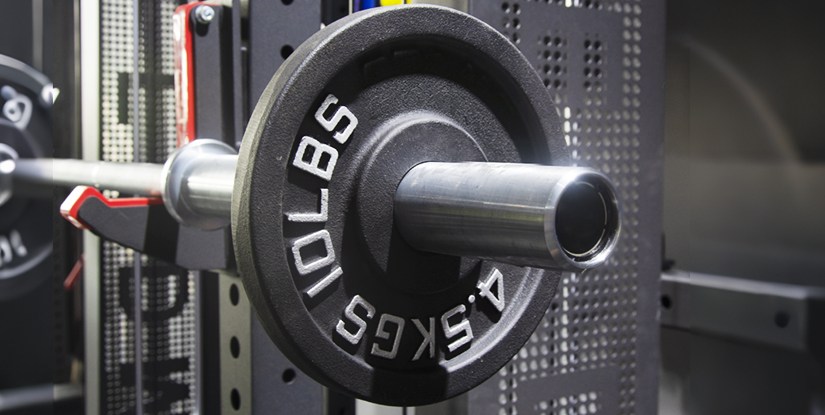
To ensure your procurement aligns with your facility's long-term maintenance budget, we recommend requesting a detailed specification sheet or a sample evaluation from your cast iron weight plate supplier. Confirming the specific surface finishing methods and the exact weight tolerance bands during the initial inquiry will prevent unforeseen landed cost increases and ensure your bulk order meets the exact requirements of your commercial deployment.
Optimizing Landed Cost and Logistics Efficiency
Beyond material density and surface finish, the total value of a bulk order is heavily dictated by the logistical precision of your cast iron weight plate supplier. For international distributors, the landed cost is not just the unit price, but the sum of factory-direct pricing, freight, and the cost of potential damages. A reliable commercial weight plate manufacturer mitigates these risks through standardized export packaging protocols, such as reinforced steel strapping and heavy-duty corrugated dividers, designed to withstand the rigors of ocean transit and container loading.
Efficiency in the supply chain also depends on predictable lead time management and rigorous pre-shipment QC. When sourcing through an iron plate OEM supply, professional buyers should verify that the factory conducts specific inspections—such as checking the thickness of the powder coating layer and verifying the concentricity of the inner ring—before the goods are sealed in containers. By aligning your MOQ with optimized container load volumes, you can effectively reduce the per-unit shipping cost and improve the overall ROI of your procurement cycle. We encourage partners to request a formal quote and a detailed loading plan to ensure all technical and logistical specifications are met prior to dispatch.
OEM and Custom Branding Capabilities for Global Distributors
For distributors seeking to move beyond generic inventory, a professional cast iron weight plate supplier provides more than just bulk hardware; they offer a gateway to market differentiation. In a competitive landscape, the ability to offer a branded product line allows you to build long-term brand equity and consumer trust. High-tier wholesale cast iron plates are no longer just commodities—they are the foundation of a specialized fitness brand identity.
Leveraging OEM/ODM capabilities from a China factory enables distributors to transition from simple resellers to established equipment brands. Whether you require custom embossed logos, specific color-coded weight markings, or unique surface finishes, a specialized commercial weight plate manufacturer can execute these technical requirements at scale. This strategic shift from sourcing generic stock to implementing private label solutions significantly enhances your distributor margin by allowing for premium market positioning and increased customer loyalty.
Achieving a premium aesthetic requires precise control over the casting and finishing stages. A professional iron plate OEM supply partner typically utilizes sand casting to ensure the structural integrity and density required for high-volume commercial use. This method allows for deep, high-relief logo embossing directly into the mold, ensuring your brand identity remains permanent and does not peel or fade during rigorous gym use. Unlike superficial printing, embossed branding provides a professional look that survives years of heavy impact and high-traffic turnover.
Beyond the initial casting, the surface finishing process is critical for long-term maintenance and durability. Most high-end distributors specify a multi-stage powder coating process to protect the iron from oxidation and environmental wear. This coating must demonstrate high adhesion to prevent chipping, which is a common failure point in lower-tier production. When evaluating your next cast iron weight plate supplier, it is essential to confirm that the manufacturing workflow includes a standardized weight tolerance check and a rigorous quality control (QC) protocol. This ensures that every unit in a bulk shipment meets the exact weight specifications required for professional commercial gym deployments, reducing the risk of costly returns or replacement planning issues for your clients.
To ensure your custom orders align with your business model, it is essential to evaluate how different specification levels impact your total landed cost and inventory management. High-level customization, such as specialized color-coded coatings or precision CNC-machined edges, may necessitate a higher MOQ or longer lead times, but these adjustments often justify the premium positioning in the market. A reliable supplier will provide a transparent breakdown of how material choices and branding depths influence both the production cycle and the final unit cost.
Sourcing Customization and Procurement Impact
The following table outlines the common procurement tiers available when working with a professional factory. This comparison helps distributors decide between high-speed stock replenishment and long-term private label brand building.
| Material & Branding | Process Detail | Commercial Duty | MOQ Impact | Logistics/Packaging |
|---|---|---|---|---|
| Standard Gray Iron (Embossed) | Sand Casting | High-traffic commercial gyms | Lower MOQ | Standard Export Crates |
| Powder Coated (Custom Color) | Multi-stage Coating | Boutique Studios & Hotel Gyms | Moderate MOQ | Reinforced Cardboard/Pallets |
| Premium Precision (Machined) | CNC Machining/Calibration | Competition & Performance Centers | High MOQ | Protective Custom Crating |
When finalizing your sourcing strategy, we recommend requesting a detailed spec sheet and a sample approval process for any custom OEM run. Confirming the exact weight tolerance thresholds and the adhesion strength of the coating during your pre-shipment inspection will safeguard your margins and ensure the long-term durability expected by your commercial clients.
China Factory Quality Control and Export Packaging Protocols
Maintaining strict oversight during the production cycle is critical for any cast iron weight plate supplier managing high-volume international shipments. For distributors and commercial gym developers, a single shipment of damaged or inaccurately weighted units can disrupt entire project timelines and erode profit margins. A professional China factory must implement multi-stage verification to ensure that every unit meets the rigorous demands of commercial gym deployment.
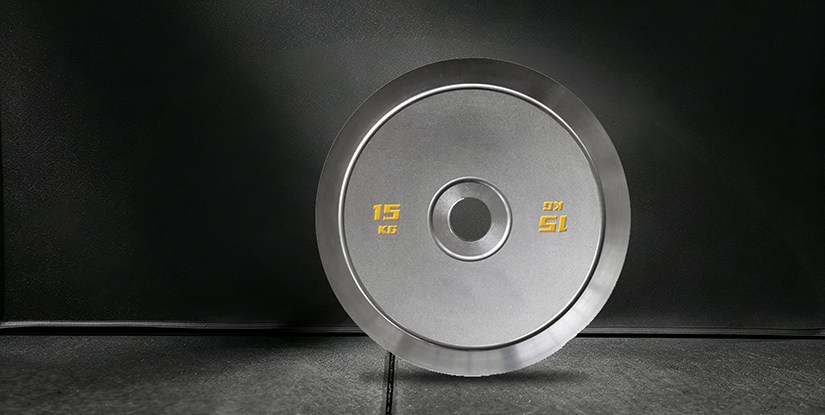
Reliability in wholesale cast iron plates begins with precise weight tolerance management. Rather than relying on basic casting, premium iron plate OEM supply requires standardized weight calibration and concentricity checks to ensure consistent performance. Beyond the material itself, the pre-shipment inspection process must verify that the casting integrity, surface finish, and dimensional accuracy align with the buyer's specific technical requirements before the goods leave the floor.
The final stage of the supply chain is equally vital: export packaging. Because bulk orders of iron plates are exceptionally heavy and prone to impact damage, standard shipping methods are insufficient. High-tier manufacturers utilize reinforced pallets, heavy-duty corner protectors, and moisture-resistant wrapping to secure the load. This meticulous approach to logistics ensures that the landed cost remains predictable and that the products arrive in a condition ready for immediate sale or installation.
Technical Inspection Standards for Commercial Grade Plates
To mitigate the risk of high return rates or client complaints, a professional commercial weight plate manufacturer must move beyond visual checks and implement rigorous technical audits. For buyers sourcing wholesale cast iron plates, the difference between a standard batch and a premium commercial-grade shipment lies in the precision of the manufacturing tolerances and the consistency of the finishing processes.
During the production of iron plate OEM supply, the China factory must focus on three critical technical benchmarks. First, the sand casting process requires careful monitoring to prevent surface pitting or structural voids. Second, the concentricity of the center hole must be verified to ensure the plate sits perfectly flat on a barbell without wobbling, which is essential for high-throughput commercial environments. Third, the application of powder coating or other finishes must undergo adhesion testing to ensure the coating does not flake or chip under heavy use. Finally, a strict weight calibration protocol is mandatory; every batch must undergo spot-checks to ensure that the actual weight matches the stamped specification within industry-standard tolerances.
Failure to enforce these quality control (QC) measures can lead to significant issues in the supply chain, such as uneven weight distribution or premature oxidation. For distributors, ensuring that the supplier provides documented proof of these inspections is the most effective way to protect long-term brand reputation and minimize the total cost of ownership for the end-user.
Export Logistics and Bulk Shipping Optimization
Effective logistics management is a core competency for a high-volume cast iron weight plate supplier. For importers and large-scale distributors, the complexity of moving heavy, high-density metal products across oceans requires more than just basic transport; it requires a strategy that optimizes both sea freight efficiency and landed cost. A professional China factory understands that the structural integrity of the shipment is as important as the weight accuracy of the individual plates.
To ensure maximum container utilization and prevent damage during long-haul transit, export packaging must follow strict industrial protocols. Standardized palletization is the baseline, but premium iron plate OEM supply involves using reinforced wooden pallets and heavy-duty steel strapping to prevent shifting. To protect the surface finish from oxidation during transit, especially in humid maritime environments, we implement rigorous moisture protection through industrial-grade shrink wrapping and moisture-absorbent barrier films. This level of detail ensures that the wholesale cast iron plates arrive at the destination with no rust or surface degradation, ready for immediate retail or gym deployment.
| Packaging Component | Standard Specification | Commercial Benefit | QC Inspection Point |
|---|---|---|---|
| Pallet Type | Reinforced heat-treated wood | Stability for heavy loads | Load-bearing capacity |
| Moisture Barrier | Industrial shrink wrap | Prevents oxidation/rust | Seal integrity |
| Corner Protection | Hardened edge protectors | Prevents stacking damage | Crush resistance |
| Loading Method | Optimized container stuffing | Reduces landed cost | Volume utilization |
When planning your next procurement cycle, we recommend reviewing the MOQ and lead times for your specific OEM requirements. Whether you are looking for a commercial weight plate manufacturer for a single large-scale facility deployment or a long-term wholesale partner for distribution, we provide full transparency on shipping volumes and documentation. Please contact us to request a detailed spec sheet, confirm current MOQ tiers, or discuss custom branding options for your next bulk order.
Optimizing Your Sourcing Strategy for Bulk Orders
Selecting a professional cast iron weight plate supplier requires a shift in mindset from simple purchasing to strategic supply chain management. For large-scale commercial gym deployment, the focus must move beyond unit price toward total landed cost and long-term reliability. Relying on a direct China factory allows distributors to bypass middleman markups while maintaining control over production schedules and specialized specifications.
Effective wholesale procurement involves more than just placing an order; it requires auditing the manufacturer's ability to scale without compromising weight tolerance or surface integrity. When sourcing for high-traffic facilities, understanding the impact of MOQ and lead time on your inventory turnover is essential for maintaining healthy distributor margins and meeting client deadlines.
Sourcing Models: Direct Factory vs. Trading Company
Distributors often face a critical choice between procurement via a specialized commercial weight plate manufacturer or a general trading firm. While trading companies may offer lower entry barriers, sourcing directly from a factory provides superior control over the technical aspects of the production line, particularly regarding the sand casting consistency and the quality of the powder coating adhesion.
The following comparison outlines how different sourcing models impact your ability to scale and manage your brand identity through iron plate OEM supply.
| Sourcing Model | Primary Advantage | Customization Capability | Quality Control Access | Typical MOQ Impact |
|---|---|---|---|---|
| Direct Factory | Lower landed cost | High (Full OEM/ODM) | Direct pre-shipment inspection | Higher initial volume required |
| Trading Company | Lower initial complexity | Limited to stock items | Indirect/Third-party reliance | Lower/Flexible for small batches |
For those seeking wholesale cast iron plates with specific branding or non-standard weight increments, the direct supplier model is the only way to ensure that the knurled inner ring and base flatness meet your specific commercial-grade requirements. To optimize your procurement, we recommend requesting a detailed spec sheet and confirming the MOQ for any custom private label runs before finalizing your shipping logistics.
Critical Logistics and Quality Control Checkpoints
When managing large-scale bulk orders, the risk of receiving inconsistent inventory increases without a standardized pre-shipment protocol. A professional cast iron weight plate supplier must implement a multi-stage verification process that covers both the physical dimensions of the plate and the integrity of the shipping units. For distributors, a single failed batch can disrupt entire project timelines and erode profit margins.
Reliable logistics management begins at the production floor with rigorous weight tolerance spot-checks. In a high-standard China factory, every batch of plates undergoes a calibration check to ensure the thickness and weight deviations remain within industry-standard limits. This prevents the common issue of mismatched weight sets in commercial gym deployments. Furthermore, the final step of the production cycle must include a thorough inspection of the surface finish—specifically checking for any flaws in the powder coating or casting edges that could lead to premature oxidation or safety hazards.
To protect your investment during long-distance ocean freight, specialized export packaging is non-negotiable. For heavy cast iron products, this typically involves reinforced pallets, corner protection, and heavy-duty shrink wrapping to prevent shifting or impact damage within the container. We advise all procurement leads to coordinate a formal pre-shipment inspection. This allows you or a third-party agent to verify the loading efficiency and the physical condition of the goods before they leave the warehouse, ensuring that your landed cost remains predictable and your stock arrives ready for immediate deployment.