Cast Iron Weight Plate Wholesale: Material Spec Comparison
Cast Iron Weight Plate Wholesale: Essential Material Specifications for Commercial Deployment
Professional procurement for high-traffic fitness facilities requires a deep understanding of material density and manufacturing precision. Selecting cast iron weight plate wholesale options ensures a balance of high durability and cost-efficiency, making them the standard for heavy-duty gym environments and global distribution networks.
For distributors and gym owners, the primary challenge in sourcing high-quality weight sets is ensuring consistency across large orders. Low-grade casting often results in uneven weight distribution or brittle edges, which increases the total cost of ownership due to frequent replacements. By partnering with a professional China factory, importers can secure commercial cast iron plates that meet rigorous industry standards for density and structural integrity.
When managing commercial gym deployment, the technical specifications of the plate determine its long-term ROI. This includes the precision of the center bore for a perfect Olympic collar fit and the quality of the surface finish to prevent oxidation. High-volume bulk weight plates orders must prioritize these variables to ensure that every unit in a shipment maintains a tight weight tolerance, preventing discrepancies that can damage a distributor's reputation.
Technical Comparison of Casting Methods and Surface Finishes
To optimize procurement decisions, buyers must evaluate the specific casting and finishing workflows used by their supplier. The choice between sand casting and advanced machining processes directly impacts the plate's concentricity and long-term commercial durability. For high-volume gym equipment manufacturing, understanding these technical nuances helps in predicting maintenance cycles and ensuring the longevity of the equipment in high-traffic zones.
The following table provides a technical breakdown to assist in your sourcing strategy, comparing common industrial methods used for bulk weight plates production. This comparison focuses on how manufacturing variables influence the final landed cost and product utility.
| Material & Process | Surface Finish | Key QC Point | Commercial Duty | MOQ Impact |
|---|---|---|---|---|
| Sand Casting | Bare Iron / Phosphate | Edge Smoothness | Standard Commercial | Standard |
| Sand Casting | Powder Coating | Coating Adhesion | Premium Commercial | Medium |
| Machined Steel | Enamel / Paint | Bore Concentricity | High-Traffic Studio | High |
| Cast Iron | Polyurethane (PU) | Encapsulation Layer | Luxury / High-End | High |
When evaluating a cast iron weight plate wholesale order, we recommend requesting a sample to inspect the bond line adhesion of the powder coating and the precision of the center bore. A high-quality China factory will provide detailed technical sheets regarding the weight calibration and the flatness of the base to ensure seamless integration with your existing barbell systems.
Material Density and Casting Methods for High-Traffic Gyms
When sourcing for high-volume fitness centers or distribution networks, understanding the technical distinction between casting processes is vital for long-term ROI. High-traffic environments demand equipment that maintains structural integrity under constant impact. For professional buyers, selecting the right cast iron weight plate wholesale option depends heavily on how the material density is controlled during production. A China factory capable of advanced casting ensures that the plates do not suffer from internal voids or uneven weight distribution, which can lead to premature cracking or uneven wear in a commercial setting.
The two most common methods used in gym equipment manufacturing are sand casting and centrifugal casting. While both are industry-standard, they offer different profiles regarding density and surface finish. For those looking to scale a brand through OEM or ODM partnerships, the choice of method directly impacts the commercial durability and the final landed cost of the product. A higher material density typically results in a more consistent striking sound and better resistance to chipping during heavy use.
Sand Casting vs. Centrifugal Casting: Structural Comparison
In the context of commercial cast iron plates, the manufacturing method dictates the plate's ability to withstand the rigors of a professional gym floor. Sand casting is a traditional, cost-effective method used for many bulk weight plates, whereas centrifugal casting is often utilized when higher density and precision are required. Understanding these nuances helps importers manage expectations regarding product longevity and maintenance cycles.
| Casting Method | Material Density Profile | Surface Characteristics | Commercial Suitability | Sourcing Impact |
|---|---|---|---|---|
| Sand Casting | Standard density; potential for minor surface porosity | Textured, matte finish; ideal for powder coating | Standard commercial use; high-volume distribution | Lower MOQ; optimized for cost-effective wholesale |
| Centrifugal Casting | High density; uniform molecular structure | Smoother, more consistent surface; tighter tolerances | Premium commercial/competition environments | Higher wholesale tier; requires specialized factory setup |
For distributors managing large-scale deployments, selecting cast iron weight plate wholesale units produced via centrifugal casting can reduce long-term replacement costs, even if the initial sourcing investment is slightly higher. Conversely, sand casting remains the preferred choice for bulk weight plates where high-volume turnover and aggressive pricing are the primary drivers for the distributor margin.
Optimizing the procurement process requires a deep dive into how these material variations affect the total cost of ownership. A professional buyer must weigh the initial wholesale savings against the long-term maintenance load and potential for replacement. Whether you are managing a single boutique studio or a multi-location commercial deployment, the technical specifications of your commercial cast iron plates will dictate your operational efficiency and equipment lifespan.
When evaluating a China factory for a large-scale order, we recommend requesting a specific focus on the weight calibration and the concentricity of the center bore. High-density plates produced through precision casting offer better stability and a more consistent fit on Olympic barbells, which is a critical factor for high-performance training environments. Before finalizing your sourcing strategy, ensure that your OEM or ODM partner provides clear documentation regarding their quality control protocols for material density and surface uniformity.
Optimizing the procurement process requires a deep dive into how these material variations affect the total cost of ownership. A professional buyer must weigh the initial wholesale savings against the long-term maintenance load and potential for replacement. Whether you are managing a single boutique studio or a multi-location commercial deployment, the technical specifications of your commercial cast iron plates will dictate your operational efficiency and equipment lifespan.
When evaluating a China factory for a large-scale order, we recommend requesting a specific focus on the weight calibration and the concentricity of the center bore. High-density plates produced through precision casting offer better stability and a more consistent fit on Olympic barbells, which is a critical factor for high-performance training environments. Before finalizing your sourcing strategy, ensure that your OEM or ODM partner provides clear documentation regarding their quality control protocols for material density and surface uniformity.
Comparing Commercial Cast Iron Plates: Material vs. Process
For professional importers and gym distributors, selecting the correct manufacturing method is a critical decision in cast iron weight plate wholesale procurement. The choice between traditional casting techniques directly dictates the long-term Total Cost of Ownership (TCO) by influencing durability, weight precision, and replacement frequency. When sourcing from a China factory, understanding these technical distinctions allows buyers to balance initial landed costs against operational longevity.
The primary tension in commercial gym procurement lies between the high-volume efficiency of sand casting and the precision-driven results of centrifugal casting. While sand casting offers a cost-effective solution for standard bulk weight plates, it may present higher tolerances in density. Conversely, advanced methods provide the structural uniformity required for high-traffic commercial facilities where consistent weight calibration is a non-negotiable standard for professional operators.
| Casting Method | Primary Material Base | Structural Density | Commercial Durability | Typical Procurement Use Case |
|---|---|---|---|---|
| Sand Casting | Gray Iron | Standard/Variable | High (General Gym) | High-volume wholesale orders |
| Centrifugal Casting | Cast Iron | High/Uniform | Premium (High-Traffic) | Specialized commercial cast iron plates |
| Machined Steel | Carbon Steel | Very High | Elite (Competition) | Low-volume, high-precision sourcing |
Understanding these variations ensures that your commercial cast iron plates meet the specific demands of your target market, whether you are supplying budget-friendly fitness centers or high-end boutique studios. A professional supplier will provide detailed spec sheets to clarify how these processes impact your final wholesale unit price and long-term maintenance load.
Technical Specifications and Procurement Variables
Optimizing the Total Cost of Ownership (TCO) requires a granular understanding of how surface treatments and manufacturing tolerances affect long-term replacement cycles. For distributors, the difference between a basic phosphate treatment and high-grade powder coating can mean the difference in client retention and reduced after-sales claims. When managing bulk weight plates inventory, the interplay between the base material density and the final coating adhesion is a primary indicator of product lifecycle in high-traffic environments.
A high-quality cast iron weight plate wholesale order should be evaluated based on specific technical benchmarks. Beyond simple weight, procurement leads must verify the concentricity of the center bore and the integrity of the surface finish. In a professional commercial gym procurement workflow, these details prevent issues such as uneven wear or premature oxidation, which can erode distributor margins and increase the frequency of replacement planning.
| Material Base | Surface Finish | Process Detail | Commercial Duty | MOQ/Customization | Factory QC Point |
|---|---|---|---|---|---|
| Gray Iron | Phosphate Treatment | Sand Casting | Standard Commercial | Low MOQ for Stock | Base Flatness |
| Cast Iron | Powder Coating | Centrifugal Casting | High-Traffic Gym | High MOQ for OEM | Coating Adhesion |
| Carbon Steel | Chrome/Enamel | CNC Machining | Premium/Elite | Custom Branding | Bore Concentricity |
To ensure the highest reliability, we recommend that buyers request a pre-shipment sample or a formal factory audit to verify these technical standards. Whether you are pursuing a private label project or a standard volume order, confirming the specific weight calibration and coating thickness with your supplier is essential for maintaining consistent product quality across all shipments.
Maximizing ROI Through Manufacturing Precision
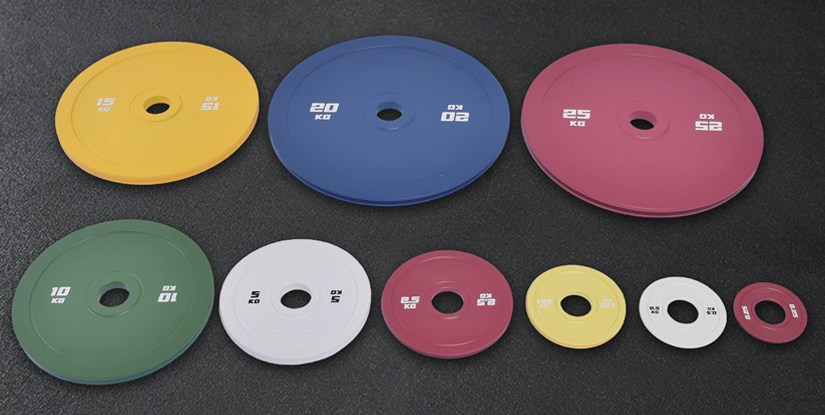
For distributors and large-scale importers, the true value of a cast iron weight plate wholesale contract is measured by the long-term ROI and the reduction in after-sales maintenance. A single low-quality batch can lead to high replacement costs due to poor weight calibration or failing surface treatments. In professional gym equipment manufacturing, the goal is to minimize the Total Cost of Ownership (TCO) by ensuring that every unit remains functional and aesthetically consistent under heavy commercial use.
One of the most significant hidden costs in commercial cast iron plates procurement is inadequate coating adhesion. If the powder coating or paint layer fails prematurely due to poor surface preparation, the resulting oxidation can damage the aesthetic of a premium facility. When managing bulk weight plates inventory, it is vital to verify that the factory utilizes a multi-stage surface treatment process. High-tier OEM and ODM partners focus on the bond line integrity between the cast iron and the finish to ensure the product withstands high-impact environments without chipping or rusting.
Furthermore, the precision of the center bore and the concentricity of the plate are essential for preventing uneven wear on barbell sleeves. A reliable supplier will emphasize strict pre-shipment QC, focusing on these specific technical benchmarks to protect your reputation as a distributor. We recommend that procurement leads request detailed technical spec sheets and confirm the specific weight tolerance standards before finalizing any large-scale order. To secure the best terms for your next project, contact us to discuss MOQ requirements, custom branding options, or to schedule a formal factory audit.
Precision Engineering: Bore Concentricity and Surface Finishing
For distributors and gym operators, the long-term total cost of ownership (TCO) is dictated by the mechanical precision of the equipment. When sourcing cast iron weight plate wholesale, technical failures often stem from poor manufacturing tolerances rather than material strength. High-quality commercial cast iron plates must maintain strict bore concentricity to ensure smooth transitions on barbell sleeves, preventing uneven wear on expensive Olympic bars and reducing maintenance frequency across your facility.
A lack of precision in the center hole—often caused by substandard sand casting or imprecise machining—leads to wobbling and vibration. This mechanical instability increases the wear on barbell collars and can even lead to premature plate failure in high-throughput commercial environments. To mitigate these risks, professional sourcing strategies must prioritize a China factory that utilizes CNC machining for the central bore to ensure a perfectly centered, smooth-walled fit. This level of precision is essential for maintaining professional standards and ensuring the longevity of the weight sets provided to your clients.
Furthermore, the surface finishing of bulk weight plates determines both aesthetic longevity and operational ease. A high-grade powder coating or phosphate treatment provides a durable barrier against oxidation and moisture. For large-scale gym equipment manufacturing orders, ensuring consistent coating adhesion is a critical quality control checkpoint. Without a uniform finish, plates are prone to rust and surface degradation, which increases the labor required for cleaning and upkeep, ultimately lowering the ROI for the end-user.
Technical Comparison: Finishing Processes and TCO Optimization
Selecting the appropriate surface treatment is a strategic decision for importers. While the base material remains consistent, the secondary finishing process directly impacts the long-term maintenance load and the total landed cost of your inventory. A cheaper, substandard coating may lower initial procurement costs but will inevitably lead to higher replacement rates and diminished brand reputation due to premature oxidation or peeling.
To assist in your professional procurement planning, the following table compares the industry-standard finishing options available through our gym equipment manufacturing workflows. This comparison focuses on the trade-offs between durability, surface protection, and the impact on your wholesale margins.
| Material Finish | Primary Process | Commercial Duty Level | Maintenance Requirement | MOQ/Customization | B2B Sourcing Value |
|---|---|---|---|---|---|
| Phosphate Treatment | Chemical Oxidation | Standard Commercial | Low (Requires dry storage) | Low MOQ | High margin/High turnover |
| Powder Coating | Electrostatic Spray | Premium Commercial | Minimal (Highly durable) | Standard OEM | Best for brand identity |
| Rubber Coating | Vulcanized Molding | High-Traffic/Studio | Medium (Monitor edge wear) | Higher MOQ | Premium retail/Studio tier |
When evaluating a supplier, it is vital to confirm that the chosen coating method aligns with your target market's environment. For instance, powder coating offers a superior aesthetic and protective layer for standard commercial gyms, whereas rubberized options are optimized for floor protection in boutique studio settings. We recommend requesting a technical spec sheet and confirming the specific adhesion testing protocols used by the factory to ensure your cast iron weight plate wholesale order meets the rigorous durability standards of international professional fitness facilities.
Long-Term Procurement Value and Replacement Planning
Effective replacement planning is a cornerstone of profitable facility management. For distributors and large-scale gym operators, the goal is to minimize the frequency of re-orders caused by premature wear. When you invest in high-spec cast iron weight plate wholesale programs, you are essentially buying down your future operational expenses. A product that lacks structural integrity or consistent weight calibration will inevitably increase your long-term maintenance load and disrupt your inventory turnover cycles.
To maximize your long-term ROI, your sourcing process must look beyond the initial unit price. True value is found in the intersection of precision engineering and high-grade surface treatments. By selecting a factory-direct partner that emphasizes strict QC on bore concentricity and coating adhesion, you ensure that your bulk shipments arrive with the durability required for high-traffic commercial environments. We suggest that buyers request a sample approval or a detailed technical audit of the manufacturing line to verify that the production standards align with the professional-grade requirements of your specific market.
China Factory Sourcing: OEM Capabilities and Quality Control Standards
Navigating the complexities of cast iron weight plate wholesale requires more than just finding a low price; it requires a partner capable of managing high-volume production cycles without compromising structural integrity. For international distributors and gym equipment importers, the primary challenge lies in balancing MOQ requirements with strict adherence to commercial weight tolerances and surface finish consistency. A reliable China factory must demonstrate a sophisticated understanding of how casting variations impact the final landed cost and long-term product durability in a commercial setting.
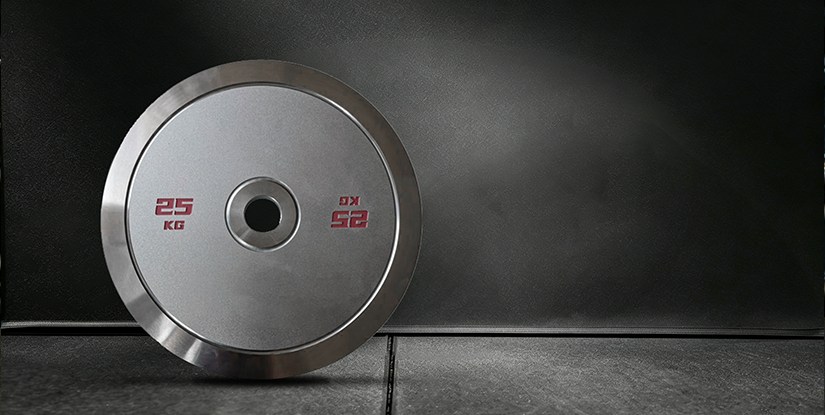
Effective commercial gym procurement hinges on the ability to integrate OEM or ODM requests into the standard production line. Whether you are requesting custom branding through embossed logos or specific color-coded markings for rapid identification, the manufacturing process must remain stable. Without a rigorous QC framework, bulk shipments often suffer from issues such as bore concentricity errors or inconsistent powder coating adhesion, which can lead to costly returns and damaged brand reputation for the importer.
To ensure sourcing efficiency, professional buyers should evaluate the factory not just on output, but on their specific pre-shipment inspection protocols. High-tier gym equipment manufacturing involves multiple checkpoints, from the initial sand casting stage to the final weight calibration and export packaging. Understanding these variables allows distributors to better forecast their inventory and manage client expectations regarding delivery timelines and product quality.
Optimizing your inventory management strategy requires a clear understanding of the interplay between order scale and production cycles. When procuring bulk weight plates, buyers must account for the fact that larger volumes often trigger more complex production cycles, particularly when custom specifications are involved. While standard stock items may offer faster turnaround, any request for OEM branding or specific surface treatments will extend the lead time to accommodate the additional casting, machining, and coating stages.
To maximize your wholesale margins, it is essential to align your procurement schedule with the factory production calendar. Scaling your order to meet a higher MOQ does more than just lower the unit cost through a better scale of economy; it also provides the manufacturer with the stability needed to maintain rigorous QC standards across the entire batch. A well-planned procurement cycle reduces the risk of shipping delays and ensures that your shipping logistics and container loading schedules remain predictable, ultimately stabilizing your landed cost and distributor profitability.
To minimize procurement friction, professional buyers should prioritize a supplier that offers transparent lead time forecasting and robust OEM/ODM support. For example, integrating a custom logo into the sand casting mold or applying a specific color-coded paint scheme requires additional setup time in the China factory. By coordinating these requests during the initial sourcing phase, distributors can prevent unexpected delays in their bulk weight plates shipments and ensure that the final product aligns perfectly with their brand identity.
A critical component of successful cast iron weight plate wholesale is the implementation of a rigorous pre-shipment inspection. Rather than relying on general descriptions, professional procurement leads should verify specific quality checkpoints, such as the concentricity of the Olympic bore, the smoothness of the surface finish, and the adhesion of the commercial cast iron plates coating. A high-standard factory will provide detailed reports on weight calibration and surface integrity, ensuring that every unit in the container meets the high-performance expectations of a commercial gym environment before it leaves the dock.
Optimizing Logistics: Export Packaging and Bulk Order Management
Efficient cast iron weight plate wholesale procurement requires more than just selecting the right material; it demands a rigorous approach to logistics to protect your bottom line. For distributors and gym equipment importers, the true cost of a shipment is determined by the total landed cost, which is heavily influenced by how well the goods survive the journey from the China factory to your warehouse.
Standard shipping methods often fail to account for the high density and potential for surface abrasion inherent in heavy metal goods. Without professional export packaging, even high-quality commercial cast iron plates can arrive with chipped paint, rusted surfaces, or dented edges, directly impacting your distributor margins and increasing replacement claims. To ensure effective damage prevention, a specialized bulk order management strategy must be implemented during the loading phase.
Securing Sea Freight Protection and Palletization
When managing bulk weight plates, the transition from factory floor to sea container is the highest risk period for structural and aesthetic damage. Relying on basic cardboard is insufficient for long-haul maritime transport where humidity and physical shifting are constant variables. Professional sea freight protection involves a multi-layered approach to stabilize the load and isolate the product from environmental factors.
Standardized palletization is the baseline for professional sourcing. High-density cast iron weight plate wholesale orders should be secured using heavy-duty wooden pallets, often heat-treated to meet international phytosanitary standards. Each pallet must be tightly shrink-wrapped and reinforced with edge protectors to prevent the weight from crushing the outer layers. Furthermore, using corner protectors and high-strength strapping ensures that the weight distribution remains even, preventing the "leaning" effect that can compromise container stability during transit.
To minimize the risk of oxidation and moisture ingress, we recommend utilizing moisture-absorbent silica gel packets within the internal packaging and ensuring a robust outer layer of waterproof film. This level of detail in the export packaging process is a critical component of bulk order management, ensuring that your inventory arrives in a condition that meets commercial-grade standards without the need for costly re-work or surface touch-ups upon arrival.
Comparison of Packaging Tiers for Global Distribution
Procurement managers must decide between cost-efficiency and maximum protection based on their specific shipping distance and inventory turnover needs. Choosing the correct packaging tier directly impacts your total landed cost and the final presentation of your product to end-users. Below is a technical comparison to assist your sourcing decision.
| Packaging Tier | Primary Structure | Moisture Protection | Durability Level | Best Use Case |
|---|---|---|---|---|
| Standard Export | Heavy-duty Corrugated Box & Single Pallet | Basic Plastic Shrink Wrap | Moderate (Short Sea Transit) | High-volume, low-margin distribution |
| Premium Commercial | Reinforced Wooden Crates & Multi-Layer Pallet | Waterproof Film & Desiccant Packets | High (Long-haul & Multi-modal) | Premium gym equipment imports |
While standard packaging may offer a lower initial wholesale price, the premium option is often the more cost-effective choice for long-distance maritime shipping. The use of reinforced wooden crates and specialized moisture-absorbent materials significantly reduces the risk of surface oxidation or edge damage. For distributors managing high-end studio inventories, investing in superior export packaging ensures that the commercial cast iron plates arrive in pristine condition, maintaining your brand reputation and reducing the overhead associated with returns or quality disputes.
Before finalizing your next bulk weight plates shipment, we suggest requesting a detailed packaging specification sheet or a sample of the crate construction. Our factory can also provide photographic confirmation of the palletized shipping setup during the pre-shipment stage to ensure all cast iron weight plate wholesale orders meet your specific durability requirements.
Technical Inspection and Pre-Shipment Protocol
A successful cast iron weight plate wholesale procurement cycle does not end at the production line; it concludes only after a successful QC inspection and verified loading. For professional buyers, the most critical window for preventing costly returns is the pre-shipment phase. Relying on generic factory reports is a risk; instead, procurement leads should mandate a structured inspection protocol that covers both product precision and logistical readiness.
During the final gym equipment manufacturing quality check, our technicians focus on three critical points: weight tolerance, surface integrity, and bore concentricity. This ensures every unit in your bulk weight plates order meets the exact dimensional standards required for commercial use. Beyond the product itself, the factory must execute a strict QC inspection of the loading plan. This includes verifying the stability of the palletized shipping arrangement and ensuring that the container loading optimization maximizes volume without compromising the structural integrity of the bottom-layer plates.
To minimize friction in your supply chain, we recommend coordinating a specific lead time buffer and a documented pre-shipment verification step. We can provide high-resolution visual documentation of the export packaging and the final container load. This transparency allows importers to confirm that the commercial cast iron plates are secured according to the agreed-upon specifications before the vessel departs. For high-volume sourcing, this level of oversight is the most effective way to protect your landed cost and ensure a seamless arrival at your distribution center.