Cast Iron Weight Plate Factory: Wholesale Material Spec
The High Cost of Substandard Casting: Why Material Selection Matters
For a large-scale fitness distributor or a commercial gym chain, the decision to source from a low-tier cast iron weight plate factory can result in significant operational deficits. While a lower initial invoice might seem attractive, the long-term impact of poor material quality often leads to a much higher total cost of ownership (TCO) through rapid depreciation and constant maintenance needs.
Procurement teams frequently encounter hidden risks when bypassing specialized manufacturers. Using substandard commercial grade iron plates often results in critical weight tolerance issues, where the actual mass deviates significantly from the stamped value. This inconsistency undermines the professionalism of a facility and can lead to client dissatisfaction. Furthermore, brittle casting processes can lead to structural failures or surface cracking under heavy use, necessitating high replacement costs that erode distributor margins and increase the frequency of sourcing cycles.
When managing high-volume inventory, the durability of your stock is paramount. Relying on a non-specialized supplier increases the risk of receiving units with uneven concentricity or poor surface finish, which can damage expensive barbell sleeves and increase wear on other commercial equipment. To protect your ROI, it is essential to partner with a factory that prioritizes precision and material consistency for wholesale gym weight plates.
The technical failure of a single batch can compromise an entire facility's reputation. In many high-traffic environments, the most common issues stem from fundamental sand casting defects that occur when the molten metal is not properly managed. If the cast iron weight plate factory does not maintain strict control over the cooling rate and metal composition, the resulting plates often exhibit internal stresses. These stresses manifest as surface cracking or micro-fractures, which may not be visible immediately but eventually cause the plate to fail under the high-impact conditions typical of commercial weightlifting.
Beyond structural integrity, the lack of precision in the casting mold often leads to uneven weight distribution. This imbalance is not merely a minor inaccuracy; it creates a rotational eccentricity that makes the plates feel "wobblier" when loaded on a barbell. For a professional gym operator, this translates to increased maintenance requirements and a higher likelihood of client complaints regarding equipment stability. When you are managing a bulk order, these small defects compound, leading to a high rate of returns and damaged landed cost efficiency.
To mitigate these risks, a rigorous factory QC protocol must be part of your sourcing checklist. A reliable China factory will implement a multi-stage inspection process that includes checking for base flatness, bore concentricity, and weight calibration before any export packaging occurs. By ensuring that every unit meets a strict tolerance band, you protect your distributor margins and ensure that your wholesale inventory remains a high-value asset rather than a liability. Before finalizing your next MOQ, we recommend requesting a detailed specification sheet or discussing OEM customization to ensure the casting standards align with your specific commercial requirements.
Material and Process Comparison for Commercial Procurement
Understanding the technical differences between high-tier production and low-cost alternatives is critical for long-term profitability. A professional cast iron weight plate factory must distinguish between basic casting and the precision-machined standards required for high-traffic facilities. The following comparison outlines the technical variables that impact your wholesale order quality and long-term maintenance load.
| Material/Process | Key Component/Detail | Commercial Duty | Sourcing Risk | Factory QC Point |
|---|---|---|---|---|
| Premium Sand Casting | High-density gray iron | High-impact commercial use | Low: Consistent density | Surface cracking check |
| Standard Casting | Variable iron composition | Light commercial/Home use | High: Internal stress/cracks | Cooling rate control |
| CNC Machined Bore | Precision concentricity | Professional barbell sets | Low: Smooth barbell travel | Bore diameter tolerance |
| Basic Casting Mold | Rough bore edges | General fitness use | High: Sleeve damage risk | Flatness & concentricity |
| Industrial Powder Coating | Multi-layer adhesion | High-frequency handling | Low: Long-term durability | Coating adhesion test |
When evaluating commercial grade iron plates, procurement professionals should look beyond the unit price and focus on the manufacturing depth. High-quality wholesale gym weight plates require not just a stable mold, but a controlled weight calibration process to ensure each plate meets the specified mass within a tight tolerance band. Without these precision steps, the resulting eccentricity can lead to uneven wear on your client's premium barbell sleeves, increasing their total cost of ownership.
To ensure your China factory sourcing meets international standards, we recommend a thorough pre-shipment inspection. A professional supplier will provide documentation regarding their OEM customization capabilities and can demonstrate their ability to manage MOQ requirements for specialized finishes. We suggest requesting a sample approval or a factory audit to verify that their weight calibration and surface finishing processes align with your brand's quality expectations before proceeding with a full bulk order.
Cast Iron Weight Plate Factory: Material and Precision Standards
Selecting a reliable cast iron weight plate factory is a critical decision for distributors and gym owners looking to minimize long-term replacement costs. High-quality commercial grade iron plates must meet rigorous engineering standards to ensure safety and consistent performance in high-traffic environments. When sourcing from a China factory, understanding the relationship between raw material purity and the final weight tolerance is essential for maintaining professional facility standards.
The production of premium weight plates typically begins with high-grade gray iron. This material is preferred in the industry for its excellent vibration damping properties and structural integrity. Through advanced sand casting techniques, manufacturers can create durable shapes that withstand the heavy impact of daily commercial use. For B2B buyers, the primary concern is not just the initial wholesale price, but the total cost of ownership driven by the durability of the casting and the precision of the weight calibration.
Material and Durability Comparison for Bulk Procurement
| Material Type | Primary Process | Commercial Duty Level | Durability Profile | Sourcing Consideration |
|---|---|---|---|---|
| Gray Iron | Sand Casting | Standard Commercial | High impact resistance | Best for wholesale gym weight plates |
| Carbon Steel | CNC Machining | Premium/Competition | Extreme precision/low warping | Higher MOQ requirements |
| Coated Iron | Powder Coating | High-End Studio | Corrosion and scratch protection | Ideal for private label branding |
For large-scale distributors, the sourcing strategy should prioritize a factory that offers transparent weight calibration and strict quality control. A professional cast iron weight plate factory will provide consistent concentricity and flatness, ensuring that plates do not wobble during heavy lifting. When negotiating wholesale contracts, always request specific details regarding the MOQ and the lead time for custom OEM or ODM orders to ensure your inventory management remains efficient.
Technical Specifications: Casting and Surface Finishing
The structural integrity of a plate is determined by the precision of its surface finishing and the consistency of its casting. A high-tier cast iron weight plate factory utilizes a multi-stage process to ensure that the final product is not only aesthetically professional but also structurally sound for heavy-duty use. For procurement officers, the difference between standard and premium units often lies in the thickness and adhesion of the powder coating applied after the initial casting stage. This coating serves as a vital barrier against oxidation and environmental wear, which is essential for maintaining the visual identity of your private label products over many years of service.
Beyond the base casting, the quality of the center bore and the flatness of the plate are key indicators of manufacturing excellence. In a professional China factory setup, weight calibration is not merely a single check but a continuous monitoring process. This includes verifying the concentricity of the center hole to prevent uneven loading on barbell sleeves, which can lead to premature wear on expensive weight racks. When evaluating a supplier for large-scale distribution, it is prudent to ask about their specific protocols for surface finishing and how they manage the transition from raw sand casting to the final, high-durability coated state.
Critical QC Benchmarks for Commercial Grade Iron Plates
For professional distributors and gym procurement leads, sourcing from a reliable cast iron weight plate factory is a matter of mitigating long-term B2B procurement risk. High-volume orders require more than just low unit costs; they demand rigorous adherence to structural integrity and precision standards to avoid the high replacement costs associated with defective batches. When managing a large-scale wholesale order, even minor deviations in manufacturing can lead to significant liability issues for the end-user.
Ensuring the quality of commercial grade iron plates requires a deep understanding of the technical variables that impact durability. A single oversight in the casting or machining phase can result in uneven weight distribution or compromised surface finishes. For those managing sourcing operations, establishing strict pre-shipment protocols is essential to ensure that every unit meets the high-intensity demands of a commercial fitness environment.
Engineering Precision and Weight Tolerance
The primary technical challenge in mass production is maintaining a consistent weight tolerance across thousands of units. In a professional China factory setting, this is achieved through controlled sand casting and subsequent CNC machining of the center bore. Without precise concentricity checks, plates may wobble on a barbell, creating an unstable loading environment that increases wear on both the equipment and the user. For a supplier, providing documented calibration reports is a standard way to prove that the commercial grade iron plates can withstand the rigors of high-traffic strength training facilities.
Beyond the weight itself, the structural integrity of the plate depends on the quality of the gray iron used during the casting process. Any internal air pockets or impurities can lead to cracks under heavy impact. This is why a professional cast iron weight plate factory must implement rigorous visual and physical inspections to ensure the density and flatness of each piece before it enters the coating or packaging stage.
Surface Finish and Coating Adhesion
A common failure point in low-tier production is the lack of durability in the surface layer. For buyers of wholesale gym weight plates, the choice between a simple paint finish and a professional powder coating can significantly impact the total cost of ownership. A high-quality powder coating process creates a resilient, thick barrier that prevents oxidation and resists chipping during heavy use. This is particularly critical for distributors who want to minimize after-sales service requests and maintain a premium brand image for their clients.
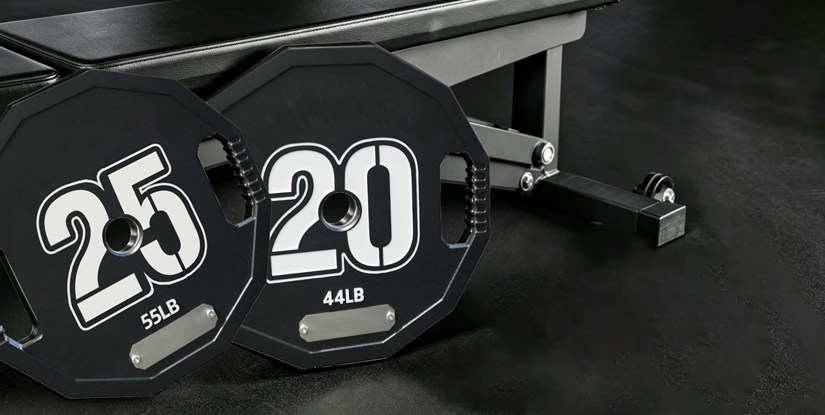
During the pre-shipment inspection, a professional factory will often conduct adhesion tests to ensure the coating will not flake off under high-impact scenarios. This includes checking the bond between the cast iron surface and the finish, as well as the smoothness of the edges. For those looking to scale through OEM or ODM partnerships, specifying a robust surface treatment is a non-negotiable step in securing long-term commercial durability and protecting the investment of the end-user.
Pre-Shipment Inspection and Export Logistics
Effective pre-shipment QC goes beyond the individual plate; it must encompass the entire logistics chain to protect your profit margins. A professional cast iron weight plate factory understands that the final landed cost is heavily influenced by how efficiently the product is packed and loaded into containers. For high-volume wholesale buyers, a failure in export packaging can result in damaged edges or surface oxidation during sea transit, leading to costly claims and damaged distributor reputations.
When conducting a factory audit or requesting a third-party inspection, buyers should demand a review of the following critical logistics and manufacturing benchmarks. These points ensure that the wholesale gym weight plates arrive in a condition that meets commercial standards without unexpected overhead. To secure the most reliable supply chain, we recommend confirming the MOQ, current lead time, and specific packaging protocols before finalizing any bulk purchase agreement.
| Inspection Point | Technical Focus | Commercial Impact | Standard Requirement |
|---|---|---|---|
| Base Flatness | Surface Plane Consistency | Prevents barbell wobble and uneven loading | Smooth, non-warped surface |
| Weight Tolerance | Bore and Mass Precision | Ensures accurate training and professional feel | Consistent mass within set range |
| Coating Adhesion | Surface Bond Strength | Reduces maintenance and replacement frequency | Resistant to chipping and oxidation |
| Export Packaging | Container Loading Security | Protects against transit damage and moisture | Reinforced pallets and moisture barriers |
Optimizing Sourcing via China Factory Direct Channels
For international distributors and large-scale gym equipment importers, the most effective way to protect net margins is to bypass multi-tier trading companies and secure a direct cast iron weight plate factory partnership. Sourcing directly from a China factory allows you to control the entire value chain, from the raw gray iron selection to the final export packaging. This direct-to-source model is essential for maximizing your distributor margin while maintaining the high quality required for professional fitness environments.
When you engage in bulk procurement, the complexity of logistics and material consistency increases. Relying on a wholesale supplier that manages its own production lines ensures that your landed cost remains predictable. By managing the MOQ and lead time directly with the manufacturer, you can better align your inventory turnover with seasonal market demands and large-scale gym build-out projects.
Strategic Advantages of Direct Sourcing
The primary challenge in the commercial weight plate market is the discrepancy between reported weight and actual delivered mass. A professional cast iron weight plate factory mitigates this risk through standardized weight calibration and precision machining. When sourcing wholesale gym weight plates, the goal is to reduce the Total Cost of Ownership (TCO) by ensuring the products do not require frequent replacement due to casting defects or unevenness.
Choosing commercial grade iron plates produced through controlled sand casting and subsequent machining processes ensures that each unit meets the concentricity standards required for high-traffic commercial gyms. This level of precision reduces the risk of uneven wear on barbell sleeves and improves the overall user experience for the end client.
| Sourcing Model | Primary Advantage | Typical MOQ | Control Over QC | Landed Cost Impact |
|---|---|---|---|---|
| China factory Direct | Highest profit potential | Higher/Volume-based | Direct oversight of weight calibration | Lowest (Direct wholesale pricing) |
| Regional Importer/Trader | Lower initial risk | Lower/Flexible | Limited to final product inspection | Moderate (Includes markup) |
| Local Retail Distributor | Immediate availability | Low/Per unit | Minimal oversight | Highest (Retail/Wholesale pricing) |
To ensure your procurement strategy is successful, we recommend requesting a detailed spec sheet and confirming the MOQ for OEM or ODM branding requests early in the negotiation phase. Engaging in a factory audit or requesting a sample approval process is a standard step to validate that the commercial grade iron plates meet your specific brand identity and durability requirements.
Technical Specification and Quality Control Benchmarks
A professional cast iron weight plate factory must maintain rigorous control over the transition from raw sand casting to the final surface finish. For high-volume wholesale gym weight plates, the technical reliability of the product depends on the stability of the gray iron used and the precision of the subsequent machining. Discrepancies in these stages often lead to higher replacement rates and diminished distributor trust.
The production cycle typically begins with high-grade sand casting to form the base plate. Following this, the plate undergoes CNC machining to ensure the center bore and outer diameter meet strict concentricity standards. To protect the metal from oxidation in high-humidity commercial environments, a high-quality powder coating or phosphate treatment is applied. This ensures long-term coating adhesion and prevents the unsightly rust that can degrade the aesthetic value of a premium gym set.
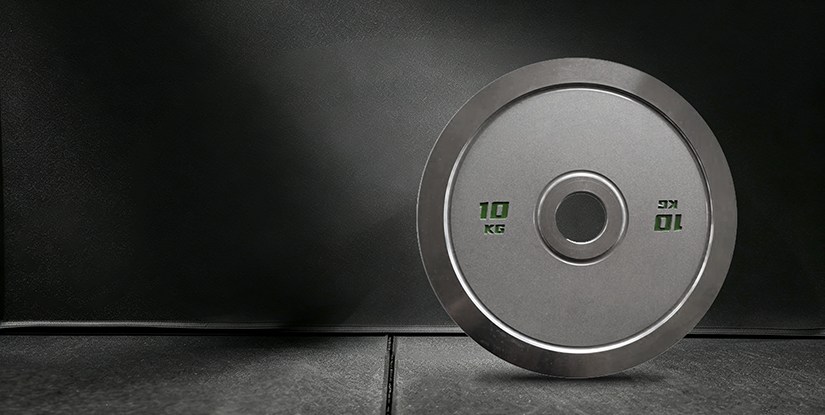
Before any container loading, a comprehensive pre-shipment QC process is mandatory. This includes a weight tolerance spot-check to ensure every plate adheres to the specified mass, as well as a flatness check to prevent warping. For partners utilizing OEM or ODM services, we also inspect the embossed logo area and any custom branding to ensure the visual integrity of your private label remains consistent with your brand identity during international transit.
Customization and OEM Capabilities for Global Distributors
For professional distributors and warehouse operators, sourcing from a reliable cast iron weight plate factory is about more than just unit price; it is about building a sustainable brand. Relyities on generic, unbranded stock limits your ability to scale and capture premium market segments. High-tier OEM and ODM capabilities allow you to transition from a simple reseller to a recognized equipment provider with a distinct market presence.
Establishing a strong brand identity through private label solutions is a strategic move to protect your distributor margin. By integrating custom logos, specific color palettes, or unique plate dimensions, you move away from the volatility of the commodity market. A specialized cast iron weight plate factory can provide the customization options necessary to differentiate your catalog, ensuring your clients perceive your inventory as a premium, proprietary offering rather than a generic import.
When negotiating wholesale agreements, understanding the scope of customization options is critical for long-term ROI. Whether you require specific commercial grade iron plates with custom embossing or specialized wholesale gym weight plates with unique coating finishes, working directly with a factory ensures your technical requirements are met during the production phase. This level of control over the manufacturing process minimizes the risk of brand dilution and ensures that every bulk shipment aligns with your quality standards.
Technical Scope of Custom Branding and Material Specification
Precision in the manufacturing phase is what separates high-performance inventory from low-margin commodities. A professional cast iron weight plate factory must offer granular control over the two most critical elements: the casting method and the surface finish. Most high-volume wholesale gym weight plates utilize sand casting for the primary body to ensure structural density, followed by CNC machining to achieve strict weight tolerance standards. For distributors seeking a premium aesthetic, the distinction between a standard finish and high-end powder coating can significantly impact the perceived value and durability of the product in a commercial setting.
Beyond the basic shape, the ability to execute high-fidelity logo embossing is a vital OEM requirement. Unlike surface printing, which may degrade under heavy use, deep-mold embossing into the cast iron ensures the brand remains legible throughout the product lifecycle. This is essential for maintaining long-term brand equity when supplying large-scale fitness centers or gym chains. Furthermore, the choice of coating—ranging from basic paint to advanced polyurethane or specialized powder—affects both the maintenance load and the long-term landed cost of the equipment for the end-user.
| Material/Process | Standard Commercial Spec | Premium Custom Spec | Commercial Duty | QC Focus Point |
|---|---|---|---|---|
| Base Material | Gray Cast Iron | High-Density Cast Iron | High-Frequency Usage | Density & Porosity |
| Casting Method | Sand Casting | Precision Mold Casting | Standard Commercial Gyms | Edge Smoothness |
| Surface Finish | Basic Paint | Multi-layer Powder Coating | High-End Studio/Boutique | Adhesion & Thickness |
| Branding Type | Surface Print | Deep Logo Embossing | Long-term Brand Identity | Mold Definition |
| Weight Precision | Standard Tolerance | Strict Calibration | Competitive/Professional | Mass Deviation |
When managing a large-scale sourcing project, we recommend requesting a technical spec sheet that details the specific powder coating adhesion levels and the exact weight tolerance bands. For distributors looking to optimize their MOQ, understanding these technical tiers allows for better inventory planning and more accurate pricing for your clients. If you are ready to advance your product line, please contact our team to confirm your specific OEM requirements or to request a sample for material evaluation.
When managing a large-scale sourcing project, we recommend requesting a technical spec sheet that details the specific powder coating adhesion levels and the exact weight tolerance bands. For distributors looking to optimize their MOQ, understanding these technical tiers allows for better inventory planning and more accurate pricing for your clients. If you are ready to advance your product line, please contact our team to confirm your specific OEM requirements or to request a sample for material evaluation.
Logistics and Landed Cost Management for Bulk Orders
For international distributors and warehouse managers, the true cost of procurement extends far beyond the unit price from a cast iron weight plate factory. Understanding the total landed cost—which includes factory ex-works pricing, export packaging, ocean freight, customs duties, and local drayage—is essential for protecting your warehouse margin. When managing bulk orders, even minor inefficiencies in container utilization can significantly erode your profitability.
Optimizing the supply chain requires a strategic partnership with a China factory that prioritizes shipping optimization and high-density loading. Because cast iron is a high-density, heavy-weight commodity, your wholesale gym weight plates must be packed to maximize weight-to-volume ratios within standard 20ft or 40ft HC containers. A professional supplier will implement specialized palletization and reinforced crate structures to ensure container loading efficiency remains high without risking product damage during transit.
Effective sourcing also involves balancing MOQ requirements against inventory carrying costs and shipping frequency. To maintain a competitive edge, procurement leads should evaluate how commercial grade iron plates are staged for export. High-performing distributors often coordinate with their factory to align production lead time with vessel schedules, ensuring that large-scale shipments arrive in a predictable cadence to minimize warehouse congestion and optimize cash flow.
Shipping and Packaging Optimization Matrix
To mitigate the risk of transit damage and optimize your landed cost, you must select a packaging configuration that matches your regional logistics infrastructure. For large-scale distribution, standardizing your packaging types across different SKUs allows for more predictable palletization and faster warehouse processing. A professional cast iron weight plate factory will provide various configurations to suit different shipping volumes and budget constraints.
| Packaging Configuration | Typical Application | Container Loading Efficiency | Durability & Protection | Best For |
|---|---|---|---|---|
| Standard Export Carton | Small to Medium Bulk Orders | Moderate | High protection for individual units | Standard retail-ready distribution |
| Reinforced Wooden Crate | Heavy-duty wholesale gym weight plates | High (Stackable) | Maximum protection against impact | Long-distance ocean freight |
| Industrial Palletization | High-volume commercial grade iron plates | Very High | Optimized for forklift handling | Warehouse-to-gym direct delivery |
| Custom OEM Crating | Private Label / Specialized Sets | Customizable | High (Brand-specific branding) | Premium distributor inventory |
When calculating your final budget, consider how sea freight density affects your total volume. Utilizing 40ft HC containers with high-density palletization is the most cost-effective method for large-scale wholesale procurement. We recommend that buyers confirm all export standards and pallet dimensions with the supplier before production begins to ensure seamless integration with local third-party logistics (3PL) providers. Please contact us to request a detailed shipping quote or to confirm the MOQ for your specific container volume requirements.
Pre-Shipment QC and Damage Prevention
Reliability in the global supply chain depends on rigorous QC inspection protocols before any container is sealed. For a professional cast iron weight plate factory, quality control is not merely about checking the weight, but ensuring the structural integrity of every unit. We implement multi-stage checks that cover surface finish consistency, bore concentricity, and the absence of casting defects. This level of scrutiny is vital for distributors to avoid the high costs of returns or damaged inventory upon arrival at a destination warehouse.
To ensure maximum sea freight durability, our export packaging solutions are designed to withstand the mechanical stresses of long-distance maritime transit. This includes utilizing heavy-duty corrugated layers and reinforced wooden crates to prevent abrasion between units. By prioritizing palletized shipping with standardized dimensions, we ensure that your wholesale orders are optimized for both container density and safe forklift handling. This systematic approach to damage prevention protects your investment and ensures that your commercial grade iron plates arrive in factory-fresh condition, ready for immediate distribution or gym installation.