Cast Iron Plate Foundry: Top Tier China Factory OEM
Cast Iron Plate Foundry: Scaling Commercial Gym Inventory
Transitioning from localized retail sourcing to high-volume cast iron plate foundry procurement requires a strategic shift in how distributors evaluate supply chain stability. Professional buyers must move beyond simple unit costs to assess three critical pillars: material consistency across massive batches, the precision of the casting process for weight tolerance, and the logistics of large-scale container loading. Relying on a specialized cast iron plate foundry ensures that your inventory maintains a uniform standard, reducing the risk of irregular thickness or uneven weight distribution that can plague lower-tier suppliers. By establishing a direct relationship with a China factory, distributors can secure predictable lead times and specialized production schedules that accommodate the high-volume demands of commercial gym rollouts.
Scaling inventory effectively necessitates a move toward commercial weight plate manufacturing that prioritizes both durability and margin protection. For distributors, the ability to source through wholesale channels allows for the optimization of landed costs, especially when managing the heavy shipping weights typical of iron products. A professional supplier provides more than just finished goods; they provide the capacity for scaling inventory through tiered production runs that match your market growth. Whether you are expanding a regional distribution network or fulfilling a large-scale facility contract, understanding the wholesale capacity of your manufacturing partner is essential for maintaining a competitive edge in the commercial fitness market.
Technical differentiation in high-volume procurement is often determined by the precision of the surface treatment and the reliability of the weight calibration. Professional buyers must evaluate whether a cast iron plate foundry utilizes advanced sand casting or more standardized methods, as this directly impacts the concentricity and flatness of the plates. For high-traffic environments, the choice of coating is a critical variable in the total cost of ownership (TCO). While bare iron is a standard option, high-demand facilities often require the durability of high-grade powder coating to prevent oxidation and ensure long-term aesthetic integrity. Understanding these technical nuances allows procurement managers to select products that minimize maintenance overhead and maximize durability in heavy-use commercial settings.
| Material | Process | Key Component / Detail | Commercial Duty | MOQ Impact | Factory QC Point |
|---|---|---|---|---|
| Sand Casting | Base Flatness | Standard Commercial Use | Lower | Bore Concentricity |
| Standard Iron | powder coating | High-Traffic Gyms | Medium | Coating Adhesion |
| wholesale iron plates | Weight Tolerance | Premium Training Centers | Higher | Calibration Accuracy |
Optimizing your procurement strategy requires a deep understanding of how manufacturing specifications influence your final landed cost. When sourcing via wholesale iron plates, the distinction between a standard casting and a precision-machined edge can affect how easily plates stack and move within a warehouse or gym floor. To ensure high-standard delivery, we recommend that buyers request a detailed specification sheet and confirm the MOQ for specific custom branding or coating requirements. Engaging in a pre-shipment inspection to verify the weight tolerance and surface finish can prevent costly returns and ensure your inventory meets the rigorous demands of the international commercial fitness market.
Optimizing your procurement strategy requires a deep understanding of how manufacturing specifications influence your final landed cost. When sourcing via wholesale iron plates, the distinction between a standard casting and a precision-machined edge can affect how easily plates stack and move within a warehouse or gym floor. To ensure high-standard delivery, we recommend that buyers request a detailed specification sheet and confirm the MOQ for specific custom branding or coating requirements. Engaging in a pre-shipment inspection to verify the weight tolerance and surface finish can prevent costly returns and ensure your inventory meets the rigorous demands of the international commercial fitness market.
Material Standards and Casting Processes in Commercial Weight Plate Manufacturing
High-volume procurement of strength equipment requires a deep understanding of the metallurgical foundations that ensure long-term durability. For distributors and gym operators, sourcing from a professional cast iron plate foundry is the primary way to mitigate the risks of material fatigue and uneven weight distribution. Selecting a reliable China factory that prioritizes high-grade gray iron ensures that every unit meets the rigorous demands of high-traffic commercial environments.
The production of high-quality plates relies on precision sand casting techniques to create consistent density and structural integrity. Unlike lower-tier manufacturing, professional commercial weight plate manufacturing involves strict control over the molten metal temperature and the cooling cycle to prevent internal air pockets or cracks. This attention to detail is critical for the wholesale buyer, as it directly impacts the total cost of ownership and the frequency of replacement cycles in a commercial setting.
When managing large-scale sourcing projects, understanding the distinction between basic casting and precision finishing is essential for maintaining brand reputation. A top-tier supplier will utilize advanced machining to ensure the center bore remains concentric, allowing for smooth transitions during heavy lifting sessions. This level of engineering excellence differentiates premium wholesale iron plates from standard retail-grade options, providing better value for long-term facility deployment.
Technical Specifications: Surface Treatment and Precision Standards
The final utility of a weight plate is determined by its surface integrity. For large-scale importers, the choice between a basic finish and a high-performance coating significantly impacts the long-term maintenance load. A professional cast iron plate foundry typically offers several finishing pathways, each with distinct implications for durability and the total landed cost. While raw iron is cost-effective, it is susceptible to oxidation in humid environments, necessitating more frequent replacement or maintenance.
To enhance the longevity of the equipment, many manufacturers utilize a phosphate treatment as a foundational layer. This chemical process creates a protective surface that improves adhesion for subsequent layers. For high-end commercial facilities, a specialized powder coating is often preferred. This process provides a robust, impact-resistant finish that protects the underlying iron from moisture and cosmetic wear, ensuring the product maintains a premium appearance throughout its service life.
Precision in the manufacturing chain also extends to the technical tolerance of the product. Professional commercial weight plate manufacturing requires strict adherence to weight tolerance standards to ensure consistency across an entire set. For distributors, even minor deviations can lead to imbalances in high-volume training environments. We recommend requesting specific tolerance data during your initial sourcing phase to ensure the product aligns with your facility's technical requirements.
| Material | Coating Type | Process Detail | Commercial Duty | MOQ Impact | Factory QC Point |
|---|---|---|---|---|---|
| Gray Iron | Phosphate Treatment | Chemical surface etching | Standard Commercial | Lower | Adhesion strength |
| Gray Iron | Powder Coating | Electrostatic application | Premium/High-Traffic | Moderate | Coating thickness/uniformity |
| Steel | Machined Precision | CNC Bore Machining | Competition/High-End | Higher | Concentricity & Flatness |
When evaluating a potential supplier, we suggest reviewing the specific finishing steps and the ability to provide OEM customization. Whether you require custom branding or specific color-coded weight markings, ensuring the China factory can maintain consistency across large batches is vital. We invite you to contact us to request a detailed specification sheet, confirm current MOQ for your desired finish, or discuss how our production capabilities can support your next bulk order.
Standardized Inspection and Export Readiness
Reliability in bulk procurement is not merely a product feature; it is a result of rigorous technical oversight. For a professional cast iron plate foundry, the final stages of production are the most critical for reducing buyer friction. A failure in the inspection chain can lead to significant logistical headaches, such as increased landed costs or damaged reputation among your end-users. Therefore, high-volume wholesale iron plates procurement must be backed by a standardized, multi-stage verification process that ensures every unit shipped meets international commercial standards.
The technical verification begins with rigorous weight calibration. In a professional commercial weight plate manufacturing environment, each batch undergoes systematic spot-checks to ensure the weight tolerance remains within the specified margin. This prevents the imbalance issues often seen with lower-tier manufacturers. Following calibration, the surface finish is inspected for coating adhesion and uniformity. This ensures that the protective layers—whether phosphate or powder—are not prone to chipping or premature oxidation during heavy usage or long-distance transit.
Before the transition from factory to container, a comprehensive pre-shipment QC protocol is executed. This involves checking the bore concentricity and the flatness of the plate to ensure seamless integration with various barbell systems. To protect your investment during ocean freight, the export packaging must be robust. We utilize heavy-duty, reinforced palletizing and moisture-resistant wrapping to prevent damage and corrosion. By standardizing these protocols, our China factory ensures that your lead time is predictable and that the goods arrive in a condition that allows for immediate deployment to your facility or client site. We encourage buyers to book a remote factory audit or request a sample approval to verify these standards firsthand.
Comparing Cast Iron vs. Machined Calibrated Steel for High-Volume Procurement
When managing long-term procurement for large-scale fitness facilities, understanding the distinction between material types is critical for optimizing the total cost of ownership. For many distributors, selecting a cast iron plate foundry as a primary supplier allows for a strategic balance between extreme durability and lower landed costs. While machined steel offers higher precision, the economic advantages of mass-produced iron often yield a better return on investment for standard commercial gym deployments.
For bulk buyers, the decision between these two materials typically hinges on the intended usage intensity and the required weight tolerance. A professional cast iron plate foundry can provide high-volume wholesale iron plates that meet standard commercial specifications, whereas machined steel is often reserved for specialized training environments where extreme concentricity is the priority. Choosing the right material at the sourcing stage ensures that your inventory remains cost-effective without sacrificing the operational lifespan of the equipment.
The following table outlines the fundamental differences in procurement logic and long-term value between these two common commercial options.
| Material Type | Primary Process | Commercial Duty | TCO Factor | MOQ Impact |
|---|---|---|---|---|
| Cast Iron | Sand Casting | High-traffic commercial gyms | Low maintenance/high durability | Lower entry threshold |
| Machined Steel | CNC Machining | Specialized training centers | Higher replacement/precision cost | Higher volume requirements |
| Steel Plate | Metal Stamping | Standard fitness studios | Standard durability profile | Variable based on volume |
For those executing commercial weight plate manufacturing orders, evaluating the China factory output through a lens of durability and maintenance load is essential. While machined components offer tighter tolerances, the inherent robustness of cast iron makes it a preferred choice for high-volume wholesale distribution where volume and cost-efficiency are the primary drivers of profitability.
To ensure your procurement strategy accounts for long-term operational expenses, it is vital to evaluate the precision and durability of each material through a technical lens. A professional cast iron plate foundry maintains consistency across large-scale orders by standardizing the casting and finishing stages, ensuring that even high-volume wholesale iron plates deliver predictable performance. While machined steel provides higher precision for specialized environments, the structural integrity and cost-efficiency of high-grade cast iron often provide a superior ROI for general commercial gym deployments and large-scale distributor inventories.
Technical Specification Comparison for Commercial Sourcing
When coordinating commercial weight plate manufacturing, buyers must weigh the benefits of precision against the total cost of ownership. The following comparison highlights how material selection and manufacturing processes impact your final landed cost and long-term maintenance requirements.
| Material | Manufacturing Process | Precision/Tolerance | Surface Finish | Best Commercial Use |
|---|---|---|---|---|
| Cast Iron | Sand Casting | Standard Commercial Grade | Powder Coating / Enamel | High-traffic gyms & commercial clubs |
| Machined Steel | CNC Machining | High-Precision / Tight Tolerance | Polished / Chrome / Paint | Specialized training & precision lifting |
| Carbon Steel | Metal Stamping | Medium Precision | Paint or Powder Coating | Standard studios & fitness centers |
Optimizing your sourcing strategy requires a deep understanding of how these technical variables influence your bottom line. For example, choosing a factory that specializes in sand casting allows for more aggressive wholesale pricing and easier customization through branding, whereas precision-machined options may increase your initial capex and lead times. We recommend requesting a detailed spec sheet or a sample approval to verify that the weight tolerance and surface adhesion meet your specific commercial standards before finalizing a large-scale bulk order.
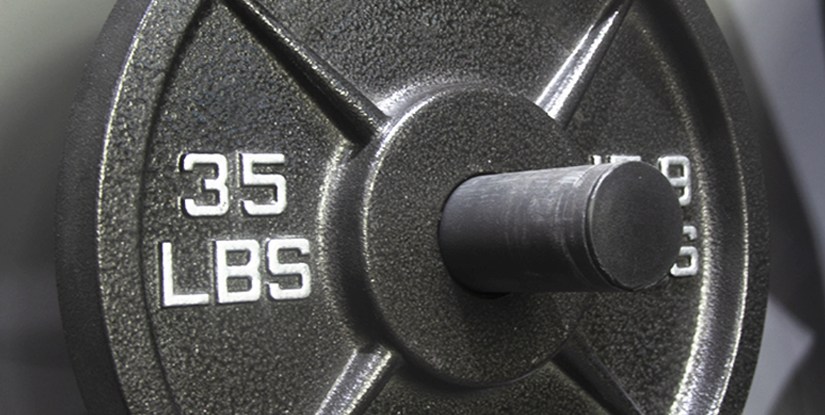
Optimizing ROI Through Strategic Material and Volume Management
Aligning your procurement with the right production methods is the final step in securing a high-margin supply chain. For distributors, the choice between standard casting and precision machining is not merely a technical preference, but a decision that dictates shipping volume, lead time, and overall landed cost. A professional cast iron plate foundry can optimize these variables by providing highly scalable wholesale iron plates that balance structural density with transport efficiency, ensuring your capital is deployed toward high-turnover inventory.
Beyond the physical product, leveraging OEM and ODM capabilities allows you to transition from a commodity buyer to a brand owner. Utilizing a China factory that offers custom branding—such as specific embossing or specialized powder coating—enables you to build a distinct brand identity that commands premium pricing in your local market. Whether you are focused on high-volume commercial weight plate manufacturing or specialized studio supplies, integrating your brand into the production process enhances long-term asset value.
To finalize your procurement plan and secure the most competitive wholesale rates, we suggest the following next steps. You may request a comprehensive specification sheet to review weight tolerances, confirm the specific MOQ for custom OEM branding runs, or arrange a factory audit to verify quality control protocols. Contact our team today to request a formal quote and discuss how our bulk pricing structures can optimize your upcoming distribution cycle.
China Factory QC: Ensuring Bore Concentricity and Surface Integrity
High-volume procurement of weight plates requires strict oversight of manufacturing precision to prevent long-term operational issues. For distributors and gym operators, a cast iron plate foundry must prioritize technical specifications that ensure equipment longevity and user safety. Inconsistent manufacturing leads to uneven weight distribution and mechanical wear on barbell sleeves, increasing maintenance costs and reducing the total cost of ownership (TCO).
Reliable commercial weight plate manufacturing relies on two critical technical pillars: bore concentricity and surface integrity. If the central bore is not perfectly centered, the plate will wobble during use, creating centrifugal instability that can damage expensive barbell bars. Furthermore, maintaining high surface integrity ensures that the casting remains free of structural micro-fractures or excessive pitting, which are common in low-tier production environments.
Technical Precision in Mass Production
When sourcing wholesale iron plates, professional buyers should evaluate the precision machining capabilities of the China factory. A high-standard cast iron plate foundry utilizes CNC machining after the initial sand casting process to refine the inner diameter. This step is essential to achieve a tight, consistent fit that meets professional weight tolerance standards. Without this secondary machining phase, the wholesale batches may suffer from irregular thickness or uneven weight distribution, leading to rejected shipments during your pre-shipment inspection.
Effective QC protocols must also monitor the surface integrity of the cast iron. This includes checking for smooth transitions between the weight surface and the bore edge. For OEM and ODM clients, ensuring these technical benchmarks are met prevents high return rates and protects your brand identity when delivering products to premium fitness facilities. We recommend requesting a sample to verify that the precision machining meets your specific commercial grade requirements before proceeding with a full bulk order.
Standardizing Weight Calibration and Export Readiness
The final stage of the cast iron plate foundry workflow involves rigorous weight calibration to ensure every unit matches the stamped specification. For high-volume commercial weight plate manufacturing, even minor deviations can accumulate in a large bulk shipment, impacting the credibility of the supplier. A professional China factory utilizes calibrated precision scales to verify each batch, ensuring that the weight variance remains within industry-standard tolerances for commercial-grade equipment. This level of detail is vital for distributors who must guarantee consistent performance to their end-users.
To mitigate procurement risks, we implement a standardized pre-shipment inspection protocol that covers more than just weight. Our QC teams perform random spot-checks on the coating adhesion and the smoothness of the edges to prevent chipping during transit or heavy usage. This systematic approach ensures that your wholesale iron plates arrive in export-ready condition, reducing the need for replacements and lowering your long-term landed cost. When managing your sourcing strategy, we encourage buyers to confirm the specific MOQ and lead time for their customized orders to ensure seamless integration into your supply chain or retail inventory.
Technical Inspection Standards for High-Volume Procurement
To assist professional buyers in evaluating technical compliance, the following table outlines the critical inspection points used during the production cycle. Understanding these benchmarks allows distributors to differentiate between standard output and high-tier commercial-grade equipment. Every reliable cast iron plate foundry should provide transparency regarding these technical metrics to ensure long-term durability and client satisfaction.
| Material | Process | Key Component | Commercial Duty | MOQ Impact | Factory QC Point |
|---|---|---|---|---|---|
| Gray Cast Iron | Sand Casting | Central Bore | Standard Commercial Gyms | Lower MOQ for standard molds | Bore concentricity and smoothness |
| Cast Iron | CNC Machining | Inner Diameter | Premium Training Facilities | Higher MOQ for precision runs | Tolerance band and fitment precision |
| Cast Iron | Powder Coating | Surface Layer | High-Traffic Commercial Hubs | Variable based on OEM design | Coating adhesion and edge thickness |
| Carbon Steel | Precision Casting | Weight Surface | Professional Strength Studios | Standardized for wholesale | Flatness and structural integrity |
By auditing these specific technical parameters, procurement leads can better manage the total cost of ownership and minimize the risk of receiving sub-standard wholesale iron plates. We recommend that all importers schedule a factory audit or request a technical spec sheet to confirm that the commercial weight plate manufacturing processes align with their specific market requirements. Whether you are pursuing a private label project or a standard bulk replenishment, verifying these QC standards is a vital step in your sourcing journey.
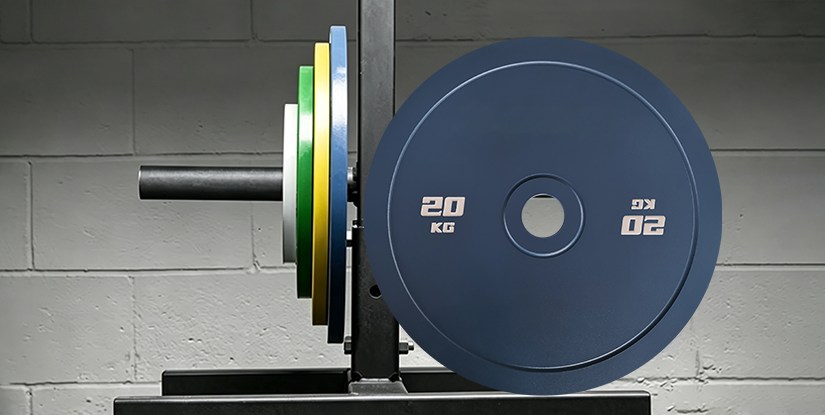
OEM and Private Label Capabilities for Global Distributors
Distributors and large-scale gym operators often face the challenge of generic product lines that fail to distinguish their market presence. Relying on standard stock can limit your ability to build a recognizable brand identity. Partnering with a professional cast iron plate foundry allows you to move beyond off-the-shelf solutions. By leveraging specialized OEM and ODM services, you can transform high-quality raw castings into a signature product line that reflects your specific market positioning.
A specialized China factory provides the infrastructure necessary for high-volume custom branding, ensuring that your logo and weight markings are integrated directly into the manufacturing process. Whether you require embossed lettering on the iron surface or specialized color-coded markings for rapid weight identification, these capabilities allow for precise control over your product's visual and functional specifications. This level of customization is essential for maintaining a premium brand image in competitive commercial markets.
For importers managing complex logistics, working with a direct supplier simplifies the wholesale process. We offer scalable solutions that accommodate various MOQ requirements, ensuring that your private label launch is both cost-effective and aligned with your inventory turnover goals. From the initial design phase to final export packaging, our wholesale manufacturing workflows are optimized to reduce your landed cost while maximizing your brand's differentiation.
Technical Customization and Specification Control
Achieving precision in commercial weight plate manufacturing requires more than just a mold; it requires rigorous control over the technical layers that define a professional product. A professional cast iron plate foundry offers deep customization options to ensure your branded plates meet international commercial standards. This includes selecting the exact surface finish and texture that aligns with your brand's aesthetic and durability requirements.
Customization extends from the foundational sand casting process to the final surface treatment. Buyers can choose between a classic bare iron finish with a phosphate treatment for a rugged look, or high-durability powder coating for enhanced color-coding and rust resistance. Furthermore, we provide advanced logo embossing capabilities, allowing your brand identity to be cast directly into the iron. This ensures that your logo remains permanent and legible even after years of heavy commercial use, unlike printed options that may wear off.
To maintain high-tier quality, we implement strict weight tolerance protocols during the final machining stages. This ensures that every unit in your wholesale iron plates order adheres to your specific weight accuracy requirements, minimizing discrepancies across your inventory. For procurement leads, these technical options allow for a tailored product that balances aesthetic appeal with the long-term durability required for high-traffic gym environments.
Customization Tier Comparison for Global Procurement
Selecting the appropriate level of service is critical for optimizing your distributor margins and managing inventory risk. Depending on your business model—whether you are a specialized studio brand or a large-scale equipment importer—the following tiers illustrate how technical variables like material, coating, and branding impact the final landed cost and MOQ. This comparison helps clarify the operational differences between standard stock and highly customized OEM solutions.
| Customization Level | Material & Process | Branding Method | Commercial Duty | MOQ Impact | Factory QC Point |
|---|---|---|---|---|---|
| Standard Stock | Gray Iron / Sand Casting | Standard Raised Lettering | General Commercial | Low | Weight Tolerance |
| Enhanced Branding | Gray Iron / Sand Casting | Color-Coded Powder Coating | Premium Studio/Gym | Medium | Coating Adhesion |
| Full Private Label | Precision Cast Iron | Custom Embossed Logo | High-Traffic Commercial | High | Bore Concentricity |
| Elite Specification | Machined Calibrated Steel | Laser Marking / Specialized Finish | Competition/Professional | Very High | Flatness & Surface Finish |
When evaluating your next batch, consider that higher customization levels typically involve longer lead times due to specialized mold creation and multi-stage surface finishing. A professional cast iron plate foundry provides the technical documentation and sample approval processes necessary to mitigate these risks. We recommend confirming your specific requirements for coating thickness and logo depth during the initial sourcing phase to ensure the final product meets your brand's quality expectations and commercial durability standards.
Optimizing Logistics and Export Packaging for Wholesale Iron Plates
For international distributors and large-scale gym operators, the true cost of procurement extends far beyond the unit price. When sourcing high-volume inventory, the landed cost—the total price of a product once it arrives at your warehouse or facility—is heavily influenced by shipping efficiency and weight-to-volume ratios. A professional cast iron plate foundry must prioritize sophisticated logistics planning to ensure that heavy, high-density goods do not incur unnecessary freight surcharges or damage during transit.
Inefficient packing or poor container management can quickly erode your profit margins, especially when dealing with the high mass typical of commercial weight plate manufacturing. To mitigate these risks, a reliable China factory implements rigorous export packaging standards designed to withstand the rigors of long-distance sea freight. By optimizing how wholesale iron plates are palletized and nested, suppliers can maximize every cubic meter of a shipping container, reducing the cost per unit for the end buyer.
Strategic Container Optimization and Shipping Efficiency
Maximizing container utility is a critical skill for any professional supplier managing bulk shipments. Because cast iron is a high-density material, the primary constraint is often weight capacity rather than volume. A specialized cast iron plate foundry utilizes strategic loading patterns to ensure that bulk orders reach their destination without exceeding legal road or sea weight limits, while still maintaining high density. This precision in container optimization ensures that you are not paying to ship empty space, directly improving your bottom-line ROI.
Furthermore, the choice between different shipping methods and MOQ levels can drastically alter your procurement budget. For instance, a factory capable of handling large-scale wholesale orders can offer more competitive sea freight rates through consolidated shipping or full container load (FCL) logistics. Understanding these variables allows importers to better forecast their inventory turnover and warehouse requirements. When negotiating your next contract, always confirm if the factory provides customized palletizing or specialized crate options to further protect your landed cost and ensure product integrity upon arrival.
Comparison of Packaging Methods for Commercial Procurement
Choosing the correct packaging method is a strategic decision that balances upfront protection against long-term logistics costs. For distributors, the decision often hinges on whether to prioritize volume efficiency for high-density shipments or maximum safety for high-value, custom-branded runs. A professional cast iron plate foundry provides several standardized options to accommodate different levels of transit risk and budget constraints.
| Packaging Type | Primary Benefit | Protection Level | Typical Use Case | Logistics Impact |
|---|---|---|---|---|
| Standard Palletization | High density / Low cost | Moderate | High-volume wholesale iron plates | Maximizes weight capacity in FCL |
| Reinforced Wooden Crates | Maximum damage prevention | High | Custom OEM or specialized weight sets | Increases volume and shipping weight |
| Shrink-Wrap & Cardboard | Space efficiency | Low/Standard | Small to mid-sized bulk orders | Reduces dead space in container |
When evaluating your next commercial weight plate manufacturing contract, consider how weight distribution affects your container loading plan. While wooden crates offer superior protection for intricate or painted surfaces, they occupy significant cubic volume, which can increase your landed cost by reducing the total number of units per container. Conversely, optimized palletization is the industry standard for cost-effective sourcing of heavy iron goods, ensuring that the weight-to-volume ratio remains highly profitable for the importer.
Before finalizing your shipment, we recommend requesting a detailed packing list and a photo of the proposed palletization from your supplier. This allows you to verify that the wholesale goods are secured with sufficient bracing and corner protection to prevent shifting during sea transit. Confirming these details upfront helps mitigate the risk of transit-related damage and ensures a smooth receipt of goods at your facility.