Cast Iron Weight Plate Bulk Purchase: Production Process
Cast Iron Weight Plate Bulk Purchase: Production and Sourcing Fundamentals
Successful procurement for high-volume gym setups depends on verifying three critical pillars: material consistency, machining precision, and logistical reliability. When executing a cast iron weight plate bulk purchase, professional buyers must look beyond the surface to understand the manufacturing depth of their China factory partner. A failure to validate these stages often results in uneven weight distribution or premature surface degradation, which increases long-term maintenance costs and reduces the total value of your inventory. Establishing a clear understanding of the transition from raw molten metal to finished, calibrated units is the first step in ensuring your wholesale order meets international commercial standards.
The production lifecycle begins with high-grade gray iron, which is processed through traditional sand casting to create the foundational shape of the plate. This stage is vital for establishing the commercial cast iron plates' structural integrity and density. Once the initial casting is complete, the units undergo rigorous machining to ensure the center bore is perfectly concentric. This precision is what separates high-tier wholesale weight plates from lower-quality alternatives, as it directly impacts how smoothly the plates fit onto Olympic barbells in a high-traffic commercial environment.
Following the shaping process, the plates enter the industrial casting QC phase, where weight calibration and surface finishing occur. During this stage, each unit is checked against strict tolerance standards to ensure the weight remains consistent across the entire batch. This level of industrial casting QC is essential for distributors who require predictable product specifications for their clients. Finally, the plates receive their protective coating—typically a high-durability powder coating or enamel—to prevent oxidation and ensure long-term commercial durability during heavy usage cycles.
Technical Specification and Manufacturing Comparison
To optimize your procurement strategy, it is essential to distinguish between various manufacturing paths. Choosing the right specification affects not only the initial landed cost but also the long-term maintenance requirements and your brand's reputation for quality. The following table outlines the typical production differences encountered during a cast iron weight plate bulk purchase, helping you select the appropriate tier for your specific market needs.
| Material | Coating | Process | Handle/QC Point | Commercial Duty | MOQ/Customization |
|---|---|---|---|---|---|
| Gray Iron | Bare Iron/Phosphate | Sand Casting | Bore Concentricity | Standard Commercial | Standard MOQ |
| Cast Iron | Powder Coating | Casting + Machining | Coating Adhesion | Premium Commercial | High OEM Capability |
| Carbon Steel | PU/Rubber Coating | Molding/Vulcanization | Rim Durability | High-End/Studio | Custom Branding |
When evaluating a supplier, focus on the finishing stage. For instance, a high-quality powder coating process involves an electrostatic application that ensures the coating does not chip easily during heavy handling. This is a critical factor for distributors looking to minimize replacement planning and maximize the lifespan of the equipment. During the industrial casting QC process, a professional factory will perform a weight tolerance spot-check and a surface smoothness test to ensure every unit in the wholesale shipment meets the agreed-upon specifications. If you require specific branding, most manufacturers offer OEM or ODM services to incorporate your logo directly into the casting or the final coating layer, providing a turnkey solution for your private label identity.
Export Standards and Logistics Optimization
The final stage of a China factory production cycle is as critical as the casting itself. For international importers, the risk of receiving damaged or non-compliant goods increases during long-distance transit. Therefore, a professional wholesale order must be protected by specialized export packaging protocols. This typically involves heavy-duty corrugated boxes, reinforced corner protectors, and standardized palletization to ensure the stability of the load within a shipping container. Proper packaging prevents the plates from shifting or sustaining surface abrasions, which preserves the integrity of the finish and prevents costly returns.
Effective procurement management also requires a deep understanding of the relationship between lead time and landed cost. When planning a cast iron weight plate bulk purchase, buyers should account for the time required for raw material sourcing, casting, machining, and the final inspection window. A reliable supplier will provide a transparent schedule that includes both production and shipping timelines. By coordinating the pre-shipment inspection with the final packaging stage, procurement leads can verify the weight tolerance and coating adhesion before the goods leave the facility. This proactive approach minimizes the risk of unexpected expenses and ensures that the total landed cost remains within the projected budget for your commercial project or distribution network.
Material Specifications and Casting Precision for Commercial Use
Achieving consistent weight standards is the primary challenge when managing a cast iron weight plate bulk purchase. For distributors and gym equipment importers, the difference between high-grade gray iron and inferior scrap-metal blends determines the long-term reliability of the inventory. A professional China factory must utilize standardized sand casting techniques to ensure structural integrity and prevent internal air pockets that lead to cracking under heavy commercial use.
Precision in the manufacturing stage directly impacts the total cost of ownership for the end-user. When sourcing commercial cast iron plates, buyers must evaluate the machine-drilled center bore and the concentricity of the plate. High-quality wholesale weight plates undergo rigorous industrial casting QC to ensure that the weight tolerance remains within acceptable industry-standard margins. This technical precision prevents uneven loading on barbell sleeves, reducing maintenance costs and increasing the lifespan of the entire strength training ecosystem.
Technical Comparison of Casting and Machining Standards
| Material Type | Primary Process | Key Component/Detail | Commercial Duty | MOQ Impact | Factory QC Point |
|---|---|---|---|---|---|
| Gray Iron | Sand Casting | Smooth outer rim | Standard commercial gym use | Standard | Surface density check |
| Cast Iron | Casting + CNC Machining | Precision center bore | High-traffic strength facilities | Medium | Weight tolerance verification |
| Carbon Steel | Forging or Machining | High-precision knurling | Professional/Competition environments | High | Concentricity and balance |
Beyond the structural casting, the final surface treatment determines the durability of the unit in high-moisture or high-friction environments. For large-scale importers, selecting the appropriate surface finishing method is a critical decision that impacts both the aesthetic appeal and the long-term maintenance requirements of the product line. A professional supplier will offer various tiers of protection, ranging from basic phosphate treatments to high-durability coatings.
The application of powder coating is the industry standard for premium commercial-grade equipment. This process provides a robust barrier against oxidation and physical abrasion, ensuring the branding and color remain intact even under heavy usage. When executing a cast iron weight plate bulk purchase, procurement leads should verify the adhesion quality of the coating. A superior China factory will utilize an automated powder coating line to ensure uniform thickness and prevent peeling, which is essential for maintaining a professional appearance in high-end fitness facilities.
For buyers focusing on specialized or high-performance niches, the level of CNC machining applied to the plate's surface and inner diameter is a non-negotiable quality metric. While standard sand casting provides the base shape, secondary machining ensures the plate sits perfectly flat and maintains high concentricity. This level of engineering precision reduces vibration and noise during heavy lifting, a key factor in the longevity of barbell sleeves and commercial racks. We recommend requesting a detailed specification sheet to confirm the exact CNC machining tolerances and the specific surface finishing protocols used in your wholesale order to ensure it meets your market's quality expectations.
Pre-Shipment Inspection and Export Quality Protocols
Reliability in a cast iron weight plate bulk purchase is ultimately validated during the final inspection stage. For international distributors, the risk of receiving batches with uneven weight distribution or surface defects can significantly damage profit margins and reputation. To mitigate this, a professional supplier must implement a rigorous industrial casting QC protocol that goes beyond basic visual checks. This includes verifying the base flatness of every unit to ensure they sit flush against barbell sleeves without wobbling, which is a critical indicator of high-grade CNC machining and proper weight calibration.
The physical interface of the plate—specifically the knurling depth and the smoothness of the center bore—must be inspected to prevent damage to premium barbell coatings. Furthermore, the coating adhesion of the powder coating should be tested against physical abrasion to ensure the finish does not chip or peel during high-frequency commercial use. We advise all procurement leads to request a pre-shipment inspection report that specifically confirms these technical tolerances. This level of scrutiny ensures that your wholesale shipment arrives ready for immediate deployment in high-traffic strength facilities.
Logistics efficiency is the final pillar of a successful sourcing strategy. High-quality export packaging is essential to protect the integrity of the iron and the applied finish during long-distance maritime transit. A reputable China factory will utilize reinforced corner protection and heavy-duty cartons or pallets to prevent impact damage and oxidation. When calculating your total landed cost, ensure you account for the lead time required for both production and these specialized packaging steps. For customized requirements, including OEM branding or specific weight increments, please contact us to confirm the MOQ and technical specifications for your next order.
Comparing Casting and Machining Processes for High-Volume Orders
For distributors and procurement managers, understanding the technical divergence between a standard cast product and a precision-machined unit is critical when planning a cast iron weight plate bulk purchase. While both methods originate from a China factory, the level of post-casting refinement directly dictates the weight tolerance and long-term commercial duty performance of the inventory. Rely with a supplier that differentiates between basic shape formation and high-precision finishing to ensure your landed cost reflects true value.
The primary distinction lies in the transition from sand casting to the final surface state. Standard sand casting produces the foundational geometry of the plate, but without secondary CNC machining, the inner diameter and contact surfaces may lack the uniformity required for premium commercial environments. For high-volume wholesale weight plates, the integration of machining stages ensures that the center bore is perfectly concentric, reducing friction and wear on barbell sleeves during heavy use.
| Production Method | Primary Process | Precision Level | Commercial Application | Procurement Impact |
|---|---|---|---|---|
| Standard Casting | Sand casting | Moderate | General fitness/Home use | Lower MOQ / Higher speed |
| Precision Machined | Casting + CNC machining | High | Commercial cast iron plates | Higher value / Lower replacement rate |
| Competition Grade | Forging or Precision Casting | Extreme | Professional training centers | Strict industrial casting QC required |
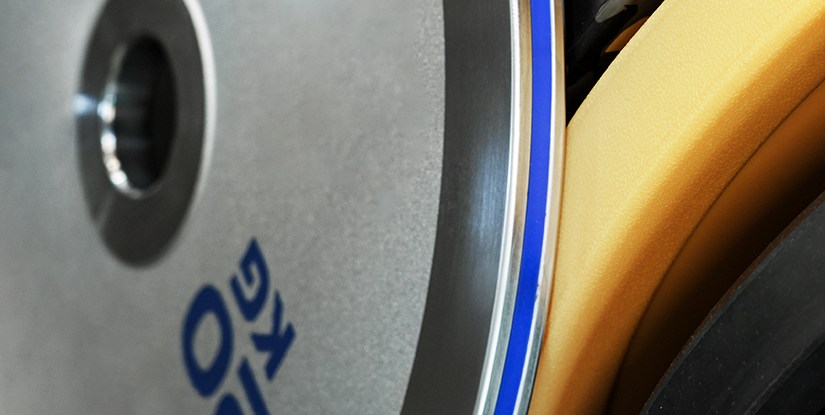
When conducting industrial casting QC, professional buyers should focus on the concentricity of the center hole and the smoothness of the weight markings. A factory that utilizes automated CNC machining after the initial sand casting phase can offer much tighter tolerances, which is essential for maintaining the professional standard of your private label or branded product line. Evaluating these technical nuances during the sourcing phase prevents the high cost of returns and customer dissatisfaction in the long term.
Technical Selection Guide for High-Volume Procurement
Selecting the appropriate manufacturing route depends on your target market segment and the desired margin for your wholesale weight plates. While standard sand casting is the most cost-effective method for mass-market distribution, precision-machined units provide the technical reliability required for high-traffic facilities. When managing a cast iron weight plate bulk purchase, the choice between these two processes will ultimately dictate your long-term replacement rates and customer satisfaction levels.
For distributors focusing on high-volume, budget-friendly inventory, standard casting offers the fastest lead times and lowest MOQ requirements. However, for premium commercial cast iron plates, we recommend specifying a secondary machining stage. This ensures the center bore remains perfectly concentric and the weight tolerance stays within acceptable industry-standard ranges, protecting the barbell sleeves from uneven wear and increasing the total lifespan of the equipment in a professional gym setting.
Critical Inspection Points for Pre-Shipment Validation
Before finalizing a cast iron weight plate bulk purchase, it is essential to establish a rigorous pre-shipment inspection protocol. For large-scale importers, the risk is not just in the weight itself, but in the structural uniformity and surface integrity of each unit. A professional supplier should provide documented evidence of weight calibration and concentricity testing to ensure that every plate in the container meets the exact specifications of your order.
During the final industrial casting QC stage, technical auditors should focus on three specific areas: the center bore diameter, the surface smoothness, and the coating adhesion. A high-quality factory will utilize precision instruments to verify that the inner ring is free from burrs or irregularities that could damage premium barbell sleeves. Furthermore, checking the surface smoothness and the consistency of the powder coating ensures that your wholesale weight plates arrive with a professional, uniform appearance that supports your brand identity and reduces the likelihood of localized rust or chipping during transit.
To mitigate the risks associated with high-volume sourcing, we suggest requesting a sample approval or a video walkthrough of the final inspection process. This transparency allows you to confirm that the commercial cast iron plates align with your quality standards before they are packed into export-grade shipping containers. By verifying these technical benchmarks early, you protect your distributor margins and ensure a lower total cost of ownership for your end-users.
Industrial Casting QC and Export Standards for Global Distributors
Maintaining consistent weight accuracy is a primary concern for distributors managing large-scale inventory. A professional cast iron weight plate bulk purchase requires a rigorous transition from the initial sand casting stage to the final finished product. Without strict oversight, variations in material density and machining can lead to significant discrepancies in weight calibration, impacting your brand reputation and client satisfaction.
To mitigate these risks, a reputable China factory implements a multi-stage industrial casting QC protocol. This process ensures that every unit meets the high-precision demands of the global fitness market. By controlling the variables during the casting and finishing phases, manufacturers can guarantee that commercial cast iron plates maintain strict tolerance standards, providing the reliability required for professional strength training environments.
Effective wholesale weight plates sourcing involves more than just selecting a supplier; it requires verifying the technical capabilities of the production line. From the precision of the center bore to the uniformity of the surface coating, every detail impacts the long-term value of your bulk order. High-tier manufacturers prioritize these technical specifications to ensure a lower total cost of ownership for the end-user and higher margins for the distributor.
A standardized inspection framework allows procurement managers to quantify quality beyond simple visual checks. When managing a cast iron weight plate bulk purchase, evaluating the technical differentiation between standard production and high-tier output is essential for long-term inventory stability. The following table outlines the critical checkpoints required to ensure your wholesale weight plates meet the rigorous demands of professional strength facilities.
| Technical Metric | Standard Production | High-Tier Commercial Spec | Primary QC Checkpoint | Sourcing Impact |
|---|---|---|---|---|
| Weight Tolerance | Variable density | Strict calibration | Mass precision check | Inventory accuracy |
| Concentricity | Basic alignment | Precision CNC bore | Center hole centering | Barbell compatibility |
| Surface Finish | Rough casting | Smooth powder coating | Coating adhesion test | Durability & aesthetics |
| Edge Profile | Sharp or uneven | Uniform beveling | Tactile edge inspection | User safety & handling |
| Bore Uniformity | Manual machining | Precision diameter | Inner ring diameter | Smooth loading/unloading |
For distributors looking to establish a private label or a high-end product line, the level of industrial casting QC applied during the manufacturing process determines the competitive edge. A factory that utilizes CNC-machined center bores and multi-stage powder coating lines will significantly reduce the rate of returns and customer complaints compared to those using basic sand-casting methods without secondary machining.
When negotiating MOQ or discussing OEM requirements, we recommend requesting a detailed specification sheet that includes the specific weight tolerance and surface treatment protocols. This transparency allows you to confirm that the commercial cast iron plates arriving at your warehouse are truly optimized for heavy-duty commercial duty use, protecting your margins and brand integrity.
OEM/ODM Capabilities and Custom Branding for Private Labels
For international distributors and large-scale gym operators, the ability to transition from a mere importer to a recognized brand owner is a critical lever for long-term growth. A strategic cast iron weight plate bulk purchase provides more than just inventory; it offers the foundation for a proprietary product line. By leveraging OEM and ODM services from a professional China factory, buyers can move beyond generic stock to establish a distinct market presence.
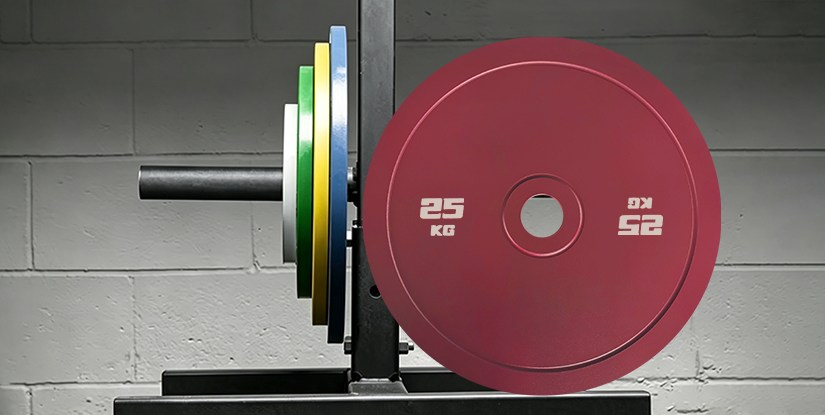
The transition to private label manufacturing allows you to control your brand identity through custom branding, such as embossed logos or specialized color finishes. This level of customization is essential for maximizing your distributor margin. Instead of competing solely on price against generic commodities, you are selling a branded experience that builds customer loyalty and justifies premium positioning in the commercial fitness market.
While high-volume orders typically require a specific MOQ to activate specialized production lines, the long-term ROI of a branded product line often outweighs the initial wholesale entry barriers. Whether you are seeking commercial cast iron plates with unique aesthetic profiles or specific weight markings, a dedicated supplier can align production with your specific market requirements.
Customization Options: Branding Methods and Surface Finishes
When planning a cast iron weight plate bulk purchase, the distinction between standard stock and a premium branded line lies in the technical execution of the surface. For high-end distributors, selecting the right combination of casting and finishing is vital to ensure the product meets the durability standards of a professional training environment while maintaining a high-quality aesthetic.
| Material | Branding Method | Surface Finish | Commercial Duty | MOQ Impact | Factory QC Point |
|---|---|---|---|---|---|
| Cast Iron | Logo Embossing | Bare Iron / Phosphate | Standard Commercial | Lower | Embossing Depth & Clarity |
| Cast Iron | Logo Embossing | Powder Coating | Premium Commercial | Medium | Coating Adhesion |
| Cast Iron | Laser Etching | Black Enamel | High-End Boutique | Higher | Edge Smoothness |
| Carbon Steel | Custom Painting | CNC Machining | Competition Spec | Highest | Weight Tolerance |
For most wholesale weight plates, the industry standard involves sand casting followed by logo embossing. This method integrates your brand directly into the mold, ensuring the logo remains permanent and cannot be worn away by heavy usage. For a more refined look, many buyers opt for CNC machining on the center bore to ensure precise concentricity and a perfect fit for Olympic barbells. To protect the metal from oxidation and enhance durability, a high-grade powder coating is the preferred choice for commercial cast iron plates, providing a consistent, impact-resistant layer that withstands the rigors of a high-traffic gym floor.
The choice between a simple phosphate treatment and a multi-layer coating will directly influence your landed cost and the perceived value of your brand. We recommend evaluating these specifications during the sample approval stage to ensure the final product aligns with your target market's expectations. Contact our sourcing team to confirm the MOQ for specialized powder coating or custom embossed orders.
Logistics, Lead Time, and Export Readiness
Successful procurement of a cast iron weight plate bulk purchase depends as much on logistical precision as it does on product quality. For international distributors, understanding the interplay between customization and the total landed cost is essential for maintaining healthy margins. When you move from standard stock to a private label or OEM specification, the lead time typically extends to accommodate specialized mold preparation, powder coating application, or custom logo embossing. A professional China factory will provide a detailed production schedule that accounts for these variables, ensuring your warehouse replenishment remains predictable.
To mitigate risks during transit, specialized export packaging is mandatory. Unlike retail shipping, a wholesale order of commercial cast iron plates requires heavy-duty, reinforced palletizing and moisture-resistant wrapping to prevent oxidation during long-sea voyages. We implement a rigorous industrial casting QC protocol that includes a final pre-shipment inspection. This process focuses on weight tolerance, coating adhesion, and the structural integrity of the center bore. By verifying these technical details at the factory before the container is sealed, we ensure that your sourcing efforts result in a high-performance, market-ready product that meets the strict demands of global commercial fitness standards.
Optimizing Landed Cost and Logistics for Bulk Shipments
For international distributors and gym equipment importers, the cast iron weight plate bulk purchase process extends far beyond the initial unit price. A professional procurement strategy must account for the total landed cost, which includes freight, duties, and the efficiency of container utilization. When sourcing from a China factory, optimizing the volumetric density of your shipment is the most effective way to protect your distributor margins and ensure a competitive ROI.
Inadequate export packaging can lead to two costly scenarios: excessive shipping volumes due to poor stacking or damaged goods upon arrival. High-volume buyers should prioritize a supplier that utilizes standardized, reinforced palletizing and optimized container loading patterns. By maximizing the weight-to-volume ratio within a standard 20ft or 40ft container, you significantly reduce the per-unit shipping expense, directly improving your long-term shipping efficiency.
Strategic wholesale weight plates procurement also requires a clear understanding of how MOQ levels and shipping configurations interact. For instance, ordering in full container loads (FCL) rather than less-than-container loads (LCL) typically yields a much lower landed cost due to reduced handling fees and optimized industrial casting QC monitoring during the loading phase. We recommend coordinating closely with your factory to align your commercial cast iron plates order with standard shipping dimensions to prevent wasted space and unnecessary freight overhead.
Logistics Configuration and Cost Impact Analysis
Understanding the relationship between weight density and volume is critical when planning a cast iron weight plate bulk purchase. Because cast iron is a high-density material, your primary logistics constraint is usually weight capacity rather than volumetric space. However, the way your wholesale weight plates are palletized and secured can drastically alter the total landed cost and the safety of the cargo during ocean transit.
The following table illustrates how different shipping and packaging configurations impact your procurement efficiency and the final cost structure for commercial cast iron plates. Selecting the right configuration depends on your specific warehouse handling capabilities and your target volume efficiency.
| Packaging Configuration | Shipping Method | Volume Efficiency | Logistics Complexity | Primary Cost Impact |
|---|---|---|---|---|
| Individual Cardboard Box | LCL / Air Freight | Low | High (Manual Handling) | High Unit Freight Cost |
| Reinforced Steel Crate | FCL (20ft/40ft) | Medium | Low (Forklift Ready) | Optimized Weight-to-Volume |
| Industrial Shrink-Wrapped Pallet | FCL (Container Load) | High | Minimal (Standardized) | Lowest Per-Unit Landed Cost |
When managing a large-scale industrial casting QC inspection, we recommend requesting a pre-shipment loading plan. A professional shipping method assessment ensures that your pallets are stacked to withstand the lateral pressure of a container. By standardizing your palletization requirements with your supplier, you can minimize breakage and ensure that your high-density inventory arrives at your distribution center ready for immediate commercial deployment.