Sourcing Cast Iron Weight Plates Set: a Buyer Checklist
Lifecycle Economics of Cast Iron vs. Alternative Weighting Options
Many procurement managers mistakenly focus solely on the unit price of a cast iron weight plates set, often overlooking the hidden costs of frequent replacement. A superior sourcing strategy prioritizes long-term durability and low maintenance cycles over the lowest initial investment to ensure a better return on investment for high-traffic facilities.
In professional commercial gym equipment procurement, the goal is to minimize the frequency of reordering. While rubber-coated or polyurethane alternatives offer certain aesthetic benefits, high-quality cast iron remains the industry standard for longevity and structural integrity in heavy-duty environments.
| Procurement Factor | Standard Cast Iron Set | Polyurethane Coated Set | Rubber Encased Set |
|---|---|---|---|
| Initial Investment | Lowest | Highest | Moderate |
| Expected Lifespan | Decades (High) | Long (High) | Moderate (Coating Wear) |
| Maintenance Needs | Minimal (Rust Prevention) | Low | Periodic Coating Checks |
| TCO Profile | Optimal for Bulk Sourcing | Premium/Niche Use | Balanced/Versatile |
When calculating the total cost of ownership, consider that a premium cast iron weight plates set with superior powder coating reduces the need for frequent replacement due to oxidation. This stability protects your margins by extending the replacement cycle across several years of intensive commercial use.
Beyond material durability, facility layout and storage density play a critical role in your long-term operational efficiency. High-density storage is essential for distributors and gym owners managing limited square footage in high-traffic urban training centers.
Space Efficiency and Storage Optimization
The physical footprint of your weight sets directly impacts your facility's capacity. While bumper plates are often preferred for high-impact movements, they occupy significantly more volume per kilogram than traditional iron options. For strength-focused facilities or boutique powerlifting gyms, the compact profile of a cast iron weight plates set allows for more efficient rack loading and smaller storage footprints.
When evaluating cast iron plate manufacturing standards, ensure the center hole diameter is consistent. Uniformity in hole dimensions is not just a quality metric; it ensures that plates stack tightly and predictably on bars and storage trees, preventing the uneven weight distribution that can lead to equipment fatigue or increased maintenance costs in a commercial setting.
Mitigating Hidden Costs in Bulk Procurement
To protect your margins, look beyond the base price. Unforeseen expenses often arise from inadequate quality control or shipping errors. Negotiating a clear MOQ is vital, but securing a rigorous bulk weight plate inspection protocol is what truly prevents costly returns. Always factor in logistics costs—including heavy-load surcharges and palletization requirements—to ensure your long-term ROI isn't eroded by shipping overhead or damaged inventory arriving at your facility.
Technical Benchmarks for Cast Iron Plate Manufacturing Standards
High-volume facility operators must prioritize material density and precision during the sourcing process. A high-quality cast iron weight plates set relies on consistent metallurgical composition to ensure that every unit meets strict weight specifications, preventing the mechanical imbalances that lead to premature equipment wear.
Tolerance Levels and Structural Integrity
In professional commercial gym equipment procurement, the difference between premium and budget suppliers often lies in the tolerance levels. Tight manufacturing tolerances ensure that each plate in a cast iron weight plates set maintains uniform thickness and diameter. Significant deviations can cause uneven loading on barbells, compromising the structural integrity of the lifting bar and increasing the risk of client injury. For distributors, verifying that a factory maintains strict weight deviation limits is essential to minimize returns and maintain professional standards.
Manufacturing Method and Coating Durability Comparison
Selecting the right production method directly impacts the long-term Total Cost of Ownership (TCO). While sand casting is a standard industry method, precision casting offers superior consistency for high-end commercial facilities. Furthermore, the choice between powder coating and liquid paint determines how frequently your maintenance team will need to address surface oxidation or chipping.
| Manufacturing/Coating Type | Structural Profile | Durability Rating | TCO Impact |
|---|---|---|---|
| Sand Casting | Standard texture; higher porosity | Moderate | Lower initial cost; higher maintenance |
| Precision Casting | Smooth finish; consistent density | High | Premium upfront; minimal replacement |
| Powder Coating | Thick, resilient layer | Excellent | Long lifecycle; resists impact chipping |
| Liquid Paint | Thin, aesthetic layer | Low | Cheap; requires frequent touch-ups |
For large-scale distributors, investing in precision casting paired with powder coating reduces the long-term frequency of replacement cycles. While the initial procurement cost may be higher, the reduced need for repainting or discarding irregular units provides a superior return on investment for high-traffic gym environments.
Inspection Protocols for Surface and Dimensional Accuracy
Rigorous bulk weight plate inspection is the final safeguard against substandard shipments. Procurement managers should demand documentation regarding quality control (QC) benchmarks to ensure surface porosity is minimized; excessive pitting or air bubbles can compromise the aesthetic finish and structural density. Furthermore, verifying dimensional deviation is critical. Even minor discrepancies in the center hole diameter or plate thickness can lead to unstable barbell loading. Establishing a strict inspection checklist with a distributor reliability assessment ensures that every cast iron weight plates set arriving at your facility meets the high-performance expectations of a commercial environment.
Critical Tolerance and Dimensional Precision in Commercial Procurement
In professional strength training environments, the dimensional precision of a cast iron weight plates set directly dictates the long-term operational efficiency of the facility. When sourcing for high-traffic venues, procurement managers must look beyond weight accuracy to focus on thickness and diameter consistency.
Strict tolerance levels are essential to ensure that plates stack uniformly on bars without wobbling or uneven weight distribution. Inconsistent dimensions can lead to premature wear on barbell sleeves and increased frequency of maintenance. Furthermore, standardized plate thickness optimizes facility layout and storage density, allowing distributors and gym owners to maximize usable floor space and manage equipment transitions more effectively during commercial gym equipment procurement.
To mitigate the risk of uneven loading or barbell sleeve damage, implement a rigorous bulk weight plate inspection protocol. Relying on visual cues is insufficient; professional buyers should demand technical specifications regarding manufacturing tolerances. A high-quality cast iron plate manufacturing standards report should ideally detail the following thresholds to ensure consistency across a full cast iron weight plates set.
| Metric Type | Standard Tolerance Threshold | Procurement Impact |
|---|---|---|
| Weight Deviation | ±1% to ±2% | Ensures balanced loading for heavy compound lifts |
| Plate Thickness | ±1.5mm to ±2.0mm | Prevents uneven stacking and sleeve friction |
| Diameter/Center Hole | ±0.5mm to ±1.0mm | Guarantees seamless fit on standard 50mm bars |
During quality control (QC), verifying these dimensions prevents the common mistake of accepting batches with high variance. For distributors managing large-scale inventory, consistent thickness is particularly vital for maintaining a professional aesthetic and ensuring that storage racks do not become unevenly weighted over time.
Optimizing Total Cost of Ownership Through Precision
Neglecting dimensional precision during the initial procurement decision can significantly inflate the Total Cost of Ownership (TCO). Slight deviations in thickness or diameter often lead to uneven wear on high-end barbell sleeves, necessitating more frequent equipment replacements or costly repairs. When plates do not sit flush, the resulting vibration and friction can compromise barbell compatibility, especially under heavy loads.
For facility managers, investing in a high-spec cast iron weight plates set reduces long-term maintenance cycles. While lower-cost, high-variance batches may offer immediate savings, the cumulative cost of damaged bars and diminished user experience often outweighs the initial discount. Prioritize manufacturing consistency to protect your long-term capital assets.
Surface Integrity and Coating Durability for High-Traffic Environments
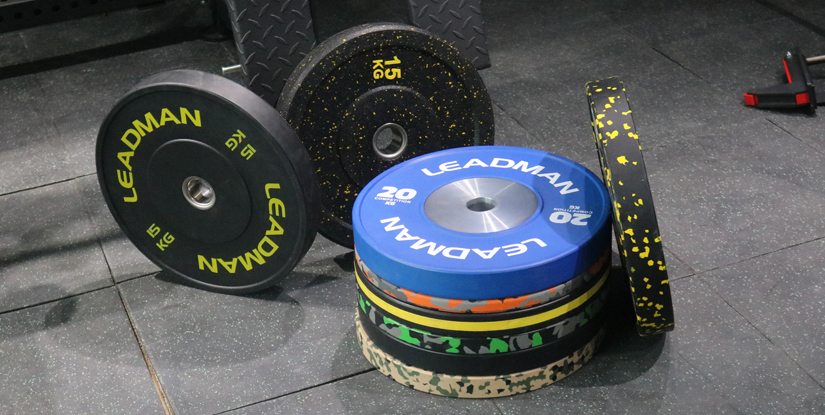
In high-traffic environments, the structural resilience of a cast iron weight plates set depends heavily on surface integrity. For commercial gym equipment procurement, assessing the quality of the finish is not merely an aesthetic choice but a critical factor in managing long-term Total Cost of Ownership (TCO). Poorly executed coatings often lead to premature oxidation and unsightly chipping when plates are stacked or dropped during intense training sessions.
Substandard manufacturing can result in surface imperfections that compromise the plate's lifespan. High-quality industrial coatings act as a vital barrier, preventing rust and ensuring the equipment remains professional in appearance despite heavy daily use. When sourcing in bulk, verifying the adhesion strength and thickness of the coating is essential to avoid frequent replacement cycles and high maintenance costs.
Evaluating Coating Types for Long-Term ROI
Choosing the right finish involves a strategic trade-off between initial procurement costs and long-term maintenance requirements. Depending on your facility's target demographic—whether a budget-friendly warehouse gym or a premium boutique studio—the surface treatment will dictate how often your staff must perform upkeep or replace oxidized units.
| Coating Type | Durability & Impact Resistance | Aesthetic Longevity | Maintenance Needs | Cost-Effectiveness |
|---|---|---|---|---|
| Powder Coating | High; resistant to chipping | Excellent; consistent color | Low; easy to clean | Moderate premium |
| Black Enamel | Moderate; prone to scuffs | Good; classic look | Moderate; requires wiping | High/Budget-friendly |
| Raw Cast Iron | Variable; prone to rust | Low; develops patina | High; requires oiling | Maximum/Lowest initial |
For distributors and large-scale facility managers, powder coating typically offers the best balance for high-use commercial settings due to its superior adhesion. While raw cast iron minimizes upfront shipping and manufacturing costs, the high maintenance overhead and risk of oxidation often lead to a higher TCO in humid environments.
Rigorous Quality Control and Inspection Protocols
Effective bulk weight plate inspection must extend beyond visual surface checks to include a rigorous assessment of structural integrity. During procurement, request documentation that confirms adherence to cast iron plate manufacturing standards to mitigate the risk of receiving defective stock. Essential inspection points include checking for casting flaws such as air bubbles, cracks, or uneven density that can cause structural failure under heavy load.
Inspect the edge smoothness of every unit to ensure no jagged burrs exist, which can damage flooring or user gloves. Furthermore, verify that the rust prevention measures are robust; a single weak point in the coating can lead to widespread oxidation across a shipment. When negotiating MOQ considerations, always factor in a small percentage of buffer stock to account for potential shipping transit damage, ensuring your inventory remains consistent and high-quality.
Logistics and Inventory Management for Bulk Weight Plate Orders
Efficiently managing a cast iron weight plates set requires more than just floor space; it demands a strategic approach to facility layout and structural integrity. For high-volume procurement, buyers must account for the long-term logistical footprint of their inventory within the training environment.
Facility Layout and Structural Load
When planning your commercial gym equipment procurement, do not overlook the physical impact of heavy iron on your building. A large cast iron weight plates set concentrated in one area can create significant localized pressure. It is critical to verify the floor load capacity of your facility, especially in multi-story builds or boutique studios with wooden subfloors. Optimized weight distribution through heavy-duty storage racks helps prevent structural fatigue and ensures that the density of the iron does not compromise the integrity of the training surface over time.
Selecting the right storage method is a trade-off between immediate cost-efficiency and long-term operational workflow. Procurement managers must evaluate whether the priority is high-density storage for transit or rapid accessibility for high-traffic gym floors.
Comparing Storage Solutions for Inventory Management
| Storage Method | Accessibility | Footprint | Durability/Safety | Best Use Case |
|---|---|---|---|---|
| Vertical/A-Frame Racks | High (Rapid selection) | Low (Vertical stack) | High (Structural support) | Active commercial gym floors |
| Floor Pallets | Low (Manual retrieval) | High (Horizontal spread) | Moderate (Risk of shifting) | Warehouse/Distributor storage |
| Wall-Mounted Brackets | Moderate (Fixed position) | Minimal (Wall-integrated) | High (Fixed load) | Boutique or compact studios |
While pallet-based storage offers the highest cost-efficiency during the shipping and receiving phase, it lacks the accessibility required for daily commercial operations. For distributors and large-scale facilities, investing in heavy-duty racks is a standard practice to maximize durability and ensure the footprint of the cast iron weight plates set remains organized and safe for end-users.
Environmental Protection and Oxidation Prevention
Long-term durability depends heavily on moisture control during the transit and storage phases. Even when meeting strict cast iron plate manufacturing standards, untreated iron remains susceptible to surface rust if exposed to high humidity. To ensure high-quality inventory turnover, buyers should mandate that all shipments utilize moisture-resistant packaging or VCI (Volatile Corrosion Inhibitor) films.
A rigorous bulk weight plate inspection protocol must include a visual check for early signs of oxidation before the product enters your facility. For distributors, maintaining a climate-controlled environment is the most effective oxidation prevention strategy, protecting the aesthetic and structural integrity of the metal throughout its lifecycle.
Standard Inspection Protocols for Incoming Wholesale Shipments
Efficient commercial gym equipment procurement requires a strict transition from factory QC to facility receiving. Before unboxing a cast iron weight plates set, inspectors must verify that the batch aligns with established cast iron plate manufacturing standards to prevent long-term operational friction.
The inspection scope focuses on structural integrity and dimensional precision. Verify that the tolerance levels for center hole diameters remain consistent across the entire shipment to ensure seamless compatibility with various barbell sleeves. Additionally, examine each unit for surface uniformity; uneven casting or inconsistent coating thickness can lead to premature oxidation or uneven weight distribution during high-volume use.
To minimize the risk of returns or onsite equipment failure, procurement managers should implement a standardized bulk weight plate inspection workflow. Use the following technical checklist to evaluate the physical and dimensional integrity of your incoming inventory.
| Inspection Criteria | Acceptable Tolerance | Common Defects to Reject | Inspection Method |
|---|---|---|---|
| Weight Deviation | ±1% to 1.5% | Significant weight variance between plates | Digital scale verification |
| Center Hole Diameter | ±0.5mm | Irregular edges or oval shapes | Calibrated digital calipers |
| Surface Coating | Uniform application | Bubbling, peeling, or thin spots | Visual inspection & tactile check |
| Structural Integrity | No visible cracks | Casting pits or micro-fractures | Light impact or visual scrutiny |
Identifying these discrepancies during the receiving phase protects your long-term ROI. A single batch of inconsistent plates can damage barbell sleeves or cause client dissatisfaction in high-traffic commercial settings.
Prioritize Coating Quality and Edge Integrity
Beyond dimensional accuracy, the longevity of a cast iron weight plates set depends heavily on surface finishing. For high-traffic commercial use, the coating quality must be resilient enough to withstand constant friction and environmental moisture. A substandard finish often leads to rapid oxidation, which increases the labor burden for facility staff.
During your bulk weight plate inspection, pay close attention to edge smoothness. Sharp or irregular edges are not merely aesthetic flaws; they can cause premature wear on barbell sleeves and increase the risk of minor user injuries. Ensure the edges are consistently rounded and the coating is seamlessly bonded to the metal. High-grade rust prevention is non-negotiable for distributors and gym owners looking to minimize long-term maintenance cycles and preserve the visual appeal of their strength equipment inventory.
Common Sourcing Pitfalls in International Weight Plate Procurement
Prioritizing low unit prices over strict cast iron plate manufacturing standards often leads to significant financial setbacks. In commercial gym equipment procurement, the initial savings from a "cheap" cast iron weight plates set are frequently negated by long-term operational liabilities and high replacement frequencies.
The High Cost of Low Tolerances
Ignoring technical specifications creates substantial hidden costs that impact facility longevity. When a supplier fails to maintain precise weight tolerance, the resulting uneven thickness across a set can cause barbell imbalances. For high-end commercial clients, these discrepancies lead to increased equipment wear, uneven loading on racks, and potential liability issues. Investing in quality control during the manufacturing stage is far more cost-effective than managing frequent returns or replacing substandard inventory mid-season.
Evaluating Total Cost of Ownership (TCO)
A common mistake for distributors and facility managers is focusing solely on the invoice price per unit. To make an informed decision, you must weigh the immediate savings of unverified suppliers against the long-term reliability of standard-compliant manufacturers. The following table illustrates how low-cost sourcing often results in higher expenses over the equipment's lifecycle.
| Evaluation Metric | Low-Cost Unverified Suppliers | Standard-Compliant Manufacturers |
|---|---|---|
| Weight Tolerance | High variance; inconsistent sets | Strict precision; uniform loading |
| Coating Durability | Frequent chipping and oxidation | Resilient, high-grade finishes |
| Shipping Efficiency | Poor packaging; high breakage risk | Optimized volume; secure palletization |
| Total Cost of Ownership | High (Frequent replacement/returns) | Low (Long-term durability/reliability) |
When conducting a bulk weight plate inspection, remember that a higher upfront investment in a quality cast iron weight plates set typically reduces maintenance cycles and protects your brand reputation in the long run.
Logistics and MOQ Miscalculations
Budget overruns often stem from failing to account for the interplay between MOQ requirements and shipping volume. Because iron is high-density, even minor deviations in palletization can spike volumetric weight costs or exceed container capacities. Without a rigorous bulk weight plate inspection, you risk receiving shipments plagued by quality control (QC) failures, such as cracked rims or uneven coatings. These errors do more than just delay timelines; they trigger massive replacement costs and secondary freight charges that quickly erode any initial margin gains from low-cost sourcing.