Selecting Cap Cast Iron Plates for Group Fitness Programs
Optimizing Procurement Through Total Cost of Ownership
For large-scale fitness franchises or multi-location distributors, the initial unit price of weight plates is often a secondary metric compared to long-term operational stability. When sourcing for high-traffic group training environments, the selection of cap cast iron plates should be driven by their ability to withstand rigorous, repetitive loading cycles without structural degradation.
Evaluating Long-Term ROI and Maintenance
High-intensity group classes place unique stresses on equipment, making the durability of commercial weight plates a critical factor in your facility's lifecycle management. While lower-quality casting may offer a lower upfront cost, the hidden expenses of frequent replacements and high maintenance costs can quickly erode your profit margins. Investing in premium-grade cap cast iron plates ensures a predictable replacement cycle and minimizes downtime caused by damaged or unevenly weighted equipment.
| Procurement Metric | Standard Grade Plates | Premium Cap Cast Iron |
|---|---|---|
| Initial Capital Outlay | Lower | Moderate |
| Replacement Frequency | Higher (due to wear) | Low (high durability) |
| Maintenance Requirements | Frequent inspection | Minimal |
| Long-term ROI | Unpredictable | Optimized/Stable |
From a strategic sourcing perspective, prioritizing high-quality casting reduces the frequency of re-ordering and mitigates the logistical complexities of frequent shipping. For distributors and gym owners, this stability translates to a superior long-term ROI, as the equipment remains a reliable asset throughout its intended service life.
Budgeting for Different Usage Intensities
Distributors and procurement managers must align their inventory with the specific programming of the facility. A boutique studio focusing on low-impact training has different budgetary requirements than a high-volume CrossFit box or a heavy-duty strength training zone. Choosing the right configuration prevents overspending on unnecessary features while avoiding the pitfalls of under-specifying equipment for high-intensity use.
| Plate Configuration | Typical Application | Cost Impact | Durability Profile |
|---|---|---|---|
| Standard Uncoated Cast Iron | Low-traffic boutique studios or hotel gyms | Lowest per-unit cost | Susceptible to oxidation/rust in humid environments |
| Powder Coated/Painted Finish | Commercial strength training facilities | Moderate premium | Improved corrosion resistance and surface protection |
| High-Grade Premium Cap Design | High-intensity group fitness & heavy lifting | Highest initial investment | Maximum impact resistance and long-term structural integrity |
When calculating your total procurement budget, consider the environmental variables of your target market. For example, if shipping to coastal regions or facilities with high humidity, the cost of upgrading to coated options is often offset by the reduced need for rust-related replacements. For bulk wholesale orders, evaluating the trade-off between unit price and the frequency of re-stocking is essential for maintaining a lean supply chain.
Logistics and Bulk Order Optimization
Efficient strength training equipment procurement requires a deep understanding of the relationship between order volume and landed costs. When sourcing cap cast iron plates at a wholesale level, the primary cost drivers shift from individual unit prices to shipping volume and freight efficiency. Because cast iron is a high-density, heavy-weight commodity, even minor optimizations in packaging or pallet configuration can significantly impact the total cost of goods sold (COGS).
To maximize budget utility, procurement managers should evaluate MOQ (Minimum Order Quantity) requirements against their facility's growth projections. Ordering in larger batches may unlock more competitive wholesale pricing and reduce the per-unit freight burden, but it also requires strategic warehouse management. For international distributors, freight optimization—such as maximizing container utilization and choosing between LCL (Less than Container Load) and FCL (Full Container Load)—is a critical lever to ensure that the savings gained from bulk purchasing are not lost to inefficient logistics and high shipping surcharges.
Evaluating Structural Integrity and Barbell Accessory Compatibility
In high-intensity training environments, the longevity of your strength training equipment depends on the ability of the weight to withstand repeated mechanical stress. For procurement managers, ensuring that cap cast iron plates maintain their physical form under heavy use is a critical factor in reducing long-term replacement costs and maintaining facility standards.
The Importance of Center Hole Precision and Rim Strength
The structural integrity of commercial weight plates is primarily tested at the interface between the plate and the barbell. High-quality cap cast iron plates must feature exceptional center hole precision to prevent wobbling or uneven weight distribution, which can lead to premature wear on barbell sleeves and accessories. In high-traffic group fitness settings, plates are frequently dropped or loaded rapidly; therefore, high impact resistance at the rim and the central bore is non-negotiable. If the center hole deforms or expands due to poor casting quality, it compromises barbell accessory compatibility, potentially damaging expensive collars or specialized bars. For distributors and facility owners, sourcing plates with consistent metallurgical density ensures the equipment remains safe and functional throughout its intended lifecycle.
Comparing Edge Profiles and Tolerance Standards
Selecting the correct weight plate requires more than just checking the weight increments. The physical geometry of the plate dictates how well it integrates with your existing inventory. Procurement teams must evaluate the specific weight plate edge profiles and center hole tolerances to ensure seamless barbell accessory compatibility, especially when using specialized barbell collars or high-end barbell sleeves.
| Feature Specification | Standard Beveled Edge | Precision Chamfered Edge |
|---|---|---|
| Edge Profile | Rounded/Soft Bevel | Angular/Precision Chamfer |
| Primary Use Case | General strength training | High-intensity/Olympic lifting |
| Accessory Fit | Standard spring or lock collars | High-tension competition collars |
| Maintenance Impact | Moderate wear on sleeves | Minimal sleeve friction/wear |
While a standard beveled edge is cost-effective for general commercial gym use, a precision-cast chamfered edge offers superior control during rapid transitions. For facilities prioritizing low facility maintenance, sourcing plates produced through advanced precision casting is essential. These plates maintain a strict tolerance level, preventing the "slop" or rattling often seen in lower-quality batches. This precision ensures that heavy-duty barbell collars seat perfectly every time, protecting your long-term investment in barbell sleeves and high-performance bars.
Optimizing Total Cost of Ownership Through Durability
When planning long-term strength training equipment procurement, the initial purchase price should never overshadow the total cost of ownership. In commercial gym settings, the most significant hidden expense is often the accelerated barbell sleeve wear caused by substandard weight plates. Low-quality castings with inconsistent center diameters create micro-vibrations and uneven friction, which can degrade the bearing systems of premium barbells over time.
Investing in high-density cap cast iron plates ensures long-term durability by providing a stable, predictable interface for every lift. For distributors and large-scale facility operators, selecting plates with strict metallurgical quality control reduces the frequency of equipment replacement and maintenance cycles. By prioritizing structural consistency, you protect your high-end barbell inventory from premature damage, ensuring a higher return on investment across your entire strength training ecosystem.
Optimizing Facility Layout with Weight Plate Selection
Efficient floor management depends heavily on the physical dimensions of your strength training equipment. When sourcing cap cast iron plates, procurement managers must look beyond weight increments to consider how diameter variations impact the total footprint of your training zones and storage solutions.
Diameter Consistency and Spatial Efficiency
In high-density environments like high-intensity group training studios, space is a premium commodity. Selecting commercial weight plates with strict diameter consistency ensures that barbell assemblies remain predictable in length. If plates vary in outer diameter, the total length of a loaded barbell can fluctuate, potentially encroaching on adjacent lanes or obstructing movement paths. Standardized dimensions allow for more precise layout planning and ensure that your facility can accommodate rapid transitions between different programming styles without spatial conflicts.
| Storage Configuration | Space Requirement | Best Use Case | Procurement Priority |
|---|---|---|---|
| Vertical Toasters | Minimal footprint | Boutique studios | Diameter uniformity |
| Horizontal A-Frames | Moderate footprint | Standard commercial gyms | Structural stability |
| Wall-Mounted Racks | Low floor impact | Small-scale training zones | Weight capacity/Mounting |
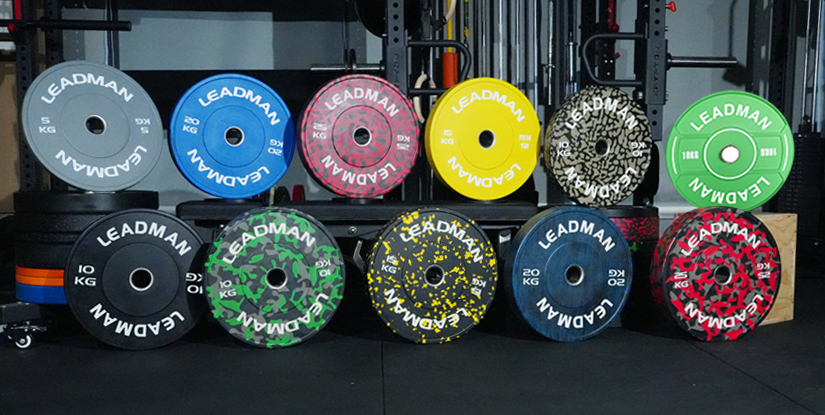
For distributors and facility owners, prioritizing standardized dimensions reduces the risk of equipment interference during peak class hours, maximizing the functional utility of every square meter in the training area.
Comparing Plate Profiles for Sleeve Capacity
A critical technical consideration during the sourcing process is the relationship between plate thickness and barbell sleeve space. High-intensity group training often requires multiple plate changes or heavy loading, making the choice between standard and slim-profile designs a decisive factor for long-term operational efficiency.
| Plate Profile Type | Thickness Comparison | Sleeve Space Utility | Ideal Programming |
|---|---|---|---|
| Standard Cap Plate | Greater thickness | Lower capacity for accessories | Basic strength training |
| Slim-Profile Cap Plate | Reduced thickness | Higher barbell accessory compatibility | High-intensity/Complex lifting |
Choosing slim-profile options increases storage density on both the barbell and the rack. This optimization is essential when your facility utilizes various collars or specialized bar attachments, as it prevents premature sleeve saturation. For procurement professionals, balancing these dimensions ensures that heavy-duty barbell assemblies remain functional and versatile for diverse class requirements.
Managing Weight Distribution and Accessory Compatibility
Effective strength training equipment procurement requires a deep understanding of how load geometry affects equipment longevity. When selecting cap cast iron plates, buyers must evaluate the center-to-center weight distribution to ensure stability across different barbell types. Inconsistent casting or uneven thickness can lead to eccentric loading, which places undue stress on the barbell sleeves and reduces the lifespan of your premium bars.
Furthermore, maximizing barbell accessory compatibility is essential for high-performance environments. A well-planned facility layout must account for the total volume of loaded equipment. Utilizing plates with optimized thickness allows for a higher number of collars, clips, or specialized attachments per bar. This versatility ensures that your facility can pivot between different training modalities without needing to constantly swap out hardware, ultimately protecting your long-term ROI through better equipment utility.
Surface Finishes and Long-Term Maintenance Requirements
The durability of cap cast iron plates in high-intensity training environments is dictated by the quality of the initial surface treatment. In commercial settings where equipment undergoes constant friction and rapid handling, the choice between raw iron and specialized coatings directly impacts the total cost of ownership and the frequency of replacement cycles.
Uncoated or poorly finished commercial weight plates are highly susceptible to oxidation, especially in humid gym environments or high-traffic zones. Without a robust surface coating, moisture exposure leads to rust, which can degrade the aesthetic appeal and structural integrity of the metal over time. For distributors and facility managers, selecting plates with high-grade industrial finishes reduces long-term maintenance labor and prevents the unsightly buildup of iron oxide that can stain flooring or damage barbell sleeves.
When evaluating the long-term ROI of a shipment, procurement managers must weigh the initial unit cost against the projected maintenance lifecycle. A lower upfront price for raw finishes often results in higher operational expenses due to the need for frequent cleaning, rust prevention, and eventual replacement.
| Finish Type | Durability Rating | Maintenance Frequency | Cost-Efficiency Profile |
|---|---|---|---|
| Raw Cast Iron | Low | High (Frequent rust prevention required) | Lowest initial cost; high long-term TCO |
| Painted Finish | Moderate | Medium (Periodic touch-ups for chips) | Balanced for standard commercial use |
| Powder Coating | High | Low (Minimal intervention needed) | Highest initial cost; best long-term ROI |
Powder coating offers a superior barrier against oxidation and mechanical abrasion, making it the standard for premium group fitness facilities. While the initial procurement cost per unit is higher, the extended service life and reduced labor requirements for surface upkeep provide a significant advantage for large-scale distributors and high-volume gym operators.
Quality Control Standards for Bulk Procurement
Effective strength training equipment procurement requires looking beyond the initial quote to verify the factory's quality control (QC) protocols. For high-volume orders, it is essential to confirm that the manufacturer implements rigorous testing for moisture resistance and coating adhesion. A failure in these areas can lead to premature oxidation, significantly increasing facility upkeep requirements and decreasing the professional appearance of the gym floor.
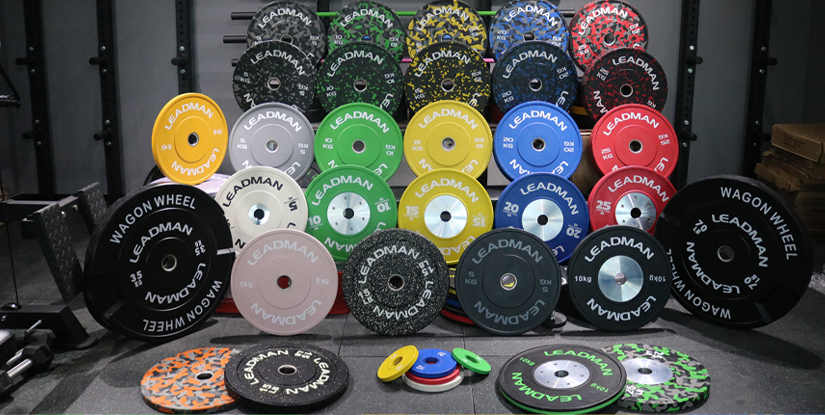
When negotiating bulk ordering terms, ask specifically about the inspection stages for cast iron products. Reliable suppliers should provide documentation or clear evidence of testing for surface uniformity and edge smoothness. This level of scrutiny ensures that every batch maintains consistent barbell accessory compatibility and prevents the physical degradation often seen in low-tier shipments. Investing in high-spec quality assurance during the sourcing phase protects your margins by minimizing the need for replacement cycles and maintaining a high standard of equipment readiness for your members.
Optimizing Total Cost of Ownership
When evaluating the procurement budget for high-traffic group fitness studios, focusing solely on the unit price of cap cast iron plates can lead to a false sense of savings. Professional buyers must shift their perspective toward the Total Cost of Ownership (TCO), accounting for how long the equipment remains in active rotation before requiring replacement or intensive refinishing.
High-quality commercial weight plates are engineered for extreme durability, which directly impacts your long-term ROI. While lower-grade alternatives may offer a lower initial invoice, they often suffer from premature oxidation or structural degradation under heavy use. This leads to increased maintenance costs and the logistical headache of frequent reordering. By investing in premium casting and standardized coatings, facilities reduce the frequency of replacement cycles, ensuring that the capital expenditure serves the facility for many years rather than just a few seasons.
Effective procurement requires a clear understanding of how different supply chains impact your bottom line. Depending on whether you are a boutique studio owner or a large-scale distributor, your choice between direct factory sourcing and local distribution will dictate your inventory flexibility and upfront capital requirements.
| Sourcing Model | Typical MOQ | Shipping Lead Time | Unit Cost vs. Availability |
|---|---|---|---|
| Direct Factory Sourcing | High (Full Container/LCL) | Long (30–60+ days) | Lowest unit cost; high volume required |
| Local Distributor | Low (Per Set/Pair) | Short (Days/Weeks) | Higher unit cost; immediate availability |
For large-scale strength training equipment procurement, direct factory orders maximize margins through economies of scale, though they demand significant warehouse space and advanced planning. Conversely, utilizing a distributor is often more efficient for rapid facility expansions or small-scale studio refreshes where immediate barbell accessory compatibility and lower upfront risk are prioritized over the lowest possible price point.
Managing Bulk Shipping and Weight Distribution
Successful strength training equipment procurement requires more than just selecting the right specifications; it demands rigorous logistics planning to manage the physical realities of heavy metal. Because cap cast iron plates are exceptionally dense, the weight-to-volume ratio is high, meaning shipping costs are driven by actual tonnage rather than crate dimensions. Buyers must account for the fact that a single pallet of weight plates can quickly reach maximum freight weight limits, even if the pallet itself is relatively small in size.
To mitigate bulk shipping risks, professional importers prioritize weight distribution and structural stability during transit. Ensuring that orders are palletized with reinforced packaging prevents shifting, which can cause damage to both the product and the shipping container. When coordinating large-scale deliveries, work with suppliers who offer optimized load configurations to ensure that the center of gravity remains stable, reducing the likelihood of transit-related defects and ensuring a smoother arrival at your facility.
Aligning Equipment Specifications with Class Programming
High-intensity interval training (HIIT) and metabolic conditioning sessions place extreme mechanical stress on floor surfaces and storage racks. For facility managers, sourcing cap cast iron plates is not just about weight increments, but about ensuring the structural integrity of the equipment under rapid, repetitive loading cycles.
Durability Requirements for High-Frequency Use
In group fitness environments, the turnover rate for commercial weight plates is significantly higher than in standard strength training zones. Constant dropping, rapid loading/unloading, and high-impact movements require a specific grade of iron casting. If the cap cast iron plates lack uniform density or possess casting flaws, they are prone to cracking or edge chipping during intense HIIT circuits. From a procurement standpoint, prioritizing high-density casting ensures long-term durability, reducing the total cost of ownership (TCO) by minimizing replacement frequency and maintenance downtime.
Technical Comparison: Programming vs. Plate Specification
When managing strength training equipment procurement, the decision between standard and specialized plate types depends on your facility's primary programming. Functional training classes often demand high barbell accessory compatibility, requiring plates that can withstand eccentric loading and rapid transitions without compromising the barbell sleeve or the user's grip.
| Programming Type | Preferred Plate Profile | Primary Durability Concern | Maintenance Profile |
|---|---|---|---|
| Heavy Strength/Powerlifting | Standard Cap Cast Iron | Structural integrity under max load | Low; periodic rust inspection |
| HIIT & Metabolic Conditioning | Reinforced Edge Casting | Impact resistance (dropping/sliding) | Moderate; surface coating checks |
| Functional/Circuit Training | High-Density Versatile Plates | Barbell accessory compatibility | Moderate; sleeve/bore clearance |
For distributors and large-scale operators, understanding these nuances is critical for lifecycle management. While standard plates offer a cost-effective solution for traditional lifting, high-frequency group settings benefit from reinforced casting to prevent premature chipping. Selecting the right specification at the sourcing stage mitigates the risk of frequent replacements and ensures a predictable maintenance lifecycle across your entire equipment inventory.
Optimizing Large-Scale Logistics and Quality Control
Scaling a group fitness program requires more than just selecting a durable product; it requires a robust procurement strategy for bulk orders. When sourcing cap cast iron plates for multiple locations or a single large-scale facility, the complexity shifts toward logistics and standardized QC standards. Discrepancies in shipping weight or plate thickness across different batches can disrupt your facility layout, causing issues with rack spacing and uniform barbell balance.
To secure a high long-term ROI, procurement managers should demand batch-level weight tolerance certifications from their factory or distributor. Ensuring that every shipment adheres to a strict weight deviation threshold prevents the need for uneven loading adjustments during classes. Furthermore, coordinating bulk orders with optimized palletization strategies helps mitigate transit damage, ensuring that high-density plates arrive ready for immediate integration into your strength training zones without costly returns or replacements.