Procuring Cast Iron Olympic Weight Plates: a Buyer Checklist
Analyzing the Lifecycle Value of Cast Iron vs. Alternatives
Effective procurement requires balancing immediate CAPEX against long-term operational stability. When sourcing cast iron weight plates olympic, buyers must evaluate technical specifications, potential replacement frequency, and the logistical footprint of their order to avoid hidden costs. A low initial price often masks a higher long-term expenditure if the product fails to meet commercial grade iron plates standards.
Understanding TCO: Capex vs. Opex
Total Cost of Ownership (TCO) extends far beyond the initial invoice from a manufacturer. While the upfront capital expenditure (CAPEX) for high-quality cast iron is often higher than budget alternatives, the long-term operating expenditure (OPEX) remains significantly lower. Superior durability and robust coating processes mean these plates can withstand high-traffic environments without frequent replacement. In a commercial setting, the cost of downtime, labor for swapping out damaged equipment, and the logistics of re-ordering small quantities can quickly eclipse the savings gained from a cheap initial purchase. Investing in premium commercial grade iron plates ensures longer maintenance cycles and a more stable return on investment for facility owners and distributors.
To justify procurement decisions, facility managers must weigh the utility of the equipment against its projected lifespan. While rubber bumper plates offer specific advantages for high-impact drops, cast iron weight plates provide a unique economic profile that favors stability and long-term density in standard strength training environments.
Material Comparison and Economic Impact
Selecting the right material depends heavily on the intended training style of the facility. For heavy strength training or traditional barbell movements, cast iron remains the industry standard due to its precision and compact footprint. The following table illustrates how different materials perform across key operational metrics relevant to bulk purchasing.
| Feature/Metric | Cast Iron Plates | Rubber Bumper Plates | Rubber-Coated Iron |
|---|---|---|---|
| Durability | Highest (Structural) | High (Impact) | Moderate (Coating dependent) |
| Replacement Frequency | Very Low | Low to Moderate | Moderate |
| Maintenance Needs | Minimal (Rust prevention) | Low (Cleaning) | Regular (Coating inspection) |
| Space Efficiency | Excellent (Slim profile) | Lower (Bulkier) | Good |
| Typical Use Case | Strength/Bodybuilding | CrossFit/Olympic Lifting | General Commercial Gyms |
When ordering bulk olympic weight plates, the cost-per-use of cast iron is typically superior for fixed-weight strength stations. Unlike rubber coatings that may peel or degrade under extreme friction, high-quality cast iron maintains its structural integrity over many years. This stability reduces the frequency of re-ordering and minimizes the logistical burden on distributors and facility managers, ensuring a predictable inventory cycle.
Optimizing your procurement strategy involves more than just checking a price list; it requires a deep dive into the technical reliability of the factory's output. Adhering to strict gym equipment procurement standards ensures that your facility's inventory remains a consistent asset rather than a recurring liability.
The Correlation Between Quality Control and Long-Term ROI
The true value of a shipment is realized through its facility lifespan. High-tier manufacturers implement rigorous quality control protocols—such as precision mold checking and uniform coating thickness tests—to ensure every plate meets weight tolerances. When a buyer overlooks these details in favor of a lower unit cost, they risk a diminished long-term ROI caused by uneven weight distribution or premature oxidation. In high-traffic commercial environments, even slight deviations in casting quality can lead to premature surface degradation, forcing distributors into unplanned restocking cycles. By prioritizing structural consistency during the initial sourcing phase, procurement managers effectively insulate their budgets against the volatility of frequent equipment replacement and increased maintenance labor.
Technical Tolerances and Dimensional Accuracy Standards
In high-volume commercial environments, the structural integrity of your strength equipment relies heavily on the precision of individual components. When sourcing cast iron weight plates olympic standards, procurement managers must look beyond simple weight markings to evaluate the dimensional accuracy of the casting process. Discrepancies in thickness or diameter can lead to uneven loading, which compromises both user safety and the longevity of your barbell sleeves.
The Impact of Weight Deviation on Facility Operations
Standard commercial grade iron plates must adhere to strict tolerance thresholds to ensure consistency across a full set. Significant weight deviation—where plates in a single shipment vary inconsistently—does more than just frustrate experienced lifters; it creates a functional imbalance during heavy compound movements. Furthermore, inconsistent plate thickness can have a direct facility layout impact, affecting how efficiently plates stack on storage pegs and how much linear space is occupied on a barbell, potentially complicating rack density and floor organization.
To mitigate the risk of uneven loading and equipment fatigue, distributors should request specific tolerance data from manufacturers. The following comparison highlights how different quality tiers impact barbell balance and long-term operational efficiency.
Comparison of Casting Precision and Durability Tiers
| Specification | Standard Grade | Commercial Grade | Precision/Competition |
|---|---|---|---|
| Weight Deviation | ±3% to 5% | ±1% to 2% | ±0.5% or less |
| Diameter Variance | High (Loose) | Moderate (Consistent) | Minimal (Strict) |
| Thickness Consistency | Inconsistent | Uniform | High Precision |
| Barbell Balance Impact | Potential Imbalance | Stable Loading | Perfect Symmetry |
| Ideal Use Case | Home/Light Use | Standard Gym/Studios | Strength Competitions |
When evaluating bulk olympic weight plates, sourcing the Precision tier for high-end strength facilities ensures maximum durability of the barbell sleeves. Lower-tier plates with high diameter variance can cause irregular friction or "chatter" during heavy lifts, eventually leading to premature wear on the barbell's internal bearings and bushings.
Verification Protocols for Quality Control Inspection
To ensure long-term durability and prevent the shipment of substandard goods, procurement teams must integrate specific technical benchmarks into their QC inspection workflows. Relying solely on a manufacturer's certificate is insufficient; instead, implement physical verification of thickness uniformity and center hole diameter consistency during the sample testing phase. High-quality bulk olympic weight plates should feature a center hole that maintains a consistent diameter throughout the entire production run to prevent wobbling or uneven friction against the barbell sleeve.
Effective sourcing risk mitigation involves testing a random subset of the shipment against established gym equipment procurement standards. For instance, check that the edge beveling is uniform across all plates in a single weight class. If thickness varies significantly between plates, it can lead to uneven weight distribution and increased mechanical stress on training racks. By verifying these dimensional tolerances before final payment, buyers can avoid the logistical nightmare of returning large-scale orders that fail to meet the structural requirements of a commercial-grade facility.
Evaluating Surface Finishes and Coating Resilience
For facility managers, the longevity of cast iron weight plates olympic standards is often determined by the quality of the surface treatment. In high-traffic commercial environments, the coating serves as the primary defense against oxidation and physical abrasion, directly impacting the total cost of ownership and long-term maintenance cycles.
When sourcing commercial grade iron plates, buyers must distinguish between basic finishes to avoid premature rusting or aesthetic degradation. The choice between powder coating vs. paint affects not only the visual consistency of the gym floor but also how frequently staff must perform upkeep to maintain a premium facility appearance.
| Finish Type | Durability Level | Oxidation Resistance | Typical Maintenance Cycle |
|---|---|---|---|
| Standard Liquid Paint | Moderate | Low to Medium | Frequent touch-ups required |
| Electrostatic Powder Coating | High | High | Minimal intervention needed |
| Clear Lacquer/Protective Coat | Moderate | Medium | Seasonal inspection |
Selecting high-quality bulk olympic weight plates with superior powder coating ensures that the iron remains protected from humidity and sweat. This investment reduces the frequency of replacement and ensures the equipment maintains a professional look throughout its functional lifespan.
Understanding the trade-offs between these finishes is essential for calculating long-term ROI. While raw cast iron offers the lowest upfront cost, it requires the most intensive labor to prevent oxidation in non-climate-controlled environments. Conversely, premium electrostatic coatings provide a higher initial investment but significantly lower the overhead associated with equipment upkeep and visual aging.
Comparing Surface Treatments and Long-Term Utility
| Finish Option | Chip Resistance | Rust Prevention | Procurement Logic |
|---|---|---|---|
| Raw Cast Iron | N/A (Natural Texture) | Low (High oxidation risk) | Best for budget-driven garage setups |
| Liquid Paint | Low (Prone to chipping) | Moderate | Standard for low-intensity studios |
| Powder Coating | High (Impact resistant) | Excellent | Preferred for commercial gym standards |
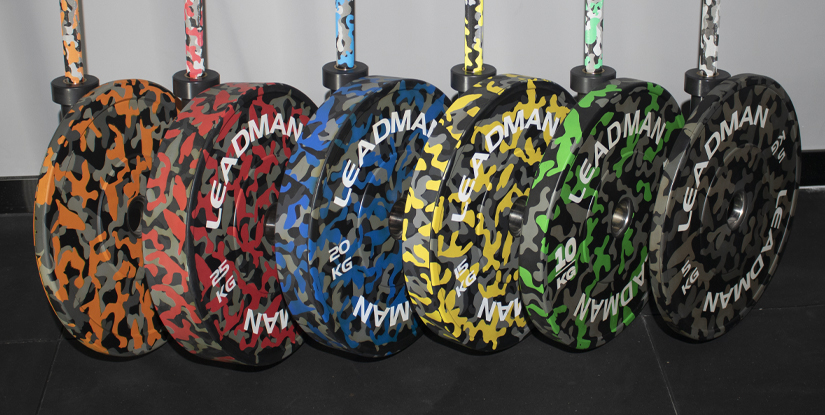
From a procurement standpoint, opting for powder-coated finishes can mitigate the risk of "aesthetic depreciation," a common issue in high-volume training facilities. When evaluating factory capability, verify that the coating application process is consistent across the entire diameter of the plate to ensure uniform thickness and prevent edge-wear during high-impact usage.
Quality Control Protocols for Coating Durability
Verifying the structural integrity of a finish requires more than a visual check. During factory audits or sample testing, professional buyers should demand specific adhesion testing to ensure the coating remains bonded under stress. A common failure in low-tier production is the separation of the finish from the iron substrate, often caused by improper surface degreasing before application.
To meet strict gym equipment procurement standards, request a scratch resistance test using standardized abrasion tools. This determines how the surface reacts to the friction of constant loading and unloading. Furthermore, since moisture exposure is a constant threat in high-humidity training environments, verify the coating's resilience against salt spray or high-moisture environments to prevent premature oxidation. High-quality bulk olympic weight plates must demonstrate that their protective layer can withstand both mechanical impact and environmental humidity without losing adhesion or showing signs of flaking.
Evaluating Total Landed Cost vs. Unit Price
When sourcing cast iron weight plates olympic standards, procurement professionals often fall into the trap of focusing solely on the factory ex-works price. However, the true financial impact is determined by the total landed cost, which accounts for the complex variables inherent in moving heavy metal goods across international borders.
High-volume orders of commercial grade iron plates are subject to significant logistics overheads. You must evaluate the MOQ (Minimum Order Quantity) not just to meet factory minimums, but to optimize container utilization. Because iron is a high-density material, the shipping weight vs. volume ratio is critical; you are often paying for weight capacity rather than cubic space. Failing to calculate the weight-to-freight ratio precisely can result in unexpected surcharges that erode your profit margins during distribution.
Optimizing Freight Efficiency Through Packaging Configuration
The method used to bundle your order directly dictates both the safety of the goods and the final freight invoice. For B2B buyers, selecting the right configuration is a trade-off between protection, labor costs at the destination, and ocean freight optimization. Choosing a configuration that maximizes container density while minimizing damage risk is essential for maintaining professional gym equipment procurement standards.
| Packaging Type | Weight Density | Protection Level | Cost-Efficiency Profile |
|---|---|---|---|
| Loose Carton | Medium | Low | Lowest initial freight cost; high risk of transit damage and high unloading labor. |
| Standard Palletized | High | Medium | Balanced cost; simplifies warehouse receiving and standardizes forklift handling. |
| Reinforced Crate | Very High | Maximum | Highest cost per unit; ideal for long-distance sea freight to prevent plate deformation. |
When ordering bulk olympic weight plates, consider the destination infrastructure. If your distribution center lacks heavy-duty forklifts, palletized shipments are a necessity rather than an option. For high-end commercial gym distributors, utilizing reinforced crates often provides the best ROI by reducing the frequency of replacement requests due to shipping-related defects.
Pre-Loading Inspection and Load Stability Protocols
The final stage of the procurement process occurs at the loading dock. Even with high-quality bulk olympic weight plates, inadequate oversight during the transition from warehouse to container can lead to significant losses. A formal inspection during loading is mandatory to verify that the packaging integrity remains intact and that no physical defects or surface abrasions occurred during the final assembly stage.
For long-distance sea freight, pallet stability is the most critical factor in preventing cargo shifts. Ensure that your supplier utilizes heavy-duty strapping and corner protectors to secure each unit. Furthermore, because cast iron is susceptible to oxidation when exposed to moisture in shipping containers, confirm that the factory has applied a consistent protective coating. Effective rust prevention measures, such as moisture-absorbent desiccant packs or specialized oil-based coatings, are non-negotiable requirements to ensure the product arrives in a retail-ready state for your clients.
The True Cost of Low-Quality Cast Iron Weight Plates
Procurement managers often fall into the trap of prioritizing the lowest unit price during bulk orders, failing to account for the long-term financial impact of substandard manufacturing. While a lower invoice price for cast iron weight plates olympic sets may look attractive on a spreadsheet, the actual Total Cost of Ownership (TCO) tells a different story.
Unit Price vs. Long-Term Durability
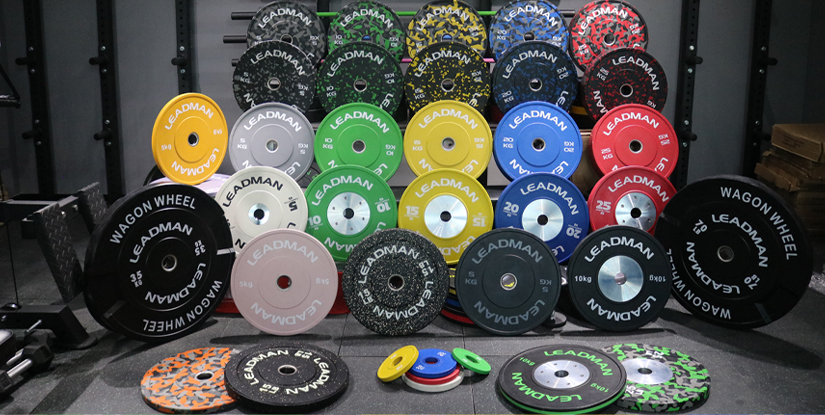
Opting for bottom-tier commercial grade iron plates frequently results in premature replacement cycles. Substandard casting processes often lead to structural vulnerabilities, such as uneven density or brittle edges. In high-traffic commercial settings, these defects manifest as cracks or chipping under heavy use. When your facility must replace equipment every 18 months instead of every five years, the logistical costs of re-ordering and the loss of equipment availability far outweigh any initial savings realized at the point of purchase.
Hidden Maintenance and Operational Costs
Low-quality finishes also introduce hidden maintenance costs. Inferior powder coating or paint applications tend to flake or rust quickly when exposed to humidity and sweat. This forces facility managers to spend excessive labor hours on upkeep or deal with customer complaints regarding equipment aesthetics. By focusing on high-standard cast iron weight plates olympic specifications during the sourcing phase, distributors can avoid the constant cycle of cleaning, repainting, or premature disposal that plagues budget-grade inventory.
Analyzing the ROI of Grade Discrepancies
A side-by-side comparison reveals why the cheapest option often becomes the most expensive over a three-to-five-year lifecycle. When evaluating bulk olympic weight plates, procurement professionals should look beyond the initial quote to assess how manufacturing standards impact operational stability.
| Evaluation Metric | Budget/Generic Tier | Commercial Grade Standard |
|---|---|---|
| Weight Tolerance | High variance; uneven loading | Strict precision; balanced distribution |
| Coating Longevity | Rapid oxidation and flaking | Durable, high-impact resistant finish |
| Replacement Frequency | High (12–24 month cycles) | Low (5+ year operational life) |
| Maintenance Needs | Frequent cleaning and rust prevention | Minimal upkeep required |
Investing in high-standard gym equipment procurement standards ensures that your capital expenditure supports long-term facility stability rather than constant, unpredictable replacement orders.
Logistical and Inventory Management Pitfalls
Beyond product quality, the most significant drain on a procurement budget is often poor logistical planning. When ordering bulk olympic weight plates, buyers frequently overlook the relationship between weight, volume, and shipping density. Because iron is an exceptionally heavy commodity, even minor errors in calculating container utilization can lead to massive unexpected freight costs.
A common mistake is failing to align MOQ (Minimum Order Quantity) requirements with local storage capabilities. While higher volumes may trigger lower per-unit pricing, purchasing excessive stock without a clear inventory turnover strategy can tie up critical capital. If your warehouse capacity is limited or your inventory turnover is slow, the cost of holding heavy, bulky iron plates—including warehouse space and potential long-term oxidation risks—can negate the initial bulk discount.
Furthermore, many distributors encounter surcharges related to weight-to-volume ratios. High-quality gym equipment procurement standards suggest that buyers should request precise dimensional data before final payment. If the shipping density is not optimized within the shipping container or pallet configuration, you may find yourself paying for "empty air" or incurring heavy overweight surcharges at the port of entry, significantly inflating the landed cost of your shipment.
Prioritizing Dimensional Precision and Surface Integrity
For distributors and large-scale gym operators, the long-term ROI of cast iron weight plates olympic standards depends entirely on manufacturing consistency. Low-quality batches often suffer from poor dimensional tolerance, which leads to uneven weight distribution across a barbell. This imbalance forces athletes to compensate for crooked loading, increasing the risk of injury and reducing the perceived quality of the facility.
Beyond structural dimensions, coating adhesion is a critical metric for commercial grade iron plates. In high-traffic environments, inferior paint or powder coating will chip or peel upon impact, exposing the raw iron to oxidation. When sourcing bulk olympic weight plates, ensure the manufacturer employs rigorous quality control to verify that the finish remains intact under heavy use, preventing premature aesthetic and structural degradation.
Evaluating Finish Durability and Maintenance Requirements
When managing large-scale procurement, the choice between different surface treatments directly impacts the Total Cost of Ownership (TCO). While raw or enamel finishes may offer a lower initial unit price, they often require more frequent oversight to prevent rust. In contrast, high-grade coatings provide a buffer against the rigors of high-volume commercial use, protecting the integrity of the metal and extending the equipment's lifecycle.
The following table compares common finishing options to assist in your selection process based on facility durability needs and budget constraints.
| Finishing Option | Durability Level | Resistance to Chipping | Maintenance Frequency | Cost-Effectiveness |
|---|---|---|---|---|
| Powder Coating | High | Excellent | Low | High (Long-term ROI) |
| Liquid Paint | Moderate | Average | Moderate | Moderate |
| Raw / Enamel | Low | Low | High (Rust prevention) | Low Initial Cost |
For distributors seeking to provide premium-tier equipment, powder coating is typically the preferred standard. It offers the best defense against the impact-heavy environment of a commercial gym, ensuring that the aesthetic quality of your bulk order remains professional over several years of heavy rotation.
Verifying Structural Integrity and Factory Inspection Protocols
Reliable procurement requires moving beyond superficial aesthetics to verify the fundamental structural integrity of the iron. In a high-traffic facility, plates are subject to constant impact and thermal shifts. You must ensure the manufacturer utilizes controlled cooling processes to facilitate crack prevention. Rapid or uneven cooling in inferior casting processes often results in micro-fractures that may not be visible immediately but can lead to catastrophic failure during heavy barbell drops.
A critical step in your gym equipment procurement standards should be a mandatory factory inspection focused on edge deburring. Rough or jagged edges are not merely a cosmetic defect; they pose a genuine safety risk to users and can damage high-end barbell sleeves. When negotiating your MOQ, request confirmation that all edges undergo a secondary grinding or polishing phase to ensure smooth, consistent contours. This attention to detail differentiates a professional-grade product from budget-tier alternatives, protecting both the athlete and your long-term equipment investment.