Sourcing Cheap Cast Iron Olympic Weight Plates for Scale
Defining Procurement Standards for High-Volume Plate Orders
High-volume procurement involves distinguishing between consumer-grade iron and commercial grade iron plates designed for high-traffic environments. B2B buyers prioritize structural integrity and precision to ensure long-term utility, as the primary goal is to minimize replacement cycles during large-scale facility rollouts or distributor restocking.
Durability vs. Initial Cost
When searching for cast iron olympic weight plates cheap, the temptation to prioritize the lowest unit price often leads to hidden expenses. Low-grade plates frequently suffer from casting imperfections, uneven weight distribution, or brittle edges that chip under heavy use. While the upfront savings appear significant, these issues trigger higher maintenance demands and premature replacement cycles.
For distributors and gym owners, the total cost of ownership (TCO) is a more critical metric than the initial invoice. Investing in higher-spec iron ensures the equipment withstands the rigors of daily commercial use, ultimately protecting your margins by reducing the frequency of reordering and shipping logistics.
To optimize your budget, you must align your sourcing strategy with your specific business model. Whether you are a single-site facility manager or a regional distributor, the relationship between Minimum Order Quantity (MOQ) and unit price dictates your long-term profitability. A structured approach to bulk gym equipment procurement allows you to weigh the benefits of direct-from-factory pricing against the convenience of local logistics.
Sourcing Tier Comparison for Scale
The following table outlines the typical trade-offs encountered when sourcing wholesale iron weight plates across different supply chain levels. Selecting the right tier depends on your ability to manage inventory and your requirement for cast iron olympic weight plates cheap enough to maintain competitive margins.
| Sourcing Tier | Typical MOQ | Price Level | Best Use Case |
|---|---|---|---|
| Direct Factory | High (500+ kg) | Lowest | Distributors & Large-Scale Rollouts |
| Regional Wholesaler | Medium (100–500 kg) | Moderate | Multi-site Gym Chains |
| Local Retailer | Low (Per Unit) | Highest | Boutique Studios & Small Gyms |
While direct factory sourcing offers the most aggressive pricing for high-volume orders, it requires a sophisticated understanding of international shipping and customs. Conversely, working with wholesalers reduces lead times and logistical complexity, providing a middle ground for buyers who need to balance cost-efficiency with rapid deployment.
Precision vs. Budget: Navigating Weight Tolerance
A critical decision point in bulk procurement is the acceptable weight tolerance. In high-performance training environments, precision is paramount; however, for standard commercial rollouts, a slight variance is often an acceptable trade-off for lower costs. Most budget-conscious manufacturers operate within a specific tolerance range, and understanding this helps prevent disputes during final inspections.
To secure cast iron olympic weight plates cheap without sacrificing reliability, buyers should focus on manufacturing consistency. High-volume orders must undergo strict quality control to ensure that weight fluctuations do not compromise the balance of the barbell. When negotiating bulk gym equipment procurement, ask suppliers about their tolerance standards—typically +/- 1% to 3%—to ensure the plates meet your facility's specific operational requirements.
Finally, consider bulk order logistics as a primary cost-saving strategy. Optimizing container loadability and coordinating shipments to maximize volume can significantly reduce the per-unit landed cost. By balancing the need for precision with optimized shipping density, procurement managers can maintain high standards while staying within strict budgetary constraints.
Technical Specifications and Tolerance Thresholds for Bulk Iron
When sourcing cast iron olympic weight plates cheap, procurement managers often mistake low price for high value, overlooking the technical precision required for high-traffic environments. True commercial-grade durability is not merely about the thickness of the iron, but the consistency of the manufacturing process and the strictness of the quality control protocols applied during casting.
The Criticality of Dimensional Tolerance
For distributors and large-scale gym rollouts, the dimensional tolerance of a plate dictates how efficiently it fits on a barbell and how smoothly it stacks in a storage rack. If the center hole diameter or the plate thickness varies too wildly between units, it creates uneven loading and uneven wear on barbell sleeves. High-volume orders must prioritize a stable weight deviation—typically within a +/- 1% to 3% margin—to ensure that a barbell remains balanced during heavy lifts. Neglecting these specifications to reduce costs often leads to premature failure in structural integrity, causing plates to crack or deform under repetitive high-impact use in commercial settings.
To assist in your procurement decision, we have categorized common manufacturing standards used in the global market. Understanding the relationship between the casting method and weight precision is vital for calculating the long-term ROI of your inventory.
| Quality Tier | Manufacturing Method | Weight Tolerance | Typical Use Case |
|---|---|---|---|
| Premium Commercial | Precision Casting | ±1% | High-end fitness clubs & professional training centers |
| Standard Commercial | High-Grade Sand Casting | ±3% | Multi-site gym rollouts & mid-tier distributors |
| Economy/Budget | Standard Sand Casting | ±5% | Home gym retail & low-traffic boutique studios |
While the economy tier offers the lowest entry price for wholesale iron weight plates, the higher variance in weight can lead to uneven barbell distribution. For facility owners managing high-volume turnover, selecting the standard or premium tier ensures better longevity and reduces the frequency of replacement cycles due to structural inconsistencies.
Surface Integrity and Edge Precision
Beyond weight deviation, the physical finish of the iron significantly impacts the lifespan of your barbell sleeves and floor protection. In bulk gym equipment procurement, a common pitfall is overlooking the quality of edge beveling. Substandard plates often feature sharp, irregular edges that can score barbell sleeves or snag during rapid loading, leading to high maintenance costs. Furthermore, ensure the vendor maintains strict surface coating consistency; uneven paint or poor powder coating leads to premature oxidation and rust, which compromises the aesthetic and structural integrity of the unit over time.
Prioritizing these technical details is essential for maximizing long-term wear and tear resistance. While lower-tier options might offer immediate savings, investing in plates with refined edges and consistent finishes provides a much higher ROI by reducing replacement frequency and protecting your secondary equipment investments.
Comparing Manufacturing Methods for Large-Scale Inventory
When sourcing cast iron olympic weight plates cheap, the primary cost driver is the casting method used during production. For high-volume procurement, choosing between sand casting and centrifugal casting determines the balance between your initial unit price and the long-term durability of the equipment in a commercial environment.
Sand Casting vs. Centrifugal Casting: Technical Trade-Offs
Sand casting is the traditional standard for producing wholesale iron weight plates due to its lower tooling costs and high manufacturing scalability. While it is highly cost-effective for large MOQs, the process can result in slight variations in density and durability. In contrast, centrifugal casting offers superior structural integrity and a more uniform density, which is essential for commercial grade iron plates intended for heavy-duty use, though it typically commands a higher cost per unit.
| Feature | Sand Casting | Centrifugal Casting |
|---|---|---|
| Unit Cost | Lower / Budget-Friendly | Moderate / Premium |
| Density Consistency | Variable | High / Uniform |
| Surface Finish | Rougher Texture | Smoother / Refined |
| Best Use Case | Distributor Stock / Budget Gyms | High-Traffic Commercial Facilities |
Distributors must weigh the immediate savings of sand casting against the potential for higher replacement rates in high-intensity settings. For large-scale gym rollouts where budget is the primary constraint, sand casting provides the most competitive entry point without sacrificing basic functional utility.
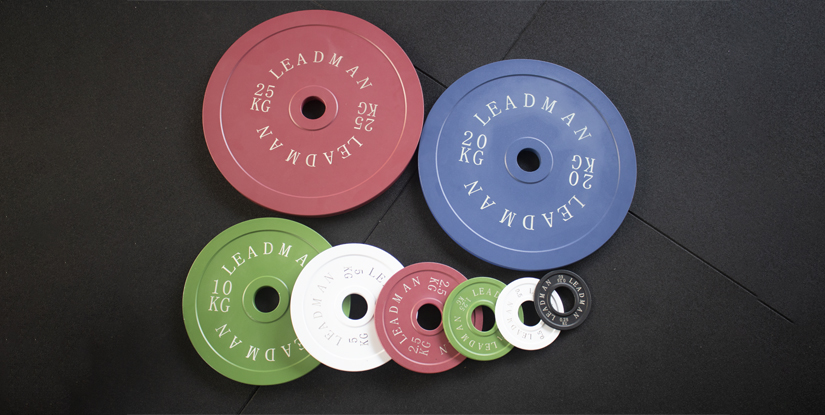
Evaluating these production variables allows procurement managers to align their inventory with specific client needs. For instance, a distributor catering to budget-conscious startup studios may prioritize the lower entry price of sand casting, whereas a supplier for professional strength and conditioning facilities should opt for the structural precision of centrifugal methods to minimize long-term liability and replacement costs.
Total Cost of Ownership: Precision and Logistics
Beyond the initial invoice, the true cost of bulk gym equipment procurement is dictated by weight tolerance and shipping efficiency. Inconsistent weight tolerance in low-quality batches can lead to significant discrepancies, causing friction with professional lifters and increasing returns for distributors. A deviation of even 1-2% may seem negligible at a single unit level, but across a full container load, it represents a massive loss in value and trust.
Furthermore, shipping density plays a critical role in your landed cost. High-quality manufacturing ensures consistent plate thickness and diameter, allowing for optimized palletization. When wholesale iron weight plates are produced with irregular dimensions, they create "dead space" in shipping containers, effectively increasing your freight cost per usable kilogram. Prioritizing manufacturers with strict quality control over the lowest possible unit price ensures better long-term durability and a more predictable ROI for your inventory or facility rollout.
Logistics Optimization for Heavy Weight Plate Shipments
Managing the transit of high-density iron goods requires precise planning to avoid unexpected overhead. When sourcing cast iron olympic weight plates cheap, the primary challenge shifts from unit price to the complexities of freight weight and volume. Because iron is exceptionally heavy, shipping costs can quickly erode the savings gained from low factory prices if not managed through strategic bulk gym equipment procurement.
To protect your margins, buyers must balance shipping speed against the total landed cost. While air freight offers speed, it is non-viable for heavy iron; instead, focus on freight optimization through sea freight and consolidated LCL (Less than Container Load) or FCL (Full Container Load) shipments. Selecting the right shipping method ensures that your inventory arrives at the warehouse without prohibitive surcharges.
Freight Configuration and Selection Strategy
Effective procurement relies on understanding the volume-to-weight ratio inherent in iron goods. Since weight is the primary driver of cost, the goal is to maximize density within each shipping unit. For large-scale rollouts, optimized palletization is essential to prevent damage and minimize handling fees during the transition from sea freight to local distribution.
The following table compares common shipping methods to help you decide which configuration aligns with your current inventory needs and budget constraints.
| Shipping Method | Typical Use Case | Logistics Advantage | Cost Impact |
|---|---|---|---|
| Sea Freight (FCL) | Full-scale distributor inventory replenishment | Highest density; ideal for massive wholesale iron weight plates | Lowest per-unit landed cost |
| Sea Freight (LCL) | Small studio rollouts or mid-sized orders | Flexible volume; share container space with other goods | Moderate; higher than FCL but lower than air |
| Air/Express | Emergency stock shortages or single-unit samples | Rapid delivery for high-priority needs | Prohibitively expensive for heavy iron |
For most commercial-grade orders, sea freight remains the industry standard. When coordinating with your supplier, ensure that palletization specifications are clearly defined to prevent shifting during transit, which can lead to structural issues or increased breakage risks upon arrival.
Preserving Inventory via Environmental Control
Once your shipment arrives, the focus shifts from transit logistics to long-term asset protection. Even high-quality commercial grade iron plates are susceptible to oxidation if stored in suboptimal environments. For distributors and facility managers, implementing strict moisture control protocols is the most effective way to ensure product longevity and maintain high resale or usability value.
Effective warehouse storage requires more than just a dry corner; it demands a proactive approach to rust prevention. We recommend verifying the packaging integrity of every incoming batch. Ensure that plates are not stored directly on concrete floors, which can leach moisture, and prioritize ventilated stacking methods. If your facility experiences high humidity, utilizing desiccant packs or specialized protective coatings during the initial unboxing process can significantly extend the lifespan of your wholesale iron weight plates inventory.
Prioritizing Structural Integrity over Unit Price
When sourcing cast iron olympic weight plates cheap, the primary risk involves sacrificing long-term durability for immediate cost savings. In high-traffic commercial settings, even minor casting defects—such as air pockets or uneven cooling—can compromise the structural integrity of the plate, leading to cracks or catastrophic failure under heavy loads.
To ensure your inventory meets commercial-grade standards, your procurement checklist must include strict verification of density consistency. Reliable manufacturers utilize precision molds to prevent weight variance and structural weaknesses. For distributors and large-scale gym rollouts, rigorous quality control is not an optional luxury; it is a fundamental requirement to prevent high replacement costs and liability issues caused by substandard wholesale iron weight plates.
Technical Benchmarks for Factory Audits
Effective bulk gym equipment procurement requires moving beyond visual inspections to technical verification. When auditing an OEM/ODM facility, you must demand specific tolerances for physical properties to ensure the plates withstand the rigors of daily commercial use. A high-quality casting process should minimize internal voids and ensure uniform density, which prevents the plates from becoming unbalanced or brittle over time.
The following table outlines the critical inspection categories that professional buyers use to evaluate factory capability and product consistency during the production of wholesale iron weight plates:
| Inspection Category | Technical Standard/Requirement | Procurement Red Flag |
|---|---|---|
| Dimensional Accuracy | Consistent inner diameter (ID) for standard 50mm sleeves | Irregular ring thickness or uneven diameter |
| Surface Finish | Smooth edges and uniform texture; no sharp burrs | Excessive casting flash or jagged metal edges |
| Weight Tolerance | Strict deviation limits (typically ±1% to 2%) | High variance between individual plates in a batch |
| Coating Durability | High adhesion; resistant to chipping and oxidation | Flaking paint or premature rust under moisture |
By establishing these benchmarks during the sampling phase, distributors can mitigate the risk of receiving substandard batches that fail to meet the expectations of professional strength facilities.
Mitigating Risk Through Pre-Shipment Validation
Scaling your inventory via overseas production requires a proactive approach to risk mitigation. Relying solely on digital specifications is insufficient for large-scale orders; you must implement a multi-layered verification strategy to ensure batch consistency. Before the final MOQ is met and payment is released, professional buyers should mandate a third-party inspection to verify that the physical output matches the approved sample.
A formal inspection protocol should focus on both the product and the logistics safety of the shipment. This includes verifying that the commercial grade iron plates are palletized correctly to prevent shifting and metal-on-metal impact during transit. By validating the packaging strength and the uniformity of the entire production run, you protect your margins from the high costs of shipping damaged or non-compliant wholesale iron weight plates back to the factory.
Strategic Sourcing for Multi-Site Gym Rollouts
Maximizing profitability in large-scale fitness deployments requires a shift from viewing equipment as a one-time expense to evaluating the long-term value of every unit. For distributors and facility managers, the goal is to optimize the balance between initial procurement costs and the operational lifespan of the inventory.
The ROI Logic: Unit Cost vs. Total Cost of Ownership
When procurement teams search for cast iron olympic weight plates cheap enough to meet tight budget constraints, they often encounter a hidden trap: the trade-off between low entry prices and high replacement frequency. While sourcing through direct factory channels significantly reduces the per-unit cost compared to retail or mid-tier distributors, the true metric of success is the Total Cost of Ownership (TCO).
In high-traffic commercial settings, inferior casting methods often lead to structural micro-fractures or uneven weight distribution, necessitating premature replacement. By prioritizing high-quality, consistent casting during the bulk procurement phase, buyers mitigate the long-term expenses associated with frequent restocking, shipping logistics, and labor for equipment swaps. Investing in premium-grade iron ensures that the initial savings gained from wholesale volume are not eroded by the high maintenance demands of substandard gear.
Selecting the right procurement model depends heavily on your deployment timeline and capital availability. For high-volume distributors, the decision often hinges on whether the priority is immediate inventory availability or the maximum possible margin on commercial grade iron plates.
| Model | Primary Advantage | Typical MOQ | Impact on ROI |
|---|---|---|---|
| Local Wholesale | Rapid fulfillment and low shipping complexity | Low to Moderate | Lower margins due to middleman markups |
| Regional Distributor | Balanced lead times with localized support | Moderate to High | Stable margins for consistent mid-scale rollouts |
| Direct Factory Import | Maximum cost-efficiency for large volumes | High | Highest ROI for long-term inventory building |
While direct factory sourcing offers the most aggressive pricing for bulk gym equipment procurement, it requires a more sophisticated understanding of international logistics and quality control. For single-site upgrades, local options may be more efficient, but for multi-site expansion or large-scale distribution, the scale of direct imports is essential to maintaining a competitive edge in the market.
Mitigating Risk Through Strict Quality Control and Logistics
To protect your margins when ordering wholesale iron weight plates, you must implement rigorous quality control protocols before the shipment leaves the factory. A common failure in low-cost sourcing is the lack of standardized weight tolerances. Even a minor deviation in mass can lead to uneven loading on barbell sets, a significant issue for professional training environments. Ensure your supplier guarantees strict dimensional accuracy and consistent surface finishes to maintain compatibility with standard Olympic bars across all your facility locations.
Beyond physical dimensions, verify the factory's internal QC processes for casting uniformity. Inconsistent thickness or surface irregularities can lead to stacking issues or premature wear during high-volume use. When managing bulk gym equipment procurement, request documentation or video verification of the weight calibration process. This proactive approach prevents the costly logistical nightmare of receiving non-compliant inventory that fails to meet the professional standards of your commercial clients.