Rubber Coated Cast Iron Plates: Long Term Value Analysis
Operational Impact of Plate Selection in High-Traffic Facilities
Rubber coated cast iron plates are specialized strength training components designed for high-intensity commercial environments. B2B buyers select these over bare iron to mitigate floor damage and noise, providing a standardized solution that balances compact dimensions with the durability required for heavy-duty weightlifting applications.
Footprint Optimization and Facility Layout
In high-traffic commercial settings, the physical dimensions of weight sets directly influence facility layout efficiency. Because rubberized coatings often provide a more consistent thickness compared to irregular cast iron edges, these plates offer predictable stacking profiles. This predictability allows facility managers to execute precise footprint optimization, ensuring that storage racks and lifting platforms remain organized without the chaotic overflow typical of unrefined or poorly coated iron. For distributors and gym owners, this precision translates to better floor-space utilization and a more professional aesthetic in premium training zones.
When evaluating procurement specifications, the trade-off between plate thickness and diameter is a critical factor for storage density. While high-density rubberized iron plate maintenance is often a priority, the physical geometry of the plate dictates how many units can fit on a single barbell or a vertical weight tree. Thinner, high-density profiles are generally preferred for high-load training to maximize the available sleeve space, whereas wider-diameter designs may offer better stability but consume more linear rack length.
Configuration Comparison: Thickness vs. Diameter
The following table assists procurement managers in deciding between standard profiles to optimize storage density and barbell capacity based on specific facility needs.
| Profile Type | Primary Benefit | Storage Density | Best Use Case |
|---|---|---|---|
| Ultra-Thin High-Density | Maximizes barbell sleeve capacity | Highest | Strength/Powerlifting focused facilities |
| Standard Olympic Profile | Balanced durability and weight distribution | Moderate | General commercial gyms and studios |
| Wide-Diameter/Thick Profile | Enhanced stability during movement | Lower | Crossfit or heavy functional training zones |
For distributors managing large-scale shipments, selecting a standardized thickness profile ensures better compatibility with various storage accessories. This consistency is a key component of commercial weight plate durability, as it prevents uneven wear on the coating and ensures a predictable fit across different equipment brands.
Long-Term Maintenance and Facility Longevity
Selecting high-quality rubberized iron plate maintenance standards is a strategic decision for reducing long-term operational costs. A premium, dense coating acts as a buffer that enhances noise reduction during high-impact drops, which is essential for multi-use facilities or those in noise-sensitive urban areas. Beyond acoustics, the primary advantage lies in floor protection; a high-grade coating prevents the direct metal-on-surface impact that causes structural cracking in rubber mats or subflooring.
From a procurement standpoint, prioritizing these specifications significantly lowers the gym equipment lifecycle cost. While initial unit costs for premium rubberized coatings may be higher than basic options, the reduction in replacement frequency and the decreased need for facility repairs create a superior return on investment. For large-scale distributors and gym owners, this translates to higher operational efficiency, as less time and capital are diverted toward equipment upkeep and floor restoration, allowing focus to remain on core business growth.
The Mechanics of Durability
To accurately assess commercial weight plate durability, procurement managers must look beyond surface aesthetics and evaluate the structural synergy between the iron core and its exterior. High-quality rubber coated cast iron plates rely on a precise balance where the material density of the cast iron provides a stable, non-compressible foundation for the protective layer.
If the internal iron density is inconsistent, even a thick coating will eventually fail due to internal shifting or structural settling. Conversely, the coating integrity is determined by how effectively the rubber adheres to the metal substrate under high-impact conditions. A high-density core paired with a uniform, high-grade polymer coating ensures the plate maintains its dimensional accuracy and protects the facility's flooring over years of heavy use.
| Configuration Type | Core Density Profile | Coating Thickness | Durability Expectation |
|---|---|---|---|
| Standard Rubberized | Moderate/Standard | Thin/Uniform | High turnover/Light commercial |
| Premium Heavy-Duty | High/Consistent | Thick/Reinforced | High-traffic/Full commercial |
| Industrial Grade | Ultra-High Density | Variable/Impact-Resistant | Specialized strength facilities |
Understanding these configurations is essential for calculating the long-term gym equipment lifecycle cost. While thinner coatings may offer a lower initial unit price, they often necessitate more frequent replacement cycles in high-impact environments. For distributors and facility owners, the relationship between coating thickness and core density directly dictates the frequency of maintenance and the overall return on investment.
Operational Impact by Facility Type
The suitability of a specific configuration depends heavily on the intended training environment. A boutique studio with controlled movements can often utilize standard configurations without significant risk. However, high-traffic commercial gyms and strength-focused training centers require higher specifications to prevent the degradation of the rubberized layer during heavy drops or constant handling.
| Facility Profile | Optimal Configuration | Maintenance Frequency | Primary Procurement Focus |
|---|---|---|---|
| Boutique/Hotel Gym | Standard Rubberized | Low/Routine Cleaning | Aesthetics & Footprint |
| Commercial Fitness Club | Premium Heavy-Duty | Moderate/Periodic Inspection | Durability & TCO |
| Performance/Strength Center | Industrial Grade | Low/Minimal Maintenance | Impact Resistance & Longevity |
When sourcing in bulk, buyers should request technical specifications regarding the polymer grade used. A high-quality coating should not only protect the iron core from oxidation but also remain resilient against temperature fluctuations and physical abrasion to minimize long-term rubberized iron plate maintenance requirements.
Verification Through Factory Inspection and Sampling
To mitigate risk during large-scale procurement, professional buyers must implement a rigorous QC inspection protocol that moves beyond visual checks. A critical step involves verifying thickness uniformity across various weight increments. Discrepancies in the coating depth often signal poor manufacturing precision, which can lead to uneven weight distribution and premature peeling in high-traffic environments.
When evaluating samples, perform a manual tactile test to check for density consistency. The surface should feel seamless and resilient, not brittle or porous. If possible, request data on the adhesion strength between the polymer and the iron substrate. Verifying these technical details during the pre-shipment stage is the most effective way to lower your long-term gym equipment lifecycle cost and ensure the durability of your inventory.
Routine Inspection Protocols
Maintaining the longevity of rubber coated cast iron plates requires a proactive approach to surface inspection. In high-traffic commercial environments, facility managers must regularly monitor for signs of coating degradation. The primary goal is to ensure that the protective layer remains intact to prevent oxidation of the underlying iron core, which can compromise the weight accuracy and structural integrity over time.
Effective maintenance focuses on identifying early indicators of wear, such as localized edge wear or small chips caused by heavy impact. A critical factor in commercial weight plate durability is the strength of coating adhesion. If the bond between the rubber and the cast iron begins to fail, the plate becomes susceptible to moisture ingress. Regular checks should also look for surface abrasions that might indicate a need for more careful handling or improved storage protocols to extend the gym equipment lifecycle cost efficiency.
Coating Type and Maintenance Complexity
The specific method used to bond the rubber to the iron core dictates both the frequency of care and the long-term maintenance budget. While all rubberized surfaces require basic cleaning, the structural integrity of the bond determines how often a distributor or facility manager must address surface imperfections.
| Coating Specification | Maintenance Frequency | Cleaning Protocol | Durability Factor |
|---|---|---|---|
| Standard Rubber Dipped | Monthly Inspection | Mild soap and damp cloth | Higher risk of peeling in high-impact zones |
| High-Density Vulcanized | Quarterly Inspection | Non-abrasive pH-neutral cleaner | Superior resistance to thermal expansion |
| Injection Molded Rubber | Bi-Annual Inspection | Standard surface wipe-down | Maximum adhesion; minimal edge chipping |
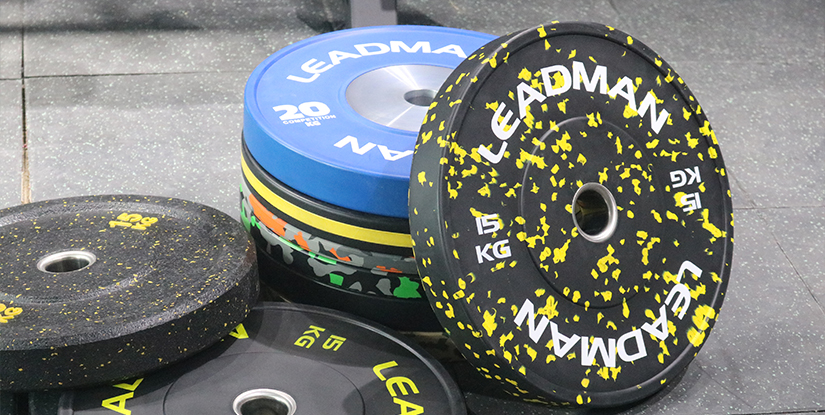
For large-scale distributors and gym owners, choosing a high-density vulcanized option often results in a lower total cost of ownership. Although the initial procurement cost may be higher, the reduction in labor hours spent on surface repairs and the slower rate of material degradation significantly optimize the long-term value of the inventory.
Environmental Control and Storage Optimization
Proper storage is the most effective way to manage rubberized iron plate maintenance and prevent premature aging. For distributors and facility managers, moisture control is the highest priority. Storing plates in unconditioned, high-humidity environments can lead to condensation buildup between the metal core and the rubber layer, potentially causing internal oxidation or delamination.
To achieve lifecycle cost optimization, ensure that storage environments are kept dry and well-ventilated. When rotating inventory or storing seasonal stock, avoid stacking plates in damp basements or outdoor-adjacent containers. Furthermore, when cleaning, strictly avoid harsh cleaning agents to avoid surface degradation; petroleum-based solvents or high-acid cleaners can break down the polymer bonds in the rubber. Stick to pH-neutral solutions to preserve the surface texture and prevent the coating from becoming brittle or tacky over time.
Comparing Lifecycle Costs Across Different Weight Plate Profiles
For commercial procurement managers, the true cost of a shipment is rarely defined by the invoice total alone. Evaluating rubber coated cast iron plates requires a shift in perspective from initial CAPEX to long-term OPEX. While uncoated iron may offer a lower upfront price, the subsequent costs in floor damage, oxidation, and replacement cycles often result in a higher total cost of ownership.
Understanding commercial weight plate durability means accounting for the frequency of facility maintenance cycles. High-traffic environments demand equipment that resists the wear and tear of constant impact and environmental exposure. A premium coating acts as a protective barrier, extending the functional lifespan of the iron core and protecting the facility's structural assets.
| Procurement Factor | Uncoated Cast Iron | Thin-Film Coated Iron | High-Density Rubber Coated |
|---|---|---|---|
| Initial CAPEX | Lowest | Moderate | Highest |
| Surface Protection | Minimal (Rust Risk) | Basic | Superior Impact Shield |
| Maintenance Frequency | High (Cleaning/Rust Care) | Moderate | Low |
| Long-Term ROI | Low (Frequent Replacement) | Medium | High (Extended Lifespan) |
When sourcing at scale, the goal is to minimize the frequency of re-ordering. Investing in high-quality rubber coated cast iron plates reduces the volatility of your replacement budget, ensuring that your facility maintenance remains predictable over several years of heavy commercial use.
To make a data-driven procurement decision, distributors and gym owners must look beyond the unit price and analyze the technical specifications that drive gym equipment lifecycle cost. The following comparison highlights how material density and coating thickness directly influence the operational longevity of your inventory.
| Technical Specification | Standard Cast Iron | Thin-Coated Iron | High-Density Rubber Coated |
|---|---|---|---|
| Material Density | High/Variable | High/Consistent | High/Uniform |
| Coating Thickness | N/A | < 1.0 mm | > 2.0 mm |
| Typical Replacement Interval | 2–4 Years (Corrosion) | 4–6 Years (Chipping) | 8+ Years (Heavy Use) |
| Maintenance Requirement | Frequent (Oxidation Control) | Occasional (Surface Care) | Minimal (Standard Cleaning) |
| Impact Resistance | Low (Surface Cracking) | Moderate | High (Shock Absorption) |
From a logistics and warehousing standpoint, high-density options offer more stability. While the initial shipment cost per unit is higher, the rubberized iron plate maintenance requirements are significantly lower, preventing the need for frequent, costly re-orders and shipping logistics for replacement stock. For large-scale facility rollouts, prioritizing thickness and density ensures that the capital expenditure remains a one-time, high-value investment rather than a recurring operational expense.
A strategic procurement decision focuses on the long-term stability of the facility's asset list. In high-traffic commercial settings, the cost of a single replacement cycle involves more than just the price of the new unit; it includes the labor for inventory auditing, the logistics of shipping heavy replacement stock, and the downtime caused by missing weight increments. By prioritizing high-density rubberized iron, distributors can mitigate these invisible costs that erode profit margins over time.
Optimizing Total Cost of Ownership (TCO)
For distributors managing large-scale gym rollouts, the goal is to reduce the frequency of re-orders. While thin-film coatings may satisfy a low-budget MOQ requirement, they often fail under the rigorous demands of professional strength training, leading to premature chipping and core oxidation. High-quality rubberized iron provides a more predictable gym equipment lifecycle cost by shielding the cast iron from environmental moisture and mechanical impact, effectively extending the interval between replenishment cycles.
Ultimately, the value of high-specification rubber coated cast iron plates lies in their ability to lower rubberized iron plate maintenance overhead. For facility owners, this means less time spent on surface remediation and more time focused on core operations, ensuring that the initial investment yields a superior return through sustained durability and reduced logistical friction.
Sourcing and Quality Control for Bulk Wholesale Orders
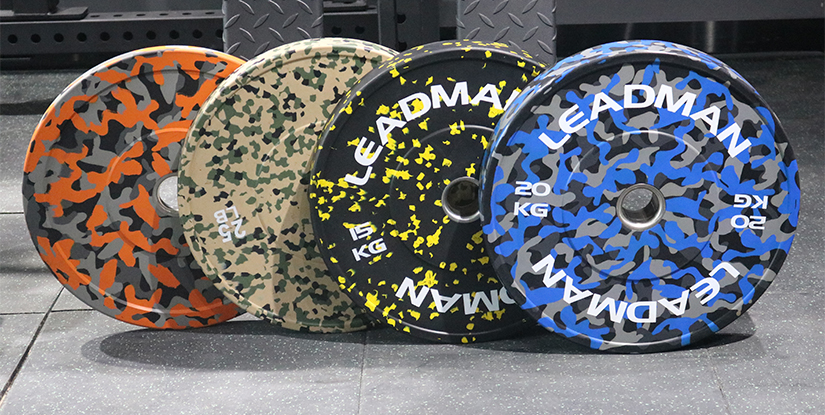
Maximizing the ROI of a bulk procurement depends on identifying specific technical indicators that distinguish high-grade rubber coated cast iron plates from budget alternatives. For distributors and facility managers, the primary risk involves premature degradation that necessitates frequent replacement cycles.
Critical Indicators of Long-Term Value
To ensure high commercial weight plate durability, procurement specialists must prioritize coating adhesion during the factory inspection process. A superior bond between the iron core and the outer layer prevents the most common failure point in high-traffic environments: the tendency to prevent peeling/cracking under heavy impact or temperature fluctuations.
Beyond surface integrity, the material density of the cast iron core dictates the precision of the weight increments and the overall structural stability of the plate. When sourcing rubberized iron plate components, verify that the coating thickness is uniform across the entire surface. Inconsistent application often leads to uneven wear, which increases long-term maintenance costs and diminishes the asset's lifespan in professional strength training facilities.
Technical Standards: Coating Method Comparison
When evaluating the total cost of ownership, the method used to apply the outer layer is often more significant than the raw material cost itself. Selecting the wrong application technique can lead to high replacement rates and increased labor costs for facility maintenance.
| Specification Metric | Vulcanized Rubber Coating | Dip-Coated/Liquid Rubber |
|---|---|---|
| Thickness Consistency | High; uniform across surface | Variable; prone to pooling |
| Impact Resistance | Superior; resists cracking/peeling | Moderate; susceptible to chipping |
| Adhesion Strength | Molecular bond to iron core | Mechanical/Surface bond |
| Maintenance Frequency | Low; requires minimal upkeep | Higher; requires periodic inspection |
For high-volume distributors and gym owners, vulcanized options generally offer a better gym equipment lifecycle cost. While the initial unit price may be slightly higher, the reduction in maintenance frequency and the extended service life of the rubber coated cast iron plates provide a more sustainable long-term investment for commercial-grade facilities.
Optimizing Logistics and Bulk Procurement Strategy
Managing large-scale fit-outs requires more than just selecting the right material; it requires a rigorous approach to procurement logistics. To effectively manage the gym equipment lifecycle cost, buyers should negotiate terms that account for both product precision and shipping efficiency. High-volume orders often come with a higher MOQ, but this is a strategic opportunity to implement stricter factory inspection protocols before the goods leave the production line.
During the pre-shipment phase, demand a certified weight tolerance report. For professional settings, a deviation of more than 1-2% can compromise the balance of barbell sets, leading to premature wear on other equipment. Additionally, coordinate with your supplier on shipping volume optimization. Because rubber coated cast iron plates are dense and heavy, optimizing the pallet configuration and container loading density is essential to reducing the landed cost per unit without risking structural damage during transit.
Logistics and Inventory Management for Distributors
Distributors and large-scale gym suppliers must account for more than just unit price when evaluating rubber coated cast iron plates. The physical dimensions of a shipment directly impact container utilization, shipping costs, and the ability to maximize warehouse throughput during peak restocking periods.
Optimizing Storage Density and Shipping Efficiency
A critical factor in procurement strategy is the weight-to-volume ratio of the inventory. High-quality rubber coated cast iron plates offer a streamlined profile that optimizes the storage footprint within both shipping containers and retail showrooms. Unlike thicker, less dense alternatives, these plates allow for tighter stacking, which increases the total weight capacity per pallet without exceeding volumetric limits. For distributors, this translates to higher commercial weight plate durability in transit and reduced freight costs per kilogram. Efficiently managing these dimensions ensures that high-density storage remains a competitive advantage in facility layout planning and long-term inventory turnover.
Calculating Total Cost of Ownership (TCO)
When building a procurement model, comparing the upfront cost of standard cast iron against premium rubberized options is essential for accurate gym equipment lifecycle cost projections. While standard iron may present a lower initial invoice, the long-term expenses regarding floor protection and replacement cycles often offset those savings.
| Evaluation Metric | Standard Cast Iron | Rubber Coated Cast Iron |
|---|---|---|
| Maintenance Requirements | High (rust prevention/cleaning) | Low (surface wipe-down) |
| Replacement Frequency | Moderate (surface oxidation) | Low (high impact resistance) |
| Floor Protection Needs | High (requires heavy mats) | Minimal (integrated dampening) |
| Operational Lifespan | Short-to-Mid Term | Long Term |
For distributors, prioritizing products with low rubberized iron plate maintenance needs can significantly improve client retention. High-traffic commercial facilities favor the reduced replacement frequency offered by coated options, as the protective layer mitigates the wear and tear typically associated with heavy iron-on-iron contact. This structural durability ensures a more predictable gym equipment lifecycle cost for the end-user, reinforcing the value proposition of your premium inventory.
Strategic Sourcing and Quality Control Protocols
To secure a high return on investment, B2B buyers should move beyond simple price-per-kilo comparisons and implement rigorous quality control (QC) during the sourcing process. A common pitfall in bulk procurement is inconsistent coating thickness, which can lead to premature peeling or uneven weight distribution. When negotiating with manufacturers, specify a minimum micron threshold for the rubber layer to ensure uniform density across all SKUs. This level of technical oversight prevents the premature degradation of the protective surface in high-use environments.
Furthermore, aligning Minimum Order Quantities (MOQ) with shipping volume optimization is essential for maintaining healthy margins. Rather than ordering small, frequent batches that inflate freight costs, distributors should leverage factory capability to consolidate orders into full container loads. By coordinating the dimensions of the rubberized plating with standardized pallet sizing, buyers can minimize wasted space and reduce the risk of transit damage. This disciplined approach to B2B sourcing ensures that the durability of the product is matched by the efficiency of the supply chain.