Iron Cast Plates | Ensuring Quality in Cast Iron Plate Bulk
High-Traffic Deployment and Facility Scaling
For large-scale commercial gym chains or multi-use fitness centers, the density of equipment directly impacts the efficiency of the floor plan. Relying on high-quality iron cast plates ensures that even during peak hours, the weight sets remain consistent in thickness and diameter, facilitating a predictable facility layout and smoother space optimization across heavy lifting zones.
Optimizing Operational Efficiency and Durability
In high-volume environments, the high-traffic durability of your inventory determines long-term replacement cycles. While rubber-coated alternatives offer sound dampening, premium commercial weight plate manufacturing focuses on the structural integrity of the cast iron itself to prevent chipping or warping under constant use. For distributors and facility managers, selecting plates with standardized tolerances is critical for scaling a gym's capacity without requiring constant reconfiguration of racks or storage solutions.
Selecting the appropriate weight specification depends heavily on the intended user density and the anticipated wear and tear of the facility. Procurement managers must balance the initial capital expenditure against the long-term maintenance requirements and the total cost of ownership (TCO) to ensure a positive return on investment.
Deployment Scenario Comparison
The following table outlines the typical operational needs and procurement considerations for different fitness business models to assist in volume planning and budget allocation.
| Facility Type | Primary Use Case | Maintenance Frequency | Volume & Durability Needs |
|---|---|---|---|
| Boutique Studio | Small group training / Specialized classes | Low (Periodic cleaning) | Moderate; focus on aesthetic finish and compact storage. |
| Commercial Gym | General strength training / High member turnover | Medium (Monthly inspections) | High; requires standardized sizing for rapid plate changes. |
| Large-Scale Training Center | Competitive lifting / High-intensity heavy use | High (Frequent wear checks) | Maximum; extreme durability and high MOQ for bulk replenishment. |
When scaling from a single studio to a multi-location franchise, the reliability of your bulk gym equipment shipping partner becomes vital. Consistent manufacturing standards ensure that plates ordered in different batches match perfectly in diameter and weight, preventing discrepancies in rack loading and facility maintenance cycles.
Logistics Stability and Export Integrity
Managing international supply chains requires more than just selecting a reliable manufacturer; it demands a partner who understands the complexities of bulk gym equipment shipping. For distributors, the primary risk lies in transit-related damage, such as surface oxidation or structural hairline fractures caused by improper handling. High-quality export packaging—utilizing reinforced crates and moisture-resistant liners—is essential to ensure that heavy iron shipments arrive at their destination in pristine condition.
To maintain international logistics stability, buyers should evaluate a supplier's approach to damage prevention during sea freight. This includes palletization standards and the use of protective coatings that withstand varying humidity levels. Furthermore, when negotiating MOQ considerations, procurement managers should prioritize vendors who offer scalable shipping solutions that balance freight costs with the need for frequent, smaller replenishment cycles to optimize warehouse space and cash flow.
Evaluating Cast Iron Quality Control and Surface Integrity
High-grade iron cast plates must withstand high-impact use in rigorous commercial environments without compromising their physical form. For distributors and gym owners, the distinction between a reliable product and a liability lies in the precision of the commercial weight plate manufacturing process and the rigor of the cast iron quality control applied during production.
Structural Integrity and Surface Standards
A primary concern for procurement managers is the presence of structural defects that can lead to premature failure. During the cooling phase, improper temperature regulation can induce micro-cracks or internal voids, which weaken the plate's core. These invisible flaws often result in catastrophic breakage under heavy load or during high-velocity drops.
Beyond internal strength, surface integrity is critical for long-term usability. A premium finish prevents premature oxidation and ensures a smooth tactile experience for the end-user. In high-volume wholesale orders, ensuring that every unit meets a standardized surface profile reduces the risk of customer returns and maintains the professional aesthetic of the fitness facility.
Selecting the appropriate coating is a strategic decision involving a trade-off between initial procurement costs and long-term Total Cost of Ownership (TCO). Depending on the facility's humidity levels and the intended use—whether for high-traffic strength zones or premium boutique studios—the surface treatment will dictate the maintenance frequency and the lifespan of the equipment.
Surface Treatment Comparison for Commercial Settings
| Finish Type | Durability Level | Oxidation Resistance | Maintenance Needs | Cost-Benefit Profile |
|---|---|---|---|---|
| Raw Finish | Moderate | Low (Requires oiling) | Frequent (Rust prevention) | Lowest upfront cost; high TCO |
| Powder Coating | High | Excellent | Minimal | Standard commercial ROI |
| Epoxy Coating | Very High | Superior | Negligible | Premium investment for longevity |
For large-scale distributors, we recommend specifying powder-coated options for general commercial gym orders. While the initial unit price is slightly higher than raw finishes, the drastic reduction in oxidation-related complaints and the ability to withstand high-humidity environments makes it a more reliable choice for global shipping and long-term facility management.
Mitigating Risks in Bulk Gym Equipment Shipping
Even the highest quality iron cast plates are vulnerable to damage if the logistics chain lacks specialized oversight. For international distributors, the most significant risk involves mechanical shock and vibrational fatigue during long-haul transit. Without strict transit damage prevention protocols, heavy shipments can suffer from chipped edges, surface abrasions, or even structural cracking due to improper handling in container environments.
To ensure product integrity from the factory to the destination warehouse, robust export packaging is non-negotiable. We emphasize high-density palletization as a standard for bulk gym equipment shipping. This involves securing the plates in reinforced wooden crates or heavy-duty corrugated dividers that provide maximum impact resistance against shifting loads.
A professional procurement strategy should require suppliers to demonstrate their stacking limits and load-bearing capabilities. Utilizing edge protectors and specialized strapping not only prevents physical deformities during sea freight but also optimizes container space, ensuring that your inventory arrives in a condition that meets the strict aesthetic and functional standards of premium commercial fitness facilities.
Manufacturing Standards for Commercial Weight Plate Production
To ensure long-term ROI for distributors and gym owners, the technical baseline of iron cast plates must prioritize structural density over simple weight accuracy. High-quality commercial weight plate manufacturing focuses on minimizing internal porosity and air pockets, which are the primary causes of structural failure during high-velocity drops.
Evaluating Material Integrity and Density
A critical metric for procurement managers is high-impact resistance. In high-traffic strength facilities, plates undergo constant stress from dropped barbells and rapid loading cycles. Without sufficient structural density, even minor imperfections in the casting process can lead to micro-fractures. Rigorous crack prevention protocols during the cooling phase are essential to ensure the metal settles into a stable, uniform crystalline structure, preventing brittle failure under heavy use.
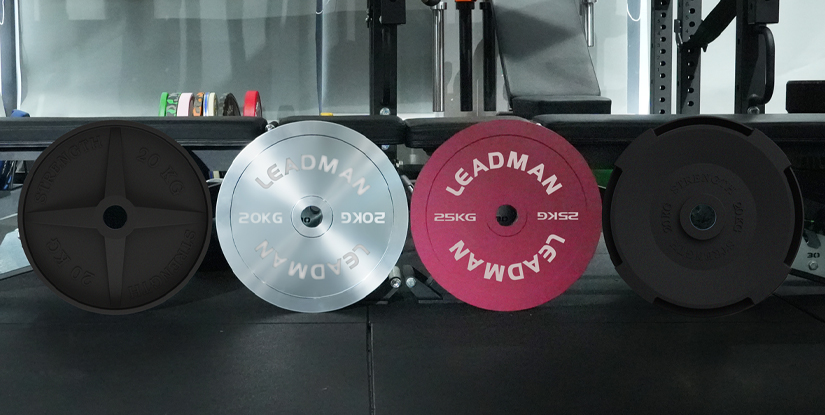
| Feature Focus | Standard Grade Cast Iron | Premium Commercial Grade |
|---|---|---|
| Internal Structure | Variable porosity | High structural density |
| Impact Durability | Risk of edge chipping | High-impact resistance |
| Lifespan Expectancy | Moderate (Standard Gyms) | Long-term (High-traffic/Tier 1) |
| Failure Mode | Brittle cracking potentialResilient under load |
Surface Finishes and Coating Specifications
The exterior treatment of your inventory dictates both the aesthetic longevity and the maintenance requirements of the equipment. When sourcing in bulk, choosing between various coating standards involves balancing the initial unit cost against the long-term total cost of ownership (TCO). For high-humidity environments or high-traffic commercial facilities, a superior finish prevents oxidation and maintains a professional appearance.
| Finish Type | Durability Rating | Corrosion Resistance | Aesthetic Longevity | Cost-Benefit Ratio |
|---|---|---|---|---|
| Raw Cast Iron | Low | Minimal (High Oxidation Risk) | Low (Rust-prone) | Highest (Low MOQ/Unit Cost) |
| Liquid Paint | Moderate | Standard Protection | Moderate (May chip) | Balanced (Standard Commercial) |
| Powder Coating | High | Superior (Industrial Grade) | High (Uniform/Consistent) | Premium (Long-term ROI) |
Distributors should note that while raw iron offers the lowest entry price, powder coating provides the most reliable defense against moisture-induced degradation, making it the preferred standard for high-end boutique studios and multi-facility chains.
Logistics and Export-Grade Protection Protocols
Maintaining product integrity from the factory floor to the end-user requires more than just high-quality casting; it demands a rigorous approach to cast iron quality control during the logistics phase. For distributors managing large-scale inventory, the primary risk shifts from manufacturing defects to transit-related damage, such as surface chipping or oxidation caused by environmental exposure.
Effective bulk gym equipment shipping strategies must utilize export-grade packaging to mitigate these risks. This includes standardized palletization standards where plates are stacked with weight-distributing spacers to prevent edge-to-edge contact, which often leads to structural fractures during sea freight. Furthermore, high-tier suppliers implement advanced moisture protection, such as vacuum-sealed polybags or desiccants within the shipping containers, to ensure that even uncoated or liquid-painted plates arrive without surface rust or oxidation-induced discoloration.
Optimizing Inventory and MOQ for Regional Distributors
Effective stock management requires a precise balance between maintaining high availability and maximizing capital efficiency. For a regional distributor, the goal is to ensure that essential iron cast plates are always ready for immediate dispatch without over-extending liquid assets in stagnant warehouse stock.
Strategic procurement hinges on understanding the relationship between inventory turnover and order frequency. Relying on small, frequent shipments can increase shipping costs and lead times, while over-ordering large volumes of low-demand SKUs ties up capital that could be used for diversifying product lines. When vetting partners in commercial weight plate manufacturing, distributors should prioritize suppliers that offer scalable MOQ options. This flexibility allows you to maintain a robust inventory of high-velocity weights while testing new or specialized plate designs with minimal financial risk.
Choosing between customized production runs and utilizing existing stock involves significant trade-offs in cost and speed. Buyers must evaluate their warehouse capacity against the immediate needs of their local client base to determine which model supports the most reliable fulfillment.
| Procurement Model | Typical MOQ | Lead Time | Shipping & Storage Focus |
|---|---|---|---|
| Standard Stock Orders | Low to Moderate | Short (Ready-to-ship) | Efficient for quick replenishment; lower storage risk. |
| Custom Manufacturing | High | Extended (Production + Transit) | Requires large-scale bulk gym equipment shipping logistics and significant floor space. |
For distributors with limited square footage, leaning toward standard stock orders minimizes the risk of dead stock. However, if your market demands proprietary branding or specific weight increments, a custom production model—despite the higher upfront investment and complex bulk gym equipment shipping requirements—often provides the long-term competitive edge needed to establish a distinct brand identity.
Mitigating Transit Damage Through Rigorous Logistics Control
Long-distance international transit introduces significant mechanical stress on heavy metal goods. To ensure high-quality arrivals, distributors must look beyond the product itself and scrutinize the manufacturer's export packaging protocols. Standardized palletizing is insufficient for heavy iron cast plates; instead, demand reinforced wooden crates or heat-treated pallets that can withstand the shifting weight of a shipping container.
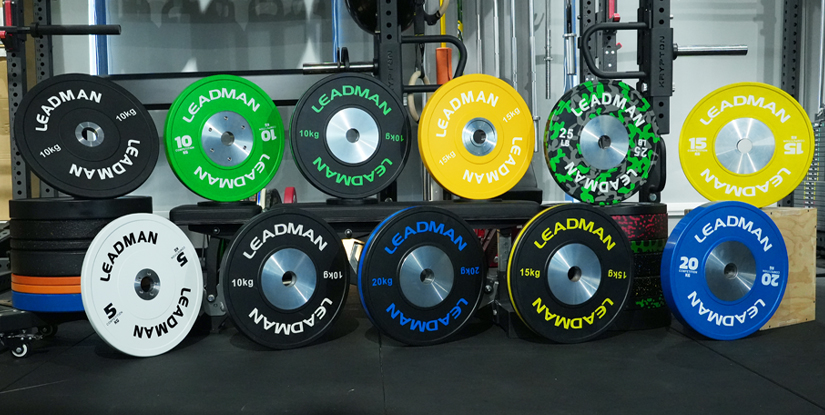
A robust cast iron quality control checklist should include a specific verification of load-securing methods. Effective damage prevention relies on the use of heavy-duty edge protectors and high-tensile strapping to prevent the plates from grinding against one another during ocean transit. Furthermore, shipping logistics planning should prioritize warehouse optimization by ensuring that receiving docks are equipped to handle high-density, heavy-weight shipments immediately upon arrival, reducing the time goods spend in vulnerable, unorganized staging areas.
Mitigating Transit Damage via Export Packaging Protocols
The total landed cost of iron cast plates is often dictated by the quality of logistics preparation rather than the factory price alone. Neglecting specialized packaging leads to high rates of transit damage, such as chipped edges or compromised structural integrity, which directly erodes distributor margins and increases return rates.
Protecting Surface Finish Integrity and Long-Haul Durability
During bulk gym equipment shipping, products face extreme mechanical stress and environmental shifts. High-tier manufacturers utilize reinforced wooden crates and palletization to ensure iron cast plates remain secure during sea freight. Beyond physical impact, effective moisture protection is mandatory; utilizing desiccants and moisture-resistant liners prevents oxidation and surface degradation during long-haul transit through varying climates. Investing in robust export-grade packaging minimizes the risk of receiving substandard inventory, ensuring the aesthetic and functional standards of your commercial facility are met upon arrival.
Evaluating Packaging Configurations for Cost-Efficiency
Selecting the appropriate packaging tier requires a strategic balance between shipping volume, weight density, and the desired protection level. While standard methods reduce the initial freight expense, high-value commercial orders often demand enhanced structural support to prevent metal-on-metal friction and impact damage during ocean transit.
| Packaging Configuration | Protection Level | Cost Impact | Sea Freight Suitability |
|---|---|---|---|
| Standard Palletization | Moderate | Low | Best for short-haul or domestic sea routes |
| Reinforced Wooden Crates | High | Medium | Recommended for international distributors |
| Custom Steel Frames | Maximum | High | Essential for heavy, high-density bulk shipments |
For distributors managing high-volume inventory, reinforced wooden crates often provide the most reliable ROI by significantly reducing the likelihood of edge chipping and surface abrasions. While custom steel frames offer the highest security for massive weight loads, the increased freight cost is typically reserved for specialized heavy-duty equipment shipments where structural failure is not an option.
To safeguard your procurement budget, implement a strict inspection checklist during factory audits. Do not rely solely on visual confirmation; verify that the manufacturer employs specific moisture-proof barriers, such as heavy-duty polybags or vacuum-sealed liners, to prevent rust during transoceanic transit. Furthermore, confirm pallet stability by requesting photos of the bracing and strapping methods used for your specific order. A well-secured load prevents shifting, which is a primary cause of dented edges and broken crates. By prioritizing these cast iron quality control measures at the source, buyers achieve long-term cost-saving through damage prevention, avoiding the high overhead of processing defective replacements and managing dissatisfied end-users.
Long-Term TCO and Maintenance of Iron Cast Plates
For commercial distributors and facility managers, the true value of an inventory item is measured by its lifecycle rather than the initial invoice. Evaluating the relationship between commercial weight plate manufacturing standards and long-term durability is essential to optimizing the Total Cost of Ownership (TCO) for high-traffic strength facilities.
Cost-per-Use vs. Initial Unit Price
Low-cost sourcing often results in hidden expenses through premature replacement cycles. High-quality iron cast plates engineered with precision weight tolerances and superior surface finish durability withstand the rigors of daily commercial use without chipping or oxidation. While premium manufacturing may require a higher upfront investment, the extended lifespan reduces the frequency of reordering and the logistical overhead of frequent shipments. When calculating ROI, procurement professionals must weigh the cost-per-use against the initial unit price to avoid the volatility of constant equipment turnover.
Finishing Options and Maintenance Trade-Offs
Selecting the appropriate finish is a strategic decision that impacts both the aesthetic longevity of the equipment and the operational budget. Different coating methods offer varying levels of protection against oxidation and physical impact, which directly influences the maintenance frequency required in high-traffic gym environments.
| Finishing Type | Durability Level | Maintenance Frequency | ROI Profile |
|---|---|---|---|
| Raw Cast Iron | Low (Oxidation Risk) | High (Requires regular oiling/cleaning) | Lowest initial cost; higher long-term upkeep |
| Liquid Paint | Moderate | Medium (Occasional touch-ups) | Balanced; suitable for boutique or mid-tier studios |
| Powder Coating | High (Impact Resistant) | Low (Minimal intervention) | Highest upfront cost; best for heavy-duty commercial use |
When managing bulk gym equipment shipping and inventory, choosing a robust finish like powder coating can mitigate the risks of surface degradation during transit and long-term storage. While raw iron provides a classic aesthetic, the labor costs associated with preventing rust often outweigh the initial savings in high-humidity or high-use settings.
Protecting ROI Through Logistics and Transit Integrity
The profitability of a bulk order is often determined before the shipment arrives at the warehouse. Neglecting the nuances of bulk gym equipment shipping can lead to significant revenue loss through damaged inventory and diminished product quality. To ensure your iron cast plates arrive in a condition that meets commercial standards, procurement strategies must prioritize advanced export packaging and environmental safeguards.
Effective moisture control is the primary defense against oxidation during long-haul sea freight. Rely with a supplier that utilizes desiccants and vacuum-sealed palletizing to prevent humidity from compromising the metal surface. Furthermore, implementing rigorous structural reinforcement in shipping crates is vital for minimizing transit damage to protect ROI. Without high-density padding and secure stacking protocols, the kinetic energy from maritime transit can cause edge chipping or surface abrasions, turning a high-margin shipment into a liability of defective goods and costly returns.