Selecting Cast Iron Weight Plates for Commercial Gym Layouts
Deployment Scenarios for High-Traffic Strength Zones
When sourcing for high-traffic strength zones, procurement managers must evaluate how cast iron weight plates used in heavy lifting areas impact long-term facility throughput. A successful deployment requires balancing three critical checkpoints: the physical footprint of the equipment, the precision of the weight tolerances, and the logistical efficiency of shipping dense, high-volume orders to your warehouse or job site.
Maximizing Gym Floor Space Optimization
In premium commercial settings, gym floor space optimization is often dictated by the diameter-to-thickness ratio of the load. High-density commercial strength training equipment requires plates that offer maximum weight without excessive width, allowing more weight to be loaded onto a single barbell or storage tree. Relying on strict iron plate thickness standards ensures that your inventory remains compatible with standard Olympic bars and prevents the "bulky" profile that can clutter a professional training floor. For distributors, selecting plates with a streamlined profile means more efficient storage solutions and a higher capacity for weight-to-volume ratios during international transit.
Selecting the correct profile is a strategic decision that affects both the user experience and the total equipment density of the training area. Depending on whether the facility prioritizes specialized strength training or high-volume general fitness, the thickness of the plates will dictate how much weight can be loaded per barbell and how much storage volume is required in the warehouse.
Profile Comparison: Standard vs. Slim-Profile Deployment
| Feature | Standard Cast Iron Profile | Slim/Competition Profile |
|---|---|---|
| Primary Use Case | General strength, HIIT, and standard commercial gyms | Powerlifting-focused zones and high-load barbell training |
| Space Efficiency | Moderate; higher volume per unit of weight | High; allows more weight on shorter bar sleeves |
| Compatibility | Universal fit for all commercial Olympic bars | Optimized for high-capacity barbell loading |
| Logistics/Storage | Easier to stock for general fitness distributors | Higher weight-to-volume ratio for shipping efficiency |
For facility managers, the choice depends on the target demographic. If your layout prioritizes heavy barbell movements, the slim-profile option prevents the "plate-stacking" bottleneck. Conversely, for general strength training environments where weight increments are more varied, standard profiles often provide a more cost-effective procurement solution with easier inventory turnover.
Inventory Density and Loading Capacity Logistics
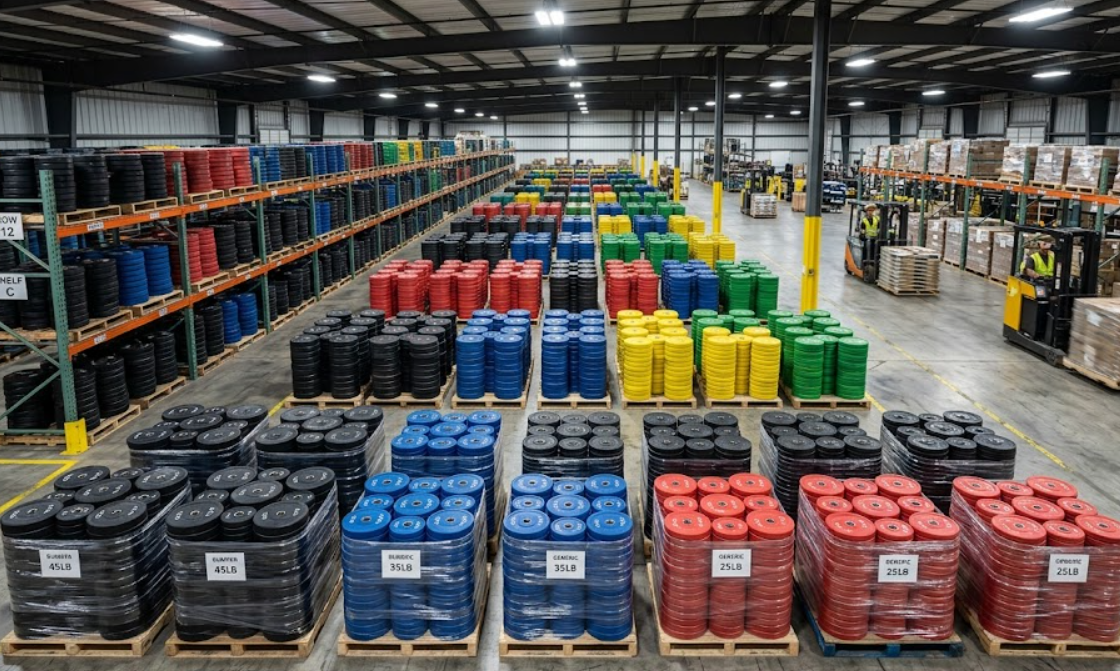
Effective B2B sourcing for large-scale facilities requires a deep understanding of how cast iron weight plates used in heavy-duty zones affect shipping costs and warehouse throughput. When calculating loading capacity for barbell sleeves, procurement managers must account for the total volume of the order to ensure equipment compatibility with existing storage racks and bar lengths. A common mistake in large-scale procurement is overlooking the weight-to-volume ratio; thinner, high-density plates allow for higher inventory density, which reduces the number of shipping containers required and lowers the landed cost per unit.
A smart procurement decision involves analyzing the specific density needs of the target zone. For high-traffic areas where users frequently swap plates, optimizing the stackability and profile thickness ensures that the facility can handle heavy barbell movements without hitting the physical limits of the bar sleeve. For distributors, prioritizing high-density casting not only improves the professional look of the strength area but also optimizes the logistics of moving large-scale, heavy-weight shipments across international borders.
Maximizing Density for Efficient Layouts
In high-traffic commercial strength training equipment environments, the physical footprint of a weight set dictates how many stations can fit within a fixed square footage. When sourcing cast iron weight plates used in professional settings, procurement managers must prioritize the relationship between mass and volume to ensure maximum gym floor space optimization.
Standardizing on high-density casting techniques allows for a significant footprint reduction on barbell sleeves. While lower-quality iron may feature inconsistent thickness, adhering to strict iron plate thickness standards ensures that more weight can be loaded onto a single bar without exceeding the physical length of the sleeve. For distributors and facility owners, this density is a critical factor in preventing overcrowding and maintaining clear walkways in premium fitness layouts.
Comparing Profile Thickness for Maximum Loading Capacity
The choice between standard and slim-profile plates is a strategic decision for facility designers. While standard plates offer a traditional aesthetic and cost-effective profile, slim-profile designs are engineered to maximize the usable length of barbell sleeves. This distinction is vital when planning for heavy-duty lifting zones where high-capacity loading is frequently required.
Choosing the correct profile ensures compatibility with a wide range of commercial strength training equipment, particularly when managing high-volume barbell stations. A thinner profile allows for more weight to be stacked before reaching the end of the sleeve, which is essential for strength-focused programming.
| Profile Type | Typical Thickness Profile | Barbell Sleeve Capacity | Best Use Case |
|---|---|---|---|
| Standard Cast Iron | Thicker / Traditional | Moderate (Lower Plate Count) | General fitness and budget-conscious setups |
| Slim/Competition Style | Thin / High-Density | High (Maximum Plate Count) | Powerlifting and heavy-duty strength zones |
When negotiating with manufacturers or wholesalers, verify that the thickness remains consistent across the entire production run. Inconsistent casting can lead to uneven weight distribution, which may compromise the structural integrity of the barbell and the overall efficiency of your gym floor space optimization.
Streamlining Storage and Maintenance Logistics
Efficient facility layout planning extends beyond the barbell sleeve to the vertical and horizontal storage solutions used throughout the gym. A critical B2B procurement decision involves evaluating how your chosen iron plate sets will interact with weight trees and storage racks. High-density plates allow for greater weight tree density, meaning more mass is stored in a smaller footprint, which reduces the total number of storage units required on the gym floor.
From a long-term maintenance perspective, selecting plates with uniform dimensions and high-quality finishes reduces the wear on both the equipment and the storage hardware. When sourcing in bulk, prioritize batches that demonstrate consistent diameter and thickness; this prevents uneven stacking that can cause weight trees to tilt or become unstable over time. By optimizing for both loading capacity and storage efficiency, distributors can minimize clutter and extend the service life of their auxiliary storage equipment.
Evaluating Iron Plate Thickness Standards for Equipment Compatibility
Standardization in manufacturing ensures that cast iron weight plates used in high-volume facilities remain compatible with diverse barbell systems. For procurement managers, understanding the relationship between plate density and sleeve diameter is critical to preventing equipment wear and ensuring seamless transitions during heavy lifting sessions.
Technical Specifications and Sleeve Fit
The thickness of a plate dictates how many units can fit on a single barbell, directly impacting gym floor space optimization. High-quality commercial strength training equipment relies on precision-engineered center holes to maintain a snug fit. If plates are too thick relative to their weight, they limit the total load capacity of the bar; if they are too thin or poorly cast, they may cause uneven weight distribution. Adhering to strict iron plate thickness standards ensures compatibility with barbell sleeves, whether using standard 50mm Olympic bars or specialized training implements. This precision is vital for maintaining high-traffic durability and reducing long-term maintenance costs caused by loose or rattling fits.
| Plate Profile Type | Thickness Profile | Primary Benefit | Procurement Focus |
|---|---|---|---|
| Standard Cast Iron | Medium/Consistent | High durability | Bulk replenishment |
| Thin-Profile Competition | Ultra-Slim | Max weight capacity | Specialized strength zones |
| Standard Fractional | Variable/Small | Precision loading | Micro-loading training |
When sourcing for large-scale facilities, the choice between standard and slim-profile plates involves a direct trade-off between structural density and barbell sleeve capacity. While standard plates offer a robust, heavy-duty feel suitable for general strength zones, slim-profile options are essential for specialized lifting areas where maximum loading is required without exceeding the physical length of the barbell.
Density vs. Capacity Trade-Offs
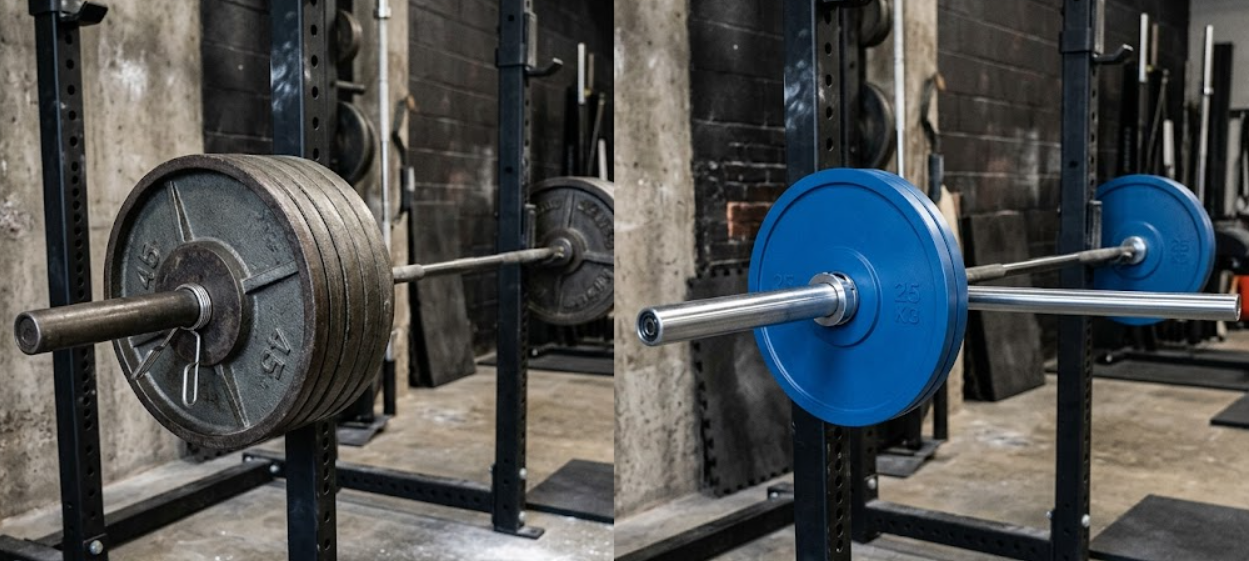
A critical factor in gym floor space optimization is the ability to load heavy weights onto a single bar without running out of sleeve room. Slim-profile plates utilize higher-density casting techniques to achieve the same weight at a lower thickness. This allows distributors to provide more weight per bar, which is vital for powerlifting-focused gyms. However, procurement teams must verify that the manufacturing process maintains consistent center-hole diameters to prevent uneven wear on commercial strength training equipment. Choosing the wrong profile can lead to premature barbell sleeve deformation or restricted loading capacity during peak usage.
Prioritizing Manufacturing Precision and Long-Term ROI
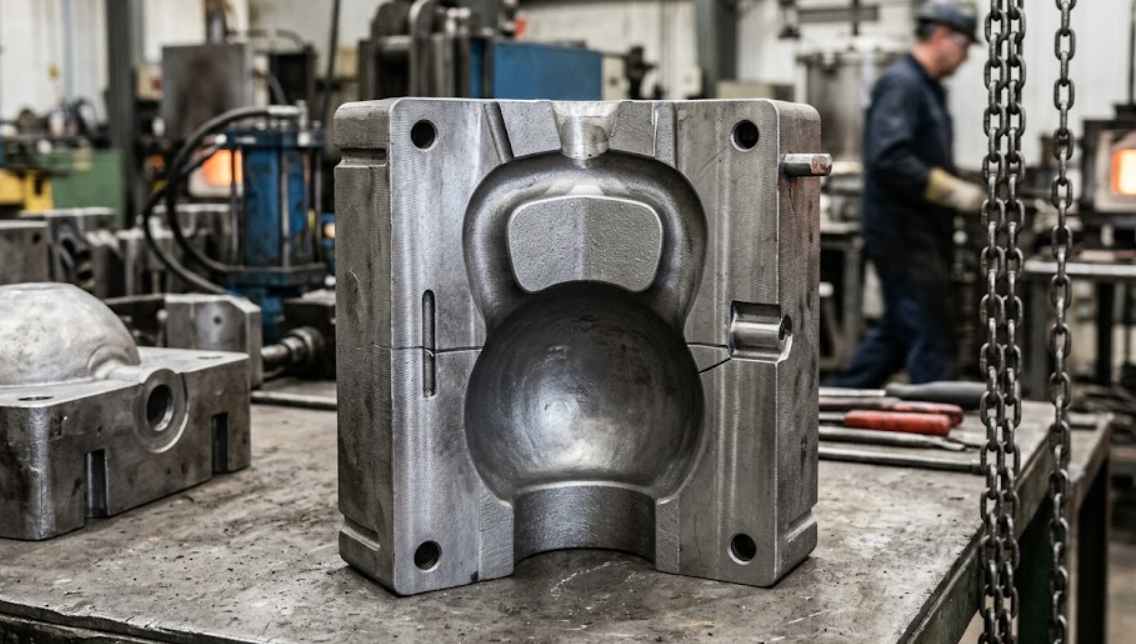
For distributors and facility owners, the true cost of cast iron weight plates used in a commercial setting is measured by their lifespan, not just the initial purchase price. High-quality manufacturing relies on strict QC (Quality Control) protocols to manage manufacturing tolerances. Inconsistent casting can lead to slight variations in thickness or diameter, which may seem negligible in small batches but become problematic during bulk ordering considerations. If plates do not meet uniform standards, the uneven weight distribution can lead to preventing sleeve damage on expensive Olympic bars, effectively extending the lifecycle of your entire strength training inventory.
Investing in plates with tighter tolerances ensures long-term durability and protects your capital expenditure. When a facility experiences high-frequency turnover, poorly manufactured plates with irregular edges or inconsistent center holes can cause friction-induced wear on barbell bearings. By prioritizing suppliers with proven factory capability and rigorous inspection standards, procurement managers secure a better long-term ROI, reducing the frequency of replacement cycles and minimizing downtime caused by equipment incompatibility.
Maximizing ROI Through Demographic-Driven Procurement
Selecting the right cast iron weight plates used in your facility depends heavily on your target member profile. A high-end boutique studio focusing on functional strength requires different inventory than a high-volume strength and conditioning center. For facility managers, the goal is to balance initial capital expenditure against long-term programming versatility to ensure the equipment serves diverse training styles without frequent replacements.
When evaluating commercial strength training equipment, the true metric of success is the cost-per-use. A demographic-driven approach allows you to optimize your initial order based on expected user intensity. For instance, a gym catering to powerlifters necessitates heavy, high-tolerance plates, whereas a general fitness club may prioritize a broader range of lighter increments to accommodate beginners and general wellness members. By aligning your procurement strategy with these specific user needs, you minimize dead stock and maximize the lifecycle value of every kilogram purchased.
The following comparison illustrates how different plate configurations influence both the initial procurement budget and the long-term operational flexibility of your facility. Choosing the wrong specification can lead to higher maintenance costs or limited utility for specialized training groups.
| Plate Configuration | Primary Demographic | Cost Implication & ROI |
|---|---|---|
| Standard Iron | General Fitness / Commercial Gyms | Lowest initial outlay; high durability for high-traffic, non-specialized use. |
| Precision/Calibrated | Strength Athletes / Powerlifting Clubs | Higher unit cost; essential for competitive environments and strict weight accuracy. |
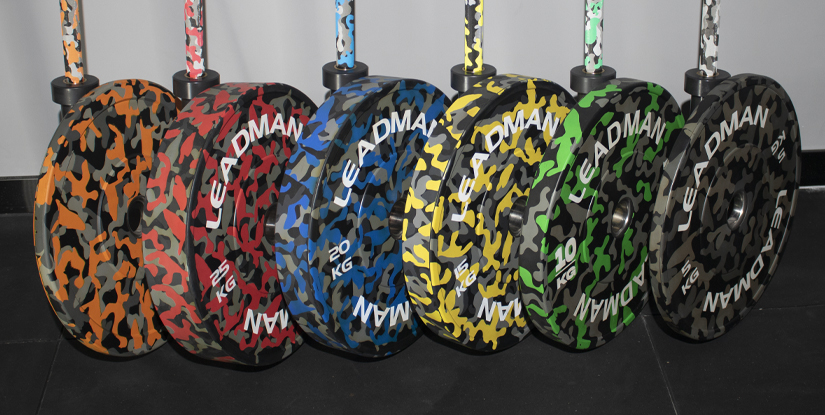
| Color-coded/Coated | Boutique Studios / High-End Wellness | Premium pricing; improves user experience and visual organization of training loads. |
For distributors and bulk buyers, understanding these tiers is vital for gym floor space optimization. While standard plates offer the best economy of scale for massive weight requirements, specialized configurations may be necessary to prevent equipment obsolescence if your facility transitions toward more intensive strength programming.
Budget Optimization via Standardization and Thickness
Effective procurement requires balancing the unit cost of individual plates against the total footprint they occupy. Adhering to established iron plate thickness standards is a strategic decision rather than a mere technicality. Thinner plates allow for more weight on a single barbell, which is essential for gym floor space optimization in weight-intensive zones. However, overly thin plates in high-traffic environments may lack the structural density required for heavy daily use, potentially increasing replacement frequency.
When negotiating bulk procurement, buyers should evaluate the trade-off between SKU variety and MOQ considerations. Rather than ordering dozens of niche weight increments that clutter storage, focus on a robust selection of standard thicknesses that ensure high-traffic durability. A streamlined inventory reduces the complexity of shipping and warehousing, allowing distributors to leverage economies of scale while ensuring the equipment remains compatible with standard commercial racks and barbells.
Sourcing and Logistics for Bulk Commercial Orders
Managing the procurement of high-volume weight sets requires a shift from simple purchasing to rigorous supply chain oversight. When sourcing cast iron weight plates used in high-traffic environments, the focus must transition from unit price to the long-term total cost of ownership and the logistical reliability of the manufacturer.
Prioritizing Quality Control and Manufacturing Standards
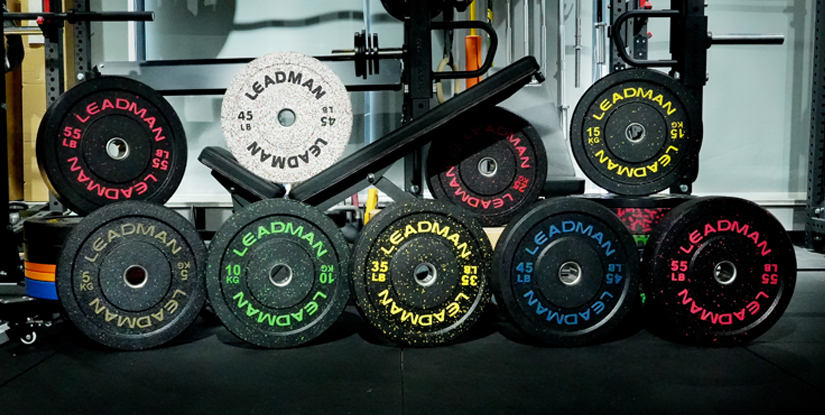
For distributors and facility managers, the primary risk in bulk orders is inconsistent quality control (QC). Substandard commercial strength training equipment often suffers from uneven density or imprecise tolerances, which can lead to imbalanced loading and premature wear on barbell sleeves. Establishing strict manufacturing standards ensures that every plate meets specific iron plate thickness standards, preventing uneven stacking and reducing the frequency of maintenance cycles. Investing in high-grade casting processes minimizes the risk of structural fractures or surface degradation, ultimately protecting your facility's ROI and ensuring the durability required for heavy-duty commercial use.
Deciding between direct factory procurement and utilizing a local distributor depends heavily on your organization's scale and logistics capability. While direct sourcing offers the lowest unit cost, it requires more intensive management of international shipping and customs. Conversely, local distributors provide speed and reduced administrative burdens at a premium price point.
Sourcing Model Comparison for Procurement Decision-Makers
| Feature | Direct Factory Sourcing | Local Distributor Model |
|---|---|---|
| Minimum Order Quantity (MOQ) | High (typically full container loads) | Low to Moderate (pallet or case level) |
| Shipping Lead Times | Extended (ocean freight + customs) | Short (domestic transit) |
| Quality Oversight | Requires independent inspection/QC | Managed by distributor/local standards |
| Maintenance & Replacement | Batch-based replacement cycles | Rapid, individual unit replenishment |
For large-scale gym floor space optimization projects, direct sourcing is often the most cost-effective way to standardize equipment across multiple locations. However, smaller boutique facilities may find the local distributor model more efficient for managing sudden inventory gaps or immediate replacement needs.
Maximizing Storage Efficiency Through Standardized Dimensions
Effective gym floor space optimization extends beyond the placement of racks; it relies heavily on the dimensional consistency of the weights themselves. When selecting a supplier, procurement managers should demand strict adherence to iron plate thickness standards to ensure weight plate uniformity across all denominations. Inconsistent casting thickness leads to uneven stacking on barbell sleeves and inefficient storage in vertical or horizontal racks, which can quickly clutter a high-traffic training area.
From a logistics standpoint, prioritizing standardized dimensions also aids in shipping weight optimization. Uniformly sized plates allow for more predictable palletization and higher container density, reducing the volumetric footprint during transit. For distributors managing large inventories, high storage efficiency is achieved when plates stack flush without gaps, allowing for tighter nesting in weight trees and maximizing the usable square footage of your warehouse or facility floor.
Long-Term ROI and Maintenance Cycles for Cast Iron Inventory
For facility managers and distributors, the true value of cast iron weight plates used in high-volume environments is measured by their lifecycle rather than the initial purchase price. High-quality iron components offer a predictable depreciation curve, ensuring that equipment remains functional through years of heavy usage without requiring frequent replacement.
Durability vs. Replacement Cycles
In high-traffic commercial strength training equipment setups, the primary cost driver is not the acquisition, but the frequency of replacement. Low-grade iron often suffers from structural imperfections or uneven thickness, leading to cracking or warping under extreme load. Selecting premium-grade casting ensures superior high-traffic wear resistance, significantly extending the interval between inventory refreshes. This durability directly improves the Total Cost of Ownership (TCO) by reducing both procurement frequency and the labor costs associated with constant equipment turnover.
| Investment Metric | Standard Grade Iron | Premium Commercial Cast Iron |
|---|---|---|
| Replacement Frequency | Higher due to structural flaws | Minimal; optimized for longevity |
| Maintenance Needs | Frequent inspection for cracks | Low; standard cleaning only |
| Long-Term TCO | Unpredictable/Higher | Stable/Lower |
When calculating the long-term yield of your inventory, technical specifications such as iron plate thickness standards and coating integrity become critical procurement variables. While standard options may offer lower upfront costs, they often lack the dimensional stability required for high-density storage and seamless compatibility with premium barbell sleeves.
Technical Specifications and Value Comparison
A significant factor in gym floor space optimization is the precision of the plate's profile. Premium casting typically maintains tighter tolerances in diameter and thickness, preventing the "wobble" often found in lower-tier batches. Furthermore, the durability of the protective coating determines how well the equipment resists oxidation in humid or high-use environments, directly impacting the aesthetic longevity of the facility.
| Feature/Metric | Standard Cast Iron | Premium Commercial Grade |
|---|---|---|
| Thickness Precision | Variable; prone to warping | Strict tolerances; high stability |
| Coating Durability | Basic paint; prone to chipping | Industrial-grade/Powdered; high impact resistance |
| Compatibility | May struggle with precision sleeves | Optimized for high-end barbell interfaces |
| ROI Impact | Lower initial cost; higher turnover | Higher initial cost; maximized lifecycle |
For distributors managing large-scale shipments, prioritizing these technical standards minimizes the risk of costly returns and ensures that the replacement frequency remains a negligible part of the annual operating budget.
Optimizing Logistics and Inventory Turnover
Efficient procurement for large-scale facilities requires a strategic approach to MOQ considerations and shipping density. Distributors should evaluate how the physical profile of the plates affects container utilization; high-precision casting allows for more consistent stacking, which directly enhances logistics efficiency and reduces the landed cost per unit. When managing a diverse inventory, balancing the weight-to-volume ratio is essential for gym floor space optimization within both the warehouse and the retail floor.
To maximize inventory turnover, buyers should prioritize standardized weight increments that align with common training programming. By selecting a streamlined range of high-quality cast iron weight plates used in most commercial settings, procurement managers can reduce SKU complexity. This streamlined approach ensures that capital is not tied up in slow-moving, niche sizes, thereby protecting the long-term asset value of the facility's strength equipment inventory.