Sourcing Cast Iron Steel Plates: Distributor Stocking Guide
Lifecycle Value and Total Cost of Ownership in Heavy Iron Selection
Total Cost of Ownership (TCO) represents the cumulative expense of acquiring, maintaining, and eventually replacing inventory. For distributors, understanding TCO is vital because the initial procurement cost of cast iron steel plates often masks long-term liabilities related to premature degradation or high replacement frequencies.
Focusing solely on the lowest unit price during commercial weight plate wholesale negotiations can be a strategic error. High-quality cast iron steel plates must maintain surface coating integrity under heavy use to prevent oxidation and structural chipping. If a shipment lacks robust finishing, the resulting maintenance costs and client dissatisfaction will quickly negate any initial savings achieved through low-cost sourcing.
| Procurement Factor | Low-Cost/Low-Spec Option | Premium Commercial Grade |
|---|---|---|
| Initial Unit Price | Lower upfront investment | Higher initial capital outlay |
| Surface Durability | Frequent rust/chipping issues | High-integrity protective coating |
| Replacement Cycle | Short (high turnover) | Extended (low turnover) |
| Long-term Margin | Eroded by returns/claims | Stable through reliability |
When planning fitness equipment distribution, the choice between different surface treatments directly dictates the maintenance frequency and long-term asset value. A distributor's decision often hinges on whether the end-user environment is a high-traffic commercial facility or a more controlled boutique studio setting.
Surface Finish and Impact Resistance Comparison
The distinction between raw finishes and advanced coatings affects how the product behaves during high-impact drops. While raw iron is cost-effective, it requires more frequent upkeep to manage oxidation. Conversely, specialized coatings provide a buffer that protects the structural integrity of the plate over years of heavy use.
| Feature | Raw Cast Iron | Powder Coated Finish |
|---|---|---|
| Surface Finish | Exposed metal; prone to oxidation | Protective polymer layer |
| Impact Resistance | High; standard structural density | Excellent; absorbs surface shock |
| Maintenance Frequency | High (requires rust prevention) | Low (minimal upkeep required) |
| Ideal Use Case | Budget-conscious/Home gym | High-traffic commercial gyms |
Selecting the right specification for iron plate bulk procurement requires balancing these variables against your target market's expectations. For large-scale distributors, investing in powder-coated options typically reduces the volume of warranty claims and enhances the reputation of the supplied inventory.
Optimizing Logistics and Inventory Velocity
Efficient iron plate bulk procurement requires a delicate balance between minimizing unit costs and managing the logistical overhead of heavy goods. High-volume orders often lower the price per unit, but they also increase warehousing costs and the risk of stagnant capital. To protect your margins, you must align your order frequency with the shipping density of your containers. Since cast iron is exceptionally heavy, optimizing the weight-to-volume ratio in a 40ft HQ container is critical to ensuring you aren't paying for "empty air" or exceeding weight limits that trigger surcharges.
Maintaining a healthy inventory turnover is the most effective way to achieve margin protection. If you over-order to meet a low MOQ threshold without a clear sales velocity, the cost of long-term storage and capital tie-up will eventually outweigh the initial bulk discount. A successful distribution strategy involves forecasting demand for high-demand denominations—such as 45lb/20kg plates—while keeping leaner stocks of niche sizes to minimize the footprint in your warehouse.
Optimizing Inventory Mix for Commercial Weight Plate Wholesale
Effective procurement requires a calculated balance between high-demand staples and niche weight increments. For distributors, managing the stock of cast iron steel plates is not merely about volume, but about maximizing inventory turnover while minimizing the dead capital tied up in slow-moving SKUs.
A successful commercial weight plate wholesale strategy relies on a tiered approach to high-volume vs. specialty weight distribution. High-turnover weights—typically the 45lb/20kg and 25lb/10kg increments—should constitute the bulk of your warehouse footprint optimization efforts. These items drive consistent revenue and keep inventory flowing. Conversely, specialty plates (such as 5lb or 7.5lb increments) serve the boutique studio and specialized strength market but carry higher risks of stagnant stock. To maintain capital efficiency, distributors should leverage tiered MOQ structures, ensuring that high-velocity items are always replenished before stockouts occur, while strictly controlling the depth of specialty weight inventories.
To determine the ideal depth of your inventory, you must categorize your procurement orders based on velocity and spatial requirements. Heavy, high-demand plates require more robust shipping logistics and larger warehouse footprints, whereas lighter increments allow for more granular SKU variety without overwhelming your storage capacity.
| Weight Category | Typical Demand Pattern | Storage Density | MOQ Consideration |
|---|---|---|---|
| Standard (45lb/25lb/10kg) | Constant/High Velocity | Low (High Volume/Weight) | High (Bulk Container Loads) |
| Mid-Range (15lb/20lb/5kg) | Moderate/Steady | Medium | Medium (Pallet-Based) |
| Specialty/Fractional (2.5lb-7.5lb) | Erratic/Low Velocity | High (Low Volume/Weight) | Low (Mixed SKU Orders) |
When planning your iron plate bulk procurement, prioritize the standard heavy weights to satisfy the core needs of commercial strength facilities. While specialty plates increase your catalog depth, they often demand higher per-unit costs and carry a greater risk of becoming dead stock. A balanced approach involves securing large-scale shipments for foundational weights to lower landed costs, while using more agile, smaller-batch orders for precision increments to maintain a lean, responsive supply chain.
Logistics Coordination and Lead Time Management
Successful iron plate bulk procurement requires moving beyond simple order placement to active logistics synchronization. Because heavy iron components significantly impact freight costs, shipping container optimization is critical for maintaining healthy margins. Distributors should aim for full container loads (FCL) whenever possible, as maximizing the weight-to-volume ratio reduces the per-unit landed cost, which is often the most significant variable in fitness equipment distribution.
To avoid the high costs of emergency air freight or fragmented LCL (Less than Container Load) shipments, planners must account for extended lead times. This includes not only factory production cycles but also ocean freight transit and seasonal port congestion. By analyzing seasonal demand—such as the uptick in gym builds during Q1 or pre-summer fitness surges—distributors can establish proactive replenishment cycles. Instead of reactive ordering, a scheduled procurement cadence ensures that high-velocity stock arrives before depletion, mitigating the risk of stockouts during peak commercial demand periods.
Navigating MOQ and Tiered Pricing Structures for Bulk Procurement
Effective inventory management for distributors relies on understanding the direct correlation between order volume and unit cost. When sourcing cast iron steel plates, the pricing architecture is primarily driven by economies of scale in both raw material procurement and manufacturing throughput.
The Impact of Volume on Unit Cost
As procurement quantities increase, the per-unit price of cast iron steel plates typically decreases due to optimized production runs. High-volume orders allow manufacturers to leverage bulk discounts on raw iron and reduce the impact of fixed setup costs per batch. For distributors, moving from small-scale replenishment to larger bulk shipments can significantly lower the landed cost per kilo, directly improving gross margins. This scale is achieved through streamlined casting cycles and more efficient logistics planning, where the overhead of machine calibration and mold preparation is distributed across a much larger total output.
Selecting the right procurement tier requires a strategic balance between capital liquidity and inventory availability. Distributors must decide whether to prioritize low-risk, low-volume shipments or to maximize margins through large-scale ocean freight shipments. The following comparison outlines how different order volumes impact your operational model.
| Tier Name | Typical MOQ | Price Impact | Best Use Case |
|---|---|---|---|
| Sample/Trial (Low MOQ) | 1–5 Units per SKU | Highest Unit Cost | Boutique Studios or R&D Testing |
| Standard Wholesale | 50–200 Total Units | Moderate Discount | Regional Distributors or Gym Chains |
| Full Container Load (FCL) | 1,000+ Total Units | Maximum Margin Potential | National Importers & Large-Scale Wholesalers |
For those managing regional distribution, the Standard Wholesale tier often provides the best equilibrium between shipping efficiency and cash flow. While Full Container Load orders offer the lowest possible landed cost for cast iron steel plates, they require significant warehouse footprints and advanced demand forecasting to avoid stagnant capital.
Balancing Inventory Carrying Costs and Lead Times
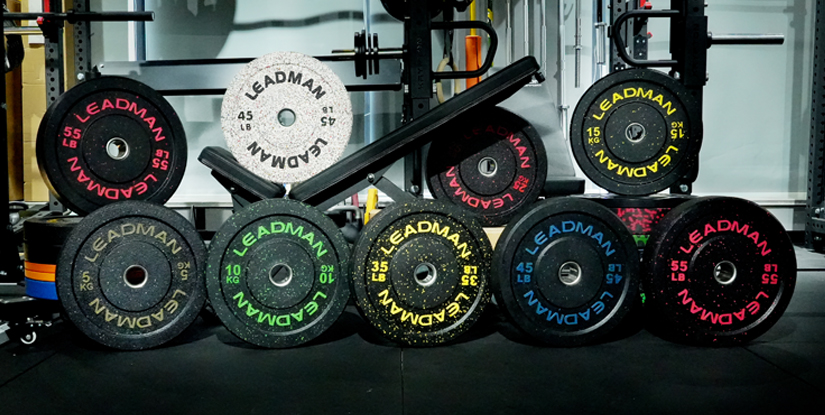
Maximizing profit margins through iron plate bulk procurement requires more than just securing the lowest factory price; it demands a sophisticated understanding of total landed costs. While high-volume orders drastically reduce the unit price, they simultaneously increase the burden of warehousing and capital tie-up. A distributor must weigh the savings from a Full Container Load against the logistical expenses of maintaining a large physical footprint and the risk of dead stock.
Strategic procurement also necessitates rigorous planning for manufacturing and shipping lead times. Demand for weight plates often spikes during seasonal fitness transitions or new facility launches. To avoid stockouts during these peak windows, distributors should implement a staggered replenishment cycle. By accounting for production cycles and ocean freight transit times, you can maintain a lean yet responsive inventory that protects your service levels without overextending your storage capacity.
Material Integrity and Surface Finish Standards for Distribution
For distributors, the long-term value of cast iron steel plates is determined by their ability to withstand high-frequency use without structural degradation. High-quality casting ensures consistent density, which prevents cracking or chipping under heavy impact—a critical factor for maintaining professional standards in high-traffic facilities.
Structural Integrity and Oxidation Resistance
In demanding commercial gym environments, equipment is subject to constant temperature fluctuations and humidity. Premium cast iron steel plates must possess high oxidation resistance to prevent premature rust, which can degrade the aesthetic and structural integrity of a weight set. When evaluating factory samples, distributors should look for a uniform grain structure that minimizes internal voids, ensuring the plates remain durable through years of heavy loading and unloading cycles.
The Role of Surface Finish in Longevity
Beyond the core metal, surface finish standards directly impact the total cost of ownership for your clients. A consistent, smooth finish—whether powder-coated or high-gloss painted—acts as a protective barrier against environmental wear. For the distributor, sourcing plates with superior coating adhesion means fewer client complaints regarding surface rust or peeling, ultimately protecting your brand reputation and reducing the need for replacement stock.
Technical Comparison of Surface Treatments
Distributors must advise end-users on the trade-offs between aesthetic appeal and long-term maintenance. While raw finishes offer the lowest entry cost, they often lead to higher maintenance cycles in humid or coastal environments. Selecting the appropriate treatment is a strategic decision that balances initial procurement costs against the total cost of ownership (TCO) for the facility.
| Finish Type | Durability & Impact Resistance | Corrosion Resistance | Aesthetic Longevity | Maintenance Requirements |
|---|---|---|---|---|
| Powder Coating | High (Resilient to chipping) | Excellent (Protective barrier) | Superior (Consistent matte/gloss) | Low (Occasional wipe-down) |
| Liquid Paint | Moderate (Prone to scratching) | Good (Surface level protection) | Moderate (May fade or peel) | Medium (Requires touch-ups) |
| Raw Cast Iron | High (Natural material density) | Low (Highly susceptible to rust) | Low (Industrial/Rugged look) | High (Requires oiling/cleaning) |
When managing iron plate bulk procurement, consider that powder-coated options typically command a higher unit price but offer significantly better margins through reduced warranty claims. For high-end boutique studios, premium coatings are often a requirement, whereas standard commercial warehouses may prioritize the cost-efficiency of raw or painted finishes.
Quality Control Protocols for Bulk Procurement
Reliable iron plate bulk procurement requires more than just a visual inspection; it demands rigorous technical validation of the casting process. To mitigate the risk of structural failure, distributors must verify that the manufacturer maintains strict inspection protocols focused on density consistency. Inconsistent metal distribution can lead to internal voids, which are the primary cause of stress fractures during heavy drop scenarios.
During the vetting stage, prioritize suppliers who can demonstrate advanced factory capability regarding crack prevention and weight tolerance. A professional-grade production line should utilize automated weighing and non-destructive testing to ensure each unit meets a tight deviation margin—typically within +/- 1% to 2% of the target weight. For a distributor, establishing these benchmarks early prevents the logistical headache of returning non-compliant stock and ensures that every shipment meets the high-performance expectations of commercial fitness clients.
Logistics and Dimensional Planning for International Freight
Effective inventory management for cast iron steel plates requires a precise understanding of high-density storage requirements. Unlike lighter fitness accessories, these components demand rigorous logistical planning to optimize warehouse footprint and prevent structural damage during transit and long-term holding.
Optimizing Warehouse Footprint and Weight Distribution
Distributors specializing in commercial weight plate wholesale must account for the extreme density of iron. Because these items possess a high weight-to-volume ratio, standard shelving is often insufficient. Proper palletization is critical; weight must be distributed evenly across heavy-duty pallets to prevent bowing or collapse. When planning your iron plate bulk procurement cycles, ensure your facility can support concentrated floor loads, as stacking high-volume orders without reinforced flooring can lead to costly structural issues.
| Storage Configuration | Primary Advantage | Logistical Constraint | Best Use Case |
|---|---|---|---|
| Floor Stacking | Maximum density | Difficult to access bottom SKUs | Bulk overflow/Long-term storage |
| Heavy-Duty Racking | High accessibility | Requires specialized uprights | Active commercial distribution |
| Palletized Crating | Safe international transit | Increased volumetric footprint | Import/Export shipments |
Selecting the right configuration depends on your turnover rate and facility infrastructure. While palletized stacking offers the most cost-effective method for long-term storage, it often limits SKU accessibility. Conversely, utilizing heavy-duty racking maximizes vertical space but necessitates a higher initial investment in warehouse equipment and specialized safety protocols.
Weight Distribution and Safety Standards
When managing large-scale inventory, safety is a non-negotiable procurement factor. Distributors should evaluate their facility's floor load capacity before committing to large-volume shipments. Concentrated weight from dense iron plates can exceed the tolerance of standard commercial flooring if not properly distributed. For high-frequency movement, ensure all racking systems are rated for industrial weight loads to prevent structural failure during daily operations.
Balancing MOQ Requirements with Shipping Efficiency
For many in fitness equipment distribution, the primary challenge lies in the tension between minimizing unit costs and managing storage overhead. While high Minimum Order Quantities (MOQ) typically lower the per-unit price, they also increase the risk of stagnant inventory and high carrying costs. To maintain a healthy inventory turnover, distributors should synchronize their procurement cycles with shipping container optimization. Rather than ordering based solely on the lowest price point, calculate the volumetric efficiency of a 20ft or 40ft container to ensure you are not paying for "dead air" during transit.
Effective planning requires a deep understanding of lead times and the trade-off between shipping frequency and storage costs. A high-volume, low-frequency strategy maximizes shipping density but requires significant warehouse space and capital tie-up. Conversely, smaller, more frequent shipments improve cash flow and responsiveness to market demand but increase the cumulative freight expense. A successful procurement model relies on forecasting seasonal demand peaks to pre-order heavy iron plate batches well in advance, ensuring that lead times from the factory do not disrupt your local supply chain.
Maximizing Profitability Through Strategic Inventory Management
For distributors, the profitability of a commercial weight plate wholesale order depends on the delicate equilibrium between volume discounts and capital liquidity. Because cast iron steel plates are heavy, high-density goods, the landed cost—which includes manufacturing, heavy-duty sea freight, and port handling—often outweighs the base unit price.
To protect your margins, you must implement MOQ optimization. While larger orders reduce the per-unit cost, they also increase the risk of stagnant inventory turnover and high warehousing expenses. A successful procurement strategy involves balancing high-demand weight increments (such as 45lb and 25lb) to ensure rapid movement, rather than overstocking niche sizes that tie up working capital in a high-freight-cost category.
Evaluating Shipping Models for Maximum ROI
Distributors must choose between frequent, smaller shipments and heavy-duty bulk arrivals based on their local warehouse capacity and cash flow requirements. While high-frequency orders mitigate the risk of dead stock, the per-unit freight cost typically rises due to less efficient container utilization. Conversely, bulk procurement maximizes economies of scale but demands significant storage overhead and upfront capital.
| Metric | High-Frequency (Small MOQ) | Low-Frequency (Bulk Shipments) |
|---|---|---|
| Freight Cost Impact | Higher per-unit shipping rates | Optimized ocean freight costs |
| Storage Overhead | Minimal; low footprint required | High; requires heavy-duty racking |
| Stock Availability | Lean; higher risk of stockouts | Robust; ready for immediate demand |
| Capital Liquidity | High; lower upfront investment | Lower; capital tied in inventory |
When planning your next iron plate bulk procurement, prioritize a hybrid approach. Focus on heavy-volume increments to justify full container loads, while using smaller, agile orders for specialty weights to maintain a healthy turnover rate.
Protecting Margins via Quality Consistency
In the high-stakes environment of fitness equipment distribution, the most significant threat to your long-term profitability is not the unit price, but the hidden costs of poor quality. High defect rates—such as uneven weight distribution, surface pitting, or dimensional inaccuracies—can lead to catastrophic returns and damaged brand reputation. If a shipment of cast iron steel plates arrives with inconsistent tolerances, the resulting logistics costs for replacements and the loss of client trust will quickly erode any initial savings gained from low-cost sourcing.
A robust bulk procurement strategy must include a rigorous quality control (QC) protocol. Rather than relying solely on factory promises, professional distributors should mandate pre-shipment inspections that verify weight accuracy and coating integrity. By investing in strict quality consistency at the source, you mitigate the risk of costly post-delivery claims, ensuring that your inventory remains a high-margin asset rather than a liability.