Quality Control Standards for Cap Barbell Cast Iron Plates
Evaluating Long-Term Value and Lifecycle Costs of Cast Iron Weight Sets
Cap barbell cast iron plates are heavy-duty, molded iron weight increments used primarily in strength training environments. B2B buyers prioritize these components because they offer high density, structural stability, and a proven track record of longevity in high-traffic commercial gym settings.
Prioritizing Durability over Upfront Unit Price
For distributors and facility managers, the true cost of equipment is measured by the replacement cycle rather than the initial invoice. While lower-tier manufacturers may offer a tempting discount, failing to adhere to strict barbell plate tolerance standards often results in uneven weight distribution and premature surface degradation. In a professional commercial gym setting, inconsistent casting or poor coating quality leads to frequent maintenance requests and premature turnover.
Investing in high-quality cap barbell cast iron plates ensures that the equipment maintains its structural integrity under heavy use. By focusing on long-term durability vs. upfront cost, procurement specialists can reduce the frequency of reordering and minimize the operational downtime caused by replacing chipped or unbalanced iron sets.
A thorough commercial weight plate inspection reveals that the discrepancy between budget options and professional-grade equipment becomes evident during the first 18 to 24 months of heavy operation. Procurement managers must weigh the initial savings against the eventual costs of rust mitigation, replacement labor, and equipment turnover.
TCO Comparison: Standard vs. Premium Cast Iron
| Evaluation Metric | Low-Standard Cast Iron | High-Standard Cap Barbell Plates |
|---|---|---|
| Coating Durability | Rapid chipping/oxidation | Resilient, high-adhesion finish |
| Weight Tolerance Impact | High variance; unbalanced loads | Strict adherence to standards |
| Maintenance Frequency | Frequent cleaning/rust removal | Minimal upkeep required |
| Long-Term Value | Low; high replacement rate | High; optimized lifecycle ROI |
Choosing plates with superior cast iron plate manufacturing quality directly impacts the bottom line. While the unit cost may be higher, the reduction in maintenance cycles and the extended lifespan of the inventory provide a significantly better return on investment for large-scale distributors and fitness facility owners.
Verification Protocols for Sourcing and Logistics
To mitigate the risks of hidden costs, procurement teams must implement rigorous inspection protocols before final shipment. Beyond simple weight checks, verify the surface finish for uniform coating thickness to prevent premature oxidation. High-quality cast iron plate manufacturing quality is also evident in the smoothness of the center bore; any irregularities here can cause uneven wear on barbell sleeves, leading to expensive equipment repairs.
During the sourcing phase, request details on logistics/shipping protection to ensure the plates are palletized and secured against moisture. Inadequate packaging during transit can lead to surface abrasions or rust, even on high-grade iron. A proactive procurement decision-making process involves auditing a supplier's ability to provide consistent batch samples and detailed packaging specifications, ensuring your inventory arrives in showroom condition and ready for immediate commercial deployment.
The Foundation of Long-Term Durability
For distributors and gym operators, the longevity of inventory depends entirely on the structural integrity of the metal. High-quality cap barbell cast iron plates must undergo rigorous commercial weight plate inspection to ensure they can withstand the high-impact environments of commercial strength training without cracking or degrading.
Precision in manufacturing goes beyond surface aesthetics; it is about density consistency and strict adherence to barbell plate tolerance standards. When density varies across a production batch, it leads to uneven weight distribution and potential structural failure under heavy loads. Ensuring that each plate meets exact metallurgical specifications is a non-negotiable baseline for professional-grade equipment that requires minimal replacement cycles and low long-term maintenance costs.
Technical Benchmarks for Sourcing Reliability
Evaluating factory capability requires moving beyond visual inspection to understanding specific technical tolerances. A reliable manufacturer will provide data-driven metrics that directly impact the lifecycle of the product in a high-traffic facility. B2B buyers should prioritize suppliers who utilize automated testing to minimize human error during the production of cap barbell cast iron plates.
| Inspection Metric | Standard Requirement | Impact on Durability |
|---|---|---|
| Weight Tolerance | ±1% to ±2% deviation | Prevents uneven barbell loading and mechanical wear |
| Surface Finish | Uniform coating/smoothness | Reduces oxidation risks and protects user handling |
| Casting Integrity | Zero visible air pockets/voids | Prevents structural cracking under heavy impact |
| Diameter Precision | Consistent concentricity | Ensures smooth rotation and balanced plate stacking |
When negotiating MOQs or vetting new manufacturing partners, request specific documentation regarding their casting defect protocols. A high degree of precision in these technical areas reduces the total cost of ownership for distributors by decreasing the rate of defective returns and ensuring long-term product reliability in commercial settings.
Optimizing Total Cost of Ownership Through Material Longevity
For facility managers, the true value of an order is not found in the initial unit price, but in the Total Cost of Ownership (TCO). Low-quality casting often suffers from poor coating durability, leading to premature oxidation and unsightly rust that necessitates frequent replacement or expensive refinishing. By sourcing high-spec cap barbell cast iron plates, distributors mitigate the risks associated with high-frequency usage and harsh environmental factors.
Superior wear resistance and a robust finish ensure that the equipment maintains its aesthetic and functional integrity through years of heavy training cycles. This reliability directly impacts long-term facility maintenance schedules, allowing operators to allocate budgets toward expansion rather than constant equipment upkeep. A calculated procurement decision that prioritizes manufacturing precision over the lowest possible bid ultimately secures a higher ROI by extending the lifecycle of the gym's core strength inventory.
Verifying Barbell Plate Tolerance Standards for Commercial Use
In high-traffic fitness environments, precision is a matter of both performance and liability. For distributors and facility managers, sourcing cap barbell cast iron plates with strict adherence to barbell plate tolerance standards is essential to ensure uniform loading across barbell sleeves. Inconsistent weights can lead to uneven bar behavior, potentially causing user injury or equipment imbalance.
The Impact of Weight Discrepancy on Facility Management
Neglecting commercial gym equipment precision introduces significant weight discrepancy risks. When plates vary significantly from their labeled mass, it compromises the integrity of complex compound lifts. For professional strength facilities, even minor deviations can accumulate, leading to uneven distribution on heavy barbells. This lack of uniformity often results in increased maintenance costs and potential claims regarding equipment reliability.
| Procurement Metric | Standard Cast Iron | Premium Cap Barbell Grade |
|---|---|---|
| Weight Tolerance | ± 3-5% Variance | Strict < 1-2% Deviation |
| Long-term TCO | Higher due to replacement | Lower via consistent durability |
| Liability Risk | Moderate (Imbalance issues) | Minimal (Precision loading) |
| Ideal Use Case | Home/Light Commercial | Professional Strength Gyms |
Prioritizing high-spec manufacturing ensures that your inventory meets the rigorous demands of professional athletes and commercial clients alike, protecting your reputation as a reliable supplier.
Precision Levels in Manufacturing and Inspection
Distinguishing between standard retail products and professional-grade equipment requires a deep understanding of cast iron plate manufacturing quality. During a commercial weight plate inspection, procurement specialists should look beyond surface aesthetics to verify dimensional accuracy. High-precision casting processes minimize thickness variations, ensuring that the center hole remains perfectly concentric. This level of detail prevents the "wobble" effect often seen in lower-tier products, which can prematurely wear down barbell sleeves and increase long-term maintenance overhead for gym owners.
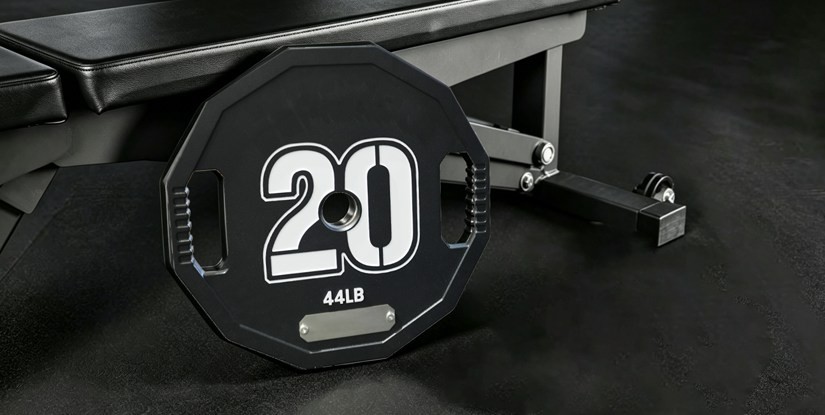
When evaluating a supplier's capability, request data regarding their control over thickness and diameter deviations. A reliable manufacturer maintains tight tolerances to ensure that every plate in a set provides a balanced center of gravity. This technical consistency is a primary differentiator for distributors who prioritize long-term durability and client satisfaction in high-volume strength training environments.
Implementing On-Site Verification and Bulk Order Protocols
To safeguard your inventory investment, procurement managers must implement structured inspection protocols during the receiving phase. Relying solely on a supplier's certificate of analysis is insufficient for large-scale shipments. Instead, conduct a randomized bulk order verification by selecting a statistically significant sample of cap barbell cast iron plates from various pallets to check for consistent mass and dimensional stability.
A robust distributor quality assurance workflow should include a physical measurement of the inner diameter to ensure compatibility with various barbell sleeves without excessive play. Furthermore, verify the coating integrity by checking for microscopic fissures or uneven thickness that could lead to premature oxidation. By integrating these rigorous checks into your standard operating procedures, you ensure that your factory-direct sourcing meets the high expectations of professional commercial clients.
Structural Integrity and Long-Term Durability
For distributors and facility managers, the longevity of equipment directly impacts the total cost of ownership. When sourcing cap barbell cast iron plates, the focus must shift from mere weight accuracy to the physical resilience of the iron itself. In high-traffic gym environments, plates undergo constant impact, stacking, and friction, making structural integrity a non-negotiable requirement for professional use.
A rigorous commercial weight plate inspection goes beyond checking the scale; it evaluates the density and casting quality to prevent cracking or chipping under heavy use. High-quality cap barbell cast iron plates are engineered to withstand the mechanical stresses of daily commercial operations, ensuring that the durability of the product matches the rigorous demands of strength training facilities.
Surface Finish and Coating Resilience
A common failure point in low-tier manufacturing is inadequate surface preparation, leading to premature oxidation or coating delamination. For commercial gym maintenance teams, a plate with a failing finish creates a higher labor burden and reduces the aesthetic value of the facility. When evaluating the finishing process, it is vital to distinguish between standard paint applications and more robust industrial coatings to protect the underlying cast iron.
The following comparison highlights how different surface treatments affect the long-term ROI and maintenance cycles of your inventory:
| Finishing Method | Durability Profile | Rust Resistance | Maintenance Requirement |
|---|---|---|---|
| Standard Spray Paint | Low; prone to chipping | Minimal; requires frequent oiling | High; frequent cleaning needed |
| Powder Coating | High; impact resistant | Superior; creates thick barrier | Low; highly durable surface |
| Industrial Enamel | Moderate; good color retention | Moderate; sensitive to moisture | Medium; standard care |
Choosing plates with superior powder coating ensures that the cast iron plate manufacturing quality remains high even in humid environments, significantly lowering the long-term cost of replacement and upkeep for distributors.
Precision in Weight and Dimensional Accuracy
Reliable B2B procurement quality control must prioritize technical precision to ensure equipment compatibility and user safety. Discrepancies in manufacturing can lead to uneven loading, which places undue stress on barbells and shortens the lifespan of high-end racks and bars. For professional-grade facilities, strict adherence to barbell plate tolerance standards is essential to maintain consistent training loads across a full set.
A critical aspect of inspection involves measuring the center hole diameter to ensure a smooth fit on standard Olympic bars without excessive play or overly tight friction. Furthermore, buyers should verify the weight deviation across a sampled batch; high-quality production minimizes variance to ensure that a 25kg plate is not significantly lighter or heavier than its counterpart. Maintaining tight dimensional accuracy prevents the mechanical wear and uneven distribution that often results from substandard casting processes.
Optimizing Export Packaging for International Bulk Shipments
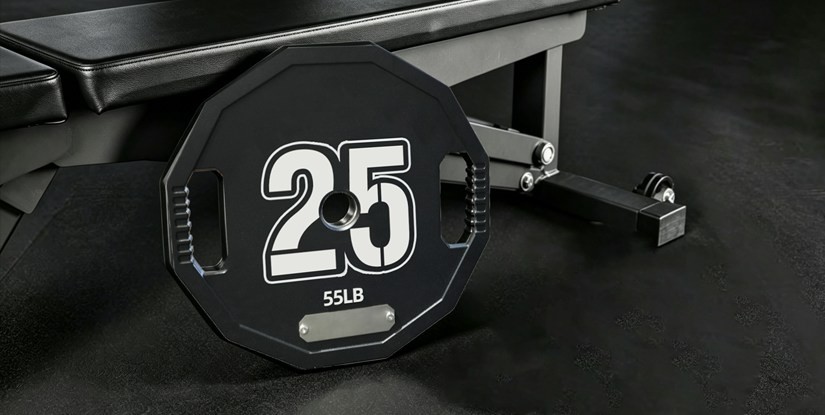
Maintaining the structural integrity of cap barbell cast iron plates requires rigorous logistical planning. For distributors and large-scale gym operators, the risk of surface degradation during sea freight or extended warehouse holding is a significant concern that can impact product resale value and client satisfaction.
Moisture Protection and Rust Prevention
The primary threat to cast iron during long-distance transit is oxidation. High-quality commercial weight plate inspection protocols must verify that each unit is treated with a resilient coating and prepared for high-humidity environments. Effective moisture protection involves more than just basic wrapping; it requires specialized vacuum sealing or industrial-grade moisture-absorbent liners within the shipping crates. These measures ensure rust prevention and long-term storage stability, preventing the oxidation that often occurs when metal components are exposed to salt air or temperature fluctuations in shipping containers. By prioritizing these packaging standards, importers can minimize the risk of receiving damaged goods and ensure the cap barbell cast iron plates arrive in pristine, ready-to-sell condition.
Logistics Configuration Comparison
Selecting the appropriate shipping configuration depends on your specific MOQ requirements and the sensitivity of your local logistics infrastructure. While bulk options offer the highest shipping cost efficiency, specialized packaging is necessary to uphold strict barbell plate tolerance standards and prevent physical deformation during heavy-duty handling. Below is a technical comparison to assist in your procurement planning:
| Packaging Type | Structural Integrity | Moisture Barrier | Best Use Case |
|---|---|---|---|
| Standard Bulk Bag | Moderate | Low | Low-cost, short-distance domestic transit |
| Palletized (Shrink-Wrapped) | High | Medium | Standard B2B wholesale and regional distribution |
| Reinforced Wooden Crate | Maximum | High | Long-haul international sea freight and high-value shipments |
For distributors managing large inventories, we recommend reinforced crates for transoceanic shipments. This configuration provides the necessary rigidity to ensure that the precision of the cast iron remains intact, preventing the micro-fractures or dimensional shifts that can compromise professional-grade equipment standards.
Incoming Shipment Inspection and Warehouse Protocols
Upon arrival at your facility, the final stage of quality control involves a systematic physical audit to confirm that the cap barbell cast iron plates were not compromised during transit. Procurement managers should implement a standardized checklist to validate the manufacturer's quality claims against the actual delivered inventory.
The inspection process begins with a visual inspection for oxidation; even with high-grade coatings, any signs of surface rust or discoloration can indicate a breach in the moisture barrier. Simultaneously, your team must verify weight consistency upon arrival by sampling a random percentage of the shipment to ensure they align with the declared barbell plate tolerance standards. Do not overlook the packaging seal integrity; damaged shrink wrap or broken crate edges often signal internal friction that may have caused structural micro-cracks.
Once cleared, move inventory to a controlled environment. Warehouse storage best practices for cast iron include elevated pallet positioning to avoid ground moisture and maintaining a climate-controlled or low-humidity zone. Proper stacking density is also critical; avoid over-stacking heavy plates in ways that could lead to dimensional deformation or damage to the bottom layers of the shipment.
Sourcing Strategies for High-Volume Cap Barbell Inventory
Transitioning from small-scale retail purchasing to large-scale distribution requires a fundamental shift in how procurement managers evaluate cap barbell cast iron plates. For professional distributors and gym equipment wholesalers, the focus moves beyond simple unit cost toward long-term inventory reliability and consistent manufacturing quality.
Managing high-volume stock necessitates a rigorous commercial weight plate inspection framework to ensure every shipment meets strict tolerance standards. Relying on generic retail-grade quality control is insufficient for B2B operations where uneven weight distribution or coating defects can lead to costly returns and damaged brand reputation. Successful sourcing strategies prioritize factory-direct transparency to mitigate the risks associated with large-scale international logistics and bulk inventory management.
Optimizing your procurement ROI requires a clear understanding of the trade-offs between direct factory engagement and established wholesale distribution. While direct sourcing offers lower unit costs, it demands higher internal resources for quality oversight. Conversely, distributors provide streamlined logistics at a premium, often acting as a buffer for compliance and inspection duties.
Sourcing Model Comparison for Bulk Procurement
| Sourcing Model | Lead Time | MOQ | Quality Control Rigor |
|---|---|---|---|
| Direct Factory | Long (60-90+ days) | High (Full Container/Pallet) | Requires independent 3rd-party inspection |
| Wholesale Distributor | Short (7-21 days) | Low to Moderate | Pre-vetted by distributor standards |
When sourcing at scale, the primary concern is maintaining strict barbell plate tolerance standards. A direct-from-factory model allows for tighter control over cast iron plate manufacturing quality through customized production runs, but it places the burden of verifying weight accuracy and coating uniformity entirely on your team. For many North American distributors, a hybrid approach—utilizing established wholesalers for rapid restocking while building direct factory relationships for core inventory—offers the best balance of cost-efficiency and risk mitigation.
To protect your long-term Total Cost of Ownership (TCO), procurement teams must implement specific inspection protocols that target the variables most likely to cause financial leakage. In high-volume orders, minor discrepancies in a single shipment can escalate into significant losses during the customs clearance or final delivery stages.
Risk Mitigation and Inspection Protocols
A robust inspection checklist should prioritize three critical pillars: weight accuracy, surface durability, and transit resilience. First, verify the weight tolerance of a randomized sample from each batch; even slight deviations can affect the balance of high-end barbell setups and lead to client dissatisfaction. Second, inspect coating integrity by checking for uneven thickness or peeling, which often signals poor adhesion and leads to premature oxidation in humid gym environments.
Finally, do not overlook logistics safety. Ensure that the packaging and palletization methods are sufficient to withstand the rigors of ocean freight and long-haul trucking. Implementing these rigorous checks at the source prevents the high cost of processing returns and ensures that your inventory remains a reliable, high-margin asset for your distribution network.