Do Cast Iron Plates Break | Durability of Cast Iron Plates
Structural Integrity in High-Traffic Commercial Environments
For distributors supplying large-scale training facilities or high-traffic strength gyms, the primary concern is whether a product can withstand constant heavy loading and dropping. When procurement managers ask do cast iron plates break, they are typically evaluating the long-term risk of structural failure during intense sessions. In professional environments, the structural integrity of weight plates is tested not just by weight, but by the frequency of impact and the environmental stresses of a busy gym floor.
While cast iron is a dense and incredibly durable material, its impact resistance depends heavily on the quality of the casting process and the cooling rate used during manufacturing. In high-traffic gym settings, plates are subject to repetitive vibrations and occasional high-velocity drops. High-quality commercial weight plate durability is achieved through controlled metallurgical standards that prevent internal air pockets or brittle impurities, which are the leading causes of cracking under extreme stress.
To mitigate inventory risk, procurement specialists must distinguish between expected wear and catastrophic failure. Most breakage occurs due to manufacturing defects rather than standard usage. Assessing the relationship between material purity and impact stress allows distributors to better forecast a cast iron plate lifespan and justify higher upfront costs for premium-grade stock.
Technical Failure Mode Analysis
| Stress Factor | Low-Quality Casting Risk | Premium Commercial Standard |
|---|---|---|
| High-Velocity Drop | Brittle fracture due to air pockets | Resilient density with uniform grain |
| Thermal Cycling | Cracking from rapid temperature shifts | Stable metallurgical composition |
| Edge Impact | Chipping or structural splintering | High-tensile, reinforced perimeter |
| Manufacturing Defect | Internal inclusions/impurities | Strict QC and standardized cooling |
When evaluating potential suppliers, focus on their drop testing protocols and cooling control. A reliable manufacturer will demonstrate consistent performance across varying weight increments. For long-term gym equipment inventory management, selecting plates with standardized metallurgical profiles reduces the likelihood of replacement requests and ensures a predictable ROI for your end-users.
Optimizing Quality Control and Storage Protocols
To protect your margins and minimize replacement claims, distributors should implement rigorous inspection and storage workflows. Effective quality control (QC) standards begin at the factory level, but the second line of defense resides in your warehouse. During receiving, conduct a visual inspection of surface cracks or micro-fissures, particularly around the center bore and outer rim, as these are common failure points in inferior batches.
Efficient inventory management also requires strict storage protocols to prevent environmental degradation. Avoid storing heavy cast iron in high-humidity zones without proper ventilation or palletization, as excessive moisture can lead to oxidation that weakens the surface integrity over time. When wholesale sourcing, prioritize manufacturers that provide documented metallurgical testing and consistent cooling cycles. This proactive approach ensures that your stock remains a durable asset rather than a liability for your facility clients.
Material Composition and Fracture Risks for Bulk Procurement
When evaluating inventory for high-traffic facilities, understanding the structural integrity of your stock is vital for long-term ROI. While many buyers ask, do cast iron plates break under standard operational use, the answer depends heavily on the manufacturing precision and the environmental conditions of the gym floor.
Technical Drivers of Material Failure
In a commercial setting, failure is rarely a result of standard weight loading. Instead, structural compromise typically stems from two specific technical oversights during the production or handling phases. First, casting defects—such as internal air bubbles or microscopic fissures—can create weak points that compromise the plate's density. Second, thermal shock can occur if plates are moved rapidly between extreme temperature environments, such as a heated storage warehouse and a chilled outdoor loading dock, causing the metal to expand or contract unevenly.
For distributors and gym owners, prioritizing commercial weight plate durability means vetting suppliers who utilize rigorous quality control to eliminate these metallurgical inconsistencies. Addressing these variables ensures a longer cast iron plate lifespan, reducing the frequency of replacement cycles and stabilizing your inventory management overhead.
To mitigate the risk of structural failure during transit or high-impact use, procurement specialists should look beyond surface finish and examine the underlying metallurgy. High-quality casting processes significantly influence how a plate reacts to stress and temperature fluctuations. A single batch of substandard iron can lead to unexpected cracks, disrupting your gym equipment inventory management and increasing replacement costs.
Metallurgical Comparison for Bulk Sourcing
The following table outlines the technical distinctions between common iron grades used in the industry. Understanding these differences allows you to better assess factory capability and potential breakage risks during your QC audits.
| Material Type | Porosity Risk | Impurity Tolerance | Density & Structural Integrity |
|---|---|---|---|
| Gray Iron | Moderate | Low to Medium | Standard; high vibration damping but more brittle under sudden impact. |
| Ductile Iron | Very Low | Highly Controlled | Superior; offers higher tensile strength and better resistance to cracking. |
| Low-Quality Castings | High | High (Uncontrolled) | Inconsistent; prone to internal voids and catastrophic failure under stress. |
When negotiating MOQs or vetting new manufacturing partners, request specific data regarding their casting methods. A supplier capable of maintaining low porosity and high density is a more reliable partner for long-term distribution, as these factors directly correlate to a more predictable cast iron plate lifespan in demanding commercial environments.
Logistics and Storage Protocols for Risk Mitigation
Effective procurement risk mitigation extends beyond the initial factory audit; it requires strict control over the logistical chain. Even high-grade iron can suffer from structural fatigue if handled poorly during international transit or long-term warehousing. To preserve impact resistance and ensure shipping stability, distributors must mandate standardized packaging protocols that prevent excessive vibration and mechanical shock during sea or road freight.
Furthermore, environmental variables play a critical role in maintaining product integrity. Avoid storing large volumes in facilities with extreme storage temperature fluctuations, as rapid thermal cycling can stress the metal's grain structure. By implementing controlled storage and robust transit bracing, you protect your margins and ensure that the weight plates arriving at your facility meet the high durability standards expected in professional fitness environments.
Operational Wear and Structural Integrity
When distributors evaluate whether do cast iron plates break, the focus shifts from sudden fractures to the long-term relationship between surface wear and structural integrity. In high-volume gym environments, the primary concern is not the metal snapping under load, but rather how repeated impact and environmental exposure affect the plate's usable life and aesthetic value.
True commercial weight plate durability is defined by the material's ability to withstand high-frequency drops and constant friction without developing stress fractures or significant surface degradation. While the iron core remains exceptionally stable, secondary factors like coating quality and casting density determine the actual replacement cycle for your inventory.
| Maintenance Factor | Standard Cast Iron | Premium Coated Cast Iron |
|---|---|---|
| Impact Resistance | High (Structural) | Very High (Protective) |
| Surface Degradation | Moderate (Rust risk) | Low (Resistant) |
| Maintenance Cycle | Frequent inspection | Occasional cleaning |
| Inventory Lifespan | Long-term/Decades | Extended/Optimized |
Surface Finishes and TCO Optimization
Selecting the right finish is a critical decision for gym equipment inventory management, as it directly impacts the total cost of ownership (TCO). While the core metal remains virtually indestructible under standard usage, the exterior finish dictates how much labor and cost your facility must allocate to upkeep over the cast iron plate lifespan.
A raw finish offers the lowest initial procurement cost, making it attractive for high-volume distributors or budget-conscious facilities. However, raw iron is susceptible to oxidation, especially in humid climates or high-traffic training zones. Without a protective barrier, oxidation prevention requires regular manual intervention, such as oiling or specialized cleaning, to prevent unsightly rust from compromising the aesthetic of the gym floor.
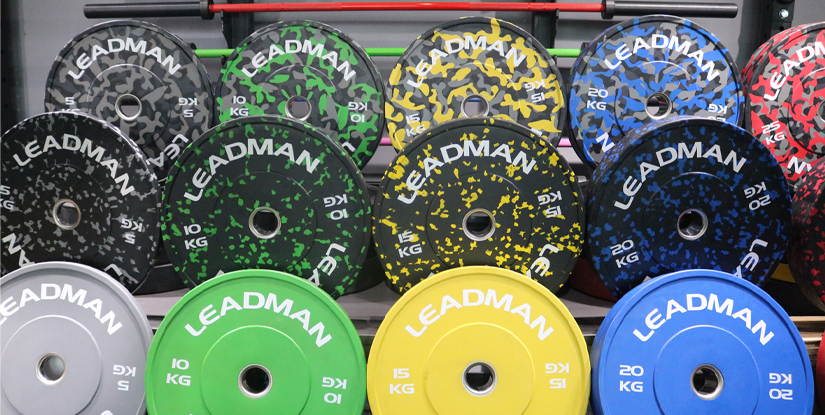
In contrast, powder coating provides a robust defense against environmental moisture and physical abrasions. This finish creates a more predictable maintenance cycle, as the coating acts as a barrier that shields the iron from oxidation. For premium commercial facilities, the higher upfront cost of powder-coated options is often offset by reduced labor hours and a longer period of "like-new" appearance, ensuring the inventory remains a high-value asset for years.
Preventative Storage and Handling Protocols
Effective gym equipment inventory management extends beyond the initial purchase; it requires strict storage protocols to prevent environmental degradation. While the metal itself is highly durable, moisture control is the most critical factor in maintaining a professional inventory. Facilities located in coastal regions or high-humidity zones must ensure that weight plate racks are kept in climate-controlled or well-ventilated areas to prevent oxidation and surface pitting.
To maximize impact resistance and prevent structural stress, avoid stacking plates vertically in uneven piles, which can lead to uneven weight distribution and potential edge chipping. For distributors and large-scale facility managers, implementing a routine inspection schedule—checking for surface rust or coating cracks—ensures that minor issues do not escalate into long-term inventory loss. Proper handling and organized storage significantly stabilize the cast iron plate lifespan, protecting your initial capital investment.
Optimizing Gym Equipment Inventory Management for Distributors
For distributors and large-scale wholesalers, the primary concern regarding cast iron weight plates is not just the unit cost, but the risk of structural failure during the supply chain process. When sourcing high-volume orders, understanding do cast iron plates break under specific stresses is essential for maintaining low return rates and protecting profit margins.
Mitigating Transit Damage and Structural Risks
The structural integrity of a weight plate is largely determined by the quality of the casting process. High-density casting ensures that the metal grain is uniform, significantly reducing the likelihood of internal voids or micro-fractures. These defects are often the hidden culprits behind transit damage, where a plate might crack or shatter if subjected to sudden impacts or improper stacking during sea freight or long-haul trucking.
To ensure long-term commercial weight plate durability, procurement managers must prioritize suppliers who utilize advanced sand casting or centrifugal casting techniques. A robust manufacturing process minimizes the risk of hairline fractures, ensuring that the inventory arriving at your warehouse is ready for immediate distribution without the need for costly replacements or quality disputes.
Casting Methods and Inventory Reliability Comparison
Distributors must differentiate between standard casting and precision methods to predict the total cost of ownership for their clients. Selecting the wrong specification can lead to high replacement cycles and diminished trust from commercial gym operators. Use the following comparison to align your procurement strategy with the specific needs of your target market.
| Casting Method | Structural Durability | Inventory Turnover Impact | Maintenance & Risk Profile |
|---|---|---|---|
| Standard Sand Casting | Moderate; prone to surface irregularities | High volume; lower entry price point | Requires frequent inspection for cracks/chips |
| Precision/Centrifugal Casting | High; uniform density and minimal voids | Stable; ideal for premium commercial contracts | Low maintenance; high impact resistance |
| High-Density Iron Casting | Superior; optimized for heavy-duty use | Niche; targets high-end facility builds | Minimal; highest reliability in transit |
When calculating your cast iron plate lifespan projections for clients, factor in these manufacturing variables. While sand casting offers a competitive edge for budget-conscious distributors, precision casting provides the structural consistency required to minimize the risk of breakage during high-intensity facility use or complex logistics maneuvers.
Strategic Procurement and Logistics Standards
Effective gym equipment inventory management extends beyond selecting a casting method; it requires strict oversight of the entire supply chain. To minimize the frequency of damaged arrivals, distributors should mandate rigorous QC protocols at the factory level. This includes visual inspections for surface fractures and stress tests on sample batches to ensure the metal grain can withstand standard loading and unloading cycles without cracking.
Furthermore, optimizing packaging standards is a critical lever for reducing replacement costs. Instead of relying on basic cardboard, high-volume shipments should utilize reinforced wooden crates or heavy-duty palletization with specialized corner protection. These measures prevent the mechanical shocks that often lead to the question of whether do cast iron plates break during long-distance ocean freight. When negotiating MOQ considerations, ensure that the minimum order quantity includes a logistics plan that accounts for these protective layers, ensuring your inventory arrives intact and ready for the commercial floor.
Logistics and Storage Considerations for Heavy Iron Shipments
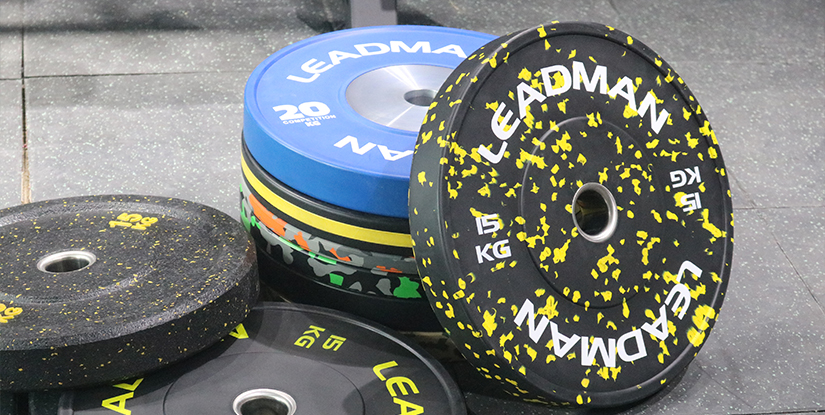
Managing the procurement of heavy iron plates requires a deep understanding of how weight and volume influence your total landed cost. For distributors and gym owners, the primary concern is not just the unit price, but the logistical reality of moving high-density cargo across international borders without incurring unexpected damage or overhead.
Mitigating Transit Damage and Shipping Costs
A critical factor in your inventory management is the weight-to-volume ratio. Because cast iron is exceptionally dense, shipping costs are driven heavily by gross weight rather than dimensional volume. When sourcing, you must evaluate whether do cast iron plates break during shipping; while the iron itself is structurally resilient, improper palletization can lead to surface fractures or hub deformation due to high-impact vibrations during sea freight. To minimize transit damage risks, ensure your supplier utilizes reinforced steel strapping and heavy-duty export cartons. Efficiently stacking these high-density units reduces the footprint in containers, optimizing your freight spend and protecting your margins against rising logistics and shipping costs.
Comparing Shipping Configurations for Cost and Protection
Selecting the right loading method is a strategic decision that balances upfront freight expenses against the long-term commercial weight plate durability. While loose loading maximizes container capacity, it increases the risk of metal-on-metal impact. Distributors must weigh these trade-offs to protect inventory integrity during long-haul transit.
| Configuration Type | Cost Efficiency | Protection Level | Best Use Case |
|---|---|---|---|
| Palletized (Reinforced) | Moderate | High | Small to mid-sized gym orders |
| Loose Crate Loading | High | Moderate | Large-scale distributor replenishment |
| Full Container (Standard) | Maximum | Variable | High-volume wholesale shipments |
For high-density shipments, palletization offers the highest level of structural security, reducing the likelihood of surface chipping or edge deformation. However, for large-scale inventory management where margin optimization is the priority, optimized loose loading within a container often provides the best return on freight spend, provided the stacking patterns are strictly controlled by the factory.
Optimizing Long-Term TCO Through Proper Storage
Maximizing the cast iron plate lifespan extends far beyond the initial purchase. To protect your long-term TCO (Total Cost of Ownership), facility managers must implement strict gym equipment inventory management protocols once the shipment arrives. Even high-quality iron is susceptible to environmental degradation if handled poorly in a warehouse or gym floor setting.
The most significant threat to your inventory is moisture control. Uncontrolled humidity can lead to oxidation, which may compromise the aesthetic finish and eventually affect the structural integrity of the center bore. We recommend storing plates in climate-controlled environments or utilizing specialized coating layers to mitigate rust risks. Furthermore, strict adherence to stacking limits is essential; excessive vertical pressure from over-stacking can cause deformation in lower tiers. By managing these variables, distributors can ensure their stock remains in premium condition, reducing replacement frequency and preserving capital.
Sourcing Strategies for High-Volume OEM/ODM Orders
While cast iron is inherently a durable material, the structural integrity of weight plates depends heavily on the precision of the manufacturing process. For distributors, the primary risk is not the material itself, but potential cracking or chipping caused by improper cooling rates or inconsistent casting density during high-volume production.
Optimizing Total Cost of Ownership (TCO)
When managing gym equipment inventory, the cheapest unit price often leads to higher long-term costs due to transit breakage and replacement needs. High-quality casting processes ensure that plates can withstand heavy drops and the rigors of international shipping without structural failure. Selecting a factory with controlled cooling cycles and rigorous quality control minimizes the risk of micro-fractures, directly protecting your profit margins and reducing the frequency of replacement orders.
| Procurement Factor | Standard Grade Casting | Premium Commercial Casting |
|---|---|---|
| Cooling Control | Rapid/Unregulated | Controlled/Slow-cooled |
| Transit Risk | Higher chipping potential | Minimal structural impact |
| Replacement Frequency | Moderate to High | Very Low |
| Long-term ROI | Lower initial/Lower TCO | Higher initial/Superior TCO |
Selecting the right supply chain model is a strategic decision that balances immediate capital outlay against long-term reliability. Depending on your business model—whether you are a local boutique gym owner or a large-scale international distributor—the trade-offs in lead time and quality oversight will significantly impact your inventory management efficiency.
Evaluating Sourcing Models for Scalability and Risk
The following comparison outlines how different procurement channels impact the structural integrity of your shipments and your overall operational overhead. High-volume consistency is often the deciding factor when scaling a commercial fitness brand.
| Sourcing Model | QC Consistency | Lead Time | Risk of Structural Defects |
|---|---|---|---|
| Direct Factory Sourcing | High-volume consistency | Extended (Production + Sea Freight) | Lowest (Direct Oversight) |
| Tier-1 Brand Wholesale | Standardized/Rigid | Moderate (Regional Distribution) | Low (Brand Accountability) |
| Local Stockist | Variable | Short (Immediate Availability) | Moderate (Limited Origin Visibility) |
For distributors aiming for maximum ROI, direct factory sourcing offers the best control over casting density and cooling processes, though it requires more sophisticated logistics management. Conversely, local stockists offer speed but may introduce higher risks regarding the long-term durability of the weight plates in a high-traffic commercial setting.
To mitigate the risk of structural failure, buyers should demand specific technical indicators during the vetting process. Prioritize suppliers that can demonstrate uniform density across the entire plate surface; inconsistent density often manifests as air pockets or weak spots that lead to premature cracking. Additionally, inspect the surface finish—a smooth, consistent texture typically indicates a refined casting process that minimizes surface stress fractures.
Beyond physical specifications, effective gym equipment inventory management requires a focus on logistics stability. When negotiating with manufacturers, clarify the Minimum Order Quantity (MOQ) and the factory's ability to maintain a steady production cadence. A reliable supplier with a robust MOQ structure and predictable shipping schedules ensures that your inventory remains stable, preventing the stockouts that often plague distributors during peak seasonal demand for commercial weight plates.