Evaluating Cast Iron Free Weight Plates for Gym Longevity
Establishing Rigorous Supplier Qualification and Quality Audits
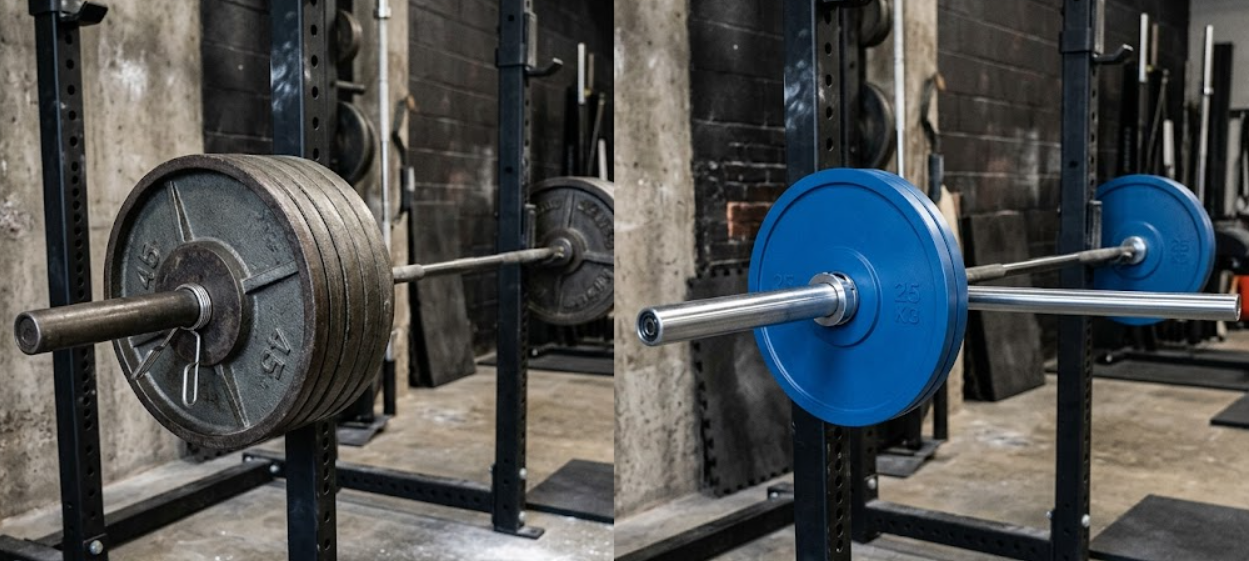
High-quality cast iron free weight plates are essential foundational components for any heavy-duty strength training facility. Professional B2B buyers prioritize these over lighter alternatives because of their extreme durability, predictable wear patterns, and long-term cost-efficiency in high-traffic commercial environments.
The Necessity of Factory-Level Audits
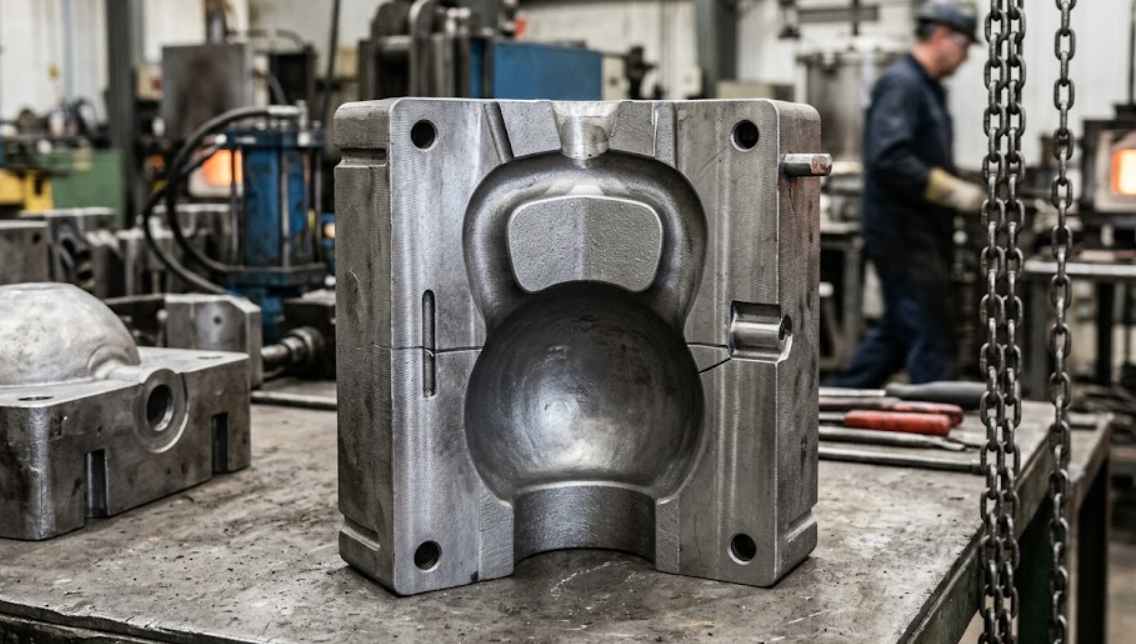
To protect your long-term ROI, procurement strategies must extend beyond simple price-per-unit comparisons. Relying on unverified batches often leads to premature oxidation or uneven weight distribution. Implementing a strict factory audit process ensures that your supplier adheres to rigorous quality control (QC) standards during the casting and finishing stages.
A thorough inspection should verify both the structural integrity of the iron core and the coating consistency of the protective finish. Without these checks, commercial grade weight plates may suffer from surface pitting or uneven powder coating, which accelerates rust and increases maintenance labor. For distributors and gym owners, verifying these manufacturing capabilities upfront is the only way to prevent the high replacement costs associated with substandard cast iron free weight plates.
Standardized QC Protocol Comparison
When vetting potential manufacturers, do not assume a standard production line is sufficient for commercial environments. A professional-grade facility should demonstrate a clear distinction between basic batch testing and the high-precision protocols required for professional strength equipment. Use the following benchmark to evaluate whether a supplier’s manufacturing capability aligns with your procurement standards.
| Evaluation Metric | Basic Manufacturing Protocol | Professional/Commercial Grade Protocol |
|---|---|---|
| Material Purity | Standard iron casting with potential impurities | High-purity iron with strictly controlled density |
| Coating Adhesion | Standard spray finish; prone to chipping | High-temp powder coating with cross-cut test verification |
| Dimensional Tolerance | Variable center hole diameters | Precision-machined bores for seamless barbell fit |
| Weight Accuracy | ±3% to 5% variance per unit | Strictly controlled ±1% tolerance for high-end compliance |
Procurement managers should request documentation regarding these specific testing stages. A supplier capable of maintaining tight dimensional tolerances and superior coating adhesion will significantly reduce your long-term maintenance overhead and replacement frequency.
Logistics and High-Volume Sourcing Strategy
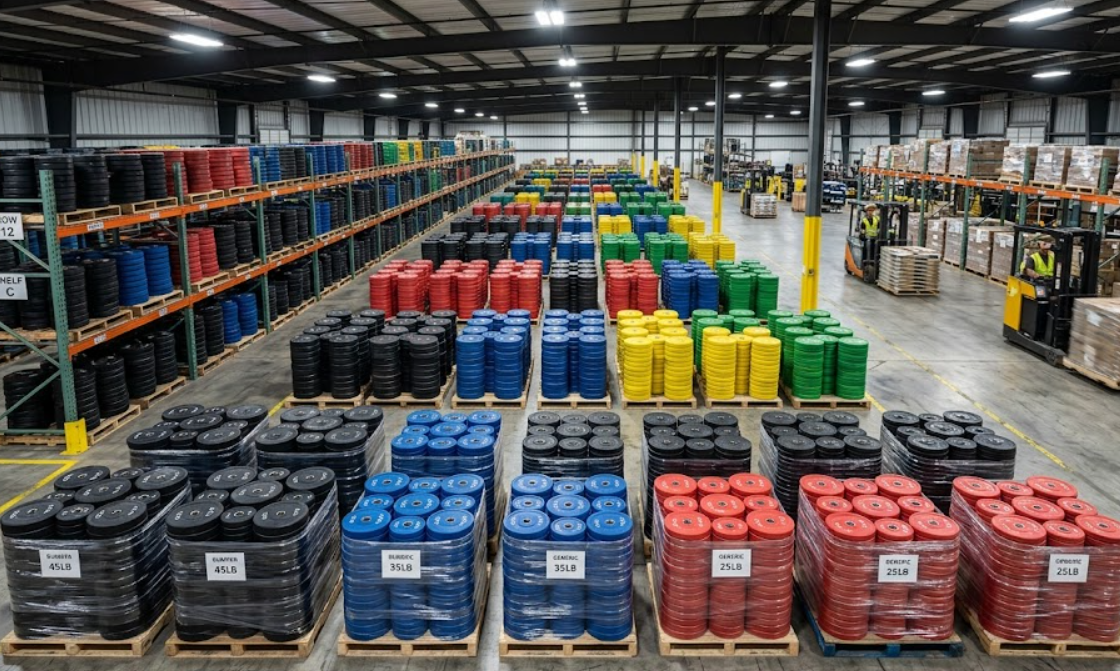
Scaling your inventory requires a shift from unit-based thinking to batch-level management. When sourcing high-volume orders of cast iron free weight plates, the MOQ (Minimum Order Quantity) serves as a critical lever for both price stability and batch consistency. Larger, consolidated orders help mitigate the risk of receiving mismatched finishes or varying weight tolerances that often plague smaller, fragmented shipments.
Efficient shipping weight optimization is equally vital to protect your margins. Because these products are exceptionally dense, logistics safety depends on palletization standards that prevent structural damage during transit. Ensure your supplier utilizes reinforced packaging and optimized crate configurations to maximize container utilization while minimizing the risk of impact-related coating failure. Aligning your procurement standards with these logistical realities prevents the hidden costs of shipping air or, conversely, paying excessive surcharges for inefficiently packed heavy iron.
Verifying Structural Integrity and Coating Standards
For high-volume facilities, the long-term cost of ownership is dictated by the structural integrity of the iron itself. Low-quality casting often results in internal air pockets or brittle edges that fail under heavy impact. When sourcing cast iron free weight plates, procurement managers must prioritize uniform density to prevent cracking during high-intensity use.
Beyond the core build, coating standards determine how well the equipment withstands environmental wear. Premium commercial grade weight plates utilize high-grade powder coating or specialized finishes to ensure superior oxidation resistance. Without a consistent, high-quality finish, even minor surface imperfections can become entry points for moisture, leading to rust and premature replacement. Investing in high-standard durability at the factory level significantly reduces the frequency of re-ordering cycles for distributors and gym owners.
Comparing Surface Finishes and Inspection Protocols
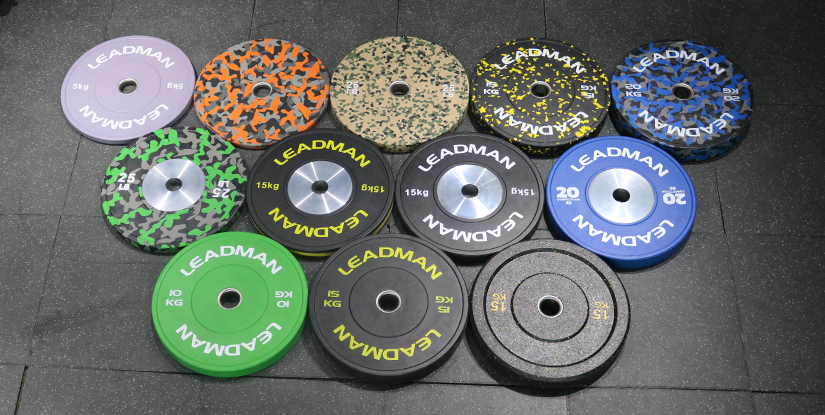
Selecting the appropriate finish involves balancing initial procurement costs against long-term maintenance requirements. While raw finishes offer the lowest entry price, they often require more frequent facility upkeep due to oxidation risks in humid environments.
| Coating Type | Durability Level | Primary Advantage | Maintenance Profile |
|---|---|---|---|
| Powder Coating | High | Impact and chip resistance | Minimal; highly stable |
| Liquid Paint | Moderate | Cost-effective color options | Occasional touch-ups required |
| Raw/Natural | Low | Lowest initial unit cost | High; requires rust prevention |
To ensure quality control during factory inspections, buyers should implement a strict checklist focusing on physical defects. Inspect for casting flaws such as surface pitting, micro-cracks near the center bore, and edge smoothness. A jagged or uneven rim can damage barbell sleeves and indicates poor molding precision. Prioritizing these technical standards ensures a lower Total Cost of Ownership (TCO) by extending the replacement cycle and reducing the need for emergency restocks.
On-Site Inspection and Precision Standards
Effective procurement extends beyond selecting a finish; it requires rigorous verification of physical tolerances before shipment. For distributors and facility managers, a single batch of imprecise weights can disrupt entire barbell sets and complicate inventory management. During factory inspections or upon receiving shipments, technical buyers should prioritize three critical metrics to ensure long-term operational reliability.
First, verify weight tolerance. Commercial-grade standards typically demand a deviation of less than 1–2% to ensure balance across a barbell. Second, confirm dimensional accuracy, specifically the center bore diameter. An inconsistent bore can lead to uneven weight distribution or difficulty sliding onto high-end barbell sleeves. Finally, assess the logistics impact of the packaging and stacking stability. Improperly palletized shipments often lead to edge chipping and surface abrasions during transit, which compromises the coating quality and increases long-term maintenance needs upon arrival.
Implementing this QC checklist mitigates the risk of receiving substandard inventory that requires immediate returns or results in client dissatisfaction. By enforcing these strict gym equipment procurement standards at the source, buyers protect their margins and ensure the longevity of their strength equipment assets.
Navigating Warranty Claims and Replacement Protocols
When sourcing cast iron free weight plates for high-traffic facilities, procurement managers must distinguish between manufacturing defects and standard wear. A robust warranty protocol protects your capital expenditure by clearly defining what constitutes a valid claim under professional usage standards.
Structural Integrity vs. Cosmetic Wear
In the commercial fitness sector, warranty coverage typically prioritizes structural integrity over aesthetic perfection. High-quality commercial grade weight plates should be covered against manufacturing defects such as internal cracks, uneven weight distribution, or casting voids that compromise safety. Conversely, most distributors exclude superficial issues from coverage, as minor surface imperfections or slight oxidation are common in iron products.
The coating quality is another critical distinction. While a factory may warrant against premature peeling or significant flaking of a powder coat or paint finish, they rarely cover scratches caused by daily impact or improper storage. Establishing these boundaries during the initial RFQ process ensures that your replacement requests are based on objective durability standards rather than subjective visual preferences.
To mitigate long-term replacement costs, procurement teams should demand a clear breakdown of defect categories. Effective sourcing involves aligning your quality control expectations with the manufacturer's specific replacement timelines and coverage levels.
| Defect Category | Specific Examples | Standard Protocol | Procurement Focus |
|---|---|---|---|
| Structural | Casting cracks, weight deviation, center hole misalignment | Immediate replacement or credit | Safety compliance & precision |
| Functional | Significant coating failure, excessive surface pitting | Tiered replacement or discount | Longevity & maintenance cycle |
| Cosmetic | Minor paint chips, light surface rust, scuffs | No replacement (Standard wear) | Aesthetic acceptance levels |
When negotiating MOQs or bulk shipments, confirm that your quality inspection protocols match these tiers. A professional supplier should provide documentation regarding weight tolerance thresholds to prevent disputes over minor deviations during final acceptance.
Optimizing the total cost of ownership requires looking beyond the initial unit price of cast iron free weight plates. High-volume purchasers must account for the hidden expenses of frequent restocking, such as expedited shipping fees and the administrative burden of managing small-batch replacements. To minimize these long-term replacement costs, integrate logistics planning with your quality control standards from the outset.
Strategic Sourcing and Logistics Efficiency
Relying on low-MOQ orders for small quantities of replacement plates often leads to disproportionately high shipping costs and disrupted inventory cycles. Instead, professional buyers should coordinate replenishment schedules with larger equipment orders to leverage economies of scale. By establishing a rigorous QC process at the factory level—verifying weight tolerances and finish durability before the shipment leaves the warehouse—you reduce the likelihood of expensive return-to-origin logistics and ensure that your inventory remains compliant with strict gym equipment procurement standards.
Optimizing Packaging Configurations for Long-Distance Transit
Effective logistics management for heavy ironware requires balancing volume efficiency against the structural integrity of the shipment. For distributors, the way cast iron free weight plates are packed directly dictates the final landed cost and the percentage of unsellable goods arriving at the warehouse.
The Impact of Density on Landed Cost and Damage Risk
While high-density packing reduces the number of containers required, it can inadvertently increase the risk of shipping damage if not executed with precision. Improper palletization of commercial grade weight plates often leads to crushed outer edges or compromised coating integrity due to excessive downward pressure during ocean freight transit. To minimize long-term replacement costs, procurement managers must evaluate the specific packing standards used by their factory partners.
| Packaging Strategy | Logistics Efficiency | Damage Risk Profile | TCO Impact |
|---|---|---|---|
| Loose Bulk Loading | High Volume/Low Cost | High (Edge Chipping) | Lower initial, higher replacement cost |
| Standard Palletization | Moderate | Low (Stable Stack) | Balanced/Predictable |
| Reinforced Crating | Low Volume/High Cost | Minimal | High initial, lowest long-term maintenance |
Optimizing your order involves selecting a configuration that protects the finish of the plates while maximizing container utilization. A sophisticated approach to palletization ensures that the weight distribution remains even, preventing the structural fatigue often seen in substandard shipments.
When evaluating the trade-offs between shipping volume and protection, procurement specialists must look beyond the base unit price. The total cost of ownership (TCO) is heavily influenced by how packaging preserves the cast iron plate durability during multi-modal transit. A configuration that saves $500 in ocean freight but results in 5% edge chipping is a net loss for a commercial facility.
Configuration Comparison: Volume vs. Protection
| Packaging Type | Protection Level | Volume Efficiency | Cost Impact |
|---|---|---|---|
| Loose Bulk (Non-Palletized) | Low | Maximum | Lowest upfront; high risk of surface damage |
| Standard Boxed Sets | Moderate | Moderate | Predictable; protects individual plate surfaces |
| Industrial Palletized | High | Lower | Higher freight cost; ensures structural integrity |
For high-volume distributors, palletized shipments are the standard for maintaining gym equipment procurement standards. While the footprint per unit is larger, the reduction in transit-related defects ensures that the product arrives in a condition ready for immediate commercial deployment, effectively safeguarding your margins against unexpected replacement claims.
Mandatory QC Checkpoints During Loading Supervision
To safeguard your wholesale procurement investment, oversight must extend to the actual loading process. Relying solely on factory-level quality control is insufficient for international trade; active loading supervision is required to ensure that cast iron free weight plates are handled according to strict gym equipment procurement standards. A lack of oversight at the point of departure often results in compromised coating integrity due to friction or moisture exposure during sea transit.
Effective inspection protocols should prioritize moisture protection and surface stability. Buyers should mandate that pallets are wrapped in heavy-duty industrial stretch film to prevent oxidation and ensure that each layer of commercial grade weight plates remains immobile. Verifying that the loading sequence follows a weight-balanced distribution prevents the structural fatigue and edge chipping that frequently plague low-cost, unmonitored shipments.
Calculating Landed Costs and Inventory Turnover Efficiency
Distributors and facility managers must look beyond the unit price when sourcing cast iron free weight plates. A low initial invoice often masks hidden expenses in logistics, customs, and long-term replacement cycles. True procurement efficiency relies on understanding the total landed cost and the durability of the assets being imported.
Prioritizing Durability over Upfront Price
When evaluating commercial grade weight plates, the tension between budget constraints and long-term ROI is constant. Lower-tier manufacturing may offer a reduced upfront cost, but inferior casting or thin powder coating leads to premature oxidation and structural degradation. This forces more frequent maintenance cycles and unexpected reordering, which disrupts inventory turnover and increases operational overhead.
| Procurement Metric | Budget-Tier Sourcing | Premium Commercial Grade |
|---|---|---|
| Initial Unit Cost | Lower | Moderate to High |
| Landed Cost Impact | High (due to damage/returns) | Stable/Predictable |
| Replacement Frequency | High (coating failure) | Low (high durability) |
| Long-term TCO | Unpredictable | Optimized |
Effective procurement strategy dictates that high-quality cast iron free weight plates serve as a fixed asset rather than a recurring expense. By investing in superior manufacturing standards, buyers minimize the frequency of replacement, ensuring that the landed cost remains a justifiable component of a high-performing, low-maintenance facility.
Sourcing Models: Factory Direct vs. Local Distribution
Choosing between direct factory procurement and local distributor networks involves a strategic trade-off between margin optimization and logistical agility. For large-scale facility rollouts, the decision impacts not only the immediate purchase price but also the efficiency of the entire supply chain.
| Sourcing Dimension | Factory Direct (Wholesale) | Local Distributor Model |
|---|---|---|
| Minimum Order Quantity (MOQ) | High (Full Container Loads) | Low (Small Batch/Case Packs) |
| Shipping & Logistics Overhead | Complex (Customs/Freight Forwarding) | Simple (Domestic Freight/LTL) |
| Quality Control (QC) Reliability | Direct Oversight Capability | Dependent on Distributor Inspection |
| Inventory Turnover Efficiency | Best for Long-term Stocking | Best for Just-in-Time Replenishment |
Direct sourcing offers the highest potential for margin expansion, particularly when scaling large volumes of cast iron free weight plates. However, this model requires sophisticated management of international shipping and customs compliance. Conversely, local distributors provide a buffer against supply chain volatility, allowing for faster replenishment cycles at the cost of higher per-unit pricing.
Ultimately, the decision-making logic for high-volume buyers hinges on balancing immediate capital expenditure against long-term operational stability. Sophisticated procurement professionals treat the selection of cast iron free weight plates as a strategic investment in facility longevity rather than a simple commodity purchase.
Strict adherence to gym equipment procurement standards ensures that the structural integrity of each unit can withstand high-impact usage without micro-fractures or uneven weight distribution. While direct-from-factory models optimize the initial margin, the true long-term ROI is realized when the replacement frequency is minimized through superior material density and resilient coatings. For distributors and gym owners, the goal is to secure assets that maintain their aesthetic and functional value over multiple years, thereby stabilizing the total cost of ownership and reducing the logistical burden of constant reordering.
The Hidden Cost of Structural Compromise
When sourcing cast iron free weight plates in high volumes, the most significant risk is not the initial unit price, but the long-term Total Cost of Ownership (TCO). Low-quality manufacturing processes often result in sub-standard commercial grade weight plates that appear acceptable during a brief inspection but fail under the rigors of daily commercial use.
Defects such as micro-cracks or uneven density within the iron core are common indicators of poor cooling control or inferior scrap metal ratios. These structural weaknesses can lead to sudden fractures or uneven weight distribution, forcing facility managers to face premature replacement costs. For distributors and gym owners, a single shipment of compromised plates can disrupt inventory stability and damage professional reputations far more than the savings gained from a lower MOQ or a cheaper factory quote.
Identifying Manufacturing Discrepancies
Distributors often overlook the subtle differences between consumer-grade casting and professional-grade production. A common error is failing to verify the uniformity of the finish and the precision of the central bore. Sub-par manufacturing results in plates that are difficult to stack, prone to oxidation, or inconsistent in thickness, which complicates barbell loading and increases maintenance frequency.
| Quality Metric | Consumer/Low-Tier Grade | Commercial Grade Standard |
|---|---|---|
| Surface Finish | Rough, uneven texture | Smooth, consistent powder coating or high-grade paint |
| Oxidation Resistance | High risk of rust under humidity | Multi-layer protective coating for longevity |
| Casting Precision | Variable thickness and edges | Strict tolerances for uniform stacking |
| Bore Centering | Off-center holes causing imbalance | High-precision central alignment |
When evaluating factory capability, prioritize suppliers who demonstrate control over these specific variables. A high-quality finish is not merely aesthetic; it is a functional necessity that prevents the degradation of the iron core in high-traffic commercial environments.
Logistics and Transit Integrity
Even if a factory meets all gym equipment procurement standards, the shipment's final condition depends heavily on packaging durability and transit protocols. Bulk orders of cast iron free weight plates are heavy and high-impact; improper palletization frequently leads to shipping damage such as chipped coatings or bent edges.
To mitigate these risks, implement strict inspection protocols upon arrival. Do not rely solely on the manufacturer's wholesale quality control reports. Instead, verify that shipments use reinforced, moisture-resistant packaging and secure pallet strapping. For large-scale distribution, request a pre-shipment photo audit of the palletized load to ensure the weight distribution is balanced and the bracing is sufficient for long-haul sea or land transit.