Selecting Competition Kettlebell Adjustable Models for Gyms
Verifying Manufacturer Reliability and Quality Control Protocols
Sourcing a competition kettlebell adjustable model for high-traffic facilities requires more than checking a spec sheet; buyers must mitigate the risks of mechanical failure, ensure strict adherence to commercial adjustable kettlebell standards, and verify that shipping logistics won't compromise the internal calibration. A failure in manufacturing consistency can lead to uneven weight distribution, which compromises both user safety and the long-term ROI of the equipment.
The Criticality of Weight Increment Precision
In a professional strength and conditioning environment, even minor deviations in weight increment precision can disrupt programmed training cycles. For distributors and gym owners, the primary concern is whether the adjustable mechanism maintains its integrity over thousands of cycles. High-quality production requires rigorous factory-level auditing to ensure that every competition kettlebell adjustable unit meets exact mass specifications. Without strict quality control, the tolerance levels for weight changes may drift, leading to inconsistent performance that fails to meet professional competition requirements.
Beyond simple weight increments, a professional adjustable kettlebell selection must prioritize the structural durability of the internal components. For commercial-grade inventory, the longevity of the product depends on how the manufacturer handles stress testing and material integrity. Cheaply manufactured units often suffer from rapid coating degradation or mechanical loosening, which increases maintenance costs and reduces the lifespan of the asset in a commercial setting.
Technical Benchmarks for Commercial Durability
To ensure long-term reliability, procurement managers should demand specific QC documentation regarding the mechanical and aesthetic resilience of the hardware. A high-quality adjustable competition kettlebell weight system should undergo rigorous testing for both impact resistance and friction wear. Evaluating the following metrics allows buyers to differentiate between consumer-grade equipment and professional-grade tools designed for heavy-duty use.
| QC Metric | Standard Requirement | Commercial Impact |
|---|---|---|
| Weight Tolerance | ±1% to 2% Deviation | Ensures training consistency and professional calibration |
| Locking Mechanism | High-cycle fatigue testing | Prevents accidental weight shifts during movement |
| Surface Finish | Multi-layer powder coating | Resists chipping and oxidation in high-humidity gyms |
| Material Integrity | Reinforced steel chassis | Maintains structural stability under heavy impact |
When negotiating with suppliers, ask specifically about their mechanism testing protocols. A reliable factory will provide data on how their adjustment system performs under repeated load changes and high-impact drops. Prioritizing these technical standards during the initial sourcing phase significantly lowers the total cost of ownership by minimizing the need for frequent replacements or mechanical repairs.
Optimizing B2B Sourcing and Logistics Reliability
Effective B2B sourcing for professional strength equipment requires looking beyond the unit price to evaluate the factory's production capacity and logistics stability. When ordering an adjustable competition kettlebell in bulk, procurement managers must establish clear protocols for batch consistency and shipping safety to avoid receiving mismatched or damaged inventory.
Before finalizing a purchase order, verify the manufacturer's Minimum Order Quantity (MOQ) and their ability to maintain standardized production runs. A common pitfall in international procurement is receiving a shipment where the first batch follows strict specifications, but subsequent orders exhibit variations in weight or finish. Always request documentation of their batch-to-batch inspection protocols to ensure that every unit delivered to your warehouse meets the same high-level commercial adjustable kettlebell standards.
Logistics reliability is equally critical for heavy, precision-engineered equipment. Ensure your supplier utilizes reinforced, moisture-resistant packaging designed for international freight. For high-value orders, implement a strict inspection protocol upon arrival to verify that the internal adjustment mechanisms remained calibrated during transit. By prioritizing suppliers with proven factory capability and robust shipping-safety standards, distributors can safeguard their margins and ensure a seamless experience for their end-use clients.
Standardizing Weight Increments for Professional Competition Use
For high-end training facilities, the precision of weight increments is a non-negotiable factor in a professional adjustable kettlebell selection. Unlike recreational models, a competition kettlebell adjustable system must offer consistent, predictable jumps to ensure athletes can progress safely without compromising technical form.
Procurement managers must evaluate how mechanical adjustment systems behave under high-frequency use. While standard increments provide versatility, complex internal mechanisms can be susceptible to mechanical wear over time. In a commercial environment, any deviation in weight accuracy or a failure in the locking mechanism can lead to increased maintenance costs or equipment downtime. Ensuring your supplier adheres to strict commercial gym standards regarding component durability is essential to protecting your long-term ROI and maintaining facility reliability.
Mechanical Durability and Adjustment Mechanisms
When sourcing at scale, the method used to achieve a specific adjustable competition kettlebell weight dictates your long-term maintenance frequency. Distinguishing between high-durability mechanical designs is critical for distributors managing high-turnover commercial inventory.
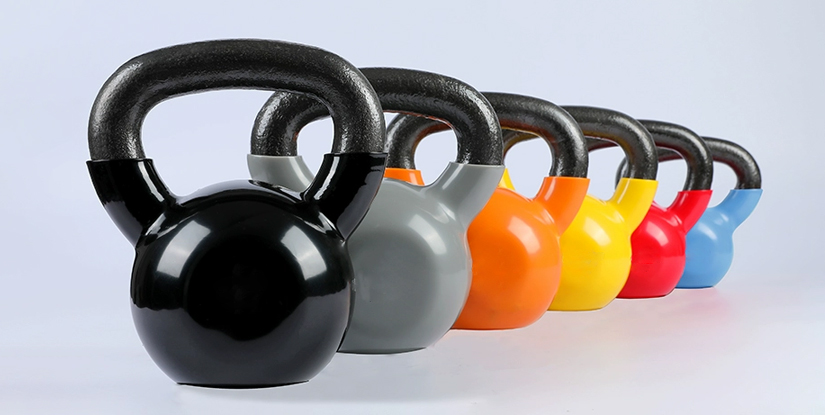
Pin-lock systems are often favored for their ruggedness in strength and conditioning facilities, as they rely on physical interference to secure weight plates. Conversely, dial-based adjustments offer faster transitions but require more frequent inspection of internal gears and friction surfaces to prevent calibration drift. Understanding these trade-offs allows buyers to align their procurement with the specific intensity of their end-users.
| Mechanism Type | Durability Profile | Typical Maintenance Needs | Ideal Setting |
|---|---|---|---|
| Pin-Lock System | High (Heavy impact resistance) | Minimal (Visual check of pins) | CrossFit & High-Intensity Gyms |
| Dial-Based Adjustment | Moderate (Mechanical precision) | Periodic (Lubrication/Gear check) | Boutique Studios & Training Centers |
| Plate-Slide System | High (Simple structural design) | Low (Regular cleaning of tracks) | General Commercial Facilities |
For wholesale buyers, prioritizing a competition kettlebell adjustable model with a simplified mechanical path reduces the risk of component fatigue. A robust design ensures that the weight increments remain precise even after thousands of cycles, effectively lowering the total cost of ownership for the facility.
Operational Lifespan and Inspection Protocols
To maximize the operational lifespan of your inventory, procurement teams should implement a structured inspection routine. Even the most robust adjustable competition kettlebell weight systems require periodic oversight to ensure safety and performance consistency. In professional settings, unmonitored wear on moving parts can lead to catastrophic failure or inaccurate weight readings, which increases liability risks for facility owners.
We recommend that distributors and gym managers establish a quarterly audit focusing on three critical areas: mechanical integrity, surface coating, and weight precision. Check for any loose housing screws, friction in the adjustment pathways, or signs of structural fatigue in the handle. By maintaining a proactive inspection schedule, you can address minor issues before they necessitate full unit replacement, ensuring your high-performance equipment remains a reliable asset for years.
Evaluating Mechanical Integrity and Build Standards
For distributors and facility managers, the primary concern with a competition kettlebell adjustable model is its ability to withstand high-frequency use without losing precision. In professional commercial gym settings, the constant adjustment of weights and the impact of heavy swings demand a level of structural stability that standard home-grade equipment cannot provide.
Mechanical wear and tear often occurs at the pivot points or the locking mechanisms of adjustable units. When sourcing for high-traffic environments, you must prioritize units that utilize reinforced steel housing and high-grade internal components to prevent loosening or catastrophic failure during intense training sessions.
| Durability Metric | Standard Adjustable Models | Commercial-Grade Competition Models |
|---|---|---|
| Locking Mechanism | Plastic or thin metal pins | Reinforced steel plate/heavy-duty cam locks |
| Weight Shift Risk | Moderate to high under impact | Minimal due to precision internal housing |
| Maintenance Cycle | Frequent tightening required | Low-frequency industrial maintenance |
| Surface Resilience | Basic powder coating | High-density, impact-resistant finish |
Selecting a high-quality adjustable competition kettlebell weight system ensures a lower total cost of ownership (TCO). While the initial procurement cost may be higher, the increased lifespan and reduced replacement frequency provide a much better ROI for large-scale fitness distributors and gym chains.
Precision Engineering and Weight Plate Locking Mechanisms
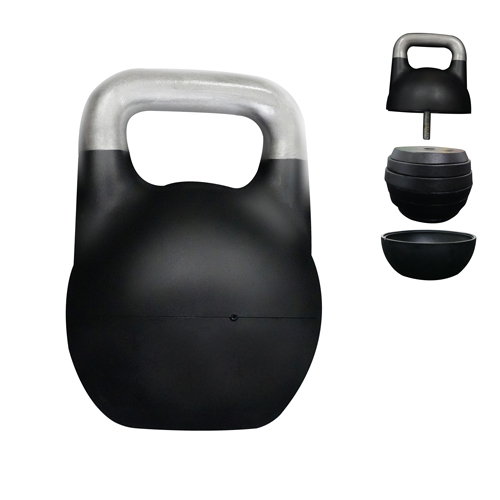
The integrity of an adjustable competition kettlebell weight system relies heavily on the precision engineering of its internal chassis. In high-performance environments, the margin for error in weight distribution is nearly zero. Discrepancies in the weight plate locking mechanisms can lead to uneven centrifugal forces, which compromises both the athlete's safety and the long-term stability of the unit.
When evaluating factory specifications, look for heavy-duty locking systems that secure the internal plates against lateral movement. High-tier commercial models typically use CNC-machined components to ensure that the weight increments remain consistent throughout the life of the product. This level of build quality is essential for maintaining a standardized training experience, especially when managing large inventories for multi-location fitness facilities or specialized strength clubs.
Ultimately, the decision involves a calculated durability vs cost trade-off. While entry-level adjustable units may satisfy lower MOQ requirements for boutique studios, they often lack the structural density required for competitive sport-specific training. For professional distributors, investing in models with advanced locking architectures reduces the risk of post-sale quality claims and ensures the equipment meets the rigorous demands of professional-grade lifting.
Coating Resilience and Long-Term Maintenance
A critical factor in professional adjustable kettlebell selection is the resilience of the exterior finish. In heavy-use environments, constant handling and accidental drops can cause standard powder coatings to chip or flake. For commercial clients, this is not just an aesthetic issue; degraded surfaces can lead to oxidation or even structural compromise of the weight housing. Ensure your suppliers utilize high-density, impact-resistant coatings designed to withstand friction and environmental exposure.
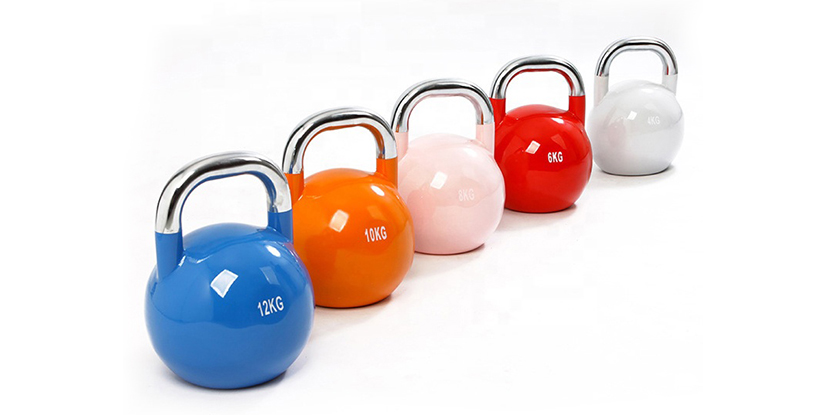
Maintenance cycles should be integrated into your facility's standard operational procedures. While high-end models are built for low-frequency service, procurement managers should still account for periodic inspections of the locking pins and surface integrity. A well-maintained adjustable system minimizes downtime and protects your initial capital investment. From a wholesale procurement tip perspective, always request technical data sheets regarding the coating's hardness and the metal's resistance to corrosion to ensure the product survives the rigors of high-traffic commercial use.
Optimizing Inventory Footprint with Adjustable Models
Integrating a competition kettlebell adjustable system into a commercial gym layout requires a strategic balance between weight density and spatial efficiency. Unlike traditional fixed kettlebell sets that demand extensive rack lengths, adjustable models allow facility managers to consolidate multiple weight increments into a single, compact footprint.
When planning your procurement, consider the trade-off between the total weight range and the physical volume occupied. While a single adjustable unit can replace a vast array of static bells, the mechanical housing often requires more clearance for safe handling. High-density storage solutions are essential for floor space optimization in boutique studios or high-traffic training zones where every square foot impacts revenue per client.
| Storage Configuration | Space Requirement | Weight Density | Best Use Case |
|---|---|---|---|
| Fixed Kettlebell Racks | High (Linear) | Low | Large-scale strength facilities |
| Adjustable Unit Station | Low (Compact) | High | Boutique studios & hotel gyms |
| Hybrid Modular Setup | Moderate | Medium | Multi-functional training zones |
Vertical vs. Horizontal Spatial Efficiency
Distributors and facility planners must evaluate how an adjustable competition kettlebell weight system integrates into existing vertical or horizontal storage paradigms. Traditional static sets typically require long, horizontal floor racks that consume significant linear facility square footage. In contrast, adjustable models are often designed for more centralized, modular placement, which can drastically reduce the total storage footprint.
For high-end commercial environments, the choice between vertical tiered shelving and horizontal floor-based stations depends on the specific density of the weight range. While vertical storage maximizes overhead space, an adjustable unit allows for a more concentrated central station. This density is a critical metric for procurement managers looking to maximize revenue-generating training area in premium boutique or hotel-based gym layouts.
Mechanical Durability and Maintenance Cycles
A critical oversight in professional adjustable kettlebell selection is neglecting the long-term mechanical durability of the adjustment mechanism. In high-traffic commercial settings, the internal locking systems and weight-shifting components are subject to constant friction and potential impact. When sourcing at scale, it is vital to verify that the unit utilizes a commercial grade construction capable of handling repeated transitions without losing precision or structural integrity.
To protect your initial investment and ensure a predictable maintenance cycle, procurement specialists should prioritize models with enclosed mechanisms that prevent dust and debris ingress. Unlike static bells, adjustable units require a proactive maintenance protocol to ensure the switching parts remain smooth. Selecting high-quality components reduces the risk of frequent replacements, effectively stabilizing your long-term total cost of ownership and preventing disruptions in client training sessions caused by mechanical failure.
Managing Warranty Claims and Post-Purchase Support
For facility managers and distributors, the true value of a competition kettlebell adjustable system is realized through its lifecycle, not just the initial invoice. High-end adjustable equipment requires a reliable support structure to protect your investment against mechanical wear and component fatigue.
Protecting Total Cost of Ownership (TCO)
Procuring high-performance gear involves more than comparing unit prices; it requires evaluating the long-term reliability of the adjustment mechanisms. Equipment that fails to meet commercial adjustable kettlebell standards can lead to significant operational downtime, forcing members to switch to other facilities when specific weight increments are unavailable. A robust warranty and a clear parts-replacement protocol are essential to mitigate these risks. By prioritizing manufacturers who offer structured post-purchase support, buyers ensure long-term durability and a lower total cost of ownership, effectively reducing the frequency of expensive full-unit replacements.
Evaluating Support Models for Long-Term ROI
When finalizing your professional adjustable kettlebell selection, the procurement strategy must account for how you will access technical assistance and replacement components. Choosing between a direct-from-factory model and a localized distributor involves a trade-off between unit cost and immediate accessibility. For large-scale gym installations or high-volume distributors, the ability to source specific pins, plates, or adjustment locks without replacing the entire unit is a critical factor in maintaining a high ROI.
| Support Dimension | Manufacturer Direct (Export/Wholesale) | Local Regional Distributor |
|---|---|---|
| Replacement Parts Availability | Bulk stock available; requires sea/air freight | Small component stock available locally |
| Technical Support Speed | Time-zone dependent; digital-first | Real-time; onsite potential |
| Warranty Coverage | Strictly component-based; international shipping terms | Full unit replacement or local service options |
| Ideal For | Large gym chains & high-volume distributors | Boutique studios & individual gym owners |
A wise procurement decision weighs the lower MOQ and unit pricing of direct sourcing against the speed of a local distributor. If your facility relies on a high-frequency adjustable competition kettlebell weight rotation, ensuring a streamlined pathway for receiving small mechanical parts is more vital than the initial savings on shipping costs.
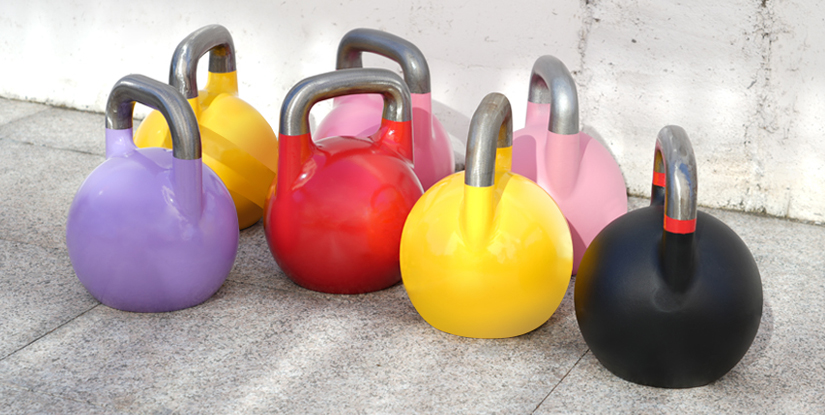
Vetting Supplier Logistics and Maintenance Protocols
To avoid unforeseen costs, procurement managers must move beyond the spec sheet and ask technical questions regarding mechanical longevity. A common oversight in the selection of an adjustable competition kettlebell is failing to account for the natural lifecycle of the movement parts. Ask suppliers for detailed documentation on the replacement mechanism to understand if a single worn component can be swapped out or if the entire unit becomes obsolete upon failure.
Directly address the logistical risks of maintenance by requesting the following data during the RFQ process:
- Component Wear & Lifespan: Ask for the expected cycle count for the adjustment locks and pins under high-frequency commercial use.
- Spare Parts MOQ: Clarify the Minimum Order Quantity for small-scale components. Sourcing a single pin or plate should not require a full container shipment.
- Shipping Damage Protocols: Inquire about the specific packaging density and reinforcement used for international freight to prevent impact damage to the internal weight-selection track.
- Incremental Accuracy: Verify how the adjustable competition kettlebell weight is calibrated to ensure precision remains intact even after repeated adjustments.
Securing a commitment to these details during the negotiation phase prevents a scenario where a minor mechanical failure results in an entire unit being decommissioned, thereby protecting your facility's capital expenditure.
Logistics Planning and Landed Cost Calculations
Calculating the true budget for a competition kettlebell adjustable order requires looking far beyond the initial factory quote. For B2B buyers and distributors, the unit price is only one component of the total landed cost, which must include international freight, insurance, and localized compliance expenses.
When sourcing a competition kettlebell adjustable model, procurement managers must account for volumetric weight, as the bulky shape of kettlebells often results in higher shipping costs relative to actual weight. Additionally, ensuring the equipment meets commercial adjustable kettlebell standards is vital to avoid unexpected delays or reclassification issues during customs clearance.
| Cost Component | Impact on TCO | Procurement Note |
|---|---|---|
| Ex-Works Price | Base Unit Cost | Standard factory pricing. |
| Freight & Volumetric Weight | High | Bulky shapes increase dimensional weight charges. |
| Customs Duties | Moderate | Varies by HS Code and trade agreements. |
| Landed Cost | Total Final | The true cost of inventory at your warehouse. |
Choosing the correct shipping mode is a critical decision for distributors managing inventory cycles. Because adjustable models often feature high-density components and non-stackable geometries, the method of transport significantly influences both your lead time and your final margins. A professional adjustable kettlebell selection strategy should align your shipping volume with your storage capacity and cash flow requirements.
| Shipping Method | Weight vs. Volume Ratio | Typical Lead Time | Cost-Efficiency |
|---|---|---|---|
| LCL (Less than Container Load) | High density/Low volume | 3–6 weeks | Best for small boutique studios or testing new SKUs. |
| FCL (Full Container Load) | Optimized density | 4–8 weeks | Highest ROI for large-scale distributors and gym chains. |
| Air Freight | High volumetric impact | 1–2 weeks | Reserved for urgent restocks or high-value prototypes. |
For most wholesale buyers, FCL remains the preferred standard for maintaining a competitive price point. While LCL offers flexibility for smaller orders, the increased handling and potential for volumetric surcharges can diminish the savings gained from a lower MOQ. Evaluate your warehouse turnover rate before deciding whether to prioritize speed via air or volume efficiency via sea freight.
Mitigating Risk Through Inspection and Packaging Standards
To protect your margins, procurement protocols must extend into the factory's final quality control (QC) stage. Because an adjustable competition kettlebell weight system involves precision-engineered internal mechanisms, even minor transit vibrations can cause misalignment or mechanical failure if the unit is not properly secured. Relying on standard bulk shipping without specific inspection protocols often leads to high return rates and damaged reputation among commercial clients.
We recommend implementing a multi-stage verification process before any shipment leaves the port. First, verify that the adjustable competition kettlebell mechanisms operate smoothly across the entire weight range under stress tests. Second, audit the packaging standards used by the manufacturer. For high-density adjustable gear, ensure the supplier utilizes heavy-duty, double-walled corrugated boxes and reinforced internal dividers to prevent impact damage.
Furthermore, the MOQ impact on shipping should be leveraged to optimize protection. While smaller orders may be more prone to damage due to less efficient palletization, larger FCL shipments allow for better stabilization and custom crate construction. High-quality damage prevention strategies—such as moisture-proof liners and custom-molded foam inserts—are essential investments that significantly reduce the long-term cost of replacement and logistical friction.