Adjustable Soft Kettlebell | Selecting Adjustable Soft
Evaluating Long-Term Value and Lifecycle Costs
An adjustable soft kettlebell is a versatile piece of modular fitness equipment designed with weight increments that allow for multiple resistance levels within a single unit. B2B buyers prioritize these models to maximize floor space efficiency and reduce the total number of individual SKUs required in a facility.
Understanding Total Cost of Ownership (TCO)
In commercial gym procurement, the lowest unit price often masks hidden operational expenses. While a standard weighted sand kettlebell might have a lower entry cost, an adjustable soft kettlebell offers superior long-term value by serving diverse client needs through a single product. When calculating your budget, you must weigh the initial investment vs. replacement cycles. High-quality modular systems reduce the frequency of re-ordering as your membership base evolves, effectively lowering the cost per use over the equipment's functional lifespan.
| Procurement Metric | Fixed-Weight Sand Models | Adjustable Soft Systems |
|---|---|---|
| Space Utilization | High footprint per weight level | Minimal footprint; multi-functional |
| Inventory Complexity | High SKU count required | Low SKU count; high versatility |
| Long-term ROI | Frequent replacement for new levels | Scalable for varying user abilities |
Beyond inventory counts, procurement managers must evaluate the physical durability and maintenance requirements of each system. Traditional fixed models are susceptible to leaks or structural degradation if the outer shell is compromised, whereas high-grade adjustable systems are engineered to withstand frequent weight adjustments and high-frequency commercial use.
Maintenance and Longevity Analysis
When sourcing for high-traffic environments like hotel gyms or boutique studios, the durability of the closure mechanism and the integrity of the weight compartments are critical. A modular setup typically requires less frequent replacement because it adapts to user progression, whereas a fixed set of sand-filled bells often requires expanding the entire collection to accommodate more advanced athletes. This adaptability significantly lowers the long-term maintenance burden on facility staff and optimizes the total cost of ownership through improved product lifespan.
Optimizing Logistics and Global Distribution
Scaling a product line requires more than just quality control; it demands efficient wholesale procurement strategies. For distributors, the modularity of an adjustable soft kettlebell can significantly impact shipping volume and container utilization. Unlike rigid, fixed-weight models, these systems often allow for more compact packaging, reducing the dimensional weight during logistics planning. When negotiating MOQ with manufacturers, prioritize suppliers who offer optimized nesting or stacking configurations to streamline inventory management and lower landed costs per unit.
Material Integrity and Weight Stability Standards
For high-traffic settings like boutique studios or hotel fitness centers, the durability of an adjustable soft kettlebell depends on the synergy between outer shell resilience and internal weight distribution. Unlike rigid iron, a weighted sand kettlebell must maintain its structural shape through repeated impact and constant weight adjustments without leaking or shifting.
In professional commercial gym procurement, the primary risk is "weight drift," where the internal medium settles unevenly, compromising the user's center of gravity. High-quality modular fitness equipment utilizes dual-layer containment—a reinforced inner bladder paired with a high-denier, tear-resistant outer fabric—to ensure long-term stability and prevent structural failure during high-intensity training.
| Material Configuration | Durability Profile | Weight Stability | Best Use Case |
|---|---|---|---|
| Single-Layer Nylon | Moderate; prone to abrasions | Variable; potential for shifting | Home use or light studios |
| Dual-Layer Reinforced Fabric | High; resists punctures/tears | Consistent; maintains shape | Commercial gyms & hotels |
| TPU-Coated Outer Shell | Maximum; waterproof/rugged | Superior; prevents leakage | Outdoor or high-intensity facilities |
When evaluating long-term ROI, procurement managers must look beyond initial unit costs to the total maintenance cycle. A cheaper material choice often leads to premature replacement due to seam failure or surface degradation. To mitigate these risks, compare the technical specifications of common textile coatings used in high-end modular fitness equipment.
| Material Type | Abrasion Resistance | Seam Strength | Maintenance Needs |
|---|---|---|---|
| TPU | Highest; impact resistant | Superior; heat-welded capability | Minimal; easy to wipe clean |
| Neoprene | Moderate; soft touch | Standard; sewn seams | Periodic; prone to moisture retention |
| Nylon | High; tear resistant | Variable; depends on stitching | Occasional; requires careful drying |
Selecting a TPU-based construction typically offers the best lifecycle value for distributors. While the upfront cost may be higher, the enhanced resistance to friction and superior seam integrity significantly reduces the frequency of replacement orders, ensuring a more predictable budget for facility managers.
QC Protocols for Weight Stability and Structural Integrity
During the factory sampling or quality control (QC) phase, visual inspection is insufficient. To verify true weight stability, testers should perform dynamic movement simulations to observe weight shifting within the internal compartments. A high-spec adjustable soft kettlebell must demonstrate consistent center-of-gravity alignment even when the internal load is partially depleted.
Your procurement checklist should specifically mandate a stress test on seam reinforcement. Request documentation or video evidence of high-frequency stitching or heat-welding at high-stress points, such as the handle attachment and base seams. For modular fitness equipment intended for commercial distribution, ensure the manufacturer utilizes double-stitched or reinforced seams to prevent leakage under heavy impact, protecting your long-term replacement margins.
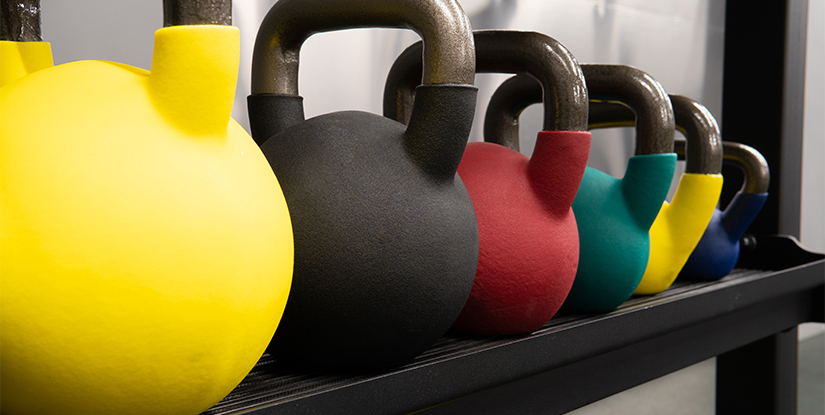
Optimizing Floor Space with Modular Configurations
Maximizing usable square footage is a critical priority for high-density fitness environments where every foot counts. An adjustable soft kettlebell offers a versatile solution for facilities looking to provide a wide range of resistance levels without the massive footprint of traditional, fixed-weight iron sets.
The Advantage of Modular Fitness Equipment
For boutique studios and hotel gyms, space constraints often dictate equipment selection. Traditional kettlebell racks require significant floor area to accommodate various weight increments. Transitioning to modular fitness equipment allows operators to achieve footprint reduction by replacing multiple heavy, static units with a single, compact system that adapts to the user's needs.
This modular approach is particularly effective for functional training zones where floor clearance is limited. Instead of dedicating permanent floor space to diverse weight stations, distributors and facility managers can utilize a streamlined setup that supports high-intensity interval training (HIIT) and strength conditioning within a much smaller spatial radius.
When evaluating procurement options, the primary trade-off involves balancing the durability of a single-weight unit against the space-saving benefits of a modular system. For distributors managing inventory or gym owners designing layouts, understanding the spatial footprint of each category is essential for long-term facility efficiency.
| Feature Comparison | Fixed Weighted Sand Kettlebell | Adjustable Soft Kettlebell |
|---|---|---|
| Storage Footprint | High (Requires multiple racks/bins) | Low (One unit covers multiple weights) |
| Versatility | Limited to specific weight increments | High (Rapid weight adjustments) |
| Floor Space Usage | Large area for full weight sets | Minimal; ideal for compact zones |
| Commercial Utility | Standard strength training | Optimized for HIIT and mobile studios |
From a commercial gym procurement perspective, the choice often depends on the intended training style. While a weighted sand kettlebell offers a traditional feel for dedicated strength areas, the adjustable model is the superior choice for multi-purpose rooms where rapid transitions between exercises are required without moving heavy racks.
Logistics and Inventory Management Efficiency
Beyond the immediate floor area, distributors must consider the logistics of long-term storage and shipping. Unlike rigid iron models, high-quality adjustable soft kettlebells often offer superior stackability and nesting capabilities. This flexibility simplifies inventory management, as compact, lightweight components reduce volumetric weight during transit and allow for denser storage in warehouse environments. When planning a facility layout, prioritize units that can be easily consolidated into small bins or mobile carts. This ensures that even during peak hours, the transition from training to storage is seamless, maintaining a clean and organized professional environment.
Sourcing Strategies for High-Volume Orders
Optimizing your budget requires looking beyond the initial purchase order. When managing commercial gym procurement, the goal is to maximize the utility of modular fitness equipment while minimizing replacement cycles. An adjustable soft kettlebell offers significant logistical advantages, but buyers must weigh the immediate unit cost against long-term performance.
Analyzing Total Cost of Ownership (TCO)
For distributors and facility managers, the durability vs. initial investment debate is central to profitability. While low-cost, generic options may lower your upfront shipping and procurement expenses, they often fail under high-frequency commercial use. Investing in premium, reinforced materials reduces the frequency of reordering, ultimately lowering the total cost of ownership (TCO) through extended product lifespans and reduced maintenance downtime.
| Procurement Focus | Low-Cost Generic Option | Premium Adjustable Soft Kettlebell |
|---|---|---|
| Initial Unit Price | Lower | Higher |
| Material Resilience | Standard synthetic/thin shell | High-grade reinforced textiles |
| Replacement Frequency | High (due to wear/tear) | Low (optimized for high volume) |
| Long-term ROI | Diminished by frequent replacement | Strong through durability |
Evaluating Sourcing Models: Factory vs. Distributor
Deciding between direct factory sourcing and working through a wholesale distributor depends on your specific order volume and logistical capacity. For specialized items like a weighted sand kettlebell, the choice impacts your ability to manage quality control (QC) and inventory lead times.
| Feature | Direct Factory Sourcing | Wholesale Distributor |
|---|---|---|
| Unit Cost | Lowest (Volume-driven) | Moderate (Markup included) |
| MOQ | High (Strict volume requirements) | Lower (Flexible for smaller batches) |
| Shipping Logistics | Complex (Requires customs/freight management) | Simplified (Domestic or local delivery) |
| Quality Control | Requires onsite or 3rd-party inspection | Standardized by distributor vetting |
| Best For | Large-scale gym chains & global brands | Boutique studios & fitness retailers |
While direct sourcing offers the most competitive pricing for massive deployments, it demands rigorous oversight of production standards. Distributors provide a buffer, offering more predictable shipping logistics and easier restocking for mid-sized facilities that cannot commit to massive MOQ levels.
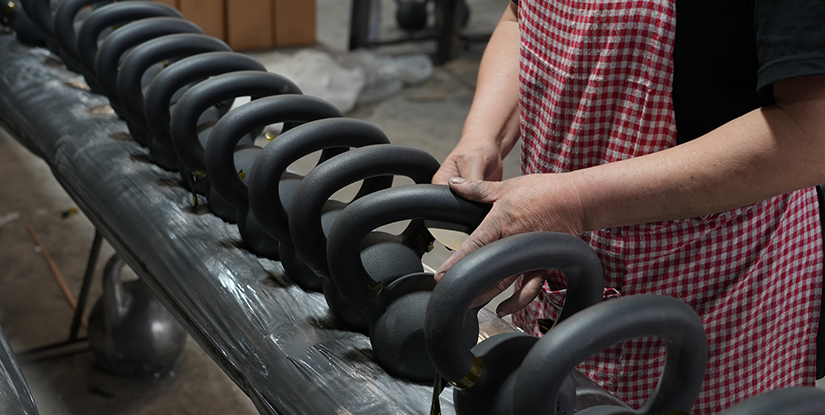
Hidden Costs: Material Integrity and Maintenance
True ROI is dictated by how well a product survives daily commercial throughput. When sourcing an adjustable soft kettlebell, the most significant hidden cost is not the unit price, but the frequency of replacement. Low-grade textiles or unstable internal weight compartments lead to premature failure, forcing unexpected replacement cycles. To ensure high-volume order stability, prioritize material integrity—specifically reinforced stitching and high-density, non-shifting fill. High-quality construction minimizes long-term maintenance costs and prevents the logistical headache of frequent reordering for your facility.
Quality Control Benchmarks for Global Export
High-traffic environments like boutique studios and hotel gyms demand rigorous testing of an adjustable soft kettlebell before bulk procurement. Unlike rigid iron versions, the durability of these units depends entirely on the structural integrity of the outer shell and the internal distribution of the weight medium.
Material Integrity and Structural Stability
When sourcing a weighted sand kettlebell for commercial distribution, the primary concern is long-term material durability. Manufacturers must utilize high-denier, tear-resistant fabrics that can withstand repetitive impact without fraying. Beyond the textile, seam strength is a critical failure point; double or triple-stitched reinforced seams are essential to prevent leakage during high-intensity training. Furthermore, premium builds incorporate internal baffles to ensure weight shifting prevention, maintaining a consistent center of gravity even as the user moves the equipment dynamically.
To assist procurement managers in vetting factory capabilities, we have outlined the technical trade-offs between common construction specifications. Selecting the correct tier of modular fitness equipment is essential for balancing initial landed costs with the long-term maintenance requirements of a professional facility.
| Feature Specification | Standard Grade (PVC/Single Stitch) | Commercial Grade (PU/Double Stitch) |
|---|---|---|
| Shell Material | PVC (Higher stiffness, prone to cracking) | PU/High-Denier Nylon (Flexible, abrasion-resistant) |
| Seam Construction | Single-needle stitching | Reinforced double or triple-stitched seams |
| Weight Distribution | Basic sand fill (Potential for shifting) | Baffled internal compartments (Stable center of gravity) |
| Ideal Use Case | Home gyms or low-frequency boutique studios | High-traffic commercial gyms and hotel fitness centers |
Distributors should prioritize manufacturers that provide detailed specifications on internal baffle density. A superior build prevents the "shifting weight" sensation, which is a common cause for returns in the professional hospitality and fitness sectors.
Logistics and Factory-Level QC Protocols
For large-scale commercial gym procurement, the risk of receiving damaged goods increases with volume. A common pitfall is neglecting the physical stresses of long-haul international transit. Before finalizing your MOQ, verify that the factory implements specific stress-testing protocols to ensure shipping durability.
Reliable suppliers must perform rigorous leak testing by applying vacuum pressure to the shell to identify microscopic punctures in the seams. Additionally, compression testing is vital; the units should be subjected to stacked weight simulations to ensure the internal weight medium does not burst the outer casing during container loading. Ensuring these QC benchmarks are met at the source significantly reduces the likelihood of receiving defective stock at your warehouse.
Maximizing Facility Footprint and Inventory Efficiency
For boutique studios and hotel fitness centers, floor space is a high-value asset. Utilizing an adjustable soft kettlebell allows operators to replace multiple heavy, fixed-weight units with a single versatile solution. This transition to modular fitness equipment significantly enhances space optimization by reducing the physical volume required for strength training zones.
From a commercial gym procurement standpoint, the footprint reduction offered by adjustable systems simplifies floor layouts and eases movement for high-traffic classes. Instead of managing vast racks of diverse weights, facility managers can maintain a streamlined, high-density inventory that adapts to user needs instantly.
| Storage Configuration | Space Requirement | Inventory Complexity | Best Use Case |
|---|---|---|---|
| Traditional Fixed Weights | High (Large Racks) | High (Many SKUs) | Large-scale commercial gyms |
| Adjustable Soft Sets | Low (Compact Area) | Low (Single Unit) | Boutique studios & hotels |
| Modular Weight Systems | Medium (Organized) | Moderate (Few SKUs) | Functional training zones |
Distributors and wholesalers must also account for the logistical impact of shipping volume and weight-to-space ratios. While traditional cast iron models are durable, their rigid geometry and high density often lead to increased freight costs and complex palletization requirements. In contrast, the pliable nature of a weighted sand kettlebell allows for more efficient packing configurations in shipping containers.
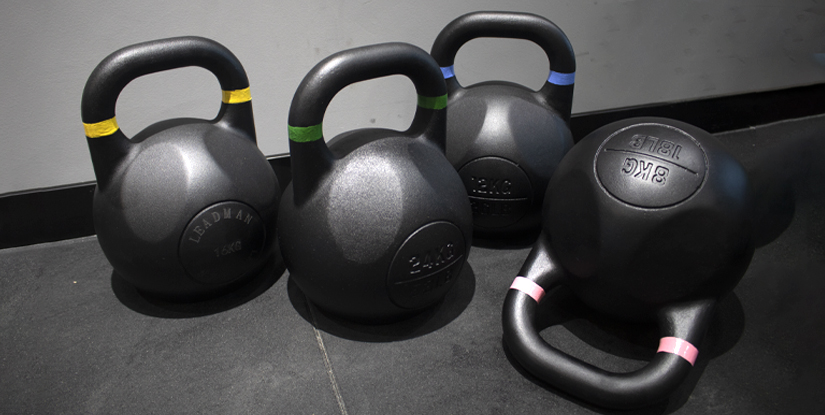
Evaluating the efficiency of your supply chain involves more than just unit price; it requires analyzing how much volume each SKU occupies during transit. The following comparison highlights the logistical advantages of transitioning to adjustable models for international distribution.
| Metric | Traditional Cast Iron | Adjustable Soft Models |
|---|---|---|
| Storage Footprint | Large (Requires heavy-duty racks) | Minimal (Stackable or compact) |
| Shipping Volume | High (Fixed, non-compressible) | Low (Optimized for container density) |
| Weight-to-Space Ratio | Low (High volume per kg) | High (Efficient density) |
| Logistics Efficiency | Moderate (Heavy freight/high risk) | High (Optimized for sea/air freight) |
For high-volume procurement, selecting modular designs can lower the total landed cost by maximizing the utility of every cubic meter in a shipping container, reducing the per-unit logistics overhead for global distributors.
Optimizing SKU Management and Turnover
Distributors should prioritize modularity to streamline their stock profiles. Unlike a standard weighted sand kettlebell, which requires unique SKUs for every weight increment, adjustable systems allow you to stock a few core shells and separate weight increments. This strategy improves inventory turnover by reducing the number of stagnant, single-weight items sitting in your warehouse. By focusing on components rather than finished goods, you can meet diverse client requests without the burden of high MOQ considerations for dozens of individual weight classes, ultimately achieving superior warehouse optimization and a more agile supply chain.
Common Procurement Pitfalls in Soft-Shell Equipment
In high-traffic environments like boutique studios or hotel gyms, the long-term value of an adjustable soft kettlebell is determined by its resilience against constant mechanical stress. Unlike rigid iron, soft-shell gear faces unique risks regarding fabric integrity and internal weight shifts that can compromise safety and professional aesthetics.
Understanding Maintenance and TCO
When calculating the Total Cost of Ownership (TCO) during commercial gym procurement, buyers must look beyond the initial unit price. Frequent handling and potential exposure to sweat or cleaning agents can degrade the outer shell, leading to leaks or loss of weight stability. A failure to account for these maintenance variables often results in premature replacement cycles, significantly increasing the actual cost per use over the equipment's lifespan.
Material and Filling Configuration Comparison
Selecting the right shell material is a critical decision for distributors and facility managers. The combination of outer fabric and internal filling dictates how the unit handles repetitive impact and how frequently staff must perform sanitation routines. Use the following comparison to align your inventory with specific client needs.
| Material Type | Weight Distribution Stability | Cleaning & Maintenance Requirements | Ideal Use Case |
|---|---|---|---|
| High-Denier Nylon | High (Maintains shape well) | Low (Wipe down with damp cloth) | High-traffic commercial gyms |
| Neoprene Coated | Moderate (Softens with heat) | Moderate (Requires gentle soap) | Boutique studios & Yoga retreats |
| Reinforced Polyester | Variable (Dependent on filling) | High (Often requires hand wash) | Budget-conscious hospitality setups |
For optimal durability, we recommend prioritizing high-denier nylon shells. This configuration ensures that the weighted sand kettlebell maintains its center of gravity even after heavy use, reducing the risk of internal shifting that can lead to uneven training loads.
Routine Inspection Checklist for Longevity
To avoid the costs of premature turnover, facility managers should implement a quarterly inspection of all modular fitness equipment. For a weighted sand kettlebell, the most common failure points are the structural seams and the outer membrane's resistance to environmental degradation.
Your internal inspection checklist should prioritize three specific areas to ensure long-term reliability:
- Seam Strength: Inspect all stitching for fraying or thinning. High-stress points near the handle attachment must remain intact to prevent weight leakage.
- Moisture Resistance: Check the shell for signs of saturation or salt buildup from sweat, which can weaken fabric fibers over time.
- Shell Integrity: Look for micro-tears or abrasions that could allow internal sand to escape during high-intensity movement.
Regularly monitoring these variables allows distributors and gym owners to transition from reactive repairs to proactive maintenance, protecting the initial investment and ensuring a consistent user experience.