Evaluating 18kg Adjustable Kettlebell Durability for Gyms
Essential Criteria for Commercial-Grade Adjustable Kettlebell Procurement
For high-traffic boutique studios or multi-location fitness franchises, the decision to transition from fixed weights to adjustable models hinges on balancing space efficiency with mechanical longevity. While consumer-grade units often fail under repetitive heavy use, professional-grade 18kg adjustable kettlebells must withstand constant weight plate transitions and high-impact swings to protect your long-term ROI.
When analyzing 18kg adjustable kettlebell reviews, procurement managers should look beyond simple weight increments. True commercial adjustable kettlebell quality is defined by the precision of the locking mechanisms and the structural integrity of the handle under stress. A failure in weight plate stability not only creates a safety hazard but also increases your total cost of ownership (TCO) through frequent replacements and increased maintenance labor.
| Feature Metric | Consumer-Grade Standard | Commercial-Grade Standard |
|---|---|---|
| Mechanism Type | Plastic/Threaded Latches | Steel Cam-Lock or Precision Pin |
| Impact Resistance | Light/Moderate Use | High-Frequency/Rugged Use |
| Maintenance Cycle | High (Frequent Part Replacement) | Low (Durable Mechanical Components) |
| Primary Goal | Home Convenience | Facility Durability & ROI |
Technical Differentiation for Procurement Optimization
Distinguishing between a budget-friendly model and a professional asset requires a granular look at the physical components. A common pitfall in sourcing is overlooking the coating durability and the internal assembly. In high-volume commercial settings, a substandard coating can chip or peel within months, leading to oxidation and unsightly wear that devalues your facility's aesthetic. Furthermore, the integrity of the weight plate stability is paramount; if the internal plates shift during high-velocity movements, the resulting imbalance can lead to client injury and increased liability.
To streamline your fitness equipment procurement checklist, use the following technical comparison to evaluate potential suppliers. This breakdown focuses on the long-term operational costs associated with different mechanism builds and surface finishes.
| Technical Attribute | Standard Adjustable Model | Commercial-Grade Unit |
|---|---|---|
| Weight Plate Stability | Loose-fit/High Vibration | Precision-fit/Low-vibration |
| Coating Durability | Basic Powder Coat | Industrial-grade Polyurethane/Vulcanized |
| Mechanism Type | Simple Friction/Threaded | Reinforced Locking System |
| Maintenance Frequency | Monthly Inspections Required | Quarterly Routine Checks |
Selecting units with higher initial manufacturing specifications may increase your upfront MOQ or unit cost, but it significantly lowers the frequency of replacement cycles. For distributors and gym owners, prioritizing a robust locking mechanism and high-grade surface coatings ensures the equipment remains a reliable asset rather than a recurring maintenance expense.
Optimizing Sourcing and Logistics for Long-Term ROI
Beyond the technical specifications of the unit itself, professional procurement requires a strategic look at the manufacturing and supply chain. A successful bulk order depends as much on the factory QC standards as it does on the initial design. When sourcing at scale, ensure your supplier provides documented proof of tolerance testing, specifically regarding how the 18kg increments remain precise after repeated assembly cycles. A slight deviation in weight accuracy can compromise the training experience and undermine the perceived value of your facility.
To mitigate risk during international transit, your fitness equipment procurement checklist must include rigorous shipment reliability protocols. Heavy, adjustable equipment is subject to significant vibration and impact during ocean or air freight. If the packaging is insufficient, the internal locking components may experience micro-fractures or misalignment before they even reach your warehouse. We recommend requesting sample testing that includes "drop-test" simulations to ensure the internal weight plate stability remains intact under transit-induced stress. For distributors, prioritizing suppliers with proven bulk ordering considerations—such as reinforced crating and standardized pallet dimensions—will reduce the likelihood of receiving damaged goods and ensure a smoother integration into your inventory.
Analyzing Weight Plate Stability and Mechanical Integrity
In high-traffic commercial gym usage, the longevity of adjustable equipment is dictated by how well internal components manage shifting loads. A failure to maintain center of gravity consistency during rapid weight transitions can lead to premature wear or mechanical failure, significantly impacting your total cost of ownership.
The Link Between Stability and Longevity
When reviewing 18kg adjustable kettlebell reviews, professional buyers often overlook the internal tolerance of the weight housing. High-quality commercial adjustable kettlebell quality relies on a precision-engineered locking mechanism that ensures weight plate stability under centrifugal force. If the plates shift during ballistic movements, the resulting vibration compromises the mechanical integrity of the handle and adjustment pins. For distributors and facility managers, sourcing units with reinforced housing is a critical step in avoiding frequent replacement cycles and maintaining a reliable inventory for end-users.
Choosing between different locking architectures is a decisive factor in determining the long-term maintenance frequency of your inventory. While some systems prioritize speed of adjustment, others focus on structural rigidity to withstand the high-impact nature of kettlebell training.
Mechanical Configuration Comparison
The following comparison highlights the technical trade-offs between common locking systems found in the current market. Selecting the right mechanism depends on whether your client base prioritizes rapid transitions or maximum structural stability.
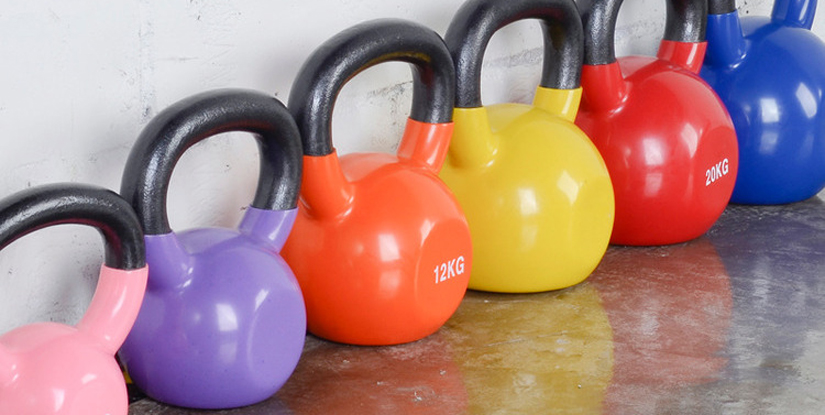
| Locking Mechanism | Weight Plate Stability | Maintenance Frequency | Ideal Use Case |
|---|---|---|---|
| Pin-Lock System | High (Fixed Position) | Low | High-Intensity Interval Training (HIIT) |
| Screw-Down/Threaded | Very High (Rigid) | Moderate | Strength & Conditioning Programs |
| Spring-Loaded Dial | Moderate | High | Boutique Studios & Light Commercial |
For procurement managers, a pin-lock system typically offers the best balance of durability and speed, as it minimizes the risk of threading fatigue. When evaluating a fitness equipment procurement checklist, prioritize models where the internal housing is made of high-grade steel rather than polymer, as this significantly reduces the likelihood of component breakage during heavy ballistic swings.
Field Inspection: the Pro-Buyer Checklist
Before finalizing large-scale orders or approving a new SKU for your catalog, conducting a rigorous physical audit is essential. Relying solely on digital documentation is a common mistake that can lead to high return rates and diminished brand trust. Use this fitness equipment procurement checklist to verify mechanical integrity during sample testing or factory visits.
- Material Thickness Verification: Use calipers to measure the gauge of the internal weight housing and the handle. Thinner steel shells are prone to denting or cracking under repetitive impact.
- Load-Bearing Capacity Stress Test: Verify that the adjustment pins can withstand the maximum 18kg load without bending or showing signs of deformation under sustained pressure.
- Vibration and Impact Testing: Perform a series of controlled ballistic swings. The unit should exhibit zero internal rattling or audible shifting, which indicates superior weight plate stability.
- Surface Coating Durability: Inspect the powder coating or plating for uniformity. Inconsistent thickness often leads to premature oxidation or chipping in humid gym environments.
From a procurement standpoint, investing in higher-grade materials and more robust locking components is a direct ROI consideration. While the initial unit cost may be higher, the reduction in warranty claims and the extension of the product lifecycle ensure a much lower total cost of ownership for your clients and distributors.
Structural Longevity: Evaluating the 18kg Load-Bearing Mechanism
In high-traffic commercial gym settings, the longevity of adjustable equipment is dictated by the integrity of its internal components. When reviewing 18kg adjustable kettlebell reviews, procurement managers should look beyond exterior aesthetics to the internal load-bearing mechanism. A failure in the central axis or weight plate stability can lead to rapid depreciation and increased replacement costs.
Reliable structural integrity requires a mechanism that can withstand repetitive impact and rapid weight transitions without loosening. For distributors and facility owners, the durability of the locking system is the primary driver of long-term ROI.
| Mechanism Type | Durability Profile | Commercial Suitability | Maintenance Level |
|---|---|---|---|
| Pin-Lock System | High impact resistance | Ideal for high-intensity studios | Low |
| Dial-Adjust System | Precision-focused | Best for boutique/PT settings | Moderate |
| Slide-Plate System | Standard durability | Budget-friendly retail/home | High |
When auditing commercial adjustable kettlebell quality, the distinction between a simple weight change and a secure structural lock is critical. For instance, a robust pin-lock system utilizes a heavy-duty steel rod to secure weight plates in place, providing superior selector pin stability during high-velocity movements. This design minimizes the risk of weight shifts that can compromise user safety and equipment lifespan.
From a procurement standpoint, selecting a mechanism with higher initial build strength directly impacts the Total Cost of Ownership (TCO). While dial-based or sliding systems may offer lower upfront costs, they often require more frequent inspections and part replacements in a commercial environment. Investing in a high-durability pin-lock architecture reduces long-term maintenance cycles and minimizes downtime for your facility, ensuring the 18kg unit remains a reliable asset for years of continuous service.
Audit Checklist for Mechanical Component Integrity
During the sample testing or factory audit phase, procurement specialists must move beyond superficial inspections. A professional fitness equipment procurement checklist should prioritize the mechanical tolerances of the internal chassis. High-quality 18kg adjustable kettlebells must exhibit zero weight plate movement once the locking mechanism is engaged; even micro-oscillations can lead to premature material fatigue and catastrophic failure under high-velocity swings.
Focus your technical inspection on these three critical areas to ensure long-term reliability:
- Friction Points: Manually cycle through weight increments to identify any grinding or resistance. Smooth transitions indicate high-grade tolerance levels and well-finished friction points.
- Custom Locking Components: If your order requires customized weight increments, clarify the MOQ considerations for specialized steel parts. Custom-molded components must be rated for high-impact resistance to avoid shearing.
- Structural Stress Tests: Inspect the interface between the handle and the weight housing. This is the primary quality control (QC) focus area, as it bears the most significant torque during dynamic movements.
By verifying these mechanical nuances during the sourcing stage, distributors can mitigate the risk of receiving batches with inconsistent tolerances, protecting both their reputation and their bottom line.
Material Selection and Surface Coating Standards for High-Traffic Gyms
For distributors and facility managers, the longevity of adjustable weight sets depends heavily on how the metal interacts with sweat, humidity, and physical impact. High-quality 18kg adjustable kettlebell reviews often highlight that surface degradation is the first sign of a low-tier manufacturer, leading to rapid depreciation in commercial settings.
Evaluating Coating Durability and Oxidation Resistance
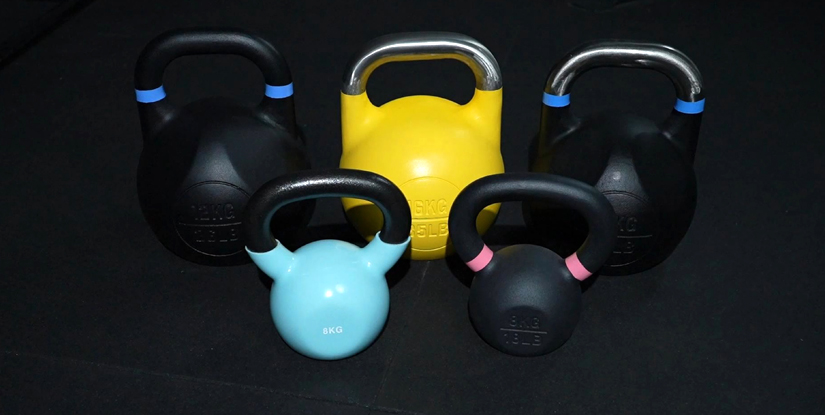
When sourcing for high-traffic gym durability, the choice between powder coating and rubber coating involves a trade-off between aesthetics and impact protection. Powder coating offers a sleek, professional finish with high oxidation resistance, making it ideal for climate-controlled boutique studios. However, in heavy-use strength zones, rubberized coatings or specialized polyurethane layers are often preferred to prevent chipping and protect flooring.
| Coating Type | Primary Benefit | Best Use Case | Maintenance Level |
|---|---|---|---|
| Powder Coating | High oxidation resistance | Boutique studios & high-end gyms | Low |
| Rubber/Polyurethane | Impact & scratch protection | High-traffic strength zones | Moderate |
| Cast Iron (Uncoated) | Maximum durability | Rugged outdoor or garage gyms | High (Requires rust prevention) |
Assessing commercial adjustable kettlebell quality requires looking beyond the weight increments to the micron thickness of the finish. A substandard coating will fail under the friction of frequent handling, causing premature wear that compromises the structural integrity of the adjustment mechanism. Ensuring your supplier utilizes industrial-grade coatings is essential for maintaining long-term ROI and minimizing replacement cycles.
Maintenance Frequency and Total Cost of Ownership
Selecting the right finish directly influences your long-term maintenance schedule and total cost of ownership. While cast iron remains the most cost-effective initial purchase, it demands regular inspections for oxidation, especially in humid environments or high-moisture training facilities. Conversely, specialized coatings reduce the frequency of cleaning and surface upkeep, though they may require more careful handling to avoid peeling during heavy-duty usage.
| Finish Type | Impact Resistance | Maintenance Frequency | Cost-Effectiveness |
|---|---|---|---|
| Powder Coated | Moderate | Low | High (Long-term) |
| Neoprene/Rubber | High | Moderate | Moderate |
| Cast Iron | Very High | High | High (Initial Buy) |
When conducting a fitness equipment procurement checklist, weigh the initial unit price against the anticipated replacement interval. For distributors supplying premium fitness centers, a powder-coated finish often provides the best balance of professional aesthetics and low-frequency upkeep. For rugged, high-impact environments, prioritize finishes that can withstand constant friction without compromising the weight plate stability or the mechanical integrity of the adjustable components.
Inspection Protocols for Factory Receiving and Quality Control
To mitigate the risk of receiving defective units, procurement managers should implement a rigorous inspection protocol during factory acceptance tests or upon arrival at the warehouse. A critical component of any fitness equipment procurement checklist is the physical verification of component tolerances and surface resilience.
During inspection, prioritize these three technical benchmarks to ensure weight plate stability and mechanical reliability:
- Coating Adhesion Test: Perform a manual scratch or friction test on a sample unit to check for edge chipping. In a commercial setting wear scenario, even minor imperfections in the bond between the metal and the finish can lead to widespread peeling under high-frequency use.
- Structural Integrity Check: Verify that the adjustment mechanism remains smooth and secure while the plates are in motion. Any lateral movement or rattling indicates poor tolerances that could jeopardize safety.
- Material Stability Verification: Ensure that the weight distribution remains centered. Substandard casting can lead to uneven weight, which compromises the balance of the 18kg adjustable kettlebell during dynamic movements.
Rigorous adherence to these protocols prevents the costly oversight of low-quality batches, directly protecting your long-term ROI by reducing the frequency of warranty claims and product returns.
Logistics and Bulk Sourcing Considerations for Distributors
Transitioning from individual unit testing to high-volume procurement requires a shift in how you evaluate 18kg adjustable kettlebell reviews. For distributors, the focus moves beyond personal usability toward scalability, shipping density, and the total cost of ownership across a full inventory cycle.
Scaling Procurement and Financial Impact
When moving toward a larger procurement scale, the distinction between initial investment and long-term value becomes critical. While single-unit purchases often prioritize user experience, bulk orders for commercial facilities demand a focus on commercial adjustable kettlebell quality to prevent high replacement rates. A lower per-unit price is a liability if the mechanical adjustment mechanism fails under heavy turnover.
| Procurement Model | Primary Focus | Typical Use Case |
|---|---|---|
| Single-Unit Testing | User Ergonomics | Boutique Studio Trials |
| Small Batch (MOQ-based) | Build Consistency | Regional Gym Chains |
| Bulk Distribution | Logistics & Durability | National Equipment Suppliers |
Distributors must weigh the savings of high-volume sea freight against the potential for increased breakage if the weight plate stability is compromised during transit. Selecting a manufacturer with proven factory capability ensures that your bulk shipment maintains the structural integrity required for professional fitness environments.
Comparing Sourcing Models for Inventory Efficiency
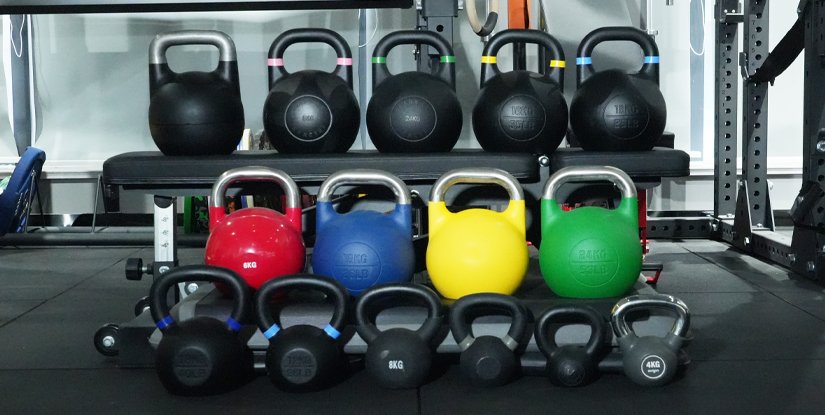
To optimize your procurement budget, you must decide whether to manage direct factory relationships or utilize established wholesale channels. This decision impacts not only your initial capital outlay but also your ability to control the long-term reliability of the equipment. Below is a breakdown of how these models typically function regarding volume and oversight.
| Sourcing Model | Typical MOQ | Lead Time | Quality Control (QC) Rigor |
|---|---|---|---|
| Direct Factory Sourcing | High (500+ units) | Long (45–75 days) | High (Direct inspection/Customized specs) |
| Wholesale Distributor | Low (20–50 units) | Short (7–14 days) | Moderate (Standardized batch testing) |
| Regional Importer | Medium (100+ units) | Moderate (21–30 days) | Standard (Pre-vetted product lines) |
While direct factory sourcing offers the best margins for large-scale distributors, it requires a more rigorous fitness equipment procurement checklist to manage the extended lead times and technical oversight. Conversely, working with a distributor reduces the immediate administrative burden but may limit your ability to customize the mechanical components or the weight plate stability of the 18kg adjustable kettlebell models.
Mitigating Hidden Costs Through Rigorous Inspection
Beyond the initial purchase order, the true cost of a shipment is often determined by the efficiency of the transit process. To avoid unexpected overhead, professional buyers should prioritize shipping volume optimization during the negotiation phase. Since adjustable mechanisms can be bulky, working with a manufacturer that utilizes high-density packaging helps reduce the volumetric weight, which is a primary driver of ocean and air freight costs.
A comprehensive fitness equipment procurement checklist must include specific inspection protocols before any container is sealed. We recommend requesting a pre-shipment inspection (PSI) that focuses on the mechanical tolerances of the weight adjustment system. Verifying the weight plate stability under vibration testing ensures that the components will not loosen or malfunction during long-distance sea transit. By implementing these strict quality control standards at the factory level, distributors can minimize the risk of receiving damaged inventory and protect their long-term ROI.
Common Pitfalls in Wholesale Fitness Equipment Acquisition
Procurement professionals often overlook the long-term financial impact of mechanical failure when sourcing adjustable strength equipment. While a lower unit price may satisfy immediate budget constraints, failing to verify commercial adjustable kettlebell quality can lead to high replacement frequencies and diminished ROI for facility operators.
The Hidden Cost of Mechanical Instability
A critical oversight in many 18kg adjustable kettlebell reviews is the failure to account for the Total Cost of Ownership (TCO). If the internal mechanism lacks precision, weight plate stability is compromised during high-velocity movements, leading to premature wear or component breakage. For distributors and gym owners, this translates to higher maintenance labor and frequent re-ordering costs. Prioritizing mechanical longevity over the lowest initial invoice ensures that your inventory remains a durable asset rather than a recurring liability.
Risk Assessment: Low-Cost vs. Commercial-Grade Sourcing
To protect your margins, you must differentiate between high-volume consumer-grade imports and specialized commercial-grade manufacturing. The following comparison highlights the structural failure modes that typically trigger high return rates and customer dissatisfaction in wholesale orders.
| Failure Mode | Low-Cost Sourcing (High Risk) | Commercial-Grade Standard (High Value) |
|---|---|---|
| Weight Distribution | Uneven internal mass; causes off-center swing. | Precision-balanced casting; ensures consistent center of gravity. |
| Locking Mechanism | Plastic or thin metal pins; prone to snapping under impact. | Heavy-duty steel locking systems; optimized for high-repetition use. |
| Surface Durability | Thin powder coating; chips easily during floor contact. | Industrial-grade textured finish; resists abrasion and oxidation. |
| Adjustment Speed | Friction-heavy or unstable plate transitions. | Smooth, secure, and rapid weight increments. |
When utilizing a fitness equipment procurement checklist, always demand technical specifications regarding the metallurgy of the adjustment pins and the thickness of the outer shell. Choosing a supplier with rigorous quality control protocols reduces the likelihood of receiving defective batches that erode your reputation as a reliable distributor.
Optimizing Inventory and Maintenance Cycles
From a distributor perspective, the goal is to balance volume with operational efficiency. Relying on a structured fitness equipment procurement checklist allows you to evaluate more than just the product; it forces an assessment of the entire supply chain lifecycle. For instance, neglecting to inquire about MOQ considerations can lead to fragmented shipments that increase per-unit shipping costs and complicate inventory management for high-demand items like 18kg models.
Furthermore, sophisticated buyers must account for maintenance cycles. High-traffic commercial environments demand equipment that can withstand thousands of weight transitions without mechanical drift. When sourcing, confirm whether the manufacturer provides replacement components or if the design necessitates a full unit replacement upon a single failure. By factoring these variables into your initial order, you mitigate the risk of unexpected downtime and ensure a predictable, long-term return on your capital investment.