Adjustable Steel Competition Kettlebell 12 Kg 32 Kg Reviews
Evaluating Long-Term Value and Lifecycle Costs of Adjustable Steel Models
Many facility managers mistakenly prioritize low initial unit costs by purchasing massive quantities of single-weight kettlebells, leading to cluttered floors and high replacement rates. A more strategic sourcing approach focuses on the adjustable steel competition kettlebell 12 kg - 32 kg reviews, which highlight how a single versatile unit replaces multiple SKUs, reducing long-term procurement cycles.
Optimizing TCO Through Space Efficiency and Durability
For distributors specializing in commercial fitness equipment wholesale, the value proposition lies in the durability of steel construction. Unlike cast iron or polymer-coated models that may chip or degrade under heavy commercial use, high-grade steel maintains its structural integrity and aesthetic appeal over years of high-intensity training. This longevity directly improves the long-term ROI for gym owners who demand equipment that survives rigorous turnover.
Beyond physical durability, the space efficiency gained by offering a single adjustable unit that covers the 12 kg to 32 kg range is a significant advantage. Instead of dedicating extensive rack space to a dozen different weights, a facility can provide a full spectrum of resistance within a minimal footprint. This optimization allows for denser, more functional training layouts in boutique studios and high-end commercial gyms.
| Investment Metric | Single-Weight Models | Adjustable Steel Models (12-32 kg) |
|---|---|---|
| Storage Footprint | High (Multiple Racks Required) | Low (Single Station) |
| Inventory Complexity | High (Many SKUs to Manage) | Low (One Versatile SKU) |
| Material Longevity | Variable (Depends on Coating) | High (Industrial Steel Build) |
| User Progression | Requires Buying New Weights | Seamless Weight Increments |
When calculating the Total Cost of Ownership (TCO), procurement specialists must look beyond the invoice price. While traditional iron bells may appear cheaper at the point of sale, the hidden costs of logistics, storage, and SKU management often erode profit margins for distributors and facility operators alike.
Cost Factor Comparison: Lifecycle Value Analysis
| Cost Factor | Traditional Cast Iron | Adjustable Steel Model |
|---|---|---|
| Initial Unit Cost | Lower per individual unit | Higher per single unit |
| Storage Footprint | High (Requires multiple racks) | Minimal (Single station) |
| Replacement Frequency | Moderate (Subject to chipping) | Low (Industrial steel durability) |
| Versatility | Fixed weight increments | High (Covers 12 kg - 32 kg range) |
For those managing adjustable kettlebell inventory, the primary advantage is the reduction in shipping volume and warehouse complexity. A single shipment of adjustable steel units can effectively provide a complete weight spectrum, streamlining strength training equipment distribution and reducing the overhead associated with managing a massive variety of single-weight SKUs.
Managing adjustable kettlebell inventory requires a shift in perspective from volume-based ordering to value-based selection. When scaling strength training equipment distribution, the logistical burden of tracking dozens of individual weight increments can quickly overwhelm warehouse operations and deplete profit margins through increased handling costs.
Logistical Efficiency and Shipping Optimization
One of the most overlooked advantages of the adjustable model is the dramatic improvement in shipping volume efficiency. For wholesalers, the ability to fulfill a client's entire 12 kg to 32 kg requirement with a single product type simplifies the packing process and optimizes container loading density. This reduction in SKU count allows for more predictable MOQ considerations, as buyers can meet order minimums with fewer, higher-value units rather than an unmanageable variety of heavy, low-cost iron bells.
Furthermore, warehouse optimization becomes significantly more achievable when a single product line covers a broad resistance spectrum. Instead of dedicating multiple pallet positions to various fixed-weight kettlebells, distributors can consolidate their high-demand categories into a single, high-performance SKU. This lean approach minimizes the risk of dead stock and reduces the capital tied up in diverse, slow-moving inventory, ensuring a more agile supply chain for commercial fitness providers.
Optimizing Floor Space with High-Density Weight Configurations
Maximizing usable square footage is a primary concern for facility managers and distributors. Implementing an adjustable steel competition kettlebell 12 kg - 32 kg reviews strategy allows a commercial gym to consolidate multiple weight increments into a single station, significantly reducing the total footprint required for strength training zones.
Spatial Efficiency and Facility Layout
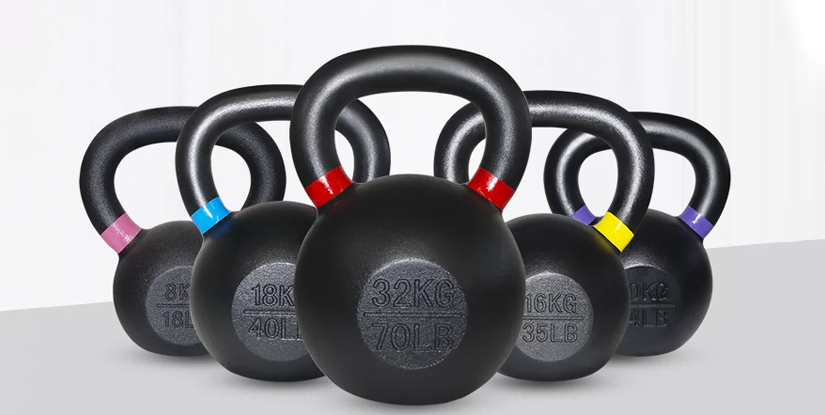
Traditional fixed-weight kettlebell sets demand extensive rack systems that consume valuable floor area. By transitioning to adjustable models, a commercial gym can achieve significant footprint reduction. This high-density storage approach allows operators to maintain a diverse range of resistance levels without the logistical burden of bulky, multi-tier shelving. For distributors, this means offering a product that solves a literal spatial problem for their clients, facilitating cleaner facility layouts and more versatile training environments.
| Storage Configuration | Space Requirement | Inventory Complexity | Ideal Use Case |
|---|---|---|---|
| Fixed Kettlebell Racks | High (Extensive) | High (Many SKUs) | Large-scale strength facilities |
| Adjustable Steel Units | Low (Compact) | Low (Single SKU) | Boutique studios & compact gyms |
| Mixed Hybrid Setup | Medium | Medium | Standard commercial training floors |
When planning a facility layout or managing adjustable kettlebell inventory, the long-term value of a single unit often outweighs the initial SKU count. The table above demonstrates why high-end boutiques and urban training centers are increasingly prioritizing modularity over traditional, heavy-duty rack systems.
Logistical Advantages for Distributors and Buyers
From a procurement standpoint, the transition from fixed sets to adjustable steel competition kettlebells shifts the focus from volume to versatility. For distributors, shipping a single high-quality adjustable unit is more cost-effective and carries a lower risk of transit damage compared to shipping a dozen individual iron bells. This efficiency directly impacts the total landed cost and simplifies the customs documentation process for international orders. For the end-user, the reduced storage volume translates to lower long-term maintenance costs and a more streamlined equipment rotation schedule.
Managing large-scale strength training equipment distribution requires a delicate balance between product variety and shipping density. Relying on a single, versatile SKU—such as an adjustable unit that spans the 12 kg to 32 kg range—allows for a more streamlined adjustable kettlebell inventory. This approach mitigates the risks associated with managing dozens of individual weight increments, which often lead to fragmented stock levels and complex replenishment cycles.
For those operating in commercial fitness equipment wholesale, the logistical gains are most visible in the warehouse. High-density configurations improve shipping efficiency by reducing the total number of individual packages required to satisfy a client's weight-training needs. Furthermore, when negotiating MOQ considerations, procurement managers can often secure better freight rates by consolidating a single type of high-value adjustable unit rather than a disparate collection of fixed-weight bells. This optimization reduces the overhead of both storage and transit, maximizing the profit margins for the entire supply chain.
Optimizing Long-Term Asset Value
Effective maintenance protocols for adjustable steel competition kettlebell 12 kg - 32 kg reviews focus on preserving the mechanical integrity of the weight adjustment mechanism and the external finish. For distributors, understanding these requirements is essential to calculating the true Total Cost of Ownership (TCO) for end-users.
In high-traffic commercial settings, the primary concern is steel coating integrity. Constant handling and potential impact can lead to micro-abrasions; regular inspections ensure that the protective layer remains intact to prevent oxidation. Maintaining a clean, dry storage environment is a fundamental requirement for any commercial fitness equipment wholesale partner looking to guarantee product longevity to their clients.
| Maintenance Factor | Standard Requirement | Commercial Impact |
|---|---|---|
| Adjustment Mechanism | Periodic debris removal | Ensures smooth weight transitions |
| Surface Finish | Non-abrasive wipe down | Prevents oxidation and coating wear |
| Structural Check | Visual inspection of locking pins | Maintains safety during high-intensity use |
Evaluating Surface Finishes for Durability and TCO
When sourcing adjustable kettlebell inventory, the choice of exterior finish directly dictates the product's lifespan in a commercial gym. Distributors must weigh the initial cost against the long-term maintenance frequency required by the end-user. A finish that appears premium but lacks wear resistance can lead to high return rates or client dissatisfaction due to premature rust or chipping.
The following comparison assists in selecting the appropriate finish based on your target market's environment, whether it be high-end boutique studios or rugged functional training facilities.
| Finish Type | Wear Resistance | Maintenance Frequency | Long-Term Durability |
|---|---|---|---|
| Powder Coating | High | Low (Standard wipe-down) | Excellent for high-impact environments |
| Raw Steel | Low | High (Requires oiling/cleaning) | Prone to oxidation without strict care |
| Chrome Plating | Moderate | Moderate (Polishing required) | Premium aesthetic but sensitive to scratches |
For most strength training equipment distribution models, powder coating offers the most reliable ROI. It provides a robust barrier against moisture and physical abrasion, making it the preferred option for wholesale buyers catering to facilities with heavy usage cycles where maintenance staff may not perform daily detailed upkeep.
Logistics and Quality Control Standards for High-Volume Orders
Managing a large-scale adjustable kettlebell inventory requires more than just warehouse space; it demands rigorous quality control (QC) protocols during the inbound process. When receiving bulk shipments, distributors should prioritize a systematic inspection of the weight adjustment mechanism to ensure every unit meets precision standards before reaching the retail floor.
Effective logistics planning must also account for the specialized storage environment required for steel components. To prevent transit-related damage or oxidation, ensure that shipping containers are moisture-controlled and that the final storage area is climate-regulated. Implementing a randomized sampling method during unboxing—specifically checking the alignment of the internal locking systems—can significantly reduce return rates and protect your reputation as a reliable commercial fitness equipment wholesale provider.
Technical Benchmarks for Competition-Grade Adjustment Mechanisms
For distributors and facility managers, the primary concern when sourcing adjustable steel competition kettlebell 12 kg - 32 kg reviews is the long-term structural integrity under high-frequency usage. Unlike residential models, commercial-grade equipment must withstand the mechanical stresses of constant weight transitions and repetitive impact within rigorous commercial gym settings.
A high-quality build relies on precise steel thickness and a robust internal locking mechanism to ensure the load-bearing capacity remains consistent throughout the 12 kg to 32 kg range. When evaluating inventory for strength training equipment distribution, professionals should look for seamless welding and reinforced housing to prevent mechanical failure during high-intensity interval training (HIIT) or heavy lifting sessions. Relying on standardized steel gauges ensures that the adjustment components do not fatigue prematurely, protecting your long-term ROI and reducing maintenance-related downtime for your clients.
Selecting the appropriate mechanism is a critical decision for optimizing the total cost of ownership (TCO). While different adjustment styles serve different market segments, commercial fitness equipment wholesale buyers must weigh the speed of transitions against the long-term wear resistance of the moving parts.
| Mechanism Type | Durability Profile | Maintenance Frequency | Ideal Use Case |
|---|---|---|---|
| Pin-Lock Systems | High; resistant to vibration | Low; occasional inspection | High-traffic commercial gyms |
| Screw-on Plates | Very High; maximum stability | Moderate; requires tightening | Strength training centers |
| Selector Pins | Moderate; precision-focused | High; requires lubrication | Boutique fitness studios |
Pin-lock systems offer a superior balance for distributors looking to provide reliable inventory, as they minimize the risk of loose components during rapid-fire training. Conversely, screw-on plate configurations provide the highest level of stability for heavy-duty lifting, though they require more frequent oversight to ensure the tension remains optimal. When planning your adjustable kettlebell inventory, consider that mechanical simplicity often translates to better longevity in high-volume environments.
Optimizing Long-Term ROI and Procurement Strategy
Effective procurement for high-end facilities requires looking beyond the initial unit cost to the total cost of ownership. When reviewing the adjustable steel competition kettlebell 12 kg - 32 kg reviews, savvy buyers must account for the impact of maintenance cycles on operational uptime. A mechanism that requires frequent recalibration or specialized tools increases the burden on gym staff and can diminish the perceived value of your strength training equipment distribution offerings.
For distributors aiming to build a reputation for reliability, the decision to stock steel-housed adjustable models over plastic or cast-iron alternatives is a strategic move toward long-term durability. Investing in high-gauge steel construction ensures that your adjustable kettlebell inventory remains a premium asset rather than a recurring replacement liability. Ultimately, a well-vetted procurement decision prioritizes hardware that maintains its precision through thousands of weight changes, securing higher margins and client satisfaction over the product's entire lifecycle.
Inventory Management and MOQ Planning for Specialized Kettlebell Sets
Optimizing your stock for high-performance training facilities requires a balance between weight range coverage and footprint efficiency. For distributors, sourcing an adjustable steel competition kettlebell 12 kg - 32 kg reviews shows a clear trend toward multi-functional equipment that satisfies both strength and conditioning requirements without the bulk of traditional fixed sets.
Strategic Advantages for Commercial Stocking
Integrating adjustable units into your commercial fitness equipment wholesale catalog offers significant space optimization benefits. Instead of dedicating massive floor areas to dozens of individual cast iron bells, a single set of adjustable steel models covers a wide spectrum of user needs. This versatility for diverse client bases—ranging from boutique studios to professional strength gyms—allows you to maintain a lean adjustable kettlebell inventory while maximizing the utility of your warehouse and client floor space.
| Procurement Model | Inventory Footprint | Client Versatility | Typical ROI Speed |
|---|---|---|---|
| Fixed Cast Iron Sets | High (Large Volume) | Limited by SKU | Slower (High Storage Cost) |
| Adjustable Steel Sets | Low (Compact) | High (Broad Weight Range) | Rapid (High Turnover) |
| Single-Weight Bulk | Medium | Niche Specific | Variable |
From a distribution standpoint, the ability to offer a single high-quality mechanism that scales from 12 kg to 32 kg reduces the complexity of shipping and customs documentation. This streamlined approach simplifies strength training equipment distribution, allowing buyers to fulfill diverse training programs with fewer individual SKUs.
SKU Density vs. Floor Space Efficiency
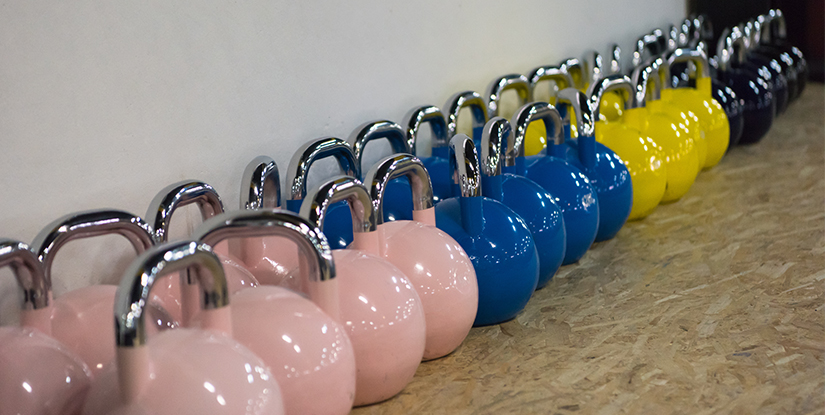
For procurement managers, the decision to pivot from fixed iron bells to adjustable steel configurations is primarily a calculation of SKU density versus operational flexibility. While fixed bells are durable, they demand high inventory levels to cover a standard commercial weight spectrum. In contrast, a single adjustable unit effectively replaces multiple individual products, drastically reducing the logistical burden of tracking and shipping disparate weight increments.
| Metric | Fixed Steel Kettlebells | Adjustable Steel Competition Models |
|---|---|---|
| SKU Count | High (Requires 1 per weight) | Low (One unit covers range) |
| Floor Space | Large (Extensive rack footprint) | Minimal (Compact storage) |
| Weight Range | Fixed increments only | Dynamic (e.g., 12 kg to 32 kg) |
| Versatility | Static training profiles | Highly adaptive/Progressive |
When analyzing the adjustable steel competition kettlebell 12 kg - 32 kg reviews, the primary procurement advantage is the reduction in dead stock risk. By stocking a versatile adjustable model, distributors can serve clients ranging from beginners to advanced athletes without the overhead of maintaining a massive, specialized inventory for every possible weight increment.
Logistics, MOQ, and Quality Control Standards
Successful procurement of high-end steel equipment depends heavily on understanding the technical nuances of mass production. When negotiating MOQ considerations, buyers should focus on the long-term durability of the adjustment mechanism rather than just the unit price. High-performance steel components require rigorous QC for steel coating and mechanism durability to ensure the weight selection process remains smooth and the surface finish resists chipping under heavy commercial use.
Effective strength training equipment distribution also requires a strategy for shipping weight optimization. Because adjustable units often contain internal mechanical components, the volumetric weight and packaging density differ significantly from solid cast iron. Distributors should work with manufacturers to standardize box dimensions, ensuring that shipping containers are maximized without compromising the structural integrity of the steel housing during transit. Prioritizing these technical specifications during the sourcing phase minimizes the risk of high return rates and ensures a reliable product lifecycle for end-users.
Quality Control Protocols for Global Wholesale Shipments
Distributors sourcing premium strength training equipment must prioritize rigorous testing to ensure long-term reliability. When evaluating an adjustable steel competition kettlebell 12 kg - 32 kg reviews, the focus should remain on the mechanical stability of the unit during high-intensity movements.
Mechanical Integrity and Structural Standards
For commercial gym durability, the primary concern is the weight-locking mechanism. In high-volume usage environments, such as CrossFit boxes or boutique strength studios, the constant transition between weight increments can cause wear on internal pins or locking collars. A failure in structural integrity during a swing or snatch movement is a significant liability for facility owners.
Reliable wholesale manufacturing requires strict quality control to ensure that the steel housing and the internal adjustment components remain perfectly synchronized. We recommend that procurement managers demand batch testing that specifically simulates the impact and vibration common in heavy ballistic training. Ensuring a seamless, secure lock across the entire 12 kg to 32 kg range is essential for maintaining a low total cost of ownership and preventing frequent replacement cycles.
Technical Inspection Benchmarks for High-Volume Inventory
To minimize return rates and maintain high service levels, strength training equipment distribution partners should implement a standardized checklist during pre-shipment inspections. High-grade steel construction is insufficient if the surface finishes or internal tolerances are inconsistent. For commercial fitness equipment wholesale buyers, the following technical parameters serve as a baseline for verifying product longevity and build quality.
| Inspection Parameter | Standard Requirement | Distributor Impact |
|---|---|---|
| Material Grade | High-density structural steel | Prevents casing deformation under impact |
| Coating Uniformity | Consistent powder coat or plating | Reduces oxidation and surface chipping |
| Tolerance Level | ±1% weight deviation | Ensures professional competition standards |
| Locking Precision | Zero-play mechanical engagement | Eliminates rattling during ballistic swings |
By enforcing these specific QC thresholds, distributors can ensure that the adjustable steel competition kettlebell 12 kg - 32 kg reviews they receive from end-users focus on performance rather than mechanical failure. Rigorous oversight of coating thickness and weight accuracy protects your margins by reducing the need for warranty-based replacements.
Logistics Risk Management and Shipping Protection
Managing adjustable kettlebell inventory during long-distance sea or air freight requires proactive mitigation of environmental variables. One of the most common issues encountered by North American distributors is shipping-induced oxidation. Even high-grade steel is susceptible to moisture-driven corrosion if the packaging is insufficient during transit across varying humidity zones. To safeguard your investment, ensure your factory utilizes specialized moisture-proof packaging, such as vacuum-sealed polybags or desiccants within the secondary master cartons.
Furthermore, the physical movement of heavy steel components within a container can lead to mechanical jamming. If the internal weight plates shift excessively due to vibration, the adjustment tracks may become misaligned or stuck. When negotiating MOQ considerations with overseas manufacturers, clarify that the shipping configuration must include reinforced internal dividers. This prevents the weight increments from colliding, ensuring that every unit arrives in a functional, ready-to-use state for your commercial clients.