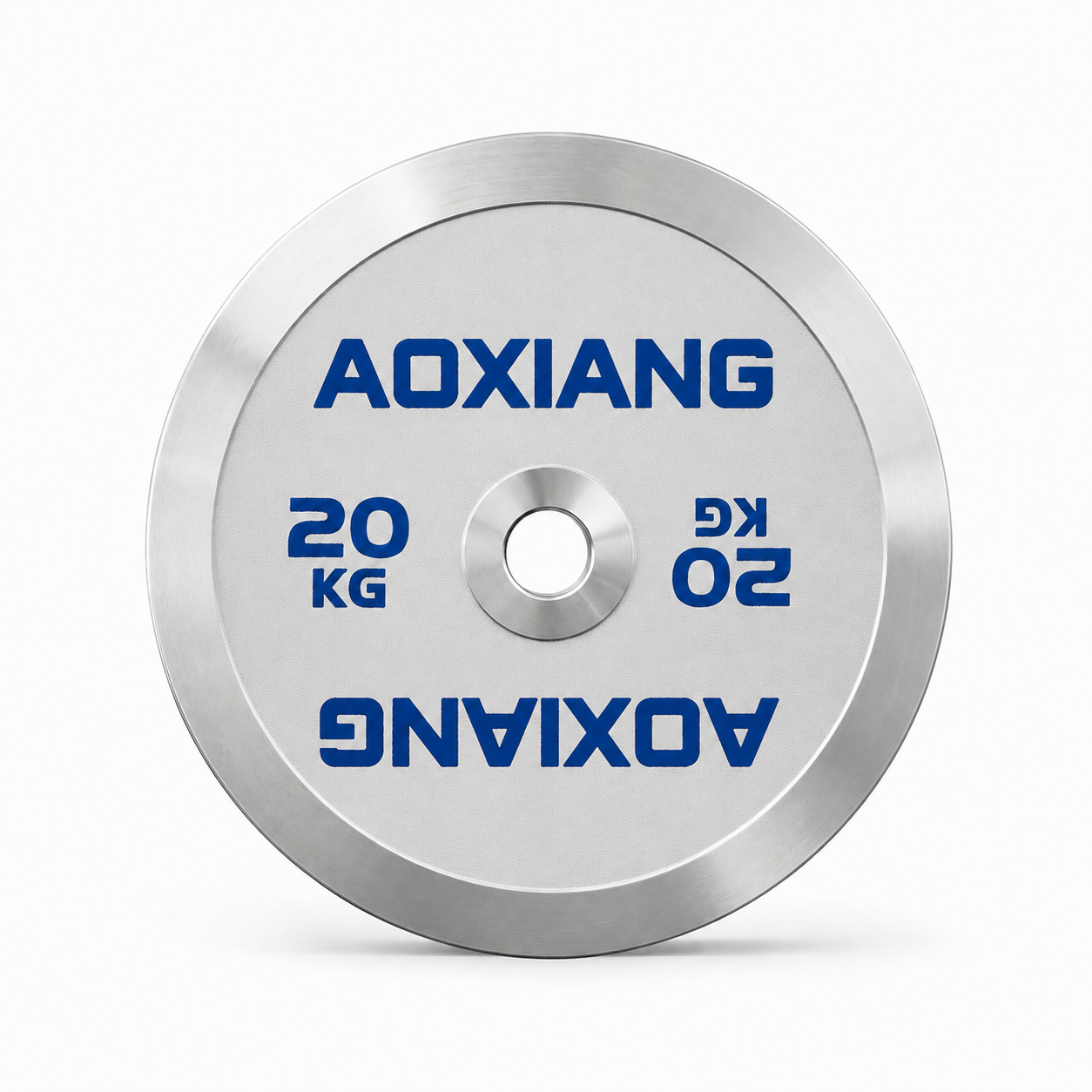
Selecting Pro Fitness Cast Iron Plates for Gym Programs
Evaluating Long-Term Value and Lifecycle Costs of Cast Iron Weight Plates
Many procurement managers mistakenly prioritize the lowest unit price per kilogram, only to face premature replacement costs due to casting defects or surface degradation. A professional sourcing strategy shifts focus toward the total cost of ownership, accounting for how pro fitness cast iron weight plates perform under high-volume commercial use over several years.
When planning gym equipment programs, the initial investment vs. lifecycle cost ratio is heavily influenced by build quality. Low-grade imitations often suffer from uneven weight distribution or brittle edges that chip during heavy drops. In contrast, high-density pro fitness cast iron weight plates offer superior long-term durability, ensuring consistent commercial weight plate compatibility with various barbell sleeves and storage racks without frequent maintenance or premature disposal.
Budget allocation depends heavily on your specific business model. Whether you are stocking a regional distribution center or outfitting a boutique studio, the trade-offs between volume, unit cost, and quality control protocols vary significantly.
| Procurement Model | Typical MOQ | Logistics Focus | QC Requirements |
|---|---|---|---|
| Wholesale / Bulk Sourcing | High (Pallet/Container) | Sea freight; heavy-duty palletization | Strict tolerance checks; batch consistency |
| Distributor / Small Studio | Low (Per SKU/Box) | Visual inspection; surface finish integrity |
For large-scale strength training equipment sourcing, high MOQs allow for custom branding and tighter manufacturing tolerances, which is essential for maintaining professional standards. Small-scale buyers should prioritize suppliers that offer reliable consolidated shipping to mitigate the high freight costs often associated with heavy iron products.
The true cost of weight plates is revealed through the lens of replacement frequency rather than the initial invoice. In high-traffic commercial environments, inferior casting techniques lead to accelerated wear and tear, such as edge chipping or oxidation, which can compromise the aesthetic and functional integrity of a training floor. When conducting strength training equipment sourcing, neglecting these long-term variables often results in a higher total expenditure due to the need for unscheduled equipment refreshes.
Effective gym equipment program planning must account for these hidden maintenance costs. While premium pro fitness cast iron weight plates may carry a higher upfront premium, their ability to withstand rigorous drop tests and high-frequency usage cycles provides a much higher ROI. By investing in equipment with superior structural density, facility managers reduce the labor and capital required for constant inventory replenishment, ensuring the facility remains operational and professional without the disruption of frequent equipment turnover.
Matching Plate Specifications to Specific Training Modalities
The durability requirements for your inventory depend heavily on the intended user density and the intensity of the training environment. High-volume group classes and CrossFit-style facilities create high-impact environments where equipment undergoes constant dropping and rapid transitions. In these settings, selecting high-grade pro fitness cast iron weight plates is a strategic decision to reduce long-term replacement costs and maintenance cycles.
When planning your gym equipment program, you must balance the initial procurement cost against the expected lifespan of the plates. While standard cast iron may suffice for low-traffic hotel gyms, commercial-grade specifications are essential for facilities where heavy rhythmic impact is a daily occurrence. Ensuring strict commercial weight plate compatibility with standard Olympic bars and high-durability coatings will prevent premature chipping and structural fatigue.
| Facility Type | Primary Use Case | Durability Requirement | Procurement Focus |
|---|---|---|---|
| Boutique Studio | Low-impact/Circuit | Moderate | Aesthetics & Finish |
| Commercial Gym | Standard Strength Training | High | Standardized Tolerances |
| Performance Center | High-impact/Olympic Lifting | Extreme | Structural Integrity |
To optimize your strength training equipment sourcing, use the following technical breakdown to match plate thickness and construction to specific operational demands. A thicker, more robust build is often necessary for high-impact modalities to prevent uneven wear or edge deformation over time.
| Training Modality | Typical Plate Profile | Expected Wear Pattern | Ideal for Distributor Stocking |
|---|---|---|---|
| HIIT & Group Classes | Standard Profile / Smooth Edges | Surface scuffing from frequent handling | High-volume, high-turnover |
| Traditional Bodybuilding | Medium Thickness / Precision Centered | Minimal; primarily minor surface oxidation | Steady, long-term replacement cycles |
| Heavy Strength / Powerlifting | Max Thickness / Reinforced Rim | Potential edge compression from heavy drops | Low-frequency, high-margin premium units |
| CrossFit / Functional Fitness | High-Density Cast / Impact Resistant | Significant impact stress on outer diameters | High-durability, ruggedized specifications |
For distributors managing large-scale orders, prioritizing plates with consistent thickness and uniform density ensures better compatibility with high-end barbell sleeves. This technical alignment reduces the likelihood of client complaints regarding uneven weight distribution or premature structural fatigue during intense training sessions.
Optimizing Long-Term ROI and Facility Layout
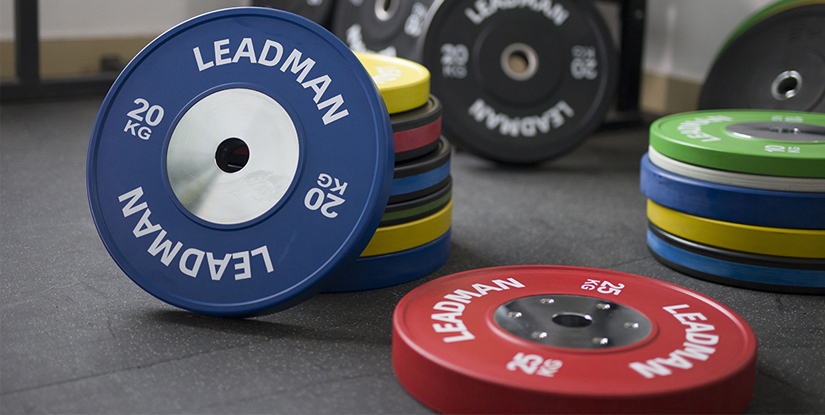
Effective strength training equipment sourcing requires looking beyond the initial invoice to the total cost of ownership (TCO). In high-traffic environments, the true expense of a plate is measured by its lifespan and the frequency of its maintenance cycles. For instance, a low-cost, thin-profile plate may seem economical initially, but if it requires frequent replacement due to edge deformation or surface oxidation, the long-term impact on your margins increases significantly.
When designing a facility layout, consider how the physical footprint of your weight storage affects accessibility and floor wear. High-density cast iron plates are ideal for maximizing space in compact gyms, but procurement managers must ensure the center bore diameter is precisely calibrated to prevent excessive friction on barbell sleeves. This precision reduces mechanical wear on both the plates and the bars, extending the replacement intervals for your entire strength training ecosystem. By investing in high-spec pro fitness cast iron weight plates, you mitigate the risk of unexpected downtime and ensure a more predictable budget for future facility expansions.
Optimizing Commercial Weight Plate Compatibility Across Equipment Lines
Effective facility management relies on the seamless integration of weight sets across various strength stations. When sourcing pro fitness cast iron weight plates, procurement managers must evaluate how physical dimensions and surface treatments impact the long-term maintenance cycles and the total cost of ownership for the gym.
Thickness Consistency and Maintenance Cycles
In high-traffic commercial settings, thickness consistency is a critical metric for both safety and equipment longevity. Variations in plate profiles can lead to uneven loading on barbell sleeves, potentially accelerating wear on high-end bar collars and bushings. High-quality pro fitness cast iron weight plates maintain a standardized profile that ensures stable commercial weight plate compatibility with standard Olympic bars. This precision reduces the frequency of mechanical adjustments and prevents the premature degradation of expensive barbell components.
Coating Durability and Facility Upkeep
The longevity of your inventory is directly tied to the quality of the surface finish. Robust coating durability is essential to prevent oxidation and rust, especially in humid environments or high-volume training zones. A premium powder coat or specialized finish protects the iron core from environmental degradation, significantly reducing the labor required for routine cleaning and resurfacing. For distributors and large-scale gym operators, investing in plates with superior protective layers minimizes long-term maintenance overhead and ensures the equipment remains professional in appearance over years of heavy use.
Evaluating Surface Finishes for Long-Term ROI
Selecting the appropriate finish is a strategic decision that balances upfront procurement costs against long-term facility upkeep. For distributors and gym owners, the choice between a raw finish and a protective coating dictates the frequency of oxidation-related maintenance and the aesthetic lifespan of the strength training equipment. Use the following technical comparison to align your sourcing strategy with your specific environmental conditions and budget constraints.
| Finish Type | Durability & Protection | Maintenance Requirements | Cost-Effectiveness |
|---|---|---|---|
| Raw Cast Iron | Low; prone to oxidation | High; requires periodic oiling/cleaning | Highest initial margin |
| Liquid Paint | Moderate; prone to chipping | Moderate; occasional touch-ups | Balanced/Standard |
| Powder Coating | High; impact & rust resistant | Low; minimal routine upkeep | Premium long-term ROI |
While raw cast iron offers the lowest entry price point, it often leads to higher operational costs in humid or high-use facilities due to rust management. Conversely, powder-coated options provide superior resistance to the mechanical stress of constant loading and unloading, making them the preferred choice for premium commercial gym equipment program planning where equipment appearance and durability are paramount.
Sourcing for High-Volume Mechanical Compatibility
Strategic strength training equipment sourcing must account for the mechanical friction generated during rapid loading cycles. In high-volume environments, the interface between the plate and the barbell is a primary failure point. To mitigate this, procurement professionals should prioritize standardized inner diameter tolerances to ensure seamless barbell sleeve compatibility. Even minor deviations in the center hole diameter can cause uneven weight distribution, leading to excessive vibration and accelerated wear on both the bar bushings and the plates themselves.
Beyond the barbell, storage rack optimization is a vital component of gym equipment program planning. When ordering bulk quantities, verify that the plate thickness and profile are optimized for your specific vertical or horizontal storage solutions. Misaligned or overly thick plates can cause structural stress on rack pins or prevent the smooth sliding of weight sets, leading to increased labor time for staff and potential damage to the storage hardware. Choosing a standardized profile ensures that your inventory remains organized and durable, regardless of the intensity of daily turnover.
Sourcing Strategies for High-Volume Group Class Environments
In high-volume group class environments, floor space is often the most valuable commodity. Facility managers must balance rapid equipment transitions with limited square footage, making floor space optimization a critical factor in program design. Unlike standard strength training areas, class-based studios require gear that can be moved, stacked, and swapped with minimal friction.
Maximizing Efficiency Through Standardization
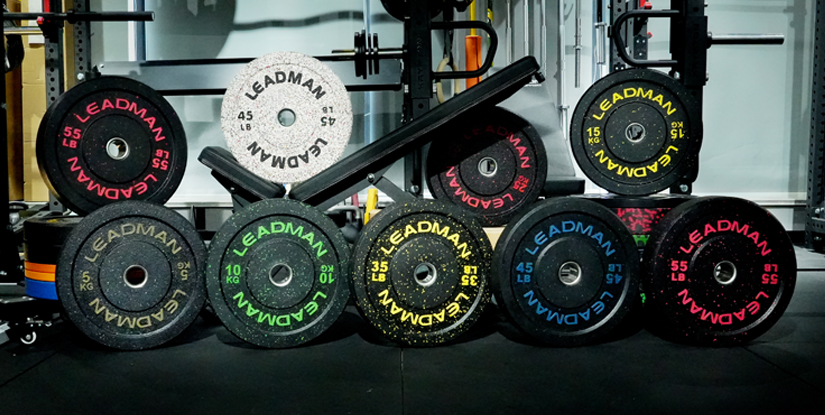
Standardization is the most effective way to manage logistical bottlenecks during intense training sessions. Utilizing pro fitness cast iron weight plates with consistent dimensions ensures that equipment can be stored in compact racks or integrated seamlessly into varied barbell setups. When sourcing for multi-modal studios, prioritizing commercial weight plate compatibility prevents the common headache of mismatched diameters, which can disrupt the flow of a class and lead to disorganized weight rooms.
By selecting a uniform profile for your pro fitness cast iron weight plates, distributors and gym owners can streamline their inventory management. This consistency allows for faster setup times and ensures that even in crowded settings, the transition between different training modalities remains smooth and professional.
Optimizing Footprint and Accessibility
Effective gym equipment program planning requires a strategic understanding of how different plate profiles impact your facility's layout. High-intensity interval training (HIIT) or circuit-based studios often demand faster access to various weights, whereas dedicated strength zones prioritize high-density storage to clear the floor. Choosing between thin-profile plates and standard thickness affects not only the barbell loading capacity but also the total footprint of your storage racks.
| Configuration Type | Storage Density | Accessibility | Typical Plate Profile | Ideal Class/Program Type |
|---|---|---|---|---|
| High-Density Stack | Maximum | Low (Slow Retrieval) | Standard/Thick | Heavy Strength & Powerlifting |
| Rapid-Access Rack | Moderate | High (Fast Swaps) | Slim/Precision | HIIT & Metabolic Conditioning |
| Distributed Stations | Low | Very High | Mixed/Standard | Small Group PT & Circuit Training |
When negotiating with manufacturers, consider how the plate thickness impacts your total inventory volume. While thinner plates allow for more weight on a single barbell, they may require more specialized storage solutions. For distributors focusing on boutique studios, a mix of profiles can provide the necessary versatility to serve diverse client needs without overextending the available square footage.
Logistics and Inventory Management
Scaling a fitness brand or managing a multi-location facility requires a sophisticated approach to strength training equipment sourcing. For large-scale operators, the decision to order pro fitness cast iron weight plates is not just about the weight increments, but about the logistics of weight-to-volume ratios. Heavy iron shipments incur significant freight costs, making it essential to align your MOQ (Minimum Order Quantity) with your long-term gym equipment program planning to avoid frequent, expensive reorders.
A common pitfall in gym equipment program planning is failing to account for inventory turnover cycles. High-traffic facilities often experience faster wear or loss of smaller denominations, necessitating a buffer in your stock levels. When negotiating with factories, prioritize suppliers who offer consolidated shipping options. This ensures that your facility layout remains functional by delivering full, organized sets that can be deployed immediately, rather than piecemeal shipments that disrupt your operational workflow and storage capacity.
Logistics and Quality Control Standards for International Wholesale Orders
Reliability in a commercial setting depends on more than just shipping speed; it requires strict adherence to manufacturing tolerances. When sourcing pro fitness cast iron weight plates for large-scale facility deployments, procurement managers must prioritize structural integrity to ensure long-term safety and operational consistency across all training modalities.
Precision Engineering and Dimensional Integrity
High-volume environments demand rigorous quality control to mitigate long-term liability and maintenance costs. Discrepancies in dimensional tolerance can lead to uneven loading or improper fitment on premium barbells, complicating commercial gym standards compliance. Professional-grade manufacturing must ensure consistent weight accuracy and a smooth bore diameter to prevent friction-related wear on equipment. For distributors, verifying that every batch meets these strict specifications is essential to avoid the high costs associated with defective returns and client dissatisfaction during heavy-duty strength programs.
Standardized Inspection Parameters for Bulk Procurement
To minimize the risk of receiving substandard inventory, buyers should demand specific technical benchmarks during the inspection phase. A high-quality manufacturing process must account for both the physical dimensions of the plate and the durability of the shipping configuration to ensure the product survives long-distance transit and heavy daily use.
| QC Parameter | Commercial Standard Requirement | Procurement Impact |
|---|---|---|
| Weight Tolerance | ±1% to ±2% deviation | Ensures accurate loading for competitive training |
| Surface Finish | Smooth, uniform coating; no burrs | Prevents user injury and barbell sleeve wear |
| Hub/Center Hole Precision | Consistent diameter (e.g., 50.8mm/2in) | Guarantees commercial weight plate compatibility |
| Packaging Strength | Reinforced palletizing and heavy-duty boxing | Reduces transit breakage and shipping claims |
Maintaining these standards is critical for successful strength training equipment sourcing. If the center hole diameter lacks precision, it may lead to wobbling or uneven distribution of weight, which negatively impacts the longevity of your barbell sleeves and the overall quality of the gym program. For distributors managing high-volume orders, verifying these metrics at the factory level is the most effective way to protect profit margins and maintain service reputation.
Optimizing Global Transit and Inventory Efficiency
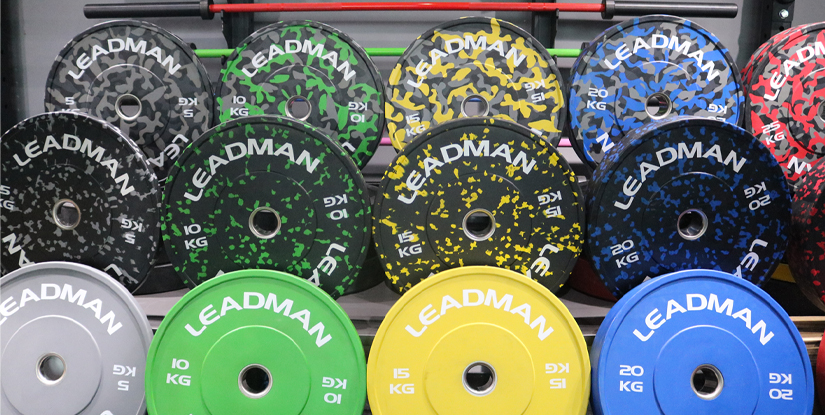
Successful gym equipment program planning extends beyond the factory floor to the complexities of international freight. Because cast iron is exceptionally dense, shipping costs and shipping durability are inextricably linked. Buyers must evaluate how palletization strategies impact both the safety of the strength training equipment and the total landed cost. Relying on standard retail packaging is insufficient for international wholesale; instead, demand reinforced wooden crates or heavy-duty, heat-treated pallets designed to withstand multi-modal transit stresses.
To maximize ROI, procurement specialists should focus on MOQ optimization to balance shipping density with inventory needs. High-density loading reduces the per-unit freight cost but requires strict oversight of container stowage to prevent crushing or structural deformation during sea transit. A well-coordinated logistics plan ensures that your pro fitness cast iron weight plates arrive at the facility in a ready-to-use state, eliminating the need for costly on-site sorting or replacement due to transit-related damage.
Inventory Planning for Strength Training Equipment Sourcing
Optimizing your procurement strategy requires balancing immediate capital expenditure against the long-term facility lifecycle. When sourcing pro fitness cast iron weight plates, the goal is to minimize replacement frequency through high-grade manufacturing while ensuring seamless commercial weight plate compatibility across various barbell systems and storage racks.
Maximizing ROI Through Durability and Specification Alignment
A low initial purchase price often masks hidden costs in the form of premature wear or diameter inconsistencies. Strategic strength training equipment sourcing focuses on the total cost of ownership; selecting high-density cast iron reduces the need for frequent inventory replenishment. By prioritizing precision in tolerances and coating durability, distributors and gym owners secure a higher ROI, as the equipment maintains its structural integrity and aesthetic appeal through years of high-volume commercial use.
Evaluating Sourcing Models: Direct Factory vs. Local Distribution
Procurement managers must weigh the advantages of direct-to-factory imports against the agility of regional distributors. While direct sourcing offers the lowest unit cost, it requires higher internal capacity for logistics and quality control oversight. Conversely, local distributors provide speed and reduced risk but often at a premium price point.
| Sourcing Model | Typical MOQ | Logistics Complexity | QC Oversight | Cost-per-Unit | Lead Time |
|---|---|---|---|---|---|
| Direct Factory | High (Full Container) | High (Import/Customs) | On-site/Third-party | Lowest | Long (30–60+ Days) |
| Local Distributor | Low to Moderate | Low (Domestic Freight) | Standardized/Pre-vetted | Higher | Short (Days/Weeks) |
For large-scale gym equipment program planning, a hybrid approach is often most effective. Utilize direct factory orders for bulk foundational stock to maximize margins, while relying on local distributors for rapid replenishment of specific weights or immediate replacements to maintain operational continuity.
Optimizing Stock Levels for Diverse Training Modalities
Effective gym equipment program planning requires a nuanced weight distribution strategy that accounts for the different ways users interact with your facility. Over-investing in specialized or heavy-end increments can tie up capital in low-turnover assets, while neglecting foundational weight ranges can bottleneck your most popular training zones.
To optimize your inventory turnover, categorize your procurement based on high-volume vs. specialized training needs. High-volume areas, such as general strength zones or group fitness studios, require a deep stock of standard increments (5kg, 10kg, 20kg) to accommodate rapid transitions between users. In contrast, specialized strength zones or powerlifting platforms benefit from a leaner, more targeted selection of high-density plates that can handle extreme loads without the need for massive volume.
A successful procurement model prioritizes a "core-heavy" inventory. By maintaining a robust supply of common pro fitness cast iron weight plates, you ensure that your facility can support the majority of training sessions without constant replenishment. Reserve your budget for specialized or extremely heavy increments only when your specific programming—such as competitive strength training—demands it, thereby preventing the accumulation of stagnant, high-cost stock.