Evaluating Cast Iron Weight Plate Sets for Commercial Gyms
Essential Criteria for High-Volume Gym Equipment Procurement
Procurement managers must evaluate structural integrity through three primary lenses: the risk of material failure during high-impact use, the precision of manufacturing specifications, and the long-term logistics of replacement cycles. Ensuring that your inventory can withstand rigorous daily usage is critical for maintaining low total cost of ownership in professional facilities.
Structural Integrity and Casting Density
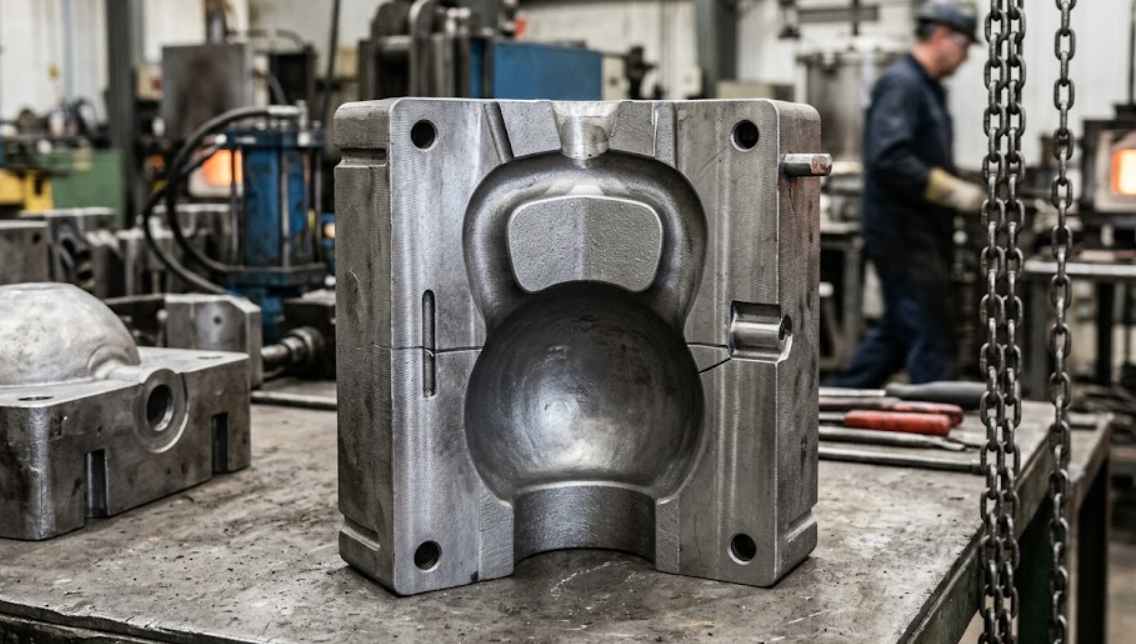
The fundamental durability of cast iron weight plates sets depends heavily on the precision of the initial pour. For commercial grade iron plates, high-density casting is a non-negotiable requirement to prevent internal air pockets or structural weaknesses. In high-traffic environments, plates are frequently dropped or subjected to sudden lateral impacts; without superior crack resistance, even minor manufacturing flaws can lead to catastrophic fractures. When sourcing heavy duty weight sets, verify that the production process emphasizes uniform density, as this structural integrity ensures the plates remain functional and safe under the intense physical demands of a professional strength training floor.
Coating Quality and Maintenance Cycles
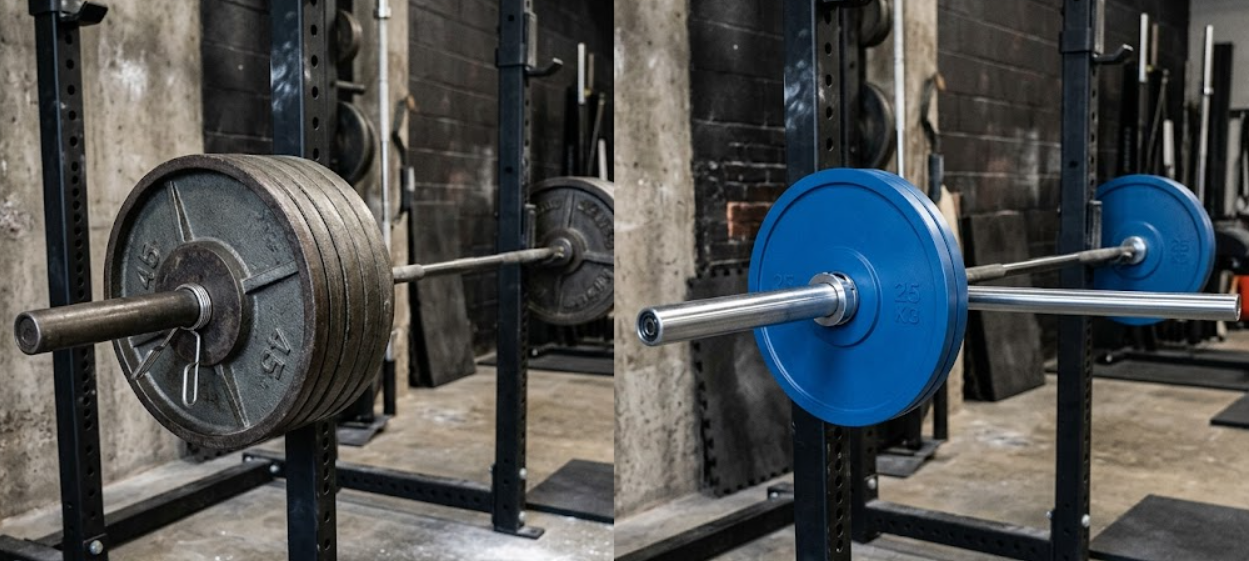
Beyond core density, the surface treatment determines how long a set remains aesthetically and functionally viable. Selecting the wrong coating can lead to premature oxidation, increasing the frequency of the maintenance cycle and complicating long-term inventory management for distributors. For high-volume facilities, the choice between powder coating, paint, or raw finishes involves a direct trade-off between upfront unit costs and long-term durability.
| Coating Type | Rust Prevention | Durability Level | Maintenance Profile |
|---|---|---|---|
| Powder Coating | High | Excellent | Low; highly resistant to chipping and abrasion |
| Painted Finish | Moderate | Good | Medium; prone to surface wear and peeling over time |
| Raw/Uncoated | Low | Basic | High; requires regular oiling to prevent oxidation |
While raw iron offers the lowest initial price point, it often leads to higher operational costs due to corrosion issues. Most commercial-grade procurement strategies favor powder coating because it provides a robust barrier against moisture and physical impact, significantly extending the lifespan of the equipment in humid or high-use gym environments.
Logistics, Precision, and Bulk Sourcing Standards
When managing large-scale orders, technical specifications must extend beyond material density to include strict weight tolerance and shipping stability. For distributors and facility managers, even a minor deviation in weight can disrupt specialized barbell balancing or cause inventory discrepancies during audits. High-quality manufacturing ensures that the deviation remains within a tight, professional-grade margin, providing the predictability required for professional strength training.
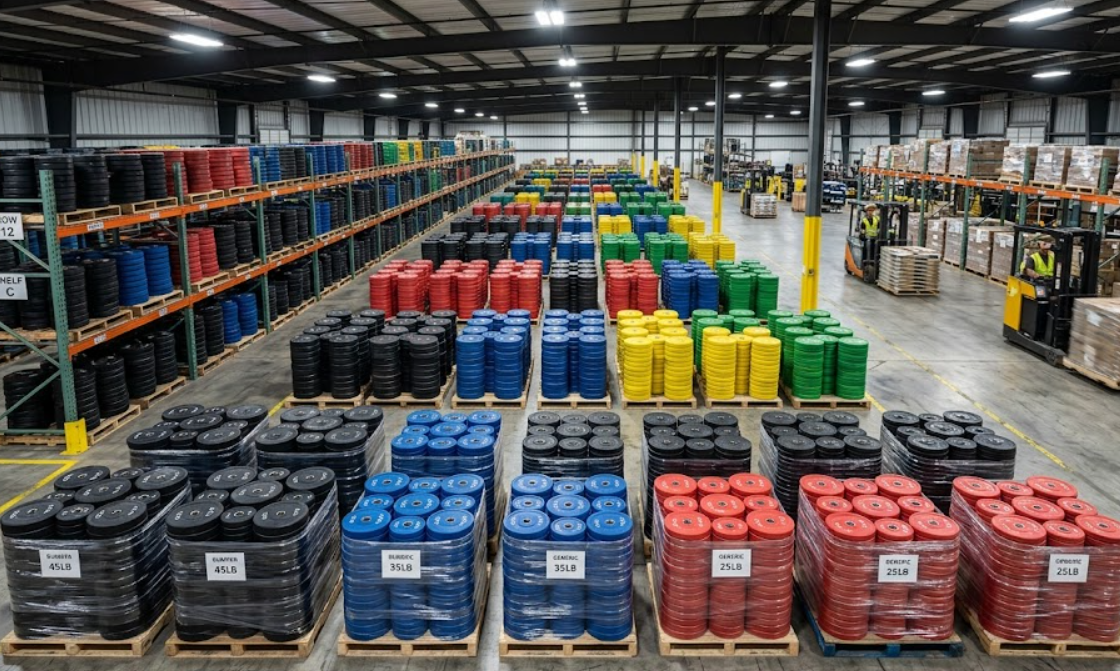
Furthermore, bulk procurement necessitates a focus on packaging and QC standards to mitigate transit-related damage. High-quality heavy duty weight sets should be palletized and secured to maintain shipping stability during long-haul international transit. Before finalizing a contract, clarify the MOQ and ensure the supplier utilizes rigorous QC standards to verify that every unit meets the promised specifications. Neglecting these logistical details can lead to high replacement costs and disrupted facility setups.
Assessing Structural Integrity and Casting Precision
For high-traffic fitness facilities, the longevity of your inventory depends on the fundamental manufacturing quality of your weight sets. Relying on low-grade casting often leads to uneven weight distribution and premature surface failure, which directly increases your total cost of ownership through frequent replacement cycles.
The Link Between Casting Precision and ROI
When sourcing cast iron weight plates sets, professional buyers must look beyond the aesthetic finish to the internal structural integrity. High-quality commercial grade iron plates require exceptional casting precision to ensure that the center of gravity remains consistent across the entire surface area. In many commercial settings, even minor deviations in the mold process can result in unbalanced plates that cause uneven wear on barbell sleeves and barbell knurling.
Investing in precision-molded sets mitigates the risk of stress fractures and structural warping under heavy use. For distributors and gym owners, this technical reliability translates into a predictable lifecycle, ensuring that your initial procurement outlay delivers long-term value rather than recurring maintenance costs.
A critical component of your quality control (QC) protocol involves identifying microscopic defects that are often invisible to the untrained eye but catastrophic for long-term durability. High-quality heavy duty weight sets must exhibit uniform density and seamless surface transitions to withstand the mechanical stress of heavy lifting and frequent dropping.
Technical Comparison of Casting Quality Indicators
Use the following criteria during your inspection or when requesting batch-level certifications from your manufacturer to distinguish premium stock from substandard options.
| Technical Indicator | High-Quality Batch (Premium) | Low-Quality Batch (Substandard) |
|---|---|---|
| Porosity | Minimal to zero air pockets; smooth, dense surface. | Visible pinholes or pits; prone to cracking under impact. |
| Dimensional Tolerance | Consistent thickness and center-hole diameter across the set. | Irregular edges; uneven thickness causing balance issues. |
| Coating Uniformity | Even application; no peeling or thin spots on high-friction areas. | Uneven powder coating or paint; prone to chipping and oxidation. |
| Edge Profile | Smooth, beveled, or rounded edges for safe handling. | Sharp, irregular, or jagged edges from poor mold release. |
Identifying these markers during the pre-shipment inspection phase allows procurement managers to avoid the logistical headaches of returning defective bulk orders. Reliable manufacturers will provide detailed documentation regarding their tolerance standards to ensure every unit meets the rigorous demands of commercial gym environments.
Beyond surface aesthetics, the mechanical performance of a weight set is dictated by its internal weight distribution. In high-volume commercial gym settings, plates with inconsistent balance create significant liability risks. Imbalanced loading can cause erratic barbell oscillation, which accelerates wear on high-end barbells and can lead to user injury during heavy compound lifts.
Impact of Balance on Maintenance Cycles
For facility managers, the goal of procurement is to extend the maintenance cycle and reduce operational downtime. When a set lacks precision, the resulting uneven torque puts undue stress on barbell sleeves and bushings. This mechanical friction necessitates more frequent lubrication and part replacement, driving up the long-term cost of the equipment. By prioritizing sets with calibrated balance and uniform density, buyers ensure that the equipment remains stable and safe under repetitive, heavy-load conditions. Choosing high-spec gear minimizes the frequency of mechanical repairs and keeps the weight room operational without constant interference from equipment failure.
Surface Coating Standards for Commercial Grade Iron Plates
The longevity of your inventory depends heavily on the quality of the protective layer applied during manufacturing. High-quality commercial grade iron plates require a finish that prevents moisture penetration, ensuring long-term surface integrity even in humid or high-use environments.
For distributors and gym owners, the quality of the coating directly dictates the maintenance frequency. A substandard finish leads to premature oxidation, which can stain flooring and increase labor costs for facility upkeep. Selecting plates with superior oxidation resistance reduces the total cost of ownership and prevents the aesthetic degradation common in high-traffic fitness facilities.
| Coating Type | Durability Level | Maintenance Profile | Best Use Case |
|---|---|---|---|
| Powder Coating | High | Low; easy to wipe | Premium commercial gyms |
| Black Oxide | Moderate | Periodic oiling required | Standard weight rooms |
| Raw Cast Iron | Low | High; prone to rust | Budget-focused settings |
When evaluating the cost-benefit ratio of different surface treatments, procurement managers must look beyond the initial unit price. The choice between a basic finish and a high-performance coating determines how often your staff must perform rust prevention tasks and how long the inventory remains in sellable or usable condition.
Comparing Coating Performance and TCO
A more sophisticated application, such as powder coating, offers a thicker barrier against environmental moisture, which is essential for high-traffic facilities. While the initial investment per unit is higher, the reduction in oxidation-related replacement costs often results in a lower Total Cost of Ownership (TCO) over a five-year lifecycle.
| Finish Method | Rust Prevention Strength | Durability vs. Cost | Typical Procurement Logic |
|---|---|---|---|
| Powder Coating | Excellent | High Premium / High Longevity | Long-term facility assets |
| Electroplating | Good | Moderate / Medium Longevity | Standard commercial equipment |
| Clear Coat | Basic | Low Cost / Low Longevity | Short-term or indoor-only use |
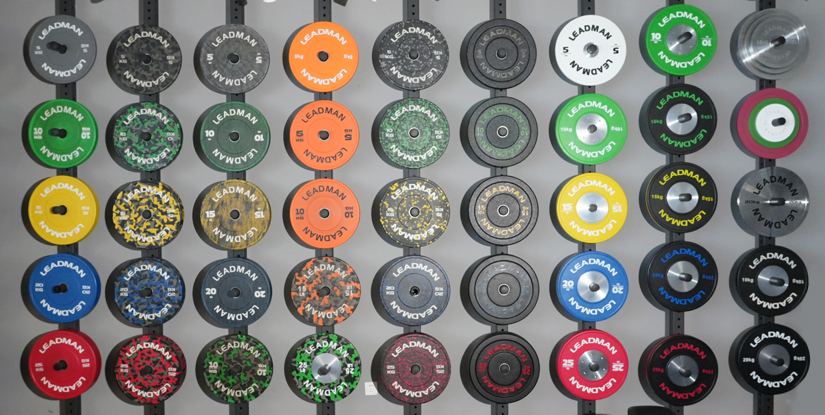
For distributors managing large-scale shipments, prioritizing heavy duty weight sets with powder coating minimizes the risk of receiving damaged or oxidized goods upon arrival. This technical distinction is a critical factor in maintaining high standards of quality control during international transit.
Verifying Coating Integrity During Quality Control
To mitigate the risk of receiving defective inventory, procurement managers should implement a rigorous inspection checklist during the factory quality control (QC) phase. Rather than relying solely on visual aesthetics, request data on adhesion testing, such as the cross-cut test, to ensure the coating does not peel or flake under mechanical stress. A failure in coating adhesion often leads to rapid oxidation, which can compromise the structural appearance of even the most robust heavy duty weight sets.
When the shipment arrives at your warehouse or facility, verify that the cast iron weight plates sets have not suffered impact damage to the edges, as these micro-fractures in the finish are the primary entry points for moisture. Making an informed procurement decision based on these technical verification steps ensures that your capital is invested in durable assets that withstand the rigors of professional use without premature depreciation.
Optimizing Inventory Mix with Heavy Duty Weight Sets
Procurement managers must look beyond the initial purchase order to understand the long-term economic impact of their selection. While lower-tier options may seem attractive during initial budgeting, high-traffic environments demand a focus on the total cost of ownership (TCO) to prevent frequent replacement cycles.
Balancing Initial Investment and Longevity
Selecting high-quality cast iron weight plates sets involves a strategic trade-off between upfront expenditure and operational durability. In a commercial setting, the cost-efficiency of commercial grade iron plates is realized through their ability to withstand heavy daily use without structural degradation or coating failure. Investing in high-density, precision-cast sets reduces the need for frequent reordering and minimizes downtime caused by equipment replacement. For distributors and facility owners, prioritizing heavy duty weight sets ensures that the investment supports years of rigorous use, ultimately lowering the annualized cost per unit compared to cheaper, less resilient alternatives.
Deciding between standard catalog orders and customized bulk procurement depends heavily on your facility's specific load requirements and scaling plans. While standard sets offer speed, customized configurations provide better alignment with specialized training zones and long-term inventory management goals.
Procurement Configuration Comparison
| Feature | Standard Weight Sets | Customized Bulk Orders |
|---|---|---|
| MOQ Impact | Low; easy for small replenishment | High; requires significant volume |
| Unit Price | Moderate; market-standard rates | Lower; optimized through economies of scale |
| Weight Increments | Standard (e.g., 5, 10, 25, 45 lbs) | Tailored to specific training needs |
| Logistics | Faster shipping; smaller footprints | Complex sea freight; requires warehouse planning |
| Investment ROI | Short-term liquidity preservation | Long-term TCO reduction for large fleets |
For large-scale distributors or multi-location gym chains, the strategic advantage lies in customized bulk procurement. By negotiating specific weight increments and branding requirements through a single factory-direct channel, buyers can significantly lower the unit price. However, this approach necessitates rigorous logistics planning, as higher volumes increase shipping lead times and require substantial upfront capital. When evaluating these options, prioritize the ratio of weight distribution to shipping volume to ensure that the cost savings on the cast iron weight plates sets are not offset by inflated freight-per-pound expenses.
Mitigating Hidden Costs Through Quality Control
A common oversight in gym equipment procurement is failing to account for the rapid depreciation caused by poor surface finishes. A subpar coating quality leads to premature oxidation and unsightly rust, which can force an early replacement frequency even if the core remains intact. To protect your long-term value, your procurement strategy must include a strict inspection of the edge bevels and surface treatments.
When sourcing heavy duty weight sets, verify that the structural integrity of the iron is consistent across all weight increments. Inspecting for casting defects, such as air bubbles or uneven density, prevents catastrophic failures under heavy load. By prioritizing these technical specifications over the lowest sticker price, buyers avoid the hidden expenses of labor-intensive maintenance and the logistical headache of frequent, small-scale reordering to replace damaged inventory.
Logistics and Packaging Strategies for International Wholesale
Optimizing the procurement of cast iron weight plates sets requires a deep understanding of how physical dimensions dictate your total landed cost. For international distributors, the price per unit is only one variable; the true expense is often driven by the efficiency of the freight logistics and the ratio of product weight to shipping volume.

Maximizing Container Optimization and Density
When sourcing high-volume orders, the relationship between palletization methods and container utilization becomes critical. Effective cast iron weight plates sets should be packed to maximize density without compromising structural safety during transit. Inefficient shipping volume management leads to "shipping air," which significantly inflates the landed cost per kilogram.
To achieve better margins, procurement managers should coordinate closely with factories regarding MOQ requirements and specialized packaging configurations. Utilizing standardized pallet dimensions and optimized crate layouts ensures superior container optimization, allowing you to fit more tonnage into a single 20ft or 40ft HC container. This precision in packing minimizes the impact of high sea freight rates on your final inventory valuation.
Shipping Configuration Comparison: Lcl vs. Fcl
Deciding between Less than Container Load (LCL) and Full Container Load (FCL) depends on your current inventory turnover and the scale of your facility expansion. While LCL offers flexibility for smaller, specialized orders of heavy duty weight sets, FCL remains the most cost-effective method for large-scale gym equipment procurement and bulk restocking.
| Shipping Configuration | Cost Efficiency | Lead Time | Risk Profile |
|---|---|---|---|
| LCL (Less than Container Load) | Lower upfront capital; higher per-unit freight cost | Slower due to consolidation and multiple stops | Higher risk of handling damage or loss during cross-docking |
| FCL (Full Container Load) | Best economy of scale for high-tonnage orders | Faster transit; direct route from factory to port | Minimal handling; reduced risk of damage to commercial grade iron plates |
For distributors managing consistent stock levels, FCL is generally the preferred strategy to stabilize the landed cost of heavy iron products. However, if you are testing a new product line or fulfilling a boutique studio order, LCL allows for more agile inventory management without the burden of excessive storage requirements.
Quality Control and Pre-Shipment Inspection Protocols
Beyond container density, the structural integrity of your order depends on rigorous pre-shipment inspection. For high-traffic fitness facilities, even minor defects can escalate into significant replacement costs. Procurement teams must mandate that manufacturers verify the protective coating integrity of every unit to ensure no chipping occurs during vibration-heavy transit. Any compromise in the surface finish can lead to premature oxidation once the product reaches a humid gym environment.
Effective breakage prevention requires more than just heavy-duty cardboard; it demands specialized moisture control and internal bracing. When ordering heavy duty weight sets, confirm that the factory utilizes reinforced wooden crates or heavy-duty pallets that can withstand the dynamic loads of maritime shipping. A standardized inspection checklist should include a visual audit for surface imperfections and a verification of moisture-proof packaging to prevent rust during long-haul sea transit. Establishing these strict quality control benchmarks at the factory level protects your margin against the high costs of damaged returns and unsellable inventory.
Avoiding Common Sourcing Pitfalls in Bulk Cast Iron Orders
When scaling inventory for high-traffic facilities, the most significant financial risk lies in overlooked manufacturing defects that compromise structural integrity. Relying solely on low per-unit prices often ignores the total cost of ownership (TCO) associated with premature replacements and equipment downtime.
The Hidden Cost of Low-Quality Cast Iron Weight Plate Sets
Procurement managers frequently encounter unexpected expenses when sourcing substandard cast iron weight plates sets. While the initial invoice may appear competitive, poor quality control during the casting process can lead to internal air bubbles or surface fractures. These flaws diminish the long-term durability of commercial grade iron plates, especially under the heavy impact typical of professional strength training environments.
If a shipment arrives with inconsistent density or uneven coating, the resulting maintenance cycles and premature turnover will quickly negate any upfront savings. For distributors and large-scale gym operators, the true cost is measured by the frequency of replacement and the potential for client dissatisfaction due to equipment failure.
Evaluating the Financial Trade-Offs: Budget vs. Commercial Grade
To make an informed procurement decision, buyers must weigh initial capital expenditure against long-term operational stability. Choosing between unbranded bulk options and specialized commercial-grade sets involves more than just a price comparison; it is a calculation of how often your facility will need to reorder and restock.
The following table outlines the typical performance discrepancies encountered when sourcing different tiers of weight sets for professional environments.
| Evaluation Criteria | Budget/Generic Sets | Commercial Grade Sets |
|---|---|---|
| Coating Durability | Basic spray paint; prone to chipping and rust exposure. | High-grade powder coating or specialized finishes for impact resistance. |
| Dimensional Tolerance | Higher variance; can lead to uneven barbell loading. | Strict precision standards for consistent fit and balance. |
| Replacement Frequency | High; requires frequent turnover due to surface or structural wear. | Low; engineered for multi-year use in high-traffic zones. |
| Long-term ROI | Lower upfront cost, but higher TCO due to maintenance. | Higher initial investment, but optimized for long-term durability. |
For distributors managing large-scale gym equipment procurement, the stability of the product is a critical factor. Investing in high-quality heavy duty weight sets reduces the logistical burden of frequent small-batch reorders and ensures a more reliable inventory for your end clients.
Optimizing Logistics and Factory-Level Verification
Maximizing ROI requires looking beyond the unit price to the structural integrity of the entire supply chain. When managing large-scale gym equipment procurement, the risk of receiving a shipment that fails to meet weight accuracy standards can derail your budget. Discrepancies in mass—even by small percentages—can lead to uneven barbell loading and increased liability in professional settings.
To mitigate these risks, ensure your manufacturer utilizes rigorous quality control (QC) protocols that include random sampling for density and dimension checks. Additionally, clarify the MOQ requirements early to leverage volume-based shipping efficiencies. For heavy duty weight sets, request documentation on shipping stability and packaging specifications; specialized reinforced crates are essential to prevent metal-on-metal friction and surface damage during long-haul ocean freight. Verification at the factory level is the only way to ensure the cast iron weight plates sets arriving at your warehouse match the precision specifications ordered.