How to Buy Cast Iron Plates for Commercial Gym Facilities
Vetting Manufacturers for High-Volume Cast Iron Orders
Successful commercial weight plate procurement requires a rigorous assessment of three critical pillars: the risk of material inconsistency, the precision of technical specifications, and the reliability of long-term logistics. In high-traffic gym settings, the structural integrity of equipment is non-negotiable, as uneven weight distribution or brittle casting can lead to premature failure and increased replacement costs.
Prioritizing Tolerance Standards and Surface Integrity
When sourcing bulk cast iron plates, the primary technical differentiator is the adherence to strict tolerance standards. High-quality manufacturers ensure that weight deviations remain within a negligible margin, preventing imbalances during heavy compound lifts. Beyond weight precision, buyers must evaluate coating durability to ensure the finish can withstand constant friction and environmental exposure without chipping or rusting. A robust manufacturing process guarantees that the cast iron maintains its dimensional stability, ensuring that the plates fit seamlessly on standard commercial bars even after years of heavy usage.
Evaluating Coating Durability and Long-Term ROI
For facility managers and distributors, the choice of surface finish directly dictates the total cost of ownership (TCO). While raw iron is cost-effective, the maintenance overhead in humid or high-traffic environments can be significant. When you buy cast iron plates, you must weigh the initial procurement savings against the long-term labor costs of rust prevention and aesthetic upkeep.
| Finish Type | Impact Resistance | Rust Prevention | Maintenance Frequency |
|---|---|---|---|
| Raw Cast Iron | High | Low | High (Frequent oiling required) |
| Liquid Paint | Moderate | Moderate | Medium (Touch-ups for chips) |
| Powder Coating | Very High | High | Low (Minimal upkeep) |
Powder coating offers the most resilient solution for commercial gym equipment sourcing standards, as the electrostatic application creates a thicker, more durable barrier against oxidation. While liquid paint is common for budget-tier orders, powder coating is the preferred specification for high-end strength facilities where equipment longevity and a premium appearance are vital for brand reputation.
Verifying Factory Capability and Logistics Reliability
Beyond material specifications, the stability of your supply chain depends on the manufacturer's internal QC protocols and shipping expertise. When ordering bulk cast iron plates, the risk of receiving non-uniform batches increases with volume. A professional factory must demonstrate a structured inspection process that verifies weight consistency and dimensional accuracy for every single unit before it leaves the warehouse.
For large-scale commercial gym sourcing, you should also vet the supplier's ability to manage high MOQ requirements without compromising on packaging quality. Efficient shipping stability is crucial; plates must be secured in reinforced, standardized crates to prevent transit damage or deformation. Confirm whether the manufacturer utilizes standardized palletization and provides detailed loading plans, as these logistical details prevent costly delays and ensure your inventory arrives ready for immediate deployment in your facility.
Technical Audit Protocols for Weight Tolerance and Precision
High-traffic facilities must prioritize precision during commercial weight plate procurement to ensure long-term operational stability. Neglecting strict weight tolerance standards often leads to significant facility maintenance challenges, as slight deviations in mass can cause structural imbalances during heavy lifting sessions.
When sourcing in bulk, even a minor discrepancy in the center of gravity or plate thickness can result in uneven loading. This imbalance does not only affect the athlete's performance but also accelerates the mechanical wear on barbells and specialized racks. For distributors and gym owners, investing in high-precision cast iron is a strategy to reduce the total cost of ownership by extending the lifespan of complementary lifting equipment.
| Procurement Standard | Tolerance Level | Impact on Maintenance | Long-term TCO |
|---|---|---|---|
| Standard Cast Iron | ±2% to 5% | Higher risk of uneven wear | Lower initial/Higher long-term |
| Precision Commercial | ±1% or less | Minimal equipment strain | Optimized ROI |
| Competition Grade | Strict ±0.5% | Negligible mechanical impact | Premium initial/Lowest maintenance |
Rigorous quality control at the factory level ensures that every unit meets the exact specifications required for professional environments. By verifying these metrics before shipping, buyers avoid the logistical headache of returning substandard batches that fail to meet the structural demands of high-intensity training centers.
Surface Treatment and Coating Durability Comparison
Beyond dimensional accuracy, the surface finish of your inventory directly dictates the frequency of facility upkeep. Selecting the appropriate coating involves a trade-off between initial procurement costs and the long-term labor required to prevent oxidation and surface degradation. For high-volume distributors, understanding these material tiers is essential for managing client expectations regarding product longevity.
| Coating Type | Durability Profile | Maintenance Frequency | Typical Use Case |
|---|---|---|---|
| Raw Cast Iron | Low (Susceptible to rust) | High (Frequent oiling/cleaning) | Budget-friendly home gyms |
| Liquid Paint | Moderate (Prone to chipping) | Medium (Periodic touch-ups) | Standard commercial facilities |
| Powder Coating | High (Impact resistant) | Low (Minimal intervention) | High-traffic training centers |
While raw or liquid-painted options may offer lower upfront costs, they often result in higher operational expenses due to accelerated oxidation in humid environments. A high-quality powder coating provides a robust barrier that withstands the rigors of constant loading and unloading, making it the superior choice for scaling commercial operations where equipment turnover must be minimized.
Batch Inspection and Shipment Logistics Protocols
Establishing a rigorous QC inspection protocol is critical when you buy cast iron plates in large volumes. Relying solely on factory-provided certifications is often insufficient for high-end commercial facilities; instead, procurement managers should implement a randomized sampling method to verify structural integrity and surface consistency across the entire shipment.
During the inspection of bulk cast iron plates, focus on identifying surface imperfections such as casting voids, excessive pitting, or irregular edges. These defects are more than aesthetic issues—they can compromise the plate's structural integrity under heavy load. Furthermore, ensure that the shipment logistics plan includes reinforced packaging to prevent edge chipping during transit, as even minor damage can violate strict gym equipment sourcing standards and lead to costly returns or replacements.
Surface Coating Integrity and Long-Term Oxidation Resistance
In high-traffic gym environments, the durability of the exterior finish is just as critical as the weight precision itself. When sourcing equipment, buyers must look beyond the base metal to evaluate the quality of the protective layer, as this determines the long-term aesthetic and structural integrity of the inventory.
Preventing Oxidation in Commercial Settings
Standard cast iron is naturally susceptible to rust when exposed to humidity and physical impact. For professional commercial weight plate procurement, a high-quality powder coating or specialized paint finish is non-negotiable. Without superior oxidation resistance, plates used in heavy-use facilities often develop surface rust, which can lead to unsightly staining on gym flooring and a diminished professional appearance. High-quality coatings ensure that the plates withstand frequent handling and environmental moisture, reducing the frequency of replacement and maintaining a consistent look across your entire facility.
Evaluating Surface Treatments and Total Cost of Ownership
Choosing the right finish is a strategic decision that impacts your long-term maintenance budget. While raw iron may offer the lowest initial acquisition cost, the hidden expenses in cleaning and rust prevention can quickly erode your margins. Professional buyers should weigh the upfront investment of advanced coatings against the expected lifecycle of the equipment in their specific climate and usage intensity.
| Finish Type | Durability Level | Maintenance Frequency | Cost-Benefit Profile |
|---|---|---|---|
| Raw Cast Iron | Low | High (Frequent oiling/cleaning) | Low initial cost; high long-term labor/replacement cost |
| Liquid Paint | Moderate | Medium (Occasional touch-ups) | Balanced cost; susceptible to chipping in heavy-use gyms |
| Powder Coating | High | Low (Minimal upkeep required) | Higher upfront cost; best long-term ROI for high-traffic facilities |
When managing bulk cast iron plates orders, prioritize powder coating if your facility operates in humid regions or high-density training zones. The thickness and adhesion of a professional powder coat provide a resilient barrier that protects the core material from impact-induced oxidation, ensuring your inventory remains showroom-ready for years.
Verification of Coating Adhesion and Thickness
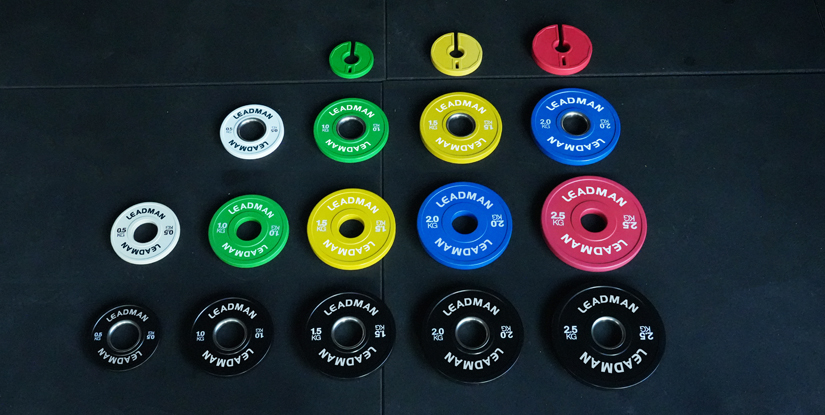
Before finalizing a large-scale shipment, professional buyers should demand specific quality control (QC) standards regarding the protective layer. A common failure in low-tier manufacturing is a thin or brittle coating that flakes off during heavy use. When you buy cast iron plates in volume, you are investing in long-term durability; therefore, your procurement checklist must include verification of coating adhesion and thickness.
Request that your supplier provides data on micron thickness to ensure the finish is sufficient to prevent oxidation without becoming excessively bulky. A critical part of the inspection process involves adhesion testing—such as the cross-cut tape test—to confirm the coating will not peel under physical impact. For distributors managing bulk cast iron plates, ensuring these standards are met at the factory level prevents the high cost of processing returns and manages the reputation of your supply chain. Verifying these technical specifications upfront ensures that the high-traffic demands of a commercial gym do not compromise the aesthetic or structural value of your order.
Managing Warranty Claims and Defect Resolution in Bulk Shipments
When you buy cast iron plates for a large-scale facility, the primary financial risk is not the unit price, but the hidden cost of non-conforming goods. In high-volume commercial weight plate procurement, even a small percentage of defective units can destabilize your entire budget and operational timeline.
The True Cost of Defective Inventory
Substandard manufacturing often results in specific defect types that compromise both safety and professional standards. Common issues include structural cracks, uneven coating thickness, and weight tolerance errors that fall outside acceptable commercial limits. While a single faulty plate may seem negligible, the cumulative cost of replacement vs. the cost of downtime is substantial. If a shipment arrives with inconsistent weights or surface irregularities, the labor required for sorting, the logistics of returning heavy freight, and the delay in opening a new gym floor can drastically erode your projected ROI.
To protect your margins, ensure your sourcing agreement includes strict QC protocols and a clear resolution framework for bulk discrepancies. A robust manufacturer should provide detailed tolerance reports and a transparent process for handling shipping damages or manufacturing flaws before the final invoice is cleared.
Evaluating Warranty Terms and Claim Frameworks
A professional procurement strategy requires looking beyond the initial quote to the quality of the safety net provided. When sourcing at scale, the distinction between a standard factory policy and a commercial-grade guarantee can determine whether a shipment discrepancy becomes a minor correction or a major capital loss. High-traffic facilities demand documentation that specifically addresses weight tolerances and coating durability under heavy usage.
Use the following comparison to evaluate whether a supplier's terms meet the rigorous demands of professional gym equipment sourcing standards:
| Feature/Standard | Standard Factory Warranty | Premium Commercial Grade Warranty |
|---|---|---|
| Scope of Coverage | Limited to manufacturing defects only. | Includes weight tolerance deviations and coating integrity. |
| Inspection Window | Short window (e.g., 7–14 days) post-delivery. | Extended window to allow for full inventory sorting. |
| MOQ & Claims | Claims often rejected if below specific thresholds. | Transparent protocols for small-batch discrepancies. |
| Logistics Damage | Buyer's responsibility once delivered to port. | Clear coverage for transit-related structural damage. |
Effective bulk procurement relies on a supplier's ability to provide credit or rapid replacement for non-conforming units. If you buy cast iron plates under a standard agreement, ensure your logistics provider and the manufacturer have a pre-agreed protocol for inspecting heavy freight before the final payment is released.
Mitigating Risk via Pre-Shipment Inspection (Psi)
Relying solely on post-delivery claims is a high-risk strategy for distributors. To ensure your bulk cast iron plates meet exact specifications, implement a rigorous pre-shipment inspection (PSI) protocol. Rather than waiting for a container to arrive at your facility, request a third-party or factory-led verification process while the goods are still in the loading stage.
A professional inspection must go beyond visual aesthetics. Demand detailed weight tolerance certificates that prove each plate falls within the agreed-upon commercial margin. Furthermore, require high-resolution photographic evidence of the actual batch, including close-ups of the coating uniformity and the palletization method. This documentation serves as your primary defense if you encounter shipping damage protocols later. By verifying the structural integrity and weight accuracy before the shipment leaves the origin, you transform a reactive claim process into a proactive quality control standard, significantly reducing the likelihood of costly returns or inventory discrepancies.
Optimizing Packaging Configurations for International Freight
When you decide to buy cast iron plates in high volumes, the unit price is only one component of your total procurement budget. For international distributors and large-scale gym facilities, the landed cost is heavily dictated by how effectively the manufacturer manages the weight-to-volume ratio during transit.
The Impact of Palletization on Shipping Volume
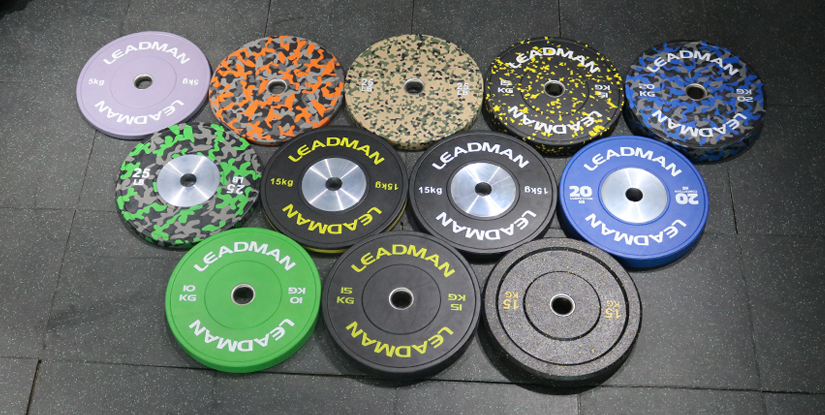
Efficient palletization is critical when ordering bulk cast iron plates. Because cast iron is a high-density material, your primary logistical constraint is weight rather than cubic volume. However, poor packaging configurations can lead to excessive shipping volume, resulting in wasted container space and inflated freight expenses. To minimize the cost per pound, work with suppliers who utilize heavy-duty, standardized pallet dimensions that maximize container density. A well-optimized loading plan ensures that your shipment reaches its maximum weight capacity without leaving unusable gaps, effectively lowering the freight overhead per unit and protecting your bottom line during global transit.
Selecting the right packaging type is a strategic decision in commercial weight plate procurement. Each configuration presents a trade-off between upfront protection and long-term logistics efficiency. For procurement managers, understanding these variables is essential to balancing the initial purchase price with the total cost of goods delivered.
Comparing Packaging Configurations for Bulk Orders
The following comparison highlights how different packaging types impact your protection level and freight efficiency. Depending on your facility's receiving capabilities and budget, one method may offer better cost-effectiveness than others.
| Configuration Type | Protection Level | Freight Efficiency | Best Use Case |
|---|---|---|---|
| Loose / Bulk Bag | Low (High risk of surface scuffing) | Moderate (High density, low volume) | Budget-focused small distributors |
| Reinforced Crates | High (Prevents denting/deformation) | Lower (Takes up more cubic space) | High-end boutique gym equipment |
| Standardized Pallets | Moderate (Stable and stackable) | Highest (Optimized for containers) | Large-scale gym facility replenishment |
For most high-traffic commercial environments, standardized palletization offers the best balance. It streamlines the unloading process at the loading dock and reduces the risk of transit damage, ensuring that the plates arrive in a condition that meets strict gym equipment sourcing standards without overpaying for excessive volumetric weight.
Managing MOQ and Container Loading Strategies
To effectively minimize hidden costs, procurement specialists must look beyond the base price and focus on logistics optimization. A common pitfall in commercial weight plate procurement is failing to align the MOQ (Minimum Order Quantity) with standard container dimensions. If your order volume falls just short of a full container load, you may end up paying for "air," where shipping costs are disproportionately high relative to the actual product weight.
Strategic buyers should prioritize container utilization by coordinating the SKU mix to fill every available cubic meter. For example, combining heavy, low-profile plates with slightly different diameter variations can help eliminate dead space. Furthermore, ensure your supplier implements robust internal bracing to mitigate breakage risk during ocean transit. High-density loads are prone to shifting; therefore, a configuration that maximizes weight density while maintaining structural integrity is essential to meeting global gym equipment sourcing standards and ensuring a predictable landed cost.
Calculating Landed Cost and Total Procurement Budgeting
Effective commercial weight plate procurement requires moving beyond the superficial unit price to understand the true landed cost. For facility managers and distributors, the initial invoice from a factory represents only a fraction of the total investment required to get inventory onto the gym floor.
Unit Price vs. Total Cost of Ownership
Focusing exclusively on the lowest unit price often leads to significant budget overruns during the logistics phase. When you buy cast iron plates, the "sticker price" does not account for ocean freight, customs duties, port handling fees, or inland trucking to your warehouse. A low-cost manufacturer with high shipping overheads can quickly become more expensive than a premium supplier with optimized logistics chains.
Beyond logistics, the long-term ROI of your equipment depends on high-traffic gym durability. Low-grade iron with poor coating standards or inconsistent tolerances may require premature replacement or frequent maintenance. Choosing high-quality castings reduces the frequency of re-ordering and minimizes downtime, ensuring that your initial capital expenditure serves the facility for its intended lifecycle rather than becoming a recurring expense.
Determining the optimal procurement model depends on your facility's scale and your ability to manage international logistics. While direct sourcing offers the highest margin potential, it requires significant upfront planning and larger storage capacities.
Direct Factory Sourcing vs. Local Distribution Models
Deciding whether to buy cast iron plates directly from an overseas manufacturer or through a domestic distributor is a fundamental decision for scaling gym operations. Direct factory sourcing maximizes profit margins for large-scale distributors or gym chains with established logistics departments, whereas local wholesale provides speed and lower risk for boutique studios or single-site facilities.
| Procurement Factor | Direct Factory Sourcing | Local Wholesale/Distributor |
|---|---|---|
| Order Volume (MOQ) | High (Full Container Loads) | Low to Moderate |
| Unit Cost | Lowest (Ex-Works/FOB) | Higher (Includes Markup) |
| Shipping Complexity | High (Ocean Freight & Port Handling) | Low (LTL or Local Trucking) |
| Customs & Duties | Buyer's Responsibility | Managed by Distributor |
| Lead Times | Long (30–60+ Days) | Short (Days to Weeks) |
When managing bulk cast iron plates orders, consider the hidden costs of direct procurement, such as customs brokerage and domestic drayage. For smaller gym equipment sourcing projects, the convenience of a local distributor often outweighs the savings of direct factory prices by reducing the administrative burden and inventory holding costs.
The Impact of Quality Control and Maintenance Cycles
A significant portion of the long-term budget is dictated by the quality of the initial production run. Neglecting rigorous QC standards during the sourcing phase can lead to unexpected costs later. For instance, inconsistent weight tolerances or poor surface finishes may require immediate returns or lead to uneven wear patterns in high-traffic settings.
Furthermore, the durability of the protective coating is a critical variable in the total cost of ownership. Inferior powder coating or paint applications are prone to chipping and oxidation, which accelerates maintenance cycles and diminishes the aesthetic value of the gym. When you prioritize high-grade finishes and strict gym equipment sourcing standards, you effectively extend the replacement cycle, reducing the frequency of reinvestment and protecting your facility's long-term ROI.