Evaluating Cast Iron Weight Plates for Dumbbell Sets
Quality Control and Lifecycle Management
When managing facility procurement, the Total Cost of Ownership (TCO) extends far beyond the initial purchase price of cast iron weight plates for dumbbells. Buyers must evaluate three critical checkpoints: the manufacturer's strictness regarding casting uniformity, the consistency of the protective coating application, and the logistical reliability of shipping heavy bulk orders without transit damage. Neglecting these variables often leads to premature oxidation or uneven weight distribution, which increases long-term maintenance costs for the gym operator.
High-standard commercial dumbbell weight plates require rigorous quality control standards to ensure long-term durability in high-traffic environments. A professional factory should implement multi-stage inspections, checking for surface imperfections and dimensional accuracy before any unit leaves the floor. For distributors and large-scale gym owners, selecting a supplier with robust manufacturing oversight minimizes the risk of receiving inconsistent batches, ultimately protecting your investment and reducing the frequency of equipment replacement cycles.
Evaluating Surface Finishes and Maintenance Requirements
The long-term aesthetic and structural integrity of your inventory depends heavily on the selected surface treatment. For facility managers, the choice between a raw or coated finish is a trade-off between initial procurement costs and the labor required for upkeep. In high-humidity environments or high-traffic commercial settings, the right finish can significantly extend the lifecycle of the equipment.
| Finish Type | Maintenance Requirement | Durability & Longevity | Best Use Case |
|---|---|---|---|
| Raw Cast Iron | High (Requires regular oiling to prevent rust) | Moderate (Prone to oxidation/patina) | Budget-conscious or vintage-style studios |
| Powder Coated | Low (Minimal cleaning required) | High (Resistant to chipping and moisture) | Commercial gyms and high-traffic facilities |
| Painted / Enamel | Moderate (Susceptible to impact scratches) | Moderate (Visual appeal vs. impact resistance) | Boutique fitness or hospitality settings |
When sourcing through a wholesale distributor, confirm the specific coating thickness and application method. A high-quality powder coating provides a superior barrier against oxidation compared to standard spray paint, ensuring that the weight plates remain in premium condition despite heavy daily use and environmental exposure.
Optimizing Supply Chain Stability and Scalability
Successful gym equipment procurement requires looking beyond the product specification to the underlying manufacturing infrastructure. For distributors managing seasonal surges or facility owners planning multi-location expansions, the ability to scale orders without compromising quality is a decisive factor. A reliable partner must demonstrate high factory capacity and the ability to manage complex shipping requirements for high-density freight.
When vetting potential suppliers, transparency regarding MOQ (Minimum Order Quantity) is essential for maintaining healthy cash flow and inventory turnover. A factory that offers flexible volume tiers while maintaining wholesale consistency allows for more agile procurement cycles. Furthermore, prioritize manufacturers who possess proven logistics reliability, particularly in handling the specialized heavy-load packaging required to prevent transit damage during international or long-haul domestic shipping. Establishing these foundational logistics and capacity standards ensures that your supply of cast iron weight plates for dumbbells remains uninterrupted during peak demand periods.
Standardizing Quality Control and Warranty Protocols
For high-traffic fitness facilities, the long-term value of cast iron weight plates for dumbbells depends entirely on manufacturing precision. Without rigorous standardized QC, even premium suppliers can suffer from batch inconsistencies that undermine the professional feel of a dumbbell set and complicate inventory management for distributors.
Ensuring Structural Integrity and Weight Tolerance
Reliable commercial dumbbell weight plates must adhere to strict weight tolerance standards to ensure uniform loading across an entire collection. Inconsistent casting can lead to uneven density or microscopic fissures, which eventually compromise the structural integrity of the plate under heavy use. When sourcing at scale, procurement managers should verify that the factory implements multi-stage inspection protocols to prevent air pockets and surface defects. This level of batch consistency is non-negotiable for facility owners who require predictable performance and minimal replacement cycles in high-intensity environments.
Technical Benchmarks for Manufacturing Excellence
When evaluating factory capability, procurement professionals must move beyond visual inspections and demand specific technical metrics. High-quality cast iron plate durability is a direct result of controlled cooling processes and advanced finishing techniques. Relying on generic descriptions often leads to higher TCO due to premature oxidation or irregular dimensions.
The following table outlines the critical QC parameters that professional buyers should require during the pre-shipment inspection phase to ensure long-term reliability in commercial settings.
| QC Parameter | Commercial Standard Requirement | Impact on Procurement ROI |
|---|---|---|
| Weight Tolerance | ±1% to ±2% deviation | Ensures balanced dumbbell sets and accurate loading |
| Surface Finish | Smooth, non-porous texture | Prevents chipping and reduces user abrasion risks |
| Coating Durability | High-adhesion powder or electroplating | Minimizes rust and maintains aesthetics over time |
| Casting Uniformity | Zero visible air pockets or cracks | Prevents structural failure during heavy impact |
Strict adherence to these benchmarks during gym equipment procurement allows distributors to mitigate the risk of defective returns and maintains the premium reputation of the facility. Selecting a manufacturer that can provide documented verification for these specific metrics is essential for large-scale inventory stability.
Risk Mitigation via Warranty and Logistics Oversight
Beyond physical specifications, professional procurement requires a rigorous approach to contractual safeguards. Establishing clear warranty protocols is essential to protect your investment against latent manufacturing defects that only surface after months of heavy rotation. A robust warranty should cover structural casting failures and coating degradation, rather than just superficial wear and tear.
Furthermore, a supplier's factory capability is often tested during the shipping phase. High-volume orders of cast iron weight plates for dumbbells are heavy and prone to impact damage during long-distance transit. Procurement managers must confirm that the manufacturer utilizes reinforced packaging and optimized palletization to prevent transit-related fractures. When negotiating MOQ levels, ensure that the logistics strategy includes a clear protocol for handling shipping damage and a streamlined process for managing replacement cycles. A manufacturer that offers a transparent, documented system for part replacement and understands the complexities of international facility maintenance will ultimately lower your long-term operational costs and total cost of ownership.
Comparing Material Longevity and Surface Treatments
The long-term value of cast iron weight plates for dumbbells is dictated by the interplay between base metal purity and surface finishing. In high-traffic commercial gym environments, the primary threat to structural integrity is not weight capacity, but environmental degradation and mechanical impact. For procurement managers, selecting the right treatment determines whether a set remains a premium asset or becomes a maintenance liability.
| Treatment Type | Oxidation Resistance | Impact Durability | Maintenance Cycle |
|---|---|---|---|
| Raw/Uncoated Iron | Low | Very High | Frequent (Rust prevention) |
| Powder Coating | High | Moderate | Low (Occasional wiping) |
| Black Enamel/Paint | Medium | High | Medium (Chip monitoring) |
| Electroplating | Very High | Moderate | Minimal |
When sourcing for professional facilities, consider that while raw iron offers maximum density and low cost, it requires strict humidity control to prevent surface degradation. Conversely, high-quality powder-coated cast iron weight plates for dumbbells provide a buffer against moisture, effectively extending the replacement interval and reducing the total cost of ownership through stabilized maintenance cycles.
Optimizing Procurement Decisions via TCO
Selecting the appropriate finish involves a strategic trade-off between initial unit cost and long-term operational expenditure. For distributors managing high-volume inventory, the choice often hinges on the intended facility environment. A boutique studio with climate control can leverage cost-efficient raw or painted finishes, whereas a heavy-use commercial gym or outdoor training facility requires the superior corrosion protection of powder coating or electroplating to prevent premature oxidation.
Ultimately, the most effective procurement strategy evaluates the Total Cost of Ownership (TCO) rather than just the landed price per unit. While uncoated plates present a lower upfront expense, the inevitable costs of rust remediation and replacement can erode margins over a five-year lifecycle. High-durability surface treatments act as a hedge against environmental volatility, ensuring that the equipment maintains its aesthetic appeal and structural reliability throughout its functional lifespan.
Rigorous Quality Control and Bulk Inspection Protocols
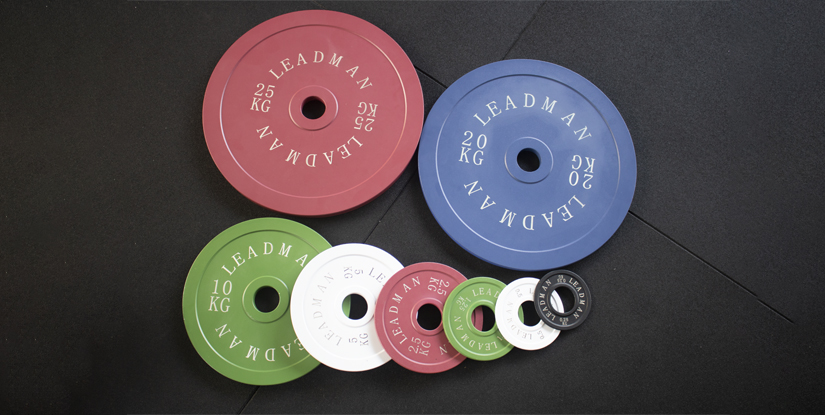
For distributors receiving large-scale shipments, reliance on factory QC standards is non-negotiable to ensure product uniformity. A robust inspection process must go beyond visual aesthetics to verify the structural consistency of every batch. High-quality commercial dumbbell weight plates should demonstrate consistent surface uniformity without pitting or irregular casting seams, which can indicate substandard molds or cooling processes.
When performing onsite or third-party inspections, focus on these critical durability indicators:
- Surface Integrity: Check for micro-fissures or uneven textures that might compromise the coating's ability to prevent moisture-induced oxidation.
- Weight Tolerance: Verify that the variance between individual plates remains within the manufacturer's specified percentage to ensure set balance.
- Shipping Durability: Inspect the packaging and palletization integrity. Heavy shipments of cast iron weight plates for dumbbells are prone to impact damage during transit; ensure the protective layering prevents metal-on-metal friction.
Proactive batch testing helps mitigate the risk of receiving substandard inventory that could lead to high return rates or damaged brand reputation. By implementing strict protocols for checking oxidation resistance and dimensional accuracy before final acceptance, procurement teams can safeguard their long-term margins.
Analyzing Total Cost of Ownership for Facility Procurement
When managing facility procurement, looking solely at the invoice price of cast iron weight plates for dumbbells often leads to a misunderstanding of long-term value. Professional buyers must account for the Total Cost of Ownership (TCO), which integrates the initial purchase price with the long-term durability and replacement frequency of the equipment.
In high-traffic commercial settings, choosing lower-quality alternatives may reduce upfront capital expenditure but frequently results in higher operational costs due to frequent replacements. Investing in high-grade commercial dumbbell weight plates ensures that the equipment survives the rigors of heavy daily use, protecting your margins over a multi-year lifecycle.
| Procurement Factor | Standard Cast Iron | Low-Grade Composite/Plastic |
|---|---|---|
| Initial Investment | Moderate | Low |
| Expected Lifespan | High (Long-term) | Low (High turnover) |
| Maintenance Needs | Minimal | Frequent |
| TCO Profile | Optimized for scale | Higher over 3+ years |
For distributors and gym owners, the goal is to minimize the frequency of reordering. By prioritizing cast iron weight plates for dumbbells that feature consistent density and robust finishes, you reduce the hidden costs of shipping, labor, and downtime associated with constant inventory turnover.
Strategic Sourcing: Wholesale vs. Local Retail Models
Decision-makers must choose between the immediate availability of local retail and the long-term scalability of factory-direct models. While local distributors offer rapid fulfillment for small studio adjustments, large-scale facility rollouts typically demand a wholesale approach to maintain budget control and ensure set consistency.
| Procurement Method | Typical MOQ | Logistics & Shipping | Quality Control (QC) | Best Use Case |
|---|---|---|---|---|
| Factory Direct / Wholesale | High (Pallet/Container) | Sea Freight (Cost-effective) | Strict/Direct Inspection | New Gym Launches |
| Local Retail/Distributor | Low (Per Unit/Set) | LTL/Parcel (Fast/Expensive) | Limited/Third-party | Emergency Replacements |
Selecting a direct sourcing model for cast iron weight plates for dumbbells offers significant advantages in unit-cost reduction and customization. However, it requires a more sophisticated approach to logistics and risk management. Buyers should prioritize suppliers who can provide detailed specifications regarding casting precision and finish thickness to mitigate the risks associated with long-distance shipping and overseas procurement.
The Cost of Low Cast Iron Plate Durability
Beyond the initial purchase, procurement managers must evaluate the true cost of subpar manufacturing. Low-grade casting often results in brittle structures or uneven weight distribution, which significantly impacts cast iron plate durability in rigorous environments. In high-volume commercial gym settings, these deficiencies manifest as cracked edges or peeling finishes, forcing a higher replacement frequency than originally budgeted.
Neglecting these variables creates a cycle of high maintenance cycles and unexpected labor costs. When a facility must constantly replace damaged sets, the disruption to operations and the logistical overhead of frequent reordering can erode any initial savings. Prioritizing quality control during the sourcing phase is essential to securing a high long-term ROI, ensuring that your investment remains a stable asset rather than a recurring expense.
Optimizing Logistics and Landed Cost Calculations
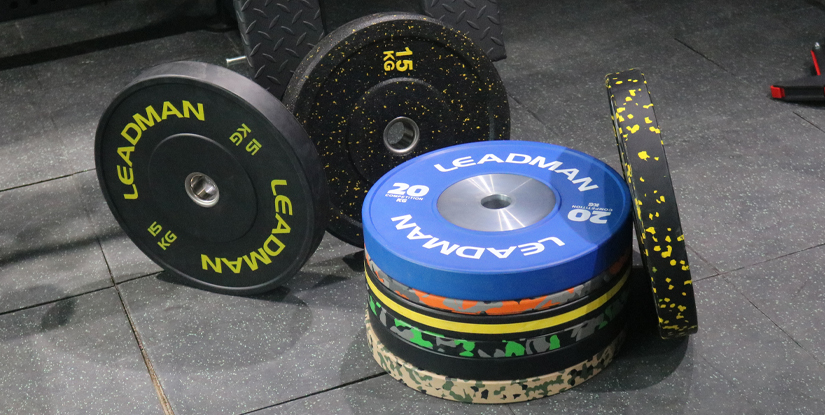
Professional procurement managers often overlook the discrepancy between the factory-quoted unit price and the actual landed cost. For high-density items like cast iron weight plates for dumbbells, the price per piece is only one variable in a much larger financial equation involving weight-based logistics and international freight.
Understanding Unit Price vs. Total Cost
When sourcing commercial dumbbell weight plates, focusing exclusively on the lowest per-unit cost can lead to significant budget overruns. Because iron is a high-density, heavy commodity, shipping weight and volume heavily dictate your final expenditure. A lower unit price from a supplier might be offset by inefficient packaging or higher freight considerations during transit.
To calculate the true landed cost, buyers must factor in the following components beyond the initial invoice:
- Ocean or Air Freight: The primary cost driven by the massive shipping weight of iron sets.
- Customs Duties and Tariffs: Import taxes specific to fitness equipment categories.
- Port Handling and Local Drayage: Fees for moving heavy pallets from the port to your warehouse.
- Inland Logistics: The final mile delivery costs for heavy-duty freight.
By prioritizing the total cost of ownership rather than just the initial quote, distributors can better manage margins and ensure that their procurement strategy remains profitable despite fluctuating global shipping rates.
Comparison of Incoterms for Heavy Freight
Selecting the right shipping terms is a strategic decision that dictates how much risk and administrative overhead your facility must manage. For large-scale orders of cast iron weight plates for dumbbells, the choice between FOB and DDP can significantly impact your predictable margins and total cost of ownership.
| Shipping Term | Freight Responsibility | Customs & Duties | Local Delivery & Handling | Procurement Complexity |
|---|---|---|---|---|
| FOB (Free On Board) | Buyer manages ocean/air freight from port of origin. | Buyer is responsible for all import taxes and clearing. | Buyer coordinates local drayage and final warehouse delivery. | High: Requires dedicated logistics or third-party freight forwarder. |
| DDP (Delivered Duty Paid) | Seller manages all transport to the buyer's door. | Included in the quoted price; seller handles all duties. | Included; final mile delivery is managed by the supplier. | Low: Simplified process with one predictable landed cost. |
While FOB may show a lower initial factory price, it requires the buyer to manage the volatility of international shipping rates and port congestion. Conversely, DDP offers a streamlined approach for gym equipment procurement, providing a fixed cost that includes duties and local handling, which is often more efficient for facility managers without extensive import departments.
Leveraging MOQ and Volume Optimization
To achieve maximum efficiency in gym equipment procurement, buyers should align their order volumes with factory-optimized logistics structures. Negotiating a higher MOQ (Minimum Order Quantity) is often a more effective way to drive down the per-unit cost than searching for lower base prices. Increasing the order size allows manufacturers to optimize palletization and maximize shipping density within a standard 20ft or 40ft container.
Because cast iron plate durability ensures these products have a long lifecycle, purchasing in bulk for future facility expansions is a sound long-term strategy. When orders are structured to fill container volume more effectively, the weight-to-space ratio is optimized, reducing the "dead weight" cost of shipping air. For distributors, this means a lower landed cost per kilogram, directly improving the long-term value of the inventory and protecting margins against rising freight expenses.
Optimizing Warehouse and Facility Footprint
For distributors and large-scale gym operators, the logistical management of cast iron weight plates for dumbbells extends far beyond the initial purchase. Efficiently managing high-density inventory requires a strategic approach to warehouse density and facility layout to maximize available square footage.
Unlike lighter polymer alternatives, commercial dumbbell weight plates possess a significant weight-to-volume ratio, making footprint optimization a critical factor in long-term overhead costs. To maintain high inventory turnover without overextending floor space, procurement specialists should prioritize configurations that support vertical storage solutions. Utilizing heavy-duty specialized racking or multi-tier shelving systems allows for higher warehouse density, ensuring that even large orders of cast iron components can be managed within a streamlined, organized environment.
Configuration Comparison: Racks vs. Bins
When sourcing or organizing cast iron weight plates for dumbbells, the choice between specialized racks and bulk bins impacts both daily operational speed and long-term facility maintenance. Distributors must weigh the trade-offs between high-density stacking and rapid access to specific denominations.
| Feature | Specialized Display Racks | Bulk Storage Bins/Crates |
|---|---|---|
| Space Efficiency | Moderate; requires specific footprint per SKU | High; optimized for vertical stacking |
| Accessibility | Excellent; instant visibility for users | Lower; requires manual sorting/digging |
| Durability Focus | High; protects plate edges from impact | Variable; risk of metal-on-metal wear |
| Maintenance | Minimal; easy to wipe and reorganize | Higher; frequent cleaning of bottom layers |
For high-traffic commercial settings, vertical racks are generally preferred to prevent the surface degradation often seen with unorganized bulk storage. However, for back-of-house warehouse management where footprint optimization is the primary goal, heavy-duty bins offer a more cost-effective way to handle large-scale shipments and high-volume stock replenishment.
Logistics Efficiency and Transit Protection
Effective gym equipment procurement requires a deep understanding of how product density influences total landed costs. Because cast iron weight plates for dumbbells are exceptionally dense and non-compressible, the primary logistical challenge is not volume, but the impact of weight on packaging integrity and shipping costs.
To maximize logistics efficiency, buyers should negotiate with manufacturers regarding shipping density and customized crate configurations. High MOQ orders often benefit from palletization strategies that minimize air gaps, reducing the number of pallets required per shipment. However, density must never come at the expense of protection; ensure your supplier utilizes robust protective packaging, such as reinforced corrugated dividers or heavy-duty pallet wraps. Without proper cushioning and structural support, the sheer mass of the iron can cause surface chipping or even structural failure of the shipping container during transit, leading to costly returns and damaged inventory.