Cast Iron Plate Export Supplier: Coating and Material
The Hidden Costs of Low-Quality Cast Iron Plate Sourcing
Distributors often face a critical dilemma: selecting a low-cost cast iron plate export supplier to maximize immediate margins versus investing in a high-tier China factory that prioritizes material integrity. A common procurement mistake is focusing solely on the initial unit price, which overlooks the long-term TCO. While low-grade commercial cast iron plates may appear cost-effective at first, they frequently suffer from rapid material degradation, leading to excessive maintenance costs and premature replacement cycles for your clients.
When sourcing wholesale weight plates, the risks extend beyond simple durability. Substandard casting processes often result in uneven density and poor surface finishes, which accelerate rust formation in humid gym environments. For a professional supplier or distributor, these quality failures translate into damaged brand reputations and increased customer churn. Relying on low-quality China factory direct plates without rigorous QC can turn a high-margin distribution deal into a logistical burden of returns and warranty claims.
Evaluating Sourcing Tiers and Material Integrity
To avoid these pitfalls, procurement officers must evaluate the qualitative differences between budget-tier production and premium-grade manufacturing. The distinction often lies in the precision of the casting and the reliability of the surface treatment. A professional cast iron plate export supplier will provide clear visibility into their manufacturing tiers, ensuring that the weight you pay for remains consistent and the aesthetics remain professional over years of high-volume use.
| Material Tier | Coating Type | Primary Process | Key Component/QC Point | Commercial Duty | MOQ Impact |
|---|---|---|---|---|---|
| Standard Gray Iron | Basic Paint | Sand Casting | Surface Smoothness | Budget/Entry-Level | Lower |
| High-Density Cast Iron | Powder Coating | Precision Machining | Weight Tolerance | Standard Commercial | Moderate |
| Premium Cast Iron | Multi-Layer Enamel | CNC Calibration | Coating Adhesion | High-End/Premium | Higher |
When conducting a sourcing audit, focus on the transition from raw casting to the final finish. For example, a high-quality wholesale weight plates order should demonstrate consistent coating adhesion to prevent peeling during heavy use. If the surface finish is uneven or the weight tolerance is highly variable between batches, the China factory direct plates may not meet the standards required for professional facility installation. We recommend requesting a detailed specification sheet or a physical sample to verify these technical details before finalizing your bulk order or OEM agreement.
The impact of poor material selection is most visible in the long-term landed cost and replacement planning of a fitness facility. When a supplier provides units with inconsistent casting density or weak surface treatments, the distributor bears the cost of constant client complaints. For large-scale gym operators, the inability to maintain a uniform weight set due to rapid oxidation or chipping leads to increased maintenance costs and disrupted training environments. This instability erodes the distributor margin that was originally calculated based on a low-cost entry point.
To mitigate these risks, professional procurement teams should prioritize a cast iron plate export supplier that offers transparent production stages. Effective sourcing requires moving beyond the sticker price to analyze the full lifecycle of the product. This includes verifying the precision of the machining phase and the durability of the powder coating or enamel application. By ensuring a rigorous QC process is in place at the factory, importers can secure reliable inventory that supports long-term facility stability and protects their professional reputation in the global market.
Material Selection and Casting Standards for Commercial Use
Selecting the right base material is the first critical step for importers and distributors looking for a reliable cast iron plate export supplier. For high-volume commercial gym setups, the choice of material directly dictates the long-term durability and the total cost of ownership for the end-user. When sourcing commercial cast iron plates, understanding the distinction between various casting methods and iron grades is essential to avoid common issues like surface cracking or weight instability in high-traffic environments.
Most professional wholesale weight plates are produced using gray iron through a traditional sand casting process. This method is industry-standard for creating heavy-duty, high-density plates that can withstand the rigors of daily commercial use. By working directly with a China factory direct plates provider, buyers can ensure that the raw material meets the density requirements necessary for consistent weight distribution and structural integrity.
The Role of Gray Iron and Sand Casting in Bulk Production
In the context of large-scale procurement, gray iron is the preferred medium due to its excellent machinability and vibration-damping properties. A reputable factory utilizes sand casting to create the initial plate shape, which provides a robust foundation for subsequent machining and coating stages. This foundational step is vital for maintaining the concentricity and balance of the plates, which are key quality indicators during a pre-shipment inspection.
For distributors managing high-volume orders, the stability of the casting process impacts the final landed cost and the frequency of replacement. A high-quality supplier will focus on the consistency of the iron melt and the precision of the sand molds to minimize defects. This attention to detail ensures that every unit in a bulk shipment meets the structural expectations of a professional training facility, reducing the risk of costly returns or client dissatisfaction.
Material and Process Comparison for Procurement Decision-Making
To optimize your sourcing strategy, it is essential to evaluate how different material grades and finishing techniques impact the durability and maintenance requirements of your inventory. A professional cast iron plate export supplier will typically offer various tiers of production to meet different commercial requirements, from budget-friendly gym setups to premium training environments. Understanding these technical differences allows distributors to better manage their margins and provide accurate specifications to their end-clients.
| Material Type | Primary Process | Standard Coating | Commercial Application | Sourcing Advantage |
|---|---|---|---|---|
| Gray Iron | Sand Casting | Powder Coating | Standard Commercial Gyms | High durability with lower cost |
| Ductile Iron | Precision Casting | Enamel or Paint | Premium Fitness Studios | Improved impact resistance |
| Steel Core | CNC Machining | Chrome or Polyurethane | High-End Performance Centers | Maximum precision and balance |
When evaluating a China factory direct plates option, procurement leads should verify the sequence of production. A standard professional workflow begins with the sand casting of the gray iron, followed by CNC machining to ensure the center bore is perfectly concentric. This is followed by a surface preparation stage and the application of high-grade powder coating. This sequence is critical for ensuring the coating adheres well to the iron surface, preventing the peeling or chipping that often occurs with lower-quality manufacturing processes.
For those managing large-scale distribution, the ability to specify these technical details during the OEM or ODM process is a significant advantage. Requesting a detailed specification sheet that outlines the casting method and the coating adhesion process can help you confirm that the batch meets your quality standards before the final shipping stage. We recommend confirming the specific material grade and finishing steps during your initial inquiry to ensure the product aligns with your target market's expectations and your overall landed cost goals.
Selecting the right base material is the first critical step for importers and distributors looking for a reliable cast iron plate export supplier. For high-volume commercial gym setups, the choice of material directly dictates the long-term durability and the total cost of ownership for the end-user. When sourcing commercial cast iron plates, understanding the distinction between various casting methods and iron grades is essential to avoid common issues like surface cracking or weight instability in high-traffic environments.
Most professional wholesale weight plates are produced using gray iron through a traditional sand casting process. This method is industry-standard for creating heavy-duty, high-density plates that can withstand the rigors of daily commercial use. By working directly with a China factory direct plates provider, buyers can ensure that the raw material meets the density requirements necessary for consistent weight distribution and structural integrity.
Comparing Material and Coating Specifications for Bulk Orders
When sourcing from a cast iron plate export supplier, understanding the fundamental link between raw material and long-term TCO is critical for distributors. The choice between basic gray iron and advanced surface treatments directly impacts replacement cycles and maintenance overhead in high-traffic commercial environments. For professional buyers, the goal is to balance initial procurement costs with the durability required for heavy-duty gym use.
Most commercial cast iron plates rely on high-quality sand casting to ensure structural integrity. While the core material remains consistent, the secondary processes—such as phosphate treatments or powder coating—determine how well the unit resists oxidation and mechanical wear. Selecting the right specification helps importers optimize their landed cost while meeting the quality expectations of their local fitness markets.
| Material Tier | Primary Process | Surface Finish | Commercial Durability | Procurement Focus |
|---|---|---|---|---|
| Standard Gray Iron | Sand Casting | Bare or Oil Coated | Moderate (High Maintenance) | Budget-friendly wholesale |
| Premium Cast Iron | Sand Casting + Machining | Powder Coating | High (Low Maintenance) | Standard Commercial Use |
| Professional Grade | Precision Casting | Polyurethane or Rubber | Very High (Floor Protection) | Premium Studio/Boutique |
For those looking to secure wholesale weight plates with long-term reliability, we recommend evaluating the coating adhesion and the precision of the concentricity machining. When negotiating with a China factory direct plates provider, always request details on the surface treatment sequence—typically involving casting, followed by machining, and concluding with a specialized coating line—to ensure the finish does not chip under heavy use. This technical baseline ensures your sourcing strategy supports a lower total cost of ownership for your end clients.
Technical Specifications for Importers
A professional procurement checklist must extend beyond the surface appearance to the underlying manufacturing sequence. When evaluating a cast iron plate export supplier, the distinction between a budget-tier unit and a high-performance commercial product often lies in the precision of the secondary machining and the stability of the coating bond. A well-executed process ensures that the weight remains consistent and the finish remains intact through years of heavy usage.
A typical production sequence for high-tier commercial cast iron plates involves several critical stages: initial sand casting, followed by precision machining for the central bore to ensure perfect concentricity, and finally, a multi-stage surface treatment. For distributors, understanding these stages is essential for managing quality expectations and minimizing the risk of returns or replacement claims in their respective markets.
| Material Tier | Process Detail | Key Component/Focus | Commercial Duty | MOQ Impact | Factory QC Point |
|---|---|---|---|---|---|
| Standard Gray Iron | Sand Casting | Bare Iron Surface | Entry-level Gyms | Low | Surface Oxidation |
| Premium Cast Iron | Casting + CNC Machining | Bore Precision/Concentricity | Full-scale Commercial | Medium | Weight Tolerance |
| High-End Specialty | Casting + Multi-coat Line | Coating Adhesion/Thickness | Boutique/Premium Studio | High | Finish Uniformity |
Before finalizing any wholesale weight plates order, we suggest requesting a technical data sheet or a sample for evaluation. Confirming the specific machining steps and the type of surface treatment used will allow you to better predict the long-term maintenance requirements for your clients. For large-scale China factory direct plates orders, it is also standard practice to schedule a pre-shipment inspection focusing specifically on the coating adhesion and the uniformity of the central bore to ensure every unit meets your brand's standards.
Critical Manufacturing Processes and Weight Calibration
Precision in the production phase determines the long-term reliability of your inventory. For a professional cast iron plate export supplier, the process begins with high-quality sand casting to ensure structural integrity. This method is industry-standard for creating the robust, heavy-duty forms required for commercial cast iron plates. Once the raw forms are cast, they undergo several machining and finishing stages to ensure they meet the strict requirements of global distributors.
The transition from raw casting to a finished product involves rigorous weight calibration and concentricity checks. In a professional China factory, this is not a single step but a sequence of quality-driven actions. If the weight tolerance is not strictly managed during the machining and coating stages, it leads to uneven loading and higher return rates for the importer. Maintaining consistent thickness and center-bore accuracy is essential for high-volume wholesale weight plates distribution.
A typical production sequence follows a logical path: sand casting → CNC machining of the center bore → surface cleaning → powder coating → weight calibration → pre-shipment QC. This structured approach ensures that every unit in a bulk order meets the same commercial-grade standards, reducing the risk of weight discrepancies that can damage a distributor's reputation.
Surface Treatment Comparison for Bulk Sourcing
Choosing the correct surface finish is a critical decision for procurement officers balancing upfront costs against long-term maintenance. A reliable cast iron plate export supplier will offer various finishing tiers to match your specific market positioning. While bare iron is cost-effective, it is prone to oxidation, which can increase the maintenance load for gym operators. Most high-volume distributors prefer advanced coating methods to ensure longevity and aesthetic consistency across large sets.
The following table outlines the common manufacturing and coating tiers used by a professional China factory to help you evaluate the best fit for your inventory requirements:
| Material Tier | Primary Coating | Manufacturing Process | Key QC Point | Commercial Duty | Landed Cost Impact |
|---|---|---|---|---|---|
| Gray Iron | Phosphate Treatment | Sand Casting & Basic Machining | Surface Smoothness | Budget / Entry-Level | Lowest |
| Cast Iron | Powder Coating | Casting & Precision Machining | Coating Adhesion | Standard Commercial | Moderate |
| Premium Iron | PU or Rubber Coating | Casting & Multi-layer Molding | Encapsulation Integrity | High-End / Boutique | Highest |
When evaluating China factory direct plates, it is essential to understand how these treatments affect the total cost of ownership. For example, while powder coating adds a layer of protection against moisture and scratches, the process requires more intensive pre-shipment QC to ensure the finish does not chip during transit. If you are managing a large-scale wholesale order, opting for a standard powder-coated finish often provides the best balance between durability and distributor margins. Before finalizing your procurement, we recommend requesting a sample to verify the coating thickness and the precision of the center bore under your specific shipping conditions.
China Factory QC and Pre-Shipment Inspection Protocols
Reliability in bulk procurement depends entirely on the rigor of the cast iron plate export supplier regarding quality control. For distributors and gym operators, a failure in the manufacturing chain translates directly to increased maintenance costs and diminished brand reputation. A professional China factory mitigates these risks by integrating strict inspection points throughout the casting and coating phases to protect your margins.
Effective sourcing requires moving beyond basic visual checks to technical verification. High-volume orders of commercial cast iron plates must undergo systematic validation—from the initial sand casting stage to the final weight calibration. Without these protocols, the landed cost of a shipment can spike due to high return rates or unusable inventory. When ordering wholesale weight plates, ensuring your supplier performs pre-shipment audits on coating adhesion and concentricity is vital for long-term commercial durability.
Standard Inspection Points for Export Orders
A standard QC workflow for China factory direct plates typically follows a sequence of casting, machining, coating, and final calibration. This ensures that the physical dimensions and surface finishes are consistent across the entire wholesale batch.
| Process Stage | Key Component/Detail | Commercial Duty Focus | Factory QC Point |
|---|---|---|---|
| Sand Casting | Gray Iron Body | Structural Integrity | Surface Cracks & Porosity |
| Machining | Olympic Collar Fit | Precision & Balance | Concentricity & Bore Diameter |
| Surface Finishing | Powder Coating | Durability & Aesthetics | Coating Adhesion & Uniformity |
| Final Calibration | Weight Marking | Inventory Accuracy | Weight Tolerance Spot-check |
For OEM or ODM clients, these inspection points can be customized to meet specific brand identity requirements. We recommend requesting a detailed inspection report or arranging a third-party audit to confirm that the wholesale batch aligns with your technical specifications before the final export shipment departs.
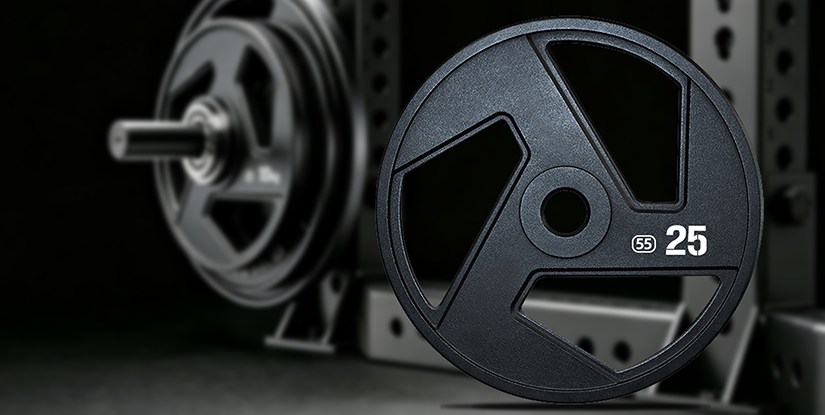
Reliability in bulk procurement depends entirely on the rigor of the cast iron plate export supplier regarding quality control. For distributors and gym operators, a failure in the manufacturing chain translates directly to increased maintenance costs and diminished brand reputation. A professional China factory mitigates these risks by integrating strict inspection points throughout the casting and coating phases to protect your margins.
Effective sourcing requires moving beyond basic visual checks to technical verification. High-volume orders of commercial cast iron plates must undergo systematic validation—from the initial sand casting stage to the final weight calibration. Without these protocols, the landed cost of a shipment can spike due to high return rates or unusable inventory. When ordering wholesale weight plates, ensuring your supplier performs pre-shipment audits on coating adhesion and concentricity is vital for long-term commercial durability.
Optimizing Logistics and Export Packaging for Wholesale Orders
When sourcing high-density equipment, the final landed cost is heavily influenced by how effectively the goods survive transit. A professional cast iron plate export supplier understands that high-density iron is susceptible to oxidation and physical impact during long-distance sea freight. For distributors managing large-scale wholesale weight plates shipments, inadequate protection leads to rusted surfaces and chipped coatings upon arrival, directly eroding profit margins.
To mitigate these risks, a reputable China factory implements a multi-layer export packaging protocol. This process begins with rigorous rust prevention measures, such as applying a thin layer of industrial oil or ensuring a high-quality powder coating is fully cured before packing. To maintain the integrity of commercial cast iron plates, products are organized through systematic palletization, ensuring weight is evenly distributed to prevent structural stress during container loading.
Effective bulk shipping also requires strict moisture protection. We utilize vacuum-sealed moisture-barrier bags and heavy-duty shrink wrap to shield the iron from the corrosive salt-air environments common in maritime logistics. By prioritizing these specialized packaging standards, we ensure that China factory direct plates arrive at your warehouse in pristine, retail-ready condition, reducing the need for costly returns or local refinishing.
When sourcing high-density equipment, the final landed cost is heavily influenced by how effectively the goods survive transit. A professional cast iron plate export supplier understands that high-density iron is susceptible to oxidation and physical impact during long-distance sea freight. For distributors managing large-scale wholesale weight plates shipments, inadequate protection leads to rusted surfaces and chipped coatings upon arrival, directly eroding profit margins.
To mitigate these risks, a reputable China factory implements a multi-layer export packaging protocol. This process begins with rigorous rust prevention measures, such as applying a thin layer of industrial oil or ensuring a high-quality powder coating is fully cured before packing. To maintain the integrity of commercial cast iron plates, products are organized through systematic palletization, ensuring weight is evenly distributed to prevent structural stress during container loading.
Effective bulk shipping also requires strict moisture protection. We utilize vacuum-sealed moisture-barrier bags and heavy-duty shrink wrap to shield the iron from the corrosive salt-air environments common in maritime logistics. By prioritizing these specialized packaging standards, we ensure that China factory direct plates arrive at your warehouse in pristine, retail-ready condition, reducing the need for costly returns or local refinishing. For larger procurement projects, we recommend confirming the specific MOQ and container loading optimization plans during the initial quote phase to maximize your shipping efficiency.
Logistics and Packaging Selection Matrix
Efficient sourcing requires a clear understanding of how packaging affects your total landed cost and product arrival quality. Depending on your specific wholesale volume and destination, the method of securing your commercial cast iron plates will vary to balance protection with shipping density. A professional cast iron plate export supplier provides several tiers of protection to suit different procurement scales.
| Packaging Method | Sea Freight Protection | Typical Volume | Suitability | Logistics Efficiency |
|---|---|---|---|---|
| Standard Export Carton | Basic shrink wrap | Low (LCL) | Small distributors / Sample orders | High density, lower cost |
| Reinforced Palletization | Moisture-proof film + Corner protectors | Medium (LCL/FCL) | Gym chains / Regional distributors | Balanced protection and stability |
| Heavy-Duty Wooden Crate | Full moisture barrier + Rigid structure | High (FCL / Bulk) | Large-scale wholesale weight plates importers | Maximum safety for long-haul transit |
For clients ordering China factory direct plates, we recommend discussing container loading optimization during the OEM or ODM design phase. This ensures that your weight distribution is optimized for both safety and the highest possible volume per shipment, protecting your long-term ROI.
Strategic Sourcing: Requesting Quotes and Samples
For distributors and gym equipment importers, relying solely on digital spec sheets is a high-risk procurement strategy. When sourcing commercial cast iron plates, the discrepancy between a theoretical weight and the actual physical density or coating adhesion can significantly impact your landed cost and long-term product reliability. To mitigate these risks, a professional cast iron plate export supplier should always be engaged through a structured sample evaluation process before any large-scale production begins.
Securing a factory-direct sample allows you to physically inspect the concentricity of the bore and the durability of the surface finish. This step is critical for verifying that the wholesale weight plates meet your specific standards for commercial-grade use. Furthermore, requesting a formal quote alongside a detailed specification sheet enables you to clarify MOQ requirements, production lead time, and any potential OEM customization options for your brand identity. Engaging in this rigorous sourcing protocol ensures that your bulk inventory aligns perfectly with your market's quality expectations.
Optimizing Procurement Through Technical Verification
Effective sourcing requires moving beyond basic price-per-unit discussions to a comprehensive understanding of the production sequence. A professional cast iron plate export supplier will provide documentation that details the transition from sand casting to the final coating stage. For high-volume distributors, understanding these technical layers is essential to ensure that the wholesale weight plates ordered do not suffer from premature oxidation or coating failure under heavy commercial use.
To streamline your next bulk order, we recommend a three-step verification process. First, request a detailed specification sheet to confirm the material density and the specific type of surface treatment—whether it is a standard phosphate treatment or a heavy-duty powder coating. Second, confirm the MOQ for China factory direct plates to balance your inventory turnover with shipping efficiency. Finally, schedule a pre-shipment inspection or request a physical sample to audit the weight calibration and the thickness of the finish. This structured approach protects your distributor margins and ensures a predictable landed cost for your clients.
| Material Tier | Surface Process | Key Component Focus | Commercial Duty | QC Point for Importers |
|---|---|---|---|---|
| Gray Iron | Phosphate Treatment | Bore Concentricity | Standard Commercial | Weight Tolerance Spot-check |
| Cast Iron | Powder Coating | Coating Adhesion | Premium Commercial | Surface Uniformity |
| Solid Steel | Chrome Plating | Handle/Rim Junction | High-End/Competition | Surface Scratch Resistance |
Customization and Brand Integration
For established distributors looking to expand their market presence, a standard product offering may not suffice. A leading cast iron plate export supplier provides more than just stock units; they offer comprehensive OEM and ODM capabilities to help you build a distinct brand identity. Whether you require custom embossing for your logo, specific weight markings, or a specialized color-coded coating system, these services allow you to differentiate your catalog from generic market offerings.
When you request a quote for customized solutions, ensure you specify the exact requirements for your custom branding. This includes the depth of the embossed logo, the type of paint or coating to be used, and any specific packaging requirements for container loading. By leveraging China factory direct plates with tailored specifications, you can optimize your product line for specific regional demands while maintaining a competitive wholesale advantage. Clear communication regarding these technical details during the initial sourcing phase is essential for securing accurate bulk pricing and ensuring a smooth production cycle.