Cast Iron Weight Plate Wholesale Distributor: Wholesale
The Hidden Costs of Low-Quality Sourcing in Bulk Procurement
Many importers mistakenly prioritize the lowest initial unit price, failing to account for the long-term impact of substandard production. Choosing a low-tier cast iron weight plate wholesale distributor based solely on a cheap quote often leads to significant operational deficits. A professional cast iron weight plate wholesale distributor provides value by ensuring that the total cost of ownership (TCO) remains low through product durability and minimal intervention requirements.
When sourcing commercial cast iron plates, the financial risks extend far beyond the initial wholesale invoice. Substandard casting can result in uneven weight distribution or structural flaws that increase replacement frequency across your entire inventory. Furthermore, poorly finished surfaces often lead to premature oxidation or coating failure, which spikes maintenance costs and labor requirements for your facility staff. These China factory sourcing risks—such as inconsistent bore concentricity or brittle iron—create a cycle of constant reinvestment that erodes your profit margins and disrupts your supply chain efficiency.
The Impact of Poor Machining and Casting on Commercial Standards
In the high-volume procurement of gym equipment, technical precision is not a luxury; it is a requirement for operational safety and brand authority. A major pain point for distributors occurs when a cast iron plate manufacturing QC process is bypassed or neglected. Without rigorous oversight, the resulting defects—such as poor concentricity or irregular surface finishes—can compromise the entire training environment. When weights do not sit flat or spin unevenly on a barbell, it creates an unbalanced load that increases the risk of injury and equipment wear.
The most common failure mode in budget-tier manufacturing is an unacceptable weight tolerance. Inconsistent casting methods often lead to plates that deviate from their labeled weight, a critical issue for professional facilities that rely on precision. Furthermore, a lack of high-grade machining precision leads to irregular bore diameters, making the plates difficult to load or causing them to wobble on high-quality barbell sleeves. For a professional distributor, these technical flaws translate into high return rates, damaged reputations, and increased landed costs due to the constant need for replacement. To avoid these pitfalls, it is essential to verify that your wholesale gym weight plates undergo a standardized sequence of casting, machining, and calibration before leaving the factory.
Evaluating Sourcing Tiers: Budget vs. Professional Grade
To protect your margins and ensure long-term reliability, you must distinguish between low-cost commodities and professional-grade equipment. A competent cast iron weight plate wholesale distributor will offer transparency regarding the manufacturing steps used to achieve commercial-grade precision. The following table illustrates how different sourcing tiers impact your operational efficiency and total landed cost.
| Material | Process | Key Component | Commercial Duty | MOQ Impact | Factory QC Point |
|---|---|---|---|---|---|
| Gray Iron | Standard Sand Casting | Bore Diameter | Budget / Entry-Level | Lower | Bore Concentricity |
| High-Grade Cast Iron | Precision Machining | Inner Ring Surface | Commercial / Professional | Moderate | Flatness & Weight Calibration |
| Premium Iron Alloy | CNC Machining & Multi-Coat | Outer Surface Finish | High-End / Competition | Higher | Coating Adhesion & Thickness |
Choosing a professional wholesale partner allows you to mitigate the risks of uneven weight distribution or surface oxidation. While budget options may offer a lower entry price, the lack of a rigorous cast iron plate manufacturing QC protocol often leads to higher replacement rates. For distributors seeking long-term stability, investing in higher-tier commercial cast iron plates ensures that your inventory maintains its aesthetic and functional integrity under heavy daily usage.
Material Specifications and Casting Standards for Commercial Use
Selecting a reliable cast iron weight plate wholesale distributor requires a deep understanding of how raw material selection directly impacts the long-term TCO of a fitness facility. For large-scale procurement, the structural integrity of commercial cast iron plates depends on the consistency of the metallurgical composition and the precision of the initial mold. High-volume importers must prioritize suppliers who utilize standardized industrial casting routes to ensure uniform density across entire bulk shipments.
In many professional settings, gray iron is the industry standard due to its excellent vibration damping properties and high compressive strength. Most high-tier wholesale gym weight plates are produced using the sand casting method, which allows for the robust, heavy-duty profiles required for high-traffic commercial gyms. When managing a sourcing strategy, it is essential to verify that the cast iron plate manufacturing QC protocols include checks for material density and surface uniformity to prevent premature wear or structural flaws in the plates.
Material and Process Comparison for Bulk Procurement
| Material | Primary Process | Key Component/Detail | Commercial Duty | QC Focus Point |
|---|---|---|---|---|
| Gray Iron | Sand Casting | Bore Concentricity | Standard Commercial | Surface Smoothness |
| Steel | Machined/Forged | Precision Weight Calibration | Premium/Competition | Tolerance Consistency |
| Coated Iron | Dip or Powder Coating | Coating Adhesion Layer | High-Traffic/Studio | Bond Line Integrity |
Technical Divergence: Sand Casting vs. Machined Precision
For procurement leads, understanding the distinction between sand casting and CNC machining is vital for managing landed cost and performance expectations. While most wholesale gym weight plates rely on sand casting for cost-effective mass production, certain premium applications require higher precision. Sand casting is the standard for high-volume commercial orders because it creates a rugged, durable profile that can withstand heavy use. However, it often necessitates secondary finishing to ensure the central bore is perfectly centered and compatible with various barbell types.
In contrast, high-end procurement may involve plates that undergo extensive CNC machining to achieve tighter weight tolerances and a smoother interface. This secondary machining process is critical when a cast iron weight plate wholesale distributor is supplying specialized strength training facilities. Beyond the core casting, the application of a powder coating layer adds a final dimension of durability. A high-quality powder coating line ensures that the coating adhesion is uniform across the entire surface, preventing peeling or oxidation that could increase maintenance loads for the end-user. When conducting a factory audit or reviewing sample approvals, we recommend inspecting the bond line integrity and the smoothness of the edge to ensure the product meets your specific brand identity standards.
Successful sourcing involves balancing these manufacturing complexities against your target MOQ and lead time. For instance, while a standard sand-cast plate offers the best ROI for general gym distribution, a machined and powder-coated version provides a more polished aesthetic for premium studio environments. Always request a technical specification sheet to confirm how the manufacturer handles weight calibration and surface finishing before finalizing your bulk order.
Critical Inspection Points for Export-Grade Quality
To minimize replacement costs and mitigate the risk of defective shipments, importers must define specific inspection protocols during the pre-shipment QC stage. A high-performing cast iron weight plate wholesale distributor will provide detailed reports focusing on the structural and aesthetic consistency of the batch. When managing a bulk order, a common failure mode involves poor concentricity in the center bore, which can lead to uneven weight distribution and barbell instability. We recommend that buyers request sample testing or factory audits to verify that the bore is perfectly centered and that the surface finish is free from significant casting pits or sharp edges.
Furthermore, the durability of the aesthetic layer is a major factor in long-term maintenance costs. A reliable China factory will implement a rigorous check for coating adhesion to ensure that the powder coating or paint does not peel under high-frequency usage. During the inspection of commercial cast iron plates, verify the integrity of the bond line, especially around the edges and the central weight marking. Finally, ensuring high-standard export packaging is vital for reducing transit damage; this includes using reinforced corners and heavy-duty pallets to protect the weight and prevent oxidation during long-sea freight. Confirming these technical details early in the sourcing process ensures that your landed cost remains optimized and your distributor margins are protected against unexpected returns.
Comparing Casting and Machining for Precision Weight Standards
When sourcing high-volume orders, a professional cast iron weight plate wholesale distributor must differentiate between standard production methods to ensure your inventory meets specific commercial requirements. For most distributors, the choice between sand casting and CNC machining is a strategic decision involving the balance of production speed, weight tolerance, and total landed cost. Understanding these technical nuances prevents the common procurement error of receiving inconsistent weight batches that can damage a brand's reputation among professional gym owners.
In many commercial settings, standard commercial cast iron plates are produced via sand casting to maintain high efficiency and lower wholesale costs. However, for premium facilities requiring exact weight uniformity, secondary machining processes are essential. A reliable cast iron weight plate wholesale distributor will provide clear documentation on which production route was utilized for your specific MOQ to ensure transparency in your supply chain.
| Production Method | Primary Process | Weight Tolerance Level | Commercial Application | Procurement Value (TCO) |
|---|---|---|---|---|
| Standard Sand Casting | Sand Casting | Typical Commercial Grade | General Fitness & Studio Use | High Margin / Low Cost |
| Precision Machined | CNC Machining | High Precision Standard | Competitive & Professional Training | Premium Positioning |
| Hybrid Production | Casting + Surface Finishing | Standard Commercial Grade | Commercial Gym Outfitting | Balanced Bulk Sourcing |
The fundamental difference lies in the post-casting stage. While sand casting creates the base shape and volume, the integration of CNC machining allows for a refined finish on the center bore and the striking surfaces. This technical step is vital for cast iron plate manufacturing QC, as it ensures the concentricity of the hole and the flatness of the plate face. Without this precision, plates may wobble on barbells or exhibit uneven wear, leading to higher maintenance loads and replacement costs for the end-user. When managing wholesale gym weight plates orders, verifying whether the manufacturer utilizes secondary machining helps you accurately project the durability and long-term commercial value of the shipment.
Optimizing Procurement Through Technical Specification
Selecting the correct manufacturing route directly impacts your long-term distributor margins and the total cost of ownership for your clients. A professional cast iron weight plate wholesale distributor understands that the manufacturing process is not a one-size-fits-all solution. For example, a standard sand casting method is highly efficient for rapid, high-volume wholesale distribution, whereas adding a machining step increases the precision of the center bore diameter and the flatness of the plate face. This distinction is critical when you are calculating the landed cost and long-term reliability of a large-scale shipment.
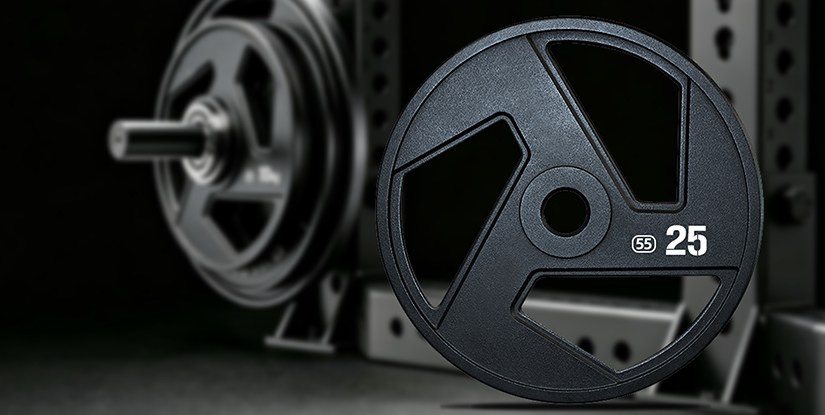
To mitigate the risk of receiving inconsistent batches, buyers should integrate specific technical checkpoints into their pre-shipment protocols. Effective cast iron plate manufacturing QC involves more than just visual inspection; it requires verifying the concentricity of the bore and the adhesion of the surface coating. Whether you are sourcing commercial cast iron plates for a budget-friendly studio or a high-end training facility, confirming the secondary finishing steps ensures that your wholesale gym weight plates meet the professional standards expected in the North American market. We recommend requesting a detailed spec sheet and confirming the calibration process for your specific MOQ to ensure technical alignment before production begins.
Optimizing Your Supply Chain with a Cast Iron Weight Plate Wholesale Distributor
Selecting a professional cast iron weight plate wholesale distributor is a strategic decision that directly impacts your long-term profitability and inventory reliability. For importers and gym equipment distributors, sourcing directly from a specialized China factory ensures that you can maintain a consistent supply of commercial cast iron plates while managing the complexities of international logistics and volume-based pricing.
Relying on a single-tier trader often leads to unpredictable landed cost fluctuations and diluted distributor margin due to multiple middleman markups. By establishing a direct relationship with a wholesale supplier, you gain better control over your MOQ requirements and can better predict lead times for large-scale wholesale gym weight plates shipments. This structural advantage allows professional buyers to optimize their capital expenditure and ensure that their product catalogs remain competitive in the North American market.
Standardizing Quality Through Rigorous Manufacturing Protocols
To maintain high standards across bulk orders, a reliable cast iron weight plate wholesale distributor must prioritize strict technical control during the production cycle. High-volume sourcing requires a predictable manufacturing sequence—typically beginning with high-grade sand casting to ensure structural integrity, followed by precision CNC machining to refine the bore and surface flatness. Without these standardized steps, importers risk receiving shipments with inconsistent concentricity or uneven weight distribution, which can damage a distributor's reputation and increase return rates.
Effective cast iron plate manufacturing QC involves multiple inspection layers to protect your investment. A professional factory will conduct weight tolerance spot-checks throughout the production run to ensure each unit meets the specified commercial grade. Furthermore, the surface finishing stage—whether it involves phosphate treatment or a durable powder coating—must undergo adhesion testing to prevent premature chipping or oxidation during heavy commercial use. These technical benchmarks are essential for ensuring that the products you import meet the durability expectations of professional fitness facilities.
| Material Type | Primary Process | Key Component/QC Point | Commercial Duty | MOQ Impact |
|---|---|---|---|---|
| Gray Cast Iron | Sand Casting | Bore Concentricity | Standard Commercial | Lower |
| Machined Steel | CNC Machining | Surface Flatness | Premium/Competition | Higher |
| Coated Iron | Powder Coating | Coating Adhesion | High-Traffic Gyms | Moderate |
Before final shipment, a comprehensive pre-shipment inspection is vital to minimize logistics risks. This includes verifying the integrity of the export packaging to withstand long-distance sea freight and ensuring that all custom branding or embossed logos are correctly applied. For distributors managing large-scale inventory, confirming these details during the factory audit phase reduces the likelihood of damaged goods upon arrival at your warehouse, ultimately protecting your overall ROI and supply chain efficiency.
When evaluating your procurement strategy, understanding the structural differences between sourcing models is essential for maximizing your long-term returns. A professional cast iron weight plate wholesale distributor will typically offer various tiers of production to match different market segments, from high-volume budget options to high-precision premium units. Navigating these choices correctly prevents the common pitfall of overpaying for unnecessary precision or receiving sub-standard material that fails in a commercial environment.
Sourcing Model and Procurement Comparison
The following table outlines the typical distinctions in the supply chain, helping you decide whether to pursue a high-volume stock model or a specialized custom run. Each model carries different implications for your landed cost and inventory management strategy.
| Sourcing Model | Material/Process | QC Focus | Lead Time/MOQ | Typical Margin Potential |
|---|---|---|---|---|
| Stock Wholesale | Standard Gray Iron / Sand Casting | Bore Diameter & Weight Tolerance | Short Lead Time / Low MOQ | High Volume / Moderate Margin |
| OEM/Private Label | Cast Iron with Custom Powder Coating | Logo Adhesion & Surface Finish | Standard Lead Time / Moderate MOQ | High Brand Value / Solid Margin |
| Precision Machined | Machined Steel / CNC Calibration | Flatness & Concentricity | Long Lead Time / High MOQ | Premium Tier / High Margin |
For distributors looking to scale, selecting the right wholesale path depends on your target end-user. If you are supplying budget-conscious strength centers, a standard sand-cast model provides the best ROI. However, if you are building a premium brand identity, requesting ODM services to include high-grade powder coating or specialized surface treatments will differentiate your catalog. We recommend requesting a detailed spec sheet and confirming the specific factory inspection protocols for your chosen model before authorizing a bulk production run.
Factory QC and Pre-Shipment Inspection Protocols in China
Maintaining consistent product standards is the primary challenge for importers working with a cast iron weight plate wholesale distributor. To mitigate sourcing risk, professional buyers must implement rigorous manufacturing standards that cover the entire production cycle, from the initial sand casting to the final coating application. Without strict oversight, batches may arrive with inconsistent surface finishes or uneven weight distribution, directly impacting your wholesale margins and client satisfaction.
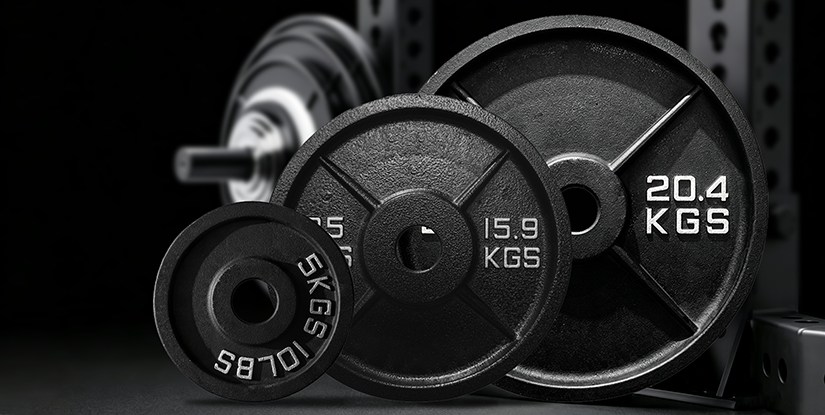
A reliable China factory utilizes a multi-stage inspection process to ensure every unit meets commercial grade requirements. This typically begins with a cast iron plate manufacturing QC check during the raw casting phase to identify structural defects or air bubbles. Once the plates undergo machining and surface treatments, a secondary inspection focuses on the weight tolerance and the adhesion of the powder coating or paint. For distributors, verifying these technical details before the pre-shipment stage is essential to prevent costly returns and ensure the long-term durability of commercial cast iron plates.
Effective sourcing involves more than just comparing prices; it requires auditing the specific technical checkpoints used during production. High-tier wholesale gym weight plates undergo strict calibration to ensure the center of gravity and the bore concentricity remain within industry-standard limits. By requesting detailed inspection reports or arranging a third-party audit, B2B buyers can ensure their bulk orders arrive ready for immediate commercial deployment, reducing the total landed cost by minimizing replacement needs.
Technical Inspection Points: Casting to Cnc Machining
To ensure the highest level of precision, the production sequence must move logically from the raw sand casting phase to high-precision CNC machining. During the initial stage, inspectors look for surface integrity and structural consistency in the gray iron. Following the casting, the plates undergo CNC machining to refine the center bore and the outer diameter. This step is critical for ensuring the concentricity of the plate, which prevents wobbling or uneven loading during high-volume commercial use. A professional cast iron weight plate wholesale distributor will emphasize these machining steps to guarantee that the plates remain balanced and stable.
After the structural shaping is complete, the plates enter the surface finishing and calibration stages. The cast iron plate manufacturing QC process must verify the quality of the surface finish—whether it is a phosphate treatment, paint, or a durable powder coating—to ensure excellent adhesion and prevent premature oxidation. Finally, a rigorous weight calibration check is performed to ensure that each unit meets the requested specification within industry-standard tolerances. For a cast iron weight plate wholesale distributor, these technical checkpoints are the difference between a low-quality batch and a premium product that supports high-traffic gym environments. We recommend that buyers request specific documentation regarding these machining and calibration protocols to confirm the reliability of their wholesale gym weight plates before final payment and container loading.
Pre-Shipment Inspection and Export Packaging Checklist
Before a bulk order leaves the factory, a formal pre-shipment inspection is the final safeguard for your inventory quality. Professional buyers should demand a checklist that covers both the physical integrity of the product and the security of the export packaging. For high-volume wholesale shipments, the failure of a single pallet due to improper stacking or weak container tie-downs can lead to significant damage and increased landed costs. Ensuring that your supplier adheres to these specific standards protects your distributor margins and ensures a smooth arrival at your warehouse.
| Inspection Category | Technical Focus Area | Commercial Duty Requirement | Standard QC Checkpoint |
|---|---|---|---|
| Physical Specification | Logo Embossing & Branding | High visibility and clarity for brand identity | Check for crisp edges and depth in cast iron |
| Surface Quality | Coating Adhesion | Prevention of chipping in high-traffic gyms | Visual check for uniform color and bond strength |
| Precision Check | Weight Tolerance | Consistency across the entire bulk order | Verify weight against spec within industry limits |
| Logistics Safety | Export Packaging | Protection against moisture and impact | Verify pallet strength and corner protection |
| Structural Integrity | Bore Concentricity | Smooth loading on standard barbell sleeves | Ensure centered hole without irregular wobbling |
When managing large-scale sourcing projects, we recommend that you request a sample approval of the final export packaging before the full container is loaded. This includes verifying the thickness of the corrugated cartons and the stability of the wooden pallets used for commercial cast iron plates. A well-organized China factory will provide high-resolution photos of the container loading process to confirm that logistics safety protocols were followed. By verifying these details, you ensure that your wholesale gym weight plates arrive in a condition that meets the expectations of your premium commercial clients.
Customization and Private Label Capabilities for Global Importers
For professional distributors and large-scale gym chains, sourcing generic products often limits long-term growth. Utilizing a cast iron weight plate wholesale distributor that offers robust OEM and ODM services allows you to move beyond mere commodity trading. By integrating your own brand identity into the manufacturing process, you transition from a simple importer to a recognized equipment provider in your local market.
Strategic customization through private label manufacturing provides essential market differentiation. Whether it is through custom logo embossing directly into the iron mold or applying specific color-coded paint schemes, these details signal premium quality to end-users. Such specialized services enable you to meet the exact requirements of high-end fitness facilities while maintaining the wholesale cost advantages of direct sourcing from a China factory.
Strategic Value of Custom Branding and Specifications
Customization is not merely aesthetic; it is a functional tool for professional commercial gym branding. High-tier distributors often require specific weight tolerance standards and unique finishes to satisfy professional strength athletes or boutique studio requirements. Negotiating these specs during the initial sourcing phase ensures that your inventory meets the rigorous demands of high-traffic commercial environments.
When managing bulk orders, the ability to define technical details—such as the depth of the central bore or the specific texture of the surface finish—can significantly reduce long-term replacement costs for your clients. Working with a supplier that understands the nuances of commercial cast iron plates ensures that your custom orders are both visually distinct and structurally reliable.
| Customization Tier | Typical Scope | Primary Benefit | Impact on MOQ |
|---|---|---|---|
| Standard Wholesale | Existing molds and colors | Fastest lead time and lowest cost | Lowest baseline |
| Light OEM | Logo embossing or silk-screen | Enhanced brand identity | Moderate increase |
| Full ODM | Custom mold shapes and finishes | Maximum market differentiation | Highest requirement |
Before finalizing your production schedule, we recommend discussing your specific custom branding requirements with our technical team. We can provide detailed guidance on how different custom logo embossing methods affect the cast iron plate manufacturing QC process and the total landed cost of your shipment. Contact us to confirm your MOQ and request a technical spec sheet for your custom project.
Technical Execution and Manufacturing Workflow
Achieving high-end results requires a disciplined manufacturing sequence that moves from raw casting to precision finishing. A professional cast iron weight plate wholesale distributor ensures that every stage of production adheres to strict industrial standards. The process typically begins with high-grade sand casting to create the foundational plate shape. This traditional method is highly effective for producing durable, heavy-duty commercial plates with consistent density. Once the raw casting is complete, the unit undergoes CNC machining, particularly around the central bore, to ensure the concentricity and fitment are optimized for commercial barbell sleeves.
To protect the surface and enhance the aesthetic for your brand, the plates are treated with a professional powder coating process. This step is critical for preventing oxidation and ensuring long-term durability in high-humidity gym environments. During this stage, specialized techniques such as logo embossing or high-durability silk-screening are applied to solidify your brand presence. To maintain the highest level of accuracy for your customers, every batch undergoes rigorous weight calibration. This calibration ensures that the actual weight matches the stamped denomination within industry-standard tolerances, preventing discrepancies that could damage your reputation as a reliable supplier.
The final stage of the production cycle is the pre-shipment inspection conducted by the China factory. This quality control phase is where the cast iron plate manufacturing QC reaches its peak, focusing on surface adhesion, bore alignment, and packaging integrity. For global importers, a thorough inspection ensures that the goods arriving at your warehouse meet the required export standards, reducing the risk of damaged or non-compliant inventory. We recommend that buyers request a detailed inspection report or a sample approval session to confirm that all custom specifications and weight tolerances align with your commercial requirements before the final container loading.